Wildflowers by the Ocean at Mori Point

Posted May 21st, 2021 by Marc Cohen
Categories: General Gardening, Misc, Photos

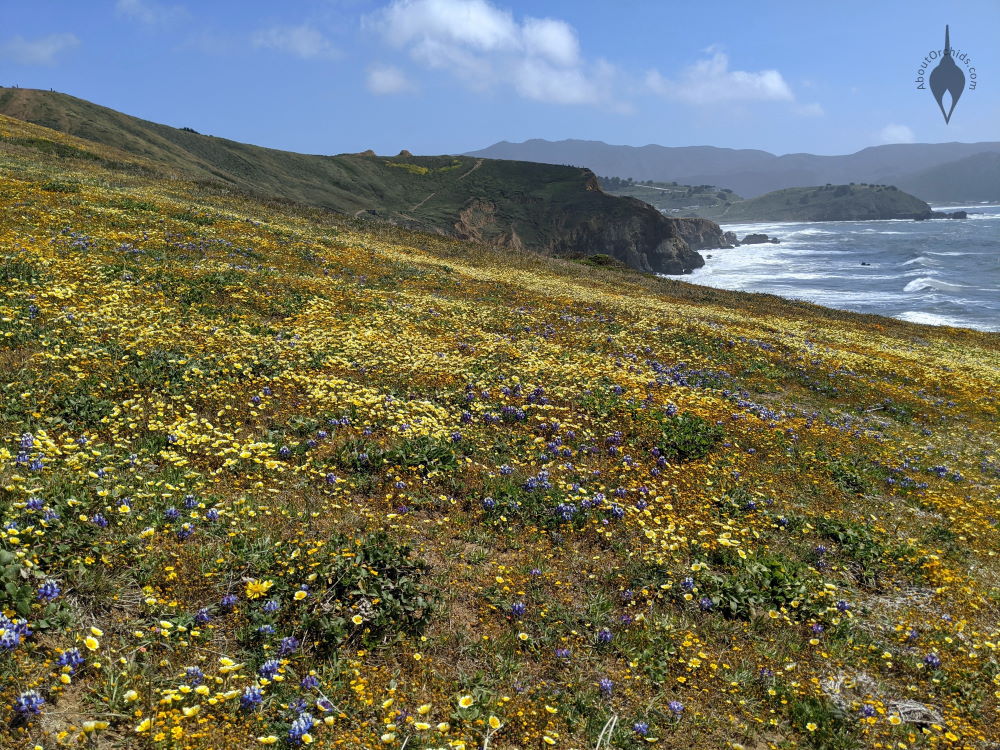
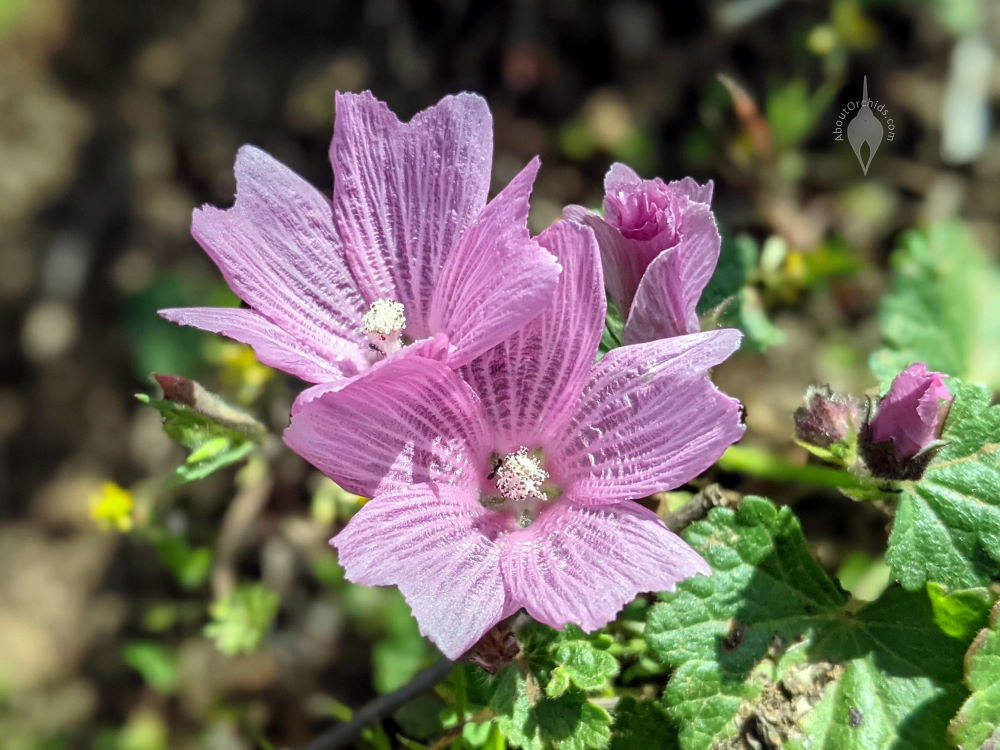
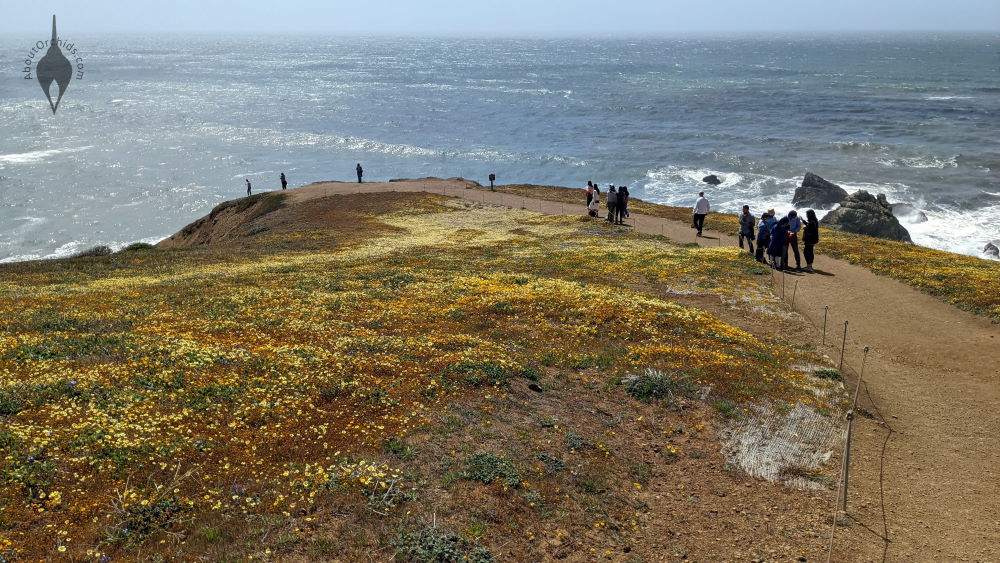
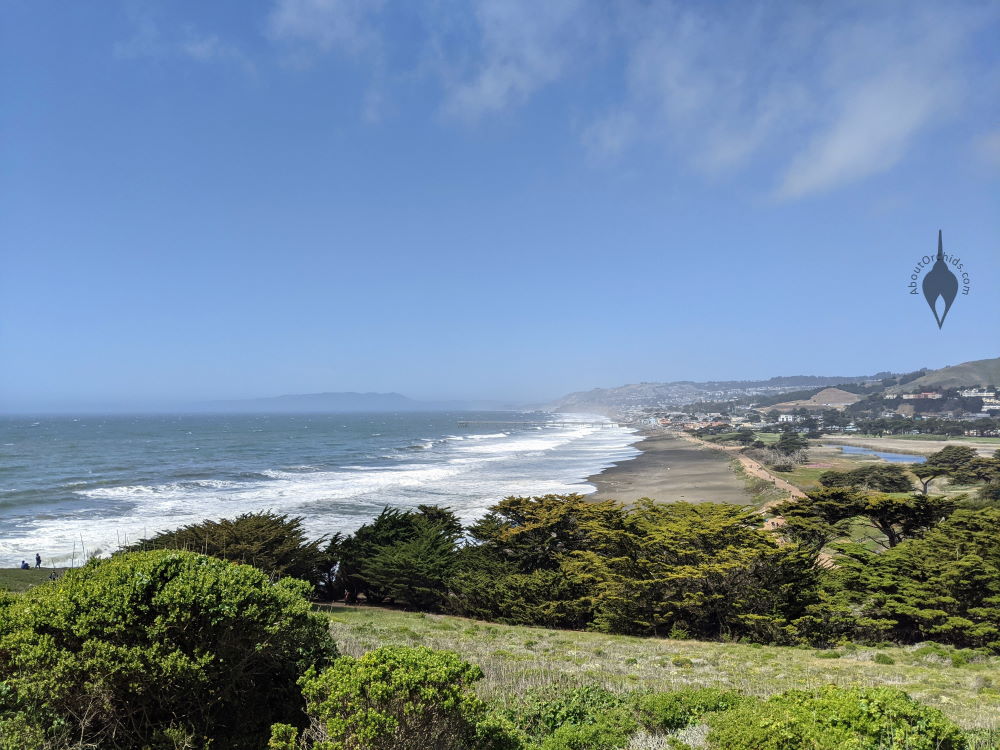
Cliffs at Mori Point covered in native wildflowers, including Lupines, Tidy Tips, and California Goldfields, Layia platyglossa, Lasthenia californica, Pacifica, Golden Gate National Recreation Area, GGNRA, Pacific Ocean, Northern CaliforniaView of ocean waves, Sharp Park beach and Pacifica Pier from Mori Point, covered in native wildflowers, including Lupines, Tidy Tips, and California Goldfields, Layia platyglossa, Lasthenia californica, Pacifica, Golden Gate National Recreation Area, GGNRA, Pacific Ocean, Northern CaliforniaCheckerblooms, native California wildflowers, Sidalcea malviflora, Mori Point, Pacifica, Golden Gate National Recreation Area, GGNRA, Northern California

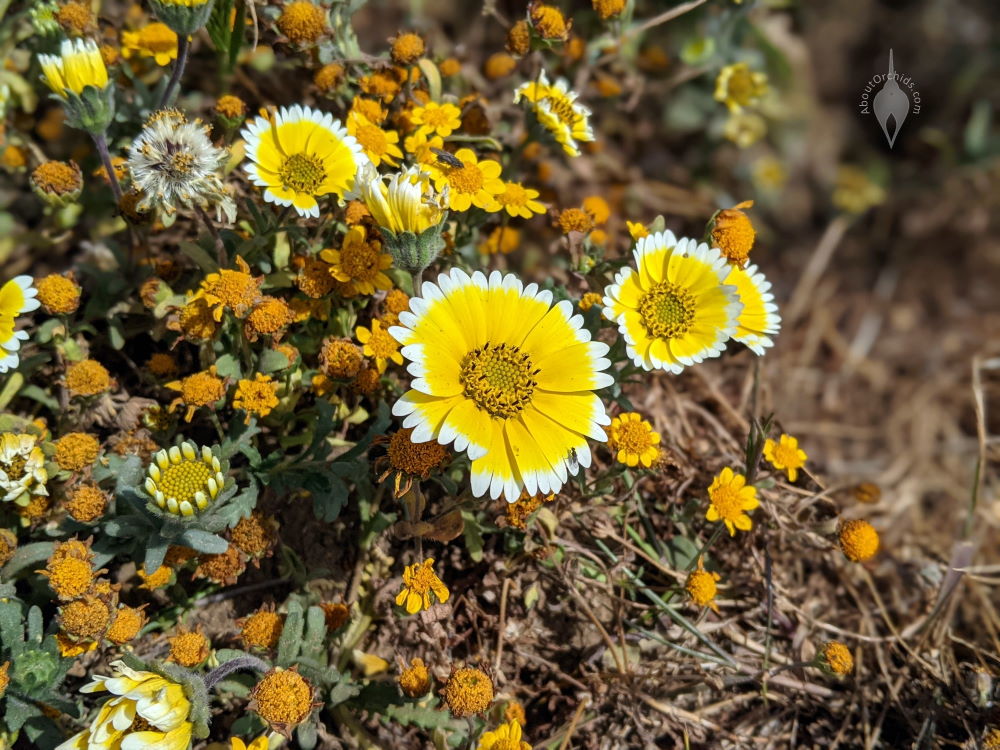
Tidy Tips in bloom at Mori Point, Layia platyglossa, yellow and white flowers, Pacifica, Golden Gate National Recreation Area, GGNRA, Pacific Ocean, Northern CaliforniaPeople walking down a trail to the end of Mori Point, native wildflowers, including Lupines, Tidy Tips, and California Goldfields, Layia platyglossa, Lasthenia californica, Pacifica, Golden Gate National Recreation Area, GGNRA, Pacific Ocean, Northern CaliforniaBlue and white Lupine flowers, native California wildflowers, Mori Point, Pacifica, Golden Gate National Recreation Area, GGNRA, Northern California

Revel in spring blooms with these native wildflowers growing by the ocean near San Francisco. Mori Point is a 32 acre (13 hectare) park in Pacifica, California with stunning coastal views. It’s part of the Golden Gate National Recreation Area, which encompasses much of Pacific coastline outside the Golden Gate. Dave and I recently took a walk at Mori Point, and despite the chilly ocean winds, there were fields of flowers to enjoy.
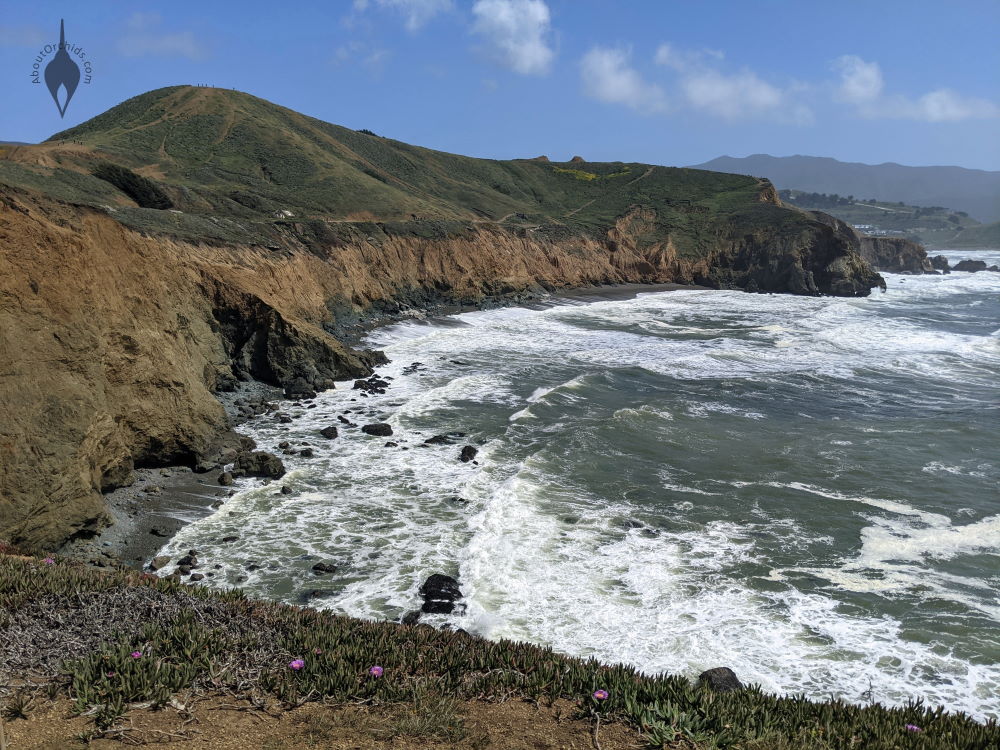
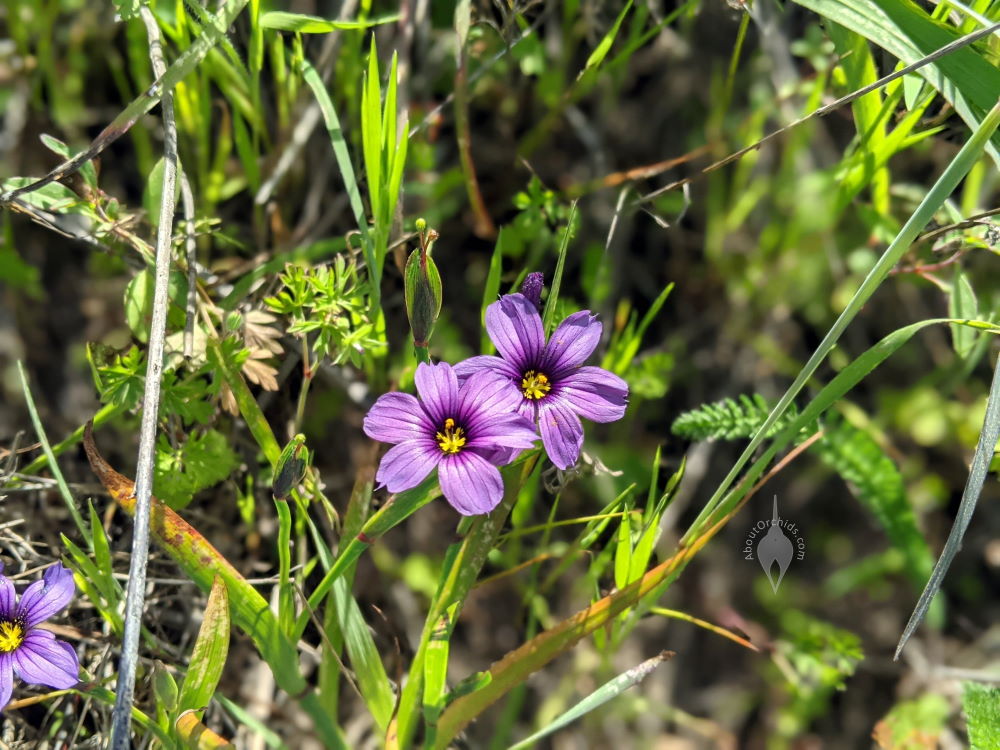
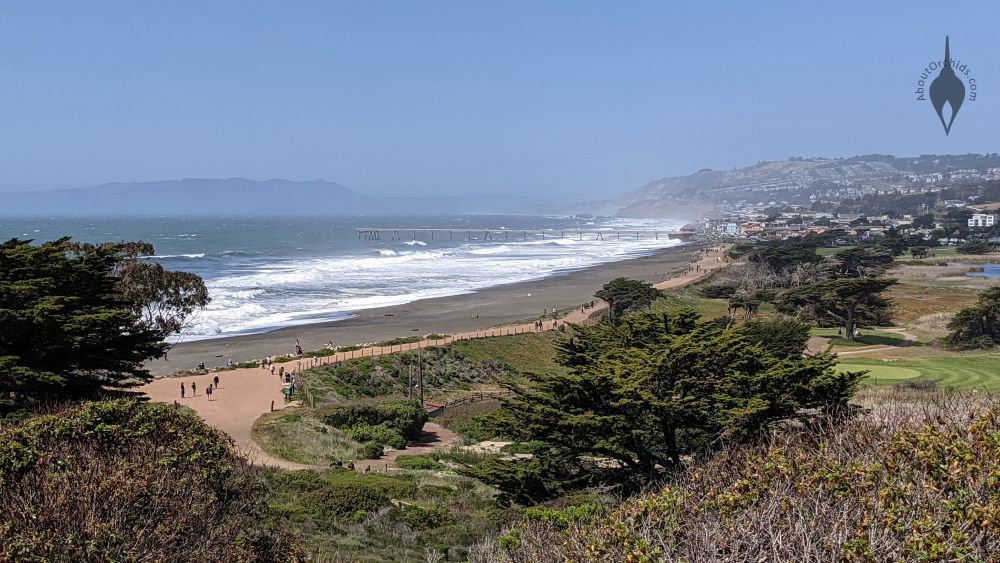
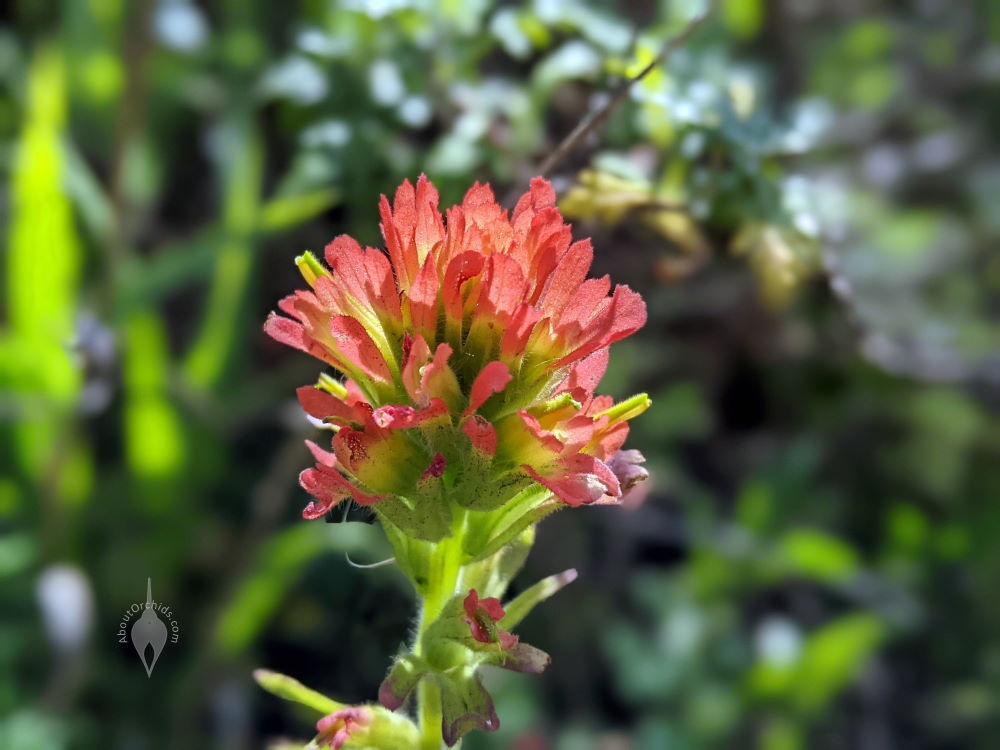
Blue Eyed Grass flowers, Sisyrinchium, native California wildflowers, Mori Point, Pacifica, Golden Gate National Recreation Area, GGNRA, Northern CaliforniaSharp Park beach and Pacifica Pier viewed from Mori Point trail, Pacifica, Golden Gate National Recreation Area, GGNRA, Northern CaliforniaIndian Paintbrush flower, orange flower, native California wildflower, Mori Point, Pacifica, Golden Gate National Recreation Area, GGNRA, Northern California

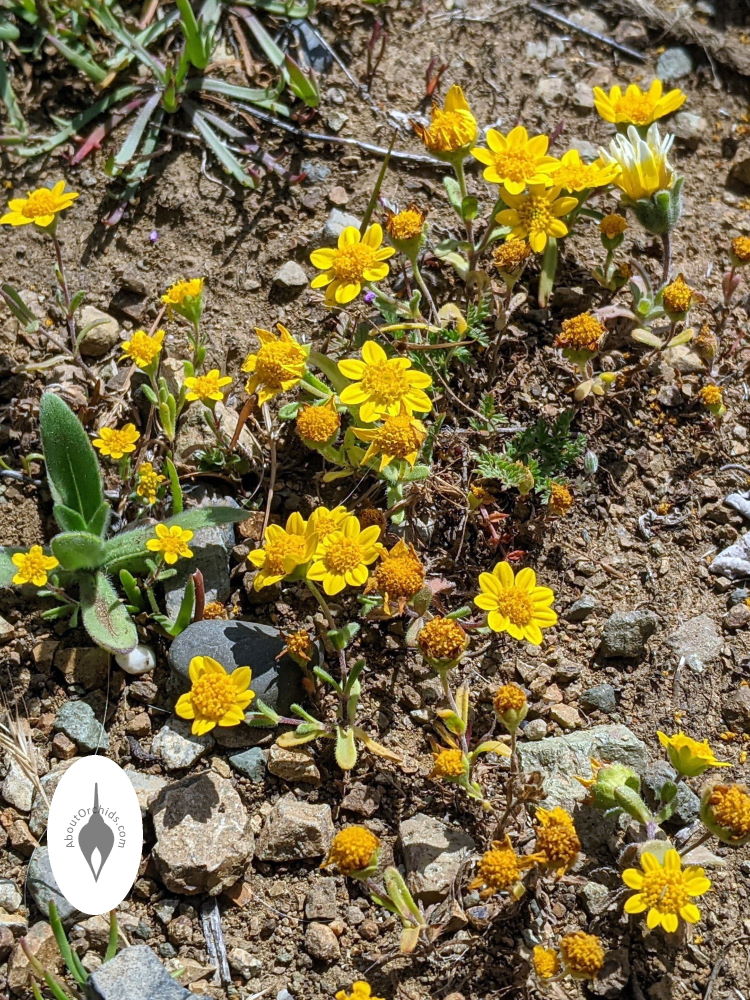
Sharp Park beach and Pacifica Pier viewed from Mori Point trail, Pacifica, Golden Gate National Recreation Area, GGNRA, Northern California, Pacific OceanView from Mori Point trail, ocean waves on beach, Pacifica, Golden Gate National Recreation Area, GGNRA, Northern California, Pacific OceanCalifornia Goldfields, Lasthenia californica, native California wildflowers, Pacifica, Golden Gate National Recreation Area, GGNRA, Northern California

The windy conditions result in few trees, and short, scrubby growth. There’s little rain, but lots of moisture from fog. Over the last few years, there have been great efforts to remove invasive plants and restore natives, and the results are spectacular. These photos all show native Northern California species, including Checkerbloom, Tidy Tips, Lupines, Blue Eyed Grass, Indian Paintbrush, and California Goldfields. Many of these are available at our local garden nurseries, and easy to grow from seed on the coast. Check out Mori Point’s hiking trails and its wonderful vistas if you’re in the area.

Virtual Orchid Judging

Posted May 14th, 2021 by Marc Cohen
Categories: Misc

VirtualOrchids.org is judging orchids online. It’s not quite the same as in-person judging, but it’s proving to be very worthwhile. While much of the orchid world has moved online in the past year, orchid judges must examine plants in person to give awards. With most shows still cancelled, online contests are a good alternative. No real awards are given, but there are lots of beautiful flowers and great educational opportunities. Growers submit detailed photos, videos, and measurements of their plants, and online participants assess and comment. Many are real orchid judges who have gone through years of training to hone their expertise. Anyone can enter an orchid. Everyone can learn how experts examine orchids, what qualities they look for, what resources they use, and what makes a prize-winning plant.

What to Do with a Mother’s Day Orchid

Posted May 9th, 2021 by Marc Cohen
Categories: Photos

Phalaenopsis flower, Phal, Moth Orchid hybrid, Orchids in the Park 2017, Golden Gate Park, San Francisco, CaliforniaPhalaenopsis flowers with water drops, Phal, Moth Orchid hybrid, University of Oxford Botanic Garden, Oxford, Oxfordshire, England, UKPhalaenopsis, Phal, Moth Orchid hybrids in different colors and sizes, Cloud Forest Conservatory, Gardens by the Bay nature park, Singapore

Mother’s Day is a day for moms, and also a day for orchids. If you’re gazing at a new orchid gift, and wondering what to do with it, don’t worry. Most orchids don’t deserve their finicky reputations, and aren’t tough to grow. The most commonly sold types are Moth Orchids, like those in the row of photos above. They enjoy typical household temperatures, bright light but not full sun, and good humidity.

Paphiopedilum Pinocchio, Paph hybrid orchid flower, Lady Slipper flower, Cloud Forest Conservatory, Gardens by the Bay nature park, SingaporePaphiopedilum Maudiae, Paph hybrid orchid flower, Lady Slipper flower, green and white flower, Glasshouse, RHS Garden Wisley, Woking, Surrey, UKPaphiopedilum, Paph orchid flower, Lady Slipper flower, Glasshouse, RHS Garden Wisley, Woking, Surrey, UK

Lady Slippers, illustrated in the three pictures above, are also popular. Most varieties need care similar to Moth Orchids, but some prefer slightly cooler temperatures.

Oncidium Alosuka 'Claire', orchid hybrid flowers, Dancing Lady Orchids, yellow and reddish brown flowers, Orchids in the Park 2019, Golden Gate Park, San Francisco CaliforniaOncidium Sharry Baby 'Sweet Fragrance', Dancing Lady Orchid flower, chocolate scented flower, Pacific Orchid Expo 2014, San Francisco, CaliforniaOncidium orchid flowers, Dancing Lady Orchid, yellow brown and white flower, University of Oxford Botanic Garden, Oxford, Oxfordshire, England, UK

Dancing Lady Orchids feature masses of small blooms. Many hybrids are available, including the chocolate-scented Oncidium Sharry Baby, shown in the middle photo above. These plants want some direct sun to grow well. For more basic orchid care info, check these tips.

Million Orchid Project Restoration Kits

Posted May 5th, 2021 by Marc Cohen
Categories: Buying Tips, Conservation

Looking for a special gift? How about kits that help save Florida’s endangered native orchid species? Fairchild Tropical Botanic Garden is offering rare orchids seedlings for sale for local residents. They’re all part of Florida’s Million Orchid Project, modeled after Singapore’s success at restoring its endangered species by planting lots of them everywhere, even in a busy city. Fairchild and its conservation partners have been growing the orchids from seed, and planting them around South Florida. The native varieties include the Butterfly Orchid, Night Fragrant Epidendrum, Mule Eared Orchid, and Florida Oncidium. The kits consist of a dozen or more seedlings with instructions for mounting the plants. You must be in the Miami area to order online.

Update: Broward County, Florida residents can also buy these kits through the Ft. Lauderdale Orchid Society.

May Orchid Events

Posted May 1st, 2021 by Marc Cohen
Categories: Events

Most of the orchid world continues to exist online. Check with your local orchid society for virtual meetings, shows, auctions, expert talks, and more.

May 1
New Zealand Orchid Society Autumn Show, Mt. Albert War Memorial Hall, 751-761 New North Rd., Auckland, New Zealand
May 5
Presentation about The Diversity and Conservation of New Zealand Orchids, Te Papa, 55 Cable St., Wellington, New Zealand

Orchid Post Mortem: Ada

Posted April 28th, 2021 by Marc Cohen
Categories: Cool Growers, Photos, Problems

Brassia aurantiaca, AKA Ada aurantiaca, orchid species flowers, orange flowers, grown outdoors in San Francisco, CaliforniaBrassia aurantiaca, AKA Ada aurantiaca, orchid species flowers, orange flowers, grown outdoors in San Francisco, CaliforniaBrassia aurantiaca, AKA Ada aurantiaca, orchid species flower, orange flower, grown outdoors in San Francisco, California

Every now and then, I manage to kill an orchid. Recently, it was my Ada aurantiaca. The species has been renamed Brassia aurantiaca, but I bought it under the Ada name, so that’s how I usually refer to it. After it died, I realized that we didn’t take many photos of it over the years. Fortunately, I have enough to illustrate it here, and also a few more from shows and gardens.

Brassia aurantiaca, AKA Ada aurantiaca, orchid species flowers, orange flowers, grown outdoors in San Francisco, CaliforniaBrassia aurantiaca, AKA Ada aurantiaca, orchid species flower buds, orange flower buds, grown outdoors in San Francisco, CaliforniaBrassia aurantiaca, AKA Ada aurantiaca, orchid species flowers, orange flowers, grown outdoors in San Francisco, California

Brassia aurantiaca, AKA Ada aurantiaca, orchid species flower, orange flower, grown outdoors in San Francisco, CaliforniaBrassia aurantiaca, AKA Ada aurantiaca, orchid species flowers, orange flowers, grown outdoors in San Francisco, CaliforniaBrassia aurantiaca, AKA Ada aurantiaca, orchid species flower buds, orange flower buds, grown outdoors in San Francisco, California

This great cool grower really stands out with its brilliant orange flowers. I had repotted it before without problems, but a couple years ago, after repotting, I left it in a damp, shady location for too long. When I finally realized it after a few months, most of the plant was rotting. That’s an uncommon issue for me, especially for my outdoor plants, which live in windy conditions near the ocean. I doused the orchid with hydrogen peroxide, rinsed it off, and coated it with cinnamon powder. Those natural remedies are very effective in stopping fungal and bacterial rots. Later, I moved it back into a sunnier spot. However, the remainder of the plant never thrived again. Two years later, it died during a heat wave.

Brassia aurantiaca, AKA Ada aurantiaca, orchid species flowers, yellow flowers, Cloud Forest Conservatory, Gardens by the Bay nature park, SingaporeBrassia aurantiaca, AKA Ada aurantiaca, orchid species flowers, yellow and orange flowers, Cloud Forest Conservatory, Gardens by the Bay nature park, SingaporeBrassia aurantiaca, AKA Ada aurantiaca, orchid species flowers, orange flowers, Pacific Orchid Expo 2018, San Francisco, California

To supplement the first three rows of photos of my plant, in the fourth row, there are two pictures from Dave’s trip to the Cloud Forest Conservatory in Singapore, and one from the 2018 Pacific Orchid Expo. The Singapore photos show yellow varieties. If I ever buy another Ada, orange or yellow, I’ll remember to take more pictures.

Saving the Treasure Trove of Nepal’s Orchids

Posted April 24th, 2021 by Marc Cohen
Categories: Conservation, In the News

The Nepali Times lays out the perils facing orchids in the Himalayan country. Nepal’s mountain valleys are full of cloud forests with rich orchid life. The country is home to over 500 different kinds. (By comparison, the USA and Canada have about 250 native species.) Many varieties are part of traditional medicines, and are legally exported to China or India. Sadly, many more are illegally poached from the wild and smuggled, which takes a terrible toll on native populations. There are two dozen orchid species among these medicinal plants, including a dozen Dendrobiums. Enforcing conservation laws is always difficult, but determining whether a shipment of dried orchid stems are an endangered species or not is almost impossible. It’s just one of the major conservation challenges faced by Nepal and other countries. Conservation groups hope to bring more awareness and more enforcement to help save Nepal’s orchids.

California Lilac Season

Posted April 19th, 2021 by Marc Cohen
Categories: General Gardening, Photos

Ceanothus flowers buds and leaves, California Lilac, buckbrush, soap bush, blue flowers, growing outdoors in Pacifica, CaliforniaCalifornia Tortoiseshell caterpillar on ceanothus leaves, Nymphalis californica, California Lilac, buckbrush, soap bush, blue flowers, growing outdoors in Pacifica, CaliforniaLarge Ceanothus shrub, California Lilac, buckbrush, soap bush, blue flowers, growing outdoors in Pacifica, California

Ceanothus flowers with honeybee, California Lilac, buckbrush, soap bush, blue flowers, growing outdoors in Pacifica, CaliforniaCeanothus flowers, California Lilac, buckbrush, soap bush, blue flowers, growing outdoors in Pacifica, CaliforniaCeanothus plant growing over chain link fence, California Lilac, buckbrush, soap bush, blue flowers, growing outdoors in Daly City, California

At this time of year, the Northern California coast is full of blue flowers. They’re not orchids, but they’re one of my favorites nonetheless. California Lilacs, or Ceanothus, are a North American genus, with many species native to California. They’re a staple of local gardens, currently blossoming in front yards, on hillsides, next to parking lots, and even growing over chain link fences. California Lilacs come in many different forms, from small shrubs to small trees, miniatures, and groundcovers. There are also different color varieties, with dark blue, lavender, or white flowers. Their clusters of tiny, fragrant blooms are bee favorites. Caterpillars of California Tortoiseshell Butterflies feed on their leaves.

Two large Ceanothus shrubs growing in front of a house, California Lilac, buckbrush, soap bush, blue flowers, growing outdoors in Pacifica, CaliforniaCeanothus flowers with bee, California Lilac, buckbrush, soap bush, blue flowers, growing outdoors in Pacifica, CaliforniaCeanothus shrub in bloom, California Lilac, buckbrush, soap bush, blue flowers, growing outdoors in Pacifica, California

Ceanothus flowers, California Lilac, buckbrush, soap bush, blue flowers, growing outdoors in Pacifica, CaliforniaLow-growing Ceanothus shrubs in bloom along a sidewalk, California Lilac, buckbrush, soap bush, blue flowers, growing outdoors in Pacifica, CaliforniaCeanothus flowers, California Lilac, buckbrush, soap bush, blue flowers, growing outdoors in Pacifica, California

The coastal varieties which do so well here are drought-tolerant, and tough enough to grow among invasive and dominating ice plants, which choke out most everything else. They can handle salt and wind. Most stay green all year, but there are deciduous types, too. Ceanothus are nitrogen-fixing plants. To cultivate California Lilacs, plant in soil with good drainage, and grow in full sun. They should be watered throughout their first year, but kept dry after that. Skip the artificial fertilizers, which they don’t like. Protect from deer where needed. Small leaf varieties may have less appeal to browsing deer. With cool, coastal weather, and very little care, they provide years of brilliant blue blooms.

Pollinating Orchids by Foot

Posted April 12th, 2021 by Marc Cohen
Categories: In the News, QuickPost

Among many peculiar pollination strategies in the orchid family, some South African species really stand out. The small blooms of Disa chrysostachya offer nectar to entice Malachite Sunbirds to perch on their flower spikes and take a drink. But instead of attaching to their beaks as they feed, the pollen sticks to their claws. Then they fly to another flower spike, carrying the pollen, and fertilize the orchids with their feet. It’s certainly an unusual adaptation, even for an orchid.

Marianne North’s Orchid Artwork

Posted April 7th, 2021 by Marc Cohen
Categories: Photos, Videos

Marianne North was a phenomenal botanical artist of Victorian England, and you can take a virtual trip to enjoy her gallery at RBG Kew in London. Check out the two videos below, and also photos that Dave took during a visit to the UK in 2019.

Artwork with orchids, The Marianne North Gallery at Royal Botanic Gardens, Kew in London, UK; oil paintings done by Marianne North, English biologist and botanical artistWall of artwork at the Marianne North Gallery at Royal Botanic Gardens, Kew in London, UK; oil paintings done by Marianne North, English biologist and botanical artistWalls of artwork at the Marianne North Gallery at Royal Botanic Gardens, Kew in London, UK; oil paintings done by Marianne North, English biologist and botanical artist

North’s extraordinary art includes many orchids. She traveled around the world on her own, which was very rare for women at the time, to paint plants, animals, and wild scenery. Her works capture exquisite details, and also convey her love of nature. In the process, she discovered plants unknown to science, and innovated important botanical art techniques.

Artwork with Moth Orchid, Phalaenopsis, Phal, white flowers, The Marianne North Gallery at Royal Botanic Gardens, Kew in London, UK; oil paintings done by Marianne North, English biologist and botanical artistWalls of artwork at the Marianne North Gallery at Royal Botanic Gardens, Kew in London, UK; oil paintings done by Marianne North, English biologist and botanical artistWalls of artwork at the Marianne North Gallery at Royal Botanic Gardens, Kew in London, UK; oil paintings done by Marianne North, English biologist and botanical artist

The Marianne North Gallery is home to over 800 of her pieces at Kew Gardens in London. Its dense arrangement of paintings, with little empty space between them, is reminiscent of the dense layerings of life she was recreating. It’s a lot to take in, whether online or in person, but definitely worth the time.

Artwork with Lady Slipper orchids, The Marianne North Gallery at Royal Botanic Gardens, Kew in London, UK; oil paintings done by Marianne North, English biologist and botanical artistNature paintings, The Marianne North Gallery at Royal Botanic Gardens, Kew in London, UK; oil paintings done by Marianne North, English biologist and botanical artistWalls of artwork at the Marianne North Gallery at Royal Botanic Gardens, Kew in London, UK; oil paintings done by Marianne North, English biologist and botanical artist