Mini Phal

Posted September 12th, 2009 by Marc Cohen
Categories: Mini Orchids, Photos, Warm Growers

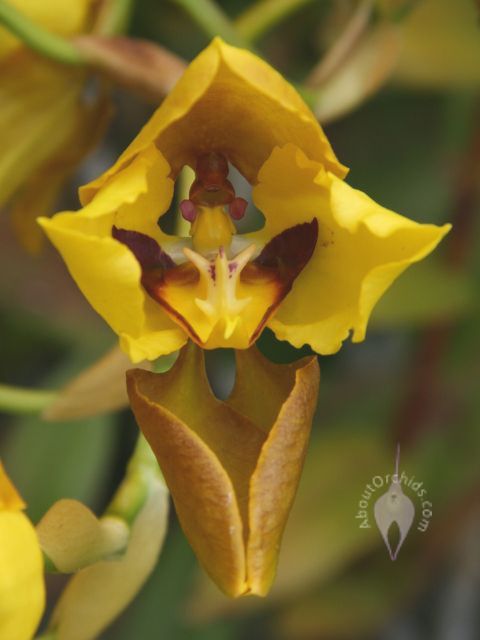
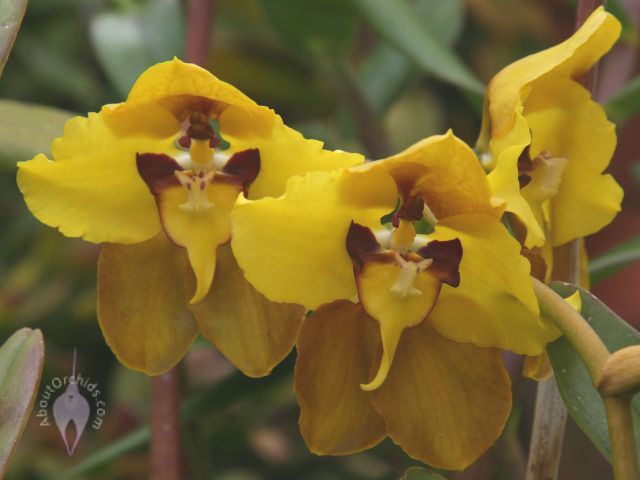
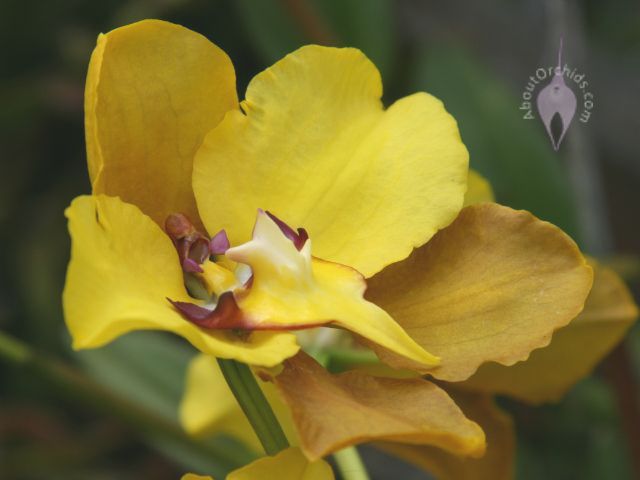
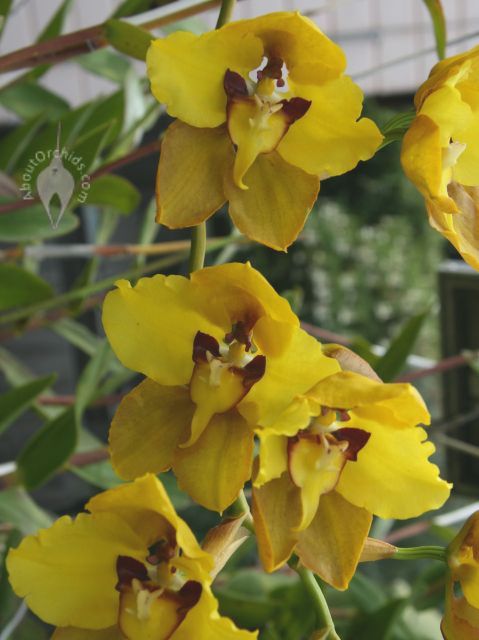
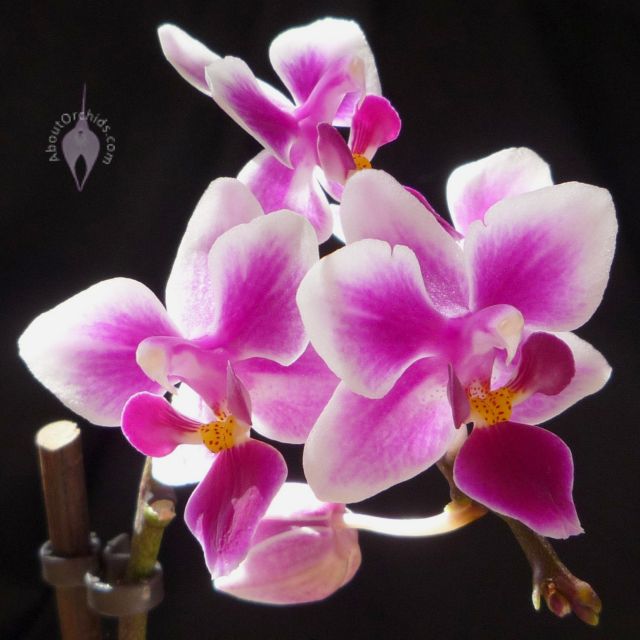
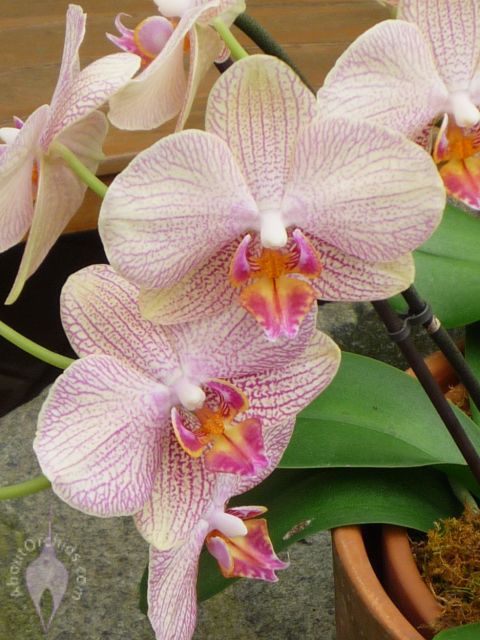
The most popular orchids sold today are Phals, or Moth Orchids. Since their blooms can last for months, and they grow in the same light and temperature ranges of our homes and offices, their popularity is easy to understand. It’s no wonder that orchid growers have concentrated their attentions on this genus, and created thousands of hybrids. Over the past few years, I’ve seen a great selection of smaller and smaller hybrids, perfectly suited for a windowsill, a crowded desk, or a city apartment. This mini Phal hardly takes up any space at all.

Mini Phal flowersMini Phal flowersMini Phal side viewMini Phal plant and flowers

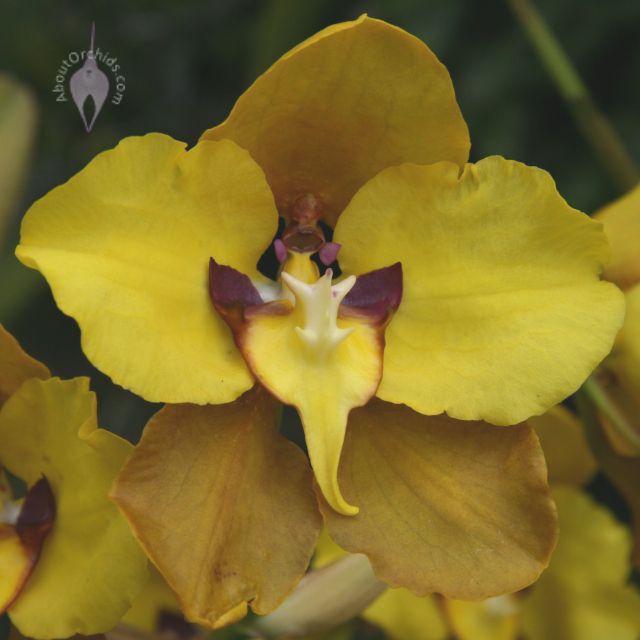
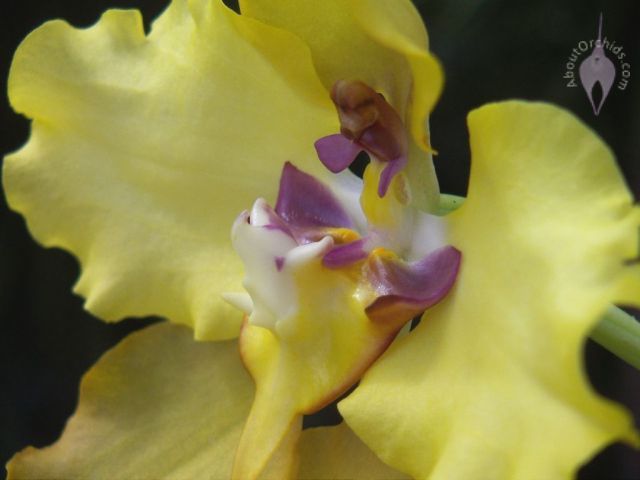
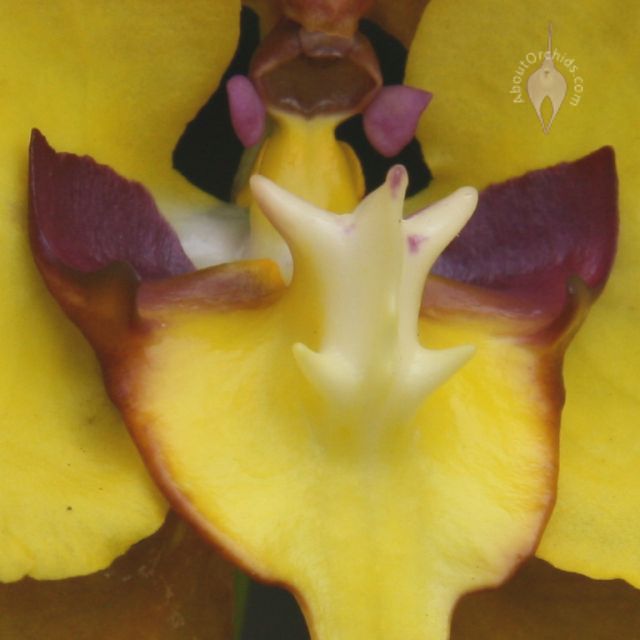
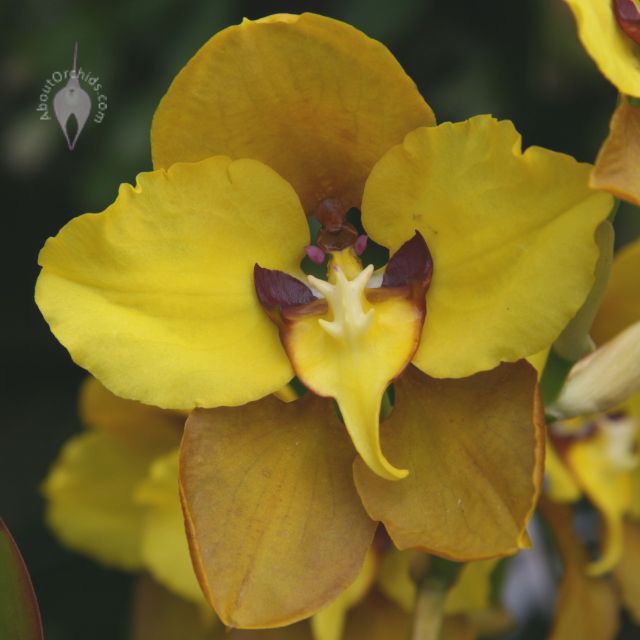
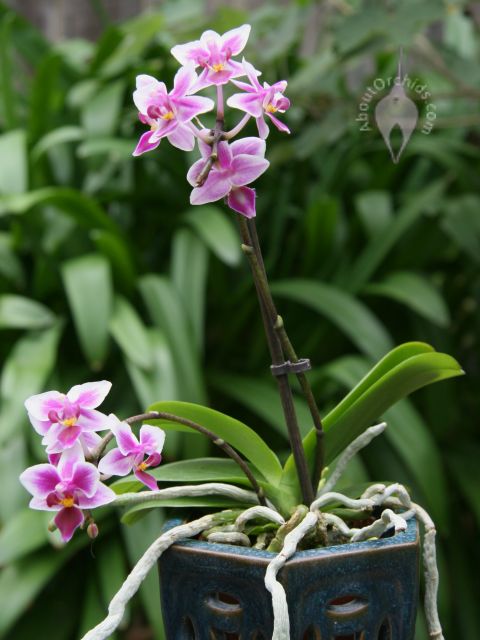
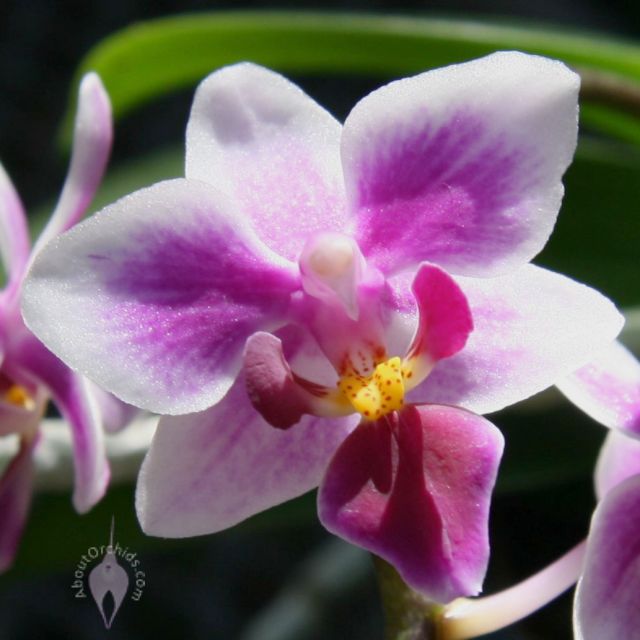
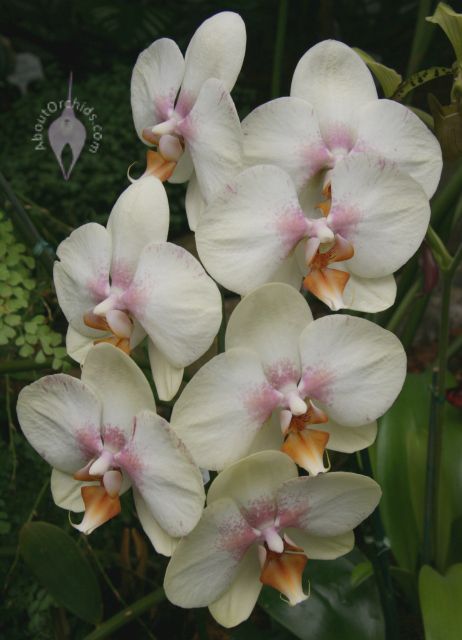
It’s too easy to rationalize bringing home more beautiful blooms when the entire plant is only 8 inches (20 cm) tall. These flowers are just 1.25  inches (3.2 cm) across. Their diminutive size belies how sturdy they are. Like their larger Phal cousins, it’s even possible to force these mini orchids to rebloom.

Mini Phal close upMini moth orchid

It’s too easy to rationalize bringing home more beautiful blooms when the plant is only 8 inches (20 cm) tall, flowers and all. The flowers themselves are only 1.25  inches (3.2 cm) across.

More from the Conservatory of Flowers

Posted September 6th, 2009 by Marc Cohen
Categories: Botanical Gardens, Cool Growers, Mini Orchids, Photos, Warm Growers

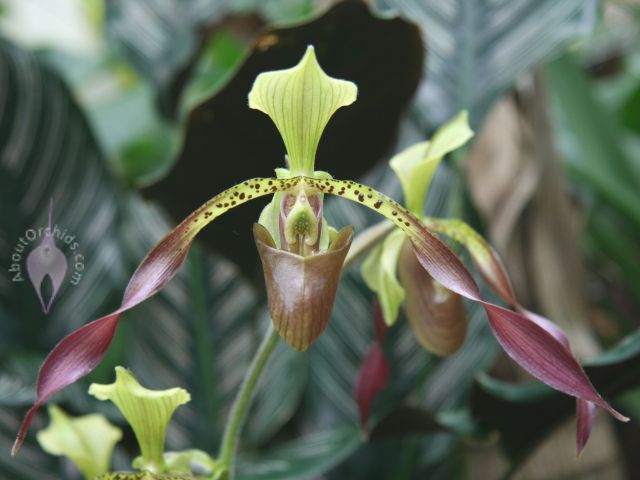
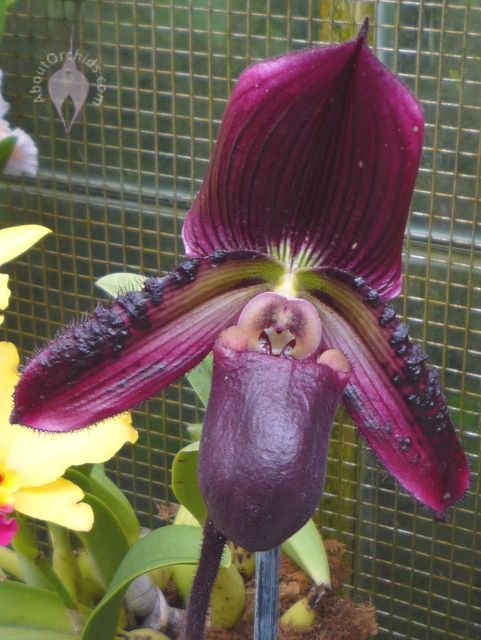
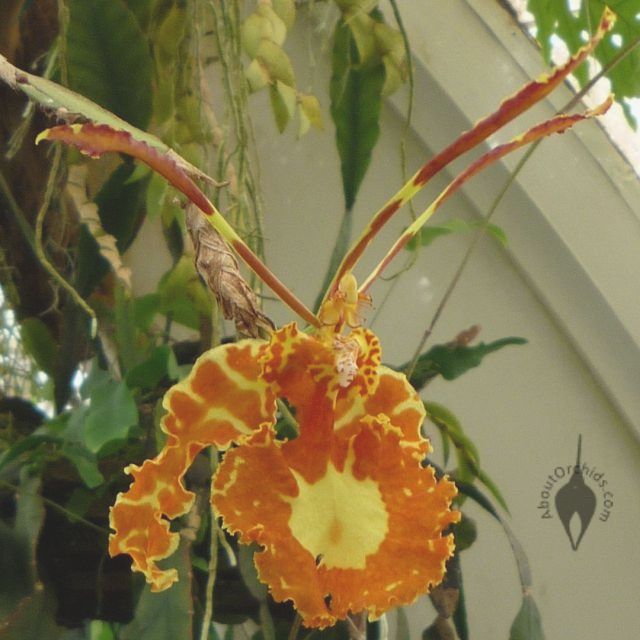
As promised, here are some additional photos from our trip to San Francisco’s Conservatory of Flowers. I’ll start with more warm growing orchids, like these 2 gorgeous Paphs, followed by 2 colorful members of the Oncidium family. Among its thousands of tropical plants and flowers, the Conservatory has a resident gecko population to help with pest control. These beautiful, un-eaten blooms are proof that the geckoes are on the job.

Lady Slipper flowerLady Slipper flower

Butterfly OrchidWilsonara flower

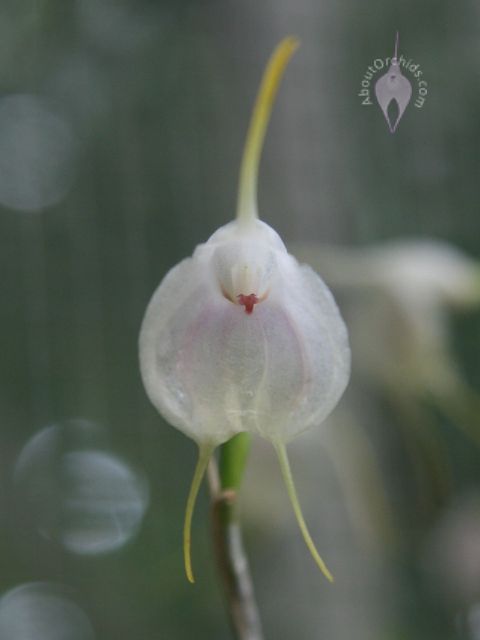
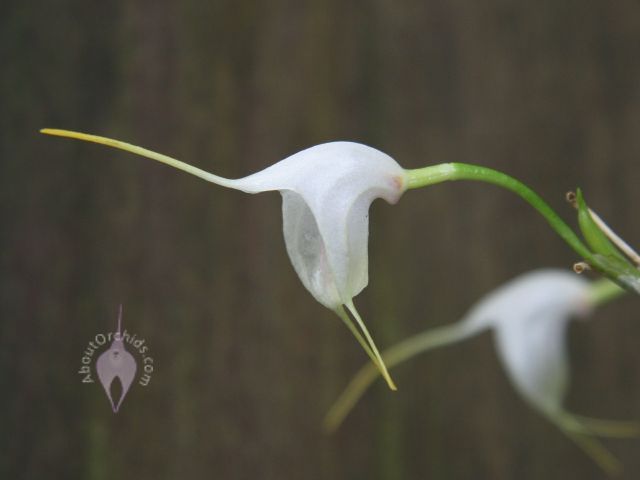
When we started to sweat in the displays with warm growing plants, it was great to step into the Highland Tropics Gallery to cool off. The Conservatory has a large collection of cool growing orchids, native to tropical mountain rainforests. These extraordinary members of the Masdevallia family enjoy the cool temperatures. Some are full of color, while others gleam in translucent white.

Masdevallia flowersDracula flowers

Masdevallia flowerMasdevallia flower side view

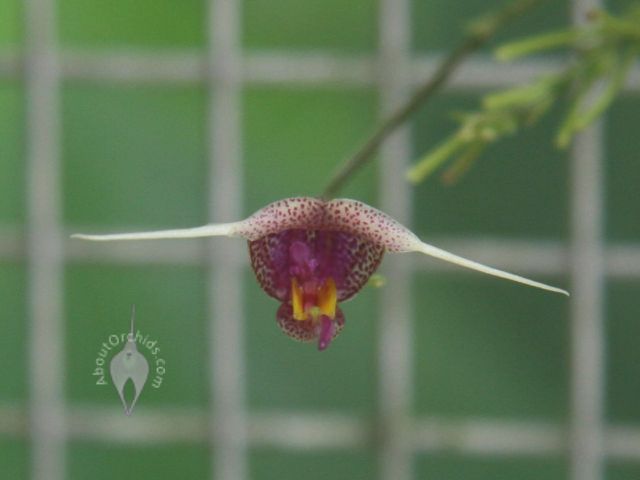
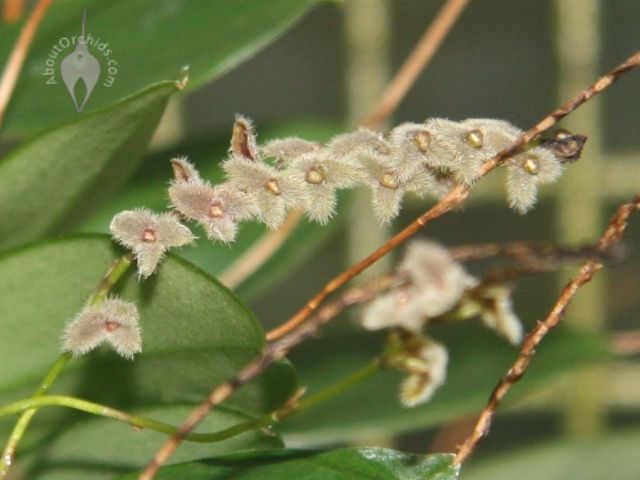
I’ve saved the strangest flowers for last. Among the more unusual blooms are 2 small, cool growing Masdevallia relatives. The first photo shows a tiny Scaphosepalum flower, seemingly in flight. The second photo may look like a fuzzy caterpillar, but it’s actually a group of miniature Stelis flowers. Finally, a large, weird (non-orchid) flower is known as the Bat Flower, or Cat’s Whiskers. They’re all part of the Conservatory’s remarkable displays.

Scaphosepalum flowerStelis flowersBat flower

September Orchid Shows

Posted September 1st, 2009 by Marc Cohen
Categories: Botanical Gardens, Events

This is just a partial list of orchid shows happening all over the world this month. They’re great opportunities to see lots of amazing flowers, meet other orchid enthusiasts, and talk to experts. Did I mention you can buy beautiful orchids for your own collection, too?

September 3 – 5
Tygerberg Orchid Group Spring Show, Durbanville City Hall, Durbanville, Western Cape, South Africa
September 4 – 7
OrquidaRio Orquidofilos Associados Show, Rio de Janeiro Botanical Gardens, R. Jardin Botanico, Rio de Janeiro, Brazil
September 5
Central Coast Orchid Society Show, 227 NE 12th St., Newport, Oregon
September 5 – 6
National Botanic Garden of Wales Orchid Festival, Llanarthne Carmarthenshire Wales, UK
September 10 – 13
Australian Orchid Council Conference and Show, Wyndham Leisure & Events Centre, 80 Derrimut Rd., Hoppers Crossing, Victoria, Australia
September 12
North of England Orchid Society Show, Cheshire, Village Hall, Plumley Cheshire, UK
September 12
Orchid Seminar and Sale, Swampscott Public Library, 61 Burrill St., Swampscott, Massachusetts
September 12 – 13
Orchids in the Park, Hall of Flowers, 9th Ave. & Lincoln Way, San Francisco, California
September 12 – 13
Blue Mountains and Penrith District Orchid Society Winter Show, Melrose Hall, cnr. Great Western H’way and Park St, Emu Plains, New South Wales, Australia
September 17 – 19
Manly Warringah Orchid Society, Centro Shopping Centre, Jackson Rd., Warriewood, New South Wales, Australia
September 17 – 20
Sociedad de Orquideologia del Estado Miranda Show, Espacios Abiertos, Corpbanca Tower, Plaza La Castellana, Caracas, Venezuela
September 18 – 20
Great Divide Orchid Society Show, Capital Hill Mall, 1600 11th Ave., Helena, Montana
September 18 – 20
Alabama Orchid Society Show, Birmingham Botanical Gardens, 2612 Lane Park Rd., Birmingham, Alabama
September 19
Bournemouth Orchid Society Show, Beaufort Community Centre, Beaufort Rd., Southbourne, Bournemouth, Dorset, UK
September 19 – 20
Canberra Orchid Society Show, St John’s Hall, Constitution Ave., Reid, ACT, Australia
September 19 – 20
Orchid Society of New South Wales Spring Show, Ermington Community Centre, River Rd., Ermington, New South Wales, Australia
September 19 – 20
Ridge Orchid Society Show, Lake Mirror Center, 121 S. Lake Ave., Lakeland, Florida
September 19 – 20
Wisconsin Orchid Society Show, Mitchell Park Conservatory, 524 S. Layton Blvd., Milwaukee, Wisconsin
September 21 – 27
Asociacion Salvadorena de Orquideologia Show, Feria Internacional de El Salvador Blvd., Feria Internacional, San Salvador, El Salvador
September 24 – 27
15th European Orchid Congress, Dresden Exhibition Centre, Dresden, Germany
September 24 – 27
South African Orchid Council Show and Conference, Old Motor Sports Hall, Rick Turner Rd., Glenwood, Durban, KwaZulu-Natal, South Africa
September 25 – 27
Chicagoland Orchid Festival, Oakhill Gardens, 37W550 Binnie Rd., Dundee, Illinois
September 25 – 27
Shreveport Orchid Society Show, RS Barnwell Garden & Art Center, 501 Clyde Fant Parkway, Shreveport, Louisiana
September 26 – 27
Central Ontario Orchid Society Show, Cambridge Hespeler Arena, 640 Ellis Rd., Cambridge, Ontario, Canada
September 26 – 27
Fascination of Orchids Show & Sale, South Coast Plaza VIllage, 1631 W. Sunflower, Santa Ana, California

Conservatory of Flowers

Posted August 27th, 2009 by Marc Cohen
Categories: Botanical Gardens, Photos, Warm Growers

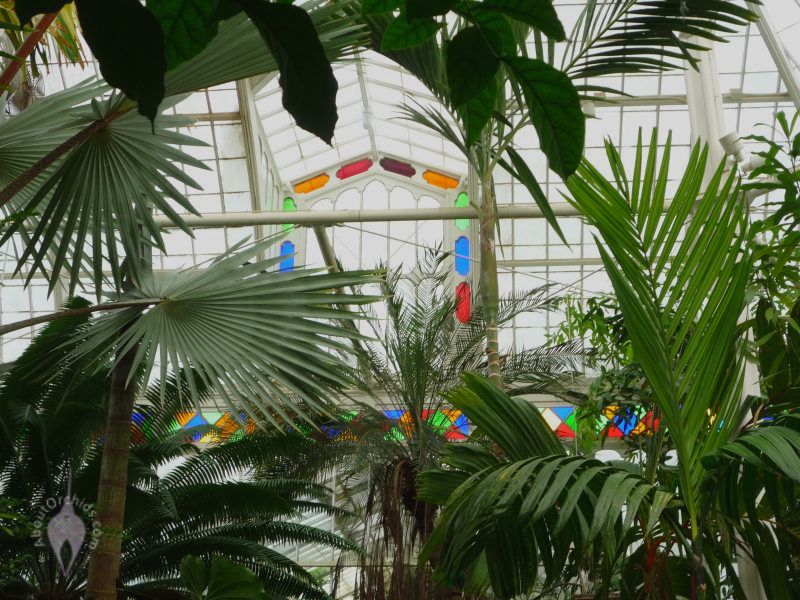
Millions of tourists visit San Francisco every year to see the sights, but since Golden Gate Park is across town from most hotels, a lot of people miss it. That’s a shame, because the park has plenty to see. The Conservatory of Flowers is a stunningly beautiful building, both inside and out. It’s a quick walk from the orchids at another shining jewel of the park, the Academy of Sciences. Built in 1878, the Conservatory is on the National Register of Historic Places. Its design was inspired by the Palm House at Kew Royal Botanic Gardens in London.

Conservatory of Flowers and gardensConservatory of Flowers entranceConservatory inside view

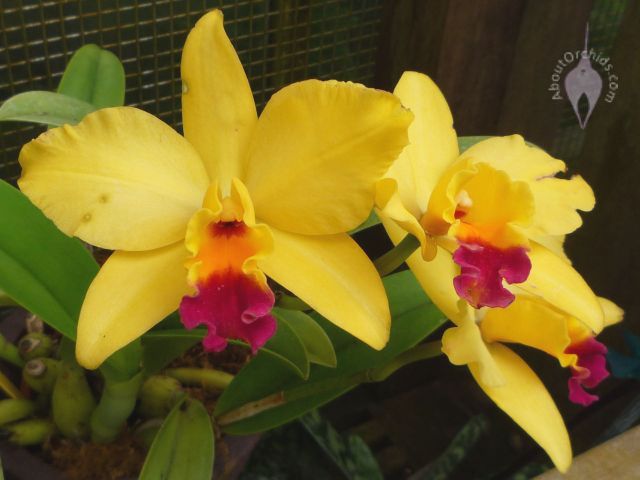
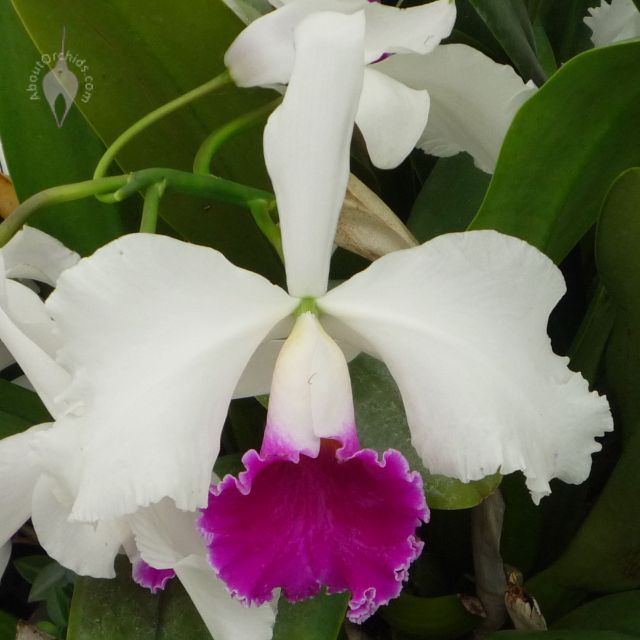
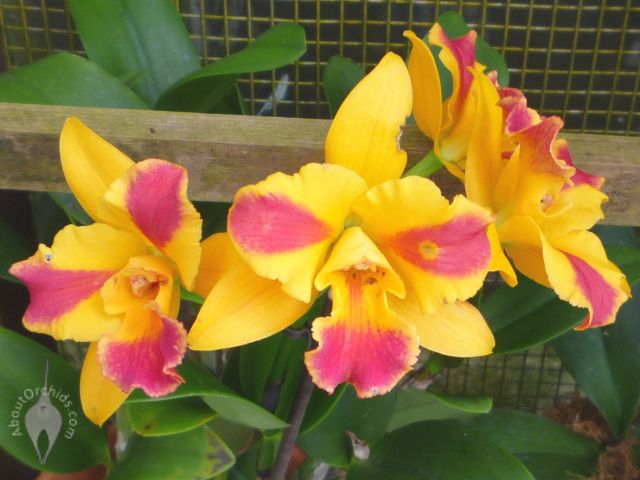
Among its thousands of rainforest plants spread between 5 exhibits, the Conservatory keeps lots of orchids on display. These Cattleya hybrids added bright colors and sweet scents during a recent visit.

Cattleya hybridCattleya hybridPotinara flowers

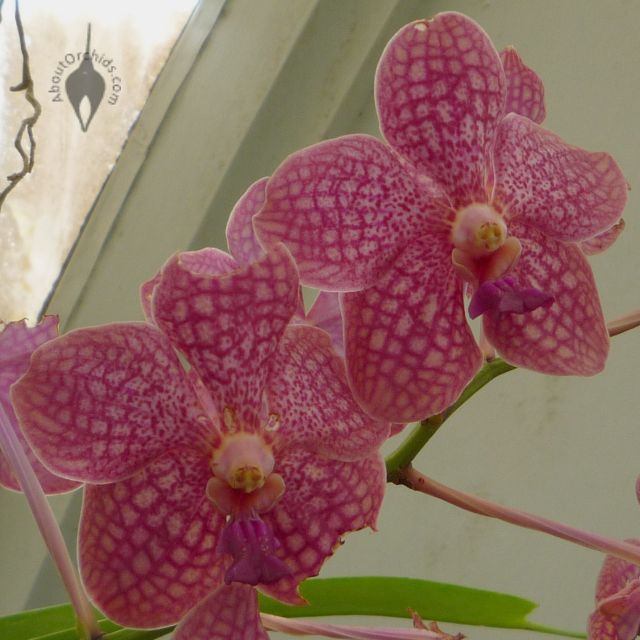
Large Vanda flowers bloom in the Aquatic Plants Gallery, where the humidity is always high. The last 2 photos show Phal hybrids with plentiful blooms. In case these shots haven’t yet convinced you to visit Golden Gate Park, I’ll have even more Conservatory photos in another post soon.

Vanda flowersPhalaenopsis flowersPhalaenopsis flowers

Love and Lies

Posted August 23rd, 2009 by Marc Cohen
Categories: In the News

National Geographic has published an orchid article and photo gallery with all the exceptional quality we’ve come to expect from that worthwhile organization. “Love and Lies” tells fascinating tales of the complex relationships that orchids have with their pollinators. The article explores how orchids “have managed to colonize six continents and virtually every conceivable terrestrial habitat, from the deserts of western Australia to the cloud forests of Central America, from the forest canopy to the underground, from remote Mediterranean mountaintops to living rooms, offices, and restaurants the world over.” Truth is stranger than fiction when it comes to orchid tactics to spread around their genes. Some have sweet scents to lure hungry butterflies and bees, but others have stinky smells to lure flies and gnats. Some orchids employ slingshots with pollen, while others reflect the blue Mediterranean sky to trick their pollinators. The picture gallery titled “Sneaky Orchids” is full of stunning floral photography. It includes many bizarre, rarely-seen Australian species, like the Flying Duck Orchid.

Feed Me, Seymour!

Posted August 20th, 2009 by Marc Cohen
Categories: Dormancy, Fragrant Orchids, Photos, Warm Growers

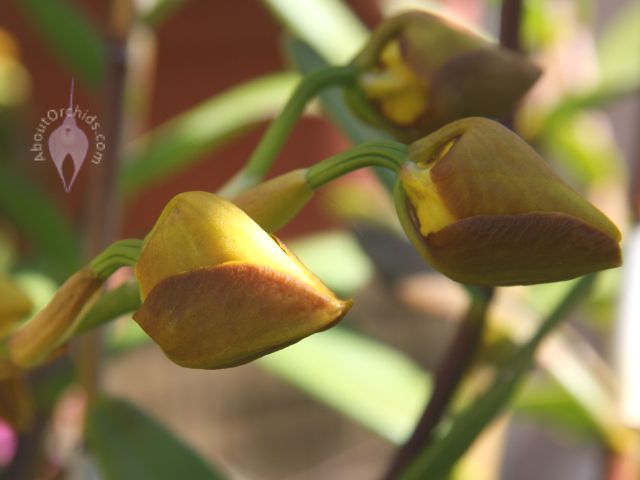
If you didn’t know better, you might think that these flower buds look like the very hungry plant Audrey II, from the classic film and musical Little Shop of Horrors. Fortunately, this orchid doesn’t have teeth and doesn’t eat people, so there’s no danger.

Cycnoches flower budCycnoches flower budsCycnoches flower, buds, and plant

Once the buds open, these flowers lose their threatening facade, and look like bizarre insects in flight. They belong to the Swan Orchid, or Cycnoches. That’s easier to pronounce than it looks — it sounds like “sick NO keys,” with the emphasis on the “no.” The Swan Orchid nickname comes from the graceful shape of the flower “neck,” properly called the column. It’s easier to imagine the swan if you look at the flower upside-down.

Cycnoches flowerCycnoches flower side viewCycnoches flower side view close-up

These blooms last for over a month, and have a strong, spicy perfume. Many orchids go dormant for the winter, but Cycnoches is actually deciduous, with leaves that yellow and drop in the fall. At this point, the plant will quickly rot if overwatered. I water as seldom as once a month in the winter, but maintain good humidity. Watering and fertilizing resume when new spring growth is about 2-3 inches (5-8 cm) tall. This dormant cycle reflects the long dry season in the Swan Orchids’ tropical jungle homes, which are centered around the Amazon.

Cycnoches flowers and plantCycnoches flowersCycnoches flowers and leaves

Orchids Under Attack!

Posted August 14th, 2009 by Marc Cohen
Categories: In the News

Some orchids are under attack by hornets, and that’s how they like it. According to the journal Current Biology, scientists have discovered that a Dendrobium species native to the Chinese island of Hainan uses an ingenious trick to attract hornet pollinators. Dendrobium sinense produces a chemical compound that mimics an “alarm pheromone,” a scent that bees emit when they are in distress. Predatory hornets think they’re finding a free lunch, and swoop in to attack the flower. Instead of lunch, however, they leave with orchid pollen attached to them. When they fall for the trick again, they transfer the pollen and pollinate the orchid.

Orchids have amazed scientists for years with the multitude of methods they have evolved to attract pollinators. Many use the tried-and-true floral method of offering nectar. Others, like Lady Slippers and Pterostylis, temporarily trap an insect and force it to exit past their pollen. Some species have chemical fragrances to fool insects into thinking they’re finding a mate. But this trick of luring in a predator has never been seen before. Undoubtedly, there are many more surprises to learn from the sneaky orchid family.

Bulbophyllum

Posted August 11th, 2009 by Marc Cohen
Categories: Mini Orchids, Photos, Warm Growers

This little beauty belongs to the enormous Bulbophyllum genus of the orchid family. Its bright orange flowers have dark red spots that inspired its scientific name, Bulbophyllum pardalotum, which means spotted like a leopard. The small flowers are 3/4 inch (2 cm) across.

Bulbophyllum flowerBulbophyllum flowerBulbophyllum flower close up

This species is native to the Philippines, where it’s a neighbor to this Oberonia on the island of Luzon. The flowers open during the day and close at night, and last about a week and a half.

Bulbophyllum flowerBulbophyllum flower

The Bulbophyllum genus contains hundreds of fascinating and unusual species. Some are enormous, others microscopic. Many have bizarrely shaped flowers. This spotted species doesn’t have a scent, but some in the genus produce the smell of rotting meat to attract flies to pollinate them. Although these aren’t commonly offered for sale, it’s reason enough to check the fragrance of an orchid before you buy it.

Bulbophyllum flowerBulbophyllum plant

Oberonia

Posted August 7th, 2009 by Marc Cohen
Categories: Mini Orchids, Photos, Warm Growers, Watering

Mini orchids have all the charms of larger plants, but you can fit a lot more of them in the same space. With small leaves and tiny flowers, this Oberonia certainly qualifies as a mini. Each flower is only the size of a grain of sand at 0.06 inches (1.5 mm.) I tried to count the flowers to see exactly how many there are, but I gave up before it gave me a headache. Let’s just say that there are dozens that encircle a thin, 4 inch (10 cm) flower spike.

Oberonia flowersOberonia flowers side viewOberonia flowers close up

Besides the fact that mini orchids are easy to fit in a city apartment, the flowers are fascinating in their own right. The densely packed blooms give the effect of a fuzzy orange cat’s tail. The individual flowers are tough to see without a magnifying glass. They sure put Dave’s photography skills to the test. Through the magic of his macro lens, you can see how beautiful they are up close.

Oberonia plant and flower spikeOberonia flowers close upOberonia flowers

This species of Oberonia is native to one small province on the island of Luzon in the Philippines. It needs regular water and high humidity. With light shade and warm temperatures, these miniature works of art bloom on a microscopic scale.

Oberonia flowers close upOberonia flowers close up

Oberonia plant and flower spikeOberonia flower spike and leaves

Whorled News

Posted August 4th, 2009 by Marc Cohen
Categories: Books, Conservation, In the News, Orchids in the Wild

Good news is always welcome in the battle for orchid conservation. I was happy to see a story in a Virginia newspaper about changes made in a hospital’s construction to save a native orchid found on the grounds. The Small Whorled Pogonia is one of the rarest orchids in North America, ranging from Ontario and Maine south to Georgia. The building will be named after the endangered orchid, hopefully providing even more awareness of its plight. This may seem like an extreme measure for one plant, but as the article points out, protecting one plant’s habitat can help other endangered species also.

If you’re interested in learning more about orchids that are native to the USA and Canada, Wild Orchids Across North America is a great read, and has a chapter devoted to the Small Whorled Pogonia.