Cochlioda

Posted December 15th, 2008 by Marc Cohen
Categories: Cool Growers, Growing, Mini Orchids, Orchids in the Wild, Photos

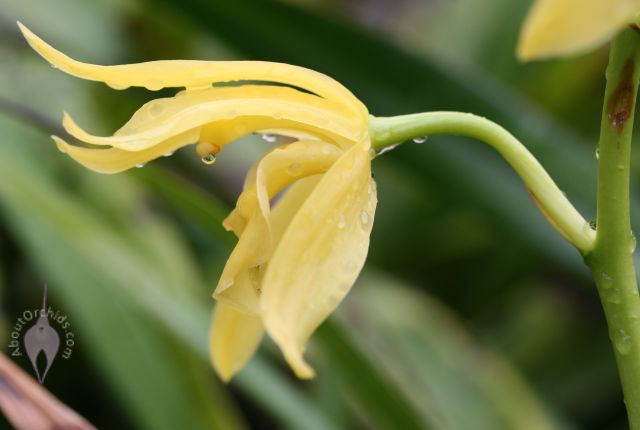
Related to Miltonia, Oncidium, and Odontoglossum, this charming mini species is an easy orchid. Cochlioda vulcanica is frequently used in hybridization, cross-bred with orchid relatives to pass on both its hardiness and its beauty.
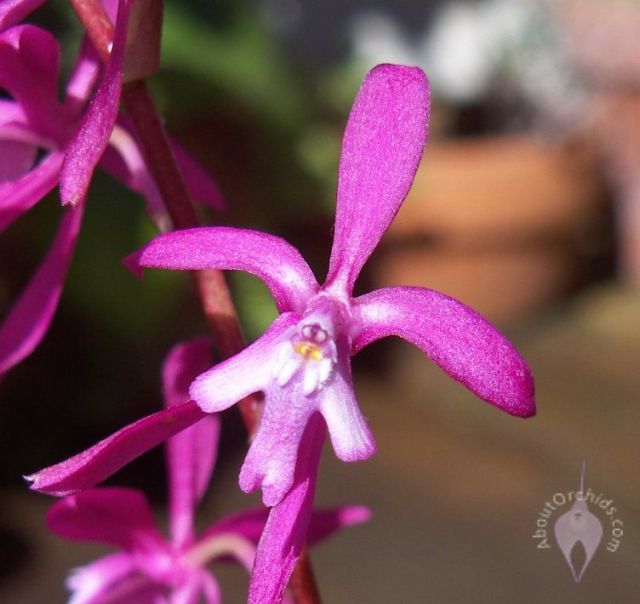
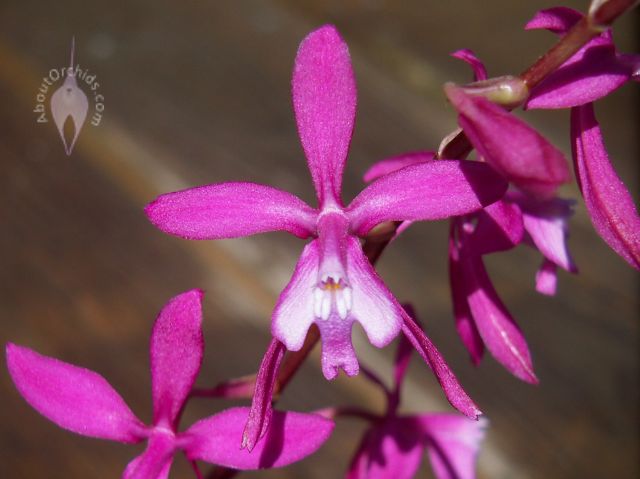
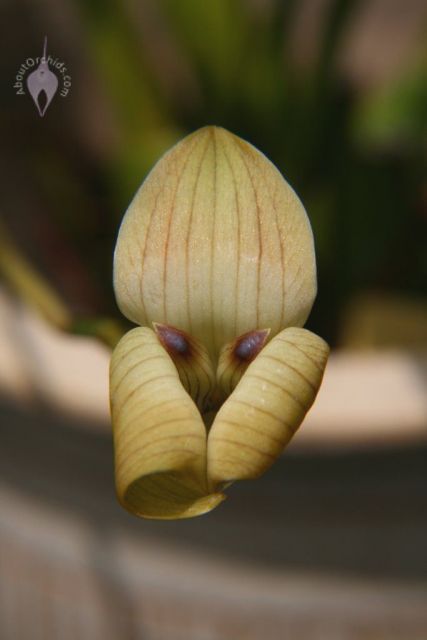
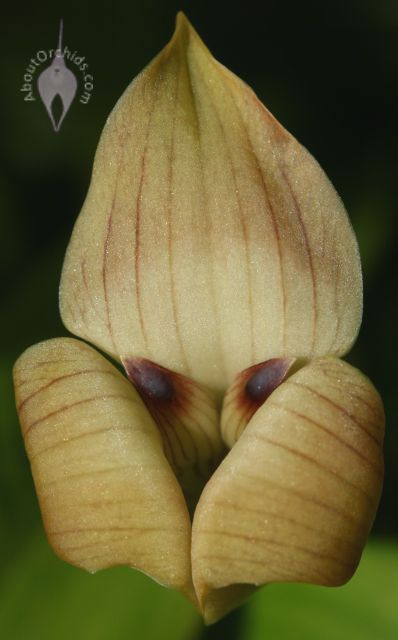
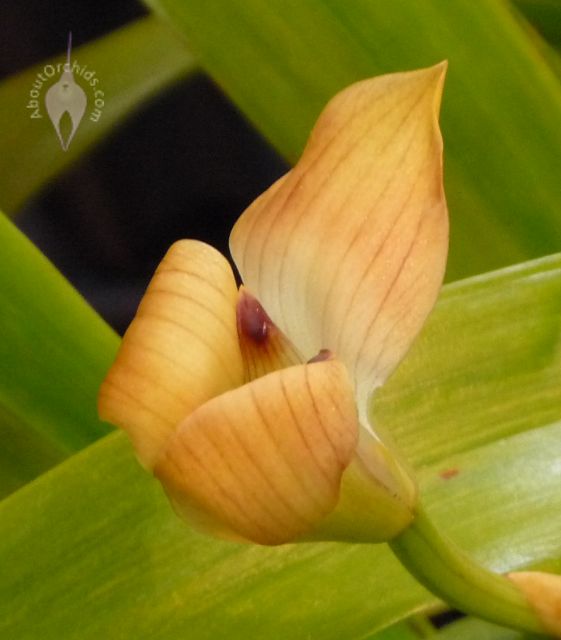
Cochlioda flowerCochlioda flowers and buds

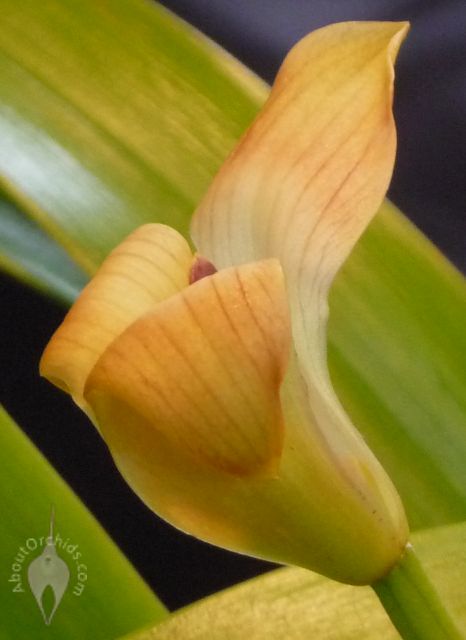
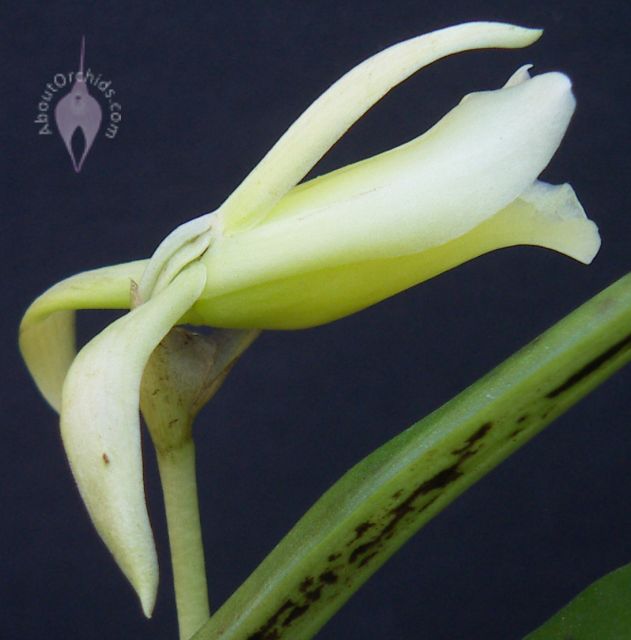
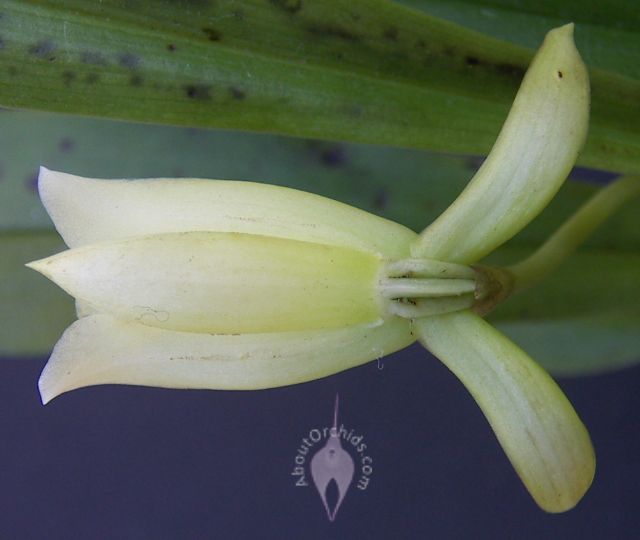
It lives in tropical cloud forests at high elevations in the Andes, where it is pollinated by hummingbirds. The side view shows the long, narrow tube that perfectly accommodates their long, thin beaks.
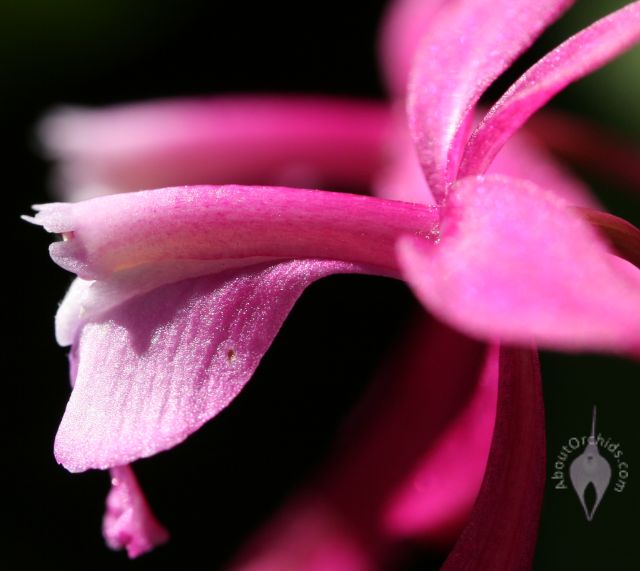
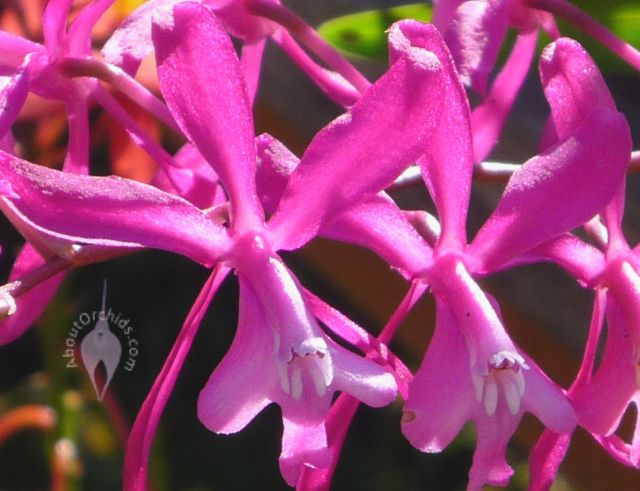
Cochlioda flower side viewCochlioda flowers

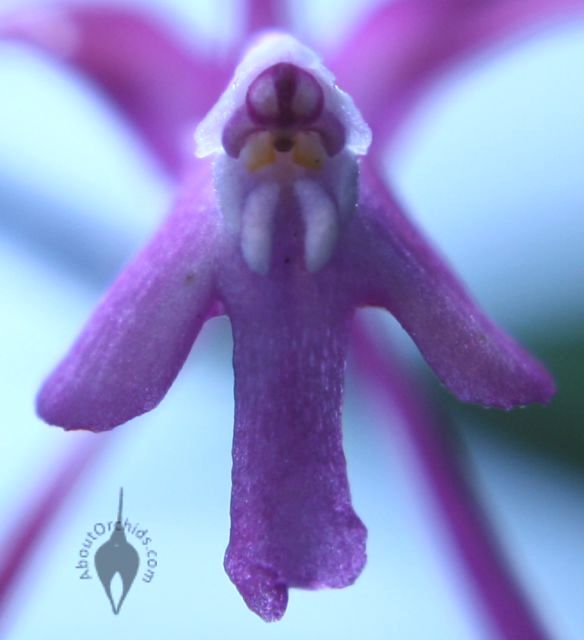
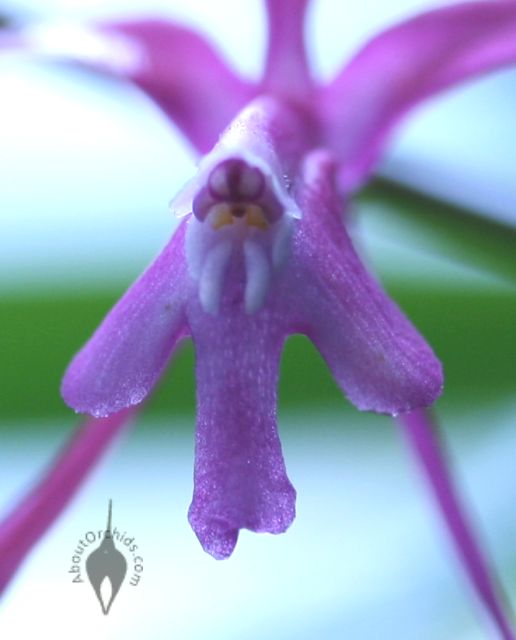
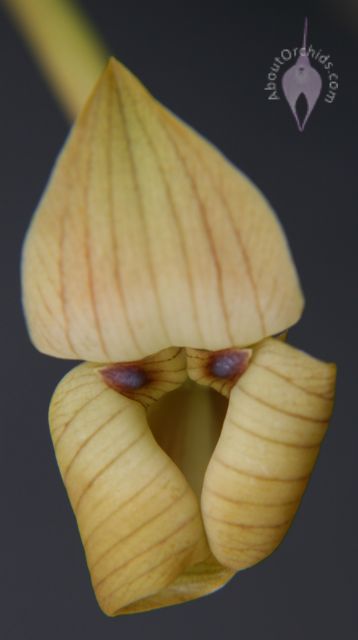
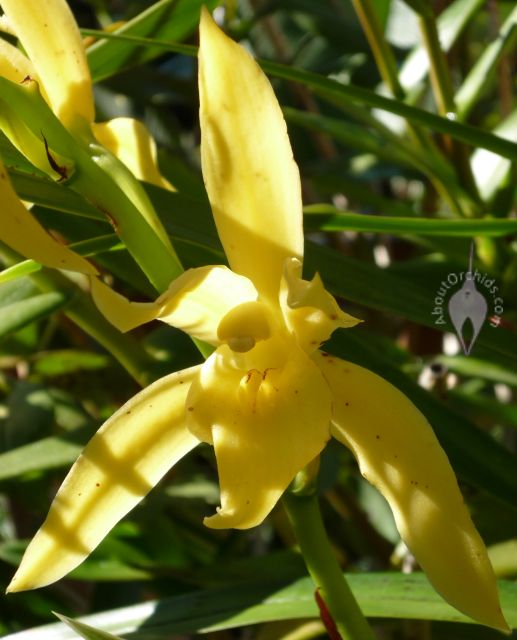
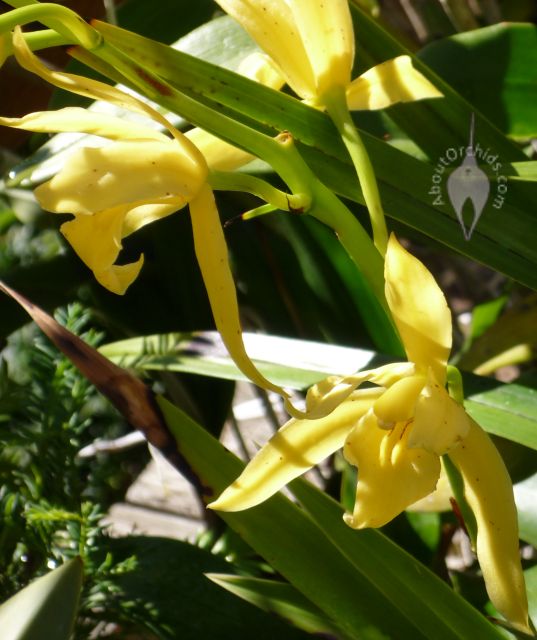
This orchid needs cool temperatures year-round, high humidity, and strong air movement. They prefer to be potted in small pots. Dave’s macro lens shows incredible details. The dark area between the yellow spots is the hole where the hummingbird inserts its beak. In our garden, however, I think the hummingbirds prefer the Epidendrums.
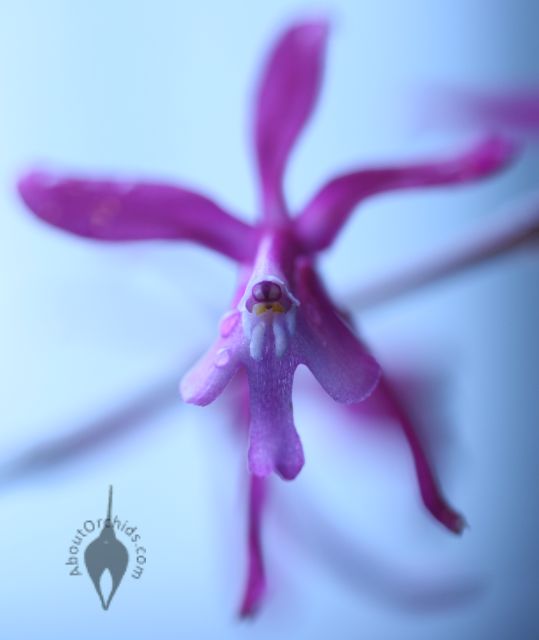
Cochlioda flower close-up of lipCochlioda flower close-up of lip

Cochlioda flower close-up of lipCochlioda flower close-up of lip

Relax, It’s Just the Dormant Season

Posted December 10th, 2008 by Marc Cohen
Categories: Dormancy, Problems, Watering

As we move through the last few days of autumn, in the Northern Hemisphere at least, don’t panic if your orchid drops some leaves or looks a little peaked. With less light and cooler days, many orchids are resting in their dormant periods. If your plant is otherwise healthy, and a few leaves drop, it’s probably your orchid settling into dormancy. Older leaves, or ones that are lower on the plant, may drop as part of this seasonal cycle. Of course if your orchid is dropping all its leaves, turning black, or turning to mush, you have a problem. Your first reaction may be to water more, but this will only exacerbate the problem. Overwatering at this time of year can cause orchids to rot and die. Instead let the plant and its roots dry thoroughly before watering again.

For myself, as someone who tends to overwater, I have a trick to limit the damage I can do. Instead of a watering can, I  do my daily plant check with a a spray mister in hand. That satisfies my urge to tend to my plants, and reduces the chances that I’ll overwater them.

Trigonidium

Posted December 4th, 2008 by Marc Cohen
Categories: Growing, Intermediate Growers, Photos, Watering

Regular readers may notice a penchant for the unusual in my orchid collection. So this Trigonidium egertonianum, with a flower that looks like it could be the face of a crab, should come as no surprise. It’s another example of the incredible diversity within the orchid family.

Trigonidium flowerTrigonidium flower

This orchid is native to a wide area of Latin America, from Mexico through Central America, Colombia, and Ecuador. It prefers to be grown in intermediate temperatures, with regular water during spring and summer, and bright light. The name of the Trigonidium genus comes from the Greek word trigonos, or three-cornered, describing the flower shape.

Trigonidium flowerTrigonidium flowerTrigonidium flower side view

December Orchid Shows

Posted November 30th, 2008 by Marc Cohen
Categories: Botanical Gardens, Events

Orchids make wonderful green holiday gifts, since they cost about the same as cut flowers, but can last much longer. Phalaenopsis, Paphiopedilum, and Dendrobium orchids can often hold their flowers for weeks or even months. Take advantage of these orchid shows to add some tropical flowers to your December holidays.

December 6
Acadian Orchid Society Short Course, Ramada Inn Lafayette, 120 Kaliste Saloom Rd., Lafayette, Louisiana
December 6
North of England Orchid Society Show, All Saint’s Church Hall, near the precinct,  Hale Barns, Cheshire, UK
December 6 – 7
Bonnet House Orchid Fair, Bonnet House Museum and Gardens, 900 N. Birch Rd., Ft. Lauderdale, Florida
December 7
Hills District Orchids Summer Open Day, 183 Windsor Rd, Northmead, NSW, Australia
December 16 – 17
Royal Horticultural Society December London Flower Show, RHS Horticultural Halls, Greycoat Street and Vincent Square, London SW1, UK
December 19 – 21
Clearwater Orchid Show, Clearwater  Sanctuary Golf Resort, Lot 6019, Jalan Changkat Larang, 31000 Batu Gajah, Perak, Malaysia, 05 366 7433

The Birds and the Bees

Posted November 25th, 2008 by Marc Cohen
Categories: General Gardening, Photos

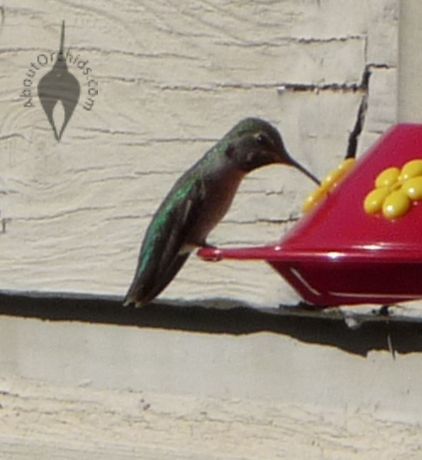
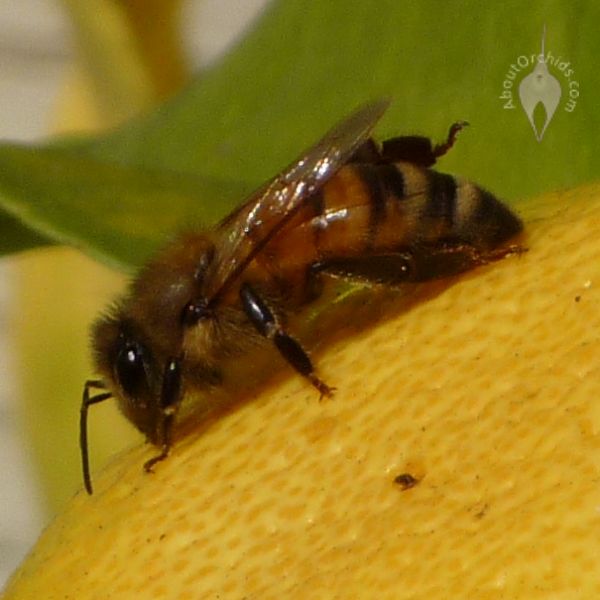
Apropos to the upcoming Thanksgiving holiday here in the USA, the back garden has been in abundant bloom, and there’s beauty all around to inspire gratitude. These pictures are from the past couple weeks, when we were having some unusually warm November weather. This female Anna’s Hummingbird stopped long enough at the feeder for a picture. On the right, a honeybee makes a visit to our lemon tree.

Anna’s HummingbirdHoneybee on a lemon

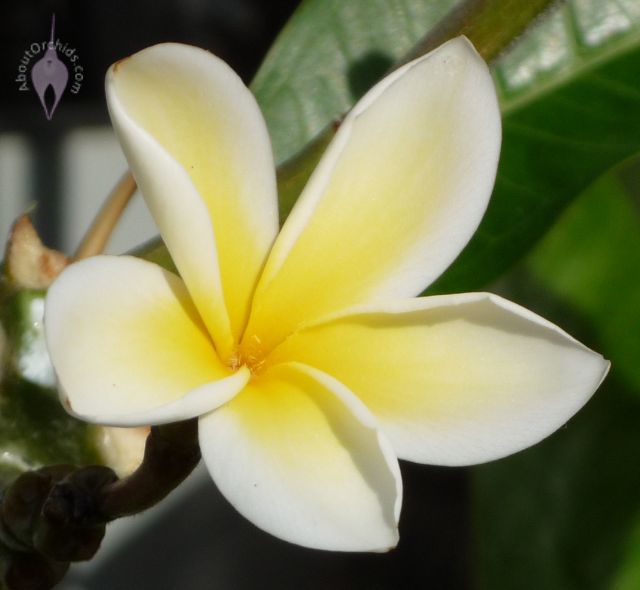
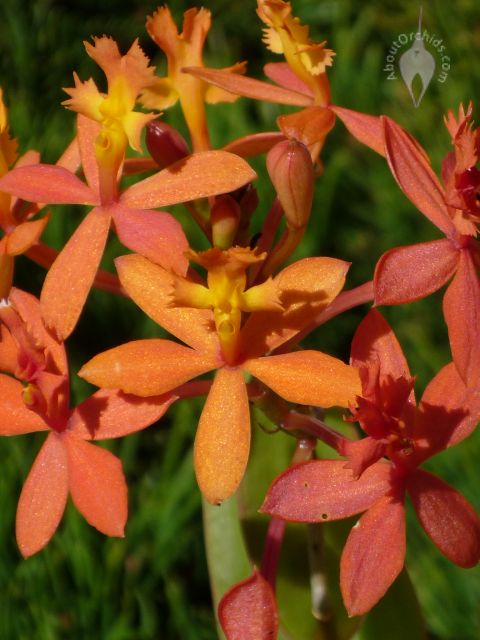
On the left, one of the last Plumeria flowers from my potted tree still has its wonderful scent. It’s produced continuous flowers since the spring, but now the plant is starting to go into winter hibernation. On the right, these orange Epidendrum flowers just opened in October.

Plumeria flowerOrange Epidendrum flowers

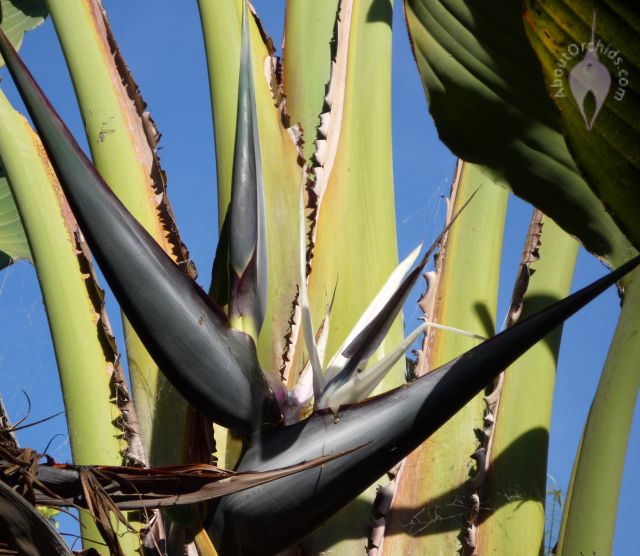
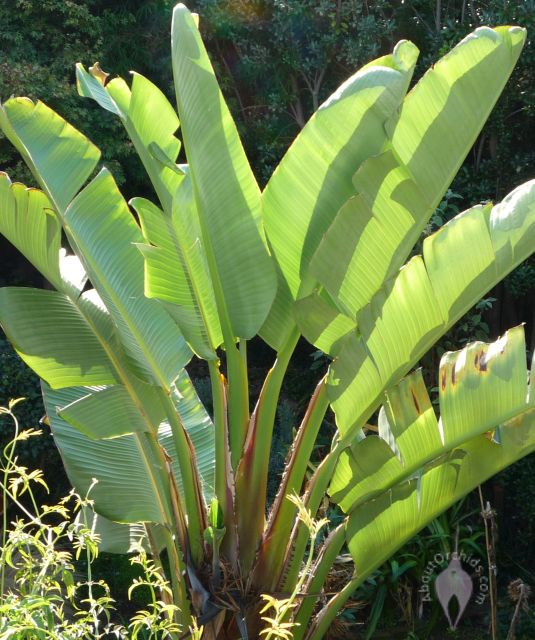
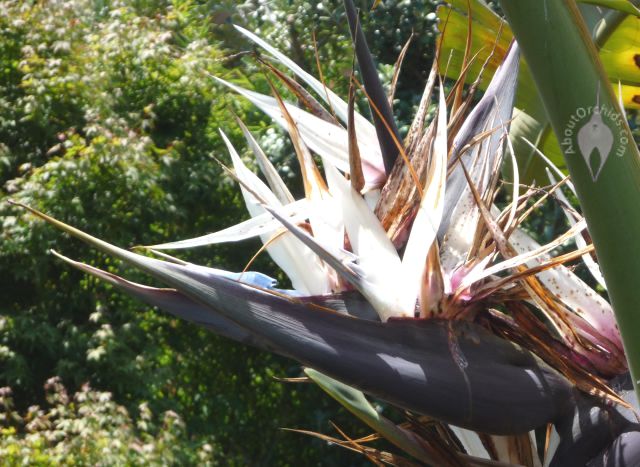
This enormous White Bird of Paradise (scientific name Strelitzia nicolai) is in the banana family, and native to South Africa. What was once a 4 feet tall (1.2 m) houseplant in a pot grew into a 2-story tree in the ground, producing massive new blue and white flowers every few months. Those leaves grow as large as 7 feet (2.1 m.)

Giant Bird of Paradise flowerGiant Bird of Paradise leavesGiant Bird of Paradise flower

Cymbidium Season

Posted November 22nd, 2008 by Marc Cohen
Categories: Cool Growers, Fertilizing, Fragrant Orchids, Growing, Photos, Watering

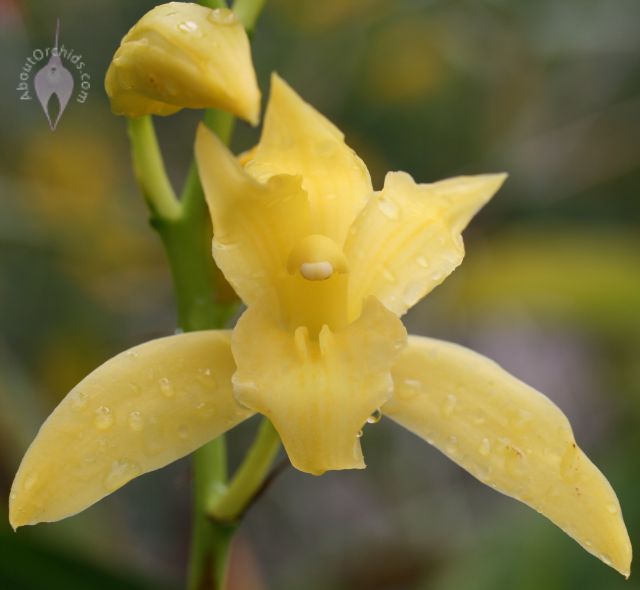
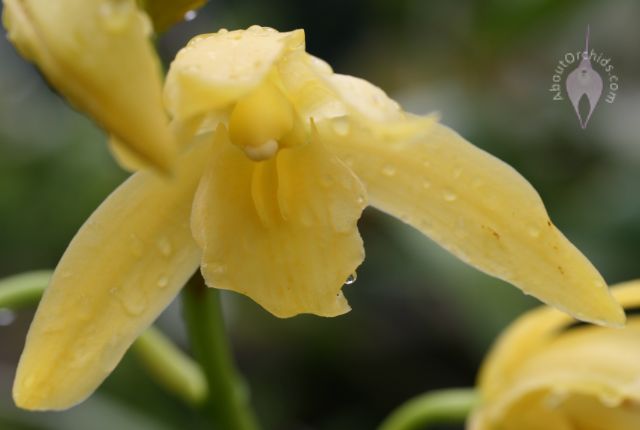
Cymbidiums are popular orchids, and here on the California coast, Cymbidium blooming season has started. This yellow one, possibly Cymbidium Golden Elf ‘Sundust,’ is a hybrid of Cymbidium ensifolium, which has traditionally been grown in China, Korea, and Japan for centuries.

Yellow Cymbidium flowerCymbidium flowerCymbidium flower side view

To grow these beauties with their sweet, richly scented flowers, you need to provide an environment where the nighttime temperature drops 15-20 F (8-11 C) every night. Without these nightly temperature drops, these Cymbidiums won’t form flower spikes. Otherwise, these are easy to grow with bright light, regular water, and regular fertilizer.

Cymbidium flowerCymbidium flowers

Even when not in bloom, Cymbidiums are beautiful plants, with long, graceful, arching leaves. Although my variety has solid green leaves, some Chinese Cymbidiums have variegated leaves, with stripes or spots of color.

Rainforest

Posted November 17th, 2008 by Marc Cohen
Categories: Books, Orchids in the Wild

Rainforest

What would you say if I told you it’s possible to take a trip through the rainforests of the world without a single can of bug spray? You can with Rainforestby Ben Morgan and photographer Thomas Marent.
Marent spent 16 years traveling the world, taking pictures in rainforests on 5 continents. This gorgeous coffee-table book puts you in the midst of plants, animals, insects, and of course orchids from rainforests all over the world. Marent’s photographs capture the beauty of typical rainforest animals, like monkeys, birds, and snakes, but also many small creatures that could be easily overlooked by an inexperienced eye. Surprisingly, the beauty and colors are just as stunning from a butterfly in Brazil, a crayfish in Australia, or some tiny fungi in Indonesia.

With incredible photos and clear text, this book provides a visual lesson of orchids’ natural habitats in these rich, tropical forests. So now is your opportunity to visit tropical rainforests all over the world, and skip the bug spray.

Orchid Post Mortem

Posted November 13th, 2008 by Marc Cohen
Categories: Cool Growers, Mini Orchids, Orchids in the Wild, Photos, Problems

I’ve heard orchid growers say that if nothing’s dying, then you’re not learning anything. True to form, when I kill an orchid, I try to figure out what went wrong so that I don’t repeat the mistake. With my coroner’s hat on, I’ll show you these pictures from happier times, before this orchid kicked the bucket last month.

Chondrorhyncha flowerChondrorhyncha flower

This little orchid has quite a long name, Chondrorhyncha lendyana. It’s native to mountainous cloud forests from Mexico to Costa Rica. A few years ago I bought it at the San Francisco Orchid Show, and it bloomed reliably. This past spring, however, all its new leaves turned black and died. Thinking that it needed to be repotted, I discovered that this kind of orchid really doesn’t like having its roots disturbed. I repotted it anyway, and then it slowly dropped all its remaining leaves.

Chondrorhyncha flowerChondrorhyncha flower top viewChondrorhyncha flower top view

Ultimately, the problem was that I bought an orchid that I couldn’t properly care for.  This Chondrorhyncha should have been grown on a mount, not in a pot. When grown on a mount, repotting is unnecessary. However, mounted orchids with bare roots need constant high humidity and lots of watering. Since I don’t have a greenhouse or an automated watering system, that’s tough for me to guarantee all the time. In a pot, it only lasted about 3 years, but at least I could enjoy its flowers for a little while. Lesson learned, for now…

Greenpeace

Posted November 9th, 2008 by Marc Cohen
Categories: Conservation

Besides saving whales and fighting corporate polluters, Greenpeace has successfully saved orchids and their habitats for decades. By working to preserve rainforests and wetlands, Greenpeace ensures essential wild spaces that orchids need. Over the years, their work has protected ancient forests all over the world, including orchid habitats in Brazil, Central Africa, and Indonesia. Greenpeace is also battling global warming, one of the worst threats to orchids. Through nonviolent direct action, lobbying, and research, Greenpeace is a strong voice all over the world for protection of the environment.

When Greenpeace was founded in Vancouver, Canada in 1971, its original purpose was to fight nuclear bomb tests. Over the years, the organization’s focus changed to environmental issues. Greenpeace now has offices in more than 40 countries around the world, and over 3 million financial contributors. Its international headquarters are located in Amsterdam, the Netherlands.

Dendrochilum

Posted November 6th, 2008 by Marc Cohen
Categories: Intermediate Growers, Orchids in the Wild, Photos, Watering

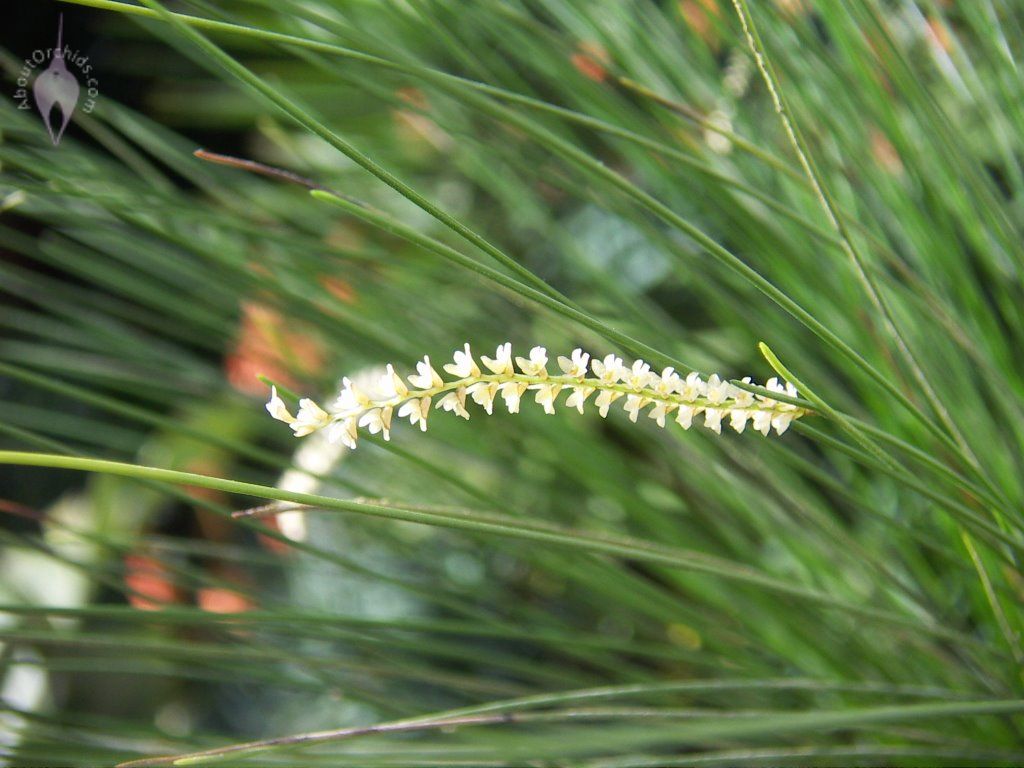
Look at that name again — it’s not a Dendrobium, but a Dendrochilum. Both kinds come from Southeast Asia, but Dendrochilums are a separate genus, distinguished by their chains of small flowers. This Dendrochilum tenellum is widespread among many islands of the Philippines, where it is native to cloud forests in mountainous areas.

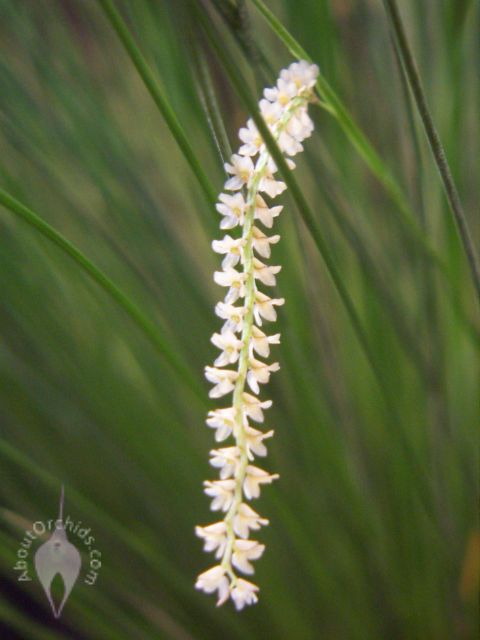
Dendrochilum tenellum flowersDendrochilum tenellum flowersDendrochilum tenellum flowers close-up

Near the tips of the grass-like leaves, cascades of minuscule flowers resemble small cream-colored feathers. Not only do the leaves look like grass, but this orchid also grows into a large clump like a grass. Dendrochilums like bright light, regular water during spring and summer, and high humidity.

Dendrochilum tenellum leavesDendrochilum tenellum flowersDendrochilum tenellum flowers

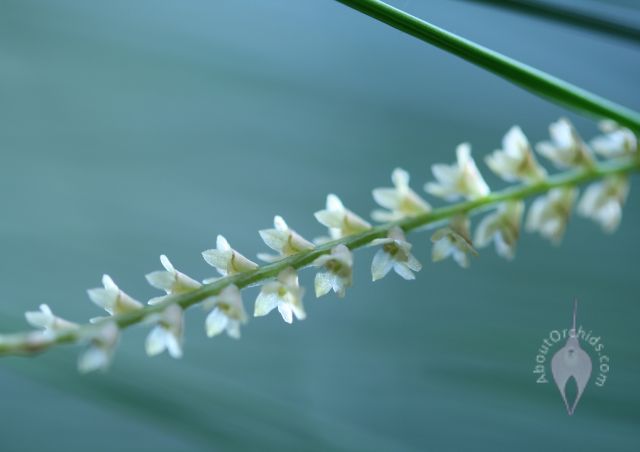
Each flower is less than 1/8 inch (3 mm) wide. With 30 or more mini-flowers per spike, a large plant can have thousands of flowers at once.

Dendrochilum tenellum flowers close-upDendrochilum tenellum flowers close-up