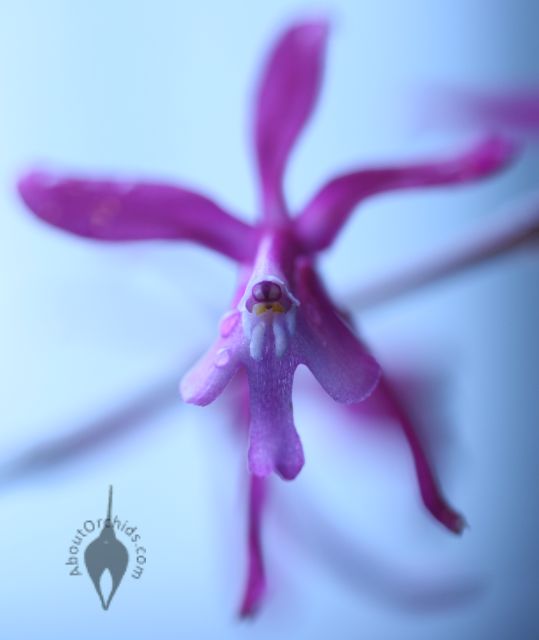
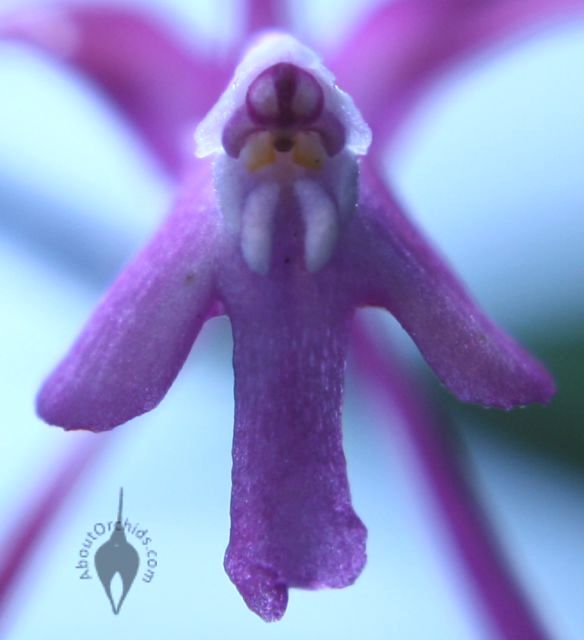
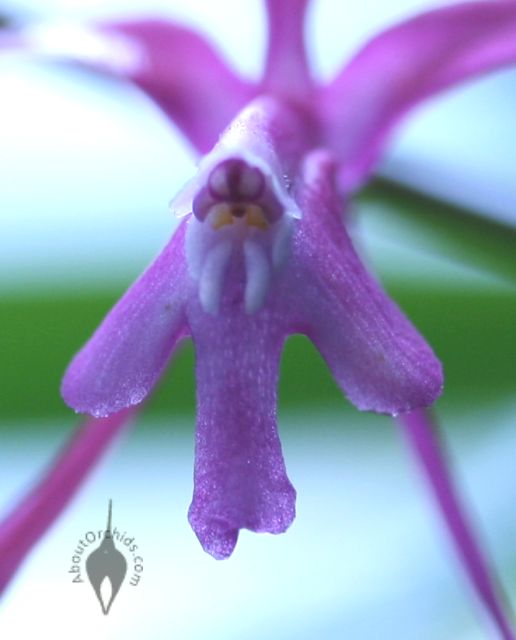
Spathoglottis

Posted January 28th, 2009 by Marc Cohen
Categories: Growing, Orchids in the Wild, Photos, Warm Growers

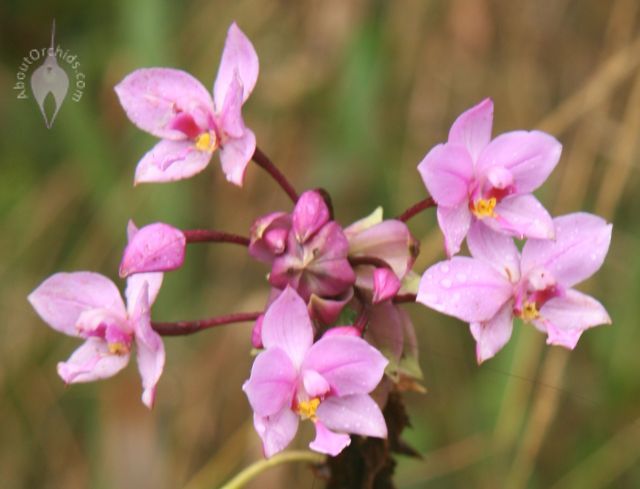
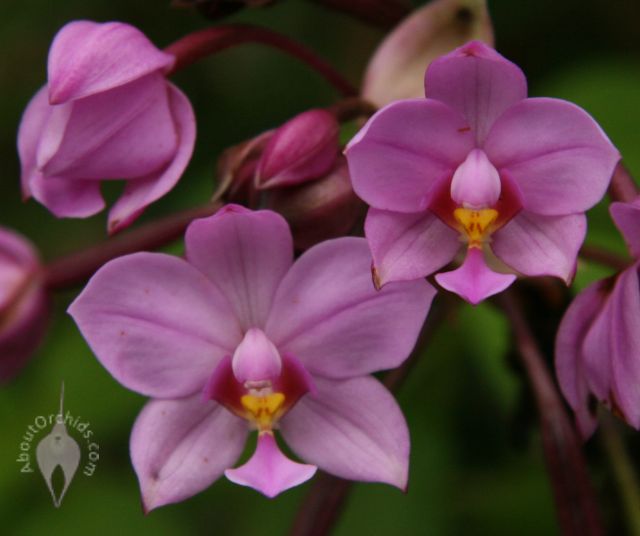
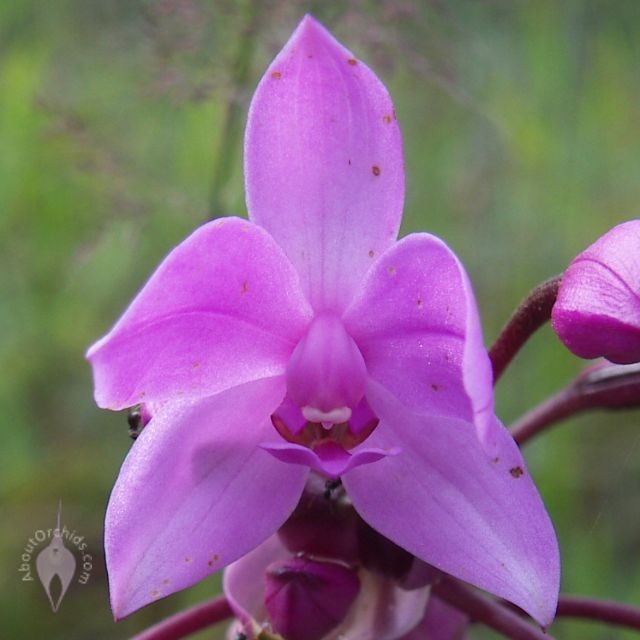
The Big Island of Hawaii has perfect growing conditions for many tropical orchids. One type frequently found there is Spathoglottis plicata, or the Philippine ground orchid. Unlike most commonly cultivated varieties, it’s a terrestrial, meaning that it grows in soil.
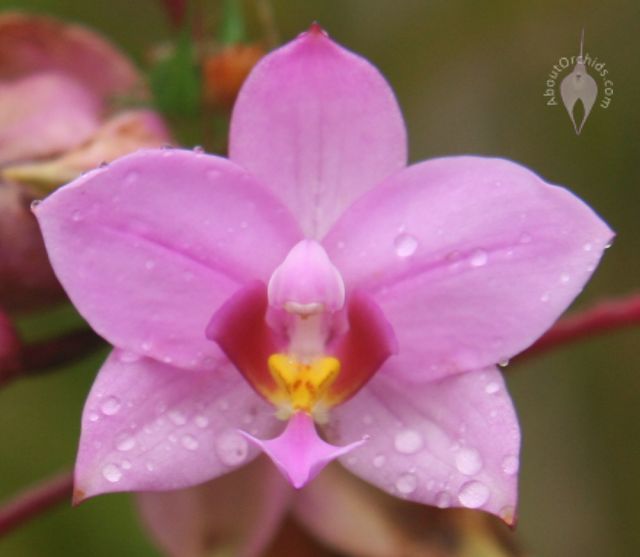
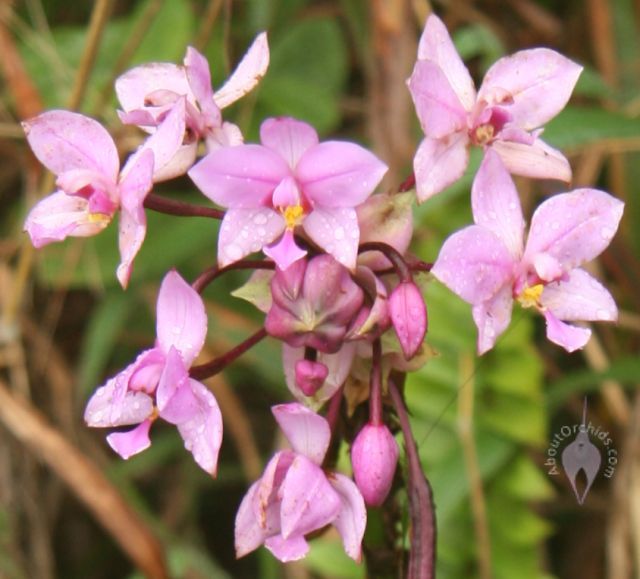
Spathoglottis flowerSpathoglottis flowersSpathoglottis flowers

This orchid is native to a large area of south Asia, stretching from India through Thailand, Malaysia, Singapore, Indonesia, northern Australia, the Philippines, Taiwan, the Japanese Ryukyus, Fiji, Samoa, and other south Pacific islands. Although not native to Hawaii, it has naturalized there, and enjoys growing where it receives full sun, regular water, regular fertilizer, and warm temperatures.  It has also naturalized in other tropical areas of the world, including the Caribbean and southern Florida.
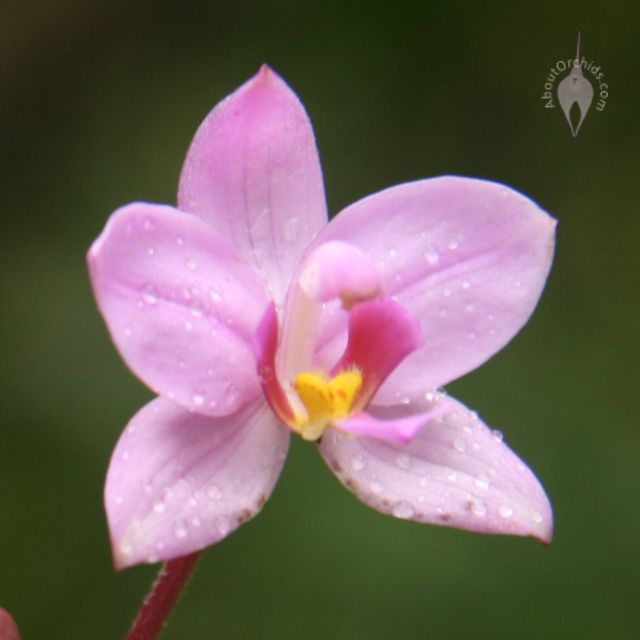
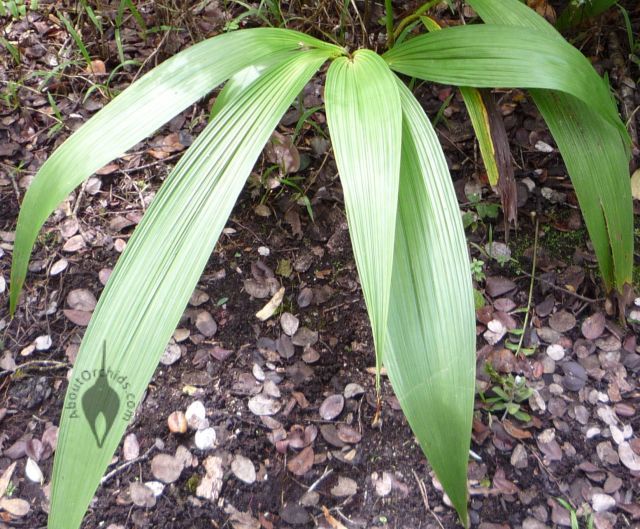
Spathoglottis flowerSpathoglottis leaves

One reason the Spathoglottis has spread around the world is due to its ability to self-pollinate. This species is one of a handful of orchids that don’t need a pollinator to carry pollen from one plant to another. Instead they can fertilize themselves with their own pollen. Many plants we saw on the Big Island were full of seedpods like those shown below, demonstrating the success of this adaptation.
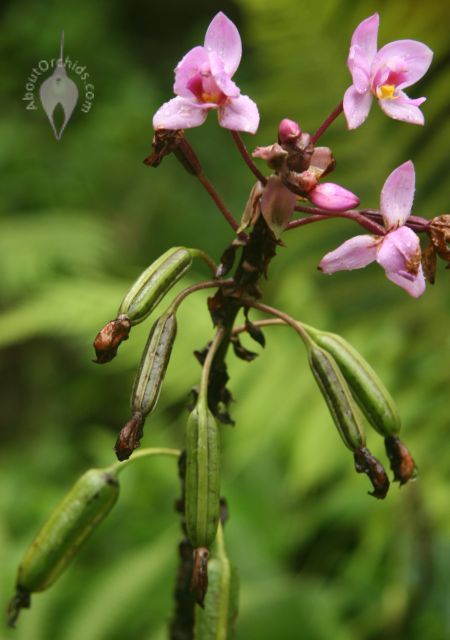
Spathoglottis flowers and seed podsSpathoglottis flower on Maui

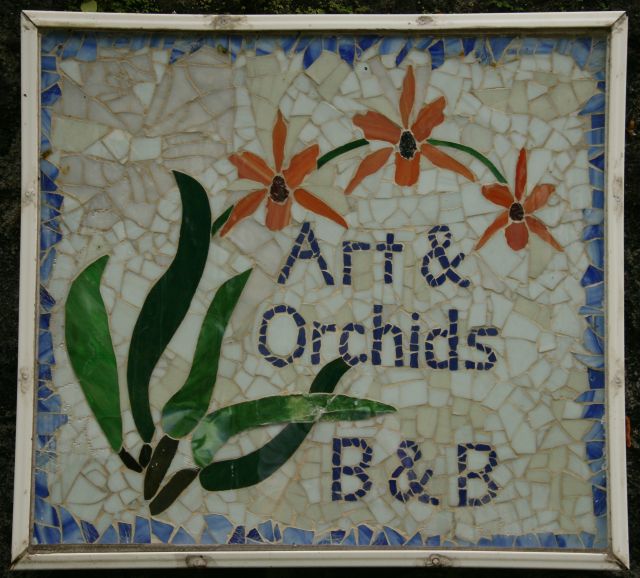
Art & Orchids

Posted January 25th, 2009 by Marc Cohen
Categories: Misc, Photos

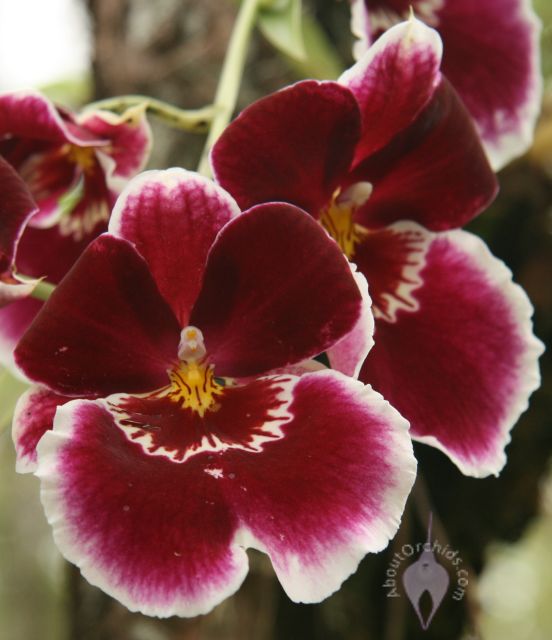
I can’t think of any better way to escape the winter doldrums than to head to a warm and beautiful tropical paradise. Dave and I just returned home from such a place, the Big Island of Hawaii. We stayed at Art & Orchids Bed and Breakfast in Kea’au, south of Hilo. True to their word, the B&B has hundreds of orchids all over their beautiful gardens. Hosts Markie and Jerry provided a very comfortable garden room, delicious breakfasts with exotic tropical fruits, and lots of helpful info about enjoying the local sites. There were dozens of orchid plants blooming on their grounds while we were there, but Markie told me that most everything comes into bloom in spring, so that’s the absolute peak for orchid lovers. We took zillions of pictures around the island, and I’ll have plenty more in future posts. For now, I’ll start with a few orchid pictures from the B&B’s own gardens.

B&B signMiltonia flowersSpathoglottis flowers

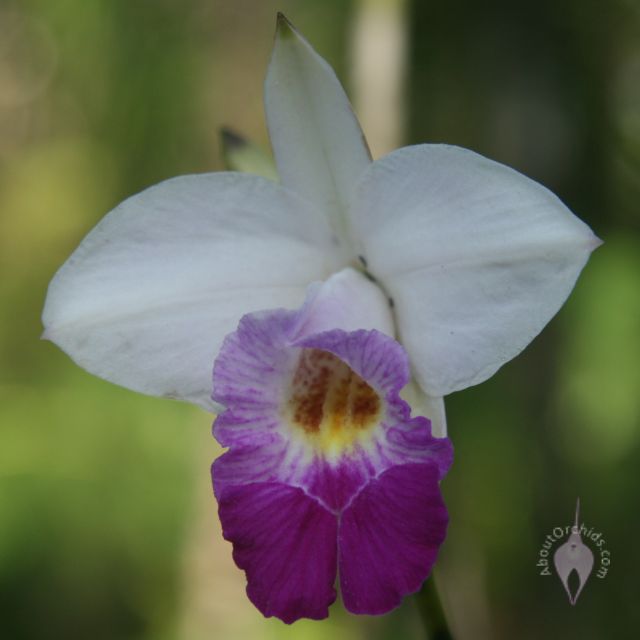
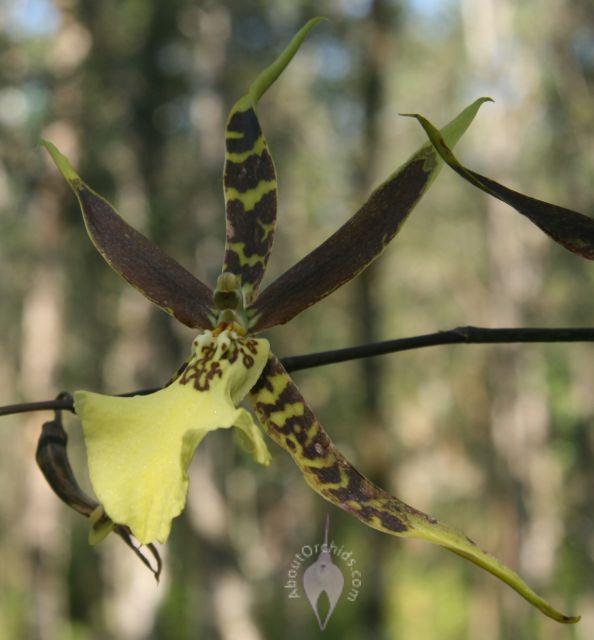
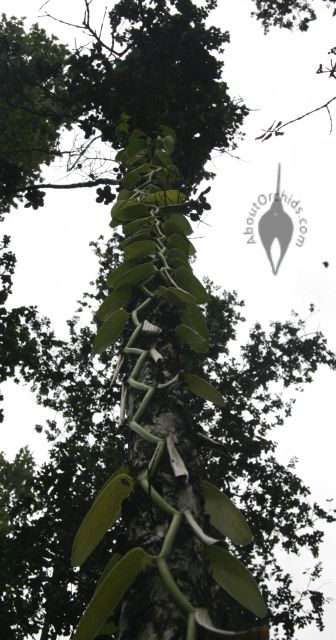
Arundina flowerMiltassia flowerVanillia orchid climbs up an O’hia tree

It was an extra special time to be in Hawaii, as we joined the state in celebrating the  inauguration of its native-son, President Obama. As ardent environmentalists, we are hopeful that our new President’s policies will help to heal the damage we have inflicted, and help to preserve orchids and other joys of the earth. And if you’d like to escape a cold, gray winter, we can highly recommend a stay at Art & Orchids.

Winter Chores

Posted January 13th, 2009 by Marc Cohen
Categories: Dormancy, Growing, Problems

While the rest of the country has been frozen, California is having a winter heatwave. Yesterday San Francisco set a new record high for the date at 74F (23C,) and there may be another record high today. Since I’m fortunate to live someplace with a mild climate, and I’m able to grow orchids outdoors all year, I won’t complain about my wintertime garden work. But I wasn’t expecting watering to become a new winter chore. Even though most orchids are dormant, they’ve needed a little drink to keep from totally drying out.

Other more typical winter chores include weeding and picking up fallen leaves and flowers. It’s best to be proactive about weeds. If they flower and set seed, your weeding tasks will multiply, so get them beforehand. Leaf and flower debris can provide hiding places for unwelcome pests, so these should be cleaned up too. They make great additions to homemade compost.

And speaking of pests, watch for aphids, scale, mealybug, and spider mites. Many natural controls work well and are safe for the environment. I go after pests by mixing a couple spoons of rubbing alcohol, a spoon of mild dish soap, and tepid water in a spray bottle. I spray the mixture on the plants, making sure to get the undersides of the leaves, too. This mixture is effective against most plant pests. Neem oil is another natural product that can be sprayed onto plants to kill most overwintering insects. You can find neem at most garden centers and plant stores.

To top off these winter chores, we’re pulling together some great new blog material in the next couple weeks, so check back again soon!

Strybing Arboretum

Posted January 8th, 2009 by Marc Cohen
Categories: Botanical Gardens, General Gardening, Photos

Dave and I decided to welcome the new year with a visit to Strybing Arboretum in Golden Gate Park. The Botanical Garden at Strybing Arboretum has thousands of varieties of plants from all over the world. We didn’t see any orchids, but we enjoyed some of the other sites of the park.

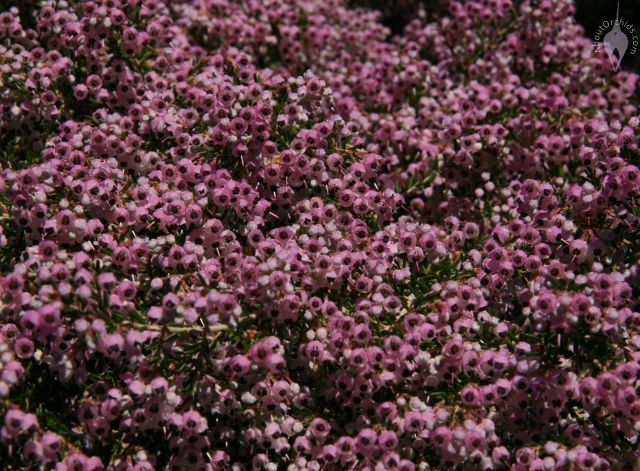
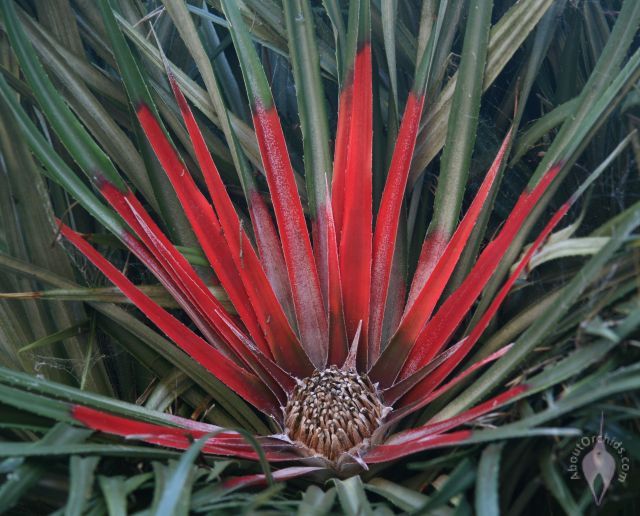
First, there’s a beautiful Princess Flower against a background of ferns. In the middle, this great Heather shrub is a South African native. On the right, a large bromeliad sports a bright red bloom.

Princess Flower and fern in Golden Gate ParkHeather flowers at Golden Gate ParkBromeliad flower at Golden Gate Park

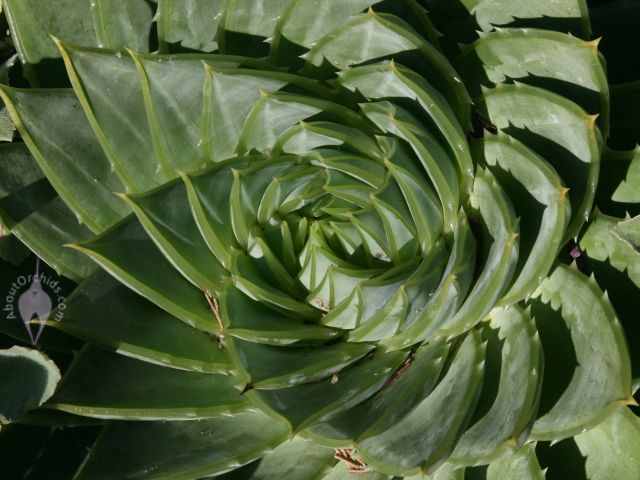
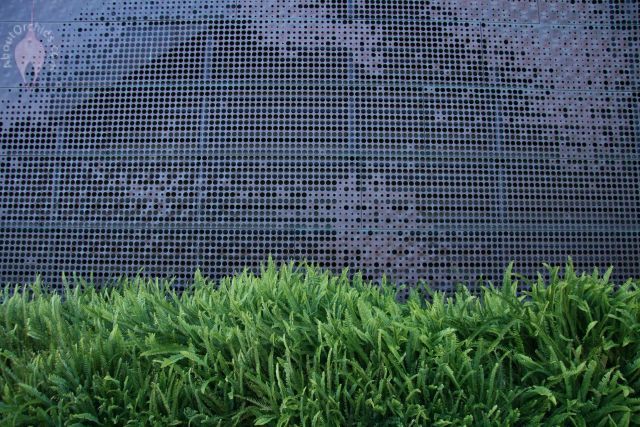
I don’t know what this flower is on the left, but I loved the shape and structure. The aloe in the middle is another fascinating South African native, with a hypnotic spiral growth pattern. On the right, a bed of ferns adorns the base of the new de Young Museum.
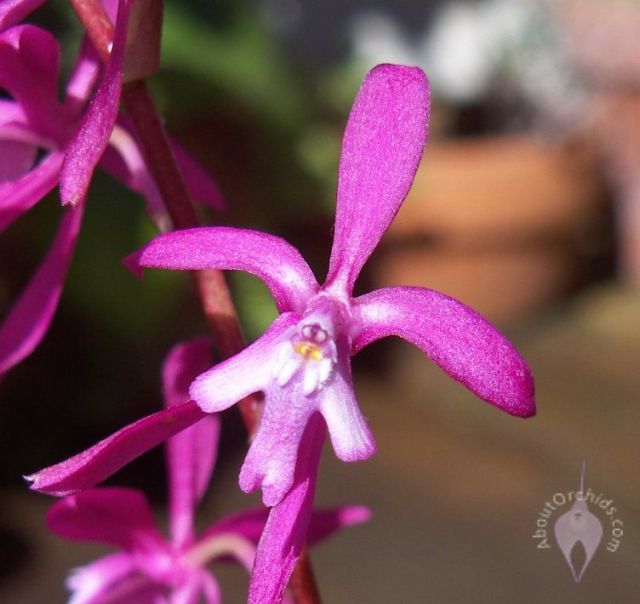
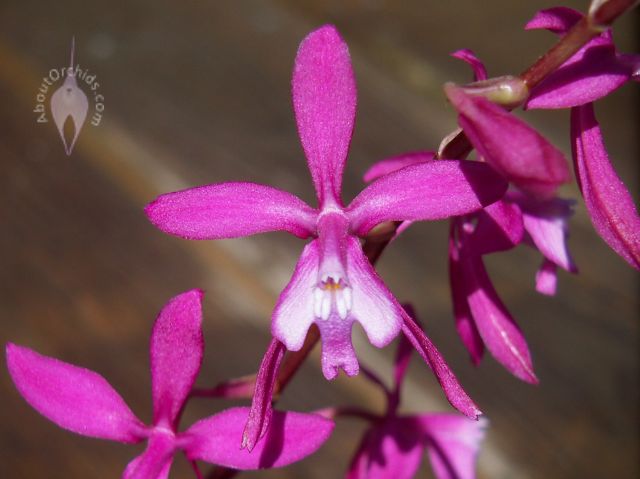
Flower at Golden Gate ParkAloe at Golden Gate ParkFerns at the DeYoung in Golden Gate Park

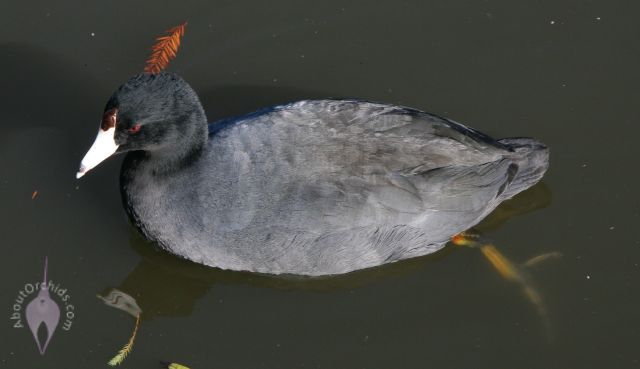
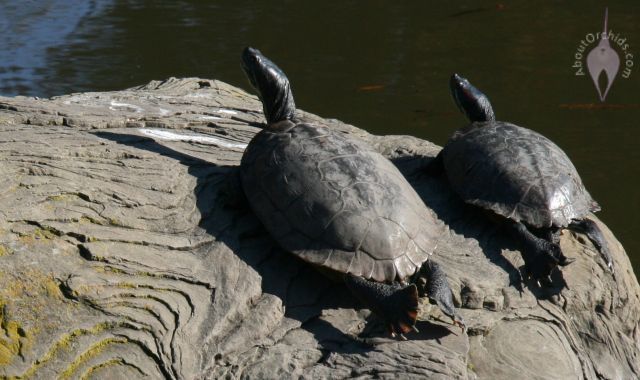
A young boy walking near us at a pond thought this was an evil red-eyed duck. I’m not very good at identifying birds, but I think it’s a coot. It could still be evil, though. On the right, 2 park residents warm up in the winter sun.

Coot at Golden Gate ParkTurtles at Golden Gate Park

Arpophyllum

Posted January 4th, 2009 by Marc Cohen
Categories: Growing, Intermediate Growers, Photos

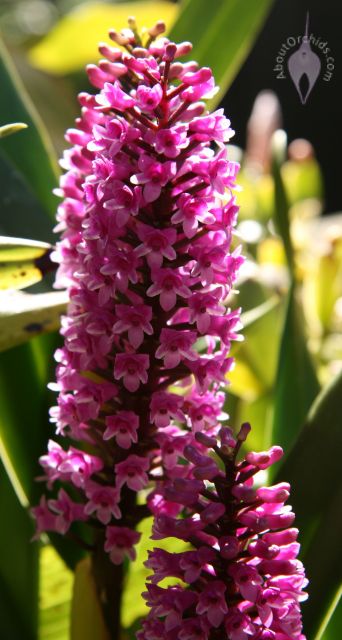
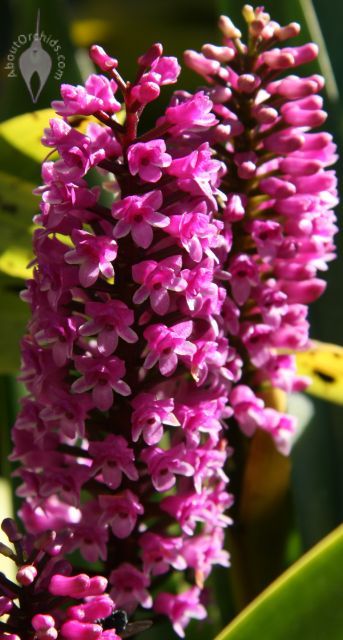
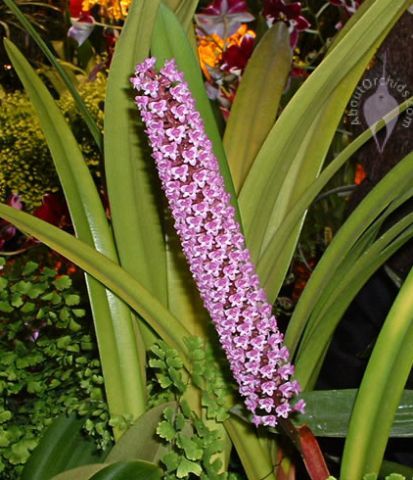
Looking more like a hyacinth than an orchid, Arpophyllum giganteum has dense clusters of pretty purple blooms. This orchid can tolerate a wide range of temperatures, but needs cool nights in  winter in order to bloom. Here in San Francisco, I grow it outdoors all year with bright light and regular water. Its native habitat stretches from Mexico to Venezuela.

Arpophyllum flowersArpophyllum flowersArpophyllum flowers

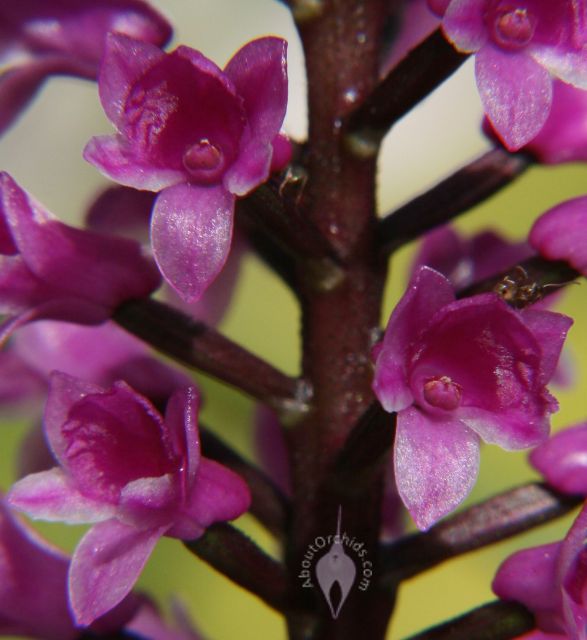
Close-up photos show that the mini flowers do resemble other orchids, just upside down. The lip of the flower is on top, and a hint of yellow color shows the location of the pollen. Dozens of 3/8 inch (1 cm) flowers spiral around a spike that can reach 16 inches (40 cm) in length. Dave photographed a particularly nice specimen a few years ago at the San Francisco Orchid Show, shown in the final picture.

Arpophyllum flowersArpophyllum flowers close-upArpophyllum orchid

January Orchid Shows

Posted December 31st, 2008 by Marc Cohen
Categories: Botanical Gardens, Events

If it’s feeling cold and dark where you live, there’s no better escape than a very tropical orchid show. Welcome in the new year with beautiful flowers that take your imagination away to warmer, sunnier lands.  This is a partial listing of shows, so if you don’t see one near you, check your local orchid society or botanical garden.

January 3 – 4
Sarasota Orchid Society Show, 594 Oak River Court, Osprey, Florida
January 9 – 11
North Carolina Piedmont Orchid Society, Daniel Stowe Botanical Garden, 6500 S. New Hope Rd., Belmont, North Carolina
January 10
North of England Orchid Show, All Saints Church Hall, Hale Barns, Cheshire, UK
January 16 – 18
Peninsula Orchid Society Show, Community Activities Building, 1400 Roosevelt Ave., Redwood City, California
January 16 – 18
Fort Lauderdale Orchid Society Show, War Memorial Auditorium, Fort Lauderdale, Florida
January 17 – 18
Gordale Orchid Festival, Gordale Garden Centre, Chester High Road, Burton, South Wirral, Cheshire, UK
January 17 – 18
Tacoma Orchid Society Show, Windmill Gardens, 16009 60th St. East, Sumner, Washington
January 23 – 25
Manatee River Orchid Society Show, Manatee Civic Center, One Haben Blvd., Palmetto, Florida
January 24 – 25
Santa Cruz Society Show, Soquel High School, 401 Old San Jose Rd., Soquel, California
January 24 – 25
Cape and Islands Orchid Society Show, Sea Crest Resort and Conference Center, 350 Quaker Rd., North Falmouth, Massachusetts
January 24 – 25
Orchid Society of Minnesota Show, Marjorie McNeely Conservatory, 1225 E. Brook Dr., St. Paul, Minnesota
January 28 – February 1
Atlanta Orchid Society/Southeastern Flower Show, Cobb Galleria Center, 2 Galleria Pkwy., Atlanta, Georgia
January 31 – February 1
Orchid Growers Guild Show, Alliant Energy Center, 1919 Alliant Energy Center Way, Madison, Wisconsin
January 31 – February 1
Tamiami International Orchid Festival, Dade County Fair Expo Center, Coral Way and 112th Avenue,, Miami, Florida

Scaphosepalum

Posted December 27th, 2008 by Marc Cohen
Categories: Cool Growers, Mini Orchids, Photos, Watering

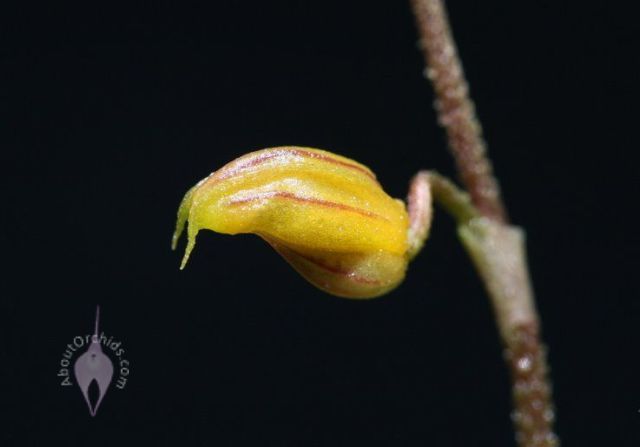
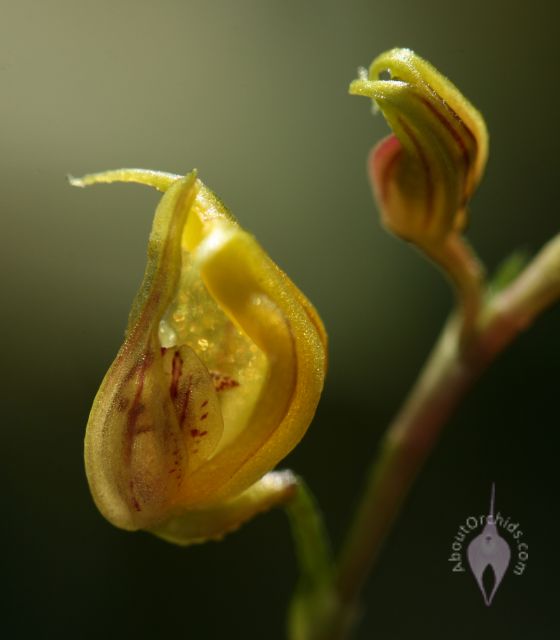
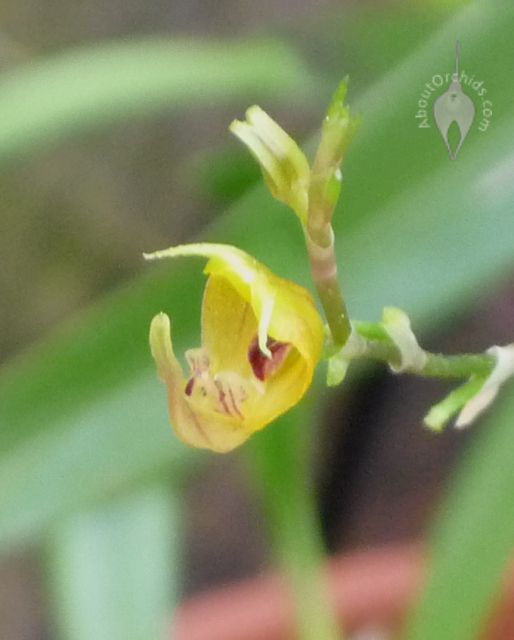
This mini Masdevallia relative, with a flower smaller than a pea, has a long name, Scaphosepalum. Despite its diminutive size, it’s capable of staying in bloom for months or even years at a time. The new flowers emerge in succession along a lengthening spike, while the older flowers fall off.

Scaphosepalum flowerScaphosepalum flowers

Several years ago, this orchid bloomed continuously for over 2-1/2 years, and had a flower spike that reached over 3 feet (0.9 m) before it finally stopped flowering. This year it’s been in bloom a mere 8 months. I’m hoping to keep it happy enough to challenge my previous record. For this plant, that means regular water and high humidity, similar to its native home atop the Andes in South America.

Scaphosepalum flowersScaphosepalum flowerScaphosepalum flower

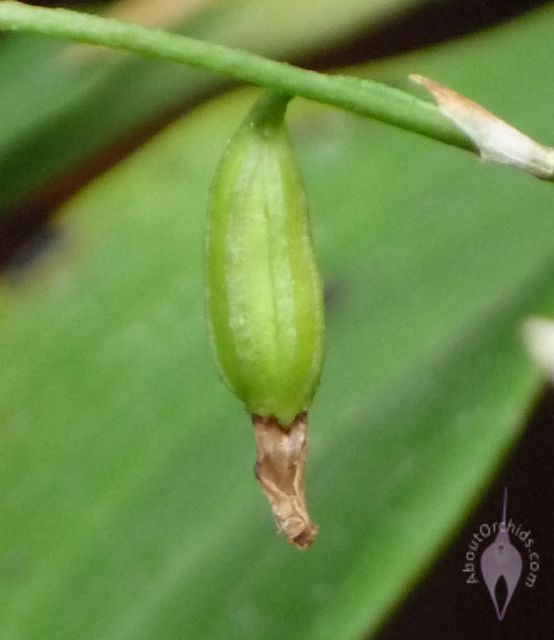
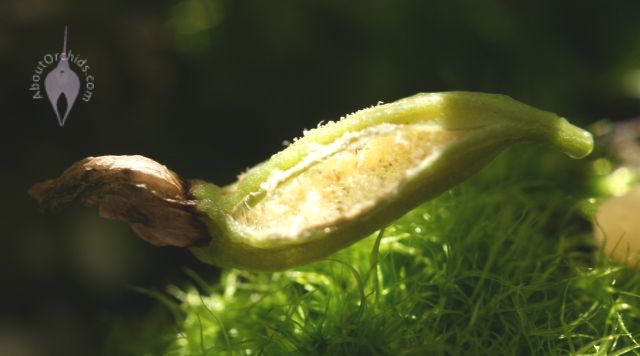
An insect managed to pollinate one of the flowers. This seedpod matured quickly in a few weeks (compared to many other orchids whose seedpods take months to mature.) The photo on the right shows the tiny burst seedpod resting on a bed of moss. The seeds look like tiny white fibers, and are easily picked up by the wind and scattered like dust. Maybe next year we’ll have some Scaphosepalum weeds growing in our garden.

Scaphosepalum seedpodBurst Scaphosepalum seedpod

The New Encyclopedia of Orchids

Posted December 23rd, 2008 by Marc Cohen
Categories: Books

The New Encyclopedia of Orchids

I’ve been loving this orchid book I got, a great gift from Dave’s grandmother Audrey. It’s The New Encyclopedia of Orchids: 1500 Species in Cultivation, by noted botanist Isobyl La Croix of the Royal Horticultural Society. Within its 500 pages, there are lots of interesting and unusual orchid species, many not commonly seen. You’ll find Masdevallia relatives Dracula and Platystele, Oncidium relatives Capanemia and Rodriguezia, and bizarre Australian orchids like Chiloglottis and Corybas.

This book supplements beautiful photography with detailed care information, from Acampe to Zootrophion, and also reflects recent scientific research and name updates. There are hundreds of  gorgeous pictures, and more stunning flowers than you could ever imagine.

To all, “Happy Hanu-kwanzaa-mas,” as I like to say. Dave prefers “Merry Knish-mas” from his favorite cartoon Chowder. To Audrey, thanks so much for the wonderful book. We both love you very much.

Solstice

Posted December 20th, 2008 by Marc Cohen
Categories: General Gardening, Photos

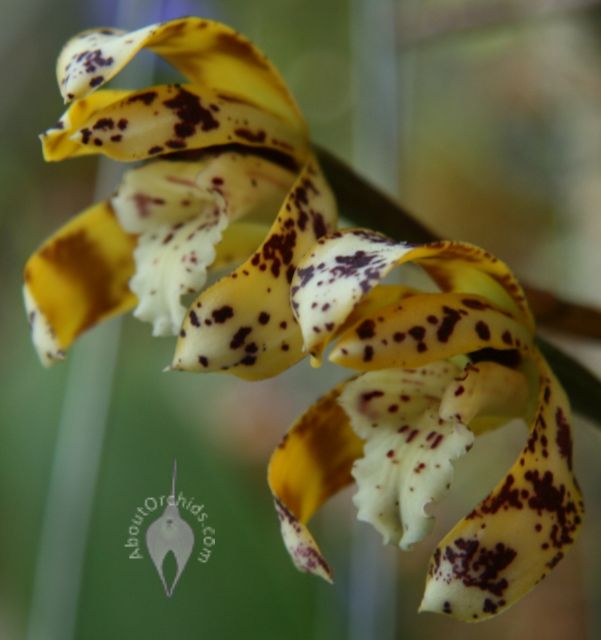
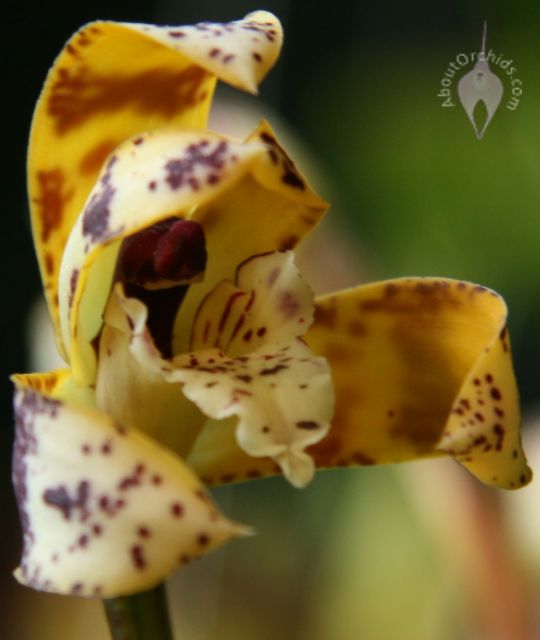
The upcoming winter solstice marks the shortest day of the year, but on the California coast we’re lucky to be able to garden year-round. Despite the pre-winter chill, my friend Kim has lots in bloom in her garden. She lives a few blocks from us near Dolores Park, and she’s an orchid nut like me! Her beautiful Maxillaria picta made a great display on the day we visited.

Maxillaria picta flowersMaxillaria picta flower

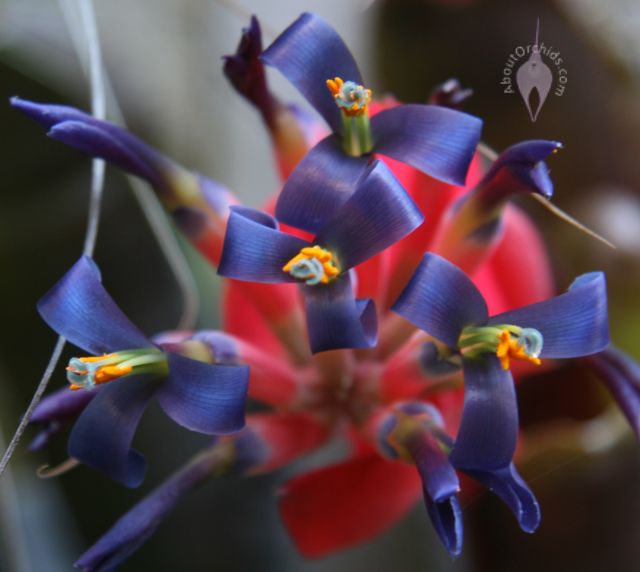
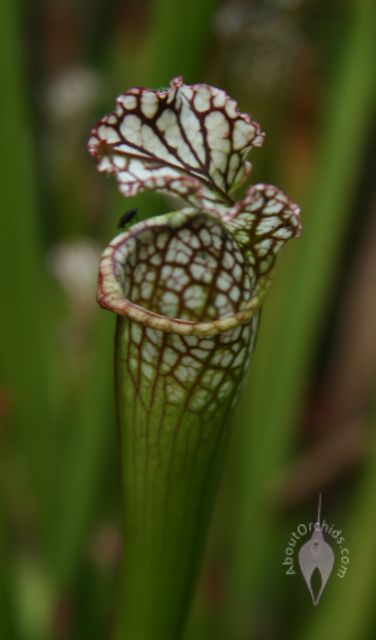
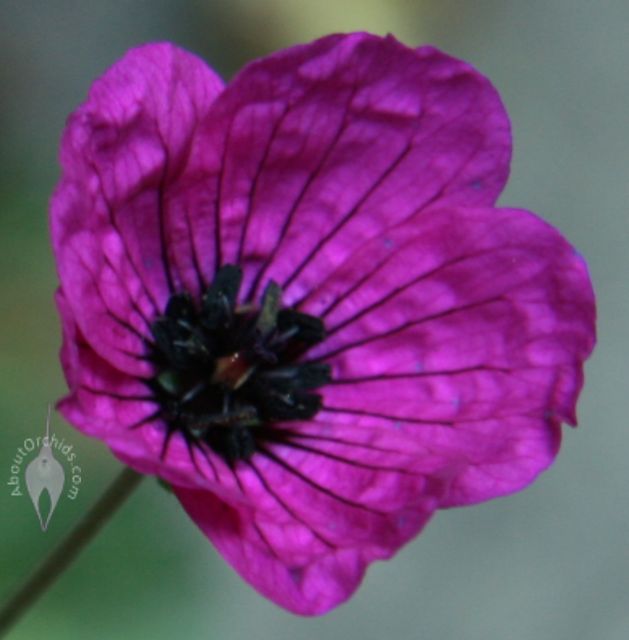
On the left, bromeliad flowers look like blue ribbons. In the middle, a little black bug tempts fate on the edge of a carnivorous pitcher plant. On the right, a tiny purple flower shows beauty on a miniature scale.

Bromeliad flowerPitcher PlantPurple flower

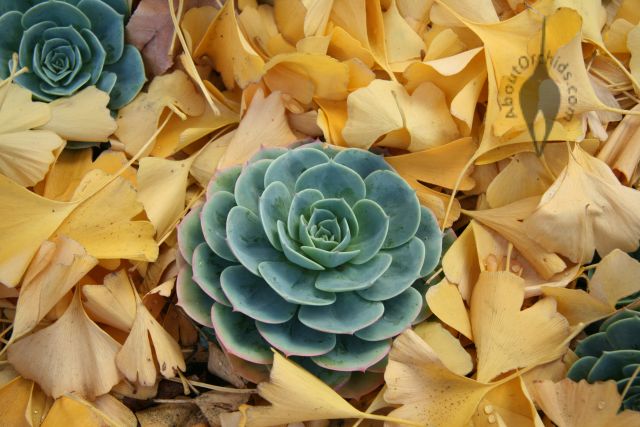
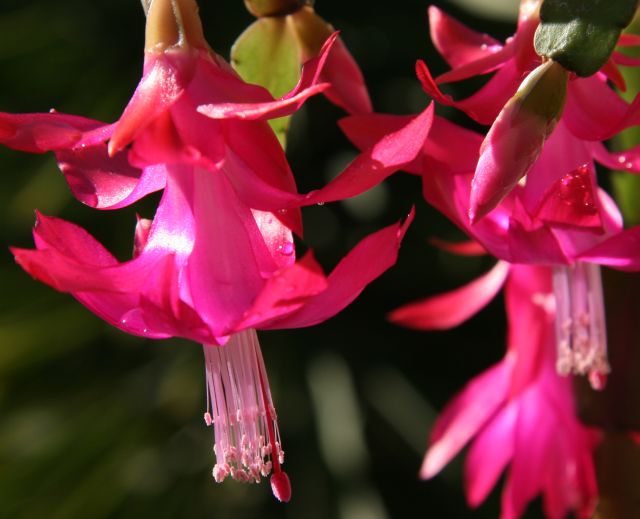
Hens-and-chicks sit among fallen ginkgo leaves, providing some autumn color on a San Francisco street. Back in our garden, the hot pink flowers of a Christmas cactus brighten up the short days. In the wild, Christmas cactus grow alongside orchids as air plants in tropical rainforests.

Succulents with fallen gingko leavesChristmas cactus flowers

Cochlioda

Posted December 15th, 2008 by Marc Cohen
Categories: Cool Growers, Growing, Mini Orchids, Orchids in the Wild, Photos

Related to Miltonia, Oncidium, and Odontoglossum, this charming mini species is an easy orchid. Cochlioda vulcanica is frequently used in hybridization, cross-bred with orchid relatives to pass on both its hardiness and its beauty.

Cochlioda flowerCochlioda flowers and buds

It lives in tropical cloud forests at high elevations in the Andes, where it is pollinated by hummingbirds. The side view shows the long, narrow tube that perfectly accommodates their long, thin beaks.

Cochlioda flower side viewCochlioda flowers

This orchid needs cool temperatures year-round, high humidity, and strong air movement. They prefer to be potted in small pots. Dave’s macro lens shows incredible details. The dark area between the yellow spots is the hole where the hummingbird inserts its beak. In our garden, however, I think the hummingbirds prefer the Epidendrums.

Cochlioda flower close-up of lipCochlioda flower close-up of lip

Cochlioda flower close-up of lipCochlioda flower close-up of lip