
January Orchid Events
Posted December 31st, 2022 by Marc CohenCategories: Events
Welcome 2023 with orchids. January brings a variety of shows, auctions, classes, webinars, and exhibitions. Happy new year!
Massey University student Hayden Jones and Botany Curator Carlos Lehnebach are launching a citizen-science project to solve an orchid mystery. Maikuku, also known as the White Sun Orchid or Thelymitra longifolia, is one of Aotearoa New Zealand’s most common orchids. Although it was scientifically discovered 250 years ago, botanists wonder if its beautiful white blooms represent multiple species. Locals can help to research the answer by measuring key parts of the orchids in the wild. Volunteers need to register, and have an iNaturalist account, which is free. Scientists will use the data to search for distinct species, and to better focus conservation efforts. Kiwis, and the rest of the world, are looking forward to learning the answers.
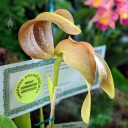
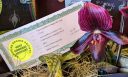
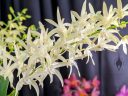
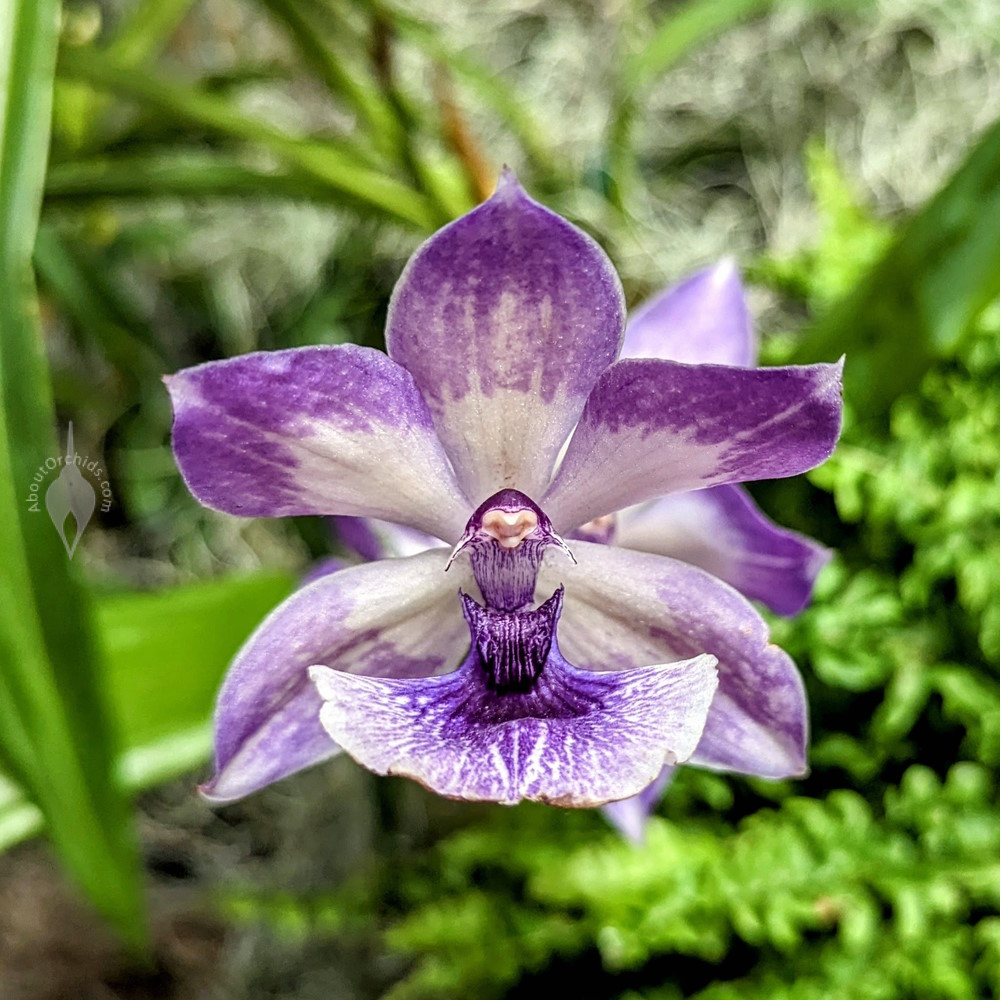
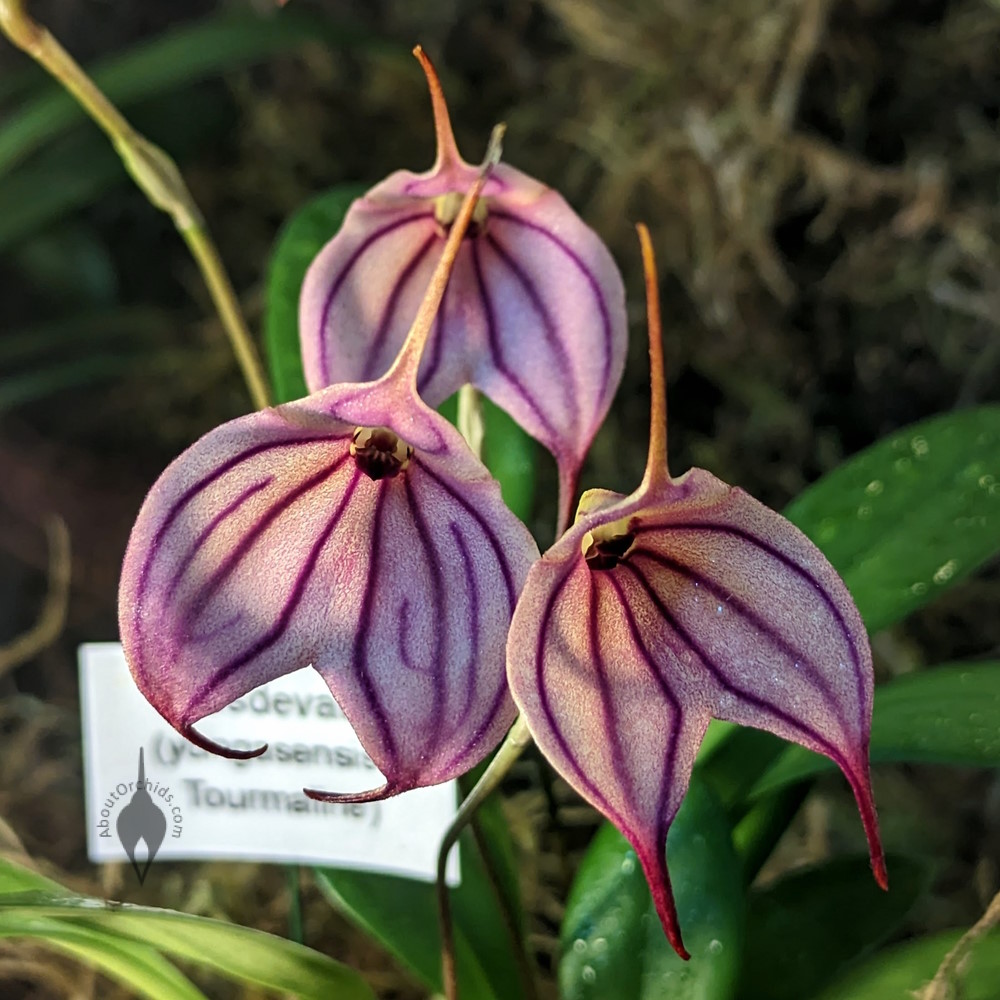
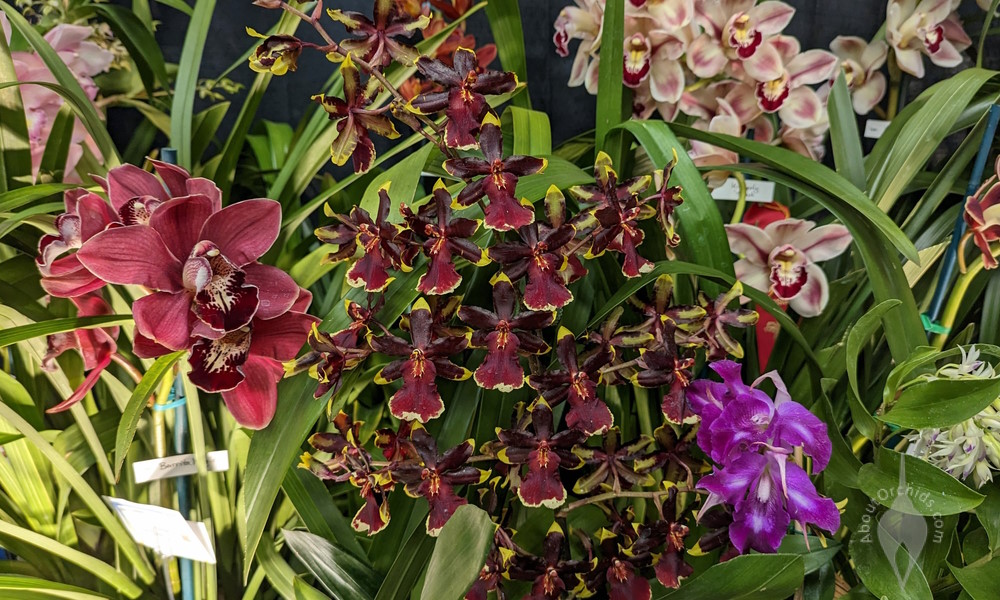
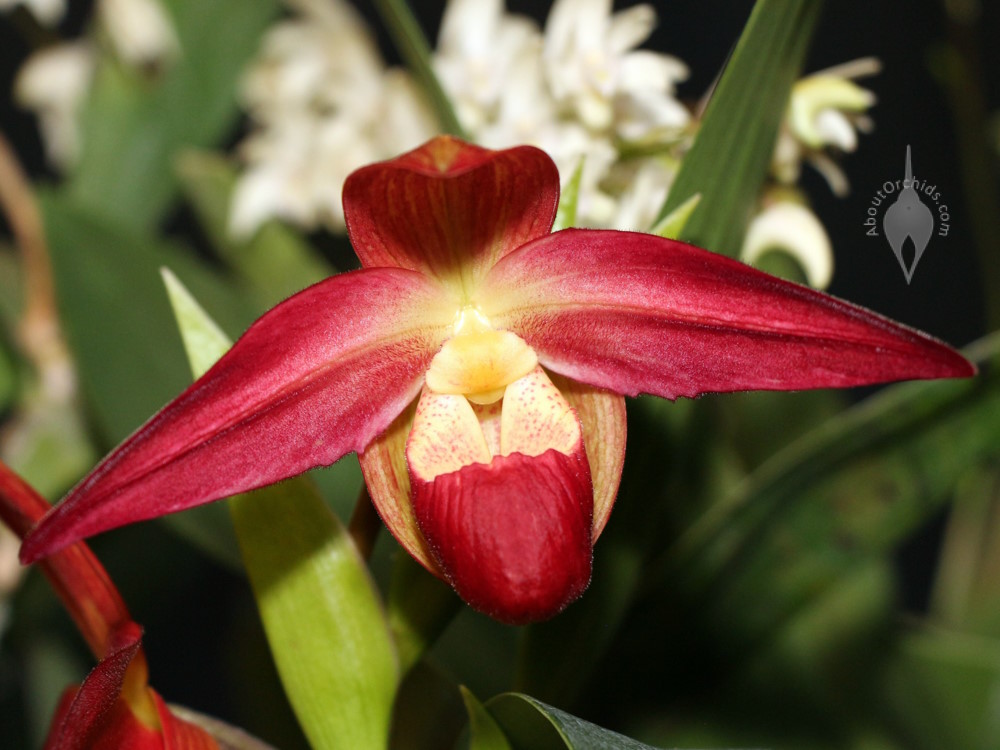
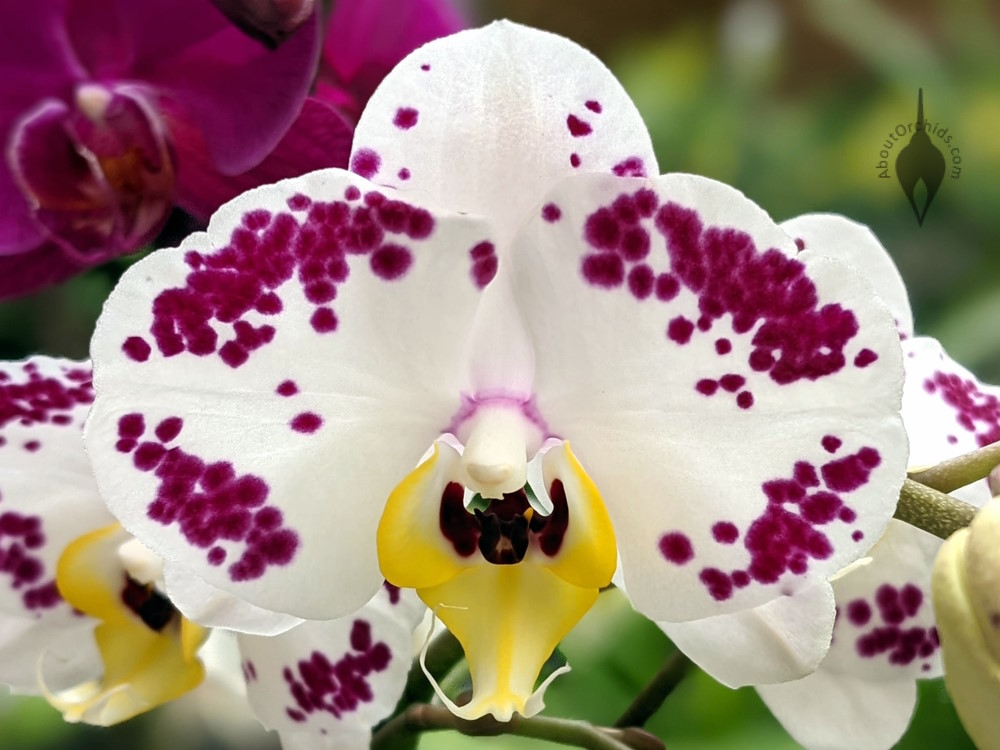
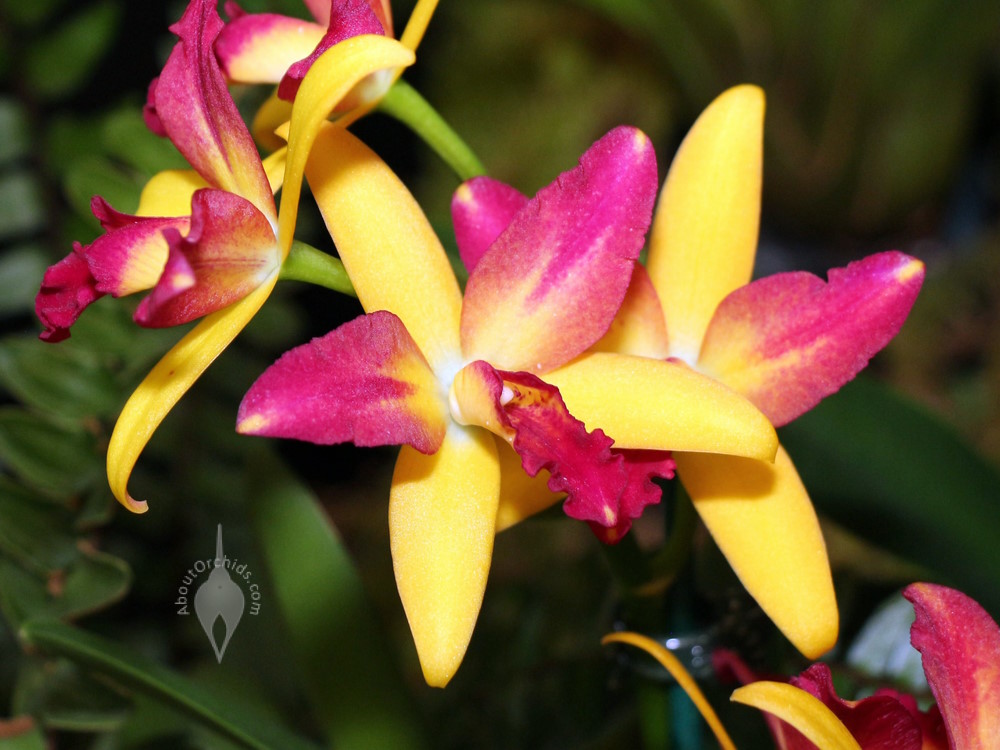
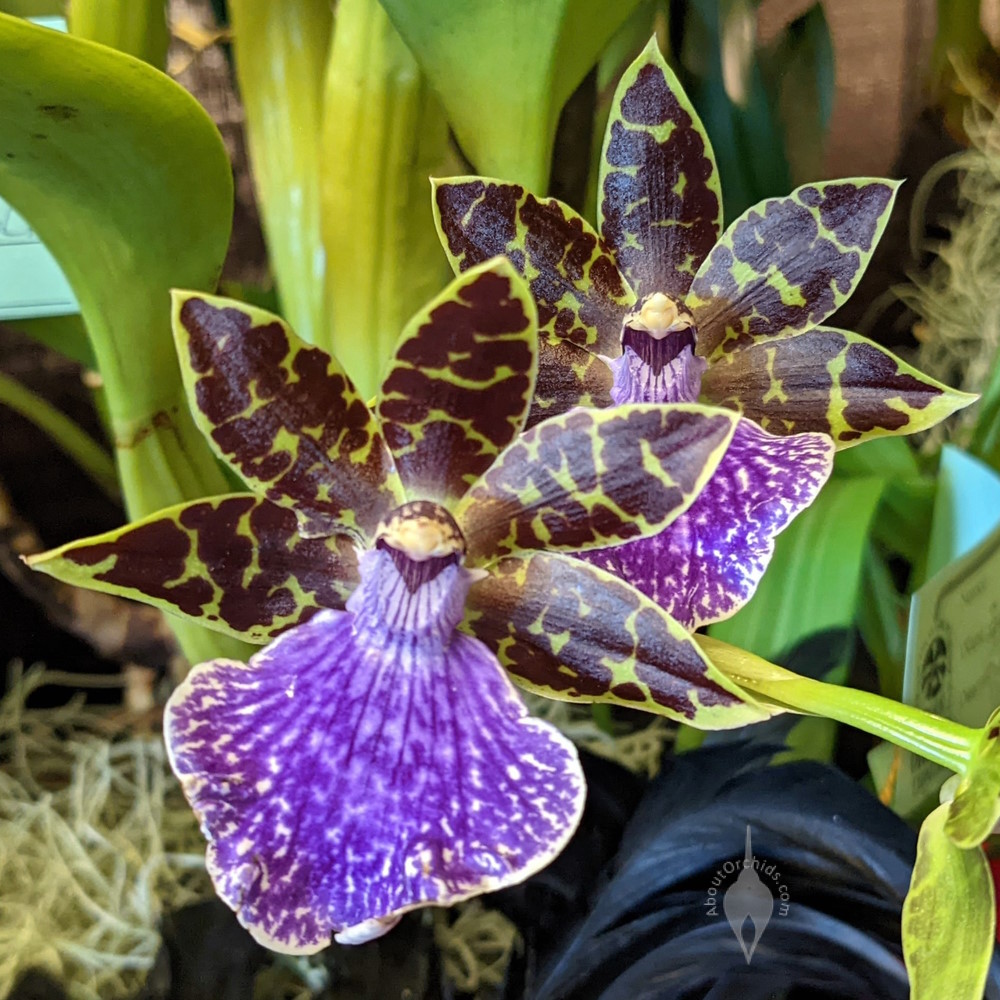
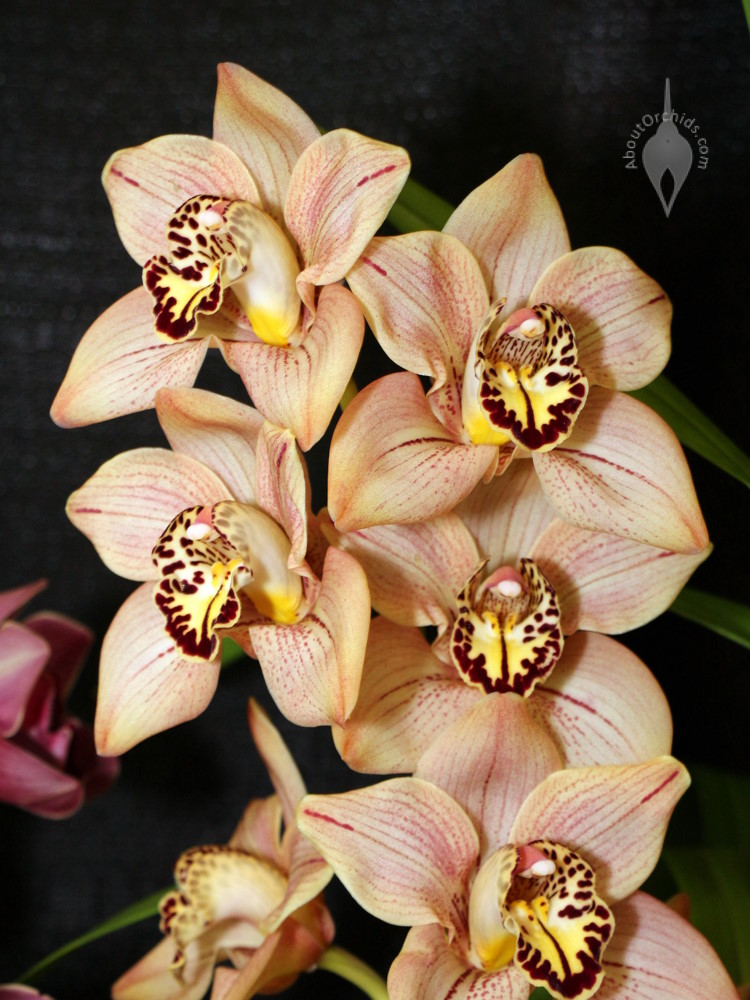
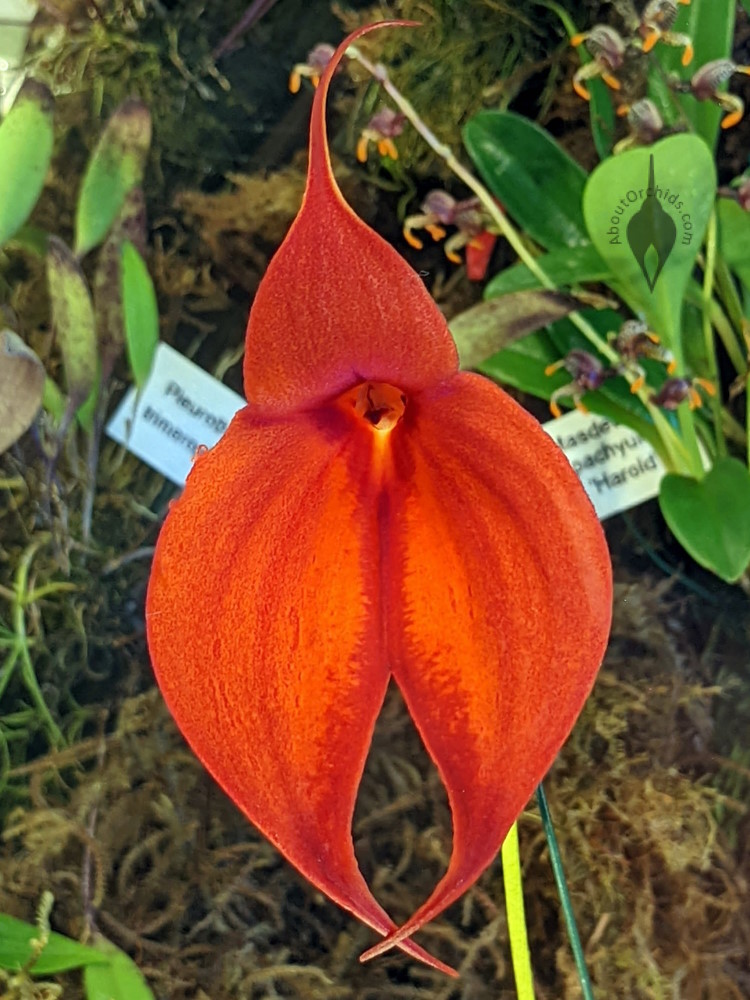
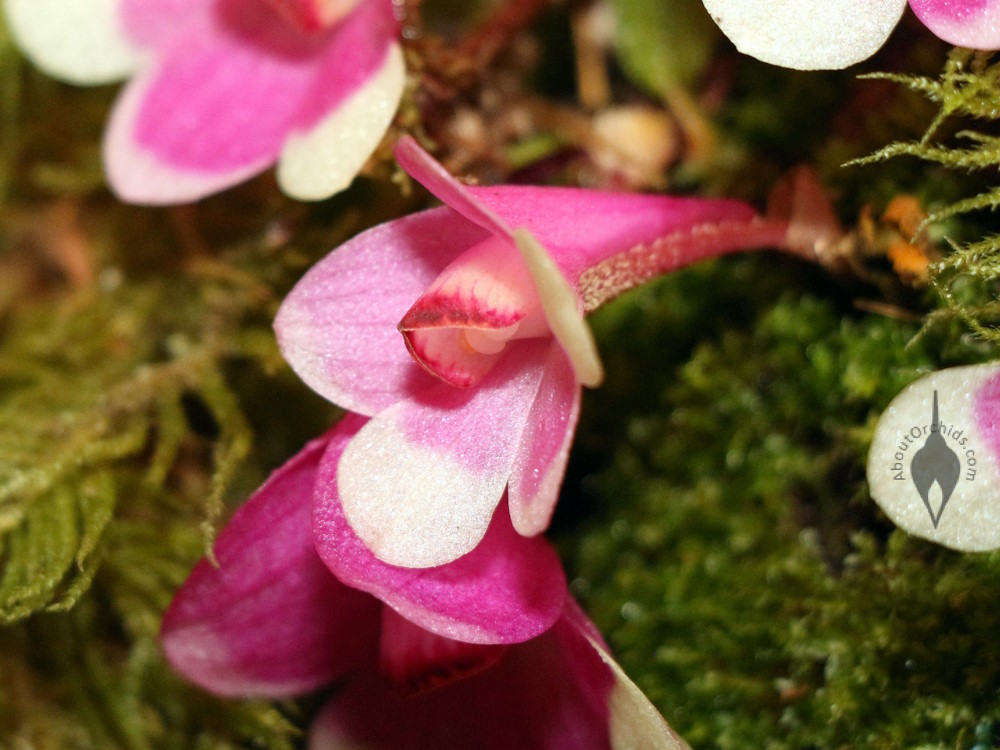
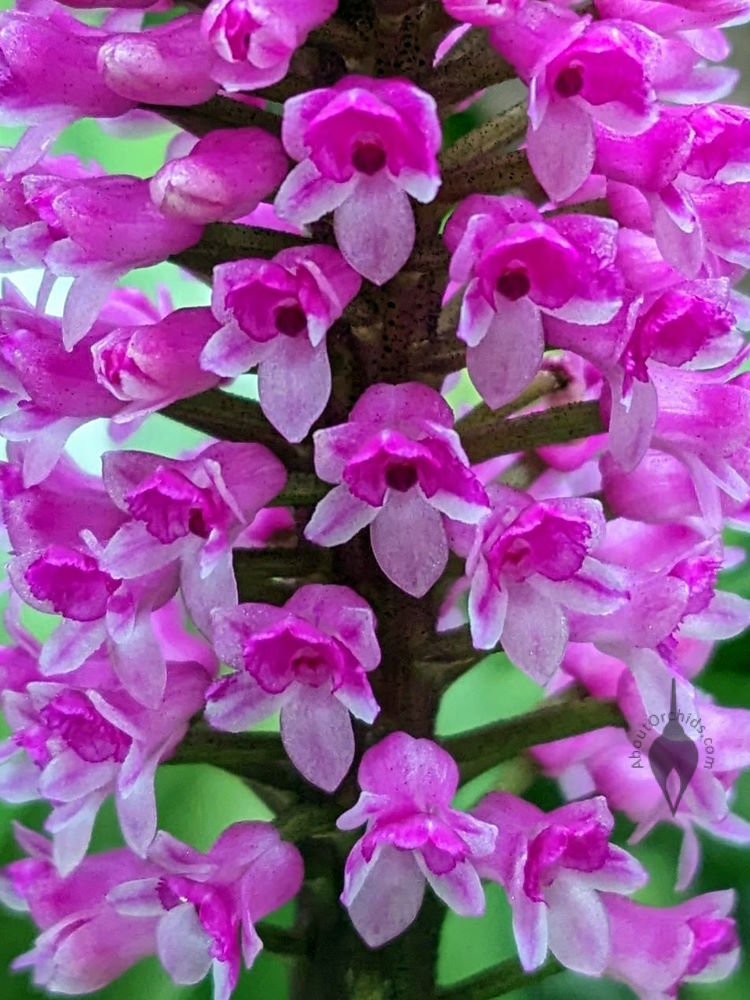
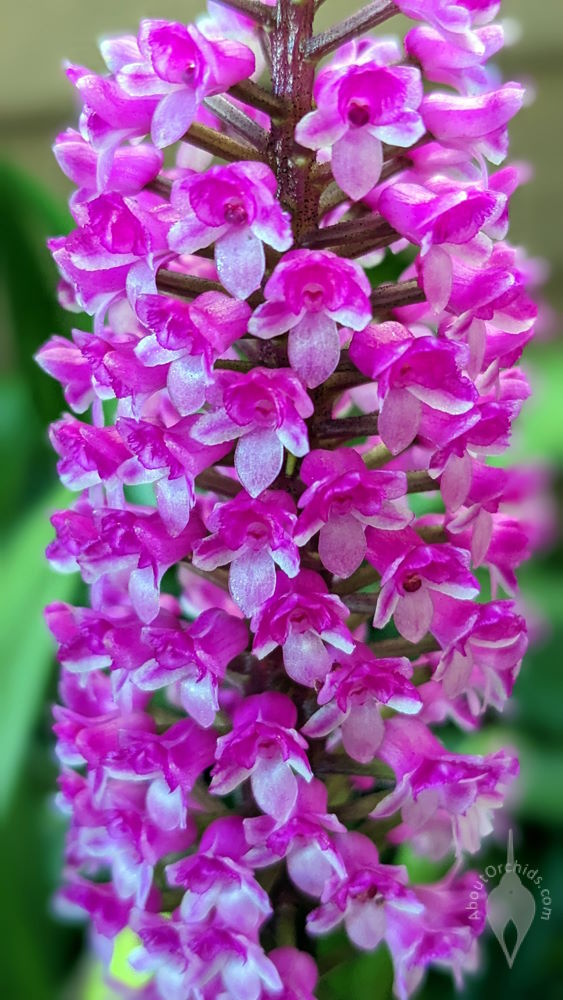
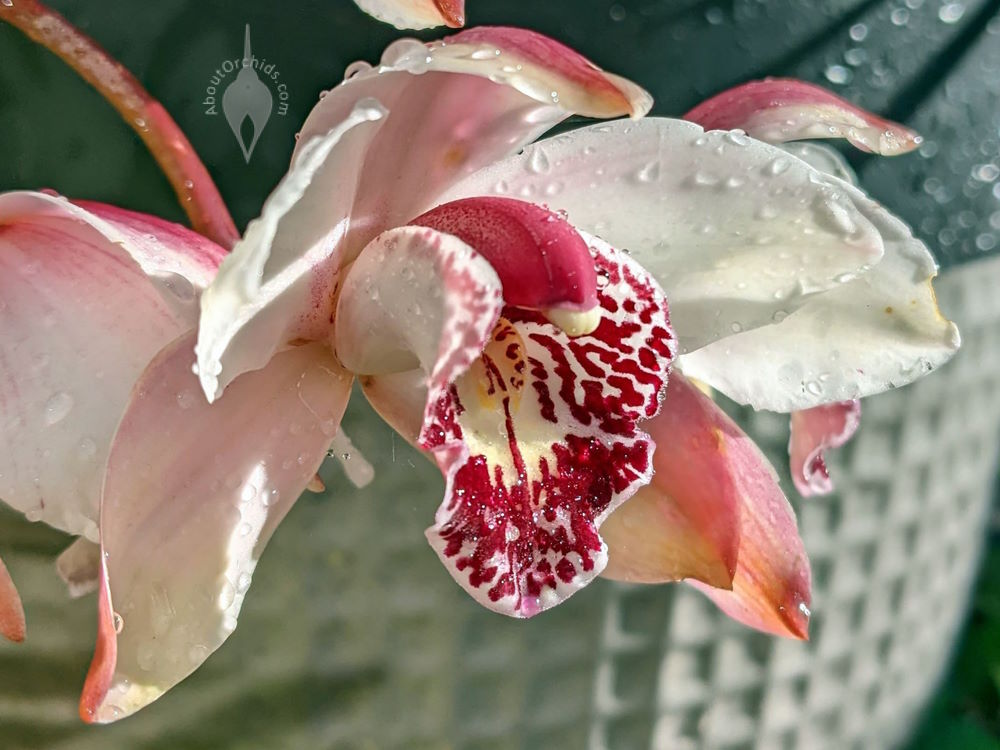
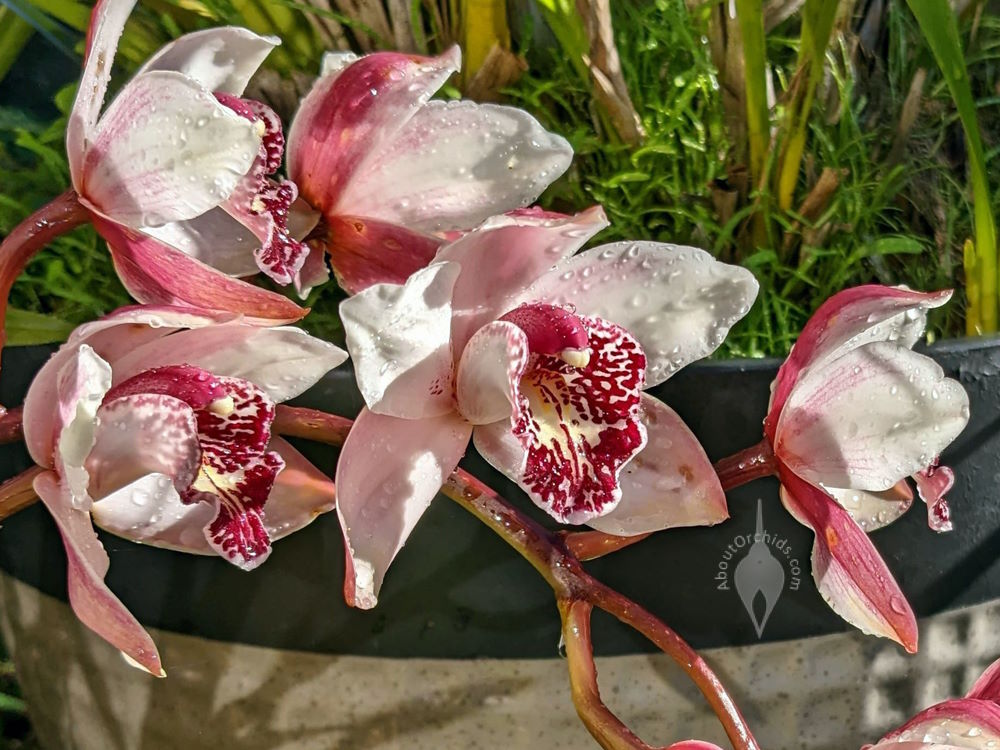
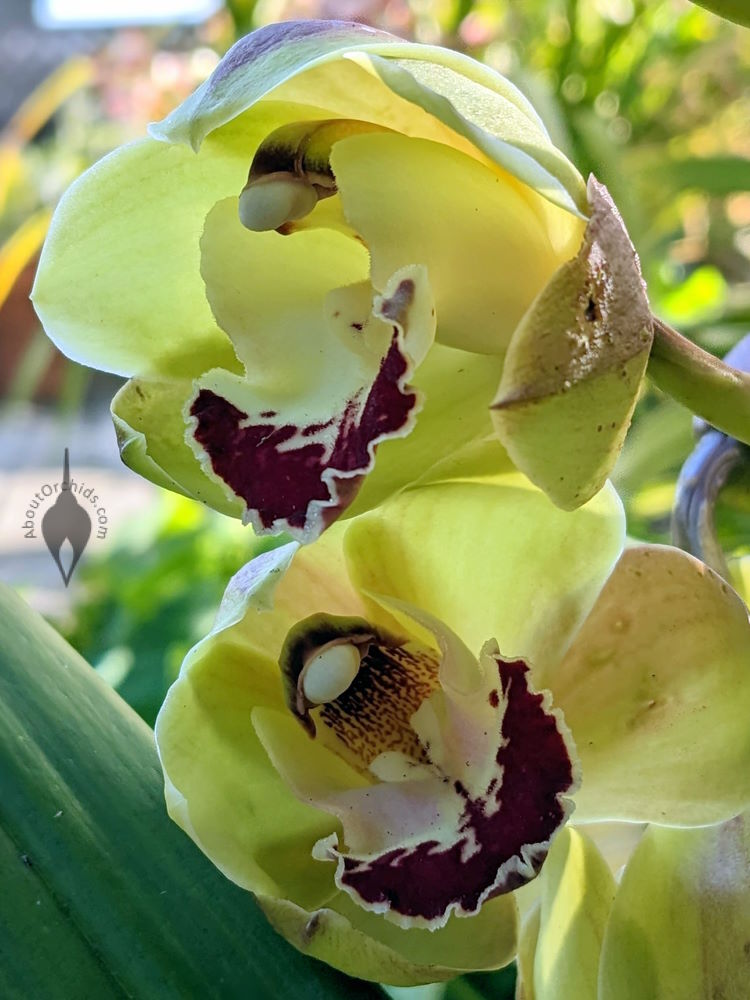
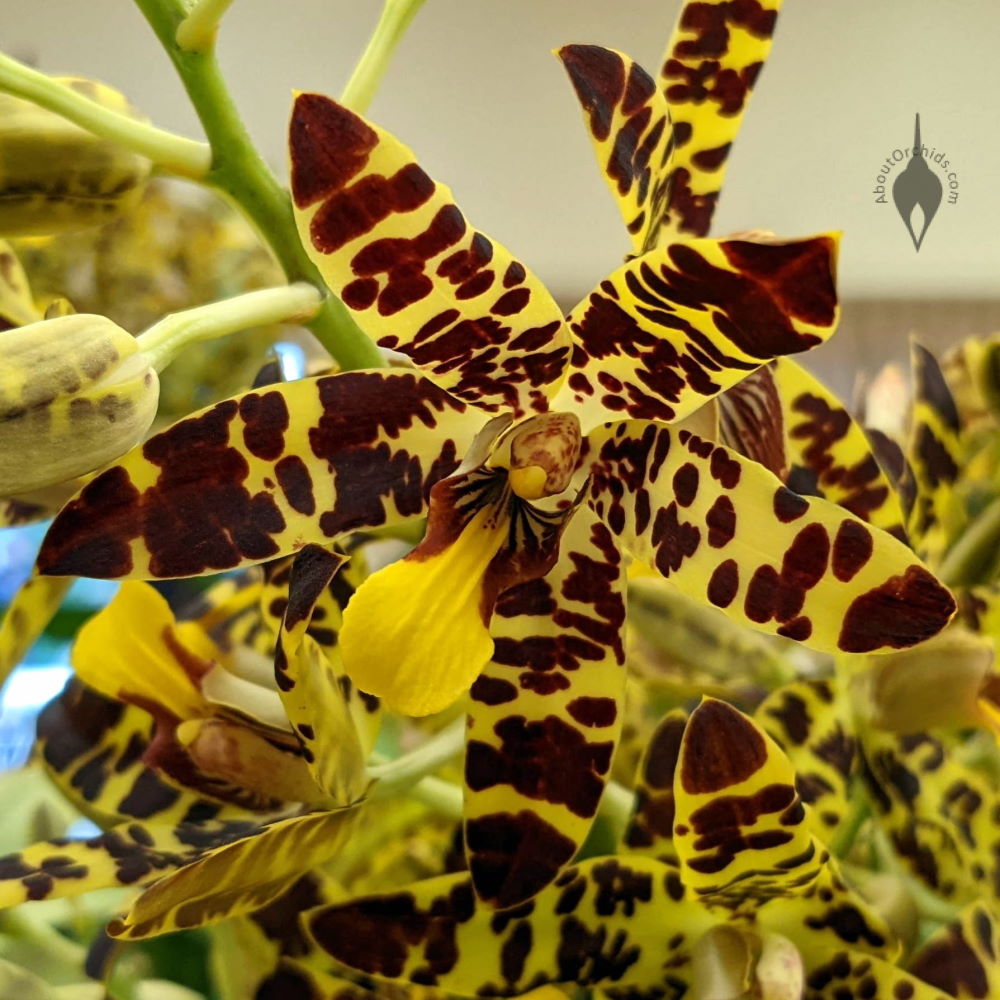
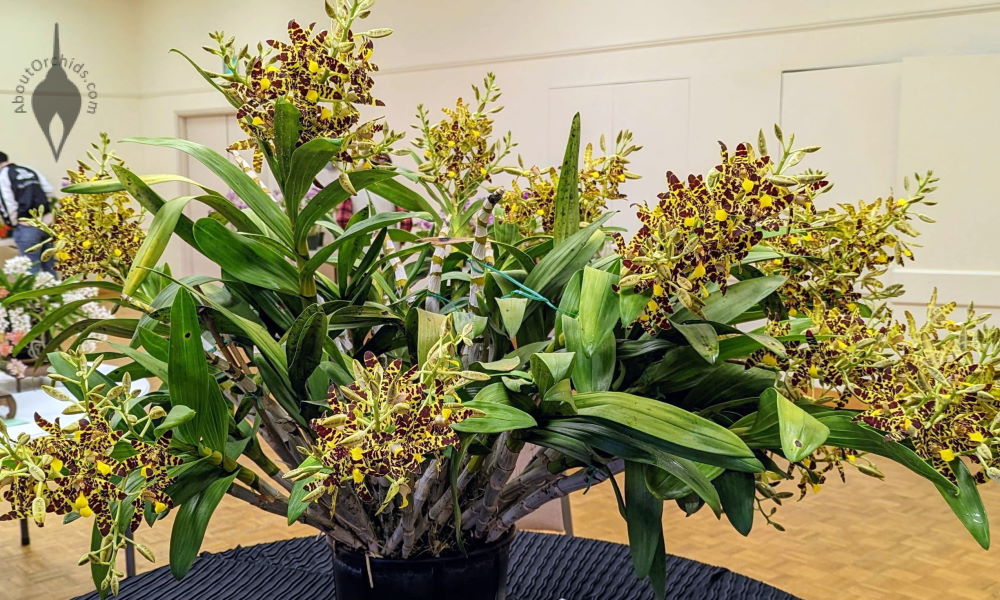
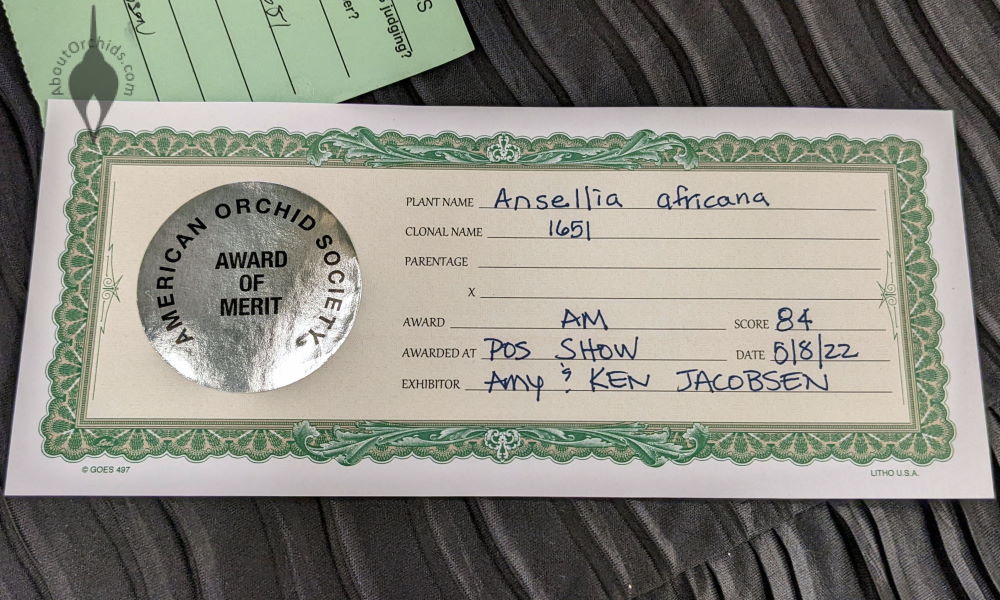
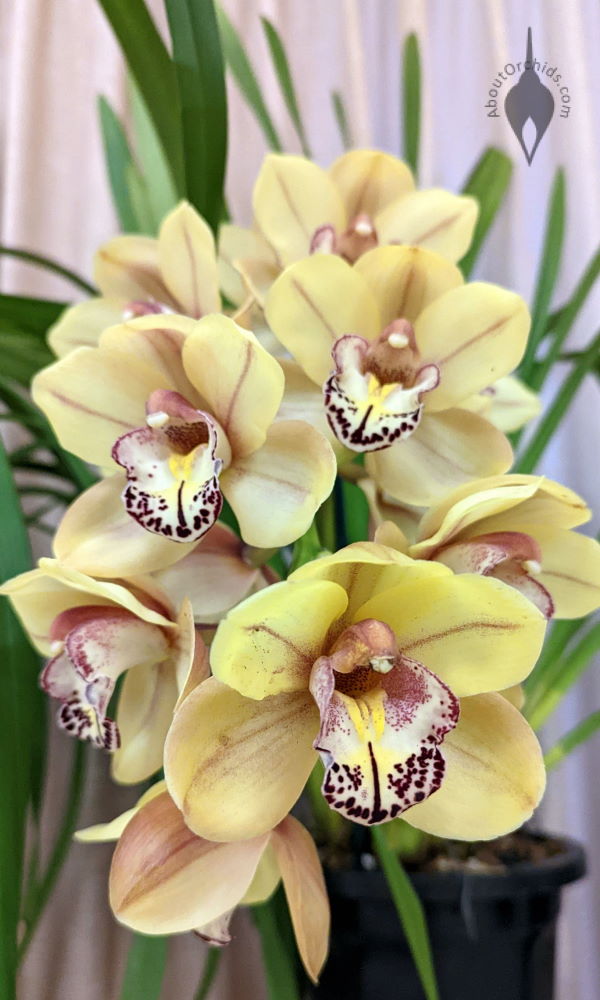
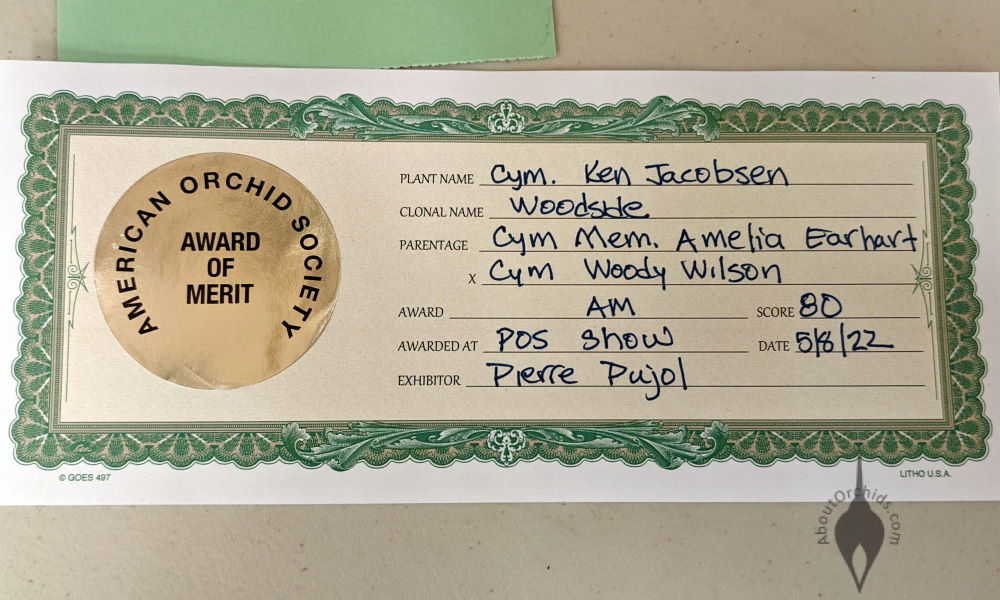
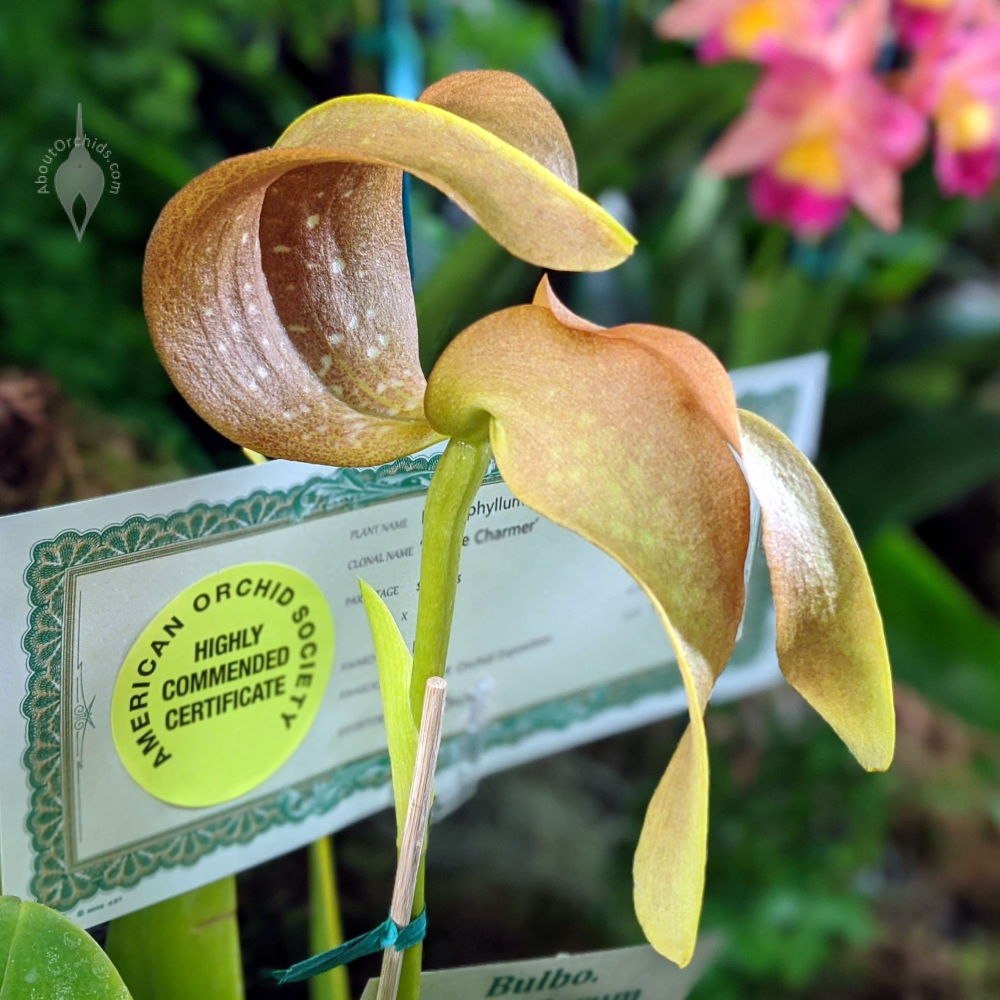
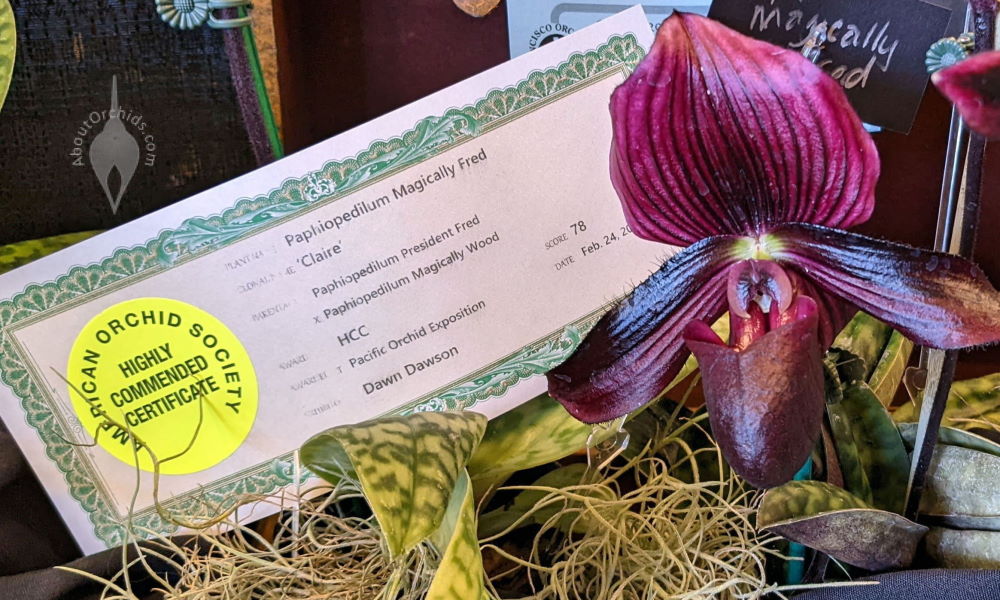
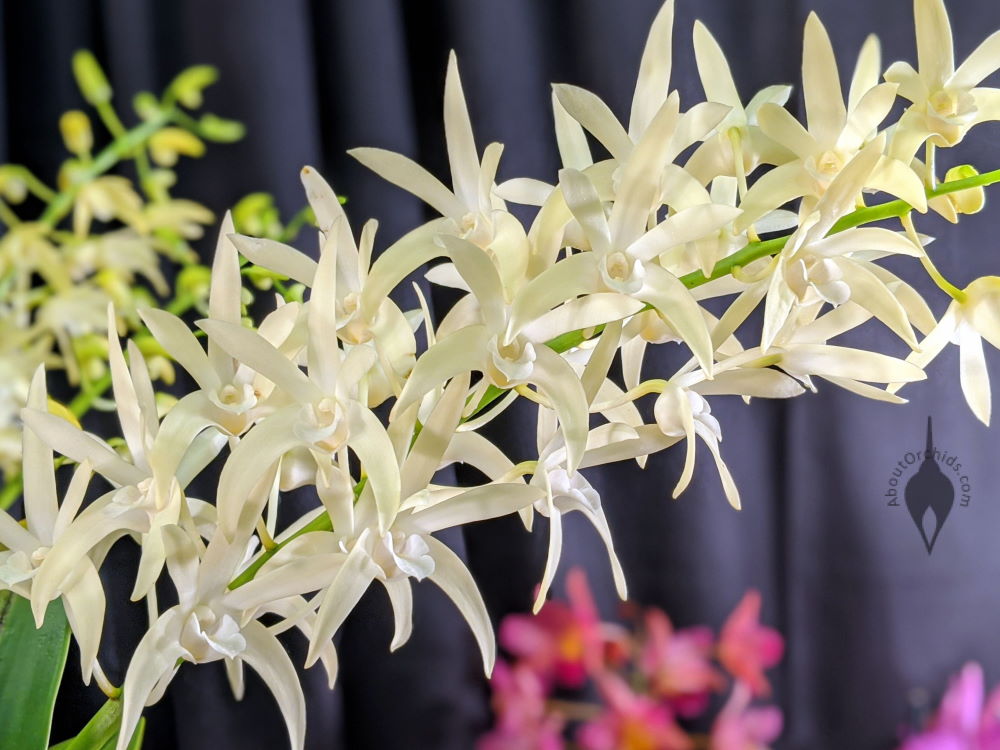
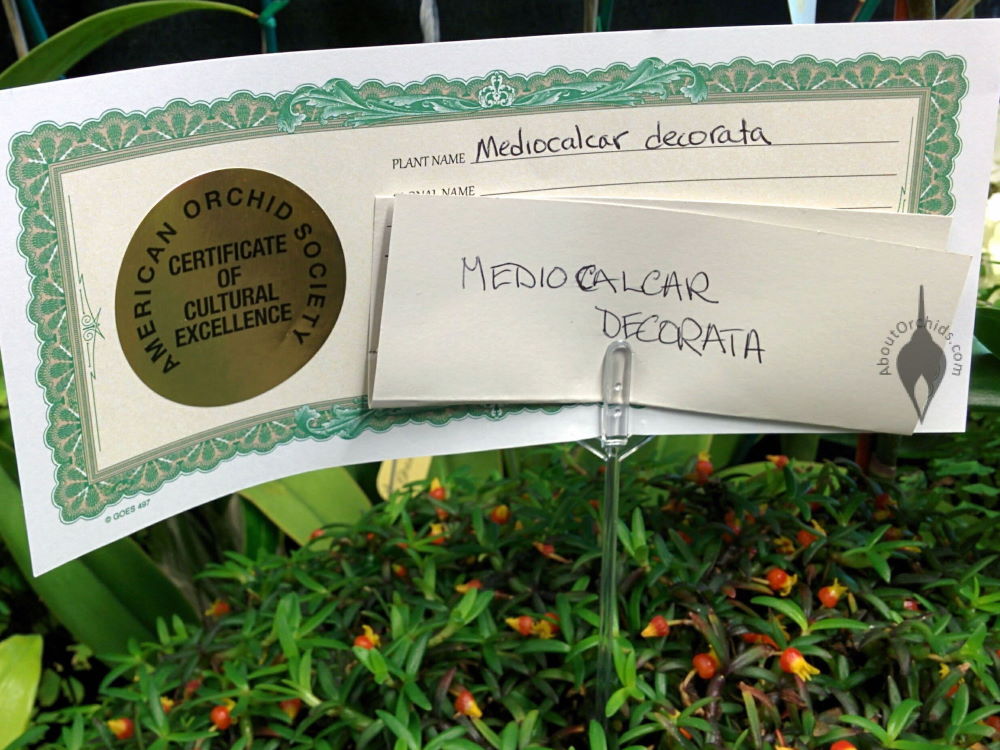
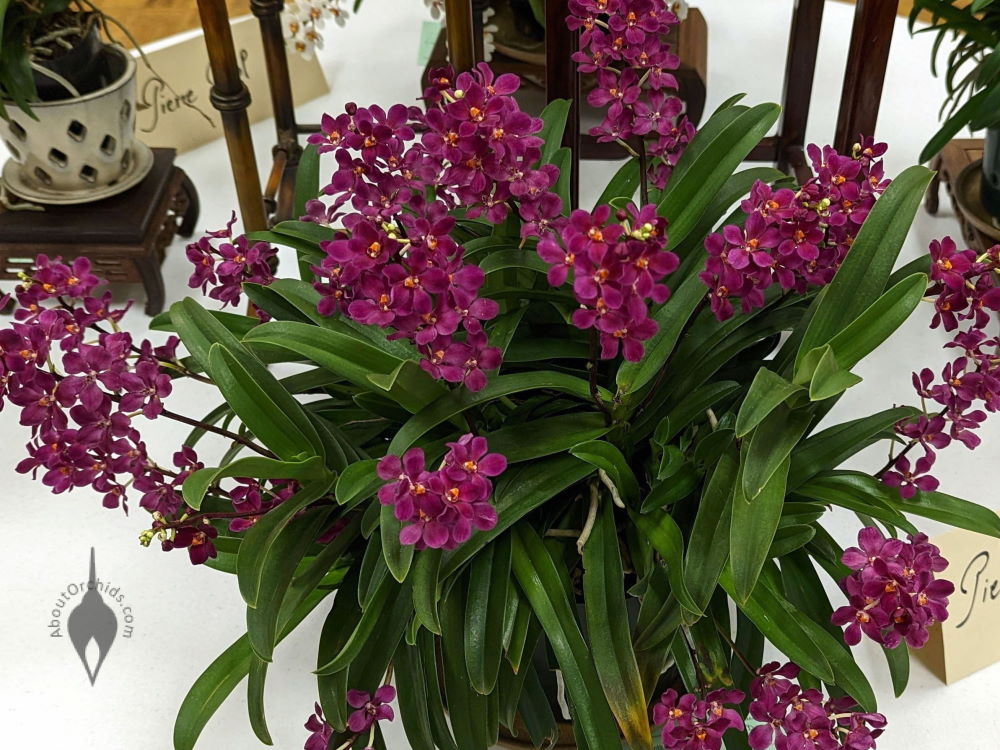
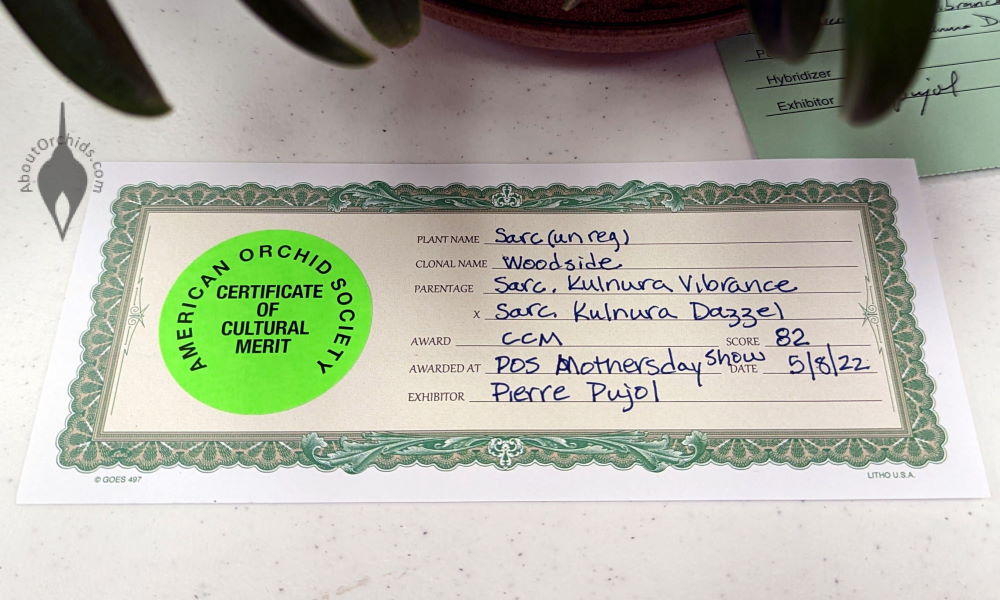
Orchids work wonders for brightening the shortest day and longest night of the year. Having attended three orchid shows in 2022, after a two-year pandemic break, it was easy for me to find a few brilliant photos. The first four pictures are from the Pacific Orchid Expo last winter, the next four are from the Peninsula Orchid Society Show in spring, and the last four are from Orchids in the Park in summer. It was great that these events returned safely, with mask requirements and improved indoor ventilation. Dave and I were glad to attend, and certainly look forward to more shows in 2023. Happy solstice.
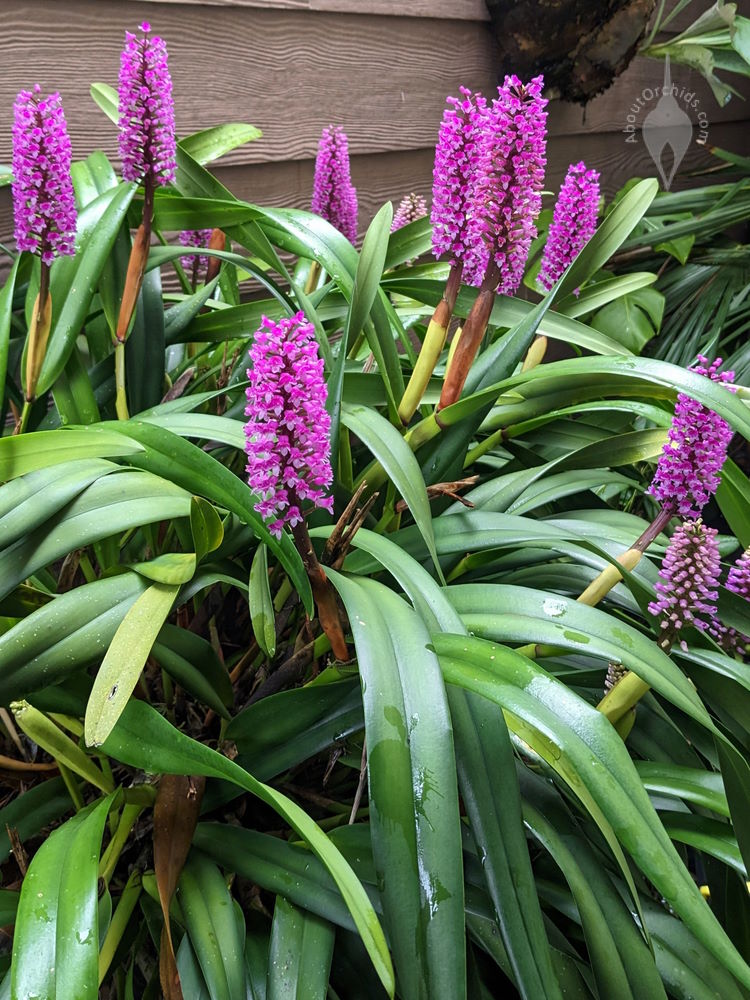
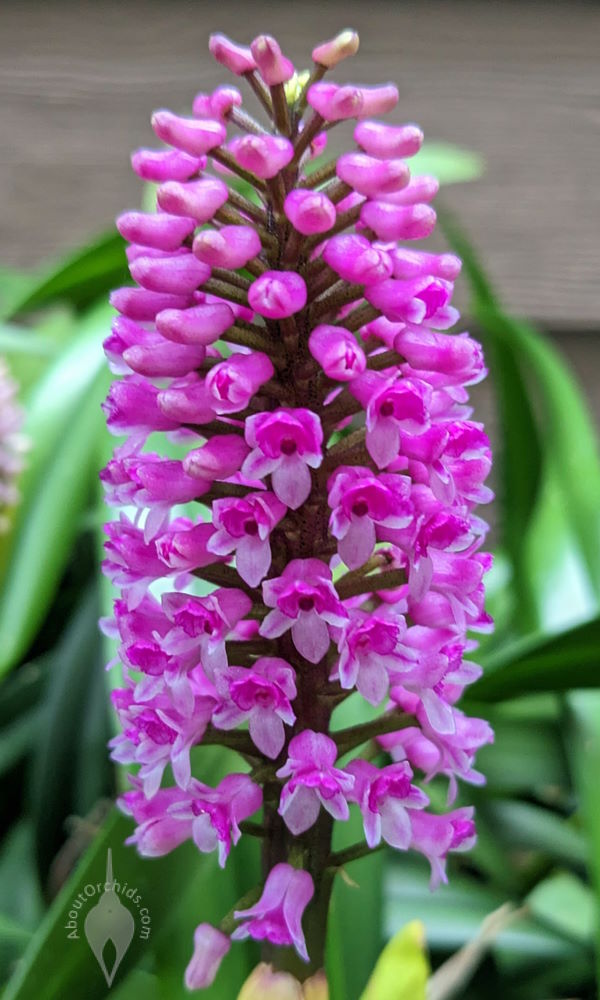
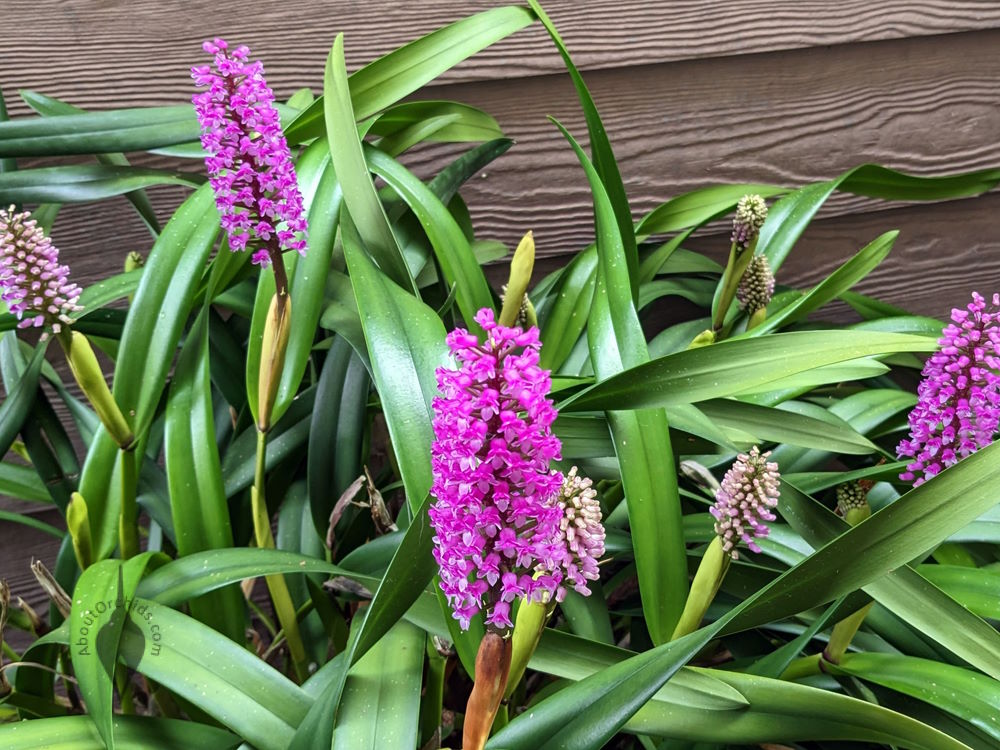
This Sobralia orchid has been a reliable cool-grower in our garden for over a decade. Its scientific name, Sobralia macrantha, means “big-flowered Sobralia” and it’s no lie. These large, purple blooms with their frilly lips can span 10 inches (25 cm,) but mine are usually a little smaller. A few years ago, I moved this plant indoors for a while, thinking it might grow better with more warmth and less wind. Eventually, I moved it back outside, and it seems happier. Since then, the plant has given me great, extended blooms, with each blossom lasting as long as five days. It flowers repeatedly throughout the year, especially in autumn and winter, despite our challenging coastal climate. In the past couple weeks, we’ve had storms with winds over 55 mph (89 kph) and occasional hail, so the flowers may be battered, but fresh ones keep coming.
Sobralias are notorious for short-lived flowers, and my orchid friends are always surprised that these can last five days, instead of the typical one or two. I think cool temps here on the foggy Northern California coast may help them last longer. The species can grow up to 7 feet (2.1 m) tall, but my plant only reaches 1.5 feet (0.46 m,) probably because of our strong winds.
Native to rainforests from Mexico to Costa Rica, Sobralia macrantha grows up to 11,000 feet (3353 m) elevation. Mine receives morning sun, regular water, fertilizer, and plenty of fresh air outdoors. I give it less water in cooler winter weather. This orchid proves that nobody needs warm, tropical conditions to enjoy big, bold blooms.
Kids will get stuck on orchids with the American Orchid Society’s (AOS) engaging gifts for children. The Stuck on Orchids sticker book includes stickers, basic info, and opportunities for coloring. It covers seven of the most common orchid varieties. The Orchid Nonsense Coloring Book features over 40 designs of orchids, animals, and characters, ready for crayons and imagination. AOS members receive discounts on these and more from the AOS Gift Shop. There are also discounts for bulk orders.
December is always the slowest month of the year for orchid shows. In addition to the events below, many orchid societies have holiday parties and auctions which may be open to visitors. Happy holidays!
Not many people would expect to find orchids in a desert in Utah, but orchids can turn up in unusual places. Platanthera zothecina, the Alcove Bog Orchid, is native to the upper Colorado River watershed in southeastern Utah, northeastern Arizona, and far western Colorado. It’s rare and endangered. The area is harsh, high-elevation desert, with very hot summers, very cold winters, and little water. These photos show a small colony of plants with old flowers. They typically bloom in the summer; these photos were taken in October. The flowers are starting to die back, but still holding on.
Most deserts have few or no orchids, but there are species like the Alcove Bog Orchid which specialize in dry habitats. These plants are surviving by growing in a seep, where porous rocks allow water to slowly percolate from above. Rain or snow, which may have fallen years ago, slowly seeps out. This can create damp areas at the bases of rock ledges. The rock ledges also provide some protection from sun and wind. The final two photos above show this type of habitat more clearly, but there are no orchids in those shots.
An important reminder: please never take orchids from the wild. It’s illegal, and the plants will die from the stress. Take only photos and memories. Don’t damage plants or pluck their flowers, and be careful not to trample them.
Photos courtesy of Joyce Stevenson.
Down under in Tasmania, it’s spring. The blooms in the island’s forests include orchids and carnivorous plants. Over 200 orchid species are native to Tasmania, many found nowhere else. Bird Orchids, or Chiloglottis, resemble baby birds with mouths open, begging for food. Caladenia and Greenhood orchids also abound. While some orchid varieties provide nectar rewards, others seduce their pollinators. They trick them into believing that they’re finding a mate. The insects help pollinate the orchids, and may be frustrated, but are not harmed. However, carnivorous plants, like Sundews, have a lethal deception. They feature shiny drops which appear to be nectar, but are actually glue. Small bugs are trapped and digested. It’s surely a risky time of year for insects in Tasmania.

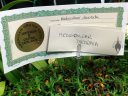
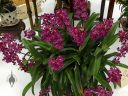
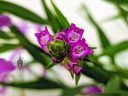
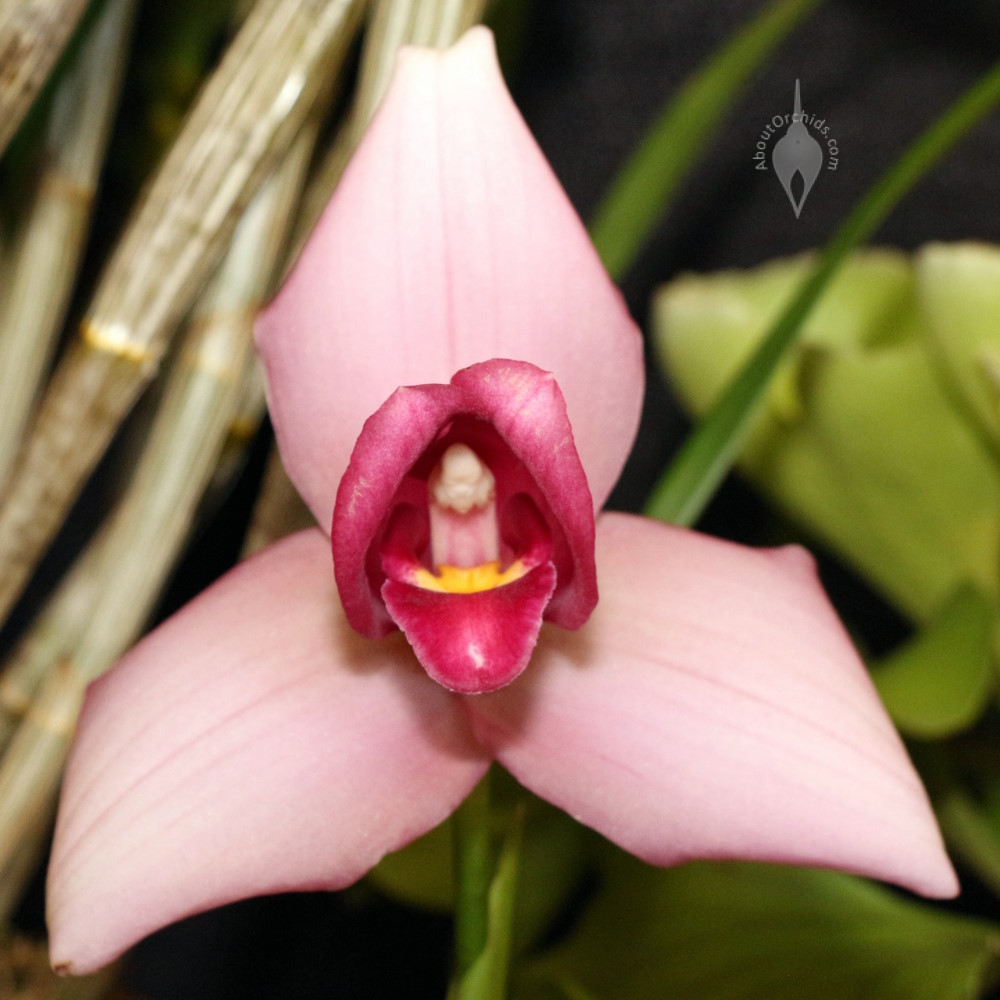
This brilliant pink Cochlioda orchid has been a reliable bloomer for years. I bought this charming miniature almost two decades ago, and it flowers every autumn. Each of its spikes can hold over two dozen blossoms which open sequentially, so the pink keeps going for three or four months. This fall, it’s already been in bloom for two months, and it just popped up its tenth flower spike!
This species is native to high-elevation cloud forests in the Andes of Colombia, Ecuador, and Peru. Cochlioda vulcanica is now known as Oncidium vulcanicum, but I’m used to the old name. Mine lives outdoors all year on the Northern California coast, where it’s happy with our cool, foggy weather. It receives regular water, fertilizer, morning sun, and winter dormancy. Cochliodas prefer small pots. I usually repot it every three years, using a mix of fine bark and perlite. If you can provide a cool environment, you should definitely find a little space for this easy, hardy, and beautiful orchid.
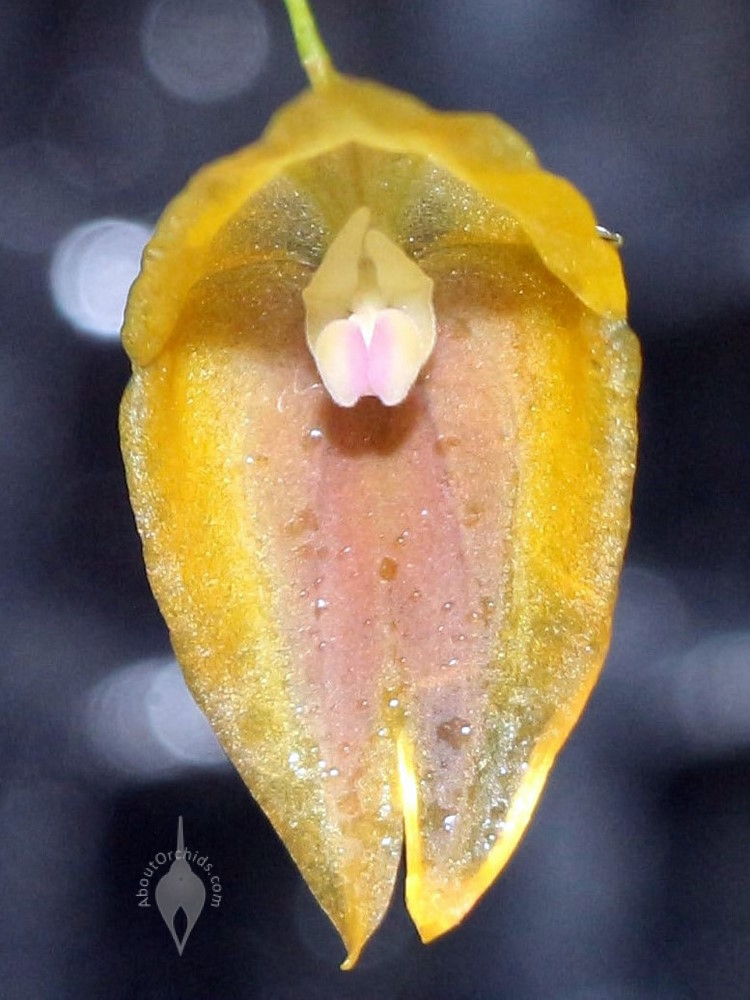
A newly discovered orchid has been named for Sir David Attenborough. Lepanthes attenboroughii from Peru joins the list of living things named in honor of the famed British biologist, author, broadcaster, and environmentalist. Lots of species already bear his name, including a butterfly, gecko, snail, pitcher plant, and even a dinosaur. I believe that this is the first orchid to have the honor. Lepanthes are small pleurothallids, often with colorful and charismatic flowers. This species had been mistaken for a similar Lepanthes, before scientists realized that it’s not the same. Photos of the orchid start on page 3 of this linked scientific article.