Winter Solstice Orchids

Posted December 21st, 2018 by Marc Cohen
Categories: Photos

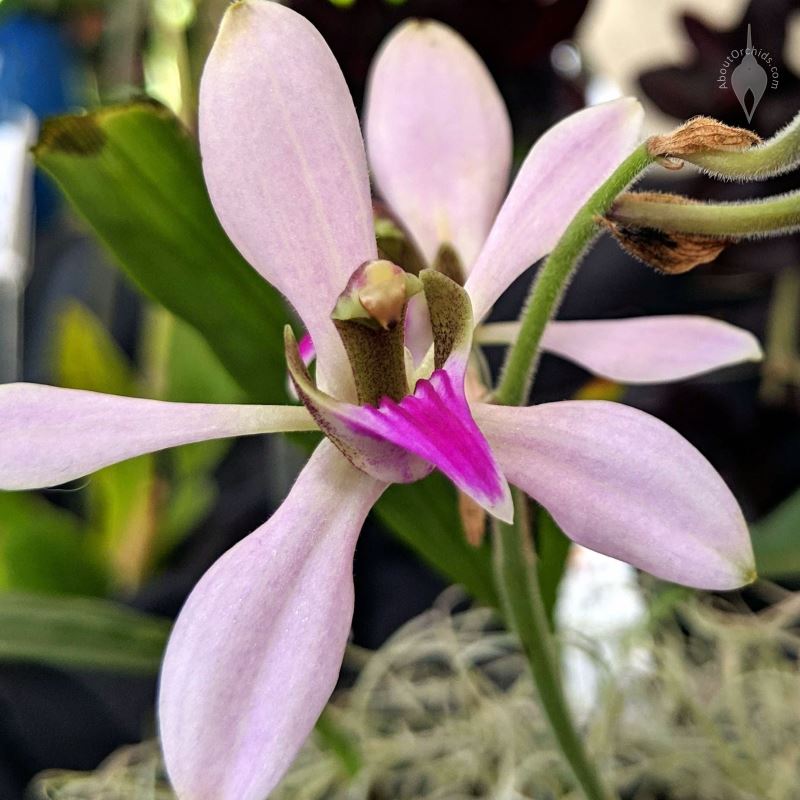
Cymbidium goeringii 'Epigarden', orchid species flower, green flower, Pacific Orchid Expo 2013, San Francisco, CaliforniaRestrepia orchid flower, pleurothallid, miniature orchid, Pacific Orchid Expo 2013, San Francisco, CaliforniaMaxillaria cacaoensis, orchid species flower, flower side view, Pacific Orchid Expo 2013, San Francisco, California

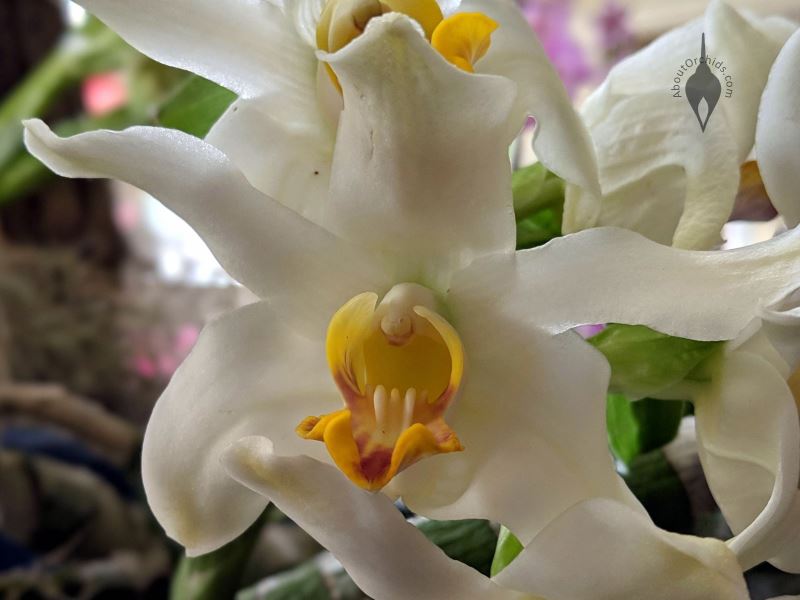
Masdevallia elegans, orchid species flower, pleurothallid, Pacific Orchid Expo 2013, San Francisco, CaliforniaArundina caespitosa, Bamboo Orchid, orchid species flower, Pacific Orchid Expo 2013, San Francisco, CaliforniaDendrobium papilio, orchid species flower, white flower, Pacific Orchid Expo 2013, San Francisco, California

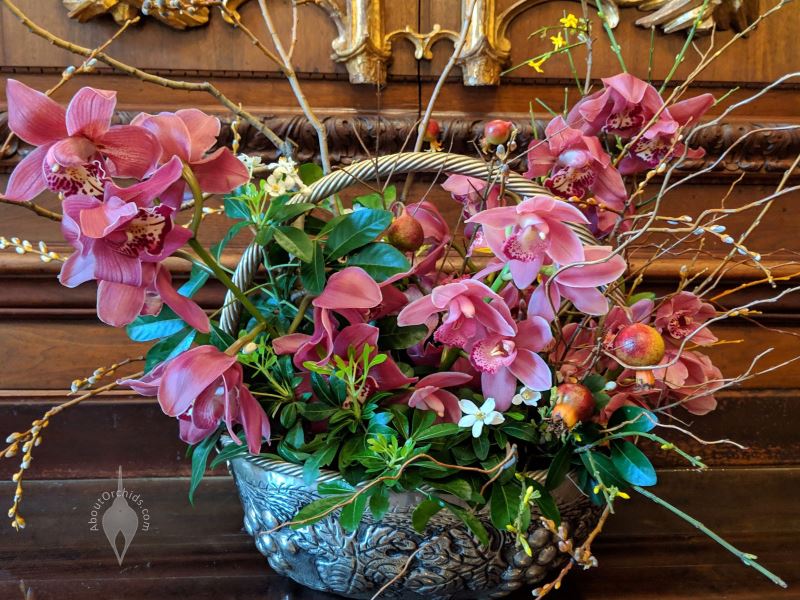
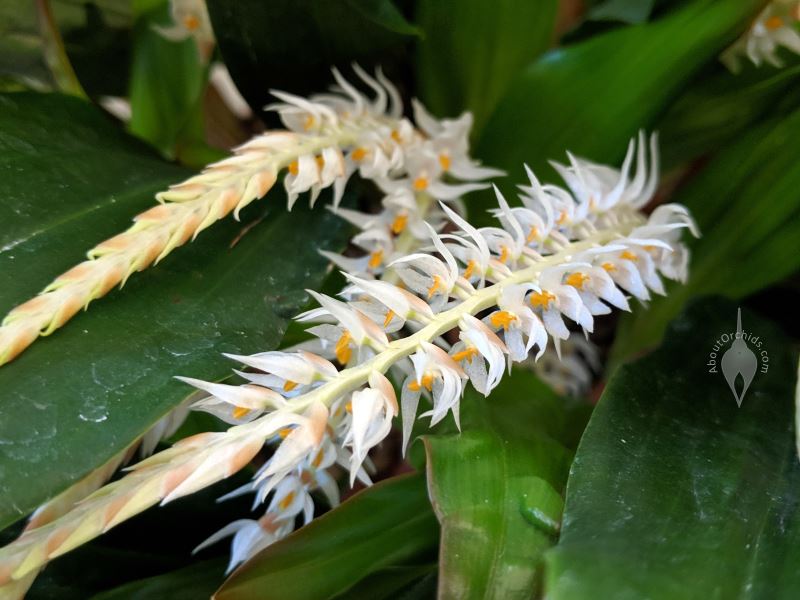
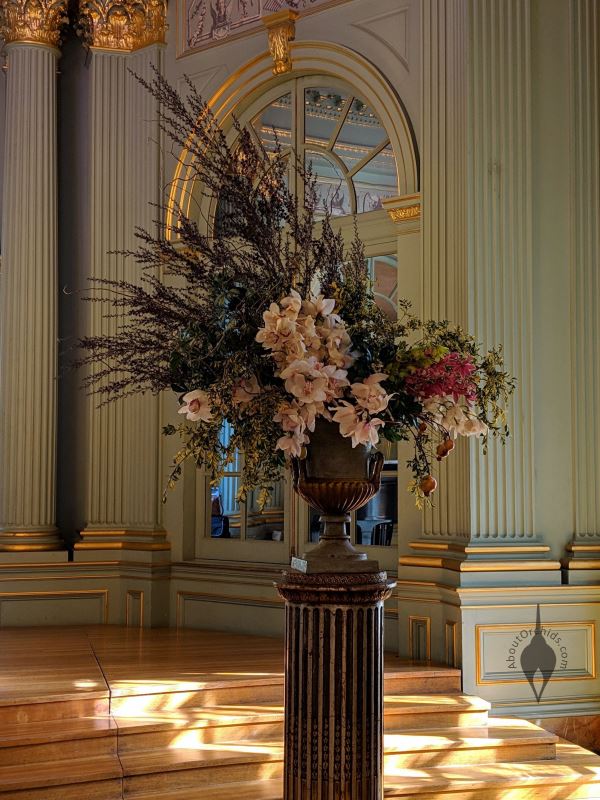
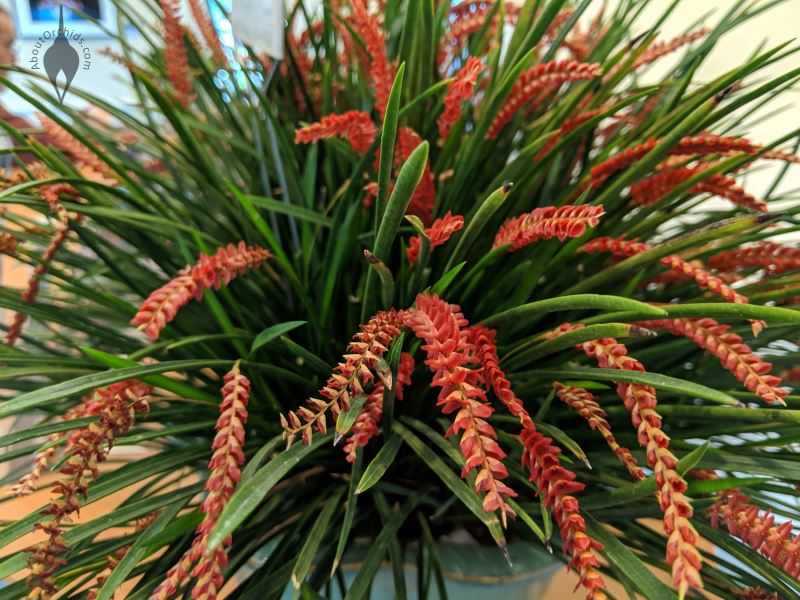
Orchids can even make the shortest day of the year feel tropical. Enjoy these marvelous blooms in honor of today’s solstice. They are all a reminder that flowers will bud, open, and fade. Long nights will give way to long days. Light will return. The cycles of the earth spiral on.

Dendrobium pendulum, orchid species flowers, Pacific Orchid Expo 2013, San Francisco, CaliforniaMasdevallia asterotricha, orchid species flower, pleurothallid, Pacific Orchid Expo 2013, San Francisco, CaliforniaLycaste lasioglossa, orchid species flower, close up of fuzzy flower lip, Pacific Orchid Expo 2013, San Francisco, California

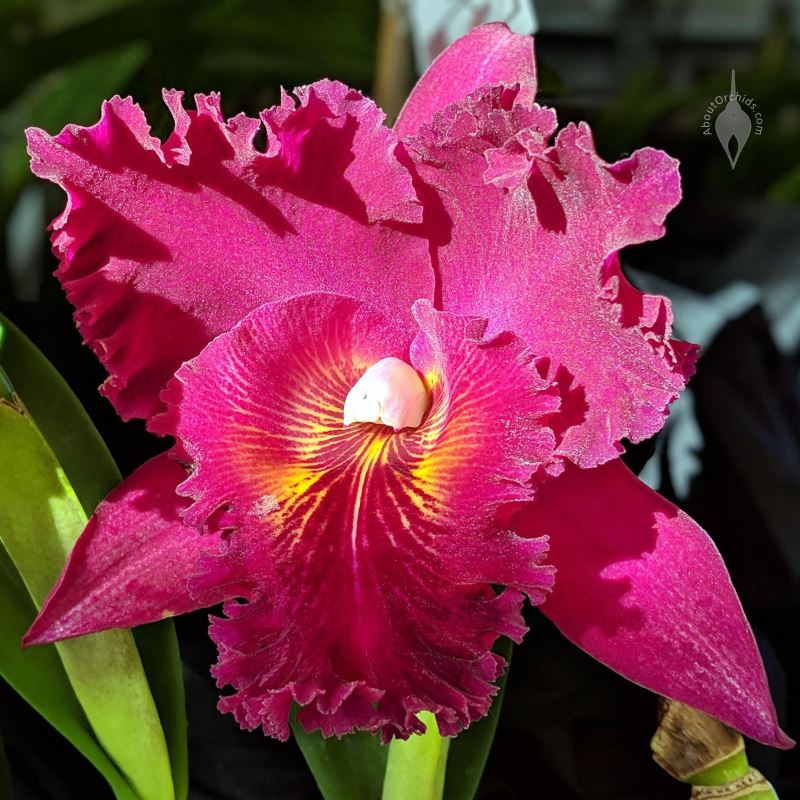
Chiloschista lunifera, orchid species flowers, leafless orchid, Pacific Orchid Expo 2013, San Francisco, CaliforniaPsychopsis Mariposa 'Mountain', orchid hybrid flower, Butterfly Orchid, Kawamoto Orchid Nursery, Honolulu, Oahu, HawaiiCattleya orchid flowers, Foster Botanical Garden, Honolulu, Oahu, Hawaii

Orchids by the Sea

Posted December 17th, 2018 by Marc Cohen
Categories: Cool Growers, Photos

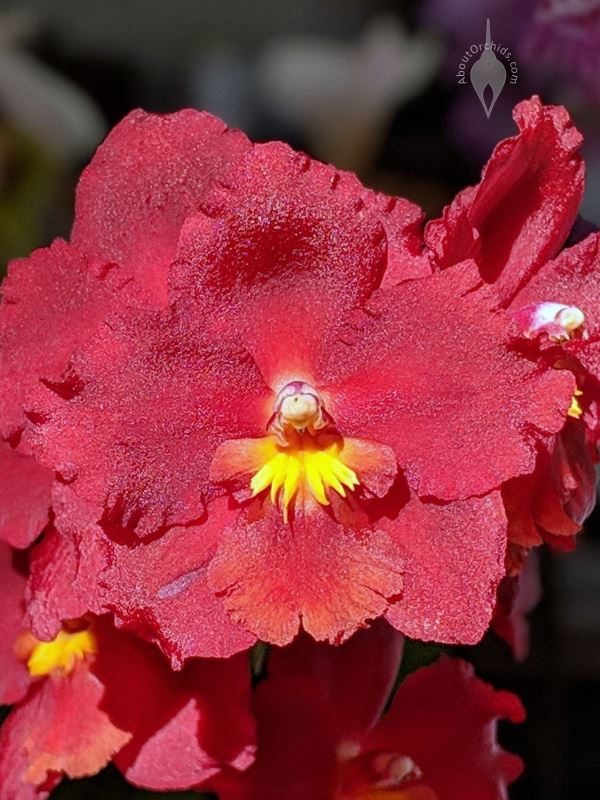
Laelia gouldiana, orchid species flower, purple and yellow flower, grown outdoors in Pacifica, CaliforniaMasdevallia Swallow, orchid hybrid flower, red flower, pleurothallid, grown outdoors in Pacifica, CaliforniaCymbidium hybrid flowers, flowers with water drops, partially open flowers, grown outdoors in Pacifica, California

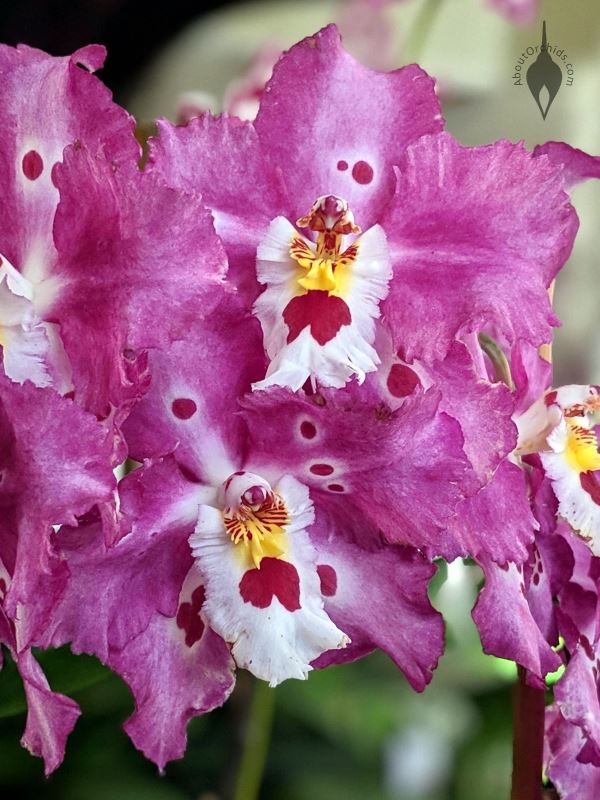
Laelia gouldiana, close-up of orchid species flower lip, purple and yellow flower, grown outdoors in Pacifica, CaliforniaOdontoglossum bic-ross, Odont, AKA Rhynchostele, orchid hybrid flower, grown outdoors in Pacifica, CaliforniaMasdevallia chaparensis, orchid species flower, purple and white flower, pleurothallid, grown outdoors in Pacifica, California

Late autumn gives rise to a lot of outdoor orchid blooms at our home in Pacifica. Some of the flowers may be a little battered by the elements, but they can still survive for many weeks. In the past couple months, these plants have endured heavy rains, strong winds, and two weeks of bad, smoky air.

Cochlioda vulcanica, AKA Oncidium vulcanicum, orchid species flowers, pink flowers, grown outdoors in Pacifica, CaliforniaEpidendrum flowers and buds, red and yellow orchid flowers, grown outdoors in Pacifica, CaliforniaMasdevallia Charisma 'Pink Glow' AM/AOS x Masdevallia uniflora 'Cow Hollow' HCC/AOS, orchid hybrid flower, pink and yellow flower, pleurothallid, grown outdoors in Pacifica, California

Cochlioda vulcanica, AKA Oncidium vulcanicum, orchid species flowers, pink flowers, grown outdoors in Pacifica, CaliforniaEpidendrum flowers, purple orchid flowers, grown outdoors in Pacifica, CaliforniaCoelia bella, orchid species flower buds, grown outdoors in Pacifica, California

Regular readers may recognize some of my old orchids from past posts — an Odont, Masdevallias, Epidendrums, a Cymbidium, a Cochlioda, and a Coelia starting to bud. In addition, there’s a tough Mexican species, Laelia gouldiana, which I bought a couple years ago. It’s a close relative of Laelia anceps, which I’ve grown outdoors for a long time. I’m happy that these sturdy orchids are well suited for life by the sea.

Donate to Orchid Charities

Posted December 12th, 2018 by Marc Cohen
Categories: Conservation

All of these organizations have been highlighted before on this blog as great conservation groups, doing the herculean work of saving plants on our increasingly imperiled planet. Please consider giving to them this holiday season. They are all non-profits, so donations are tax deductible as allowed by law.

Teeny-Tiny Orchid Seeds

Posted December 7th, 2018 by Marc Cohen
Categories: Growing, Misc, Photos

How small are orchid seeds? They’re the smallest seeds in the world, like specks of dust. In fact, those little black dots in vanilla ice cream are seeds, and they’re considered large for the orchid family. The photos below show greatly enlarged images of Epidendrum seeds. Each tiny white thread is actually an individual seed.

Epidendrum orchid seeds greatly magnified, orchid seeds in dried seedpod, San Francisco, CaliforniaEpidendrum orchid seeds greatly magnified, orchid seeds in dried seedpod, San Francisco, CaliforniaEpidendrum orchid seeds greatly magnified, orchid seeds in dried seedpod, San Francisco, California

When an orchid flower is pollinated, it starts to curl up and fade, and an area below the flower starts to swell. That pod may take months to mature. Depending on the variety, it may contain tens of thousands, hundreds of thousands, or even millions of minuscule seeds. Eventually, the pod splits, and the seeds disperse in the wind. Vanilla beans are the best known examples of orchid pods which have been dried and cured.

Scaphosepalum verrucosum orchid seedpod and seeds greatly magnified, San Francisco, CaliforniaEpidendrum orchid seeds greatly magnified in dried split seedpod, orchid seeds in dried seedpod, San Francisco, CaliforniaDried vanilla beans, orchid seedpods

In the wild, seeds must land in a spot that’s just right. Not only do they need a location with sufficient light, temperature, humidity, and water, but they need to land on the right fungus. With almost no nutrient reserves, these microscopic seeds rely on mycorrhizal fungi to supply their food. Orchids needs this fungal help for germination.

Why do orchids make so many seeds with minimal chances of surviving? It’s a numbers game — most will not live, but a few will germinate, grow, and flower to repeat the process.

Spathoglottis plicata orchid flowers and seedpods, Philippine Ground Orchid, growing wild near Hilo, HawaiiGrammatophyllum scriptum ‘Hihimanu’ orchid flowers and seedpods, Foster Botanical Garden, Honolulu, HawaiiEpidendrum orchid flowers and seedpods, Santa Barbara Orchid Estate, California

Epipactis gigantea orchid seedpod with split on side of seedpod, Stream Orchid, San Francisco, CaliforniaVanda orchid seedpod in front of vanda leaves, Hilo, HawaiiArundina graminifolia orchid seedpod, Bamboo Orchid, growing wild near the Pahoa Farmers Market near Hilo, Hawaii

In 1922, Cornell University botanist Lewis Knudson figured out how to germinate orchid seeds using a special nutrient solution instead of fungi. That revolutionized the orchid industry, and allowed mass production of some varieties. Since this method involves sterile conditions, lab equipment, and years of work, it’s not an option for most amateur growers. For those brave enough to try, check out this link with a home method. Most advanced growers pay labs to do the work for them.

For home growers, it’s important to consider that a seedpod is a drain on the orchid’s energy. If your goal is flowers, remove any seedpods to encourage more blooms. If you’d like to try your luck, let the pod stay on the plant and mature. Wait for it to split up the side. Scatter the seed in pots with the right growing conditions. Be sure to include the pot with the orchid mother plant, on the assumption that the necessary fungi are there. Only a very few may germinate. And be patient. It may take many months before you can spot any seedlings, and many more years before they reach blooming size. And marvel how these amazing flowers come from the smallest seeds.

December Orchid Events

Posted November 30th, 2018 by Marc Cohen
Categories: Events

Since this is the slowest month of the year for orchid shows, I’ve added a few conference and sale listings. Many orchid societies have holiday parties this month as well, so check with your local group for more.

December 1
Orchidées du Costa Rica Conférence, Société Française d’Orchidophilie, 19ième arrondissement, 17 Quai de la Seine, Paris, France
December 1 – 2
Exposição Nacional de Orquídeas de São Bernardo do Campo, DAJUV, Av. Redenção, 271, Centro, São Bernardo do Campo, São Paulo, Brazil
December 1 – 2 & 8 – 9
Festival de Orquídeas, Orquidário Oriental, Estr. São Bento do Lambari, Km 27, Mogi das Cruzes, São Paulo, Brazil
December 5
Royal Horticultural Society Orchid Committee Show, RHS Halls, Vincent Square, London, UK
December 6
CCSF Horticulture Center Holiday Plant Sale, Ocean Campus Horticulture Center, 371-375 Judson Ave., San Francisco, California
December 7 – 9
Exposition d’Orchidées, Les Antilles de Jonzac, ZAC du Val de Seugne, Jonzac, France
December 7 – 9
Exposição Nacional de Orquídeas de Londrina, Salão da Sociedade São Vicente de Paulo, Av. Madre Leonia Milito, 499, Centro, Londrina, Paraná, Brazil
December 8 – 9
Feria de Orquídeas, Centro Carballiño, Juan Carlos Cruz 1361, Vicente López, Buenos Aires, Argentina
December 15
Northeast Judging Center Orchid Auction, Frelinghuysen Arboretum, 353 East Hanover Ave., Morris Township, New Jersey
December 15
Curso de Biologia e Cultivo de Orquídeas, Centro Cultural Rosa Carolina de Araújo, Rua José Jacinto Brandão, 46, Perdigão, Minas Gerais, Brazil
December 19
Golden Gate Cymbidium Society Auction & Holiday Potluck Dinner, Lakeside Park Garden Center, 666 Bellevue Ave., Oakland, California

New Species of Vanilla Discovered

Posted November 26th, 2018 by Marc Cohen
Categories: Fragrant Orchids, In the News, Warm Growers

A new species of vanilla orchid has been discovered in the Amazon. Vanilla denshikoira appears to be closely related to the Vanilla planifolia we all love to eat. The new species was recently found in the northwest Amazon in Colombia, within the Guyana Shield, one of the most biodiverse regions of the world. Only two plants are known to exist, so it’s listed as critically endangered. Since vanilla is such an important crop, this find may be a helpful source of genetic diversity to add to the existing stock.

The Sweet Scent of Brassavola Orchids

Posted November 21st, 2018 by Marc Cohen
Categories: Dormancy, Fragrant Orchids, Growing, Photos, Warm Growers, Watering

Brassavola nodosa, orchid species flowers, fragrant white flowers, Lady-of-the-night orchid, Orquídea dama de noche, Orchids in the Park 2010, San Francisco, CaliforniaBrassavola nodosa 'Susan Fuchs' FCC/AOS, orchid species flower, fragrant white flower, Lady-of-the-night orchid, Orquídea dama de noche, Orchids in the Park 2017, San Francisco, CaliforniaBrassavola nodosa, orchid species flowers, fragrant white flowers, Lady-of-the-night orchid, Orquídea dama de noche, Pacific Orchid Expo 2006, San Francisco, California

Brassavola orchids feature showy, durable, fragrant flowers. These Cattleya relatives have white or greenish-yellow blooms which emit a strong, sweet fragrance at night. The most popular in cultivation is Brassavola nodosa, shown in the first row of photos above. It’s an easy species to grow. Native to Mexico, Central America, the Caribbean, and northern South America, its nocturnal perfume inspires the Spanish nickname orquídea dama de noche, or lady of the night orchid.

Brassavola cucullata, daddy long-legs orchid, orchid species flower, fragrant white flower, Orchids in the Park 2017, San Francisco, CaliforniaRhyncholaelia digbyana, AKA Brassavola digbyana, orchid species flower, fragrant flower with fringed flower lip, national flower of Honduras, Pacific Orchid Expo 2018, San Francisco, CaliforniaBrassavola perrinii, orchid species flowers, fragrant white and yellow flowers, Pacific Orchid Expo 2012, San Francisco, California

Brassavolas can handle warm, dry conditions better than many orchids. They need standard Cattleya care, with some full sun, good humidity and air movement, time to dry out between waterings, and winter dormancy. Their terete, or pencil-shaped, leaves are efficient at storing water, and can handle bright light. They are often grown on mounts, or in clay pots with large bark, to allow them to dry quickly.

Brassavola acaulis, orchid species flowers and leaves, terete or pencil-shaped leaves, fragrant white flowers, Montreal Botanical Garden, Montreal, Quebec, CanadaBrassavola acaulis, orchid species flowers, fragrant white flowers, Montreal Botanical Garden, Montreal, Quebec, CanadaBrassavola David Sander, orchid hybrid flower, fragrant white and pink flower with fringed flower lip, Montreal Botanical Garden, Montreal, Quebec, Canada

Brassavolas are part of the lineage of many Cattleya hybrids. They have contributed their toughness, fragrance, elaborate fringed lips, or long, narrow petals to their descendants. Plants with names like Brassolaeliocattleya (abbreviated Blc.) and Brassocattleya (abbreviated Bc.) owe the “Brasso-” to this genus. A couple of these species used to be Brassavolas until they were renamed as Rhyncholaelias, but old appellations often persist in hybrid names.

Rhyncholaelia glauca, AKA Brassavola glauca, orchid species flower, fragrant white flower, Pacific Orchid Expo 2013, San Francisco, CaliforniaBrassavola leaves growing on tree trunk at Foster Botanical Garden, terete or pencil-shaped leaves, epiphyte or air plant, Honolulu, Oahu, HawaiiBrassavola orchid growing on underside of tree branch on Pacific Ocean beach, leaves and roots, terete or pencil-shaped leaves, epiphyte or air plant, Quepos, Costa Rica

The final photo in this post shows just how tough these plants are. It’s a Brassavola growing on the underside of a tree branch on a beach in Costa Rica, only a few yards (a few meters) from the Pacific’s waves. In brutal tropical heat, and doused with salt spray, there were many other Brassavolas nearby, obviously happy despite the tough conditions.

Smoky Orchids

Posted November 15th, 2018 by Marc Cohen
Categories: Growing Orchids in San Francisco, In the News, Misc, Problems

Bad wildfires have brought terribly smoky conditions to the San Francisco Bay Area for the past week. Of course, this is nothing compared to the suffering of those who have lost homes and loved ones in the fires, which are over 150 miles (241 km) away. However, it is causing bad air problems. Our daily pollution readings are in the red and purple hazardous zones, which is a big change from our typically good air quality. I’ve lived here for almost 30 years, and endured smoky days before, but this is the worst I can remember.

How does the smoke affect my orchids? It probably won’t kill any of the plants, but it may harm them. Mostly, it’s a battle with dry air resulting from the same offshore wind flow which carries the pollution here. At a time when many orchids are entering winter dormancy, I need to keep spraying them to increase humidity. Bad air quality may cause growth or flowering problems. Some orchids like Cattleyas can suffer “bud blast” from smoke. That’s when flower buds start to form, but then wilt before blooming. I do have a Laelia living outside which has some sad looking buds, so that could be from the smoke. Other problems, like low flower counts or weak leaf growth, may take weeks or months to appear. There’s not much I can do but try to mitigate any damage with clean water and good humidity. For myself, I’m wearing an N95 face mask for fine particulate matter whenever I’m outdoors in my garden. And I’m waiting for the winds to change, and the fires to be put out, so we can breathe again.

Buenos Aires Japanese Gardens

Posted November 8th, 2018 by Marc Cohen
Categories: Botanical Gardens, General Gardening, Photos

Shureimon, Patio de los Recuerdos, red gate, Buenos Aires Japanese Gardens, Jardín Japonés de Buenos Aires, Palermo neighborhood, ArgentinaKoi, large goldfish swimming in Koi pond, Buenos Aires Japanese Gardens, Jardín Japonés de Buenos Aires, Palermo neighborhood, ArgentinaCherry blossoms, sakura, Buenos Aires Japanese Gardens, Jardín Japonés de Buenos Aires, Parque Tres de Febrero, Palermo neighborhood, Argentina

Buenos Aires is home to an extraordinary Japanese garden. El Jardín Japonés de Buenos Aires is one of the largest Japanese gardens outside Japan. It’s located within walking distance of Buenos Aires Botanical Garden. During our visit, the venue was busy with tourists, locals, and groups of school children. It is obviously a much-loved green space in the city.

Cormorant flapping wings while standing on rock in koi pond, bird, Buenos Aires Japanese Gardens, Jardín Japonés de Buenos Aires, Parque Tres de Febrero, Palermo neighborhood, ArgentinaRed Tori gate on island, koi lagoon, curved bridge, Buenos Aires Japanese Gardens, Jardín Japonés de Buenos Aires, Parque Tres de Febrero, Palermo neighborhood, ArgentinaRose flowers, Buenos Aires Japanese Gardens, Jardín Japonés de Buenos Aires, Parque Tres de Febrero, Palermo neighborhood, Argentina

Rhododendron flowers, Buenos Aires Japanese Gardens, Jardín Japonés de Buenos Aires, Parque Tres de Febrero, Palermo neighborhood, ArgentinaView of stone lantern, koi lagoon, trees and bridges, Buenos Aires Japanese Gardens, Jardín Japonés de Buenos Aires, Parque Tres de Febrero, Palermo neighborhood, ArgentinaPurple iris flowers planted near koi lagoon, Buenos Aires Japanese Gardens, Jardín Japonés de Buenos Aires, Parque Tres de Febrero, Palermo neighborhood, Argentina

The gardens include many traditional elements, with Japanese gates and bridges, a large koi lagoon, sculpted trees, stone lanterns, and an elegant tea house. While we were there, we enjoyed lots of colorful spring blooms, including cherry blossoms. We didn’t see any orchids on the grounds, but we did find Moth Orchids for sale in the nursery, along with bonsai, succulents, and garden plants.

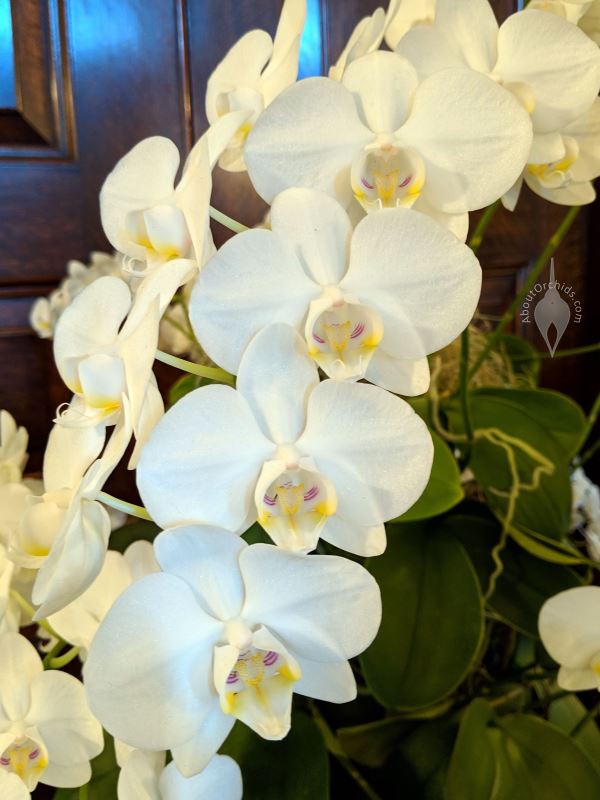
Callistemon, Bottle Brush Tree flowers, red flowers, Buenos Aires Japanese Gardens, Jardín Japonés de Buenos Aires, Parque Tres de Febrero, Palermo neighborhood, ArgentinaSculpted trees and their shadows, pruned trees, Buenos Aires Japanese Gardens, Jardín Japonés de Buenos Aires, Parque Tres de Febrero, Palermo neighborhood, ArgentinaMoth Orchid flowers in gift shop, Phalaenopsis, Phal, Buenos Aires Japanese Gardens, Jardín Japonés de Buenos Aires, Parque Tres de Febrero, Palermo neighborhood, Argentina

The gardens also serve as a center of Japanese culture in Argentina, and feature events with martial arts, flower arranging, origami, manga, anime, and more. Find additional info at the Buenos Aires Japanese Gardens website (in Spanish.) And don’t miss this wonderful site if you’re in Buenos Aires.

November Orchid Shows

Posted November 1st, 2018 by Marc Cohen
Categories: Botanical Gardens, Events

Orchid shows are great chances to enjoy incredible flowers, connect with your local orchid society, talk to experts, and buy plants. Don’t miss these valuable opportunities.

November 1 – 4
Exposition et Vente d’Orchidées, Chateau de Vascoeuil, 8 rue Jules Michelet, Vascoeuil, France
November 2 – 3
Sapphire Coast Orchid Club Native Show, Twyford Hall, Market St., Merimbula, NSW, Australia
November 2 – 3
Nambour Orchid Society Species Show, Uniting Church Hall, Coronation Ave., Nambour, Queensland, Australia
November 2 – 4
Massachusetts Orchid Society Show & Sale, Sons of Italy, 117 Swanton Rd., Winchester, Massachusetts
November 2 – 4
British Orchid Show and Congress, Writhlington School, Knobsbury Ln., Radstock, UK
November 2 – 4
Expo-Vente Internationale d’Orchidées, Grande Halle de L’Union, Rue du Somport, L’Union, France
November 3
Hawke’s Bay Orchid Society Sarcochilus Show, Taradale Town Hall, 8 Meeanee Rd., Napier, New Zealand
November 3 – 4
Northwest Orchid Society Fall Show & Sale, Swansons Nursery, 9701 15th Ave. NW, Seattle, Washington
November 3 – 4
Utah Orchid Society Show, Red Butte Gardens, 303 Wakara Way, Salt Lake City, Utah
November 3 – 4
Kansas Orchid Society Fall Show & Sale, Botanica, The Wichita Gardens, 701 Amidon St., Wichita, Kansas

Read the rest of this post »