Orchids in the Park

Posted September 10th, 2011 by Marc Cohen
Categories: Events, In the News, Photos

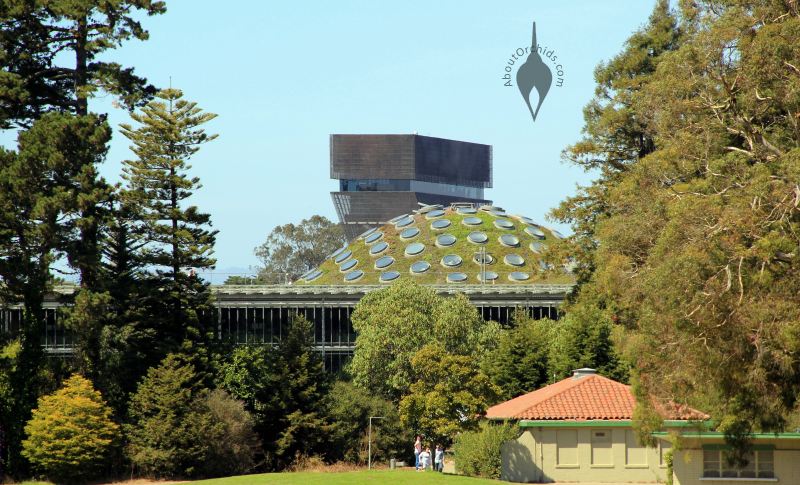
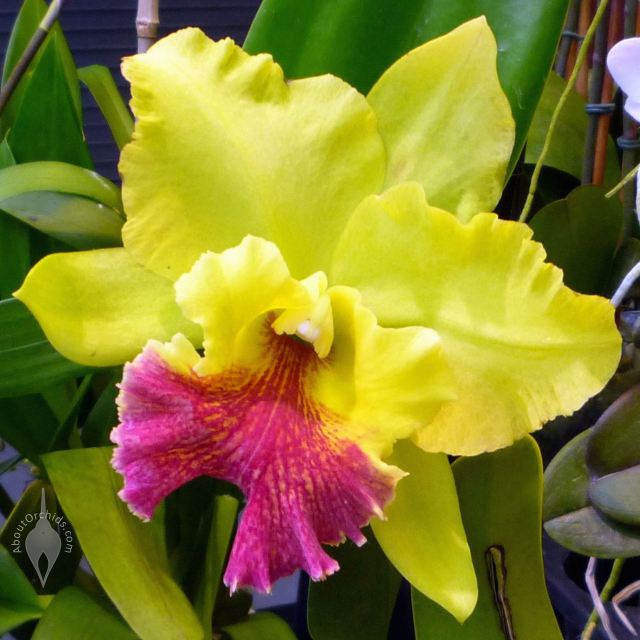
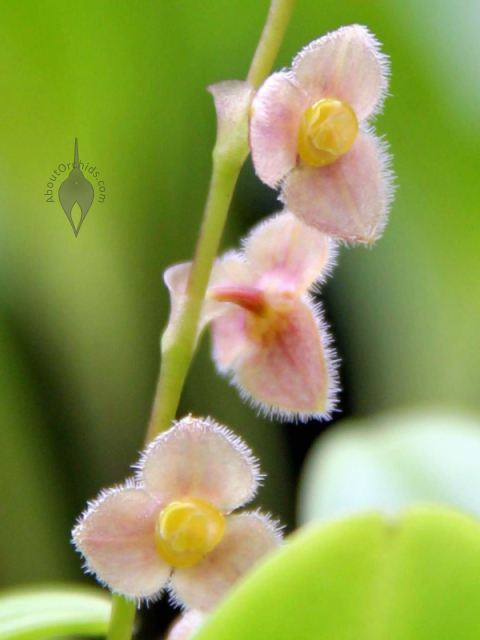
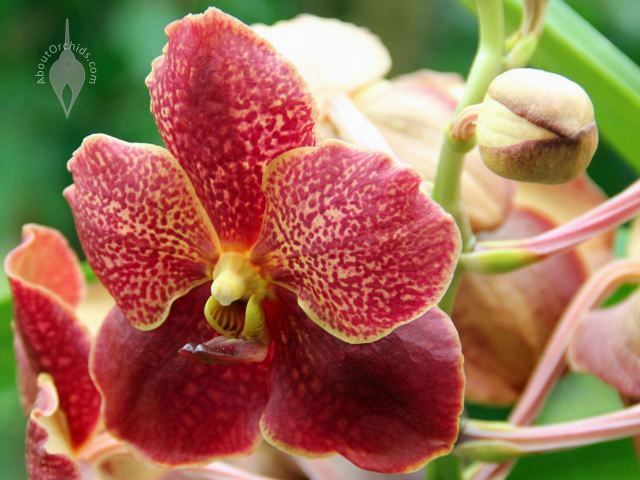
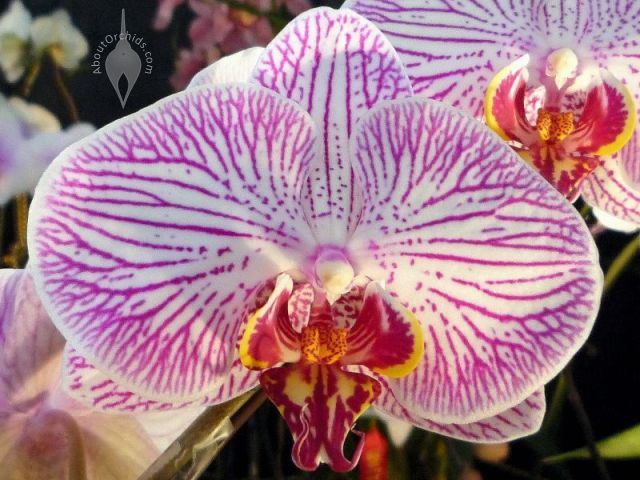
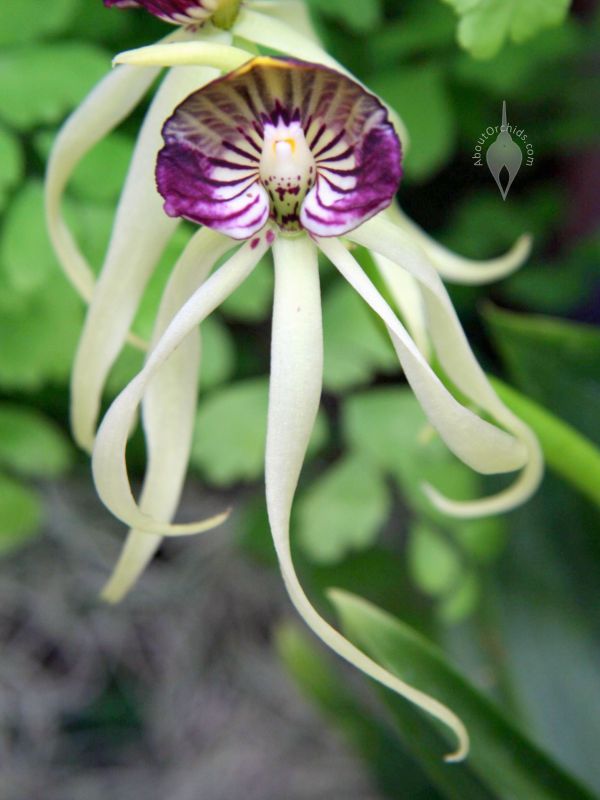
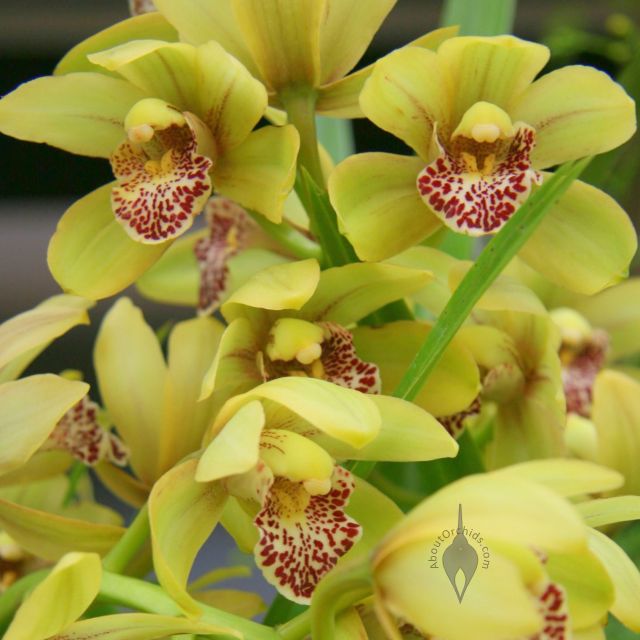
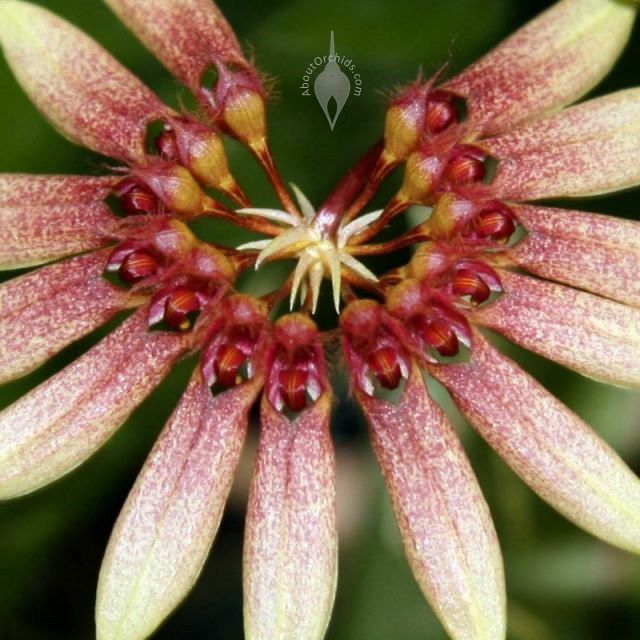
Orchids in the Park is “two days of orchids and fun.” It’s a sale and exhibition from the San Francisco Orchid Society, coming Sept. 17-18 to the County Fair Building in Golden Gate Park, 9th Ave. & Lincoln Way. This is a junior version of the enormous Pacific Orchid Expo held earlier in the year.  Orchids in the Park features 20 vendors, along with orchid demos, lectures, and raffles. These photos from last year’s event will whet your appetite:

Prosthechea flowerCymbidium flowersBulbophyllum flowers

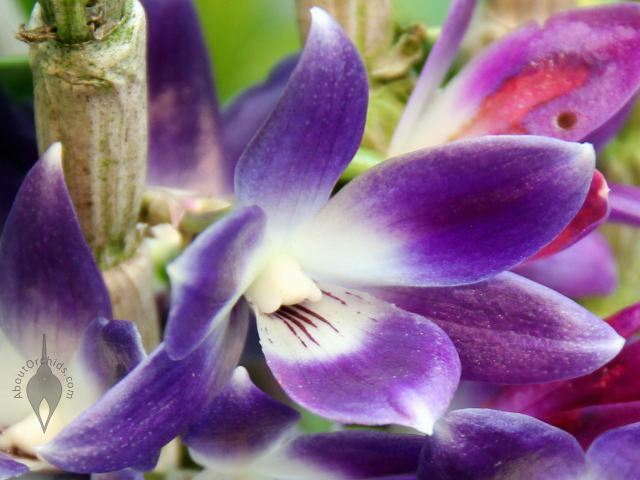
SFGate highlights Orchids in the Park in an “Exceptionally pretty blue orchid stands out.” The article spotlights a marvelous blue Dendrobium, which will be one of many varieties for sale at the event. It’s a naturally blue orchid, unlike the artificial blue Phals in the news a few months ago.

Cyrtochilum

Posted September 6th, 2011 by Marc Cohen
Categories: Cool Growers, Dormancy, Fertilizing, Growing, Photos, Watering

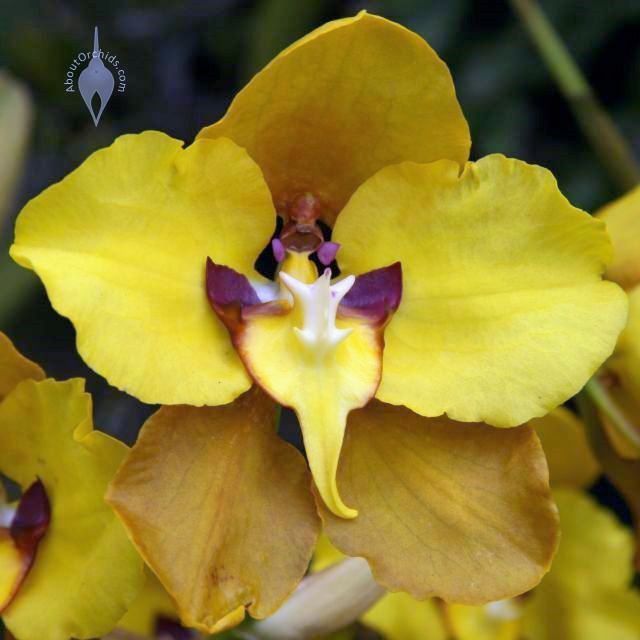
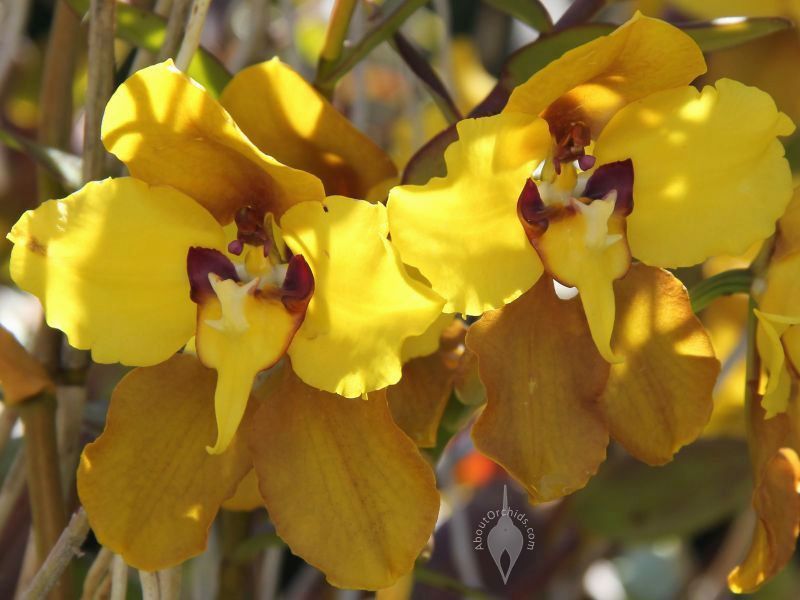
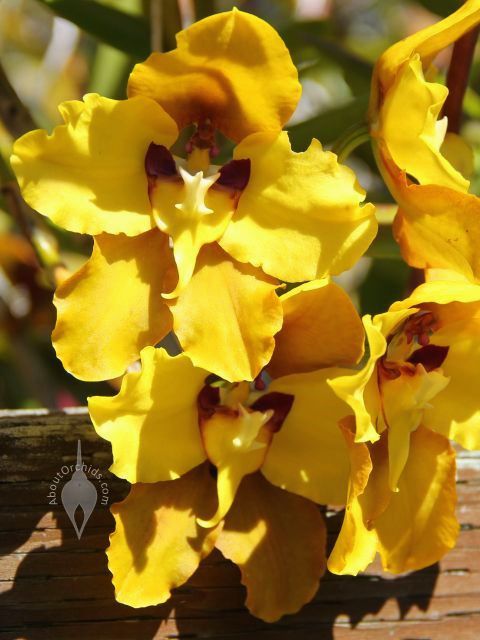
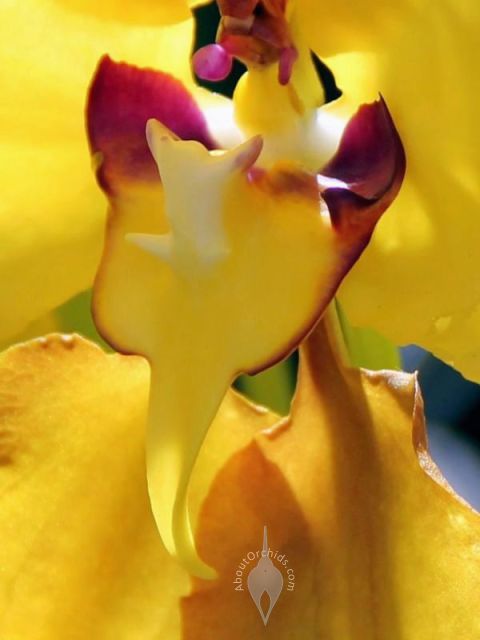
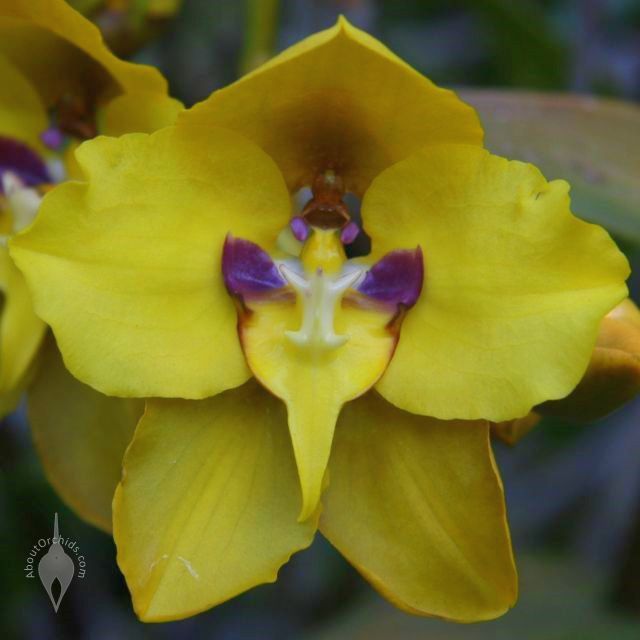
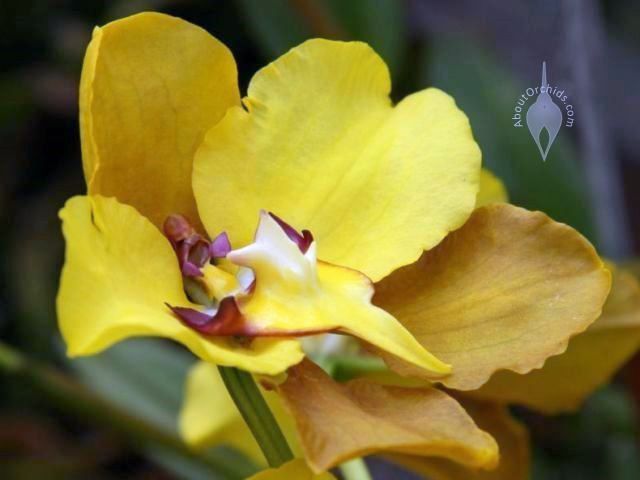
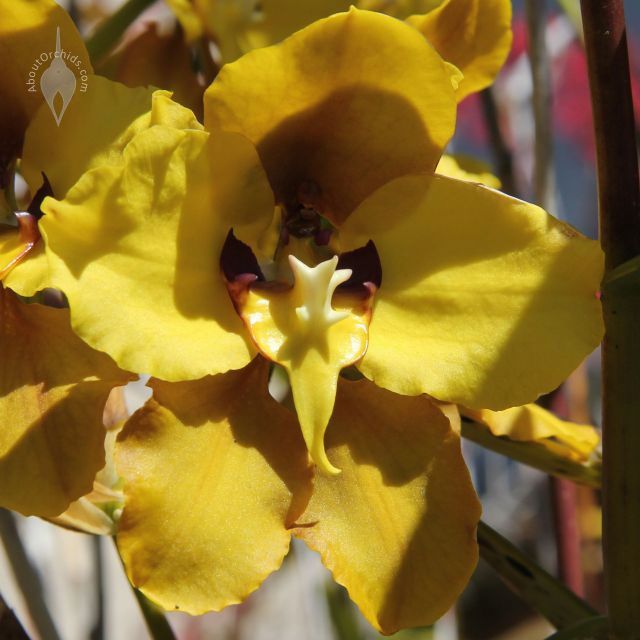
This hardy orchid is a Cyrtochilum, a reliable bloomer in the Oncidium family. It has spectacular yellow, white, and purple flowers. Dozens of blossoms emerge from long, vining flower spikes, which can extend up to 10 ft. (3 m.) These spikes grow for months, and like to wind around my tall Epidendrums. Blooms as wide as 4 in. (10 cm) develop in clusters along the length of the spikes. These flowers can last over 6 weeks.

Cyrtochilum flowerCyrtochilum flowersCyrtochilum flowers

To grow this variety, place in bright light with some direct sun. Water every other day (more if it’s warm,) and keep in cool, breezy conditions. They enjoy regular fertilizer or a good dose of compost. Keep them drier during winter dormancy.

This species is native to the Andes of Peru, Ecuador, and Colombia, where it grows at elevations up to 10,500 ft. (3200  m.) At those dizzying heights, it’s no surprise that it prefers temps below 80°F (27°C.) It can survive freezes down to 25°F (-4°C,) but it’s best to avoid such cold temps for plants in cultivation.

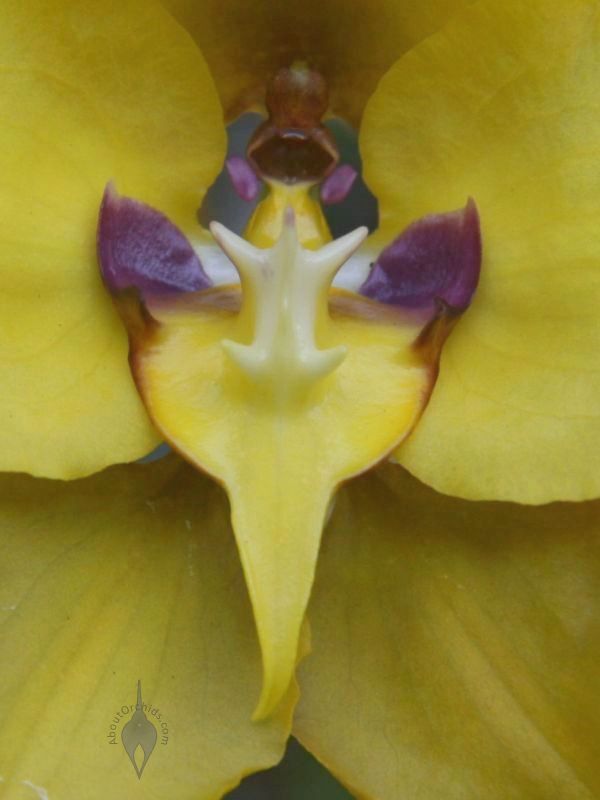
Close up of Cyrtochilum flower lipCyrtochilum flowerClose up of Cyrtochilum flower lip

Don’t let Cyrtochilum’s name scare you; pronouncation is easier than you might think. Say “sear tow KYE lum” to rhyme with “dear go by him.” Botanists have been debating this beauty’s place in the orchid family tree for years, so it’s sometimes labeled as an Oncidium.

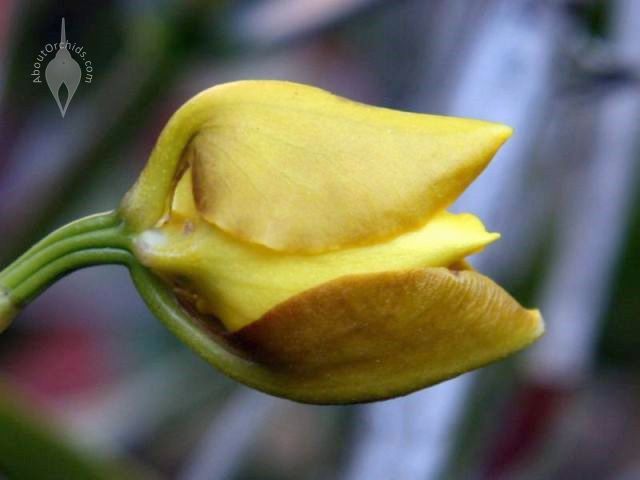
Cyrtochilum flower budCyrtochilum flower facing upCyrtochilum flower

September Orchid Shows

Posted August 31st, 2011 by Marc Cohen
Categories: Botanical Gardens, Events

You’d have to be living under Ayers Rock to miss all the orchid shows in Australia, New Zealand, and South Africa this month. In the Northern Hemisphere, the schedule picks up after its summer pause. You can find shows and sales from the Americas and Europe mixed in here, in between those from Queensland and KwaZulu-Natal.

September 1 – 3
Hawkesbury District Orchid Society Show, Richmond Market Place, March St., Windsor, NSW, Australia
September 1 – 3
Orchid Society of the Southern Cape Show, Presbyterian Church Hall, Caledon St., George, Western Cape, South Africa
September 1 – 4
Wolkberg Orchid Society Spring Show, Wheelbarrow Road Stall, Magoebaskloof Rd., Magoebaskloof, Limpopo Province, South Africa
September 1 – 4
Five Dock RSL Orchid Society Show, Rhodes Shopping Centre, Rider Blvd., Rhodes, NSW, Australia
September 1 – 4
Sutherland Shire Orchid Society Spring Show, Swanes Nursery, Port Hacking Rd., Sylvania, NSW, Australia
September 3
Southern Riviera Orchid Society Show, CWA Hall, Wason St., Milton, NSW, Australia
September 3 – 4
Orchid Study Group Welsh Orchid Festival, National Botanic Garden of Wales, Llanarthne, Carmarthenshire, UK
September 3 – 4
Natal Orchid Society Spring Show, Durban Botanic Gardens Visitor Center, 9A John Zikhale (Sydenham) Rd., Durban, KwaZulu-Natal, South Africa
September 3 – 4
Sale & Districts Orchid Club, Cathedral Hall, Pearson St. & Macalister, Sale, Queensland, Australia
September 4
Revesby Workers Australian Native Orchid Club Show, Revesby Workers Club, 2b Brett St., Revesby, NSW, Australia

Read the rest of this post »

Weedy Orchid Taking Root

Posted August 28th, 2011 by Marc Cohen
Categories: Cool Growers, Growing Orchids in San Francisco, In the News

The “Golden Gate Gardener” on SFGate devotes the top half of a column to an orchid weed. No, it’s not the tropical Bamboo Orchid, but instead an emigrant from Europe, Epipactis helleborine. It’s related to the Stream Orchid, the native Epipactis that I grow.

Epipactis helleborine has a home range across a broad swath of Europe and Asia, stretching from Ireland all the way to China. Early colonists brought it to North America to use the roots as a gout treatment. With nicknames like “weed orchid” and “poor man’s lady slipper,” it’s considered an invasive plant in parts of the USA and Canada, but it’s not a significant problem here in the SF Bay Area. This terrestrial can spread by seeds or by root runners, and can pop up in surprising places, like roadside ditches or patches of poison oak. That’s a wildly successful orchid weed!

Orchid Starter Kits

Posted August 25th, 2011 by Marc Cohen
Categories: Buying Tips, Growing, Photos

Orchids starter kits have been around for years, often sold alongside starter kits for other tropical plants. They’re a clever sales solution for tropical areas like Hawaii, where strict rules apply for plant export. The plants are packaged by certified nurseries, and they can be quickly checked by airport agricultural inspectors.

Orchid starter kits for sale in HawaiiPhalaenopsis starter with small potted plant in bagBamboo Orchid starter kit with stem cutting in moss

Sometimes they’re baby orchids or seedlings. Often they’re packed in small pots or moss. In Costa Rica, seedlings for the national flower, Cattleya skinneri, are sold in test tubes. They’re nice souvenirs, but when the vacation’s over, you’ve got some work to do. First on the agenda is learning about your particular variety. Besides Phals, Cattleyas, Dendrobiums, and Arundinas. I’ve seen Epidendrums and Spathoglottis sold this way. Light and water needs are different for each type.

Next, pot if it’s necessary. Then, you may need some patience. Some kinds take as long as 7 years to mature and bloom, and that’s under ideal growing conditions. Most won’t take so long, but don’t expect instant gratification. Starter kits for Arundina, the Bamboo Orchid, contain a stem cutting to pot. These may bloom in only 2 or 3 years if you have room for a large, tropical, sun-loving orchid. No matter which variety, orchid starter kits make great living mementos of your travels.

Masdevallia

Posted August 20th, 2011 by Marc Cohen
Categories: Cool Growers, Fertilizing, Mini Orchids, Photos, Watering

No, it’s not winter — it’s just another cool, foggy San Francisco summer. Fortunately, it’s the perfect climate for this Bolivian beauty. Dozens of delightful pink and purple Masdevallia flowers opened more than a month ago in our back garden, and they’re still going strong.

Masdevallia flowers and leavesMasdevallia flowerMasdevallia flowers

This species is native to elevations of 8000 – 9000 ft. (2438 – 2743 m.) from only a single valley near Cochabamba, Bolivia. That’s the largest city in Chapare Province, which provides the species name Masdevallia chaparensis. Its cloud forest home in that narrow band of the Andes is similar to this mild climate about 5 miles from the Golden Gate. Since there’s no rain here during summer, I water daily until winter rains resume. It loves a good shot of compost, but growers who use artificial fertilizers should only use weak doses.

Masdevallia flower close upMasdevallia flowerMasdevallia flower

Orchid Allergies and Sensitivities

Posted August 14th, 2011 by Marc Cohen
Categories: Misc, Problems

Are you an allergy sufferer who fears that your nose has confined you to a life of plastic flowers? Orchids may be the answer. Allergic reactions to orchids are rare because they don’t have airborne pollen. Instead, their pollen clumps in waxy little balls called pollinia. Since it doesn’t float freely in the air, it’s unlikely to cause sneezing, itching, or watery eyes. People with hay fever, like me, often remain symptom-free in a room full of blooming orchids.

Any organic matter can cause allergies, and orchid sensitivities do exist. Naturally occurring chemicals in plants may be benign to most people’s immune systems, but bother others. In addition, orchid growers may use pesticides, herbicides, fungicides, or growth hormones. These chemicals can sometimes cause symptoms in sensitive individuals, ranging from mild reactions to more severe rashes or breathing problems.

For those affected by fragrances, there are many scentless orchids. Most commonly sold Phals, Paphs, Dendrobiums, Epidendrums, Masdevallias, and Oncidiums have no perfume. Avoid Cattleyas, Cymbidiums, and Miltonias, which usually have scents.

Artificial fertilizers may cause reactions. Some people may be sensitive to potting material like bark or moss. A few orchid varieties have sap that irritates skin. Some types of lady slippers grow prickly hairs on their stems and leaves, but they are not commonly cultivated.

No flower is 100% allergy free, but orchids have the advantage of their harmless pollen. In fact, the Asthma & Allergy Foundation of America has chosen the orchid as its official flower. So put away those plastic blossoms, and try orchids instead. Your nose will thank you.

Help Save Native Orchids

Posted August 9th, 2011 by Marc Cohen
Categories: Conservation

The American Orchid Society (AOS) is helping the Nature Conservancy to restore an important piece of land. Myrtle Head is a 72 acre (29 hectare) remnant of native pine savanna near the North Carolina coast. It’s part of the Green Swamp, which is considered one of the top biodiversity hotspots in North America. The Venus Flytrap is its most famous resident, but the Green Swamp is also home to 18 native North American orchid species. These include several types of Epidendrums, Platantheras, Spiranthes, and Pogonias. For more info and lots of great orchid pictures from the Green Swamp, check out this article from the Orchid Conservation Coalition about habitat loss in the area.

Money raised by the AOS will go to restore native habitat, and give these local species a better foothold at Myrtle Head. To help, go to the AOS homepage and click on the “Myrtle Head Savanna” tab. Links to donate are at the bottom of that page. Any size contribution is appreciated.

Cultivar Names

Posted August 5th, 2011 by Marc Cohen
Categories: Orchid Names, Photos

An orchid name tag may include a cultivar name, which recognizes an interesting or exceptional plant line. The word “cultivar” is a contraction of “cultivated variety.” Properly written, it’s capitalized within single quotes. These 3 beauties provide our examples:

Cymbidium Lotza Spotz 'Jacob'Epicattleya Chic 'Zebra'Rhynchostylis gigantea 'Spots'

Cymbidium Lotza Spotz ‘Jacob’ is a hybrid with the cultivar name ‘Jacob’. When grown from seed, each plant has a different genetic mix than its siblings, and each produces a slightly different flower. Orchid breeders can give a cultivar name to any individual plant with desirable traits. Other siblings from the cross of those same hybrid parents can receive their own cultivar names. Siblings in this line include Cymbidium Lotza Spotz ‘Rome’ and Cymbidium Lotza Spotz ‘Mac’.

The orange and red Epicattleya Chic ‘Zebra’ is a hybrid with the cultivar name ‘Zebra’. Contrasting stripes on the flower lip may have inspired the choice of ‘Zebra’. A plant may be worthy of a cultivar epithet if it has attractive colors, abundant blooms, or vigorous growth. The International Code of Nomenclature for Cultivated Plants (ICNCP) regulates these names.

Rhynchostylis gigantea ‘Spots’ is a species with larger-than-usual purple spots, which is a naturally-occurring mutation. Natural variations occur in all plants, and plant vigor, color patterns, or flower shapes may vary within the same species. If it’s not distinct enough to be a different species, it’s considered a variant. Any single plant may exhibit these deviations, and an orchid grower may give it a distinguishing name, like ‘Spots’.

If a cultivar wins an award, that award becomes part of its name. For example, Zygopetalum BG White ‘Stonehurst’ HCC/AOS (Highly Commended Certificate/American Orchid Society) boasts its status as a winner.

Because a cultivar is a distinct genetic strain, it can only be reproduced by cloning, divisions, or keikis. As exact copies, they carry the cultivar name. However, crossbreeding with another orchid would create a different hybrid, since the offspring would have a different genetic makeup. The cultivar name would not apply to these descendants.

August Orchid Shows

Posted August 1st, 2011 by Marc Cohen
Categories: Botanical Gardens, Events

From a palace in Scotland to malls in Australia, orchid shows beautify many locales. Enjoy these opportunities to see incredible flowers, talk to local experts, and buy plants for your own collection.

August 3 – 7
Orquideas, Pajaros y Flores, Jardin Botanico, Medellin, Colombia
August 5 – 6
Houston Orchid Society Workshop, Crooker Center, St. Thomas Univ., 3900 Graustark, Houston, Texas
August 5 – 7
Hilo Orchid Society Show, Edith Kanakaole Stadium, 865 Piilani St., Hilo, Hawaii
August 5 – 7
Orchids by the Sea, Dee Why RSL, Pittwater Rd., Dee Why, NSW, Australia
August 12 – 14
Cymbidium Club of Australia National Orchid Extravaganza, Dural Recreation Centre, Ellerman Park, 25a Kenthurst Rd., Round Corner, Dural, NSW, Australia
August 12 – 14
Sapphire Coast Orchid Club Winter Show, Twyford Hall, Market St., Merimbula, NSW, Australia
August 13 – 14
Orchid Festival, Scone Palace, Perth, Scotland, UK
August 14
West Cornwall Orchid Society Open Day, 13 Pendarves Rd., Camborne, Cornwall, UK
August 18 – 21
Western Suburbs Orchid Society Winter Show, Ashfield Mall, Liverpool Rd., Ashfield, NSW, Australia
August 19 – 21
St. Ives Orchid Fair, St. Ives Showground, Mona Vale Rd., St. Ives, NSW, Australia

Read the rest of this post »