Given that December is the slowest month for orchid shows, this cosmopolitan list still has plenty to offer. You can also check with your local orchid society for seasonal sales and auctions to find that perfect holiday gift.
Orchid care changes with the seasons. Growers need to adjust for winter’s approach in the Northern Hemisphere.
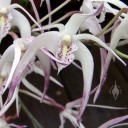
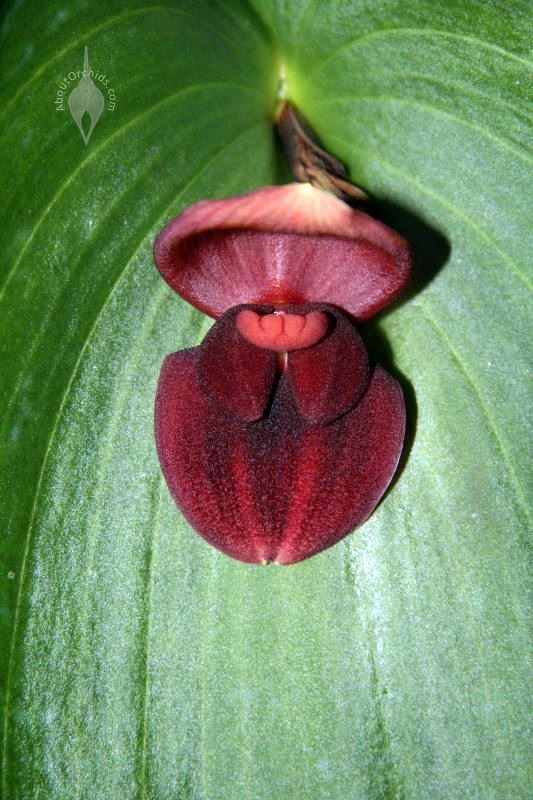
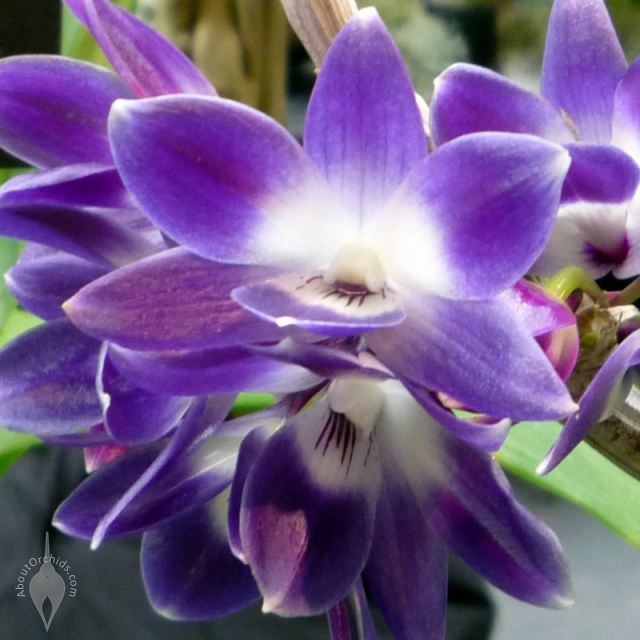
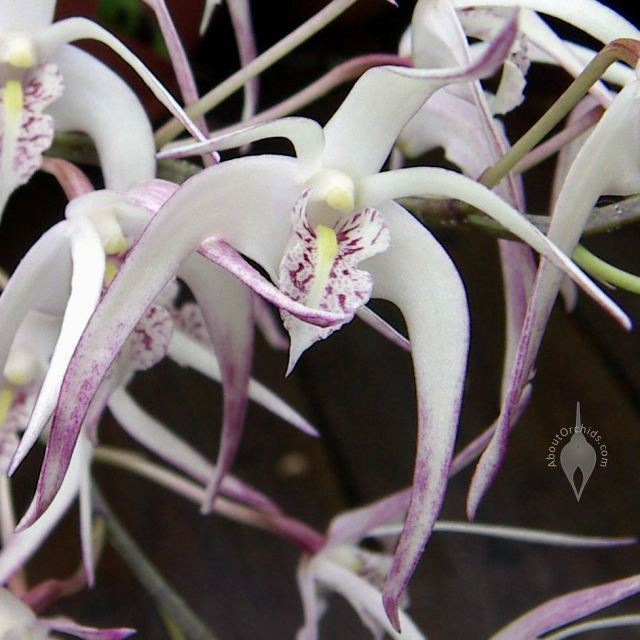
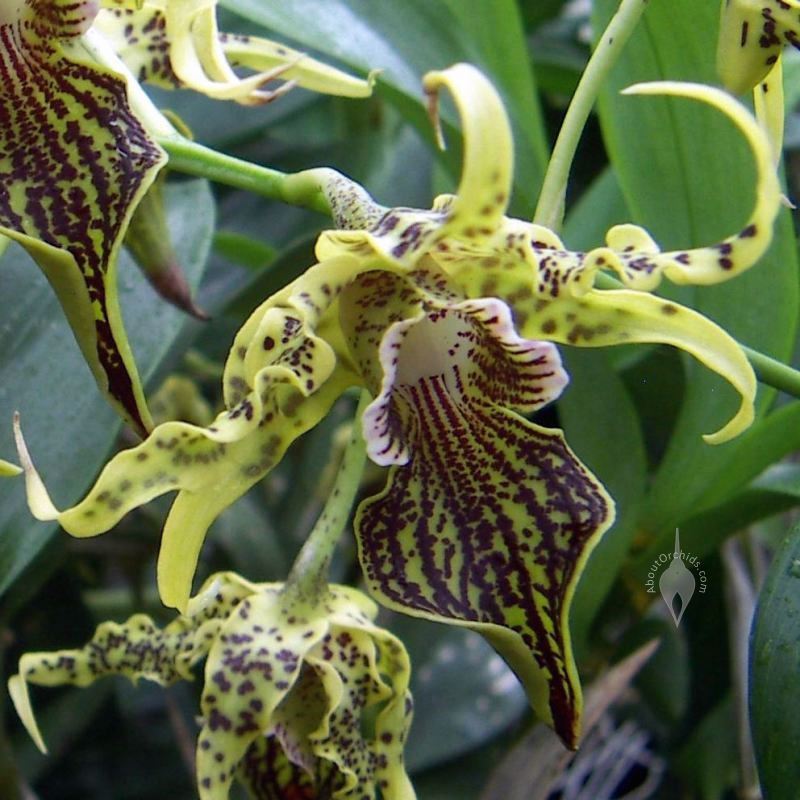
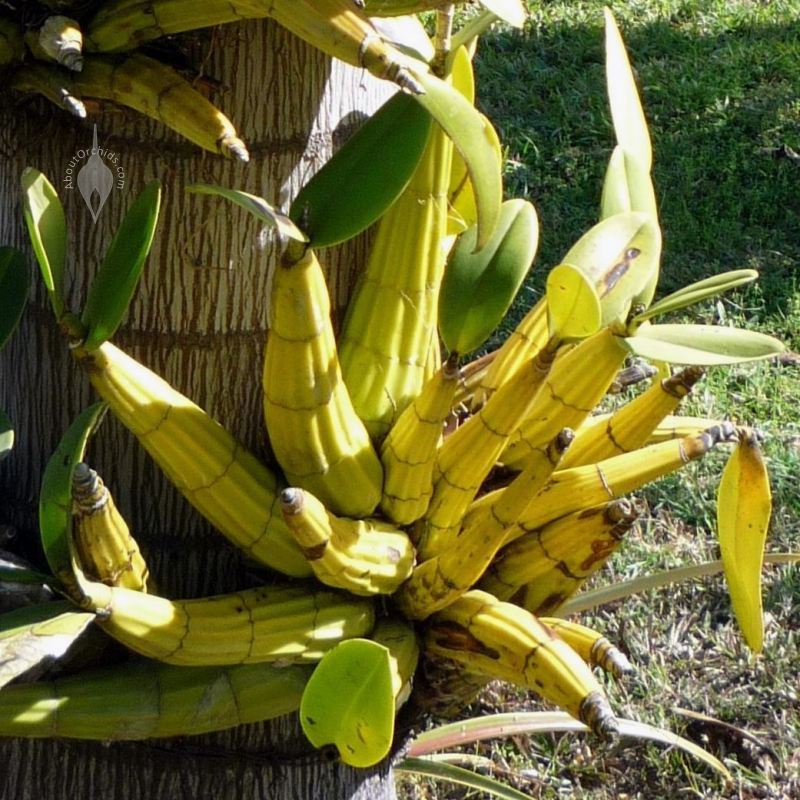
Orchids with pseudobulbs are entering dormancy. If they sport swollen stems like those in the first photo below, they may only need water once or twice per month over winter. Too much water can cause rot, or mess up the plant’s flowering schedule. Cut back on fertilizer, too.
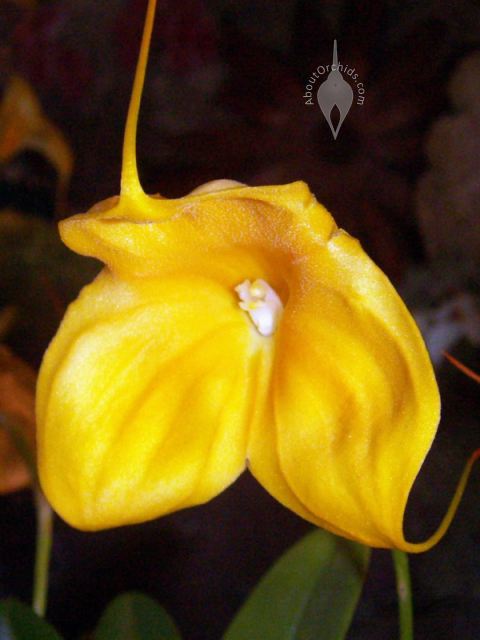
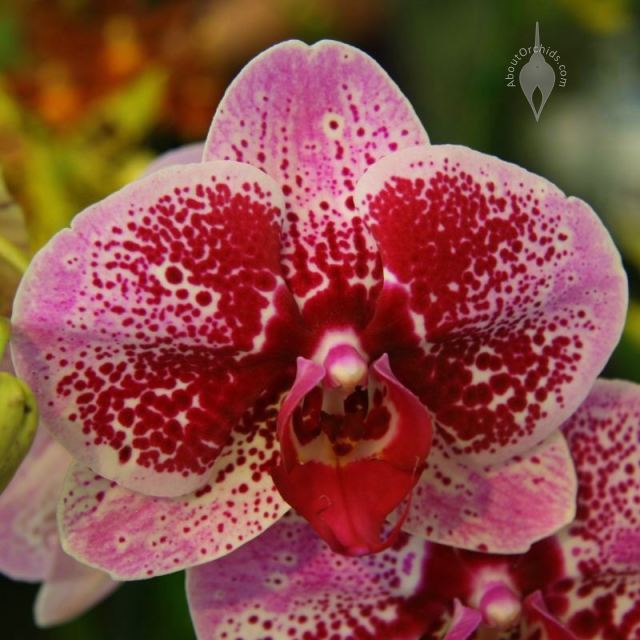
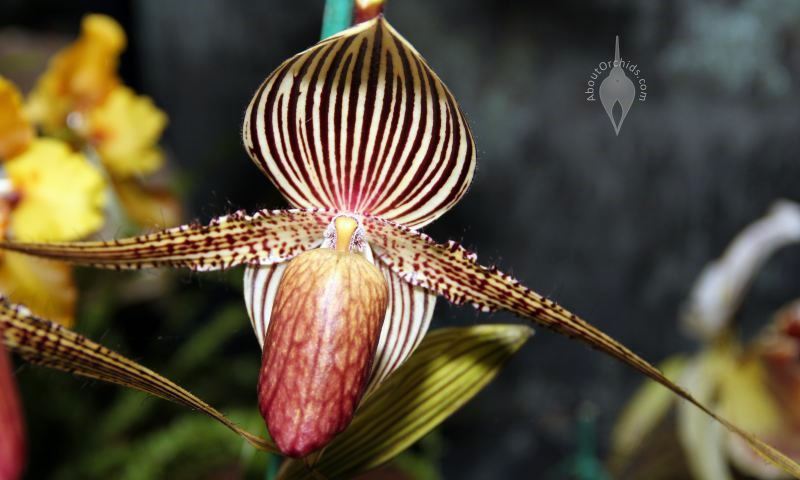
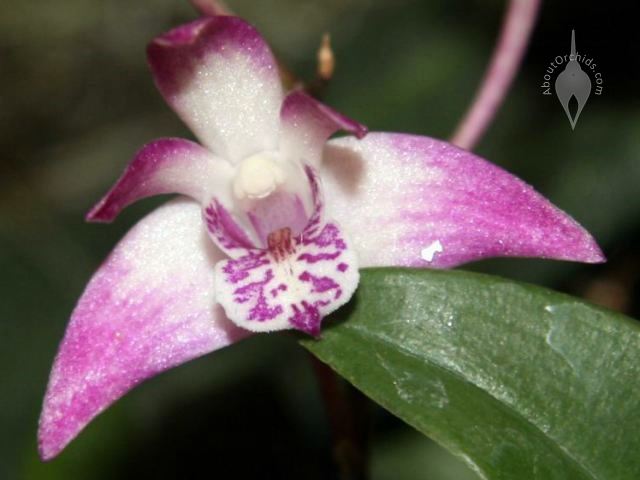
Orchids without pseudobulbs, like Phals, Paphs, and Masdevallias, don’t go dormant. However, with seasonally lower light levels and cooler temps, it’s best to reduce their water and fertilizer slightly.
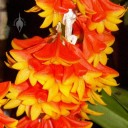
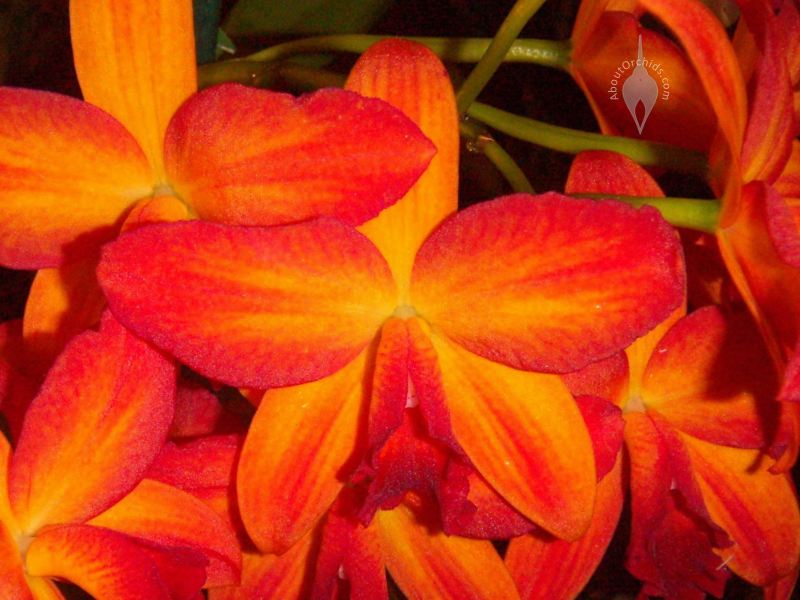
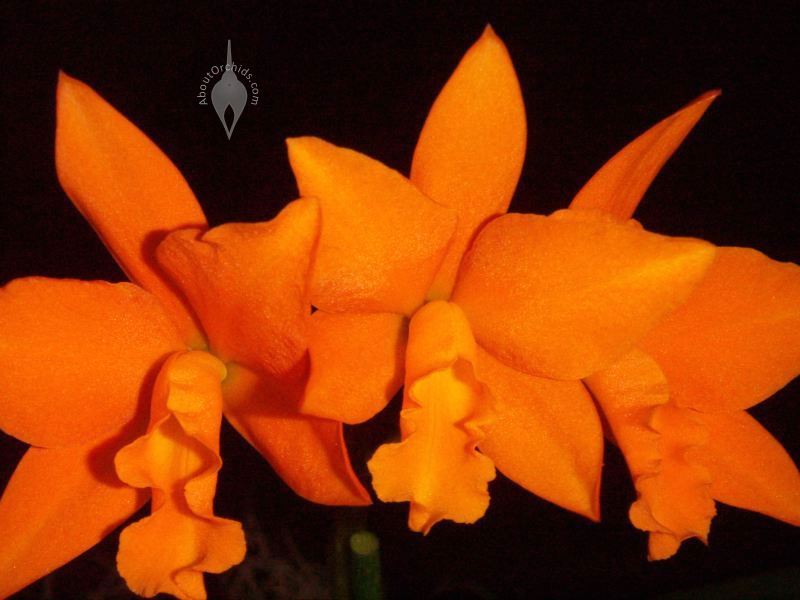
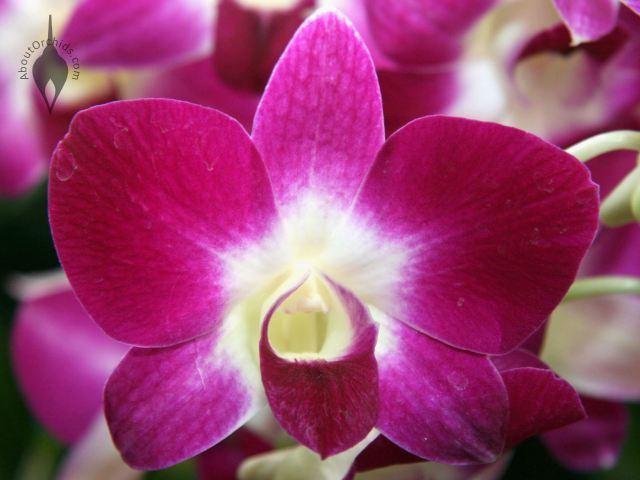
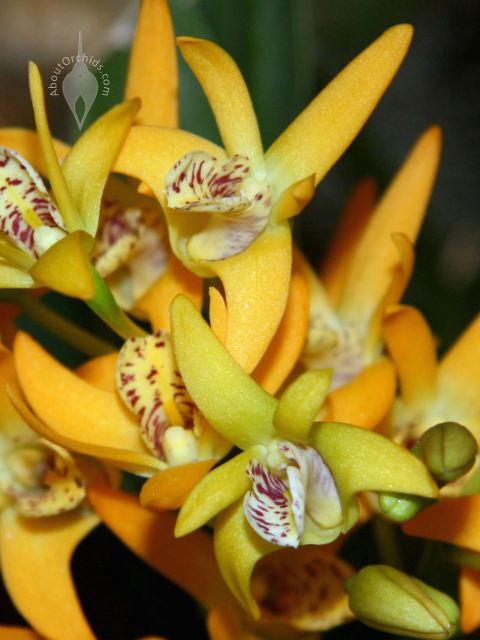
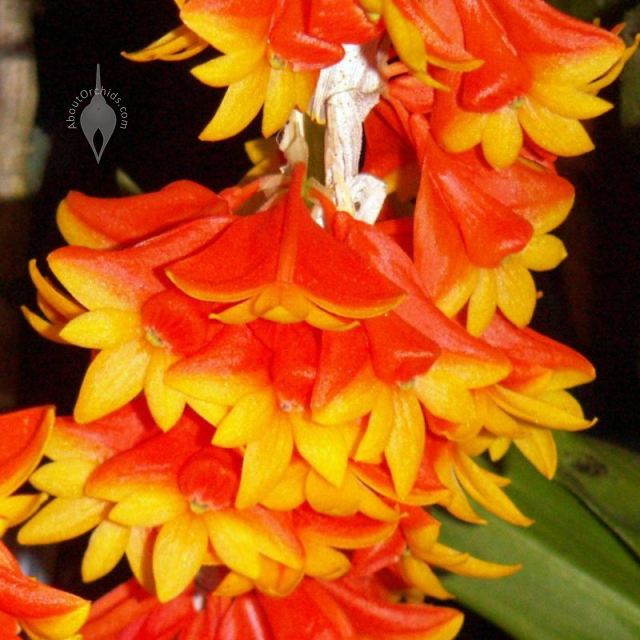
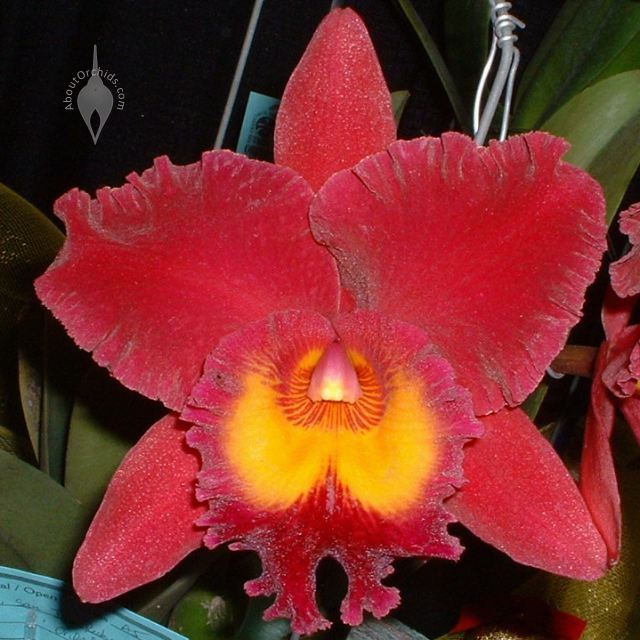
Members of the Cattleya family, like the red and yellow hybrid in the second photo below, may be affected by too many hours of artificial light. They require long, dark nights to trigger flowering. Keep them away from any artificial light at night.
Remove dead leaves or flowers. This helps limit hiding places for unwelcome pests or disease.
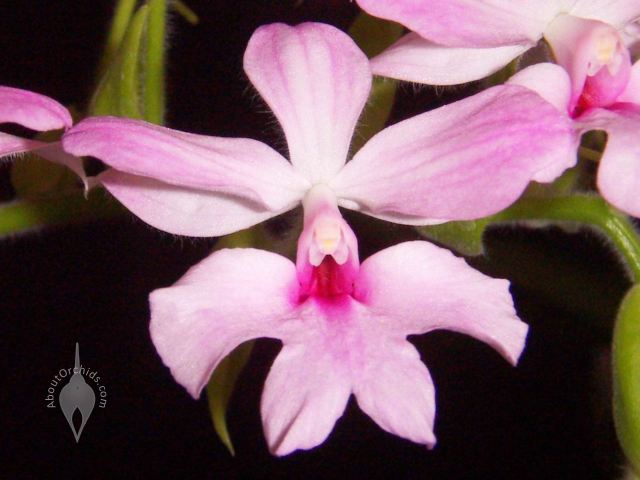
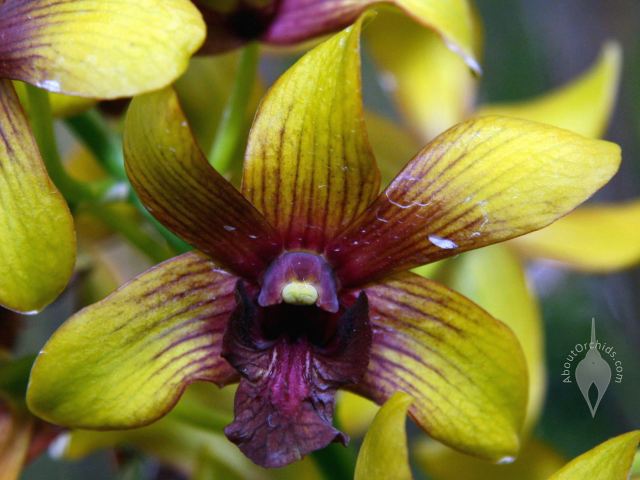
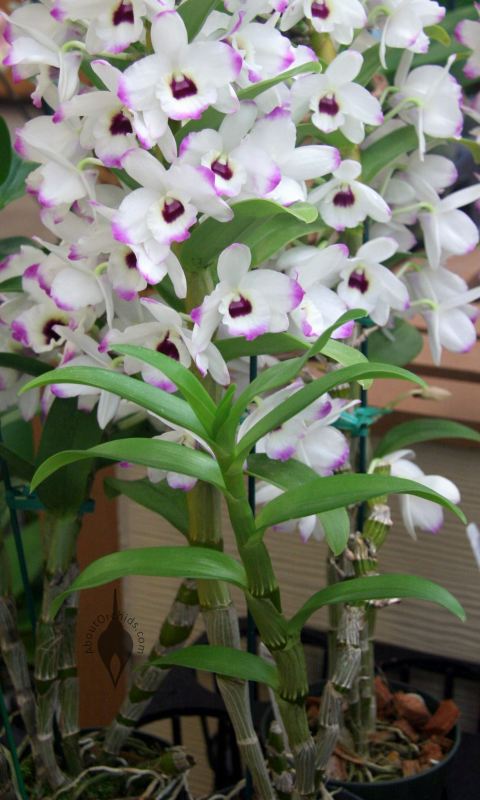
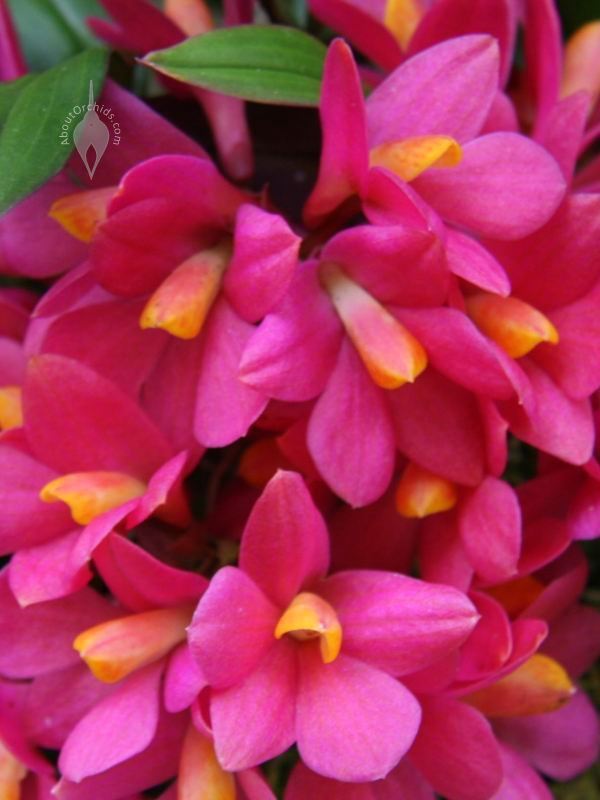
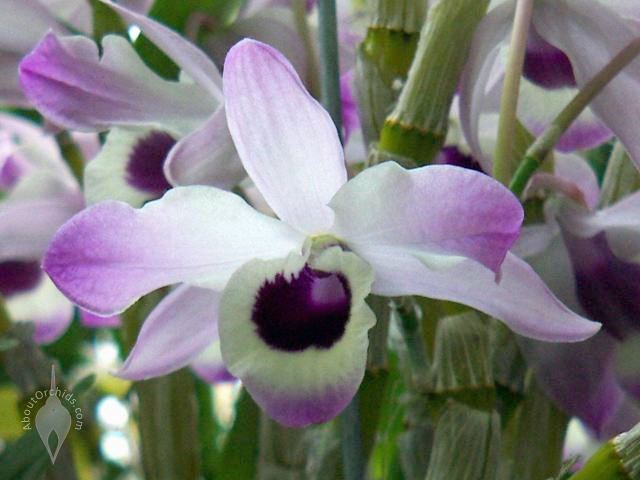
Don’t panic if a few older leaves wither and drop. Some varieties of Dendrobiums, like the cool grower in the final photo below, lose all their leaves. Other types, like Cycnoches, Epipactis, and Thunia, are also deciduous. Continue to give them bright light and good humidity. Water when their pseudobulbs start to shrivel, only once or twice per month.
Scientists have discovered the first orchid that blooms in the dark. British and Dutch botanists found the new species, which they’ve named Bulbophyllum nocturnum, native to a single island off New Guinea. After saving the unknown orchid from a logging area, they brought it back to Europe. They were perplexed when its flower buds seemed to die, but then realized that it blooms only for a single night from 10 p.m. until sunrise. While some orchid varieties are pollinated at night, including many types with fragrant, white flowers like Angraecums and Jumelleas, those flowers stay open during the day. No other orchid is known to flower exclusively at night. The new species fits right into the large Bulbophyllum family, which is full of bizarre blooms. Kew Gardens orchid specialist Andre Schuiteman, one of the scientists who investigated the strange new plant, said: “This is another reminder that surprising discoveries can still be made. But it is a race against time to find species like this that only occur in primeval tropical forests. As we all know, such forests are disappearing fast. It is therefore increasingly important to obtain funding for the fieldwork required to make such discoveries.”
A tiger is taking over the Brooklyn Botanic Garden! Native to rainforests of Southeast Asia, the Tiger Orchid makes a big impression. Grammatophyllum speciosum is the world’s largest orchid. This tropical species can grow as heavy as 2 tons (1.8 metric tons,) and believe it or not, it’s an air plant. The Brooklyn specimen has burst into bloom, just the third time in 13 years. Checking in at 300 pounds (136 kg) and 12 feet (3.7 m) wide, it has 17 flower spikes, each with scores of blooms. Its 4 inch (10 cm) yellow flowers have reddish brown spots, giving the plant its feline nickname. Visit the Brooklyn Botanic Garden within the next month to appreciate the full size of this jungle creature, and to enjoy hundreds of its fragrant blossoms.
Posted November 16th, 2011 by Marc Cohen Categories:Events, In the News
Forgot to renew your passport? Missed your flight to Singapore? Don’t worry — you can still experience the ongoing 20th World Orchid Conference. The event known as the “Orchid Olympics” began last Sunday, November 13th, and runs until this Sunday, November 20th. You can start by exploring the wonderful photography of a local blogger. His first post, “A sneak peek at the Gardens by the Bay,” is a fabulous photo tour of Singapore’s new Flower Dome conservatories. They’re still under construction, but open for a special preview during the conference. They hold lots of beautiful orchids, along with other fascinating plants from around the world (check out the Baobabs and 1000-year-old olive trees!) His second post, “Finding a colourful little bit of paradise at Marina Bay,” has gorgeous orchid pictures from the conference itself. The second post concludes with a slideshow full of lush tropical blossoms.
Here on the California coast, the Cymbidiums spoil us. I’ve seen luxuriant blooms on neglected orchids stuffed into sidewalk planters. Gardeners inherit abandoned plants from earlier tenants, sometimes without even realizing that the strap-like leaves belong to orchids. It turns out that our mild climate mimics the slopes of the Himalayas where these orchids grow wild. As long as they receive bright light and water over the summer, they manage to flower. Admittedly, this unidentified yellow hybrid isn’t the most colorful of thousands of Cymbidium varieties. However, it is one of the types with a rich, sweet scent, and it can bloom twice a year.
One trick to help Cymbidiums bloom is to give them nightly temperature drops of 15-20°F (8-11°C,) especially in autumn. Without this day/night temperature difference, they won’t form flower spikes. Here on the coast, they can grow in full sun. However, growers in warmer areas should provide morning sun and afternoon shade. Plants need enough light so that leaves are light green, not dark green. Cymbidiums enjoy regular fertilizer, and they love compost. They can survive a light frost, although temps below freezing usually damage flowers.
For orchid growers in warmer climates, miniature Cymbidiums like warmer temps. These small varieties are best for growers where summertime temps stay above 70°F (21°C) at night.
The American Orchid Society (AOS) is moving to Coral Gables. For years, the AOS has had a home and orchid garden in Delray Beach, Florida. The Great Recession has dealt a blow to the society’s finances, so they need to sell their property and move. Fortunately, they’ve found a new home at Fairchild Tropical Botanic Garden just outside of Miami. “The missions of AOS and Fairchild Garden are perfectly aligned,” said Ron McHatton, the AOS’s chief operating officer. “With Fairchild’s international reputation, we have found a financially strong, solid strategic partner equally focused on horticulture, education and conservation.” The AOS will move its headquarters and its world-class orchid collection by March of next year. Many orchids will be displayed in a new conservatory opening at Fairchild in December 2012. Both groups will remain independent, and the AOS will continue to publish its monthly Orchids magazine.
Even if you don’t have a green thumb, you can have beautiful orchids all year with orchid wall calendars. The American Orchid Society’s 2012 calendar contains a year’s worth of mini orchids. The Orchid Conservation Alliance’s 2012 calendar (front cover pictured below) has photos and stories of a dozen of the world’s most endangered orchids. By adding these paper orchids to your collection, you’re supporting these essential conservation groups. Check their websites to purchase the calendars and other merchandise.
Orchid lovers around the globe are looking to Singapore this month for the 20th World Orchid Conference. From November 13-20, the planet’s top orchid pros, academics, and hobbyists will gather for exhibits, talks, and a show. This year’s conference theme is “Where New and Old World Orchids Meet.” For those of us who don’t have our plane tickets or reservations at Singapore’s remarkable new Marina Bay Sands, there are many more orchid shows around the globe to enjoy. And mark your calendars for the next World Orchid Conference in Johannesburg in 2014.
As Halloween quickly approaches, it’s the perfect time for a few creepy carnivorous plants. They’re helpful orchid allies, providing superb natural pest control, and they make great green alternatives to toxic pesticides. Bug-eaters come in many forms. Most famous are Venus Fly Traps, but there are also hundreds of varieties of pitcher plants, and many other lesser-known kinds. These predators share similar growing conditions to orchids, requiring high humidity and bright light. Some are native to tropical areas, while others grow in cold climates. Despite any scary stories you’ve heard, Little Shop of Horrors isn’t real — no plant can eat a human.
As bog plants, most need moist soil. Unlike orchids, carnivorous plants like to sit in trays of water. Only use rain water or purified water, since they cannot survive with tap water chemicals. Artificial fertilizer can kill them, too, so be careful not to splash when fertilizing orchids. However, compost is safe for them. Do not feed them meat like hamburger or poultry since they cannot digest it. All they need is pure water, a few bugs, and bright light. Remove old traps that brown and die. Some types go dormant over winter.
Besides Venus Flytraps and pitcher plants, there are many varieties of sundews, whose leaves have sparkly tentacles of deadly glue. Butterworts (a.k.a. Pinguiculas, or Pings for short) don’t appear lethal, but their broad leaves have tiny, sticky hairs, and act like flypaper.
Indoors in my orchid collection, I’ve made room for a small sundew and a Ping. They’ve been efficiently digesting little pests like gnats, aphids, and other inadvertent hitchhikers from the back garden. Our 2 pet cats love to hunt larger insects, so these small-insect eaters round out my pest control team. Creepy carnivorous plants are indispensable for many orchid growers like me.
To learn more and select the best carnivore companions for your orchids, check these resources: