Dendrobium kingianum

Posted April 8th, 2009 by Marc Cohen
Categories: Dormancy, Fragrant Orchids, Growing, Intermediate Growers, Orchids in the Wild, Photos

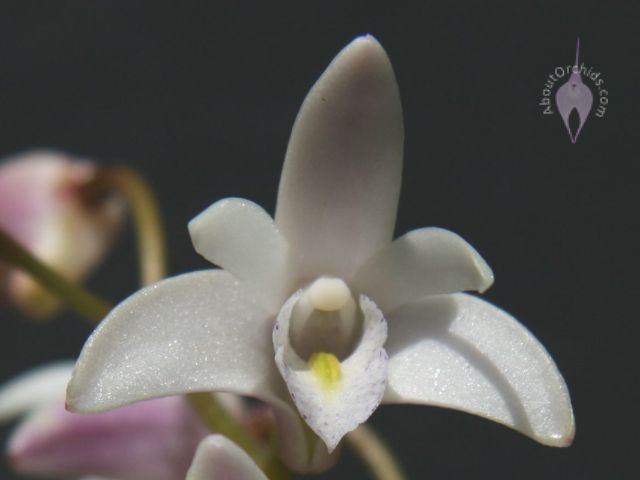
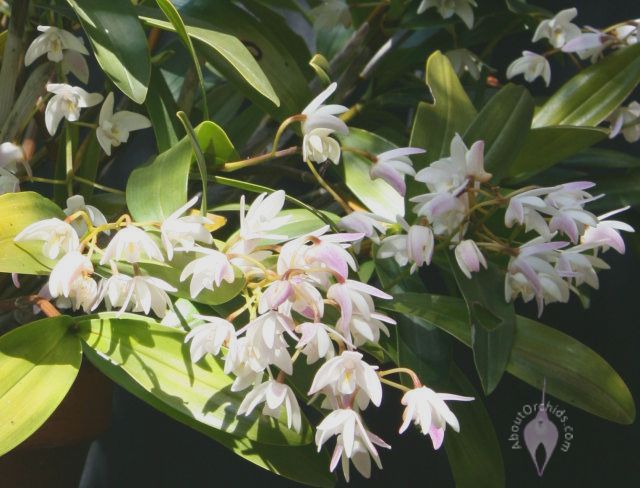
If you’re looking for a great beginner’s orchid beyond the typical Phal, this Australian Dendrobium species is popular in cultivation and easy to grow. It doesn’t have big showy flowers, but Dendrobium kingianum more than compensates with prolific blooms and a honey-sweet scent. Flowers can last for 2 months.

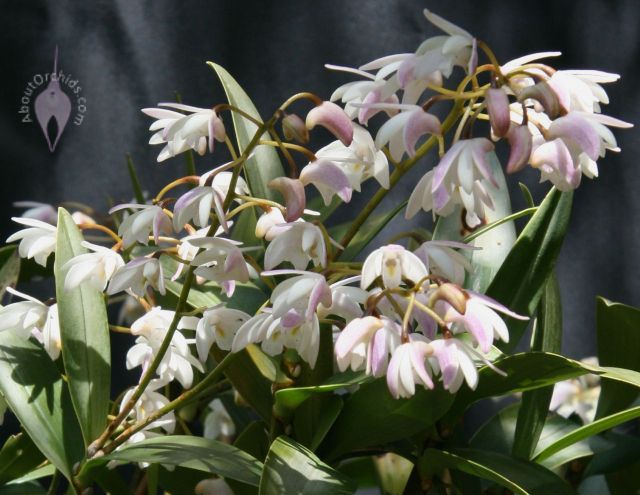
Dendrobium flowersDendrobium flowersDendrobium flower

This Dendrobium can handle a wide range of temperatures, and can even survive a light freeze. Like many orchids, it does require a cool, dry winter rest or it won’t bloom. Its native home is on the eastern Australian coast around Brisbane, where its roots attach to rocks and cliff faces in exposed areas. Here in San Francisco, I keep mine outdoors all year long, where it enjoys bright light and foggy breezes. For winter, I move the plant into full sun, keep it dry, and only worry about protecting it from heavy winter rains.
Dendrobium flowersDendrobium flowers

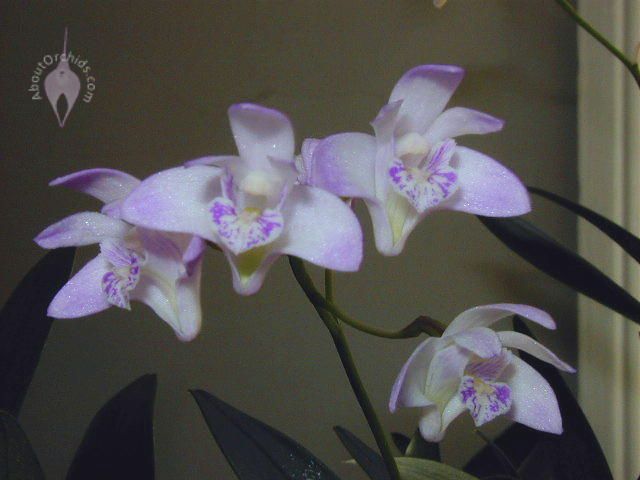
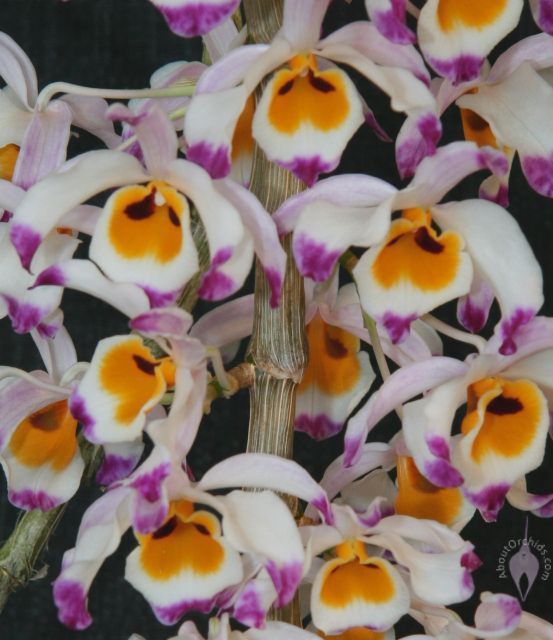
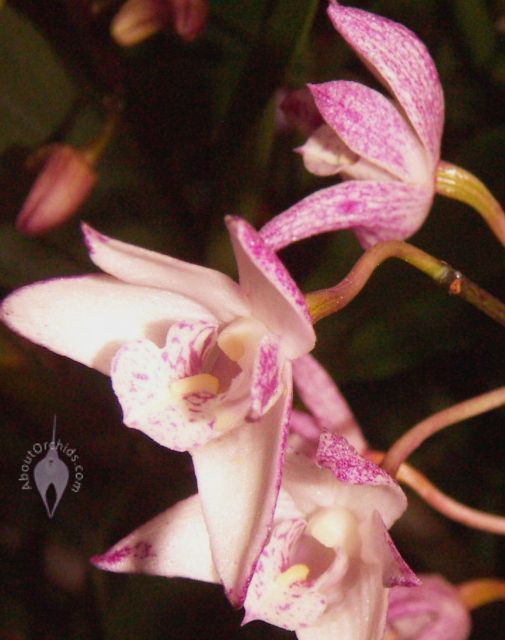
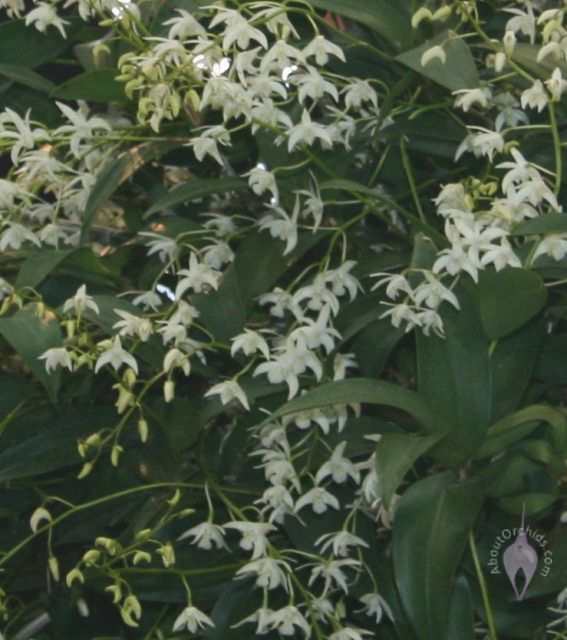
There are numerous natural color varieties, and orchid growers have developed many color strains. Below are examples of pink, white, and purple forms. It’s often crossed with other Dendrobium species to create hardy and attractive hybrids, so there’s a wide range of choices to augment a growing orchid collection.
Dendrobium flowers - pink formDendrobium flowers - white formDendrobium flowers - purple form

Kefersteinia

Posted April 5th, 2009 by Marc Cohen
Categories: Intermediate Growers, Mini Orchids, Photos, Watering

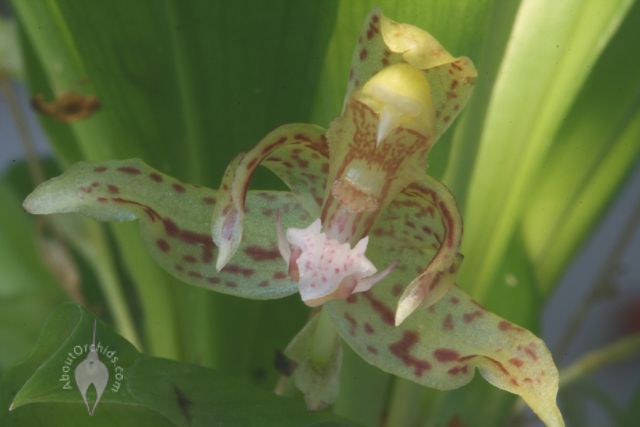
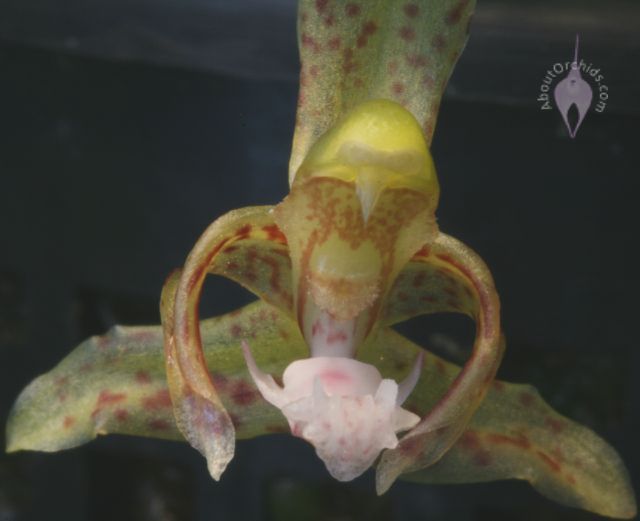
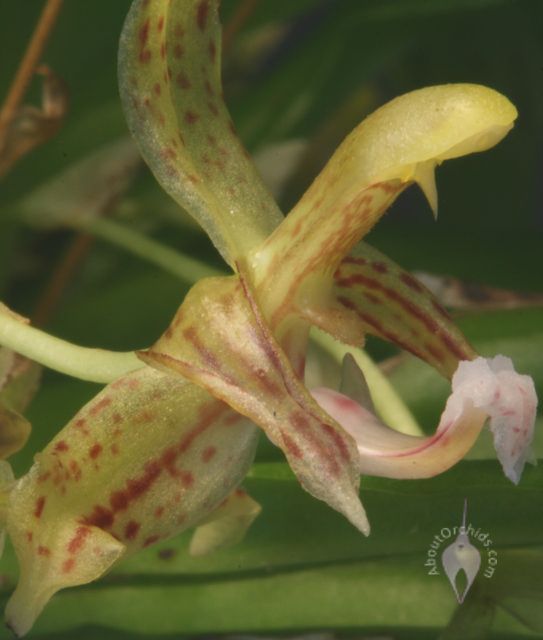
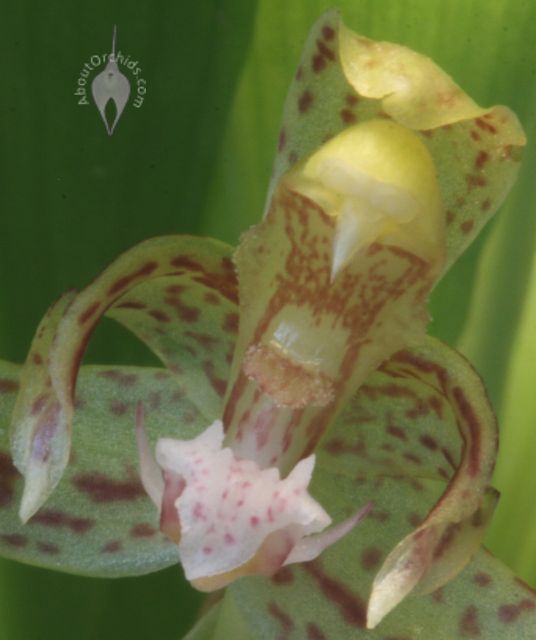
I bought this little charmer last month at the Pacific Orchid Expo. It’s a Kefersteinia, and it’s been covered with blooms for over a month. This species flowers frequently, producing a single bloom on each spike. The flowers last about a week, but there’s a constant resupply of 1 inch (2.5 cm) yellow flowers with white lip and dark red spots.

Kefersteinia flowerKefersteinia flowerKefersteinia flower side view

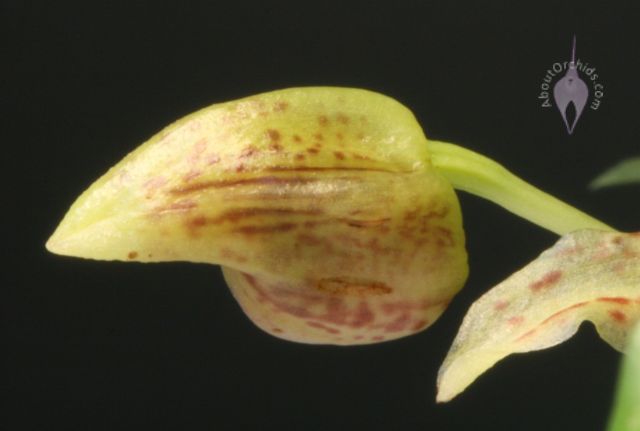
This species is native to the rainforests of Colombia, Panama, and Costa Rica. It has thin leaves with little water storage capacity, so the plant needs regular water and high humidity. The last picture shows a flower bud before opening, an indication that the flowers are still coming.

Kefersteinia flower close upKefersteinia flower bud

The botanical term for orchids that stay in bloom for extended periods is “floriferous” (pronounced FLOOR-if-fur-us), and I hope it continues to describe this little gem.

April Orchid Shows

Posted April 1st, 2009 by Marc Cohen
Categories: Botanical Gardens, Events

April has enough orchid shows to keep any orchid lover jet-lagged. From Las Vegas to Seattle to Houston to Ottawa, with more shows in Costa Rica and Belgium, Dave and I could just take a whole month and go to shows and buy orchids and take pictures and … well, even just one would be fun. Don’t miss these great opportunities.

April 2 – 5
Mayaguez Orchid Society Show, Mayaguez Shopping Center, 975 Hostos Ave., Mayaguez, Puerto Rico
April 3 – 5
Orchidee in Centro, Town Center, Monte Porzio Catone, Italy
April 4
North of England Orchid Society Show, Community Hall, Manchester Rd Rixton with Glazebrook, Warrington Cheshire, United Kingdom
April 4 – 5
Genesee Region Orchid Society Show, Eisenhart Auditorium, Rochester Museum and Science Center, 657 East Ave., Rochester, New York
April 4 – 5
Central Florida Orchid Society Show, Central Florida Fairgrounds, 4603 W. Colonial Dr., Orlando, Florida
April 4 – 5
Desert Valley Orchid Society Show, Baker Nursery, 3414 N. 40 St., Phoenix, Arizona
April 4 – 5
Michigan Orchid Society Show, Michigan State Management Education Ctr., 811 W. Square Lake Rd., Troy, Michigan
April 4 – 5
Five Cities Orchid Society Show, South County Regional Center, 800 W. Branch, Arroyo Grande, California
April 4 – 5
Oklahoma Orchid Society Show, Will Rogers Garden Center, 3400 NW 36th, Oklahoma City, Oklahoma
April 4 – 5
Utah Orchid Society Show, Red Butte Gardens, 300 Wakara Way, Salt Lake City, Utah
April 10 – 13
Flamisch Orchid Society Orchilim 2009 Show, Landcommanderij Alden Biesen, Kasteelstraat 6, Bilzen, Belgium
April 10 – 12
Torrance Cymbidium Society/Greater Las Vegas Orchid Society Show, California Hotel, 12 East Ogden Ave., Las Vegas, Nevada
April 10 – 11
Charlottesville Orchid Society Show and Sale, Fashion Square Mall, Rt 29 North, Charlottesville, Virginia
April 11
Eastern Maine Orchid Society Plant Show, University of Maine, Clapp Greenhouses, Orono, Maine
April 11 – 12
Toronto Artistic Orchid Association Show, Chinese Cultural Center, 5183 Sheppard Ave. E. Scarbourough, Ontario, Canada
April 17 – 19
Central Vancouver Island Orchid Society Show, Country Club Centre, 3200 North Island Highway, Nanaimo, British Columbia, Canada
April 17 – 19
Sacajawea Orchid Society Show, JC Penny’s Courtyard, Gallatin Valley Mall, 2825 W. Main St., Bozeman, Montana
April 17 – 19
Deep South Orchid Society Show, Savannah Mall, 14045 Abercorn St., Savannah, Georgia
April 17 – 19
Fort Worth Orchid Society Show, Fort Worth Botanic Garden Center, 3220 Botanic Gardens Blvd., Fort Worth, Texas
April 17 – 19
North Jersey Orchid Society Show, Frelinghysen Arboretum, 53 E. Hanover Ave., Whippany, New Jersey
April 18 – 19
Sacramento Orchid Society Show, Scottish Rite Masonic Center, 6151 H Street, Sacramento, California
April 18 – 19
Northwest Orchid Society Show, Center for Urban Horticulture, 3501 NE 41st St., Seattle, Washington
April 18 – 19
Ann Arbor Orchid Society Show, Mathaei Botanical Gardens, 1800 N. Dixboro Rd., Ann Arbor, Michigan
April 18 – 19
Tallahassee Orchid Society Show, Doyle Conner Bldg., 3125 Conner Blvd., Tallahassee, Florida
April 22 – 26
Houston Orchid Society & AOS Members Meeting, Hilton Houston North, 12400 Greenspoint Dr., Houston, Texas
April 24 – 26
Asociacion Orquideologica de Cartago Show, Gimnasio Instituto Tecnologico de Costa Rica, Sede Central, 800 Oeste Estadio Fello Meza, Cartago, Costa Rica
April 24 – 26
Southern Tier Orchid Society Show, Oakdale Mall Center Court, Reynolds Rd. & Harry L Dr., Johnson City, New York
April 25 – 26
Ottawa Orchid Society Show, Nepean Sportcomplex, 1701 Woodroffe Ave., Ottawa, Ontario, Canada
April 25 – 26
Greater Cleveland Orchid Society Show, South Euclid Community Center, 1370 Victory Dr., South Euclid, Ohio

Nothing

Posted March 29th, 2009 by Marc Cohen
Categories: Books, Growing, Problems

Sometimes your orchid just sits there and does nothing. It had those gorgeous blooms that lasted so long, and you’ve followed the instructions for light, water, temperature, fertilizer, humidity, and dormancy, but nada. Same old leaves, same old roots. You’ve waited, and the plant doesn’t get any worse, but it doesn’t get any better either.

The answer may to be to wait some more. Orchids may not be visibly growing while they’re storing up energy to prepare for their next cycle of growth. They are waiting for the right time of year to produce new leaves, roots, and flowers. Even the growing seasons of spring and summer do not guarantee new growth — your orchid is on its own schedule. So how long do you wait and watch? If your orchid hasn’t grown for a few months, don’t panic yet. If it’s been more than a year, then it’s time to re-examine those fundamentals of basic orchid care and make a change. One common problem is insufficient light, but be careful to make any increases in light gradually over 2 weeks or so. A sudden flood of light can cause leaves to burn. And if that doesn’t help, then just be patient. It’s a great excuse to curl up with a good orchid book.

Dracula

Posted March 25th, 2009 by Marc Cohen
Categories: Cool Growers, Growing, Mini Orchids, Photos, Watering

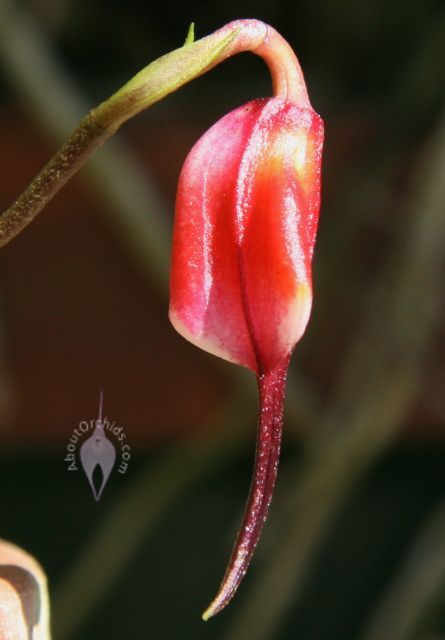
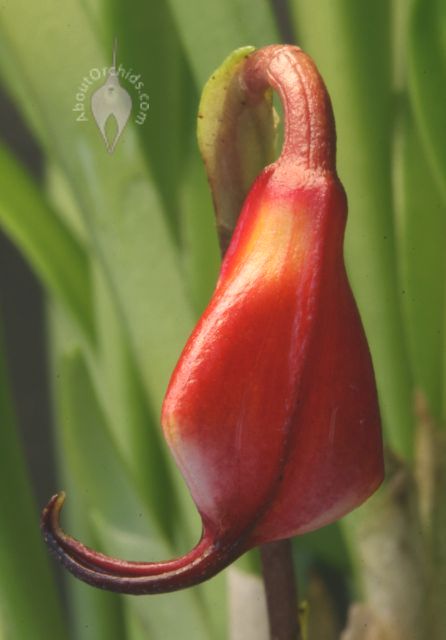
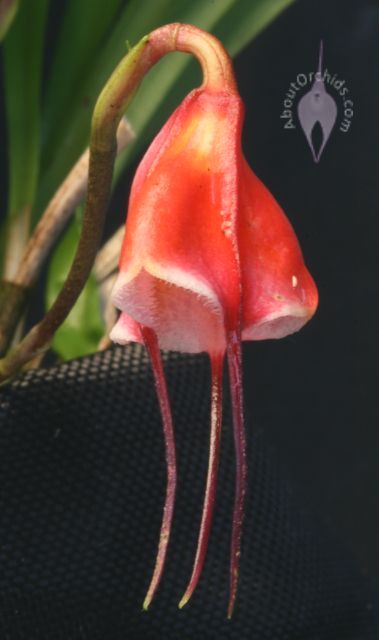
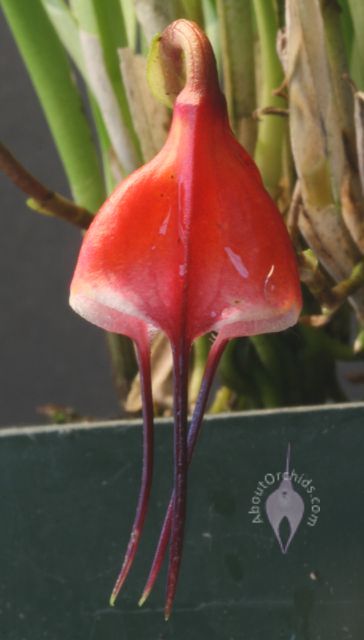
No, this Dracula orchid doesn’t bite your neck or sleep in a coffin, but this miniature is interesting in its own right. Dracula means “little dragon” in Latin, and the botanist who named this genus thought that the flowers looked like dragon’s teeth. I think they look more like orange bells, but I’m grateful for an orchid rarity: an easy to pronounce name. Like their Masdevallia relatives, Draculas like cool temperatures, low light, high humidity, and constant air movement, similar to their homes high in the Andes.

Dracula flower budDracula flowerDracula flower

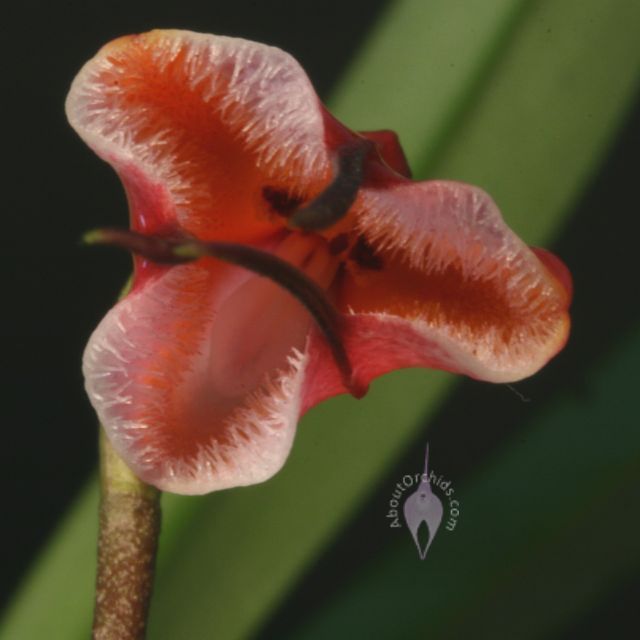
This particular species is called Dracula sodiroi, and comes from the mountains of Ecuador, not Transylvania. It needs daily water, and sulks from the added chemicals of regular tap water. Even San Francisco’s high quality, clean tap water isn’t pure enough, so I use rainwater or filtered water instead. The flowers are pendant, hanging down so they open from below. Looking up from underneath, they look furry on the inside.

Dracula flower view from underneathDracula flowerDracula flower close up

This orchid does bear some similarity to vampires with its dislike of direct sun. Draculas want shady conditions, and can even be grown under artificial lights, but I keep mine outside where it can enjoy the fog. While I doubt that Anne Rice will be writing books about this orchid to be made into movies starring Brad Pitt and Tom Cruise, it’s a fascinating Dracula nonetheless.

Spring Has Sprung

Posted March 20th, 2009 by Marc Cohen
Categories: Growing, Misc, Problems

Happy equinox! Welcome to the first day of spring, unless you’re in the southern half of the planet. In that case, welcome to the first day of autumn. No matter where you are on earth, day and night last 12 hours each. Like all plants, orchids detect the lengthening days and increasing strength of the sun. Some may spring into new growth with fresh new leaves and roots. That’s great if your orchid and its potting material are in good shape. But if those beautiful new leaves and roots suddenly start to show black spots, or turn to mush, your orchid is probably overdue for repotting. Step by step instructions for repotting can be found here.

Repotting may be the most intimidating part of being a new orchid owner. Fortunately, it only has to be done once every 2 or 3 years. If you purchased your orchid in the past year from a reputable vendor, the potting material should be fresh enough to allow you to skip the chore this year. If you’re not sure, here are some tips to know when it’s time to repot:

  • If the orchid is potted in bark, dig out a piece of the bark and squeeze it between your fingers. Bark that remains solid is still in good shape; bark that squishes or breaks apart is telling you that your orchid’s roots cannot get enough air flow, and it’s time to repot.
  • If the orchid is in moss, repot every year, or whenever the moss becomes moldy or slimy.
  • If new leaves suddenly start to rot, the cause may be that the corresponding new roots need better air flow. Those new roots may be out of sight underneath, but they are essential for the plant’s health. Remove the orchid from the pot as soon as possible and repot it.
  • If you water the orchid, and the excess water is slow to drain out of the holes at the bottom of the pot, then it’s time to repot.
  • Orchids that have just finished blooming often enter a cycle of new leaf and root growth. This is an ideal time to repot so the new roots can grow into fresh potting material.

If all of this is just too bewildering, start with these helpful videos showing what potting mix to choose, how to repot an orchid in bark, and how to repot in moss. And then go enjoy the first day of spring.

Native Orchid Conference

Posted March 18th, 2009 by Marc Cohen
Categories: Conservation

The Native Orchid Conference (NOC) is a non-profit organization whose purpose, in its own words, is “to foster the study, conservation, and enjoyment of the native orchids of the United States and Canada.” These North American orchids are sometimes less glamorous than their tropical counterparts, but no less fascinating or beautiful. Ranging from Florida to northern Canada, from subtropical to Arctic, native orchids often grow in specific habitats, like marshes or pine forests. They face threats to their survival such as habitat destruction, climate change, and over-collection (illegal removal from the wild for fun or profit, often killing the orchids in the process.) Unfortunately, many native orchids are difficult to keep alive in cultivation.

NOC’s website contains a great photo gallery where you can see a broad range of North American orchids. There are some great Epipactis photos, like the one I blogged about last year from my own garden. Check out the stunning pictures of Cypripediums, Arethrusa, and many other varieties. Membership benefits include receiving the quarterly publication The NOC Journal about native orchids. Members are also invited to NOC events, like their upcoming annual conference in Green Bay, Wisconsin. They welcome everyone from professionals to newcomers who wish to promote conservation and learning about native orchids.

More Orchid Show Pictures

Posted March 15th, 2009 by Marc Cohen
Categories: Events, Growing Orchids in San Francisco, Photos

We have so many great pictures from this year’s San Francisco Orchid Show that 2 posts weren’t enough. As usual most are Dave’s, but I took a couple of these. The 1st shot shows a nice close-up of Darwin’s Orchid, the same species we saw at the Hawaii Tropical Botanical Garden growing up in a tree. Unlike Hawaii, this photo required no climbing. The 2nd picture shows a bunch of Phals, and the 3rd, an Epidendrum relative named Oerstedella.

Angraecum sesquipedale flowerPhalaenopsis flowersOerstedella flowers

The next set of photos shows a Miltonia, long chains of mini flowers on a Dendrochilum, and a pink Lycaste.

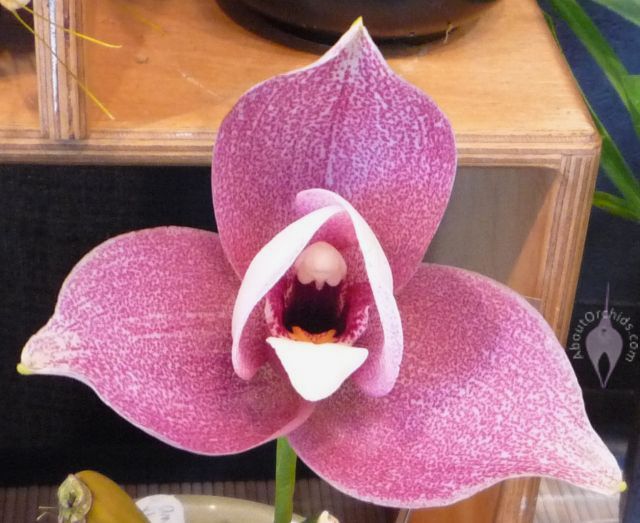
Miltonia flowerDendrochilum flowersLycaste flower

Can you tell that Dave really likes Masdevallias? The last set of photos has some beauties.

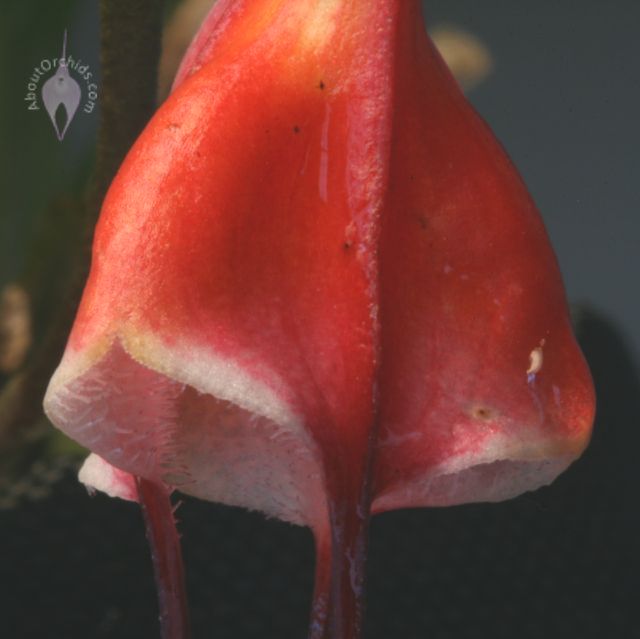
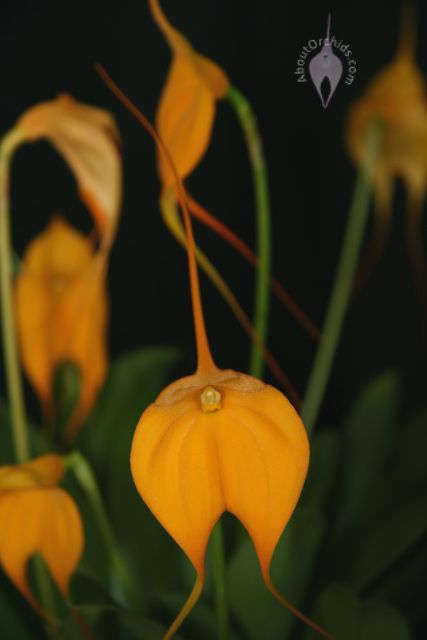
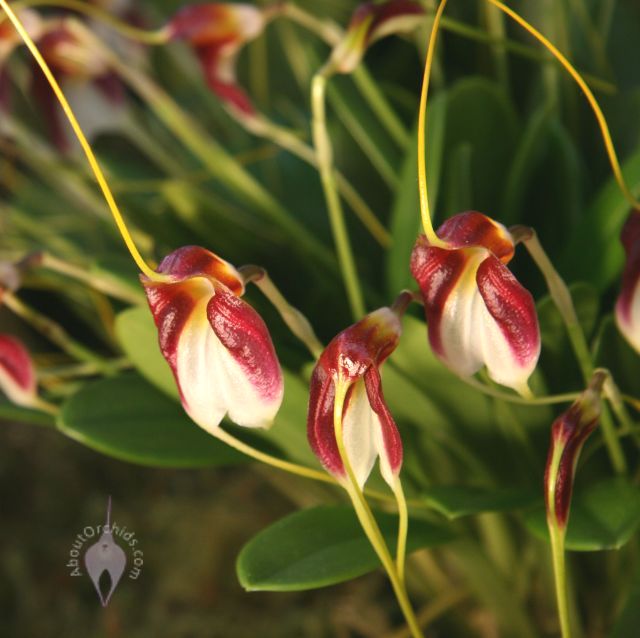
Masdevallia flowersMasdevallia flowersMasdevallia flowers

Weird and Wacky Orchids

Posted March 11th, 2009 by Marc Cohen
Categories: Events, Growing Orchids in San Francisco, Photos

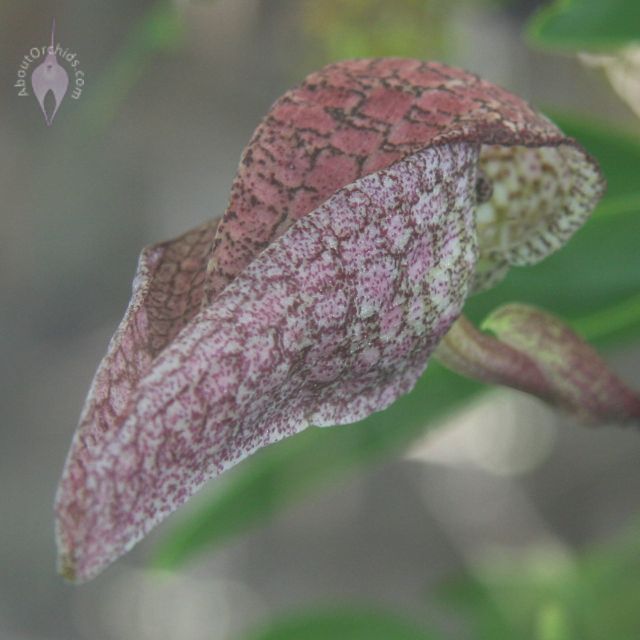
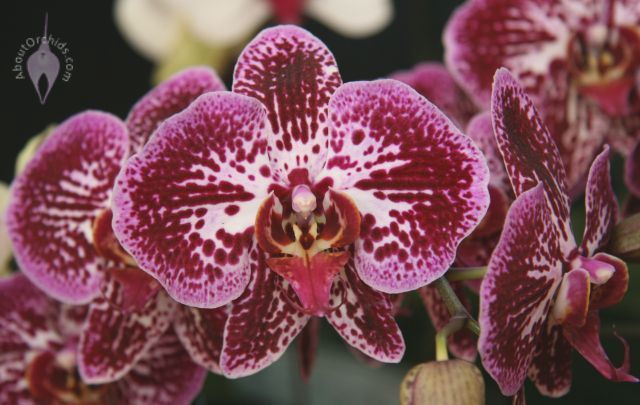
The 30,000 or so species of orchids around the world have tremendous variations in their flower shapes. Some of them have shapes that are truly surprising. Others are so unusual that it can be tough to believe that they’re real. And some have flowers that are just plain weird. Here are some great examples from last weekend’s Pacific Orchid Exposition. I’ll call this first set of pictures the fish group, since I think they look more like sea creatures than orchids.
Epidendrum flowerPleurothallis flowersPterostylis flowers

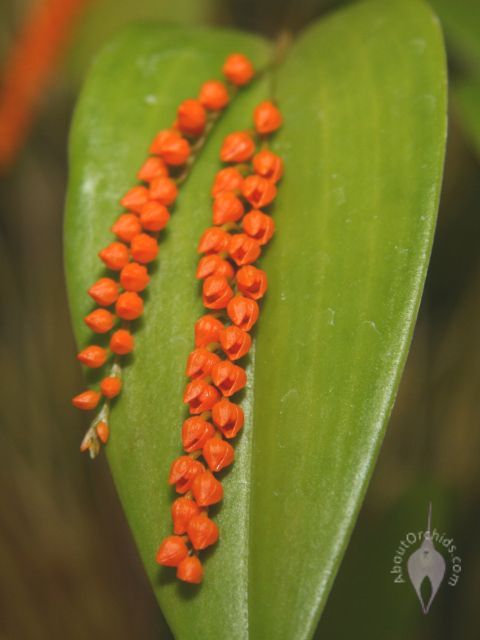
Each of these unusual flowers has evolved to attract a specific pollinator in the rainforest. A flower shape that may seem bizarre to us serves as the perfect lure to convince an insect to carry pollen from one flower to another. This specific relationship is one of the successful strategies that orchids use to survive in a competitive, densely crowded rainforest. Since bugs may see a meal in these funky flowers, I’ll call this set the food group. I see a piece of spiral pasta, orange caviar, and bunches of grapes.

Masdevallia flowerPleurothallis flowersElleanthus flowers

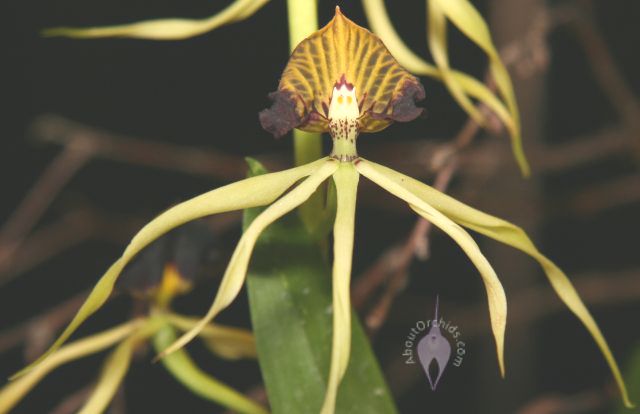
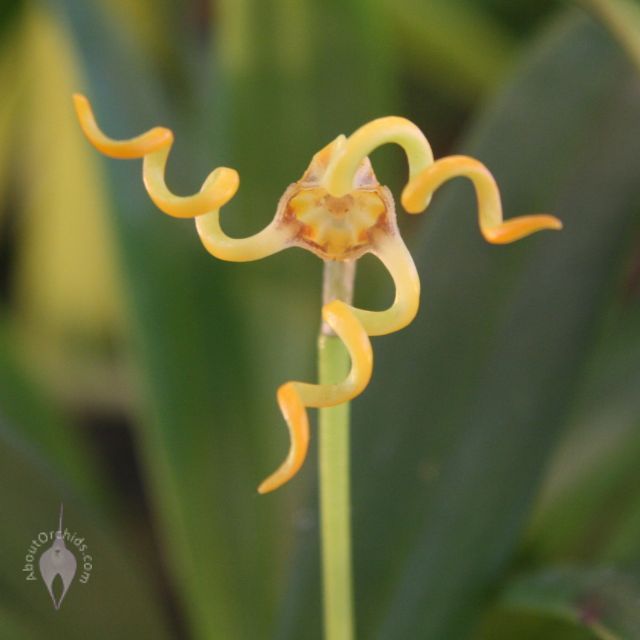
Most of the orchids here require specialized conditions, and are for advanced growers. They aren’t commonly seen in cultivation, but maybe if they were, their strange shapes wouldn’t be so incredible. I’ll call this last set the bird group, and I think you’ll see why. I’m open to other interpretations as to what they look like, but you’ll have to agree that they’re amazing flowers.

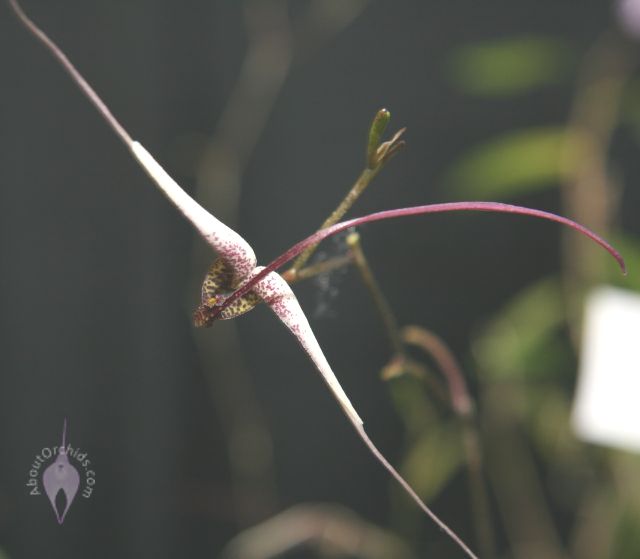
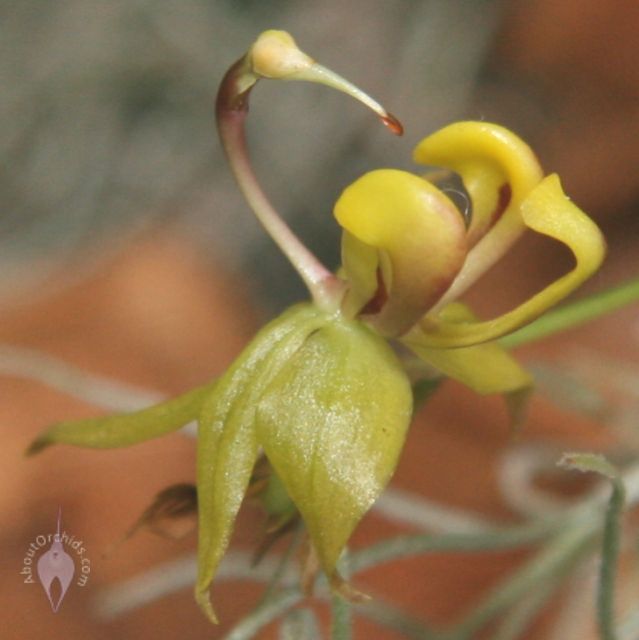
Bulbophyllum flowerScaphosepalum flowerSigmatostalix flower

Pacific Orchid Expo 2009

Posted March 8th, 2009 by Marc Cohen
Categories: Events, Growing Orchids in San Francisco, Photos

Question:  if you put 150,000 orchid flowers in a room, what will you have? Answer:  the 2009 Pacific Orchid Exposition in San Francisco.  You’ll also have Dave and me running around with our cameras, trying to take pictures of as many of those flowers as possible. Here are a few samples:

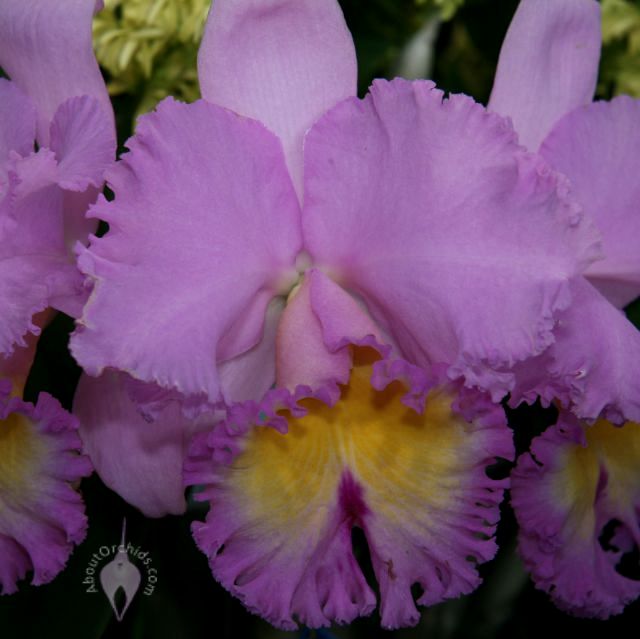
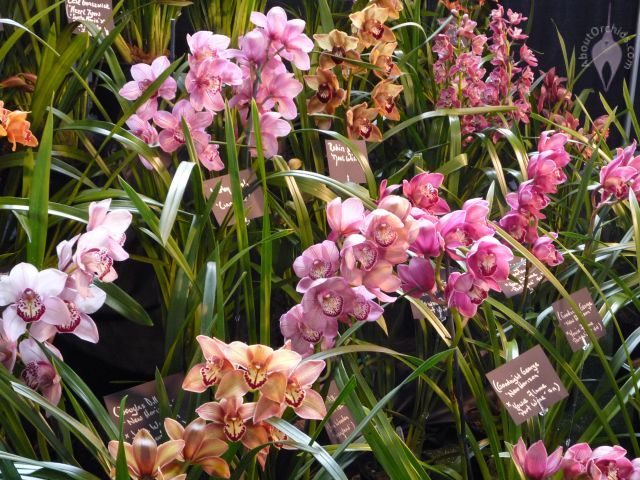
Cattleya hybridCymbidium orchidsOdontoglossum hybrid

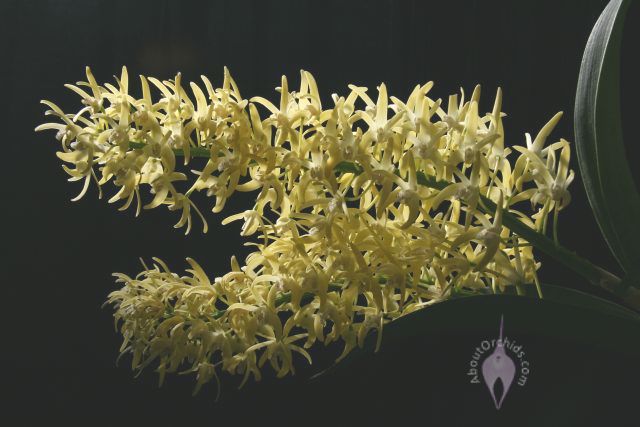
This year’s theme was “Green…with Envy,” highlighting environmental responsibility with these treasures of nature. The Phalaenopsis and Dendrobium flowers below could certainly make any orchid lover envious.

Phalaenopsis hybridDendrobium flowersDendrobium flowers

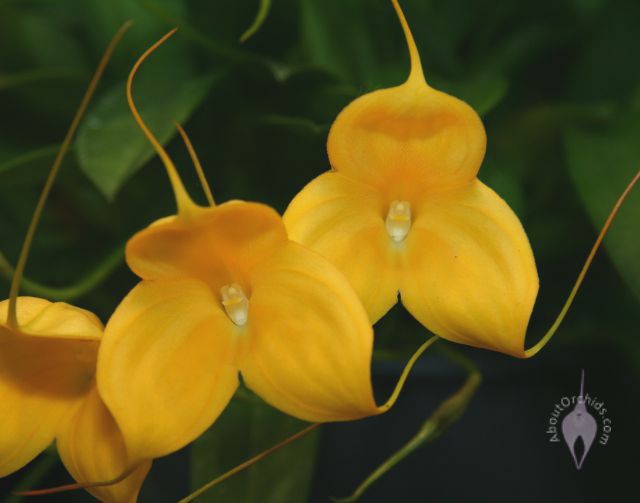
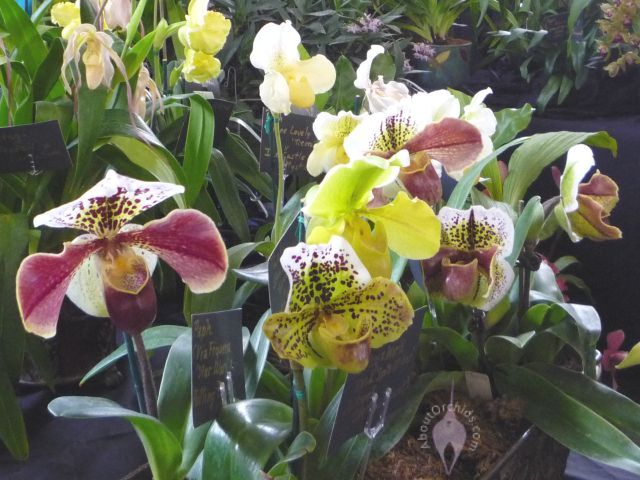
Besides green, there were plenty of incredible colors to be seen. Here are an orange and red Eriopsis, yellow Masdevallia, and diverse varieties of Paphiopedilums.
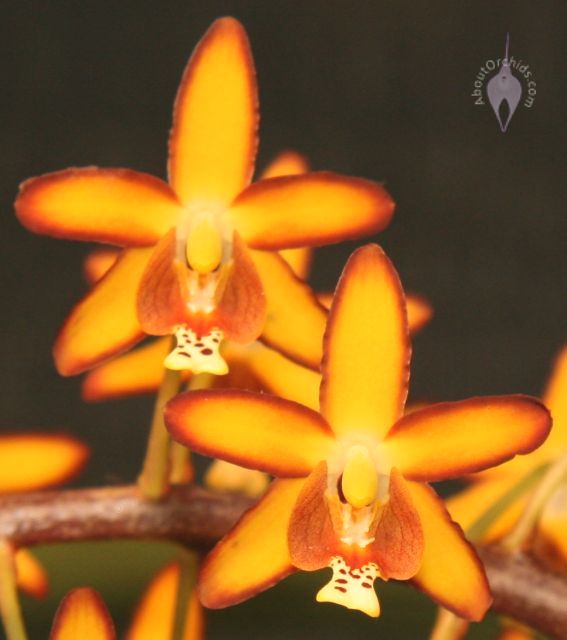
Eriopsis flowersMasdevallia flowersLady Slipper flowers