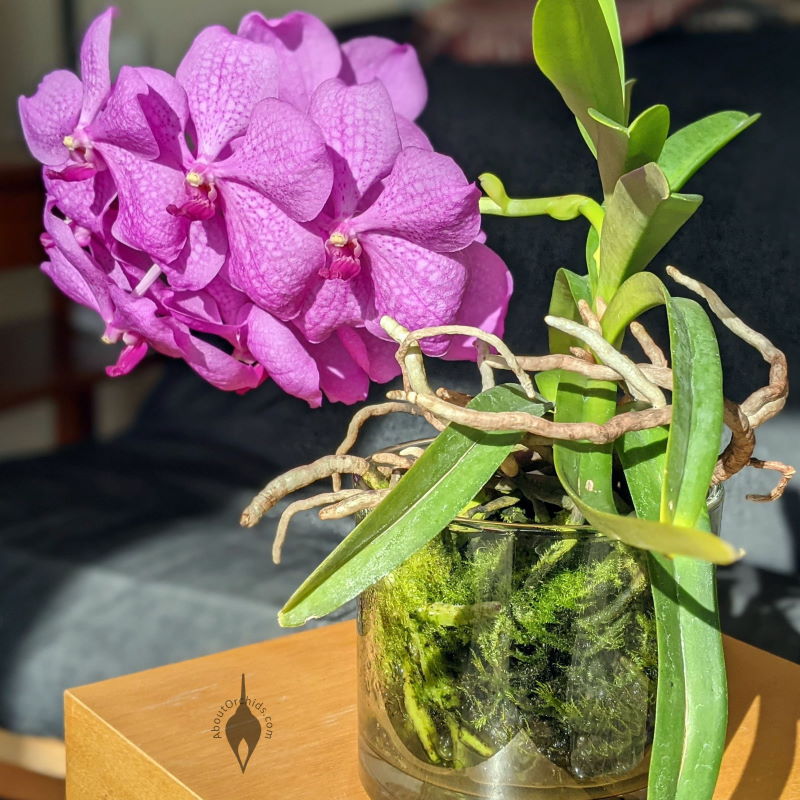
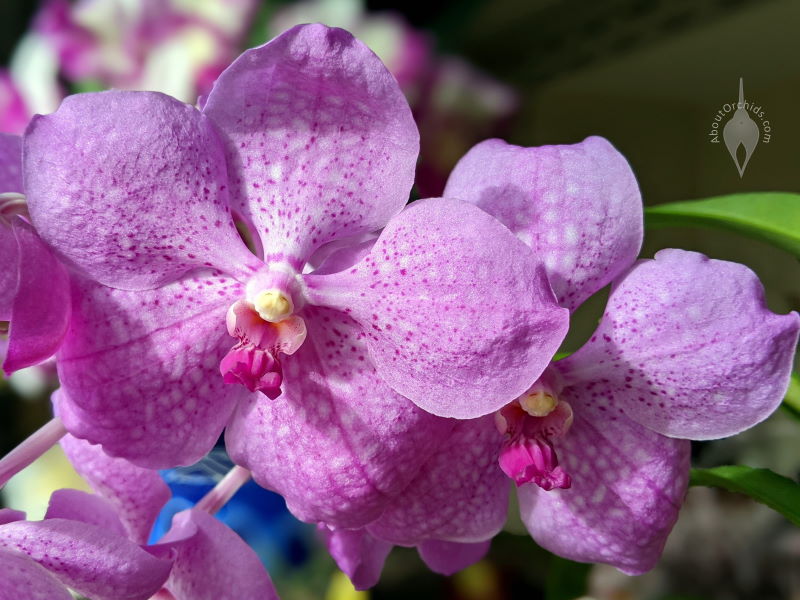
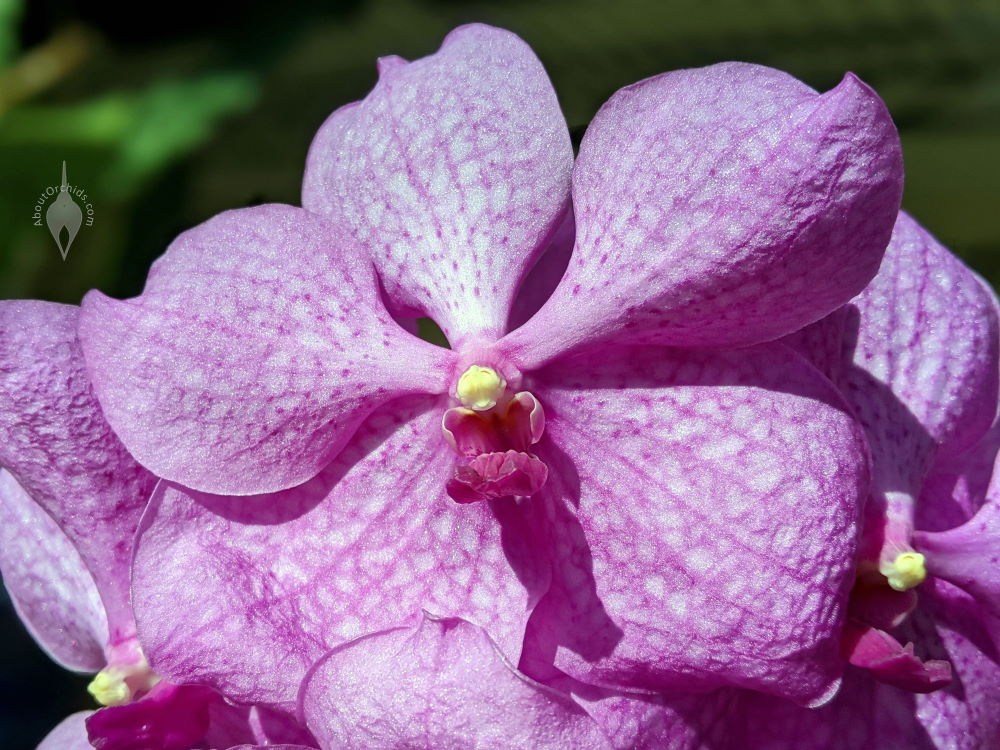
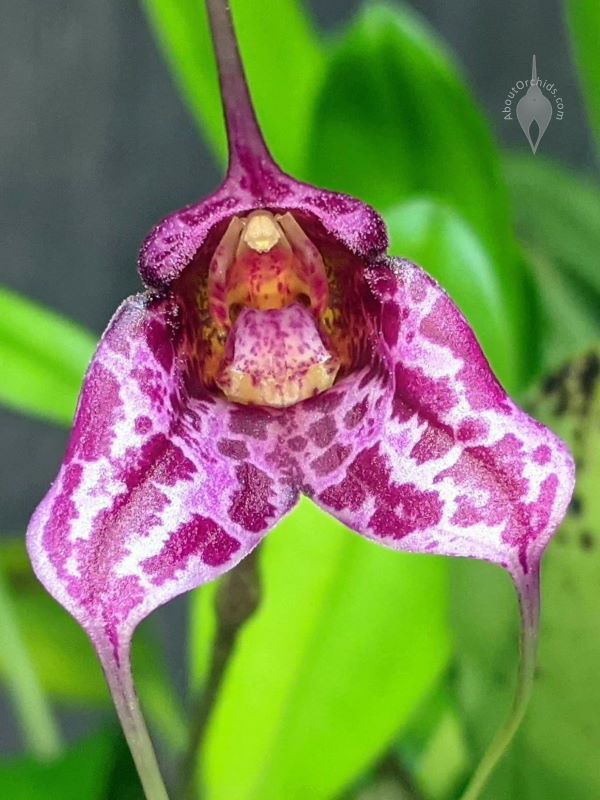
Another Pandemic Solstice

Posted December 21st, 2020 by Marc Cohen
Categories: Photos

Renanthera orchid flower, red flower, Singapore National Orchid Garden located in Singapore Botanic GardensArundina graminifolia, Bamboo Orchid, orchid species flower, Singapore National Orchid Garden located in Singapore Botanic GardensDendrobium Lucian Pink, orchid hybrid flowers and plants surrounded by other lush green plants, Singapore National Orchid Garden located in Singapore Botanic Gardens

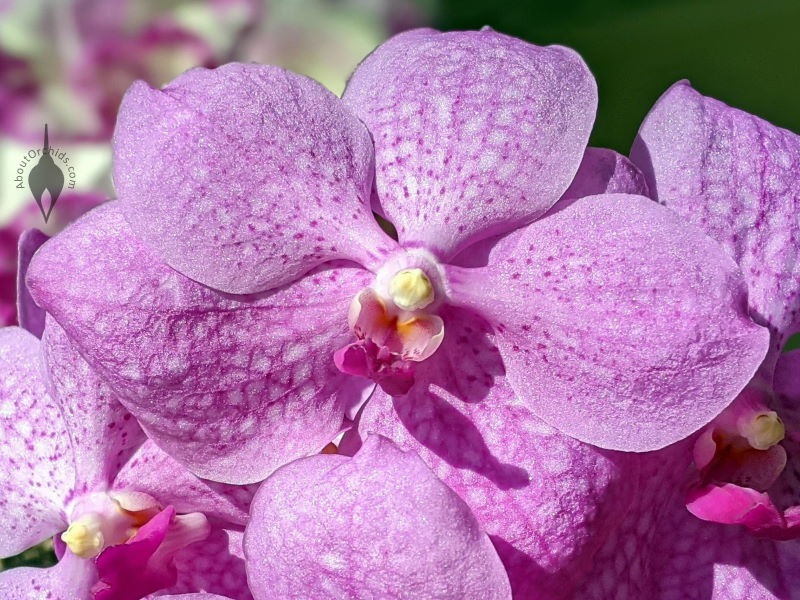
Papilionanda Andrea Bocelli, Vanda orchid hybrid flower, Singapore National Orchid Garden located in Singapore Botanic GardensDendrobium orchid hybrid flowers, Den-phals, purple and white flowers, Singapore National Orchid Garden located in Singapore Botanic GardensArachnis Maggie Oei 'Yellow Ribbon', orchid hybrid flower, HortPark-the Gardening Hub, horticulture park, Singapore

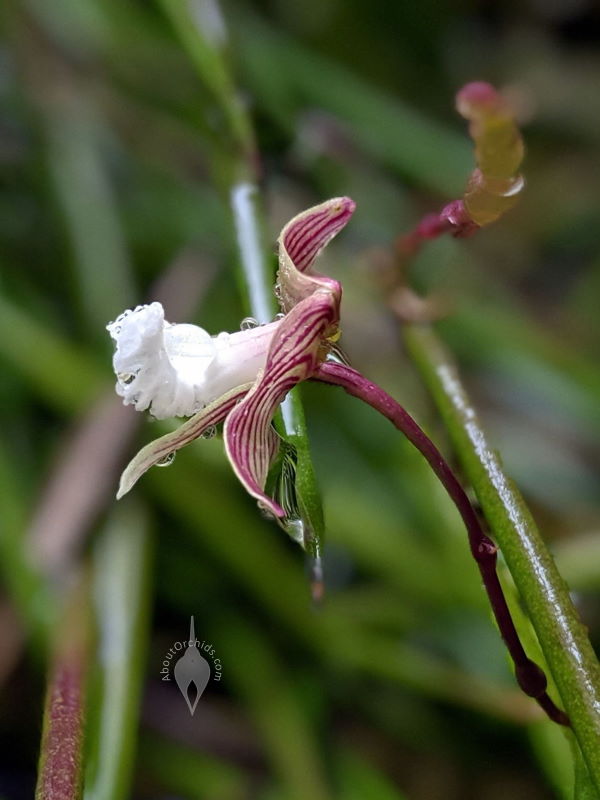
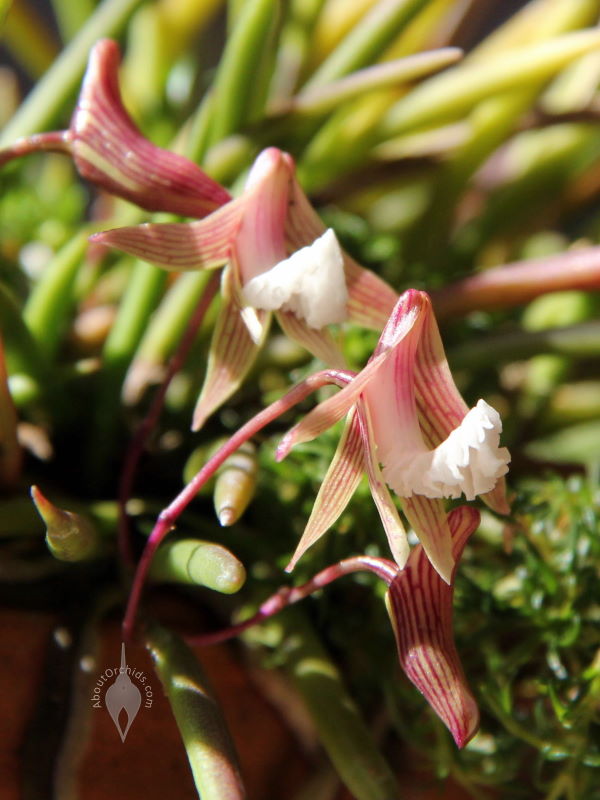
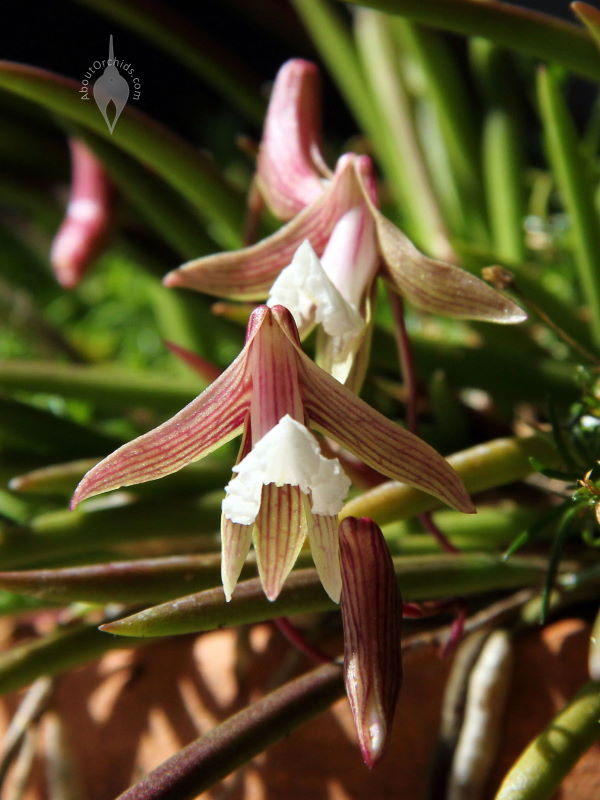
This year’s winter solstice arrives with darkness, cold, and a raging pandemic. I’m certainly ready to be rid of all three. The days will start lengthening tomorrow; if only there were such definite dates for the pandemic. Fortunately, vaccinations are starting. However many months we need to wait for ours, we will gladly get them when they’re available. In the meantime, these magical orchids are a great remedy for the winter blues. Most of these photos are from Dave’s trip to Singapore last year, when he saw Singapore’s National Orchid Garden and HortPark. The final three pictures are from our own California garden. Happy solstice and happy holidays, too.

Papilionanda Ernest Chew, Vanda orchid hybrid flowers, purple flowers, Singapore National Orchid Garden located in Singapore Botanic GardensDendrobium Stefanie Sun, orchid hybrid flowers, Den-phals, white flowers, Singapore National Orchid Garden located in Singapore Botanic GardensAranthera Anne Black, orchid hybrid flowers, red flowers, , HortPark-the Gardening Hub, horticulture park, Singapore

Cymbidium flowers buds and leaves, orchid hybrid, grown outdoors in Pacifica, CaliforniaDendrobium x delicatum, orchid hybrid flowers, grown outdoors in Pacifica, CaliforniaMasdevallia coccinea var. xanthina 'M Wayne Miller' AM/AOS, orchid species flowers, yellow flowers, grown outdoors in Pacifica, California

Saving Orchids Could Help Keep the Peace in Colombia

Posted December 16th, 2020 by Marc Cohen
Categories: Conservation, In the News

The orchid-laden nation of Colombia has suffered a violent past. Colombian scientist Tatiana Arias hopes to use the country’s orchids to help keep the peace. In the last few years, a fragile peace treaty has ended six decades of violence between drug cartels and the government. Now, many rural areas need a reliable source of income. With over 4200 native orchid species, more than any other country, Colombians are rightly proud of their floral heritage. In fact, the national flower is Cattleya trianae. Arias, who earned her doctorate at the University of Missouri, wants to catalog and cultivate orchids to improve peoples’ lives. By turning to ecotourism and horticulture, she hopes to offer a stable economic future. It’s a massive endeavor, and will take years of work by her and many other scientists. Arias has support from the Colombian Orchid Society, and is making progress towards her grand goals.

Secret Garden: Unearthing the Mysteries of Orchids

Posted December 11th, 2020 by Marc Cohen
Categories: Conservation, In the News, Videos

The Nature Conservancy is working with groups like the North American Orchid Conservation Center to better understand and save endangered orchids. They’re studying orchids, their natural environments, their pollinators, their fungal partners, and the threats they face. With over 25,000 orchid species around the world, it’s a formidable task. In fact, there are more orchid species than there are mammal, bird, and reptile species combined. In addition to fascinating orchid tales, the article is adorned with wonderful orchid art. There’s also a great video profile of botanical artist Nirupa Rao, who is based in Bangalore, India. Check out the video below.

The Cultural and Ecological Implications of the Salep Orchid Trade

Posted December 5th, 2020 by Marc Cohen
Categories: Conservation, In the News

In Defense of Plants’ podcast explores the salep orchid trade. I’ve blogged before about salep, a traditional drink or dessert made with orchid tubers. It’s popular in Turkey, Greece, around the eastern Mediterranean, and other parts of the Middle East. Orchid tubers are made into flour, which is then turned into hot drinks, cold drinks, and even ice cream. Over 35 kinds of orchids are collected for the flour, including Orchis, Dactylorhiza, and Anacamptis species. Traditional harvesting practices have been sustainable for centuries, but increased commercial production has quickly become unsustainable. To get 2.2 pounds (1 kg) of flour, 2500 wild plants must be dug up. That’s about 13 plants in every cup of salep. As with all complicated problems, the solutions are complex, too. Scientists need to do studies of affected species, and educate the public about collecting wild plants. Existing conservation laws need better enforcement. Fortunately, there’s progress in the artificial cultivation of these orchids to start to take pressure off wild populations.

A Beautiful Laelia Orchid Species

Posted November 29th, 2020 by Marc Cohen
Categories: Cool Growers, Fragrant Orchids, Photos, Problems

Laelia gouldiana, orchid species flower, Mexican native orchid, purple flower, grown outdoors in Pacifica, CaliforniaLaelia gouldiana, orchid species flowers, Mexican native orchid, purple flowers, grown outdoors in Pacifica, CaliforniaLaelia gouldiana, orchid species flower, Mexican native orchid, purple flower, grown outdoors in Pacifica, California

I love this gorgeous Mexican species, Laelia gouldiana, but our garden pests annoyingly love it, too. The first row of photos above shows happy, uneaten flowers from recent years. In contrast, the three rows of photos below show damaged flowers, the worst from this year, and some milder damage in 2016 and 2018. Whatever chomped through this year’s blooms did so while they were still buds, so they opened looking like Swiss cheese.

Laelia gouldiana, damaged orchid species flower, bug-eaten flower, Mexican native orchid, purple flower, grown outdoors in Pacifica, CaliforniaLaelia gouldiana, damaged orchid species flowers, bug-eaten flowers, Mexican native orchid, purple flowers, grown outdoors in Pacifica, CaliforniaLaelia gouldiana, damaged orchid species flower, bug-eaten flower, Mexican native orchid, purple flower, grown outdoors in Pacifica, California

Laelia gouldiana, damaged orchid species flower bud, bug-eaten flower bud, Mexican native orchid, purple flower bud, grown outdoors in Pacifica, CaliforniaLaelia gouldiana, damaged orchid species flower, bug-eaten flower, Mexican native orchid, purple flower, grown outdoors in Pacifica, CaliforniaLaelia gouldiana, damaged orchid species flower, bug-eaten flower, close up of flower lip, Mexican native orchid, purple flower, grown outdoors in Pacifica, California

Generally, my natural pest remedies are remarkably effective at limiting damage. Our garden is a healthy ecosystem full of birds, spiders, raccoons, lizards, and other predators. I use non-toxic chemicals when necessary. However, these flowers seem to get munched more than most. This year, the bugs, or slugs, really did a number on them.

This species is native to the Mexican state of Hidalgo, but sadly is extinct in the wild. Fortunately it survives in cultivation. It’s considered as easy to grow as its close relative Laelia anceps. This cool grower can handle low humidity better than many orchid varieties. Like other members of the Cattleya family, Laelia gouldiana needs to dry out well between waterings, and wants morning sun to grow well. Maybe someday I’ll learn how to keep its blooms intact.

Laelia gouldiana, damaged orchid species flower, bug-eaten flower, Mexican native orchid, purple flower, grown outdoors in Pacifica, CaliforniaLaelia gouldiana, damaged orchid species flower, bug-eaten flower, Mexican native orchid, purple flower, grown outdoors in Pacifica, CaliforniaLaelia gouldiana, damaged orchid species flower, bug-eaten flower, close up of flower lip, Mexican native orchid, purple flower, grown outdoors in Pacifica, California

Wild Orchids of Sichuan, China

Posted November 23rd, 2020 by Marc Cohen
Categories: Orchids in the Wild, Videos

Want to take a magical orchid vacation without the hassles of travel? Settle in for three video tours from Botany Boy. China’s Sichuan province is one of the world’s biodiversity hotspots, and its fabled mountains are full of remarkable orchids. These videos include basic info about these spectacular wild beauties, so you’ll know what you’re looking at. The first two videos consist entirely of Lady Slippers. Bon voyage.

A Treasure Trove of Central African Orchids

Posted November 17th, 2020 by Marc Cohen
Categories: Conservation, Misc

There’s a treasure trove of Central African orchids at www.Orchid-Africa.net. This growing database offers a look at some uncommon species, and it features lots of pictures. Central African orchids aren’t as well known as their relatives from Madagascar and South Africa, but they should be. They include captivating members of the Angraecum family, Bulbophyllums, Eulophias, Habenarias, Polystachyas, Vanillas, and much more. The database is being compiled by African and Belgian scientists to assist with conservation projects. They’re also growing thousands of Central African orchids in shadehouses in Gabon, Cameroon, Equatorial Guinea, and São Tomé. In addition to the valuable science they’re conducting, they’ve discovered over 40 new species from the area. Check out their related links, too, to explore fascinating African flora.

Bromeliads Make Great Orchid Companion Plants

Posted November 12th, 2020 by Marc Cohen
Categories: General Gardening, Photos

Bromeliad plant with green and white variegated leaves and flower spike in center, Pacific Orchid Expo 2015, San Francisco, CaliforniaGuzmania and Vriesea bromeliads, bromeliads in bloom with colorful flowers, glasshouse at University of Oxford Botanic Garden, Oxford, Oxfordshire, England, UKAechmea bromeliad flower spike, large bright blue purple and red flower spike, Conservatory of Flowers, Golden Gate Park, San Francisco, California

Neoregelia carolinae 'Tricolor', bromeliad species plant with variegated leaves, red white and green leaves with water in center cup of plant, Orchids in the Park 2011, San Francisco, CaliforniaBromeliad flower, Glasshouse, RHS Garden Wisley, Woking, Surrey, UKGuzmania bromeliad flower, red and yellow flower spike, Vallarta Botanical Gardens, Puerto Vallarta, Cabo Corrientes, Jalisco, Mexico

Bromeliads don’t have the fame and glamour of orchids, but they’re fascinating, beautiful, and easy to grow. Some have otherworldly flower spikes, with remarkable shapes reminiscent of exploding fireworks or fantastic creatures. Others have foliage with spectacular variegation that provides year-round color. Bromeliad flowers are often tiny and fleeting, but their stunningly colorful bracts can be large and durable. Most are denizens of tropical rainforests in Central and South America, living alongside orchids in the wild. Famous bromeliads include pineapples and Spanish Moss.

Bromelia genus bromeliad, red and green leaves with blue bracts around small white flowers, grown outdoors close to the ocean in Pacifica, CaliforniaPuya bromeliad species from Talca, Chile, blue tubular flowers with yellow pollen, grown outdoors at Univ. of California Botanical Garden at BerkeleyNeoregelia bromeliad, small flowers in center cup of leaves, spiny leaves, Shelldance Orchid Gardens, Pacifica, California

Some types called tank bromeliads have rosettes of overlapping leaves which hold water. There are varieties with spines along their leaf edges, and others which are succulent desert plants. Among the most popular bromeliads, Tillandsias are shown in the next three photos below. They’ve become popular houseplants, often simply called “air plants.” As epiphytes, they live up in the trees with orchids. They can be grown in pots or on mounts, or as bare plants living in a bowl or on a table.

Tillandsia bromeliad in bloom, air plant, bromeliad growing on tree trunk, Carlos Thays Botanical Garden, Jardín Botánico Carlos Thays de la Ciudad Autónoma de Buenos Aires, ArgentinaTillandsia bromeliads, Glasshouse, RHS Garden Wisley, Woking, Surrey, UKTillandsia bromeliad seedlings growing attached to side of wooden bench in a greenhouse, Kawamoto Orchid Nursery, Honolulu, Oahu, Hawaii

Hechtia marnier-lapostollei, bromeliad species with spiny white leaves, grown outdoors at Univ. of California Botanical Garden at BerkeleyCryptanthus bromeliad, reddish-pink variegated leaves, grown indoors in Pacifica, CaliforniaBromeliad flower and leaves, Glasshouse, RHS Garden Wisley, Woking, Surrey, UK

I’ve tried to illustrate the wondrous diversity of the bromeliad family, but there really is so much more. About 3600 bromeliad species range throughout Central America, South America, and the southern USA, with one species native to West Africa. There are also many hybrids. The most commonly sold types need care similar to tropical orchids: mild temps, regular water, bright light, good humidity, and air movement. There are also cool growers, like this Billbergia tank bromeliad which lives outdoors all year in our Northern California garden. Its brilliant flowers stand out, even among the orchids.

Artificial Intelligence Can Help Protect Orchids and Other Species

Posted November 6th, 2020 by Marc Cohen
Categories: Conservation, In the News

Scientists have developed a new way to figure out which orchids are at risk of extinction. The International Union for the Conservation of Nature (IUCN) Red List of Threatened Species is the most comprehensive catalog of endangered plants and animals in the world. To be assessed, each species needs a thorough scientific study of its conservation status. However, the enormous orchid family contains almost 30,000 species, and only about 1400 have IUCN Red List assessments so far. Scientists have created an automated system using machine learning algorithms, also known as deep learning. They input existing studies, climate info, geography, and other traits to quickly study lots of orchids. So far, they’ve identified over 4300 varieties which are at risk. They’ve also pinpointed regions with lots of endangered species, including Madagascar, East Africa, and Southeast Asia. Their automated approach may be used for other plants and animals too, helping to direct conservation resources where they’re most needed.
November Orchid Events

Posted November 1st, 2020 by Marc Cohen
Categories: Events

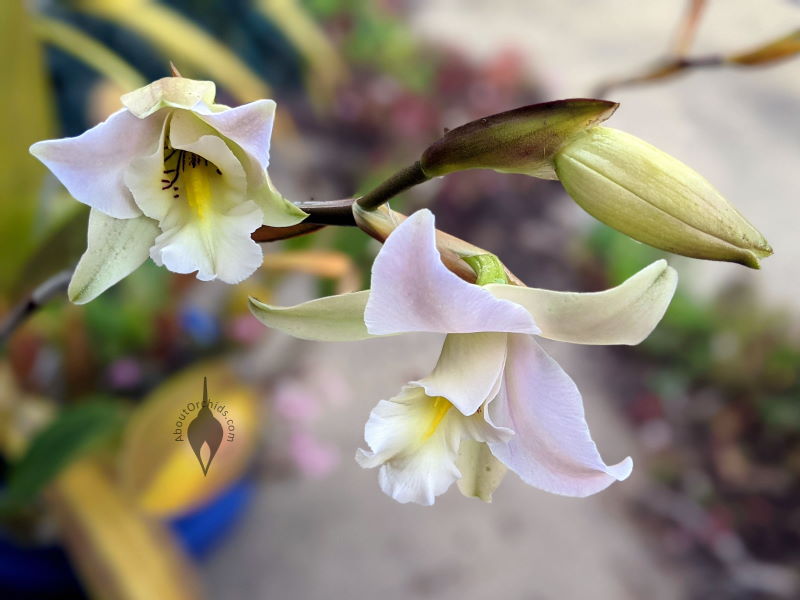
This month, there are a few virtual orchid events, and two in-person events with clear COVID19 precautions.

November 8
Santa Barbara Orchid Estate Silent Auction, Santa Barbara, California (bid by phone, e-mail, fax, or mail; bidding ends Nov. 8th)
November 12 – 16
Orquídeas de Otoño, Asociación Mexicana de Orquideología, Mexico (online with Facebook Live)
November 13 – 14
Carmel Orchid Society Fall Market, Community Church of the Monterey Peninsula, 4590 Carmel Valley Rd., Carmel, California (outdoor event, masks required)
November 15
Manly Warringah Orchid Society Auction, Cromer Community Centre, 150 Fisher Rd., Cromer, NSW, Australia (see link to register if you plan to attend)
November 18 – 19
CaliOrquídeas, Exposición Virtual Internacional, Asociación Vallecaucana de Orquideología, Colombia