Den Phal Orchids

Posted January 23rd, 2015 by Marc Cohen
Categories: Growing, Intermediate Growers, Photos, Watering

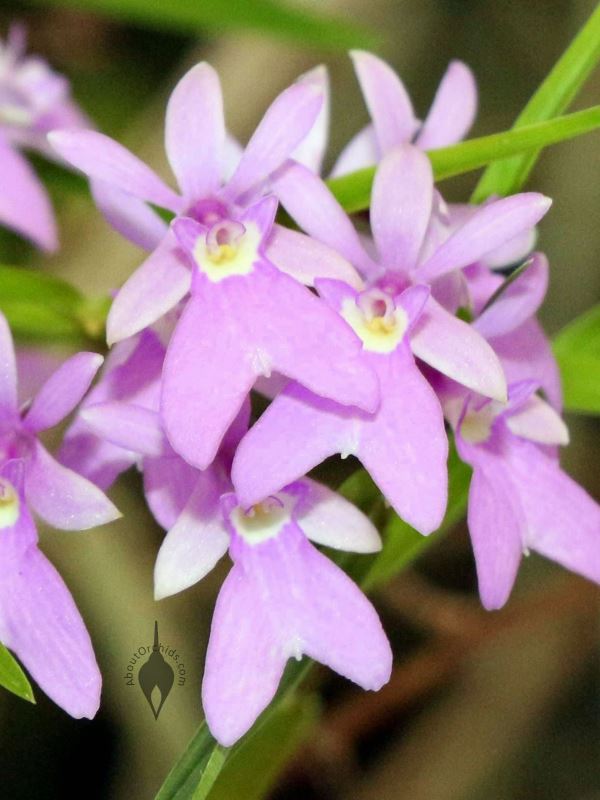
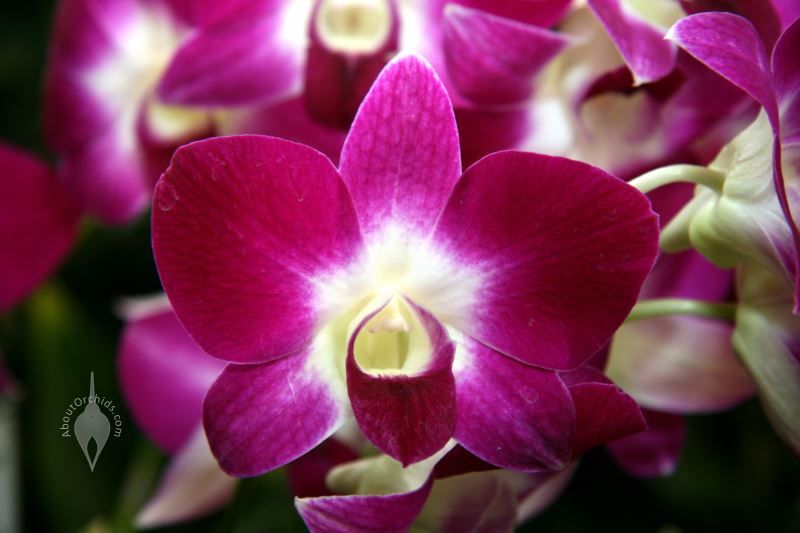
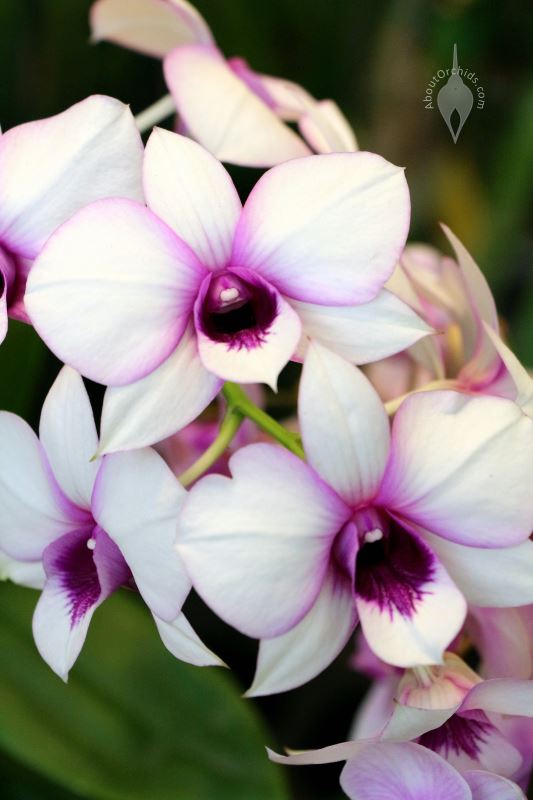
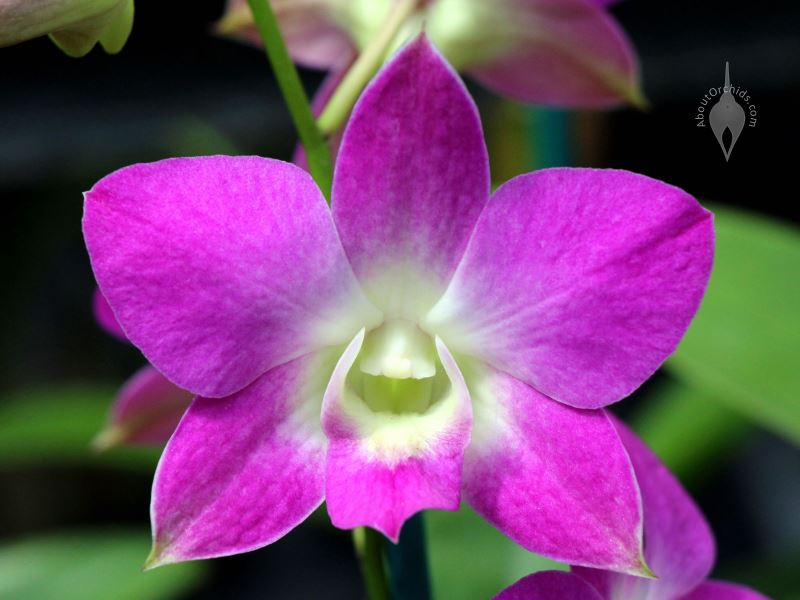
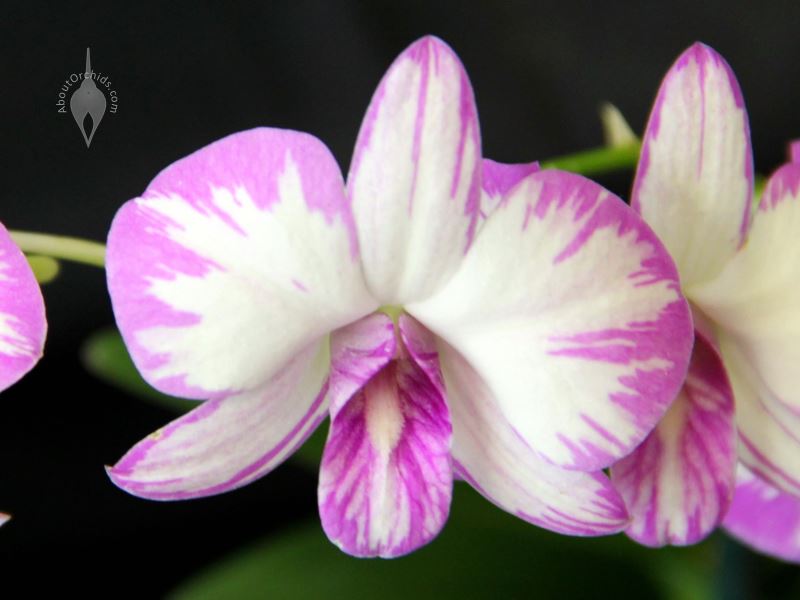
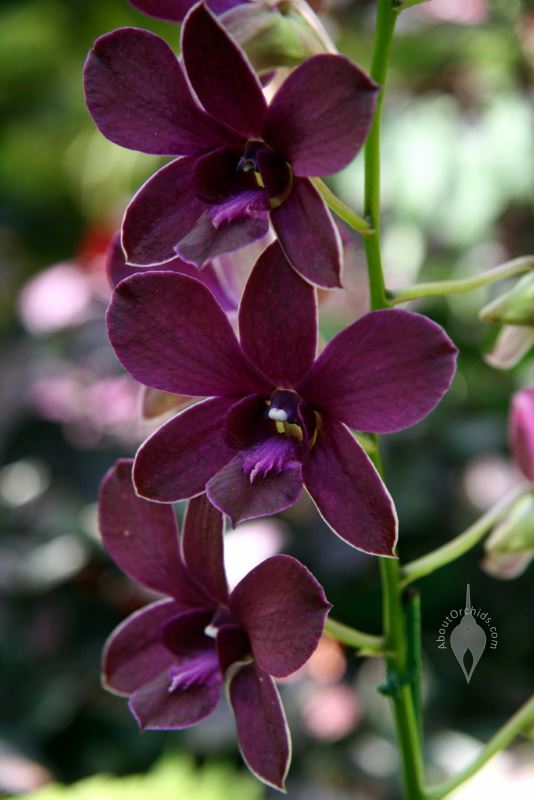
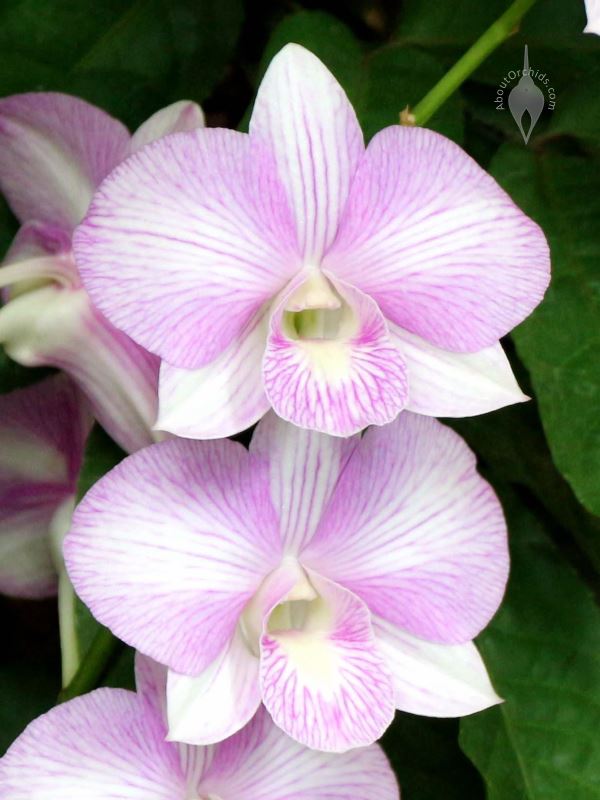
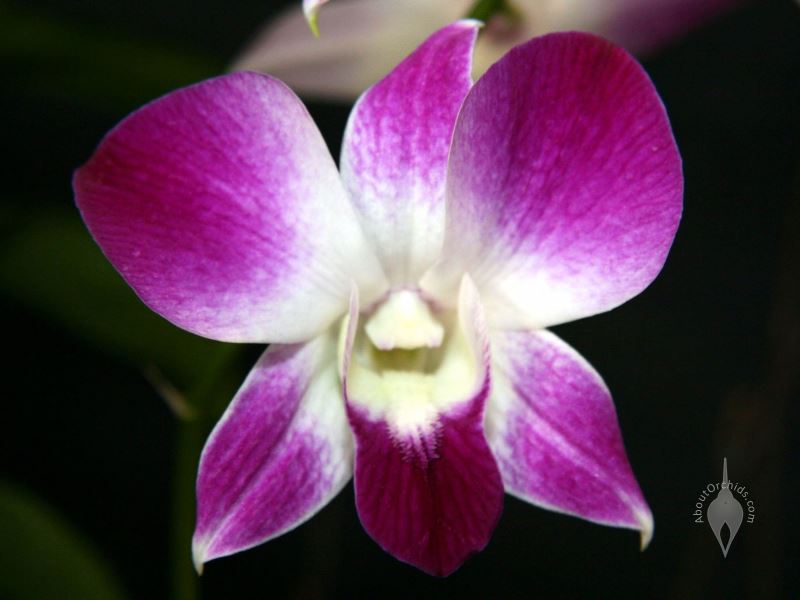
Are they Phals or Dendrobiums?  Den Phals are Dendrobiums, and they’re very popular orchids. Also called Phalaenopsis-type Dendrobiums, or Phalanthe-type Dendrobiums, their confusing names derive from their resemblance to Phal flowers. They represent a small section of the large Dendrobium family, but they’ve become some of the most commonly cultivated varieties.

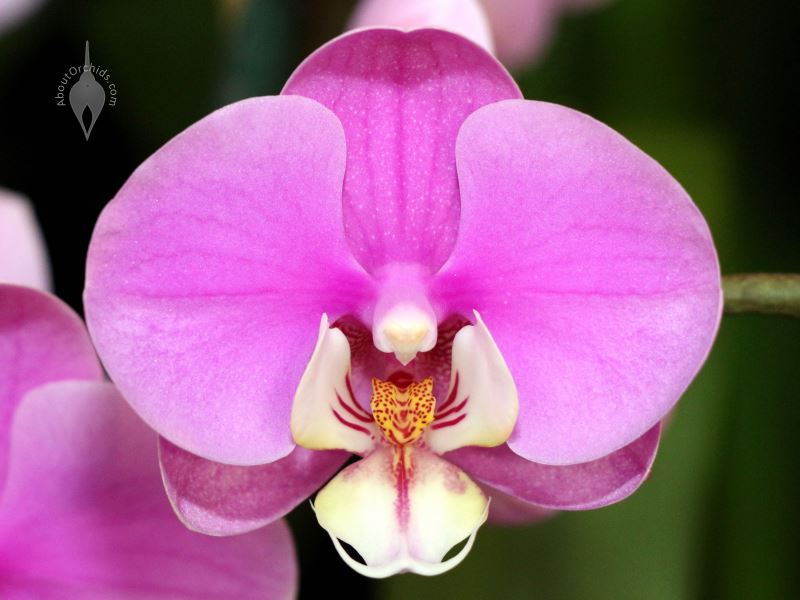
Phalaenopsis-type Dendrobium, purple and white flower, Pacific Orchid Expo 2008, San Francisco, CaliforniaPhalaenopsis-type Dendrobium hybrid, purple and white flowers, Orchids in the Park 2013, San Francisco, CaliforniaPhalaenopsis-type Dendrobium hybrid, pink and white flower, Kawamoto Orchid Nursery, Honolulu, Hawaii

Phalaenopsis-type Dendrobium, Dendrobium Enobi Purple 'Splash', orchid hybrid flower, Orchids in the Park 2012, San Francisco, CaliforniaPhalaenopsis-type Dendrobium hybrid, dark purple flowers, Hawaii Tropical Botanical Garden, Papaikou, HawaiiPhalaenopsis-type Dendrobium hybrid, white flowers with pink stripes, Foster Botanical Garden, Honolulu, Hawaii

Den Phals come in a range of whites, pinks, and purples, and there are even some with green blooms. They’re popular as potted plants. As cut flowers, they’re often used in bouquets, as food garnishes, and to make Hawaiian leis. Their flowers do look similar to Phals, or Moth Orchids, and it can be tough to distinguish them.

Phalaenopsis-type Dendrobium hybrid, white flower, Pacific Orchid Expo 2008, San Francisco, CaliforniaLei made with Phalaenopsis-type Dendrobium hybrid flowers and tuberose flowers, Honolulu, HawaiiPhalaenopsis-type Dendrobium hybrid, purple and white flower, Pacific Orchid Expo 2008, San Francisco, California

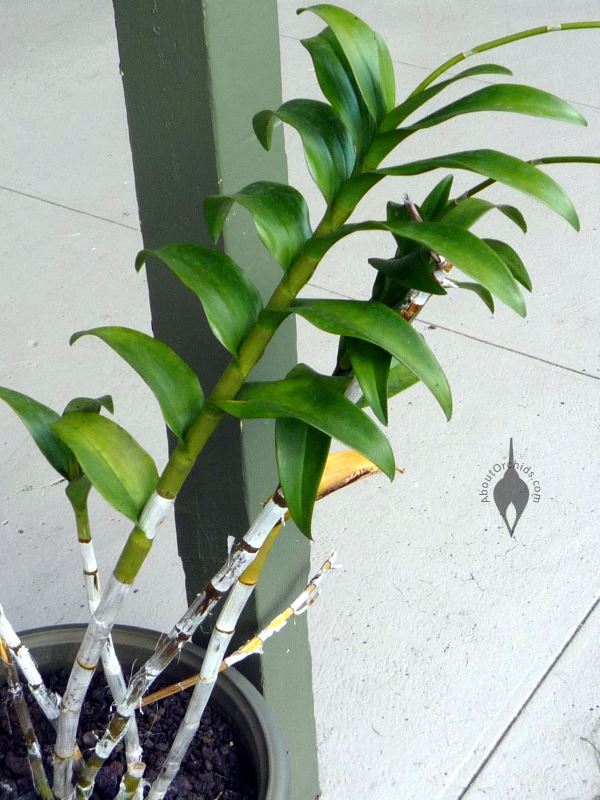
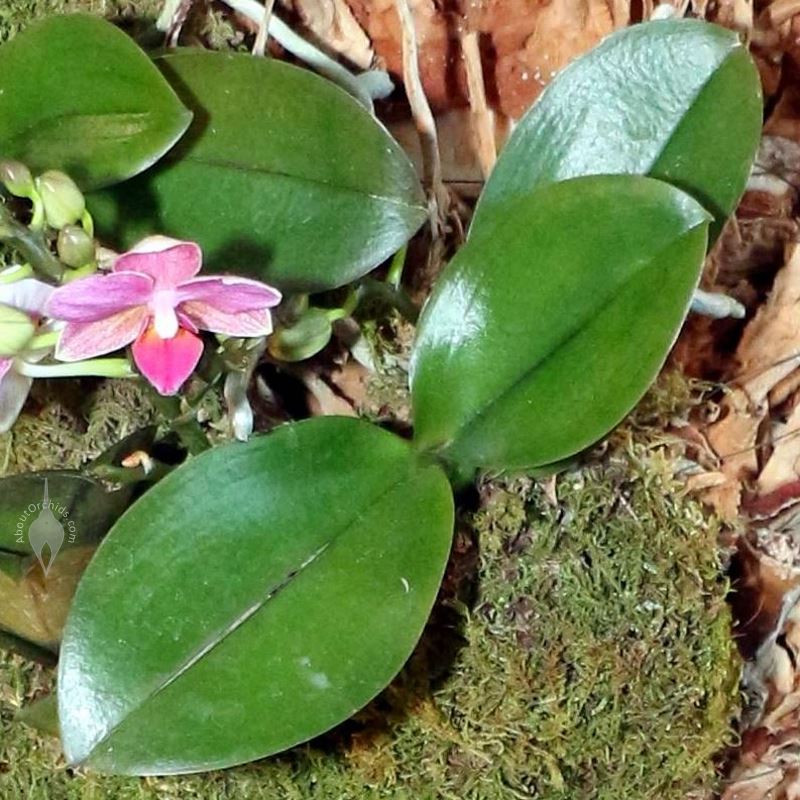
Fortunately, there’s an easy trick to tell Phals from Den Phals. While their flowers may be similar, they have very different plants and leaves. Den Phals grow tall canes, or pseudobulbs, that look like thick stems, and their leaves are narrow and pointed (see the first photo below.)  On the other hand, Phals have broad leaves which are connected at their base, without any central stem (see the middle photo below for Phal leaves, and the final photo for a Phal bloom.)

It’s important to distinguish them because their care needs are different. Den Phals need more sun that Phals, and can handle a wider range of temps. Let Den Phals dry between thorough waterings. They don’t need a dormant period, but growers outside the tropics should cut back water and fertilizer in the lower light and cooler temps of winter. Den Phal flowers can last for weeks, which helps contribute to their popularity.
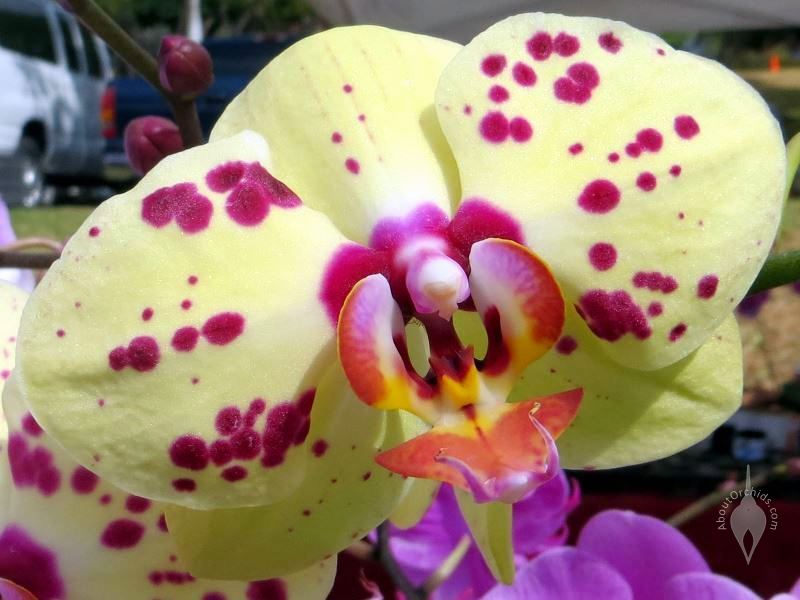
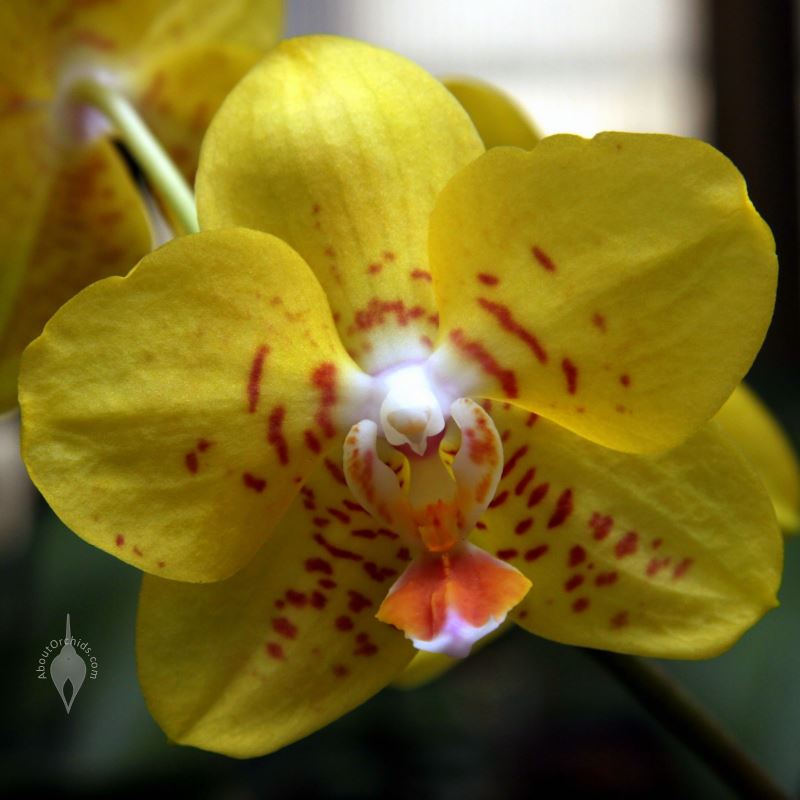
Phalaenopsis-type Dendrobium plant showing leaves and stems (also called canes or pseudobulbs), Kapaau, Big Island of HawaiiPhalaenopsis leaves, Moth Orchid, Pacific Orchid Expo 2014, San Francisco, CaliforniaPhalaenopsis flower, Moth Orchid hybrid, yellow orange and red flower, Orchid Mania Greenhouse, San Francisco, California

Winter Orchid Exhibits

Posted January 16th, 2015 by Marc Cohen
Categories: Botanical Gardens, Events

Many botanical gardens offer extended orchid exhibits over winter. Be sure to take advantage of these great escapes from the cold.
January 9 – February 23
The Denver Botanic Gardens presents its Orchid Showcase. Hundreds of orchids adorn the garden’s fragrant citrus trees. Visitors can enter the garden’s photo contest to win an orchid.

January 10 – March 8
Orchids in the Realm of the Sublime at the Missouri Botanical Garden highlights orchids in oil paintings by Patricia Laspino. In addition to the artwork, real orchids will be on display at the garden from January 31st to March 22nd.

January 10 – April 5
Franklin Park Conservatory warms Columbus, Ohio with Orchids & Botanical Exploration. Tropical displays focus on the history of plant hunters who risked life and limb to discover exotic new species.

January 17 – March 1
In Pittsburgh, Pennsylvania, Phipp’s Conservatory invites you to stroll through its Orchid and Tropical Bonsai Show. Along with gorgeous flowers and plants, the event features artwork and presentations on orchid and bonsai care.

January 17 – March 18
Daniel Stowe Botanical Garden in Belmont, North Carolina brings together Art & Orchids. Flowers paired with an artistic display offer a respite from winter.

January 24 – March 29
Outside Philadelphia, enjoy the exotic, tropical flowers and exquisite arrangements of the Orchid Extravaganza at Longwood Gardens. Young visitors will love OrKid Days activities geared toward children.

Cynorkis: A Mini Orchid from Madagascar

Posted January 13th, 2015 by Marc Cohen
Categories: Dormancy, Intermediate Growers, Mini Orchids, Photos, Warm Growers

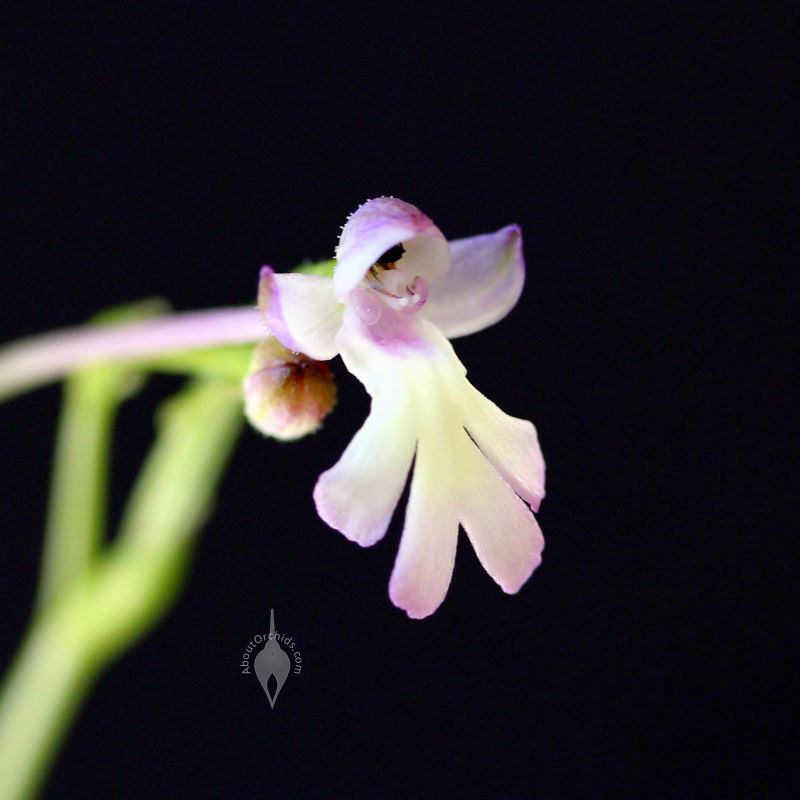
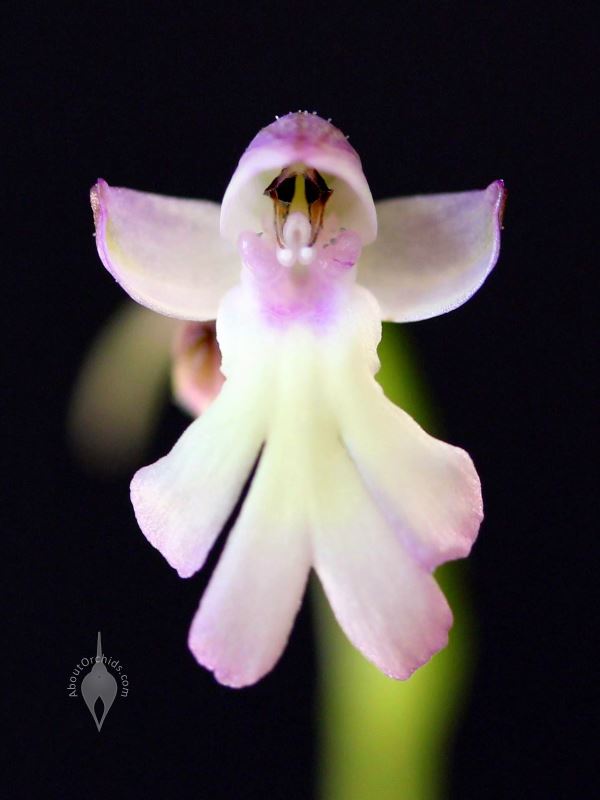
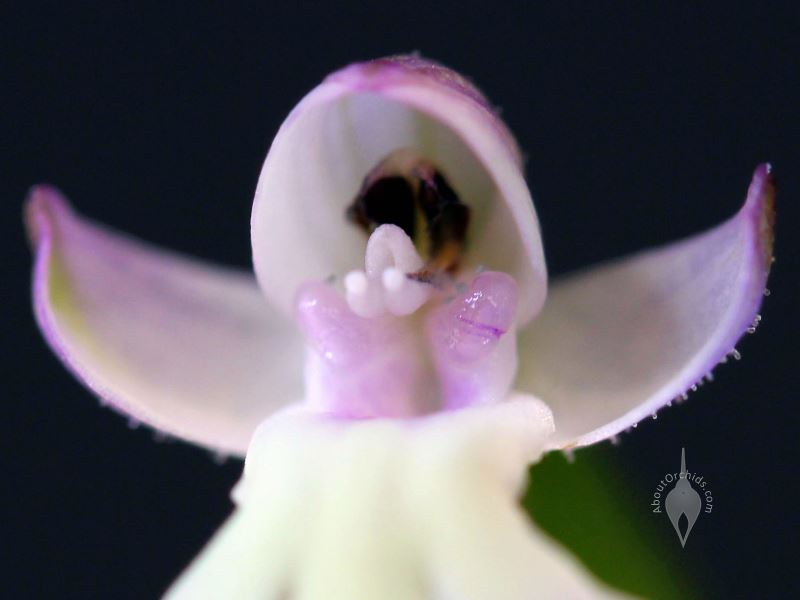
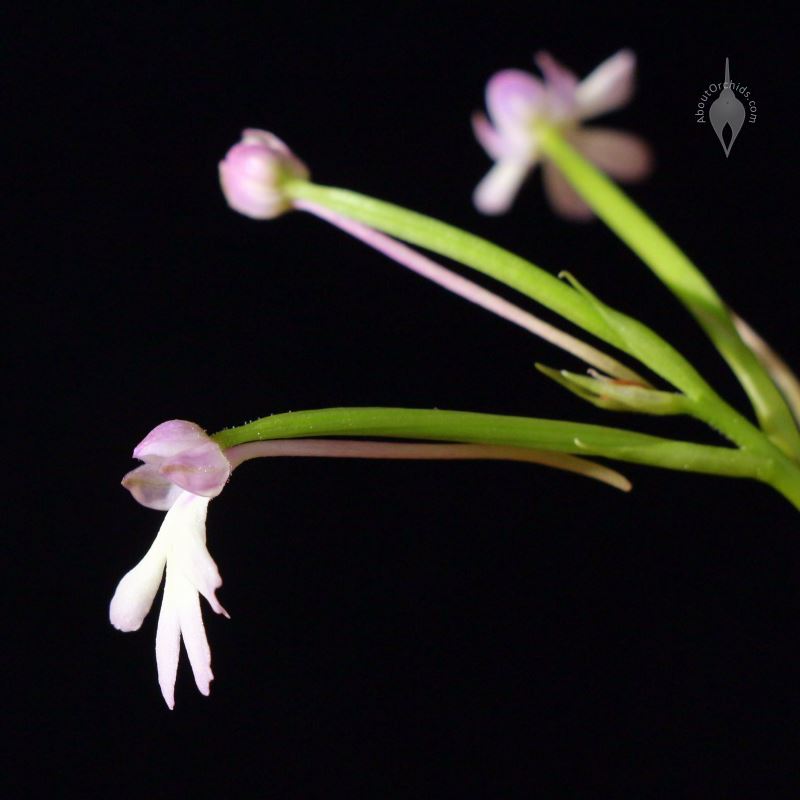
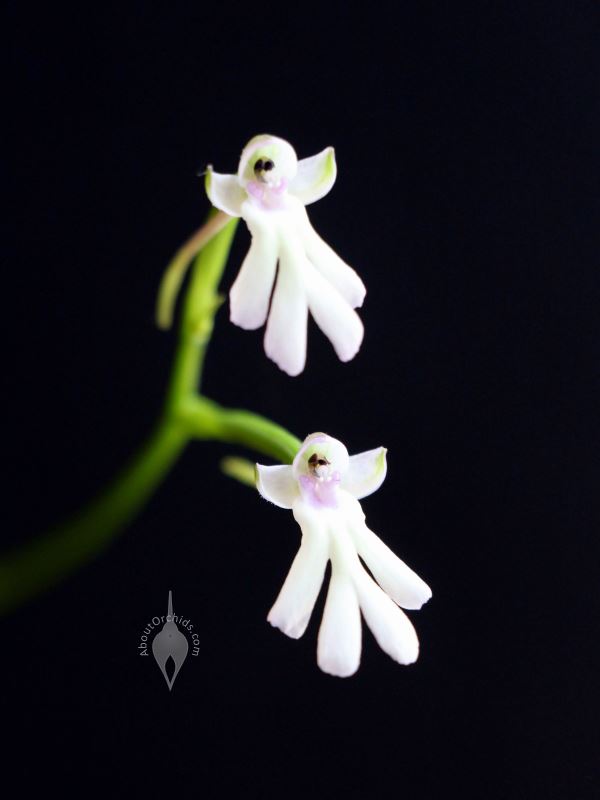
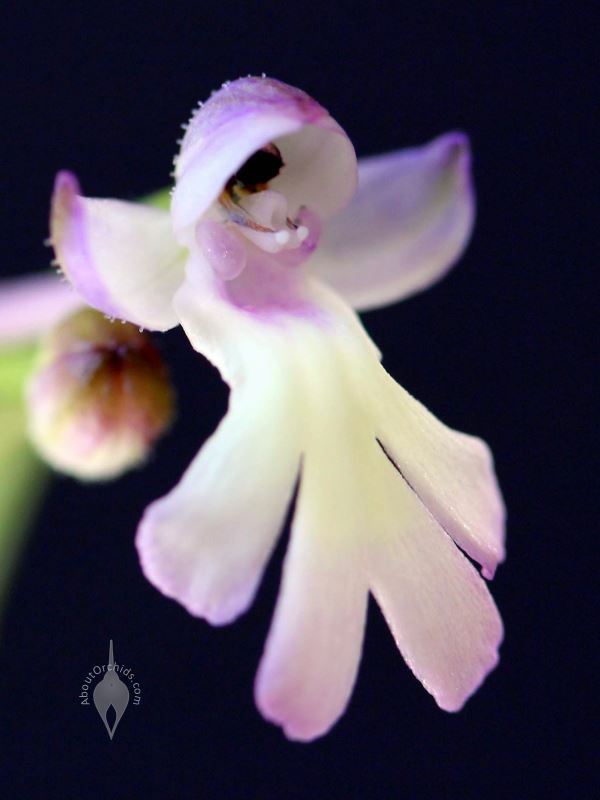
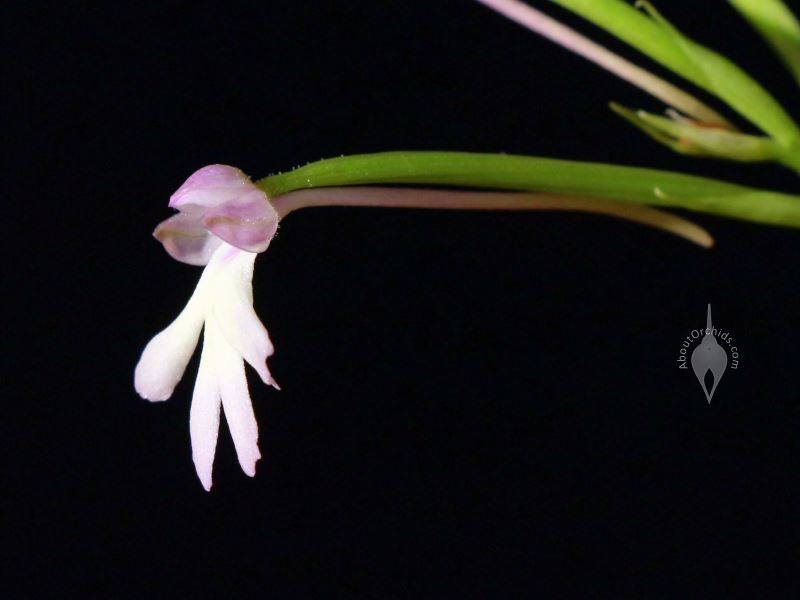
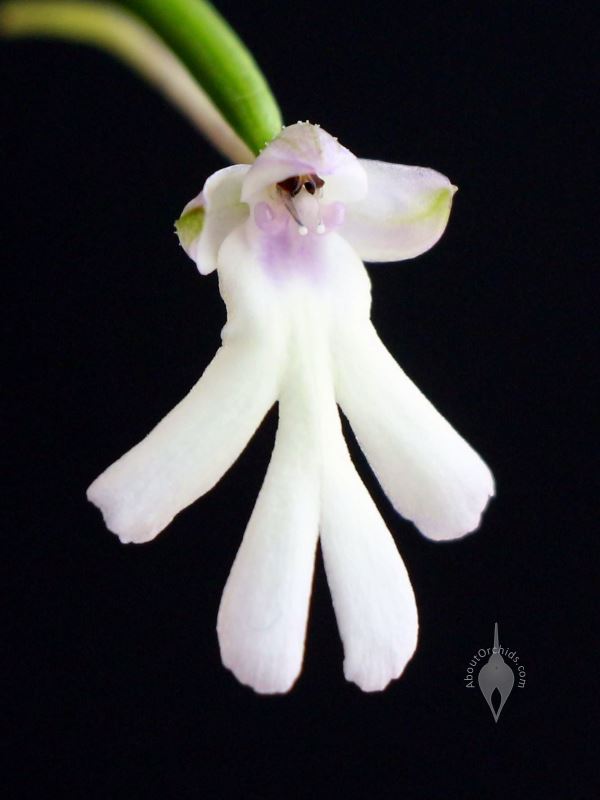
Cynorkis fastigiata is an unusual orchid from some unusual islands. It would be easy to mistake for a couple blades of grass, except for its strange flowers hovering above. This small species is native to Madagascar and nearby islands in the Indian Ocean: the Seychelles, the Comoros, Mauritius, and Reunion.

Cynorkis fastigiata, miniature orchid species, pink and white flower, grown indoors in San FranciscoCynorkis fastigiata, miniature orchid species, pink and white flower, grown indoors in San FranciscoCynorkis fastigiata, miniature orchid species, close up photo of pink and white flower, grown indoors in San Francisco

This species can grow as a terrestrial or an air plant. It needs regular water, high humidity, and warm temps during spring and summer. Cynorkis drops its leaves and goes dormant over winter, but shouldn’t be allowed to dry out. As a confession, I’ll admit that I think I’ve messed up the dormancy period with my plant. It has bloomed twice this year — once in April, and again with fresh leaves and flowers over the past few weeks. It may not survive the winter, but at least we have another set of photos from this bloom. Please keep your fingers crossed for me, and I’ll keep you updated on its progress.

Cynorkis fastigiata, miniature orchid species, pink and white flowers and bud, grown indoors in Pacifica, CaliforniaCynorkis fastigiata, miniature orchid species, pink and white flowers, grown indoors in Pacifica, CaliforniaCynorkis fastigiata, miniature orchid species, side view of pink and white flowers, grown indoors in Pacifica, California

My plant seems to self-pollinate, and every flower forms a seedpod. I suppose that explains its reputation for being invasive in greenhouses. It’s known as one of the few orchid weeds (check out the Bamboo Orchid and the Philippine Ground Orchid for other examples.) So far, mine hasn’t spread to any other nearby pots. If it survives, maybe it will have more chances to earn its weedy reputation.

Cynorkis fastigiata, miniature orchid species, pink and white flower, grown indoors in San FranciscoCynorkis fastigiata, miniature orchid species, side view of pink and white flower showing nectar spur, grown indoors in Pacifica, CaliforniaCynorkis fastigiata, miniature orchid species, pink and white flower, grown indoors in Pacifica, California

Go Orchids

Posted January 7th, 2015 by Marc Cohen
Categories: Botanical Gardens, Conservation, Misc

Have you found an orchid growing in the wild, but can’t identify it? Go Orchids is an excellent online tool to learn about varieties native to the USA and Canada. Courtesy of the North American Orchid Conservation Center (NAOCC,) Go Orchids lets you search by location, by name, or by a series of botanical questions. Their online roster of native orchids is not yet complete, but it’s already a great resource, and more listings are being added soon. There are lots of photos to help with your online search, and also an extensive glossary to assist with the site’s botanical vocabulary.

The NAOCC works to conserve North American orchids by preserving habitats, propagating endangered species, and educating the public about these native plant treasures. This non-profit organization partners with botanical gardens and conservation groups to best combine their resources and knowledge.

Go Orchids can help you identify that wild mystery orchid. Please remember that it is illegal to take native orchids from the wild, and with their specialized growing needs, the plants are unlikely to survive anyway. Do not pick wild orchid flowers, either, or you rob them of any chance to contribute to future generations. If you find orchids in the wild, take only memories and photos, and leave nothing but footprints. And check Go Orchids!

January Orchid Shows

Posted January 1st, 2015 by Marc Cohen
Categories: Botanical Gardens, Events

The new year brings orchid shows to every corner of the world. Especially in cold winter areas, like Massachusetts, Minnesota, and the UK, orchid shows offer a great tropical respite from the season’s chill.

January 3 – 4
Sarasota Orchid Society Show & Sale, Sarasota Municipal Auditorium, 801 N. Tamiami Trail, Sarasota, Florida
January 7
Hinckley & District Orchid Society Plant Auction, Barwell Constitutional Club, 20 Chapel St., Barwell, Leicestershire, UK
January 10
North of England Orchid Society Monthly Meeting & Show, Community Hall, Manchester Rd., Rixton with Glazebrook, Cheshire, UK
January 10 – 11
Camden Haven Orchid Society Show, Laurieton United Services Club, Seymour St., Laurieton, NSW, Australia
January 16
Gold Coast Cymbidium Growers Collectors Auction, San Mateo Garden Center, 605 Parkside Way, San Mateo, California
January 16 – 17
Festival de Orquideas de Guayama, Plaza Guayama, PR #3, Km. 134.7, Guayama, Puerto Rico
January 16 – 18
North Jersey Orchid Society Show & Sale, Strawberry Blossom Home & Garden Center, 1364 State Route 23, North Wayne, New Jersey
January 17 – 18
Tamiami International Orchid Festival, Dade County Fairgrounds Expo Center, Fuchs Pavilion, 10901 Coral Way (SW 24th St.), Miami, Florida
January 17 – 18
Paphiopedilum Guild & World Slipper Orchid Conference, Hilo Hawaiian Hotel, 71 Banyan Dr., Hilo, Hawaii
January 23 – 25
Ft. Lauderdale Orchid Society Show & Sale, NE War Memorial Auditorium, 800 NE 8th St, Ft. Lauderdale, Florida

Read the rest of this post »

Gift Orchid Care

Posted December 28th, 2014 by Marc Cohen
Categories: Growing, Photos

If you’re enjoying a beautiful gift orchid, but wondering how to take care of it, you’ve found the right place. Despite their reputations as difficult plants, orchids are easy. Check the orchid care tips below the photos to learn how to keep your plant happy.

Phalaenopsis flowers and bud, Moth Orchid, Pacific Orchid Expo 2014, San Francisco, California   Phalaenopsis flowers, Moth Orchid hybrid, Pacific Orchid Expo 2014, San Francisco, California   Phalaenopsis flower, Harlequin Moth Orchid hybrid, Pacific Orchid Expo 2014, San Francisco, California

Lady Slipper flowers, Paphiopedilum, Pacific Orchid Expo 2014, San Francisco, California   Trichocentrum bicallosum, orchid species in Oncidium family, yellow flower, Pacific Orchid Expo 2014, San Francisco, California   Epidendrum flower, Pacific Orchid Expo 2014, San Francisco, California

possibly Lycaste lassioglossa, orchid species with brown and yellow flowers, Pacific Orchid Expo 2014, San Francisco, California   Cattleya, purple and white orchid flower, Pacific Orchid Expo 2014, San Francisco, California   Lady Slipper flower, Phragmipedium, Pacific Orchid Expo 2014, San Francisco, California

Identify your orchid –  Different orchids have different care needs, so it helps to know what kind you have. Phals, or Moth Orchids, are the most popular (see three examples of Phals in the first row of photos above.) Other favorites include Cymbidiums, Dendrobiums, Oncidiums, and Lady Slippers.

Light – Place your orchid in bright light. Morning sun is good for most varieties. Some, like Cattleyas and Vandas, need direct sun to bloom again.

Humidity – Orchids hate dry air, which can wilt flowers, damage leaves, and attract pests. Raise humidity by grouping plants together, or placing your orchid in a humid area, like a bathroom or kitchen. To increase humidity, use a cool mist humidifier, or spray leaves regularly with a mister. Another common trick is to balance flowerpots on pebbles in trays of water, always keeping the pots above the water level.

Water – Use room-temperature water to thoroughly soak the roots and the potting material. Let the water drain completely out of the holes in the bottom of the pot. Don’t let the plant sit in water for an extended period. Most orchids can stay a little drier in winter.

The Sun’s Return

Posted December 24th, 2014 by Marc Cohen
Categories: Photos

Please forgive me for being a few days late with my customary solstice post. We traveled to a family celebration in Maryland, and I had no blogging time. Spending a few days in wintry weather, however, reminded me of the warming power of orchids. Nursing a tropical plant though a cold, sun-starved winter can be challenging. But their inspiring, exotic beauty provides a powerful antidote to the cold and grey. Even if you don’t grow orchids yourself, you can still enjoy their warmth in photos like those below. Many orchid books are full of colorful pictures, too. Here’s to the sun’s return!

Phragmipedium dalessandroi x kovachii, Lady Slipper orchid hybrid, Pacific Orchid Expo 2014, San Francisco, California, large bright pink and yellow flowerLaelia nevesiana, mini orchid species, Cattleya family, Orchids in the Park 2014, San Francisco, California, small yellow flowerPhalaenopsis Liodoro, Moth Orchid hybrid, Pacific Orchid Expo 2014, San Francisco, California, pink flower

Habenaria rhodocheila, Orchids in the Park 2014, San Francisco, California, orchid species with orange flowersDoritaenopsis Champion Lightning, Moth Orchid hybrid, Harlequin Phalaenopsis, Pacific Orchid Expo 2013, San Francisco, CaliforniaDracula carderi, orchid species, Conservatory of Flowers, Golden Gate Park, San Francisco, California, orquídea cara de mono, Monkey Face Orchid

Coy Australian Orchids

Posted December 17th, 2014 by Marc Cohen
Categories: In the News, Photos

Koalas and kangaroos are well-known Australian wildlife, but many people don’t realize how many fascinating orchids are also Aussie natives. Australian Geographic showcases some of the most remarkable in “Orchids: The coy seduction.”  Natives like the Sun Orchid, Purple Enamel Orchid, Hammer Orchid, and Giant Spider Orchid are rarely seen outside the country. Check out the article’s great photo gallery with 15 pictures of these very unusual plants from Oz. It’s easy to see that Australia’s orchids are unlike any others in the world.

I’ve also added a few of Dave’s and my photos below, showing even more variety in the Australian orchid family tree. Some of these, like the Phal, Dendrobium, and Sarcochilus, are commonly grown outside the country. Each one has its own magical beauty.

Phaius tankervilleae, orchid species native to Australia, grown at Kawamoto Orchid Nursery, Honolulu, HawaiiPhalaenopsis amabilis, Moth Orchid, orchid species native to Australia, Pacific Orchid Expo 2010, San Francisco, CaliforniaPterostylis erecta, Greenhood, orchid species native to Australia, grown in San Francisco, California 2013

Dendrobium tetragonum, orchid species native to Australia, Pacific Orchid Expo 2012, San Francisco, CaliforniaDendrobium striolatum, aka Dockrillia striolata, Streaked Rock Orchid, orchid species native to Australia, grown outdoors in San Francisco, California 2013Sarcochilus hartmannii, orchid species native to Australia, grown outdoors in San Francisco, California 2010

Orchid Books

Posted December 12th, 2014 by Marc Cohen
Categories: Books, Botanical Gardens

Worried that a gift orchid might freeze its blooms off? Give an orchid book instead! Orchid books are full of gorgeous flowers, make great holiday presents, and don’t need water or fertilizer. Check out the five popular examples below:

Growing Windowsill Orchids
Master experts from Kew Gardens share their orchid success tips. Short but thorough, with wonderful photos and clear-cut illustrations, this is one of my favorite books for orchid beginners.

The Orchid Whisperer: Expert Secrets for Growing Beautiful Orchids
This book shares practical advice to grow like the pros, and includes lots of colorful photos.

Orchids for Every Home: The Beginner’s Guide to Growing Beautiful, Easy-Care Orchids
From renowned orchid authors Brian and Wilma Rittershausen, this book offers beautiful pictures and good info for beginners.

Orchids
This stunning coffee table book showcases orchid beauty with master photography.

The Marie Selby Botanical Gardens Illustrated Dictionary of Orchid Genera
One of Florida’s best known botanical gardens has put its expertise into this massive work. The book is a comprehensive reference guide to the vast orchid family, with great photos and illustrations.

How the Cymbidium Industry Came to Santa Barbara

Posted December 6th, 2014 by Marc Cohen
Categories: Cool Growers, In the News

The next Santa Barbara International Orchid Show will recall how World War II turned the area into an orchid haven. England was the world’s leading Cymbidium grower before World War II. During the war, the UK’s valuable plants were threatened by aerial bombings and fuel shortages. To help save them, orchid enthusiasts in California purchased and imported many English Cymbidium collections. They thrived in the mild climate and relative safety of Santa Barbara. After the war, those rescued British plants became parents of American hybrids, which helped spur growth of Santa Barbara’s orchid industries.  “It turns out that as an unintended consequence of World War II, the center of the orchid world shifted to America.” Santa Barbara now grows more orchids than any other region in the USA, and is renowned for Cymbidiums. It’s home to numerous companies like the Santa Barbara Orchid Estate. Next March, the 70th Santa Barbara International Orchid Show will salute this lucky break for Southern California.