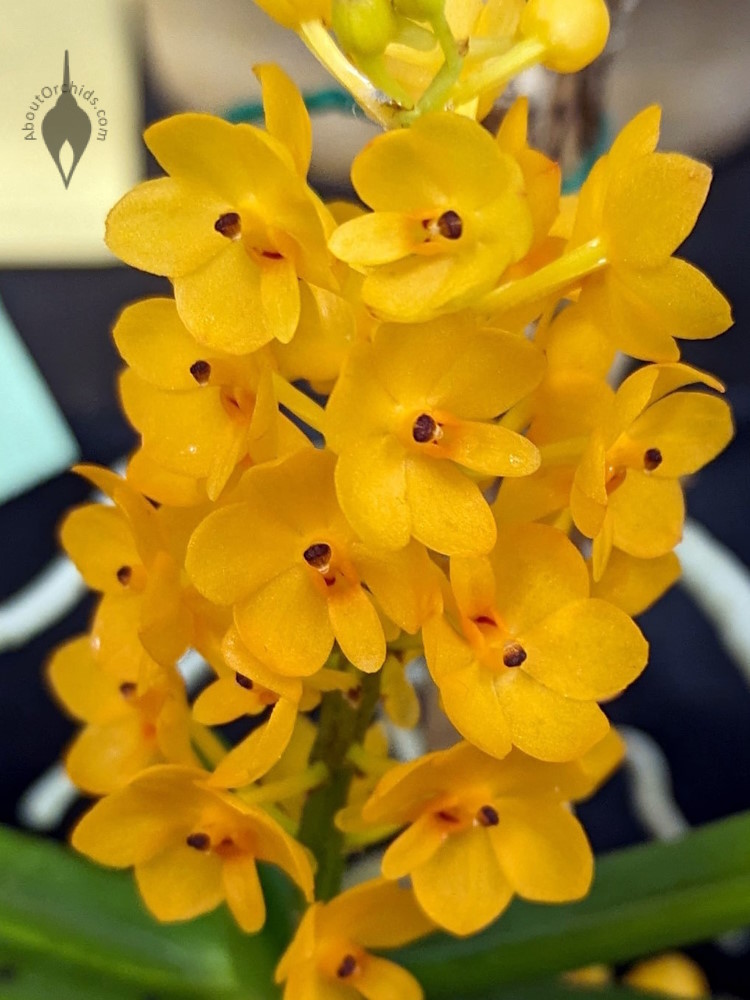
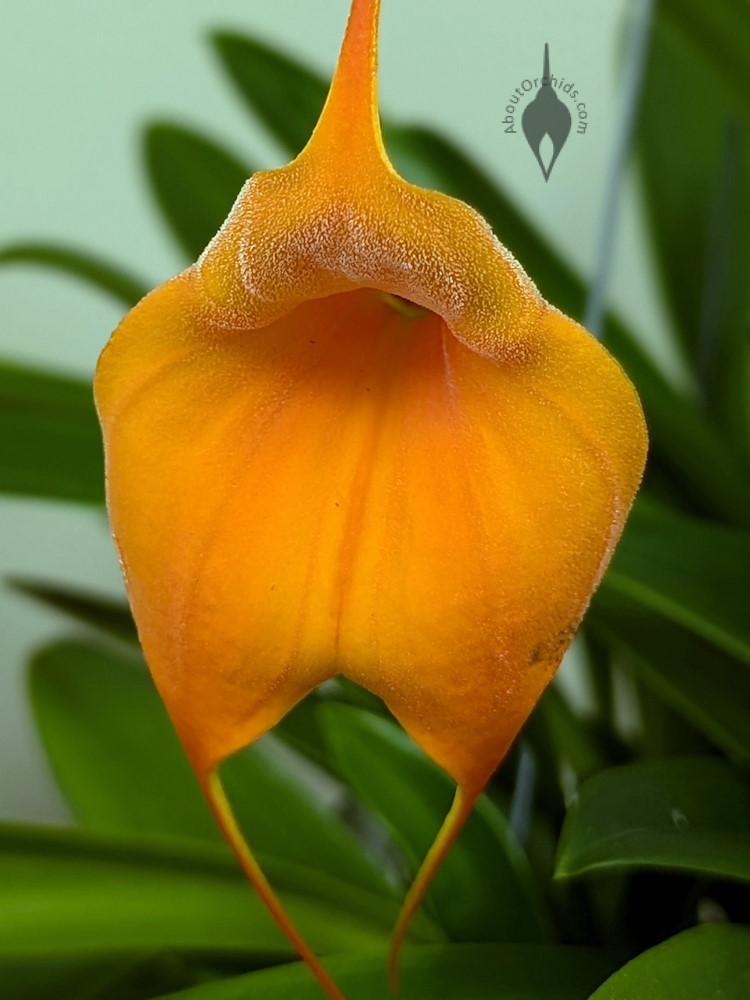
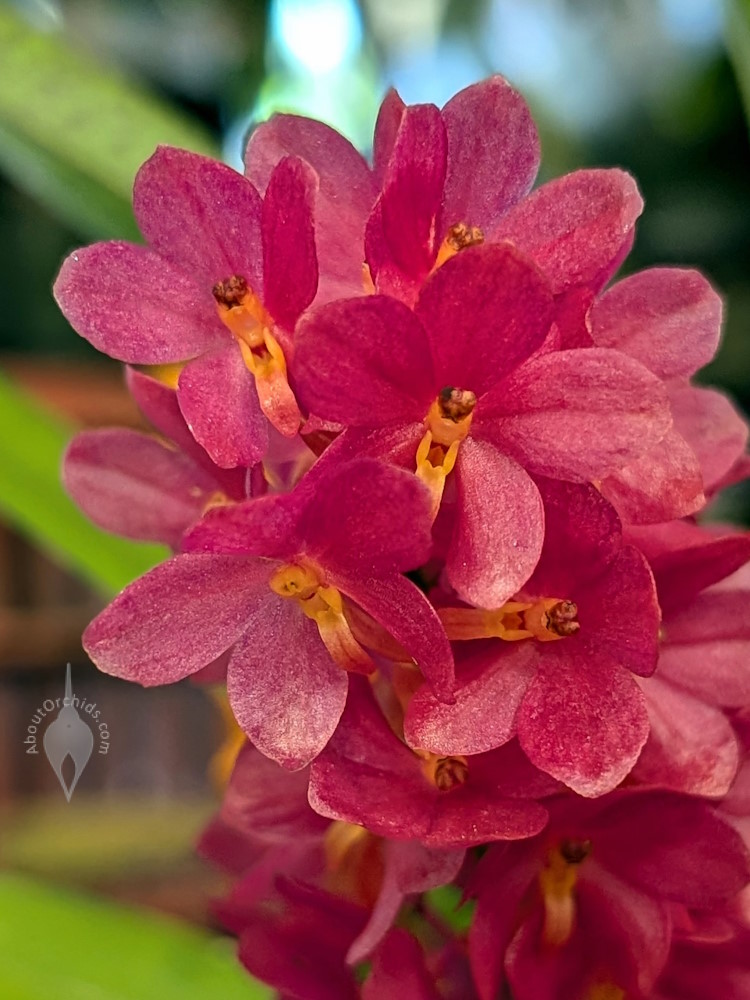
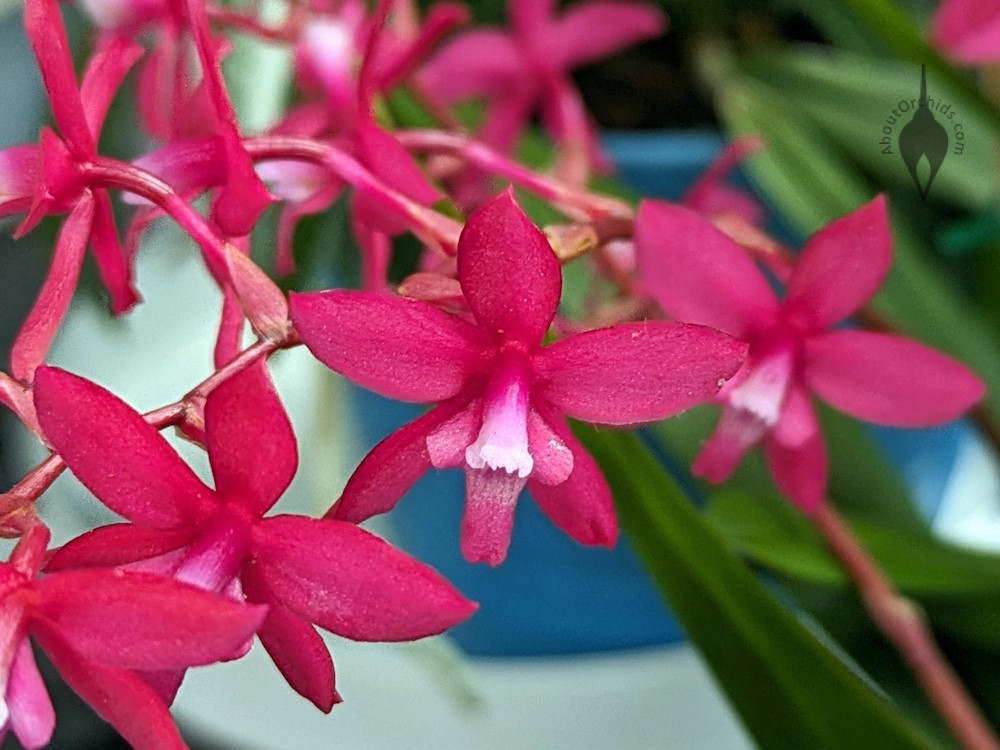
April Orchid Events
Posted April 1st, 2024 by Marc CohenCategories: Events
From Singapore to San Diego to Saskatoon, orchid lovers are busy this month. Check out these events happening around the globe.
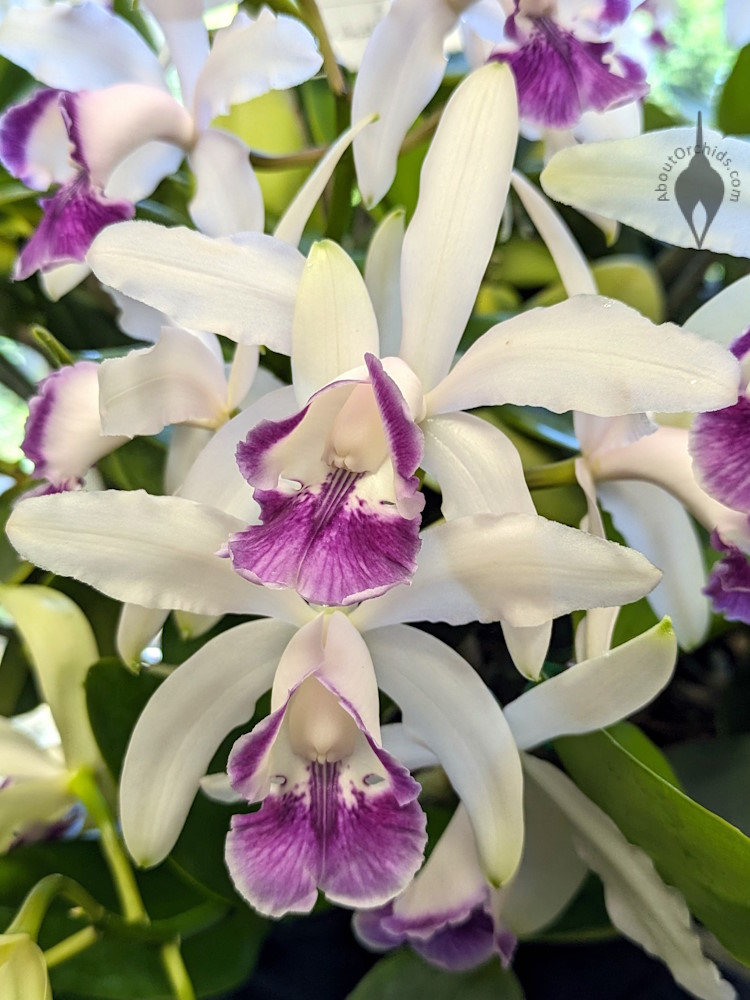
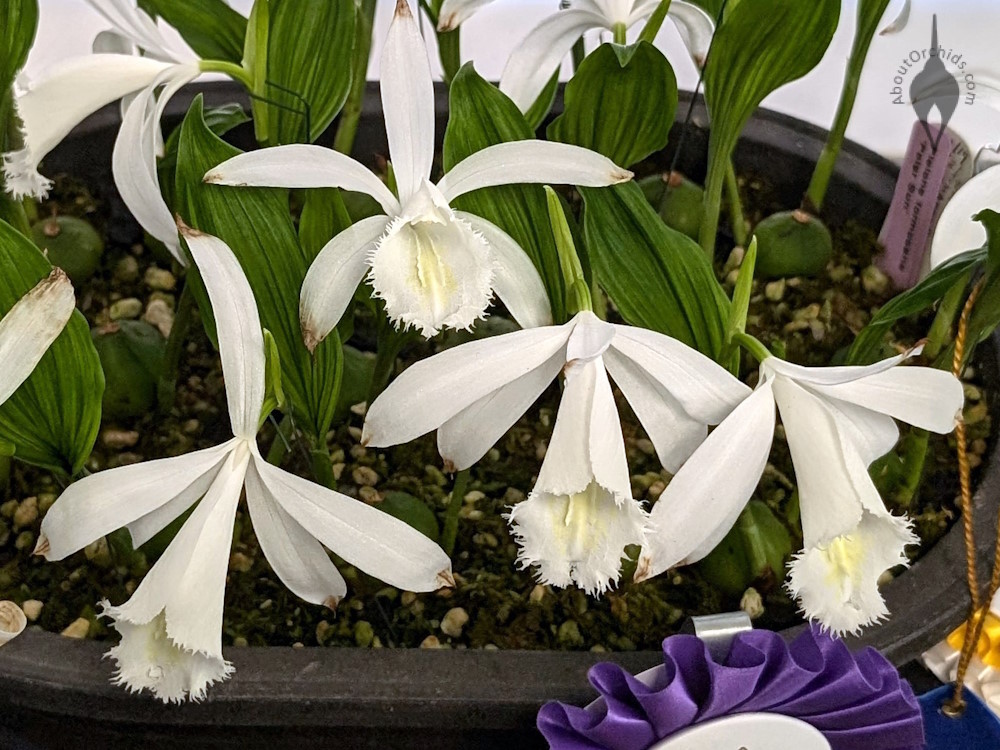
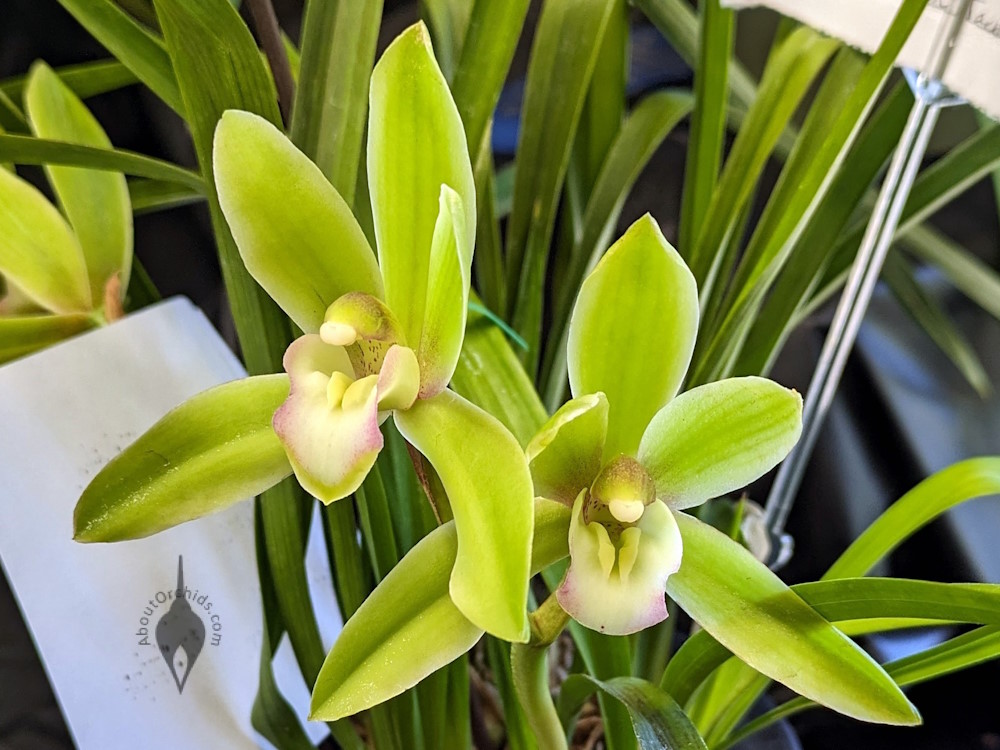
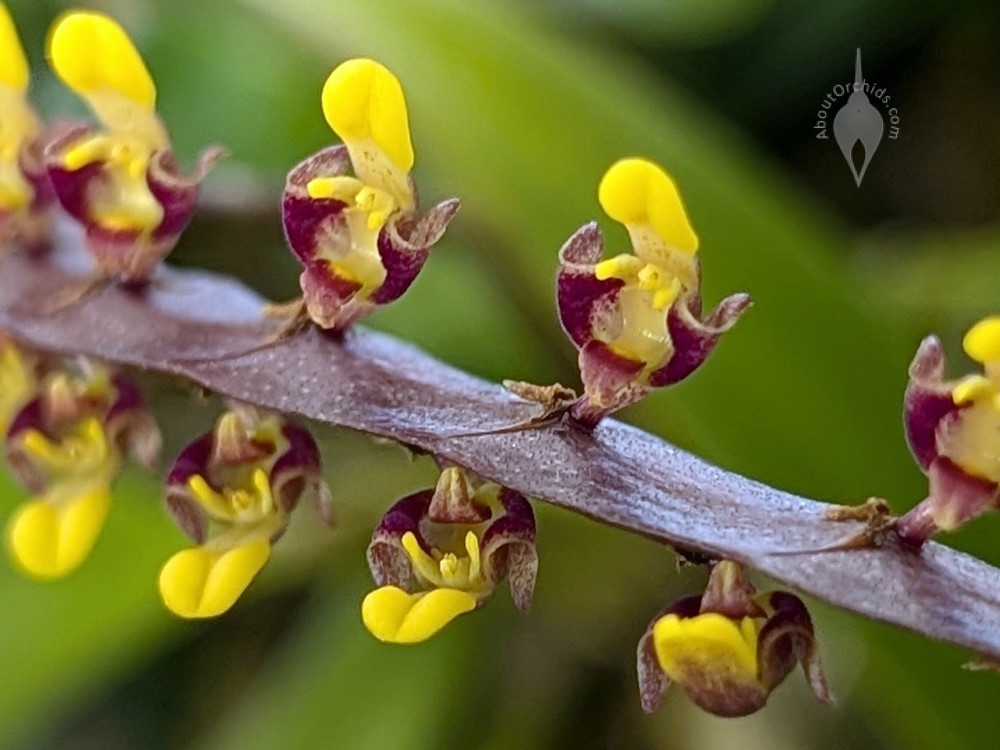
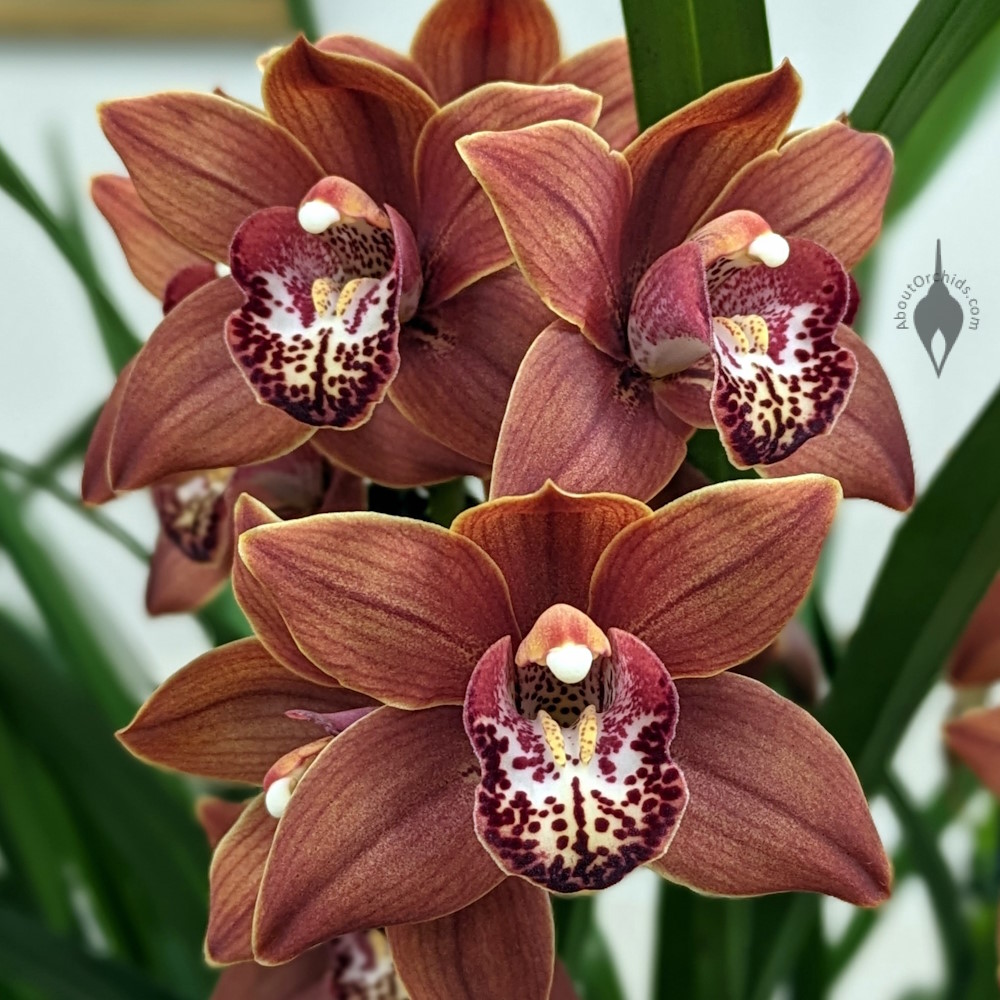
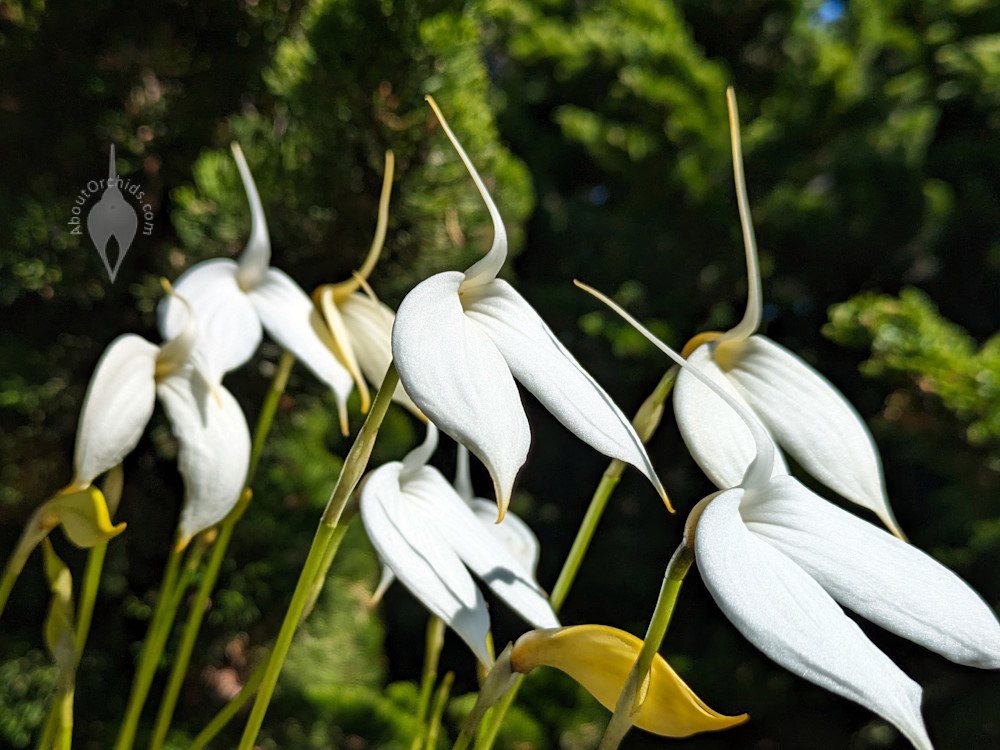
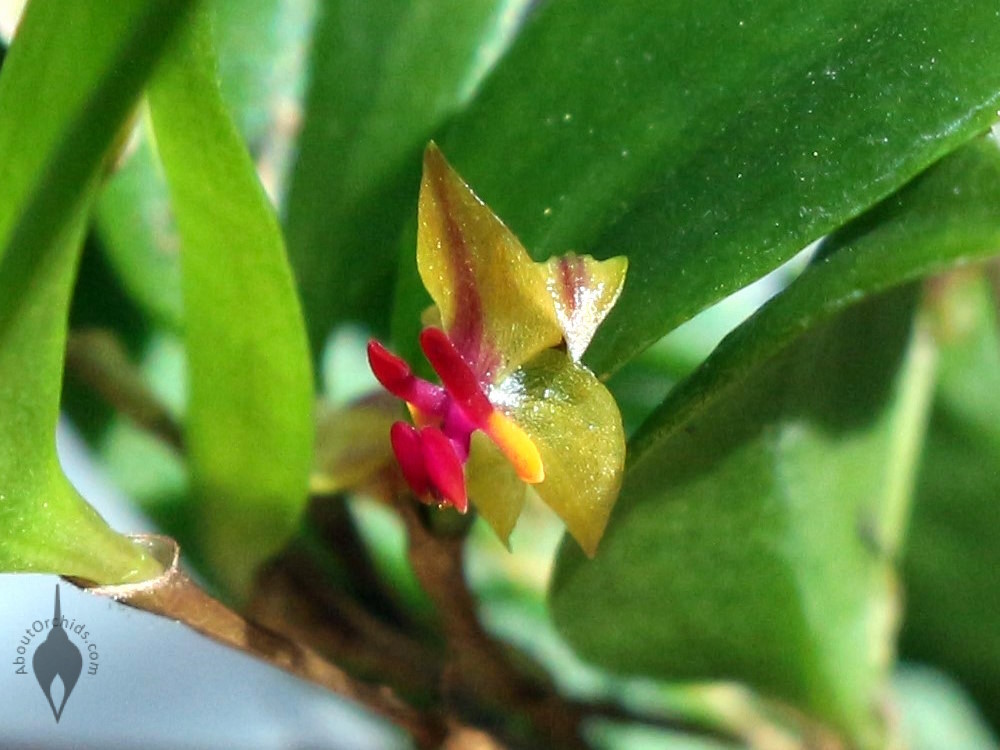
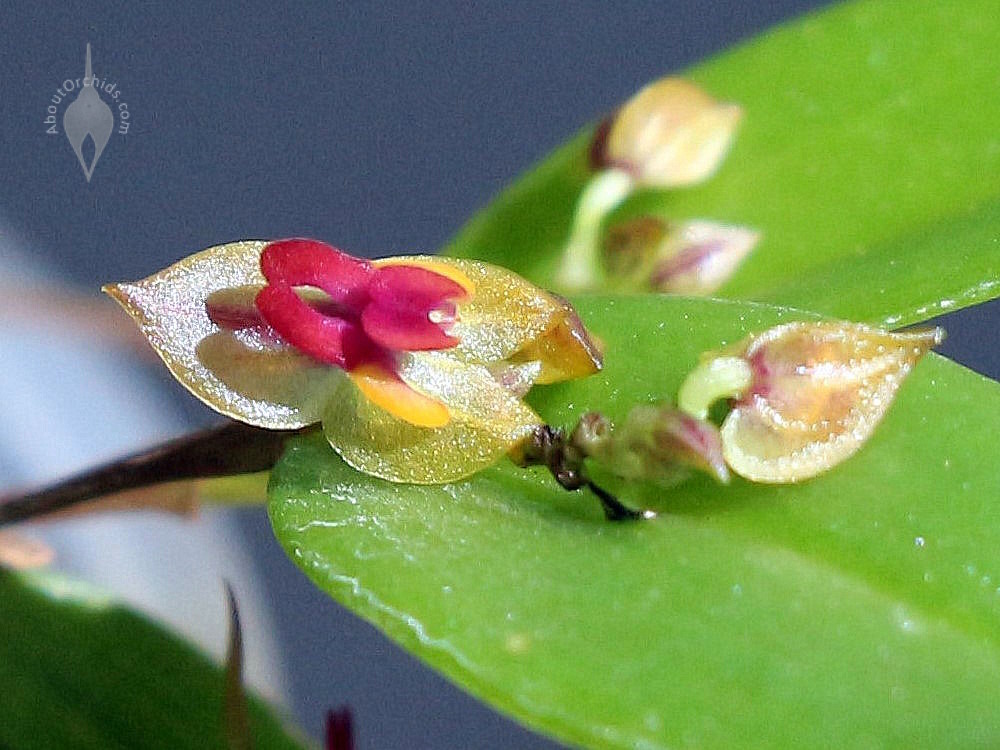
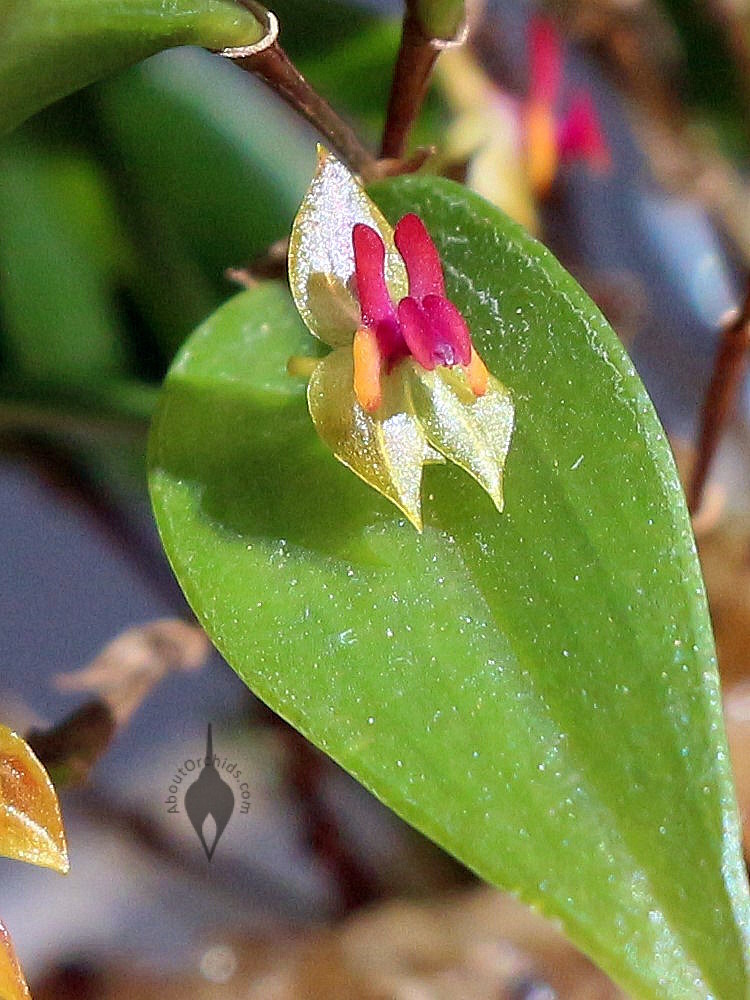
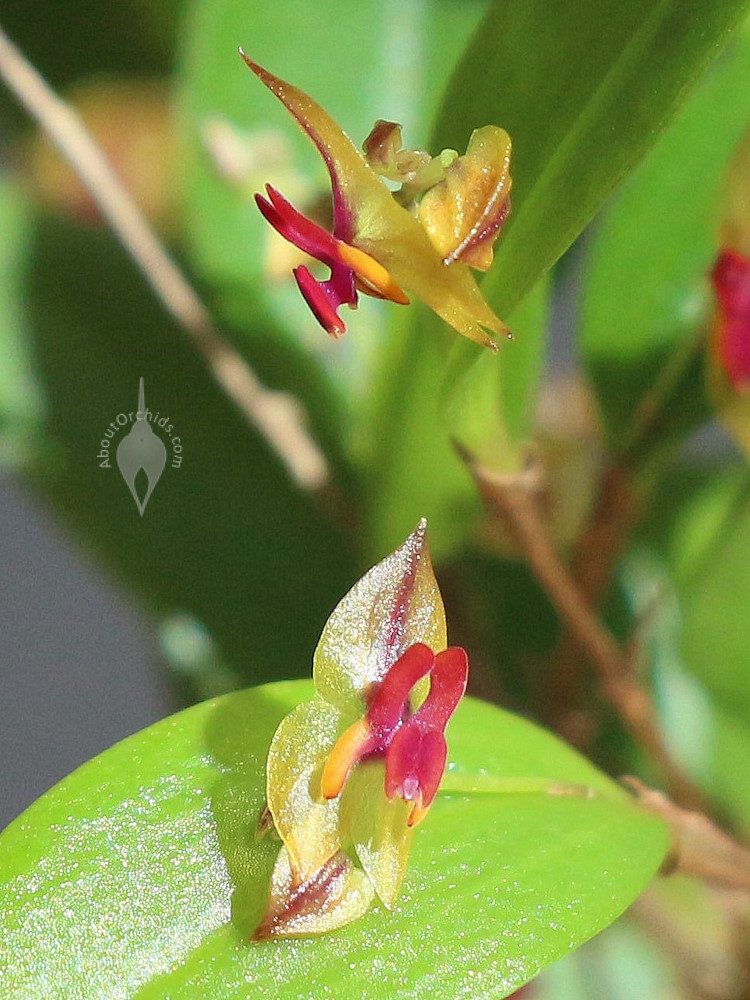
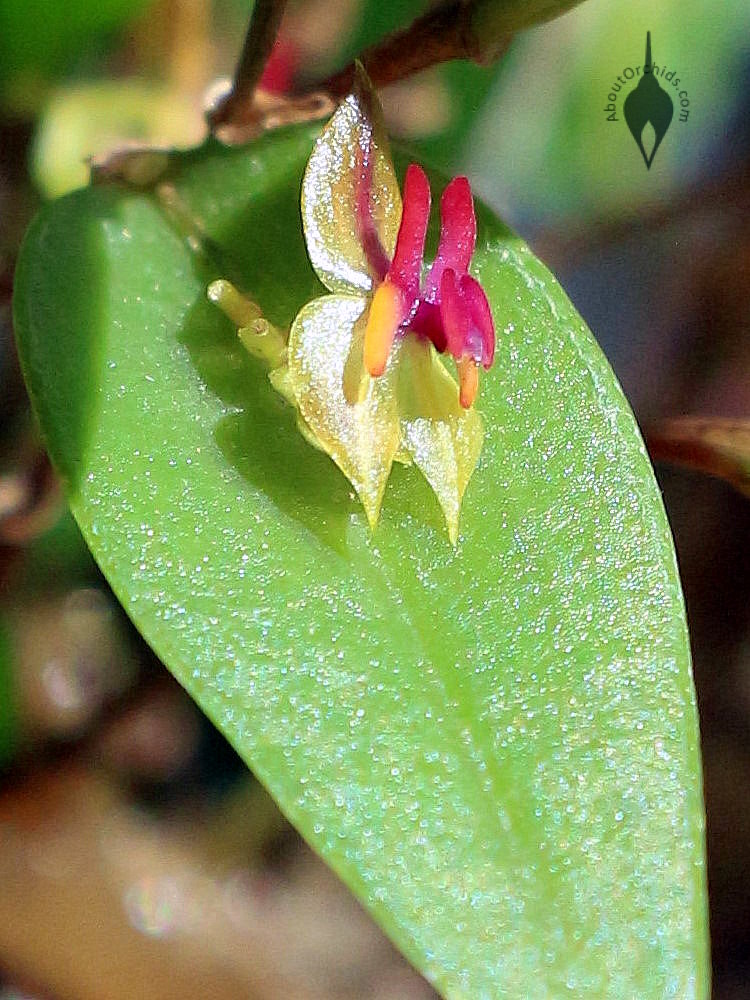
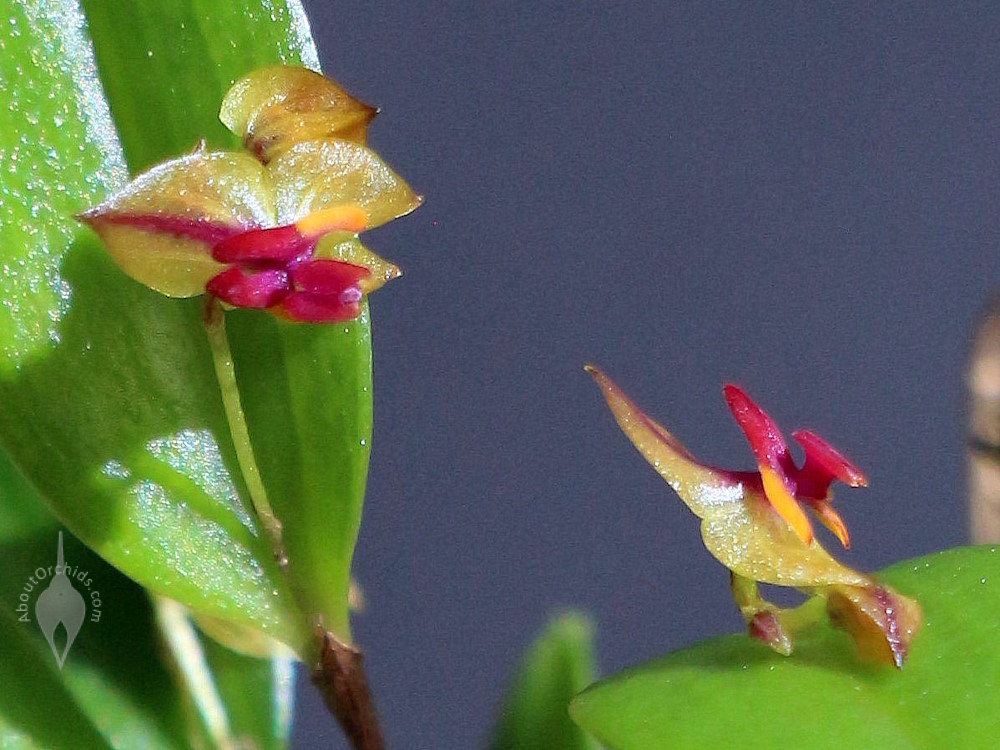
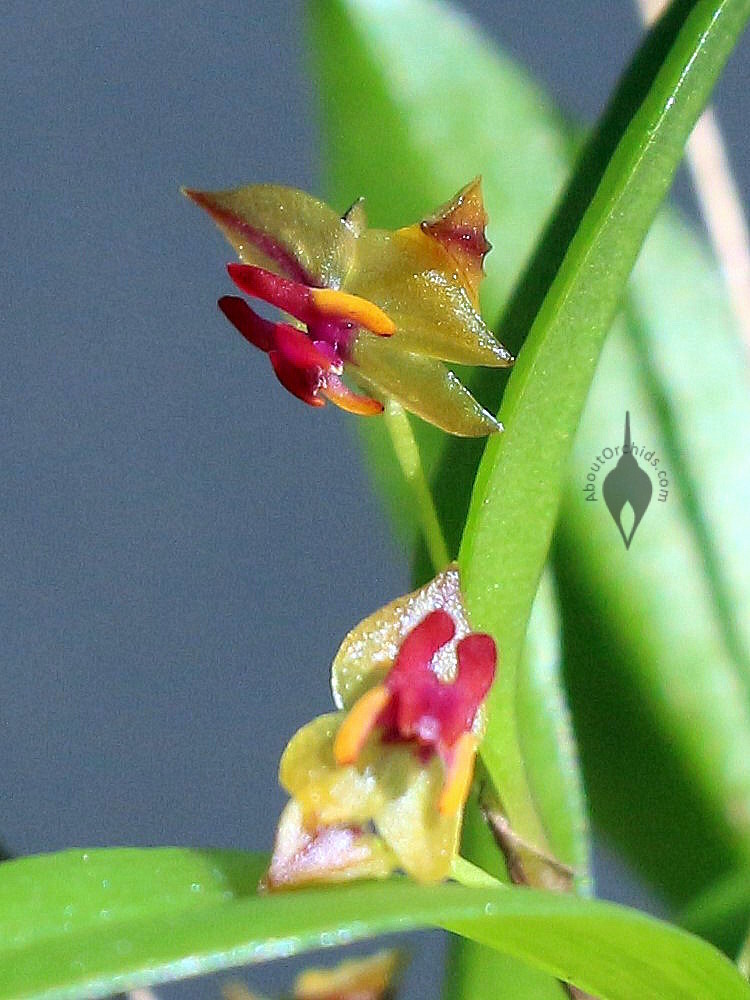
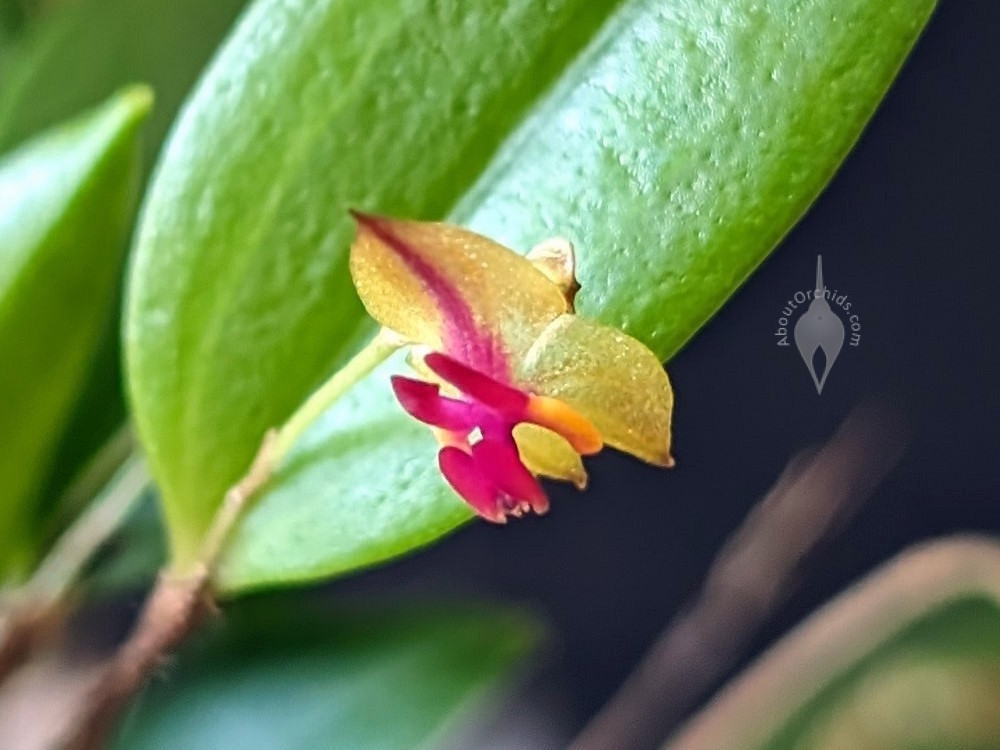
As spring begins today, these orchids have been flowering in our garden over the winter. Regular readers of this blog won’t be surprised that this post is heavy on the Cymbidiums, which are in the six photos below. The non-Cymbidiums in the six photos above include a Zygo, a Laelia, an Epidendrum, a Giant Hyacinth Orchid, and two pleurothallids.
Fortunately, winter brought frequent rains, enough to keep Northern California out of drought. There were some big storms, but none too bad, and it wasn’t too cold. Our rainy season isn’t done yet, so those things are still a possibility. For now, I’ll enjoy these great blooms, and look forward to more on the way. Happy Equinox.
By the time I leave an orchid show, like last month’s Pacific Orchid Expo, I’m on orchid overload. Sorting through our photos, I find fascinating details I hadn’t noticed, and I’m even more amazed. Brilliant colors, showy flowers, and strange shapes reveal themselves. And there are always new hybrids, and species I’ve never seen before. Enjoy these orchids, and check back again for more finds from this year’s show.
It’s no surprise to find big orchid events in places like Santa Barbara, Tampa, Philadelphia, Montreal, Dresden, and Tokyo. But there are also smaller shows in unexpected places like Alberta, Manitoba, and Estonia. Orchids are truly beloved around the globe.
San Francisco’s Pacific Orchid Expo is always spectacular, and this past weekend’s event did not disappoint. It was full of stunning flowers, and the eager visitors included a few old friends. We all enjoyed the exhibits, the awarded orchids, and the sales area. Among the vibrant colors, there was a purple Dendrobium with an FCC, which is a top award. It’s shown in the first photo of the second row. The picture after that has a remarkable Catasetum hybrid with some of the blackest orchids I’ve ever seen. The final row of photos features three exhibit tables out of the dozens there, each full of botanical wonders. Check back soon for more from the show.
The 71st Annual Pacific Orchid Expo runs from this Friday, February 16th through Sunday, February 18th, with a special preview night on Thursday, February 15th. It happens at the Hall of Flowers in Golden Gate Park, at 9th Avenue and Lincoln Way, in San Francisco. Tickets are available in advance for a discount, or at the door. It’s always a spectacular show, with great vendors, expert care demos, activities for kids, and more. These photos from last year’s event offer just a taste of the orchid wonders to expect. Don’t miss it!
Vanilla is one of the world’s favorite and costliest flavorings, but many don’t know that it comes from an orchid. Considering this, it’s no surprise that most people aren’t aware of the deeper history of these fragrant, cured seedpods. Vanilla’s roots as a valuable food go back to Mexico’s ancient Totonacs and Aztecs, who harvested seedpods from wild plants. Europeans were captivated by vanilla, and tried to cultivate it in their tropical colonies. They found they could get the vines to grow and bloom, but not to fruit. I’ve blogged before about Edmond Albius, an enslaved child who was the first to figure out how to pollinate vanilla flowers by hand. His discovery was a breakthrough in the creation of the modern, global, natural vanilla industry. Albius’ ingenuity helped make vanilla an essential ingredient in foods, perfumes, and medicines. Sadly, he died in poverty.
February is a busy orchid month. Of course, I’m most excited about San Francisco’s Pacific Orchid Expo, but there’s plenty more on offer. The world’s largest orchid show takes place in Tokyo, and the 23rd World Orchid Conference happens in Taiwan, along with the Taiwan International Orchid Show. There are also long-term exhibits in New York City, London, and Paris.
Pansy Orchids, or Miltoniopsis, have brilliant colors, sweet scents, and delightful waterfalls. This popular genus resembles pansies, and features pink, yellow, red, purple, or white blooms. Colorful patterns on their flower lips appear to flow downwards, and are called waterfalls.
There’s lots of confusion between Miltoniopsis and Miltonia. Miltonias are a closely related genus, requiring warmer temps, less water, and brighter light. Miltoniopsis were called Miltonias until the 1970’s, and many hybrids have their old names. They’re often mistaken for Miltonias, and sometimes mislabeled. There are almost certainly old mislabeled photos on this website, although I hope I’ve learned better, and get them right nowadays.
Pansy Orchids are native to high elevations in the Andes and mountains of Central America. They need regular water, high humidity, and bright light, but no direct sun. Always keep them below 80°F (26.7°C,) with cooler nights down to 55°F (12.8°C.) They sulk in hot weather. Water less during winter dormancy, but maintain good humidity and air movement. Their thin leaves are notorious for wrinkling if they don’t get enough water. Looking like accordion folds or fan pleats, they don’t straighten out, even after watering is fixed. Underwatering may be the cause, but overwatering can make orchid roots rot. This ruins the plant’s ability to take up moisture, resulting in the same wrinkled leaves as underwatering.
Colorful drops and splashes create Pansy Orchid waterfalls. Their patterns may be symmetrical or irregular, setting yellow and white hues against bold purples and pinks. They’re spectacular orchid artistry.
Like all living organisms, orchids adapt to survive. An orchid arrived on a remote island, without the bumblebee species which pollinates it. Goodyera henryi lives in parts of east Asia, including the Japanese mainland. When it reached Kozu Island, it might have died out without reproducing. However, Goodyera similis, a closely related species, also lives on the island, along with its wasp pollinator. The wasps managed to cross-fertilize the new arrival. This created a hybrid, which looks similar to Goodyera henryi, but has a slightly different flower shape that accommodates wasps. Kobe University researchers were surprised to find the natural hybrid when they ran a genetic analysis. The discovery can help scientists understand how plants evolve in changing circumstances. If pollinators like bees become extinct, orchids may be able to adapt and survive. Be sure to click on the informative graphic at the top of the article.