More from Orchids in the Park 2012

Posted September 29th, 2012 by Marc Cohen
Categories: Events, Growing Orchids in San Francisco, Photos

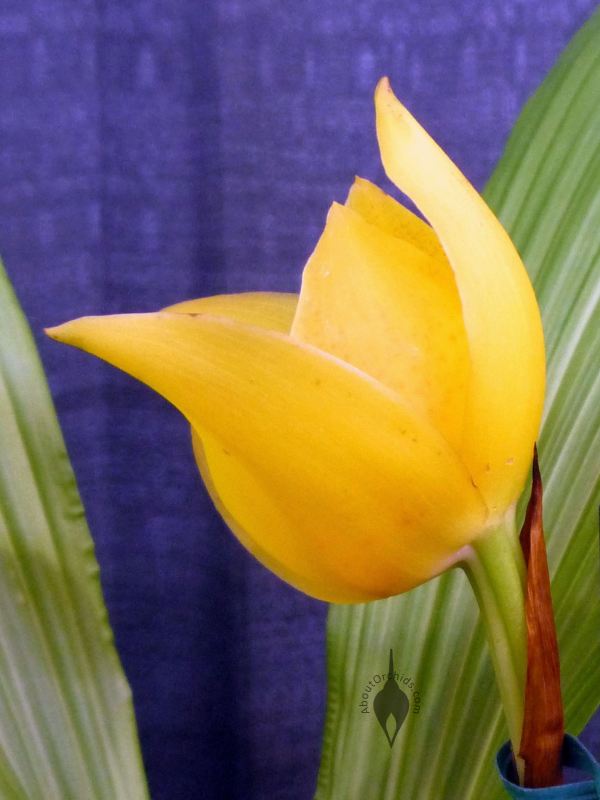
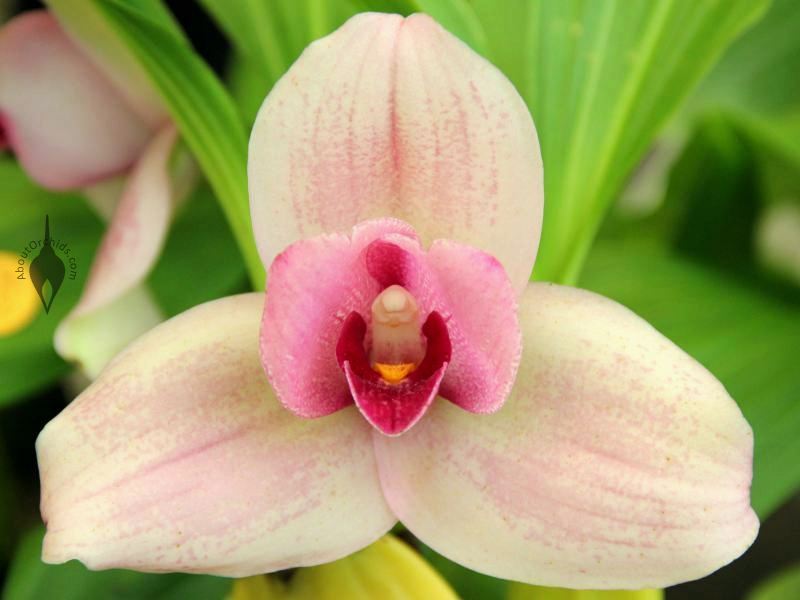
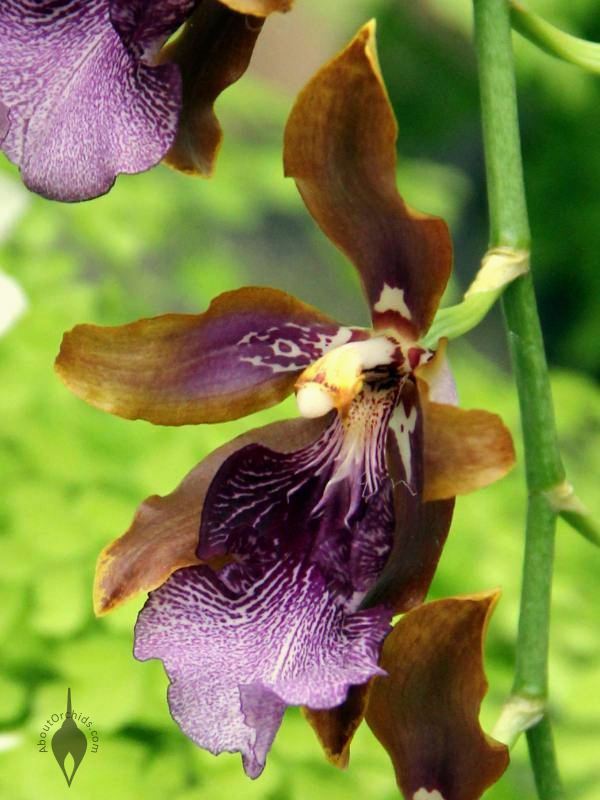
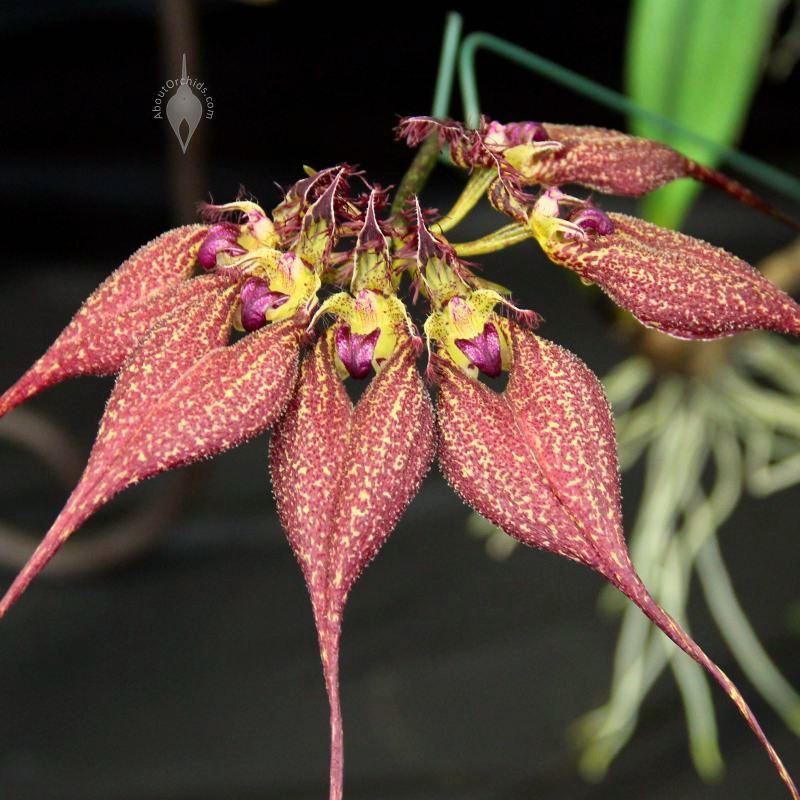
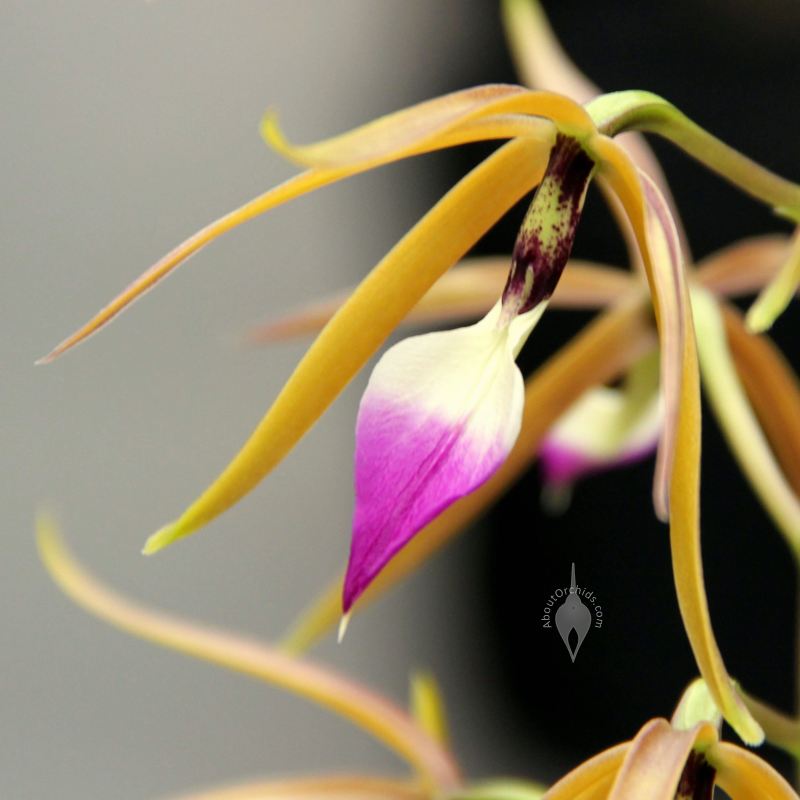
As the largest and most diverse flower family, orchids abound with strange shapes, exotic designs, and brilliant colors. This month’s Orchids in the Park offered plenty of floral magic. The photos start with a large Lycaste bloom, a captivating Odont species, and an elegant fan of Cirrhopetalum flowers.

Lycaste flowerOdontoglossum speciesCirrhopetalum flowers

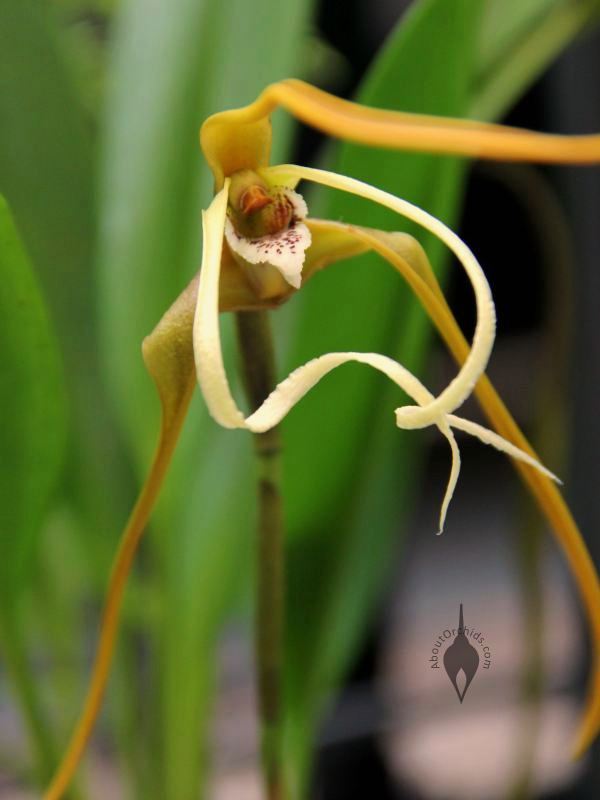
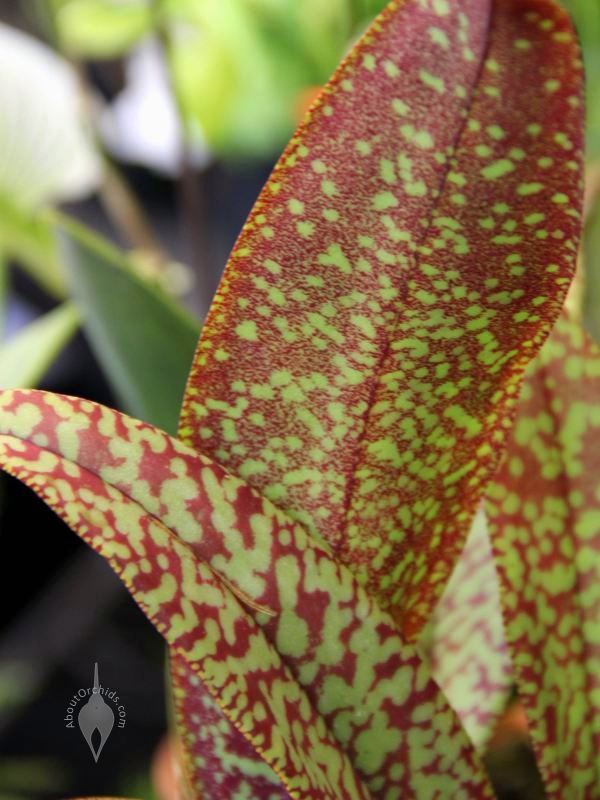
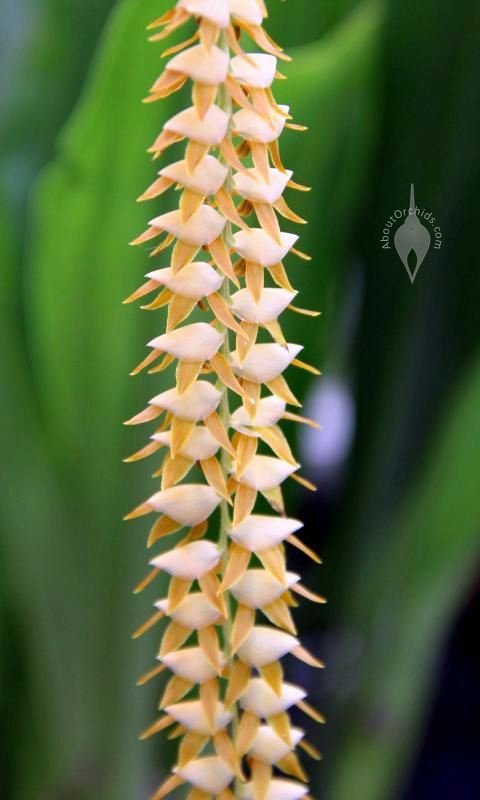
Next, the twisted petals of this Maxillaria species seem to dance in embrace. Competing for attention, an unusual Oncidium sports red and green mosaic leaf patterns. Meanwhile, long chains of tiny Dendrochilum blooms dangle like holiday decorations.

Maxillaria speciesColorful leaves of an Oncidium hybridLong chain of Dendrochilum flowers

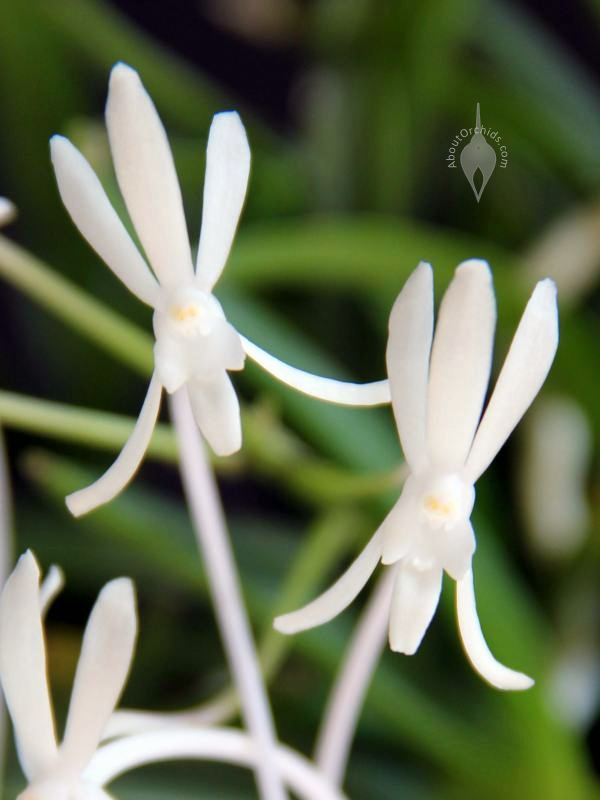
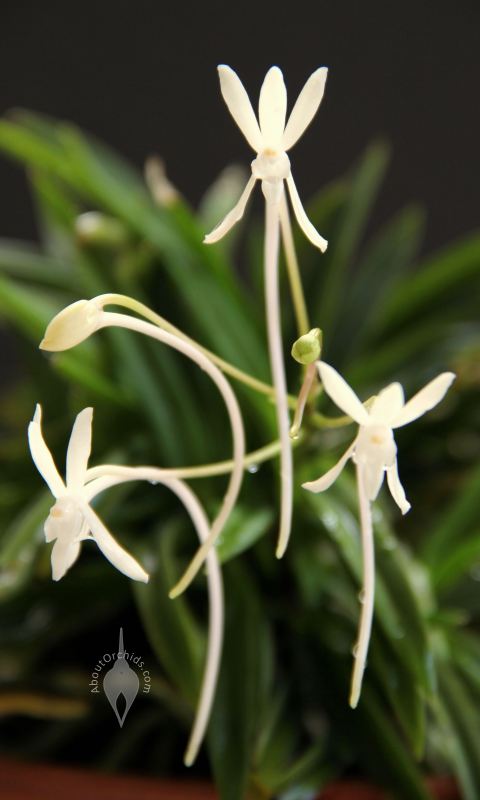
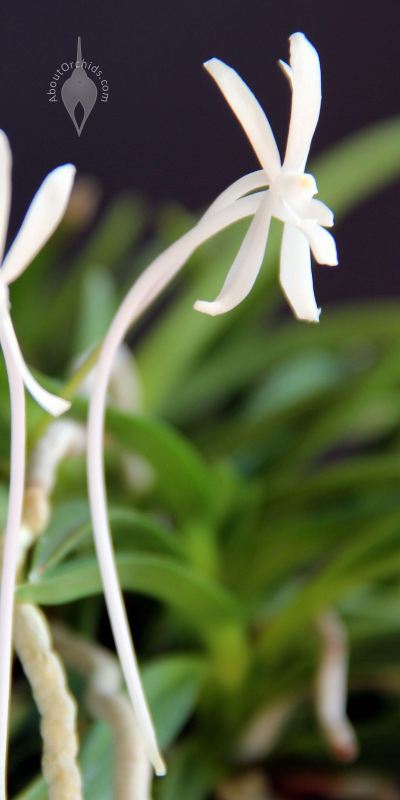
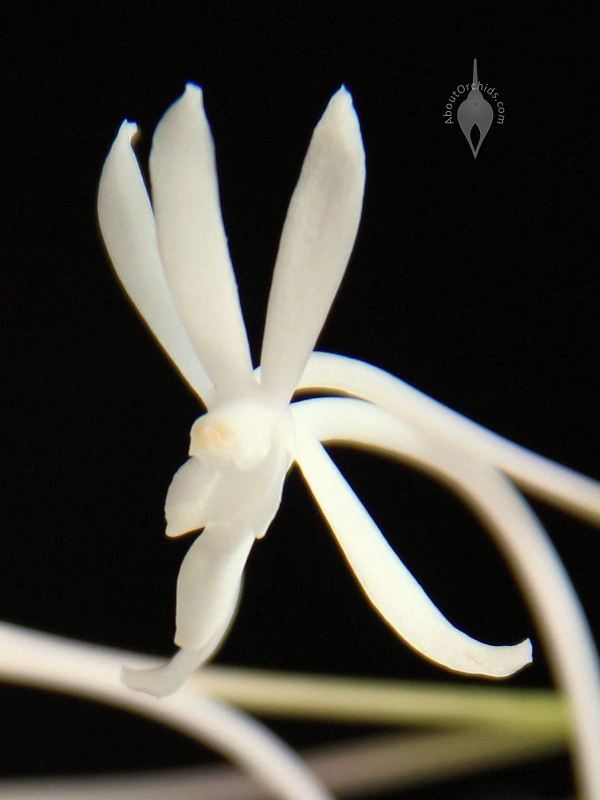
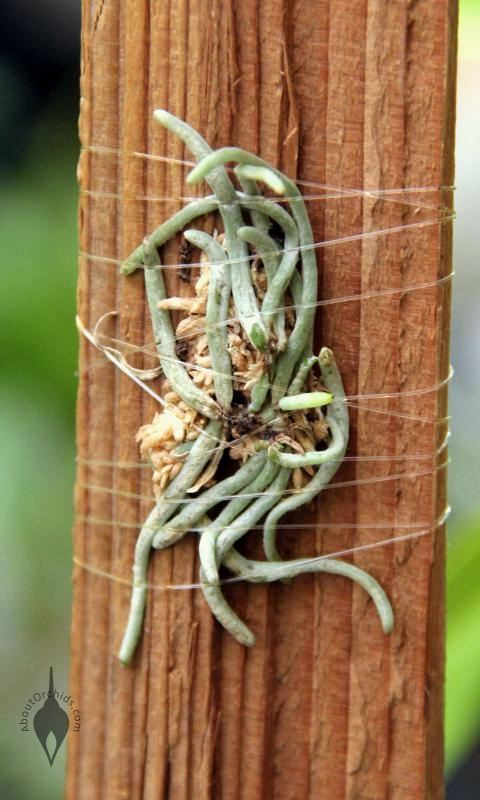
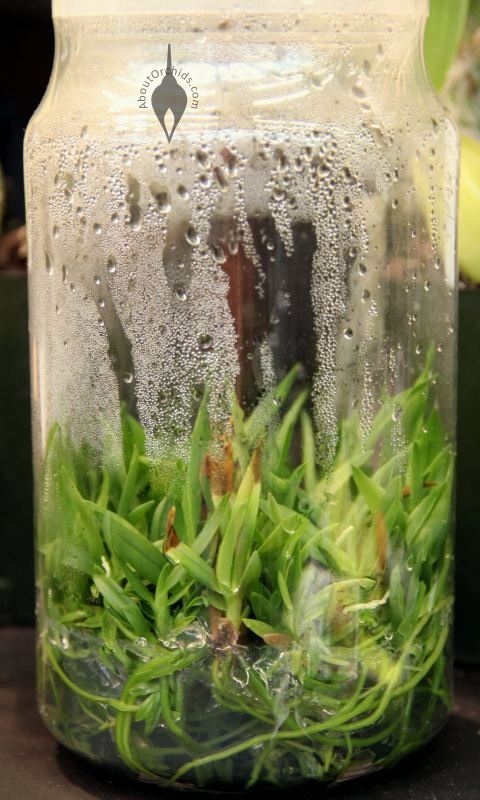
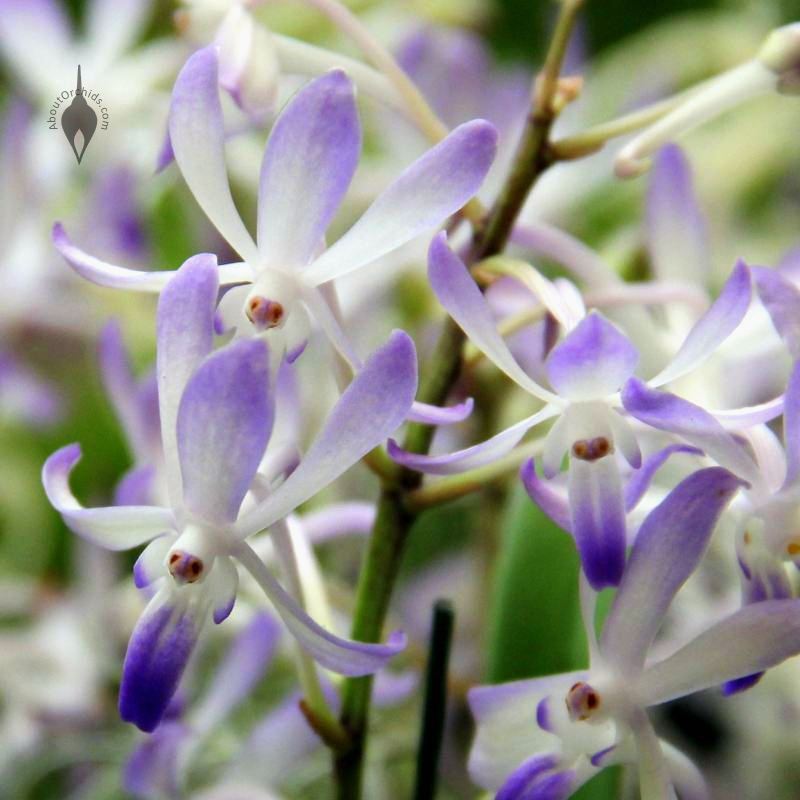
More incredible sights from this magic show include the roots of a leafless Ghost Orchid. This is a Dominican relative of the famous Florida Ghost Orchid, and it has a similar spectral flower. In the middle photo, dozens of baby Cattleya plants in a flask grow in a nutrient solution, an instant orchid collection in a jar. Finally, graceful Samurai Orchid hybrids take a bow.

Ghost Orchid rootsCattleya seedlings grown in a flaskNeostylis flowers

Sanitize Pots, Tools to Prevent Plant Viruses

Posted September 25th, 2012 by Marc Cohen
Categories: In the News, Problems

The Winston-Salem Journal posts a thorough response to an orchid virus question. The column covers a lot of details, including how to kill orchid viruses by sanitizing pots and clippers with a 10% bleach / 90% water solution. Streaked colors on flowers and deformed growth might mean an orchid virus has infected a plant, and that’s bad news. Orchid viruses have no cure. Some plants may continue to grow and bloom while infected, but most will eventually fade and die. The usual fate is to throw away the infected orchid.

The question of whether a diseased plant should be kept depends on the owner. For a casual grower with just a few plants, it probably isn’t a big deal. But for a serious grower with a valuable collection, a single infected specimen is a threat to the entire plant population.

The best remedy is prevention. Sterilize pots, clippers, and any tool before it comes in contact with an orchid. Wash your hands before working with an orchid, especially if you have just touched another plant. Do not reuse water or allow it to drip from one plant to another. Do not reuse potting material.

Test kits are available for the 2 most common virus types, but they are pricey, and they require precise handling. However, they can help to identify infected plants before disease spreads to other orchids.

Orchid in the Park 2012

Posted September 22nd, 2012 by Marc Cohen
Categories: Events, Growing Orchids in San Francisco, Mini Orchids, Photos

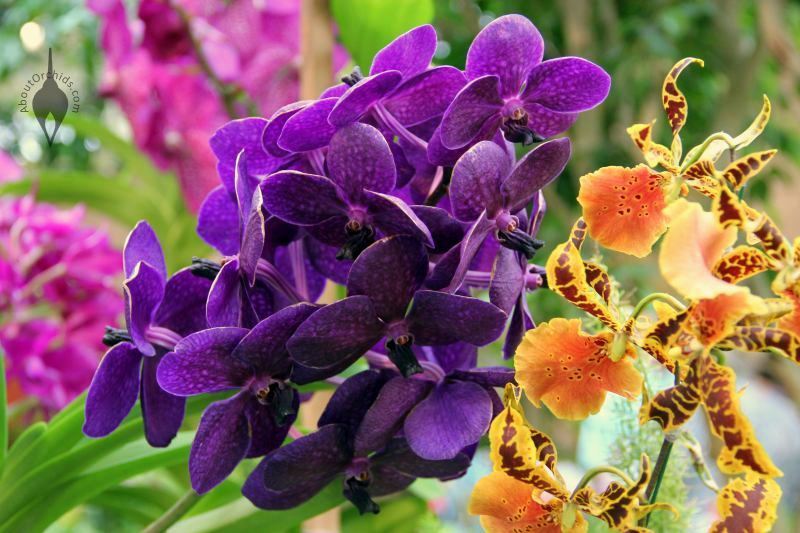
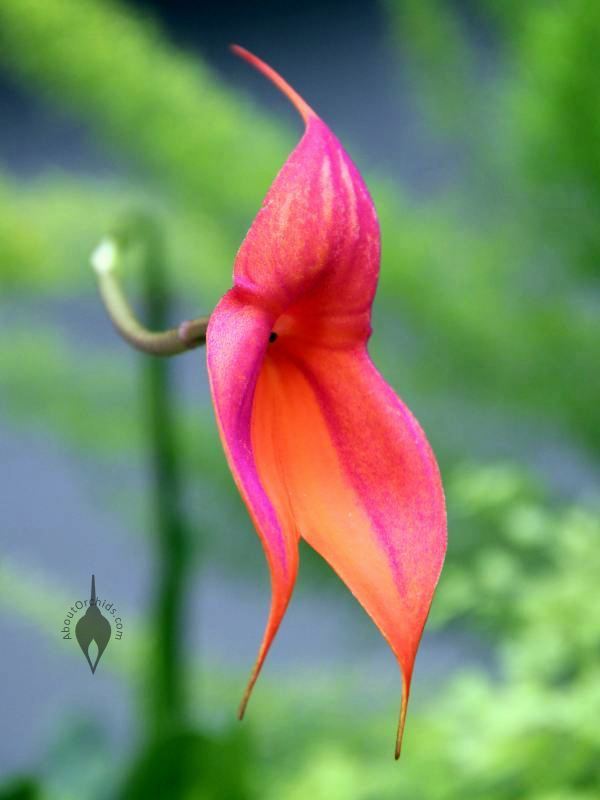
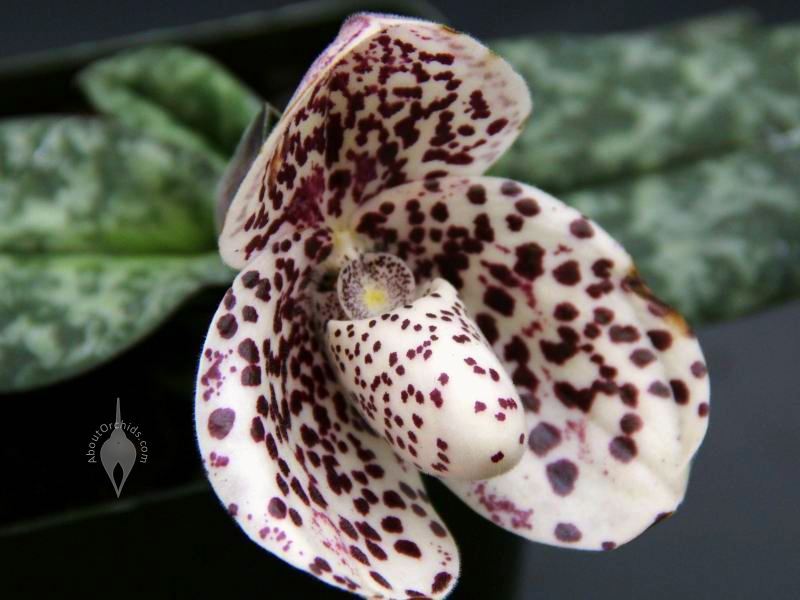
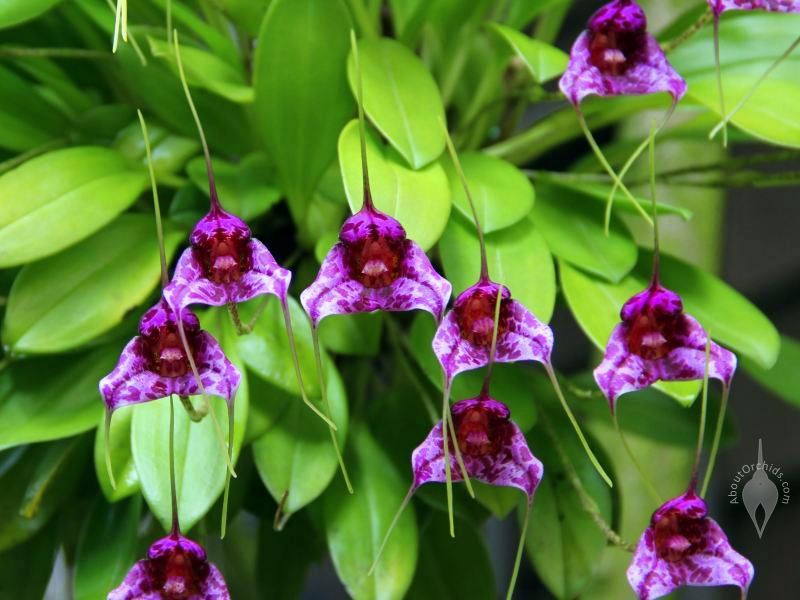
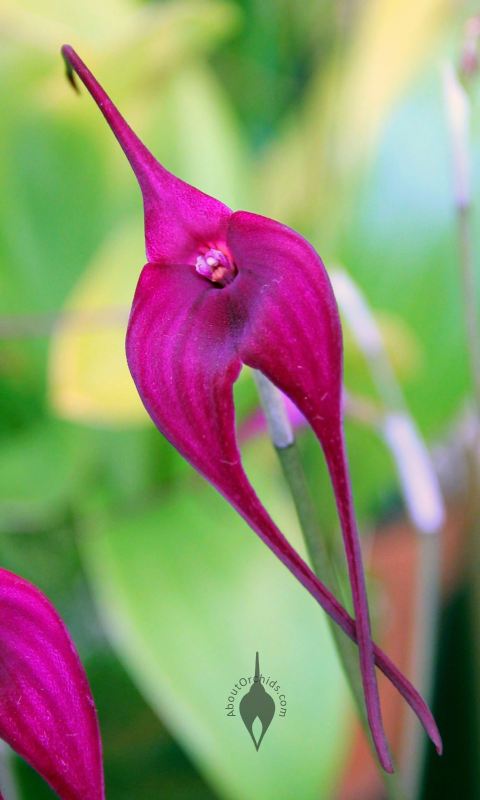
Celebrate today’s change of season with these gems from last weekend’s Orchids in the Park. The annual event put on by the San Francisco Orchid Society featured a multitude of treasures. Here’s a small sample —

Purple Vanda hybrid and orange Oncidium hybridMasdevallia bloom at Orchids in the Park 2012Lady slipper with mottled leaves in background

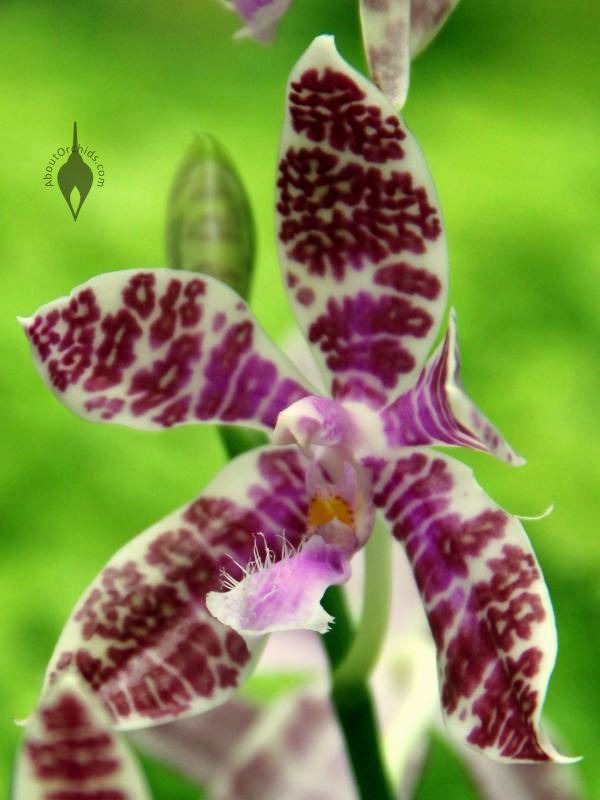
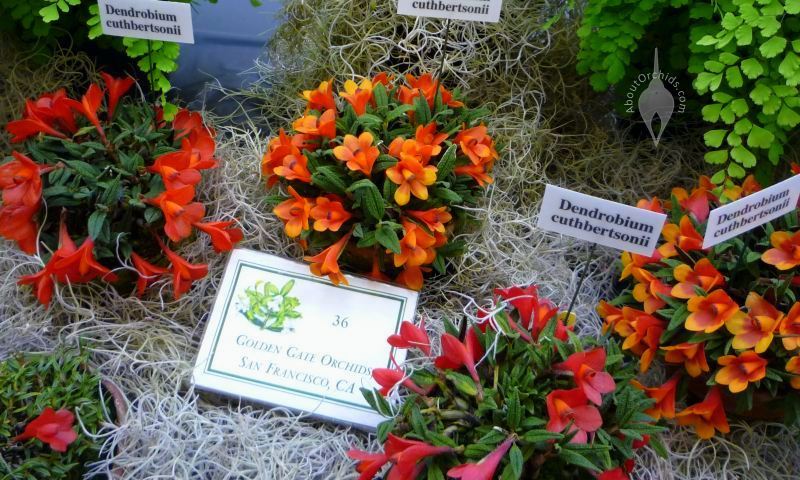
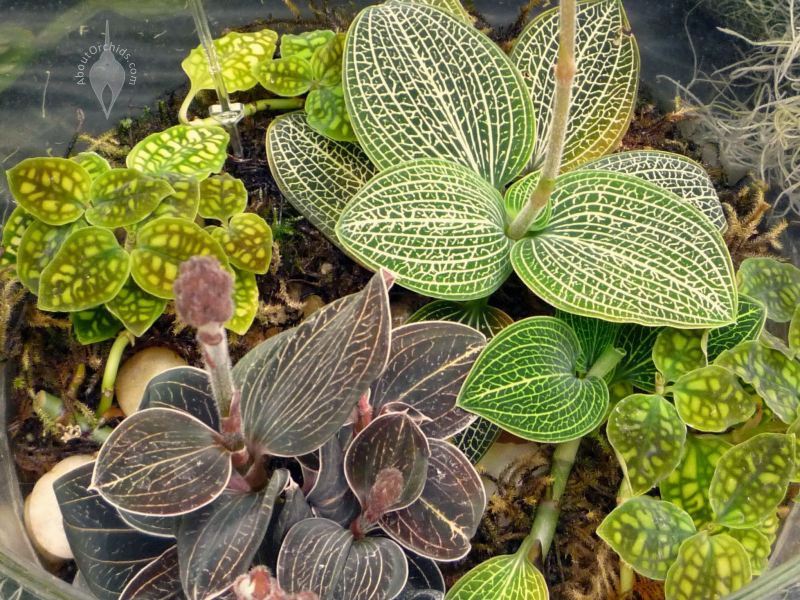
The colors, scents, and shapes of orchids are certainly spectacular. Unexpected patterns emerge, like those of the Phal species in the next Orchids in the Park photo. It’s aptly named Phalaenopsis hieroglyphica, but it’s not Ancient Egyptian or Mayan. Is it speaking Orchid? In the middle photo, the brilliant colors of a mini Dendrobium species grow even more remarkable upon realizing that these blooms survive cold winds on New Guinea’s highest mountains. In the last photo, within a single glass container, Jewel Orchids earn their name from their colors and fractal leaf patterns. They don’t even need to bloom to impress, and you can fit a bunch into a large jar. That’s my idea of a happy equinox.

Phalaenopsis species with "hieroglyphic" markingsColorful display of Dendrobium speciesJewel Orchids with interesting leaf patterns displayed in a glass jar

There’s a lot more from Dave’s and my cameras to share, so check back soon for additional photos from another successful Orchids in the Park.

Late Summer Blooms

Posted September 17th, 2012 by Marc Cohen
Categories: Cool Growers, Photos

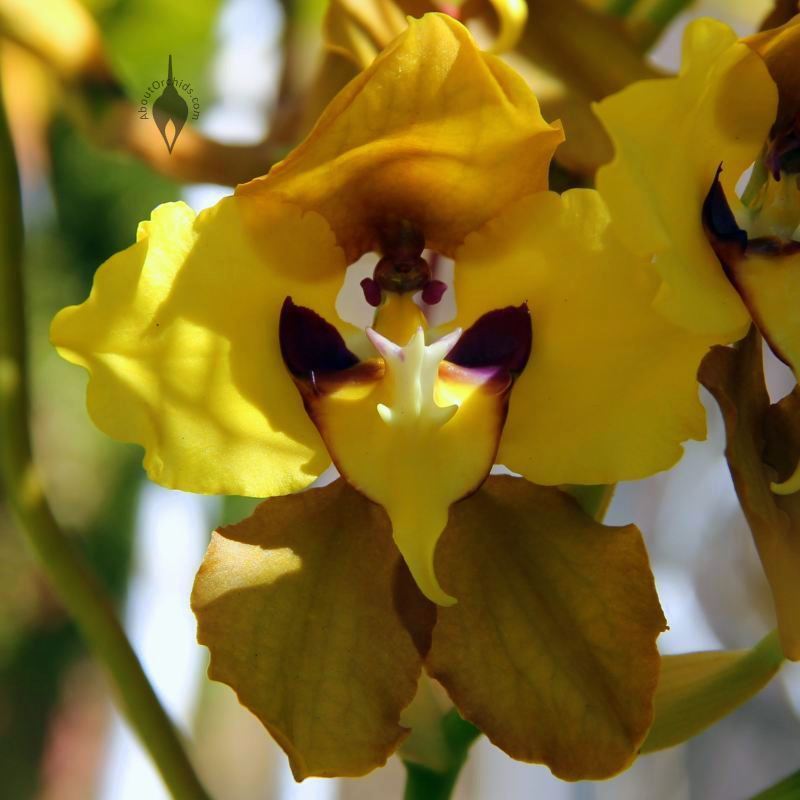
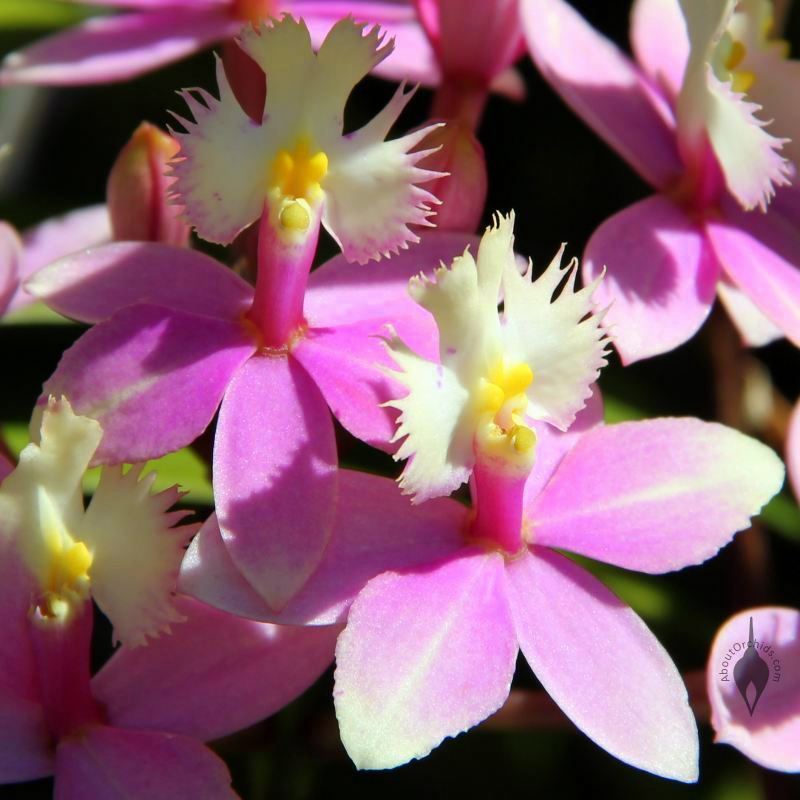
As summer winds down, floral delights abound in our back garden. A quick tour starts with a magnificent Masdevallia, which has been in constant bloom since April. This speckled purple species seems to have the resilience of a hybrid, at least in our mild coastal climate. Next is a brilliant yellow, purple, and white Cyrtochilum, an unusual Oncidium relative. Dozens of its blooms emerge from a long, vine-like flower spike which wraps around nearby plants. Finally, a cheery Epidendrum hybrid sports festive pink highlights.

Masdevallia flowers and leavesCyrtochilum flowerEpidendrum flowers

These photos are just scratching the surface of what’s in bloom. Check back soon for more from our garden.

Orchids in the Park

Posted September 12th, 2012 by Marc Cohen
Categories: Botanical Gardens, Events, Growing Orchids in San Francisco, Photos

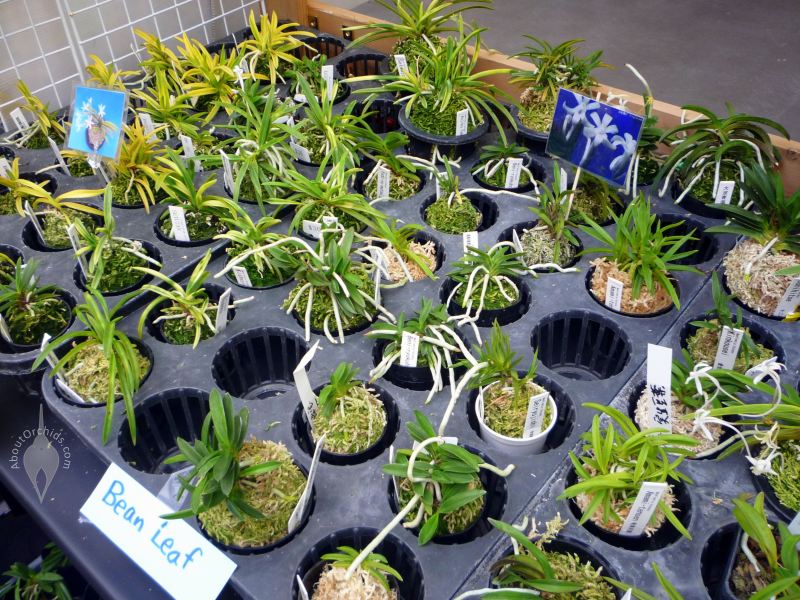
The Orchid Society of San Francisco hosts its annual Orchids in the Park show and sale this weekend, September 15 – 16. Held in the County Fair Building in Golden Gate Park, the event also includes orchid care demos, lectures, and raffles. In case you need any more enticement, check out a few photos from past years. See you there!

Masdevallia hybrid at Orchids in the ParkEncyclia flowerNeofinetia varieties

13 Must-See Botanical Gardens

Posted September 10th, 2012 by Marc Cohen
Categories: Botanical Gardens, In the News, Photos

At MNN.com, the Mother Nature Network takes a tour of the world’s best botanical gardens, and finds plenty of orchids among them. To compile their list, MNN asked plant experts to consider their favorites, and also included gardens with rarities and historical importance. Not all of the listed gardens have orchids, but some house the world’s best orchid collections, like Singapore Botanic Gardens, New York, Atlanta, Kew in London, Longwood near Philadelphia, and Fairchild in Florida (home of the American Orchid Society.) The article includes info for each locale, with links, highlights, and the best times of year to visit.

San Francisco’s magnificent Strybing Arboretum didn’t make the list, so I’ve added a few photos from a recent visit to plead its case. I can’t guarantee that you’ll see a hawk taking a bath, but I can promise that you’ll enjoy remarkable sights in all of these gardens.

Hawk bathing in pond at Strybing ArborteumProtea flowerStrybing Arborteum in Golden Gate Park

Cattleya Care

Posted September 5th, 2012 by Marc Cohen
Categories: Dormancy, Fragrant Orchids, Growing, Intermediate Growers, Photos, Watering

Cattleyas are orchid royalty. For generations, their brilliant colors, exotic shapes, and rich perfumes have made them prime choices as elegant corsages. These photos of Cattleya species and hybrids illustrate only a few from thousands of varieties. Orchid growers often refer to them as “Catts,” and say “Cattleya care” to encapsulate their growing needs:  bright light, daytime warmth, and water once a week.

Cattleya hybridCattleya hybridPotinara flower

Native to Central and South America, members of the Cattleya family live in full sun on treetops and forest borders. Exposed to strong light and winds, they dry quickly after rains. Cattleyas in cultivation need to dry out between waterings. During spring and summer, they enjoy a thorough soaking once a week, but during winter dormancy, they may only want water once or twice a month. Even these low water orchids need good humidity at all times. Most types prefer temps of 70° – 85°F (21° – 29°C) during the day, dropping down to 60° – 65°F (16° – 18°C) at night. Other kinds prefer cooler temps, like this related Laelia species. For all types, fertilize weakly, weekly.

One of the toughest challenges for Cattleya growers is providing enough light for blooms. Leaves should be a medium green color; if they’re dark green or seem floppy, they are probably not receiving enough light. Artificial light at night can disrupt Cattleya flowering schedules, so keep them away from lamps after sunset. Ethylene gas from ripening fruit or smoke can stop Cattleyas from blooming, so keep their air moving. Repot every 2 – 3 years using coarse bark.

Blc flowersLaelia speciesCattleya hybrid

Many Cattleyas are large plants, but there are lots of mini varieties, too. Cattleya relatives, like Brassavolas and Laelias, share similar growing conditions, and have been crossbred with Cattleyas for over a century. Complex hybrids like Potinara and Iwanagara add more variety to the growing family. New crosses constantly extend this regal orchid line.

Sophrolaelia flowerBrassavola speciesCattleya species

September Orchid Shows

Posted August 31st, 2012 by Marc Cohen
Categories: Botanical Gardens, Events

If you could swing a kangaroo by the tail in Australia this September, I’m pretty sure you’d hit an orchid show. Aussies certainly love their orchids, but for those of us far from Oz, there are plenty of other events around the world. Orchid shows also abound in North America, Europe, South America, South Africa, and New Zealand this month. Here in San Francisco, Orchids in the Park Show & Sale is well worth a trip to Golden Gate Park.

September 1 – 2
Welsh Orchid Festival, National Botanic Garden of Wales, Llanarthne, Carmarthenshire, UK
September 1 – 2
West Brisbane Orchid Society Show, Brisbane Botanic Gardens Auditorium, Mt. Coot-tha, Queensland, Australia
September 1 – 2
Kempsey Speciosum Spectacular and Native Orchid Show, 57 Spooners Ave., Greenhills via Kempsey, NSW, Australia
September 1 – 2
Capricorn Orchid & Foliage Club Show, Bauhinia House, Berserker & High Sts, North Rockhampton, Queensland, Australia
September 1 – 2
Sale & District Orchid Club Show, St. Mary’s Hall, Pearson & Macalister Sts., Sale, Victoria, Australia
September 2
Revesby Workers’ Australian Native Orchid Club Show, Revesby Worker’s Club, 2b Brett St., Revesby, NSW, Australia
September 3 – 8
Eastwood & District Orchid Circle Show, Eastwood Shopping Centre, Eastwood, NSW, Australia
September 4 – 8
City of Lismore Orchid Society Show, Lismore Central Shopping Centre, Carrington St., Lismore, NSW, Australia
September 5
Santa Clara Valley Orchid Society Fall Auction, 11540 Minnesota Ave., San Jose, California
September 5
Hinckley & District Orchid Society Cattleya Plant Sale, Barwell Constitutional Club, Chapel St., Barwell, Leicestershire, UK

Read the rest of this post »

Dahlias

Posted August 26th, 2012 by Marc Cohen
Categories: General Gardening, Photos

If our sunny deck weren’t covered with orchids, it might be covered with dahlias instead. These flashy perennials come in many different colors and shapes, and they are San Francisco’s official flower. We’ve made room for a few varieties in the back garden.

Dahlia flower and leavesDahlia flowersDahlia flower and buds

These are just a drop in the bucket of dahlia shapes and colors. With a multitude of forms ranging from flat, daisy-like petals to spiky pompoms, and just about every color but blue, it can be surprising that these flowers are related. Near the Conservatory of Flowers in Golden Gate Park, the Dahlia Dell has many kinds on display. Depending on the variety, blooms can range from a petite 2 inches (5 cm) to giants over 10 inches (25 cm.)

Dahlia flower close upDahlia flowers side viewDahlia

Besides being San Francisco’s official flower, dahlias are also the national flower of Mexico. In fact, they’re native to Mexico and Central America. Three dozen naturally occurring dahlia species readily crossbreed to create thousands of hybrids. To grow dahlias, provide rich soil, full sun, and regular water. Deadhead old flowers to keep new ones coming. In cold areas, tuberous dahlia roots need protection from winter freezes. We only rarely go below freezing in San Francisco, one of the reasons they do well here.

Dahlia flowers and leavesDahlia with black leavesDahlia with black leaves

My favorite dahlia in our garden is the yellow one in the last two pictures. Its sunny flowers provide spectacular contrast to its black foliage. This plant can grow 5 feet (1.5 m) tall, and it flowers through the summer and fall as long as it receives regular water.

For more info on dahlias, check out the American Dahlia Society and Dahlia.com.

Orchid Care During Heat Waves

Posted August 20th, 2012 by Marc Cohen
Categories: Fertilizing, Growing, Problems, Watering

With record-breaking heat waves and droughts the new normal, orchid growers need to adapt. High temperatures can damage or kill plants, and prevent most types from blooming. Adjust orchid care during excessive heat to keep them healthy and growing.

  • Most importantly in high temps, maintain good humidity and air movement. Warm growers, like Phals, Vandas, Cattleyas, and some Oncidiums, can manage increased heat as long as it is matched by increased humidity. For cool growing and intermediate growing orchids, constant high humidity is essential. Spray orchids with a mister, and group plants together. Keep pots atop pebbles in trays of water, always keeping the pots completely above the water level. Place plants near sources of water and water features.
  • Move plants into shade. If orchids are taking a summer vacation outdoors, bring them back inside to lower light and reasonable, climate-controlled temps. For orchids staying outdoors, move them under trees, which provide natural shade and add humidity from leaf transpiration.
  • In the heat, plants dry faster and need more frequent waterings, but be careful not to drown them. Maintaining high humidity works better than repeated waterings. As always, use enough water to run out the bottom, and let pots drain completely. Never allow orchid pots to sit in water for any extended period.
  • Even if the air conditioning is keeping up indoors, plants near windows feel more heat and dry faster. They should have extra water and humidity in a heat wave.
  • For many orchid varieties, excessive heat pushes plant metabolism to survival mode, and they cease using fertilizer. Stop fertilizing cool and intermediate growers in hot weather. Cut back fertilizer for warm growers, too.
  • Droughts and water restrictions spell trouble for moisture loving orchids. Even low-water Cattleyas don’t need frequent soakings, but still require moisture in the form of humidity. Water is a valuable resource, and water conservation should be an important consideration for all orchid growers.