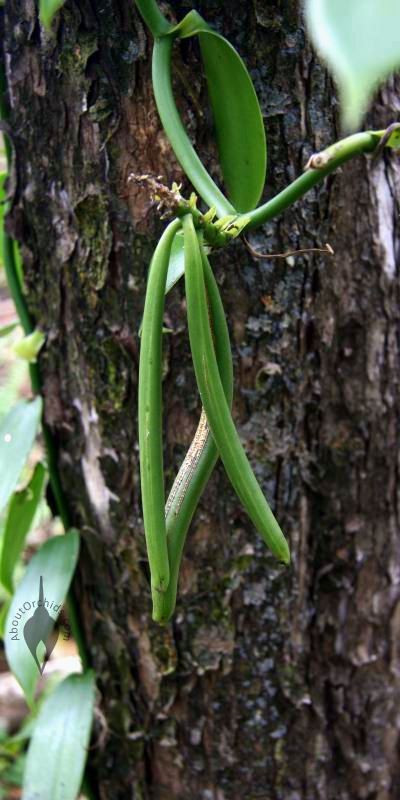
Food52.com takes a close look at the tastiest orchid, vanilla. Just a few drops or seeds add magic to baked goods, candy, and chocolate. Did you know that the vanilla pod itself has more flavor than its seeds? Pods can be used repeatedly to infuse sugar or any liquid. To enjoy vanilla’s flavor without the alcohol in vanilla extract, try vanilla powder instead. The article also explains how to distinguish vanilla varieties and how to store beans (hint: in a cool, dark place, but NOT in the fridge.)
Most orchid shows are put together by local orchid societies, which are great resources. Take advantage of these events to connect with your local society, enjoy fantastic flowers, and find plants to add to your collection.
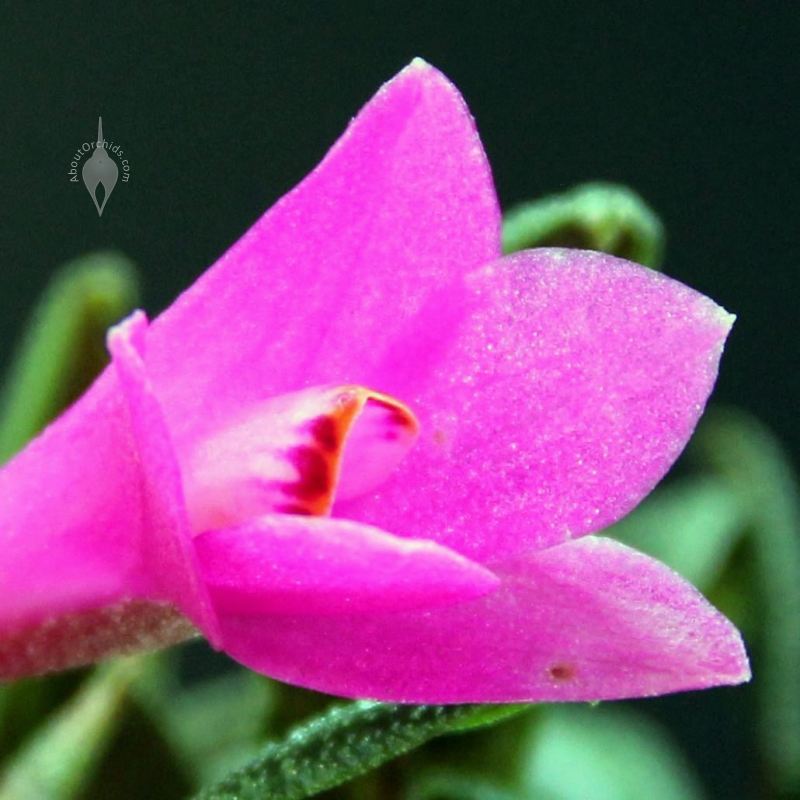
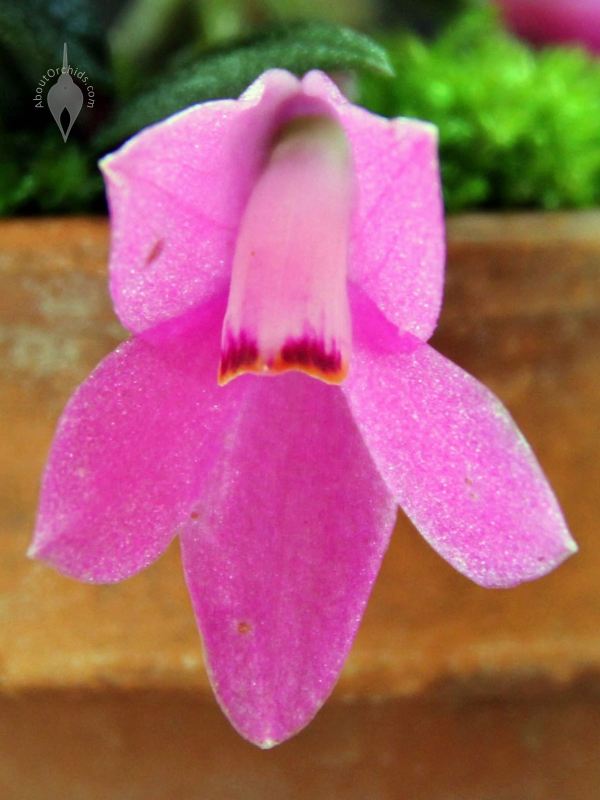
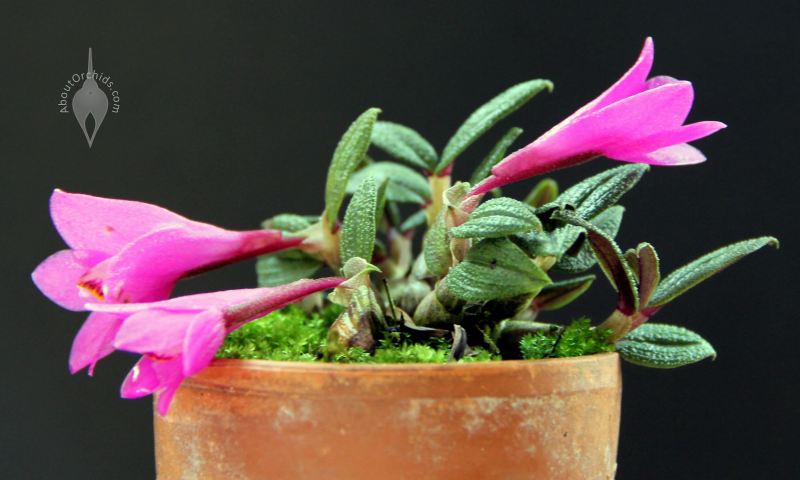
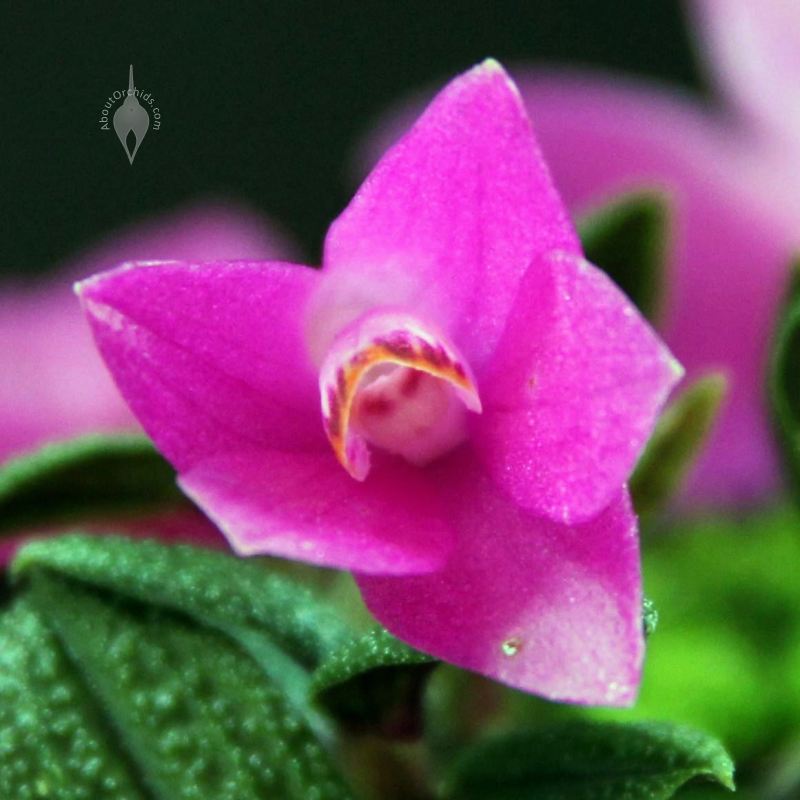
As a large, diverse orchid family, Dendrobiums are popular choices for hybridizers. While larger Dendrobium varieties are more common, there are also many miniatures. I couldn’t resist the charms of this mini when I found it for sale at this year’s Orchids in the Park. Named Dendrobium Aussie’s Hi Lo, this hybrid combines traits from both its parent species.
This little plant’s brilliant purple blossoms seem to overwhelm its tiny leaves. Its flowers reach almost 1.5 inches (3.8 cm) long, but its biggest leaves are less than 1 inch (2.5 cm) long. The leaves have small, white bumps which create a rough texture. Its blooms may look delicate, but they can last for months in wind and rain.
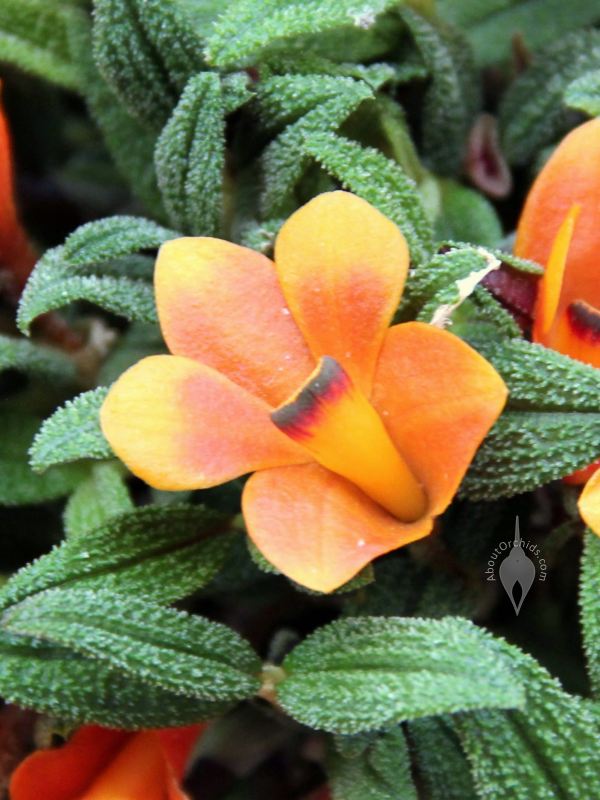
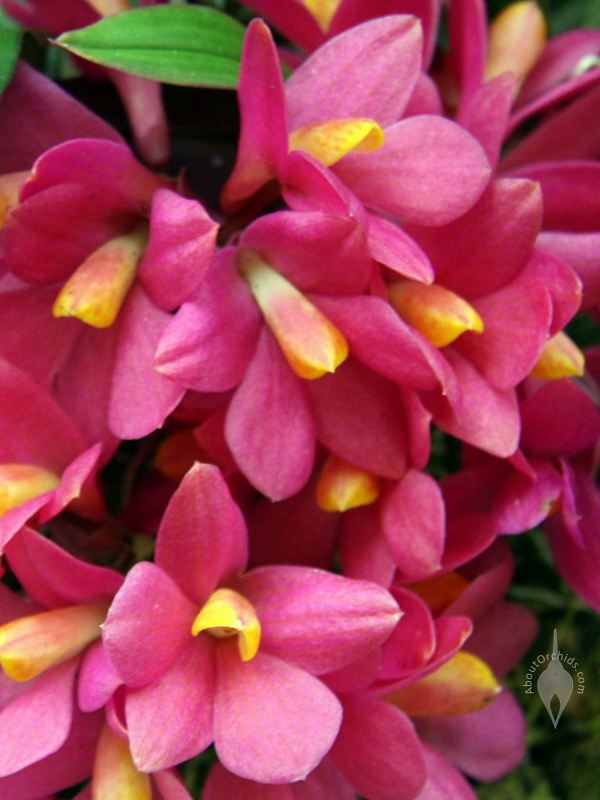
The next photos show a comparison of this hybrid alongside its parents. Looking at the parent species in the last two pictures, it’s easy to see how this mini got its good looks. The orange Dendrobium cuthbertsonii, from the highlands of New Guinea, lent its small, bumpy leaves, and a tolerance for cold and wind. Dendrobium laevifolium, from New Guinea and surrounding Pacific islands, provided the bright flower color and a tolerance for heat. It’s a great example of how hybrid vigor makes these crosses into tough plants.
Posted October 23rd, 2012 by Marc Cohen Categories:In the News, Misc
A new study reveals that the Ancient Romans were orchid lovers. Botanists at Italy’s Roma Tre University have assembled a detailed database identifying plants in old Roman carvings, paintings, and textiles. Their work shows that Mediterranean orchid species were Roman favorites. This pushes back the earliest orchid representations in Western art from the Renaissance to Julius Caesar, who built temples adorned with orchid carvings over 2000 years ago.
Trying to identify flower species in ancient art isn’t easy. Matching stylized depictions to real plants is painstaking work, which is why this hadn’t been discovered until now. The orchid’s adoration in Ancient Rome may explain its disappearance from Western art for a millennium. In the 3rd and 4th centuries, early Christians associated orchids with Ancient Rome’s paganism. They banished orchid art until the 15th century. Kristin Nicole Edrington, an orchid jewelry specialist in Alexandria, Virginia, notes that this new study shows “just how much history is tied up with this flower…. It shows up in all kinds of places you might not expect it.” Varieties depicted in Ancient Rome included Orchis, Spiranthes, and Cephalanthera.
Why Latin? Well, you could blame Carl Linnaeus, the founder of modern taxonomy. However, scientists were already using Latin for centuries before him. Its main advantage as a global language of science is that Latin allows everyone to know they’re using the same names for the same plants and animals.
Spanish, French, Italian, Portuguese, Romanian, and other Romance languages are direct Latin descendants. Latin has also had a strong influence on English, and many common English words have Latin origins, including the word “orchid.” I’ve never studied Latin, but I know some Spanish and French. That helps me guess what they sound like. Even experts make mistakes and debate correct pronunciations, so don’t be embarrassed to try. When I mispronounce something, I’ve found that other orchid lovers usually offer a friendly correction, and then joke about their own troubles with the language.
To learn how to pronounce Latin names, talk to fellow orchid growers. There are many helpful online resources like these tips for Latin pronunciation. Another helpful site is Google Translate, which can give pronunciations for any word you enter. Pick ‘English’ in the first text box, type an orchid name, and make sure your speakers are turned on. Then click on the small ‘Listen’ icon in the bottom right corner of the box. Google Translate isn’t perfect (i.e. it mistakenly says Oncidium like “Woncidium,”) but it does work for many varieties.
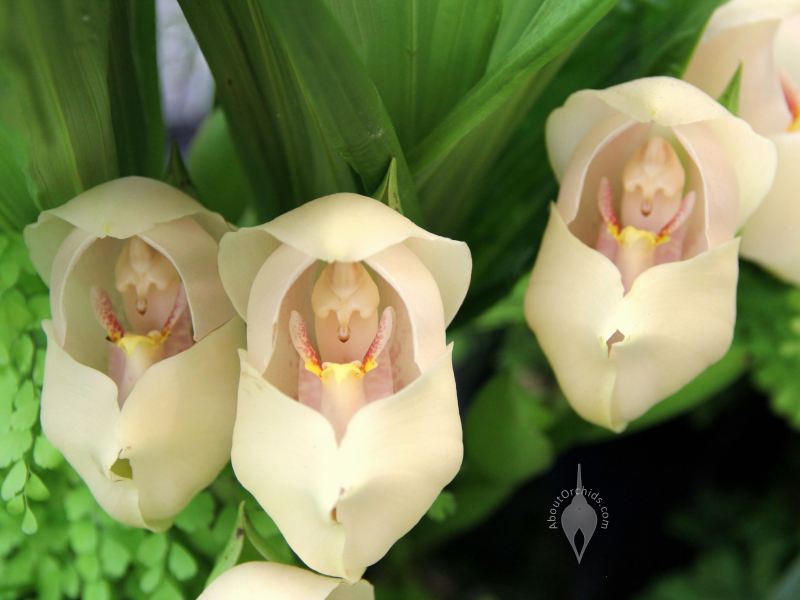
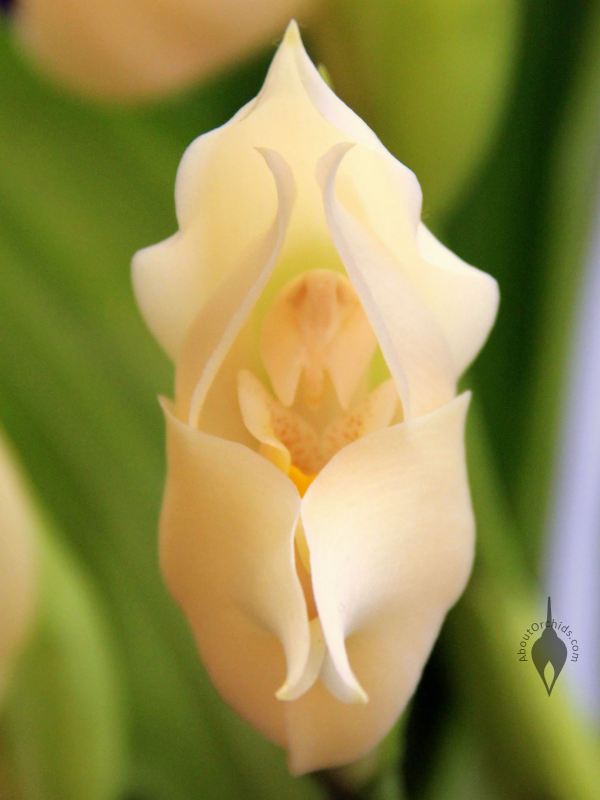
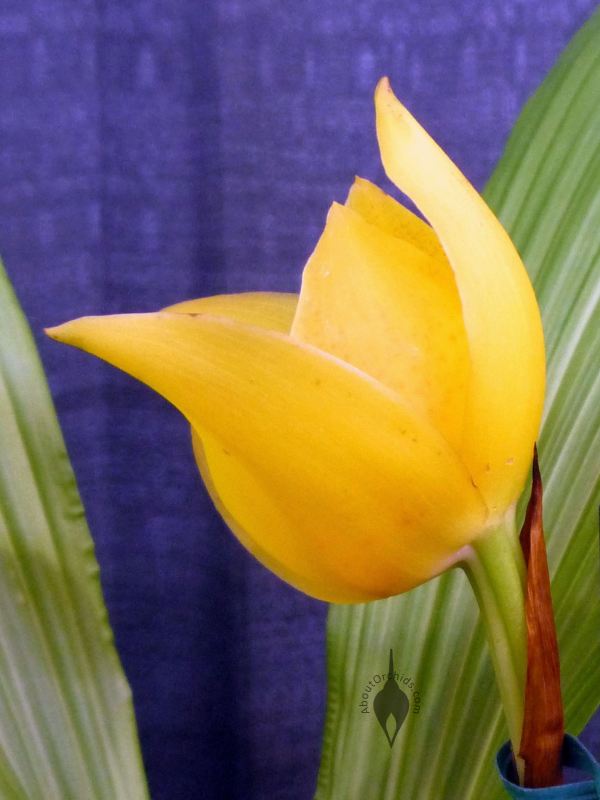
Orchids take many forms, some of them familiar. With these unusual blossoms, it’s easy to see how Anguloas earned the nickname Tulip Orchids. In the wild, they hang onto steep cliffs in the Andes Mountains of Venezuela, Colombia, Ecuador, and Peru. I don’t see them in cultivation often, and don’t have any in my own collection. These are photos from recent orchid shows.
Many Tulip Orchids have long lasting flowers with a strong cinnamon fragrance. These terrestrials can grow into large, showy plants. Since they are related to Lycastes, many hybrid crosses are available under the hybrid name Angulocaste.
Tulip Orchids need high humidity, good air movement, regular water, and regular fertilizer. Give them morning sun, and take care that their leaves don’t burn on hot days. During winter dormancy, older leaves drop off. Cut back watering until they put out new growth. There are more yellow, red, and white varieties, but I don’t have pictures of those (yet!) except for the bright yellow Angulocaste flower in the final photo. These orchids are also called Cradle Orchids, and in Spanish, Cuna de Venus, or “Cradle of Venus.”
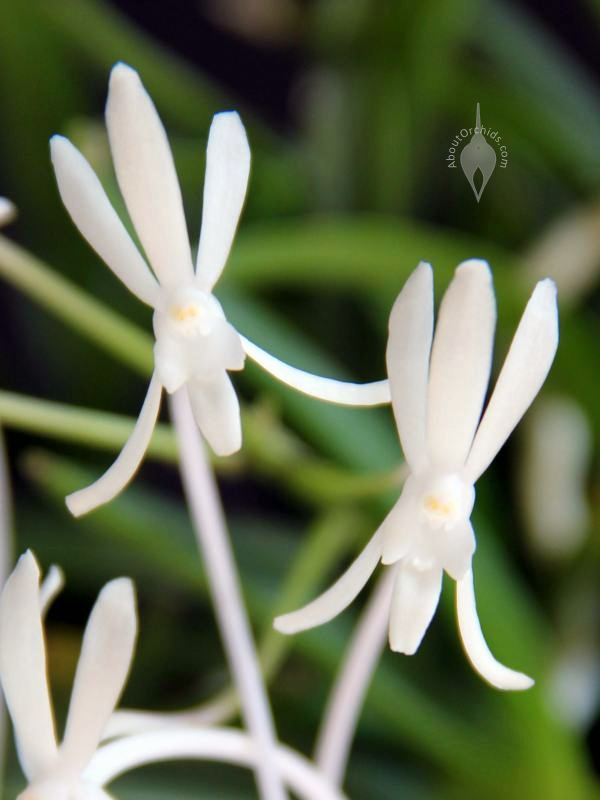
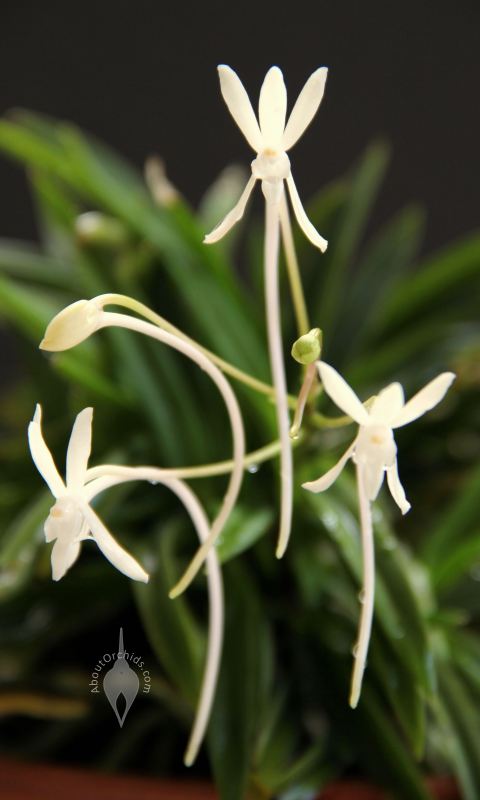
Since August, these charming Samurai Orchid blooms have been brightening our home. Their enchanting flowers don’t have any fragrance during the day, but when evening arrives, they produce a strong, sweet perfume which belies their small size.
Native to mountainside forests in Japan, Korea, and China, these prized orchids have been cultivated for centuries in Asia. Here in San Francisco, I face challenges growing my 3 Samurai Orchids. Over winter, they don’t mind living outside in our mild climate. However, San Francisco summers are too cool and foggy for them to flower outdoors. Even if the sun manages to warm up the day, our summertime temps routinely drop to 50°F (10°C) at night. To simulate a hot, muggy summer, I keep them indoors, and shuttle them between my heated office at night and a warm, west-facing room in the afternoon. In humid shade indoors, they relish summertime highs above 80°F (27°C) or even 90°F (32°C.) This keeps them happy and blooming until I move them back outside in autumn to enjoy cooler temps and more light.
Also known by their Japanese name Fukiran, Samurai Orchids continue to grow in popularity around the world. The newly established Fukiran Society of America is an offshoot of the All Japan Fukiran Society. Membership is free and open to anyone in the world who is interested in learning more about these elegant and fascinating mini orchids.
Autumn colors include the vibrant hues of orchids. For many varieties, shorter days and cooler temps spur new growth and blooms. The change in season requires changes in orchid care, so check these autumn reminders:
Bring outdoor orchids inside before temps fall too much. Remove any leaf and flower debris, and check for pests. Closely inspect the undersides of leaves and potting media. To prevent infestations, spray with insecticidal soap, pesticidal oil, or rubbing alcohol (surgical spirits) before bringing plants indoors.
Home and office heaters dry the air, which encourages pests like scale, mealybugs, and spider mites. Pay extra attention to maintaining high humidity and good air flow.
Don’t worry if lower leaves yellow or die. Deciduous Dendrobiums, Bletillas, Cycnoches, and Thunias will lose all their leaves by winter. Continue to give them bright light and good humidity, and new leaves will emerge in spring.
To help Phals into bloom, give them slightly cooler temps. For 3 – 4 weeks, keep them below 80°F (27°C) during daytime, and at night, let them drop to 60°F (16°C.) Then return them to their normal 65°F (18°C) minimum. Healthy plants will start to grow a new flower spike within a month. Cymbidiums also want cooler nights to flower. Many won’t bloom if they’re kept too warm in autumn.
From Honolulu to Montreal, San Diego to Sao Paulo, and Barcelona to Cape Town, orchid shows span every corner of the globe. They all offer great chances to enjoy incredible flowers, take photos, talk to local growers, and find new orchids for your own collection.
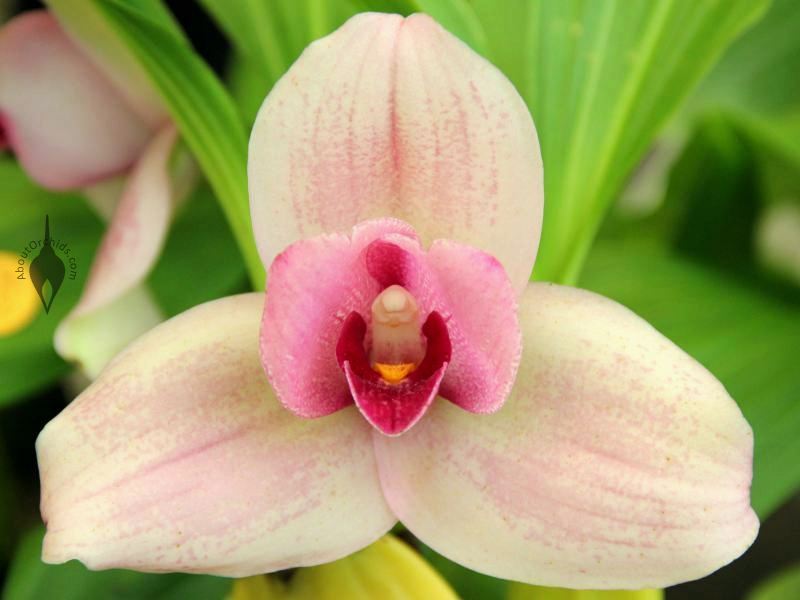
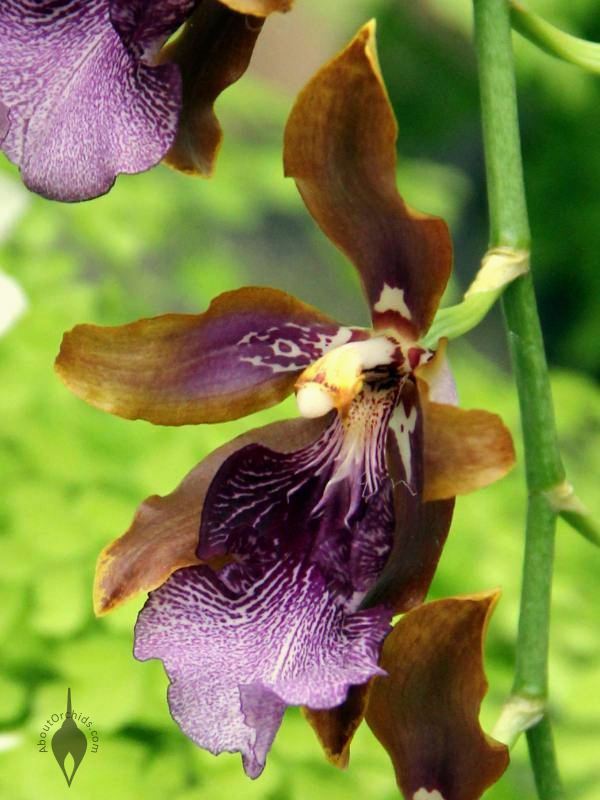
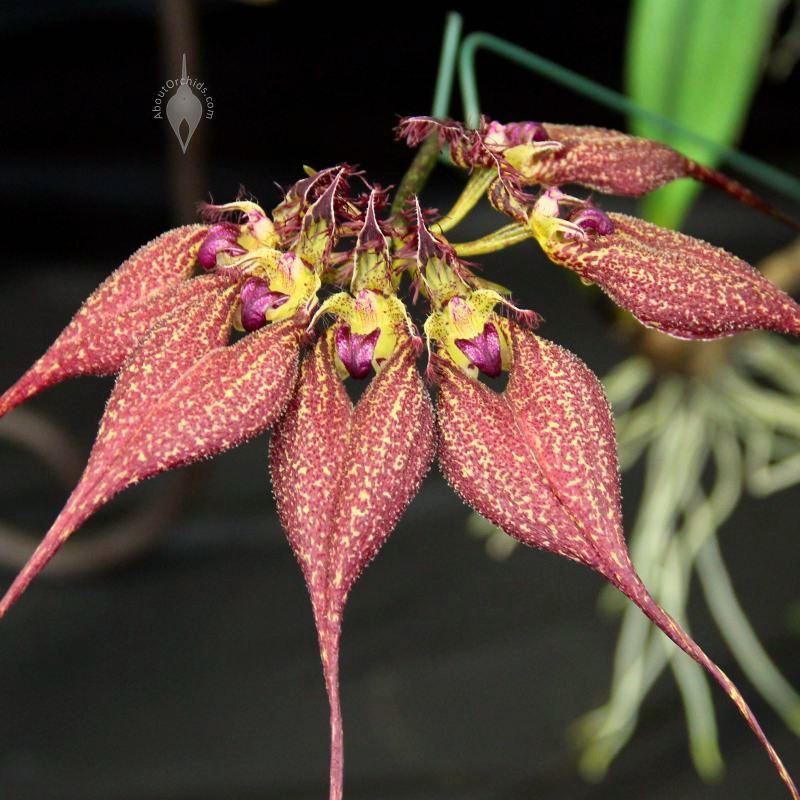
As the largest and most diverse flower family, orchids abound with strange shapes, exotic designs, and brilliant colors. This month’s Orchids in the Park offered plenty of floral magic. The photos start with a large Lycaste bloom, a captivating Odont species, and an elegant fan of Cirrhopetalum flowers.
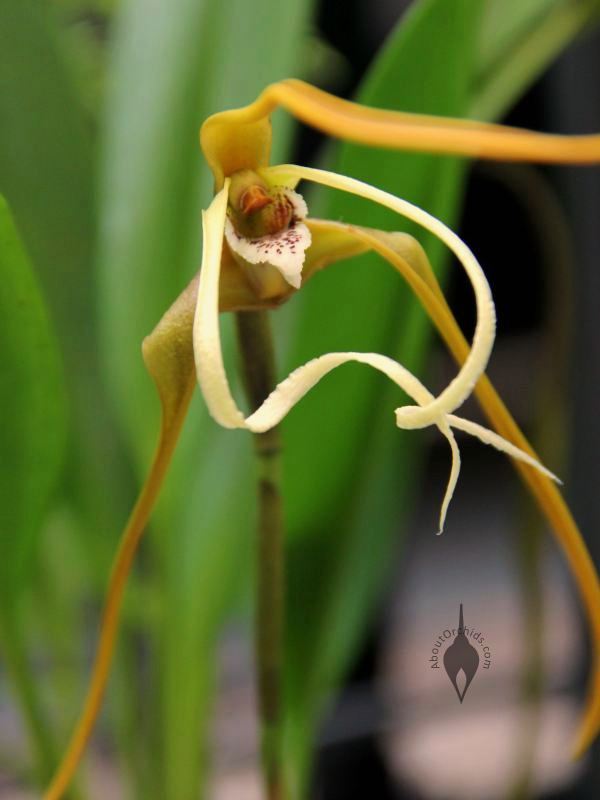
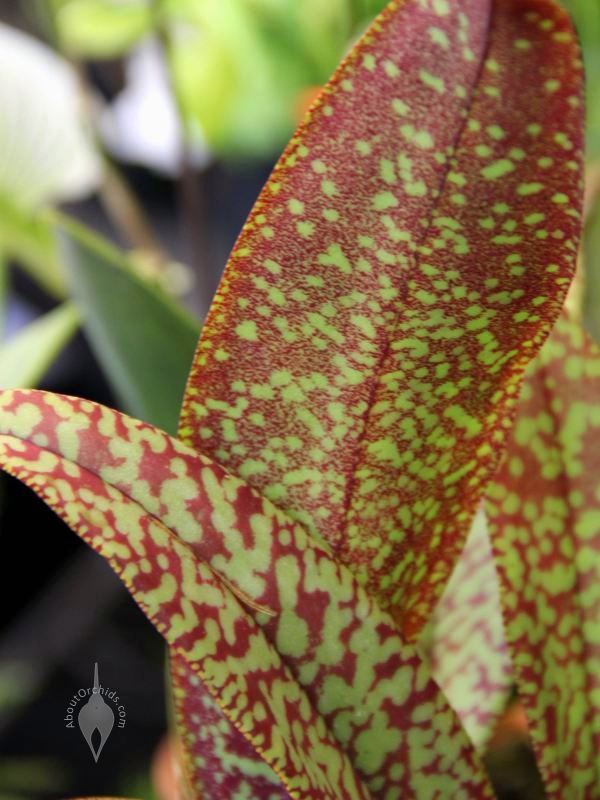
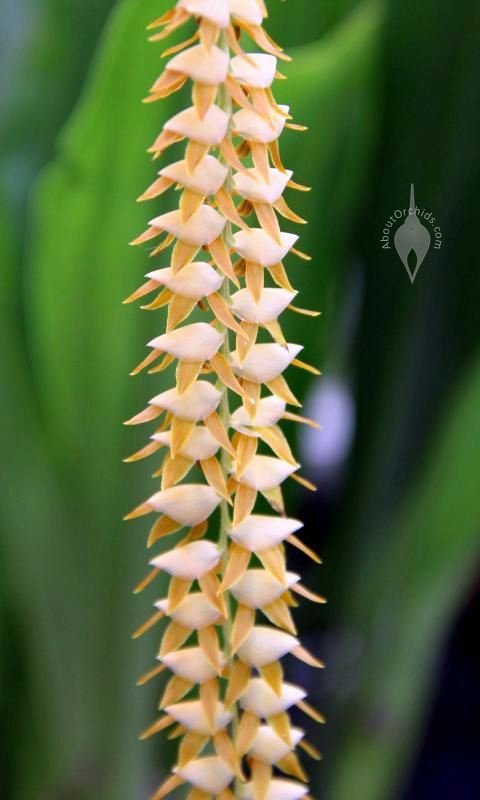
Next, the twisted petals of this Maxillaria species seem to dance in embrace. Competing for attention, an unusual Oncidium sports red and green mosaic leaf patterns. Meanwhile, long chains of tiny Dendrochilum blooms dangle like holiday decorations.
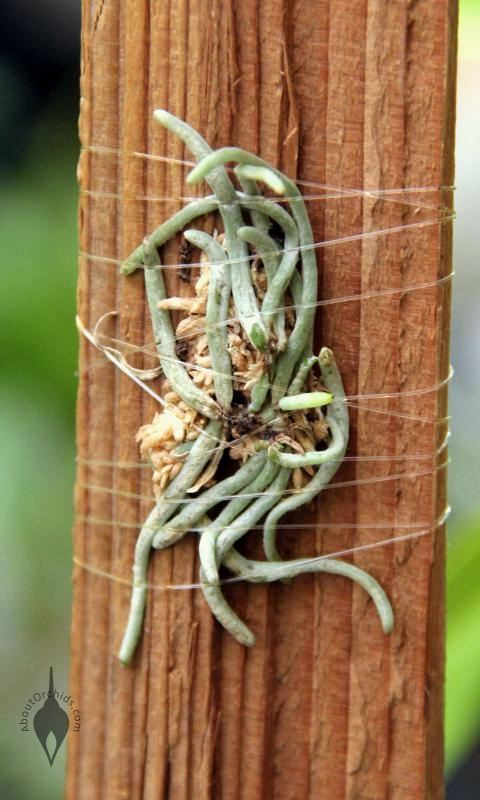
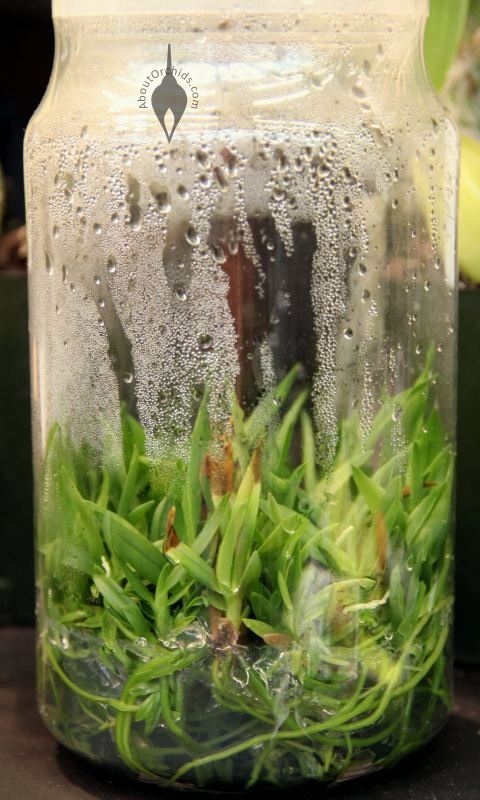
More incredible sights from this magic show include the roots of a leafless Ghost Orchid. This is a Dominican relative of the famous Florida Ghost Orchid, and it has a similar spectral flower. In the middle photo, dozens of baby Cattleya plants in a flask grow in a nutrient solution, an instant orchid collection in a jar. Finally, graceful Samurai Orchidhybrids take a bow.