Orchids from the Tropics to the North Atlantic

Posted August 12th, 2010 by Marc Cohen
Categories: Events, In the News

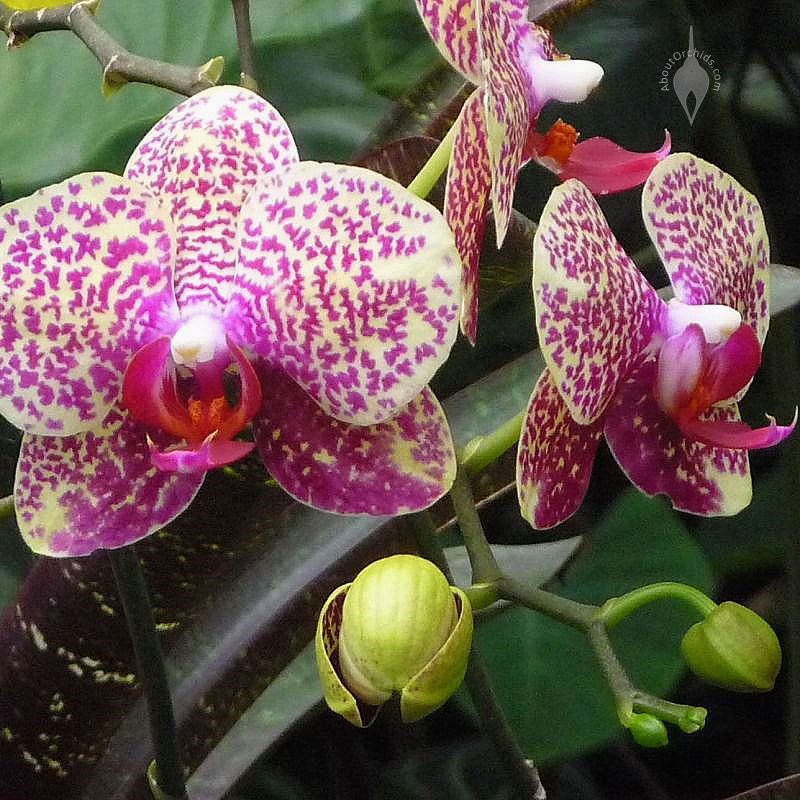
If you’re like me and missed the recent Bangkok Royal Orchid Paradise Show, you can still enjoy page 1 and page 2 of great photos (both pages have lots of pictures, so they may be slow to load.) The show photos were generously shared by the photographer in an online orchid forum, and it looks like a world-class display. Of course, that’s no surprise coming from Thailand. Situated in tropical Southeast Asia, it’s known around the world for its thriving orchid industry. Thailand also has lots of beautiful native orchids, including many Phals, Dendrobiums, Paphs, and Vandas.

You might be more surprised to find orchids by the cold North Atlantic. The Canadian province of New Brunswick has 44 native orchid species that can survive its cold, wet, and windy climate. The article describes some of these fascinating natives, such as Grass Pinks, Rose Pogonias, and several varieties of lady slipper. It also includes a good picture of the rare Ram’s Head Lady Slipper. Canada can’t match the bounty of a Thai orchid show, but it’s more proof that the orchid family spans the globe.

Bolivian Beauty

Posted August 7th, 2010 by Marc Cohen
Categories: Cool Growers, Mini Orchids, Photos

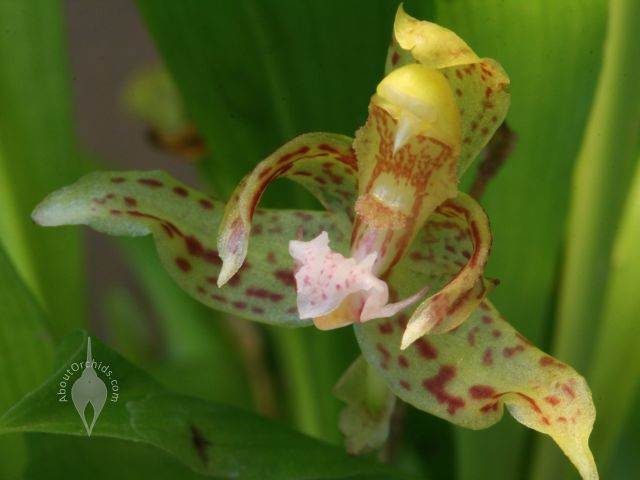
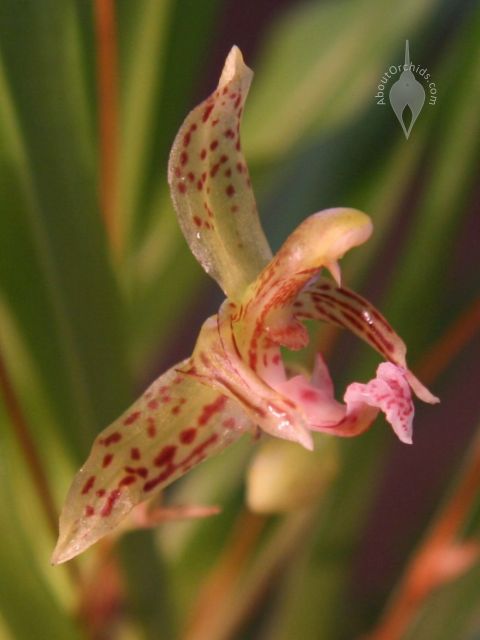
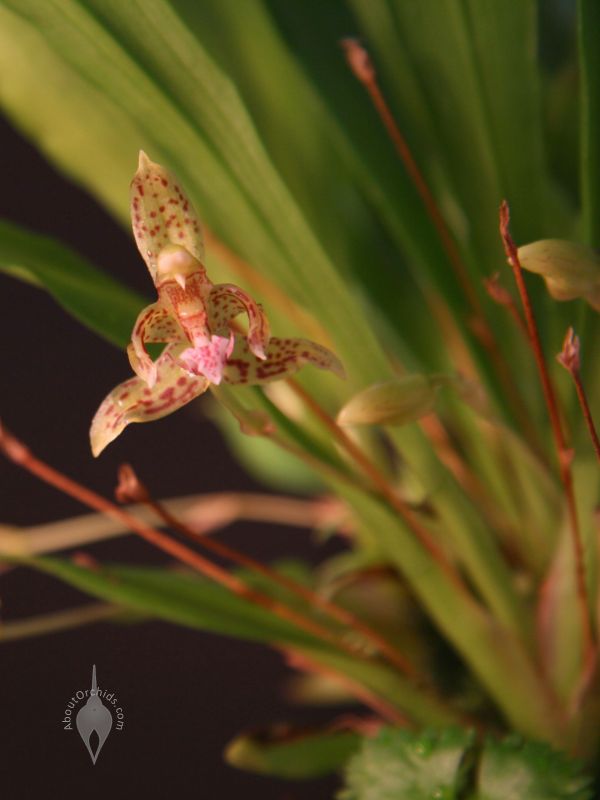
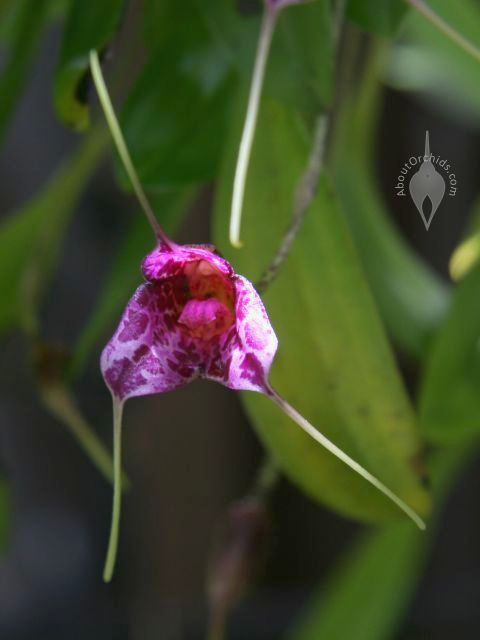
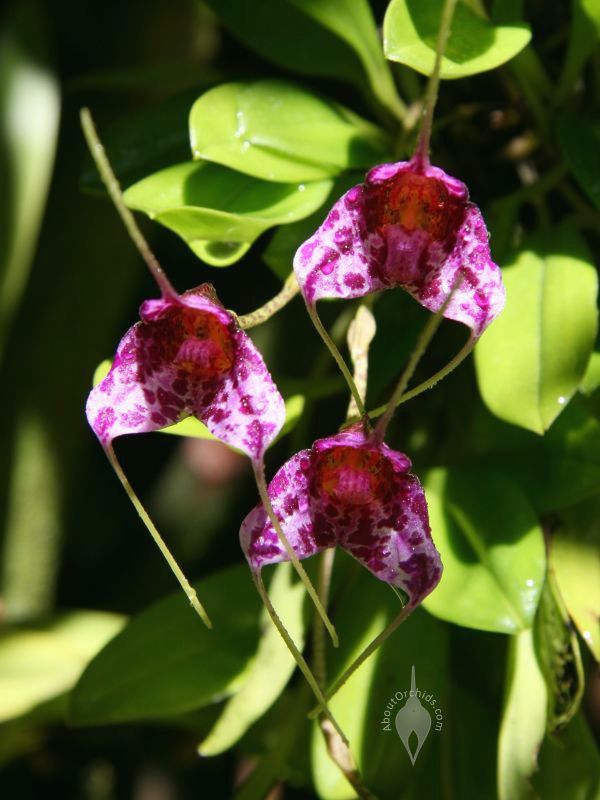
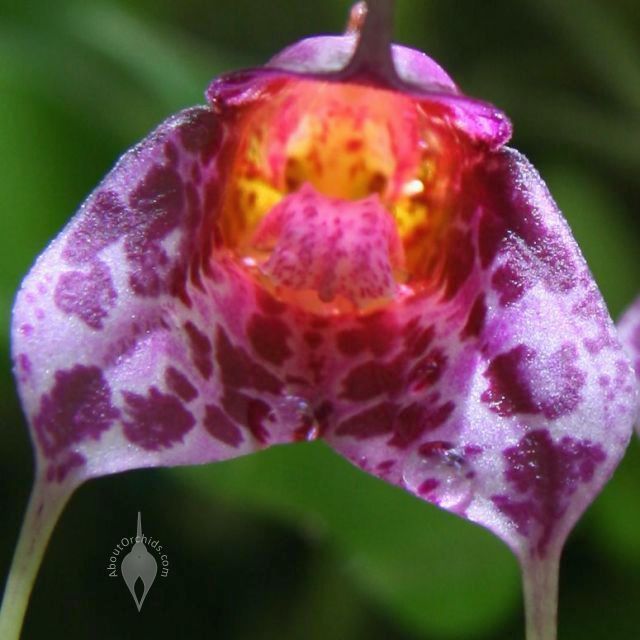
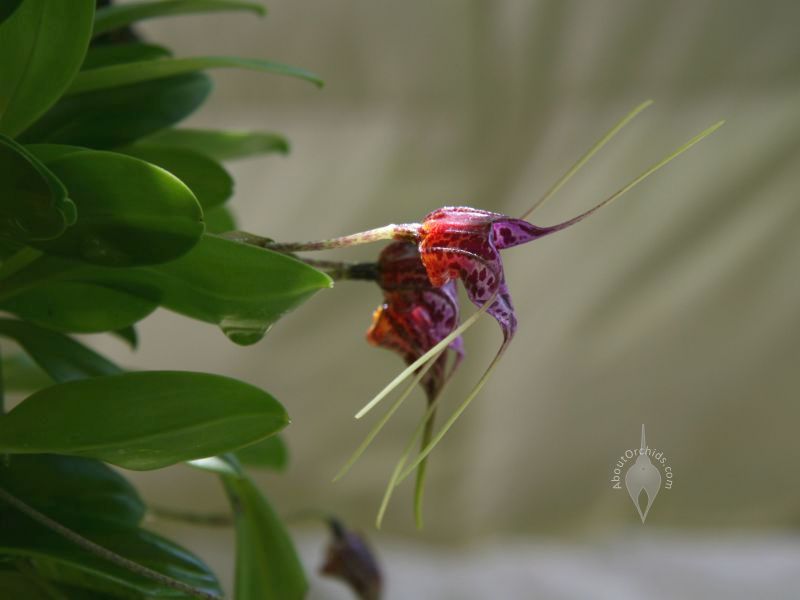
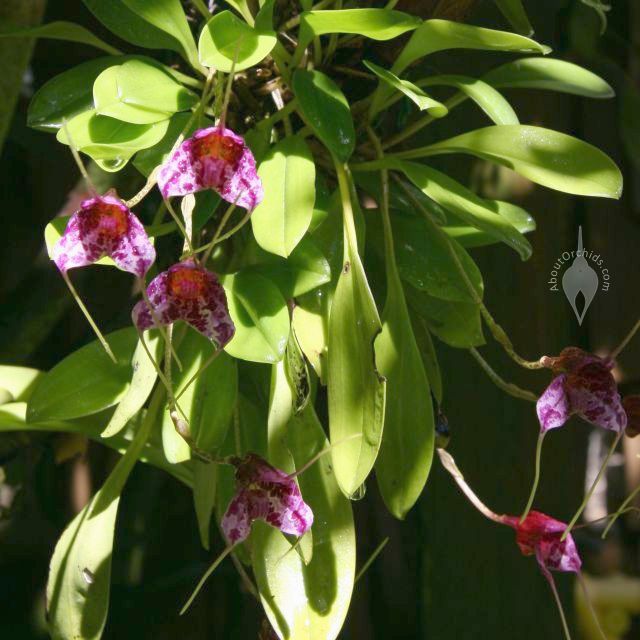
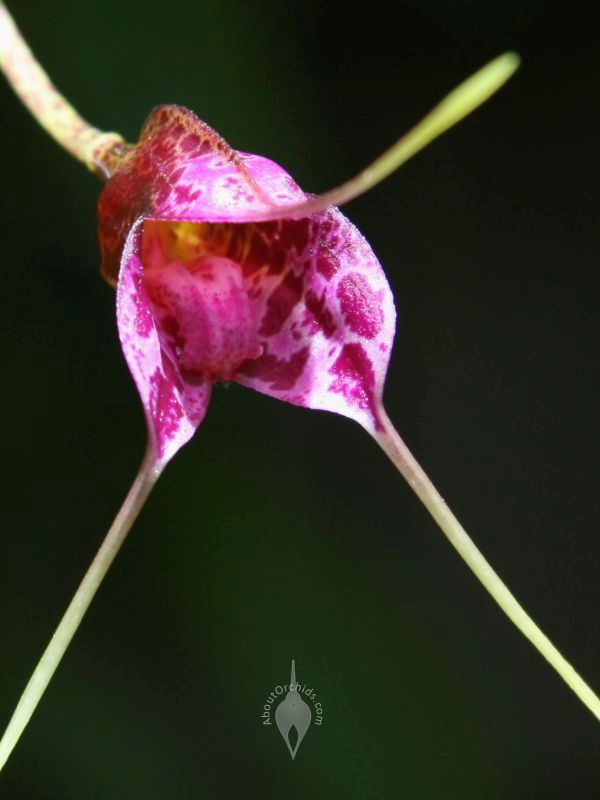
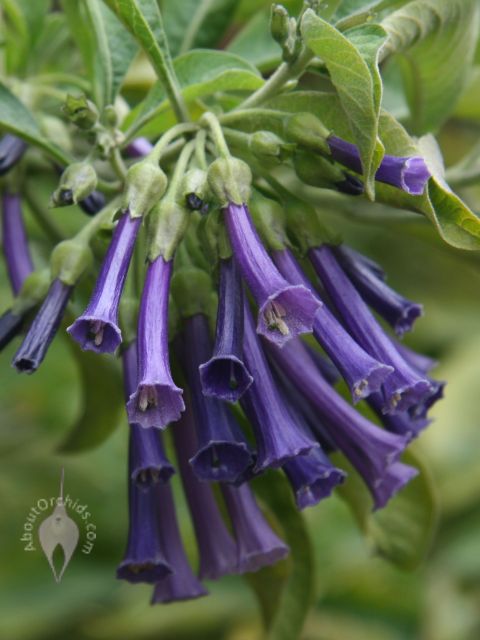
While much of the Northern Hemisphere is baking in summer heat, San Francisco is cool and foggy. Our mild weather must bear some resemblance to cloud forests in the Bolivian Andes, because this gorgeous Masdevallia has made itself right at home. In the wild, this species grows on mossy branches. In our back garden, it grows mounted on the limb of a small tree, an Iochroma. This orchid was a gift from my friend and fellow orchid nut, Tony.

Masdevallia flowerMasdevallia flowers and leavesMasdevallia flower

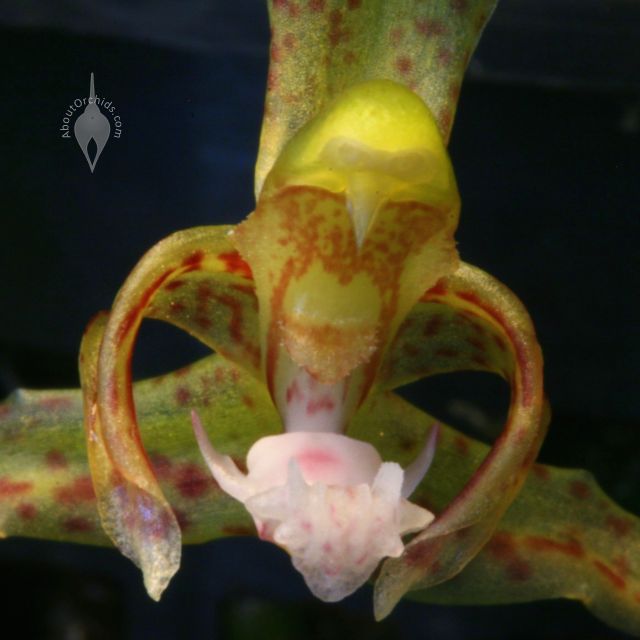
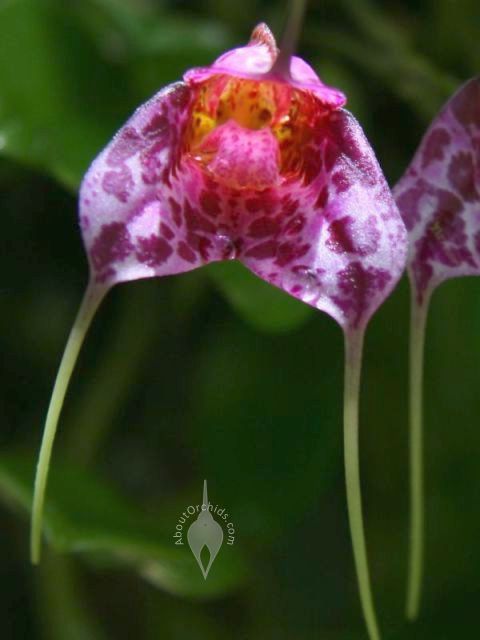
It’s remarkable to think that these beautiful blossoms weren’t identified by modern science until 1978. Dark purple markings could be mistaken for jaguar spots on a light purple background. Some of Dave’s photos capture the sunlight striking the yellow flower throat and illuminating the bloom.

Masdevallia flower close upMasdevallia flowers side viewMasdevallia plant and blooms

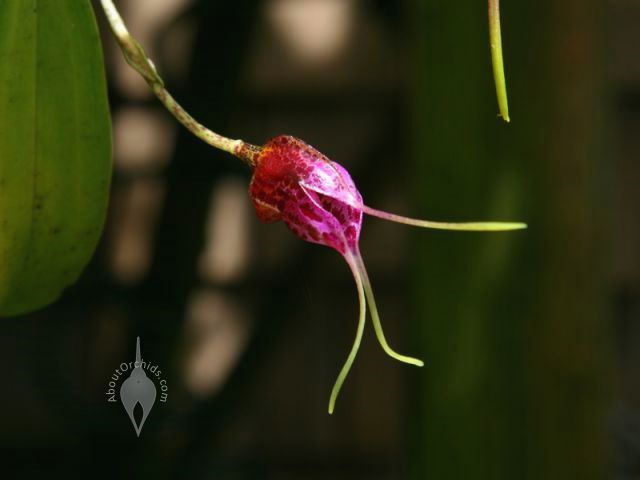
The long, tapered flower tails stand out in the images of unfolding flower buds. Colors are visible on the buds even before they open, starting off the floral show with a hint of what’s to come. It’s an impressive display for a Bolivian beauty.

Masdevallia bud starting to openMasdevallia flower partially openMasdevallia flowers and leaves

August Orchid Shows

Posted August 1st, 2010 by Marc Cohen
Categories: Botanical Gardens, Events

Orchid shows are great ways to enjoy lots of flowers, talk to orchid vendors and experts, and meet local growers. Shows span the globe this month, taking place from Hilo to Houston, from Australia to the UK, and from Brazil to the Philippines. Attend one if you can.

August 1
Coalition of Orchid Species Symposium and Plant Sale, Fairchild Tropical Botanic Garden, 10901 Old Cutler Rd., Coral Gables, Florida
August 3 – 8
Sociedad Colombiana de Orquideologia Show, Orquideorama, Jardín Botánico, Medellín, Colombia
August 5 – 8
Campbelltown Orchid Society Show, Narellan Town Centre, Camden Valley Way, NSW, Australia
August 6 – 7
Houston Orchid Society Workshop, Univ. of St. Thomas, Crooker Center, 3900 Graustark, Houston, Texas
August 6 – 8
Hilo Orchid Society Show and Sale, Edith Kanaka’ole Stadium, 350 Kalnikoa St., Hilo, Hawaii
August 6 – 8
National Orchid Extravaganza, Ellerman Park, 25a Kenthurst Rd., Round Corner, Dural, NSW, Australia
August 6 – 8
Manly Warringah Orchid Society Show, Dee Why RSL Club, Pittwater Rd., Dee Why, NSW, Australia
August 7
California Sierra Nevada Speakers’ Day, Oddfellows Building, 1831 Howe Ave. at Alta Arden, Sacramento, California
August 7
Palomar Orchid Society Annual Orchid Auction, Women’s Club of Carlsbad, 3320 Monroe St., Carlsbad, California
August 7 – 8
Festival of Orchids, Scone Palace, Perth, Perthshire and Kinross, Scotland, UK

Read the rest of this post »

Forcing Phals to Rebloom

Posted July 29th, 2010 by Marc Cohen
Categories: Growing, Photos, Warm Growers

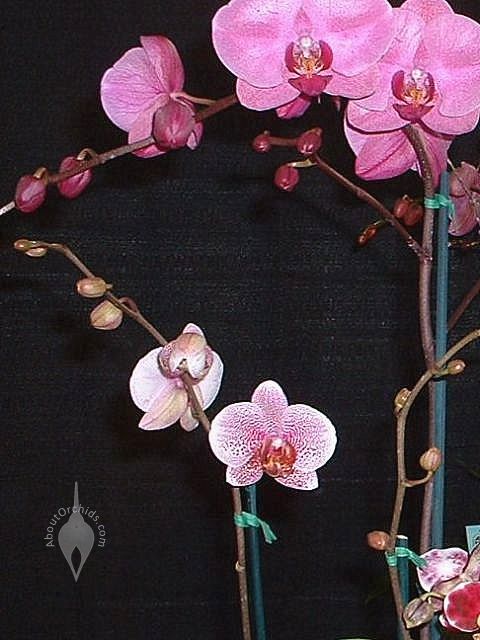
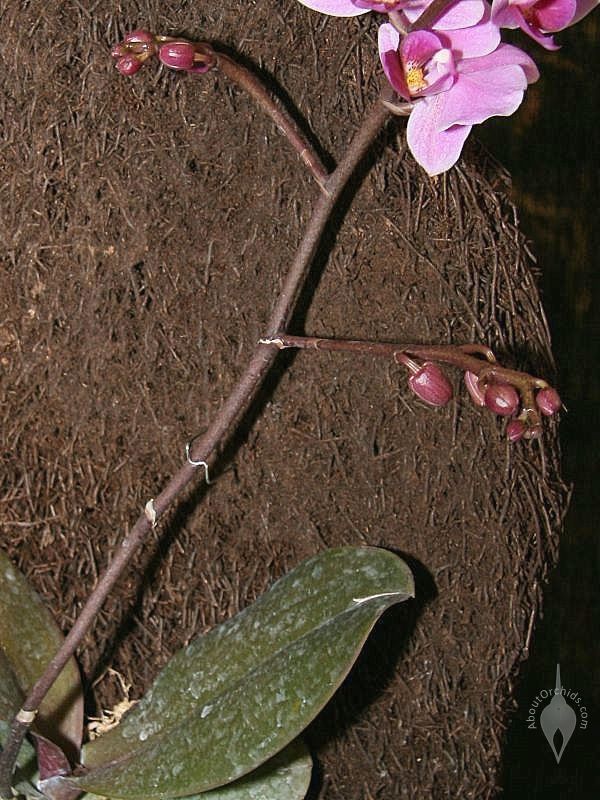
Phals, or Moth Orchids, are the most popular orchid varieties in the world. One of their fascinating traits is that healthy Phal plants can rebloom. While some Epidendrum and Oncidium varieties can bloom again from broken flower spikes (the stems that holds the flowers,) this process is most reliable with Phals. Their flowers last for weeks or even months, and then start to fade. To force the plant to produce more blooms, find the nodes, which are the swollen “bumps” that mark each segment on the spike. Pick a node below where the original flower had attached. Cut off the flower spike just above this node.

Phal flower spikesPhal flowers showing segmented flower spikePhal flower stem

Always use a clean, sharp scissors to prevent spreading plant diseases. Clean the blades with hot water and soap, rubbing alcohol, or bleach solution. Cut 1/4 inch (6 mm) above the node. Another spike may emerge beneath the cut. Its flowers will be smaller and shorter-lived than the first set.

Although this method may add a month to your blooming season, it really drains energy from the plant. In the wild, unpollinated orchids drop their flowers, and start to make energy for next year’s blossoms. When forced to rebloom, the plant uses up its energy reserves. If you’d rather keep your orchid long-term and enjoy years of flowers, I would advise you to skip this process. Instead, let your Phal return to its natural growth cycle. Cut the old flower spike as close to the plant’s base as you can without damaging nearby leaves or roots. Healthy plants will grow and produce even more flowers next year.

Little Purple Stars

Posted July 24th, 2010 by Marc Cohen
Categories: Intermediate Growers, Mini Orchids, Photos

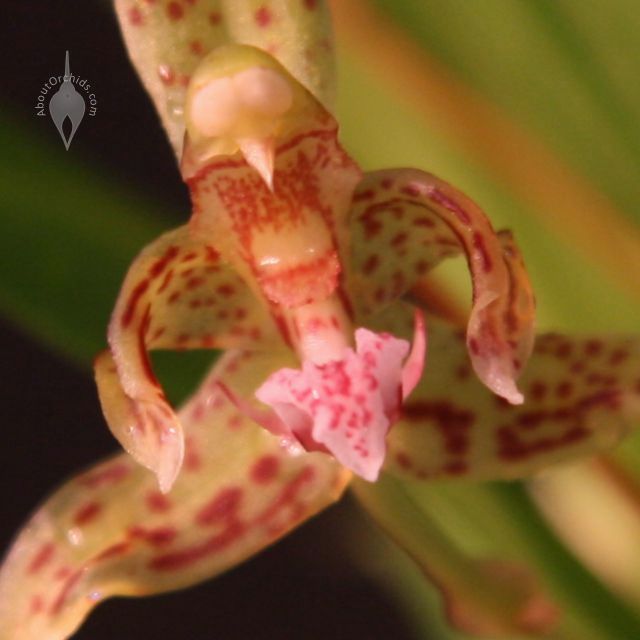
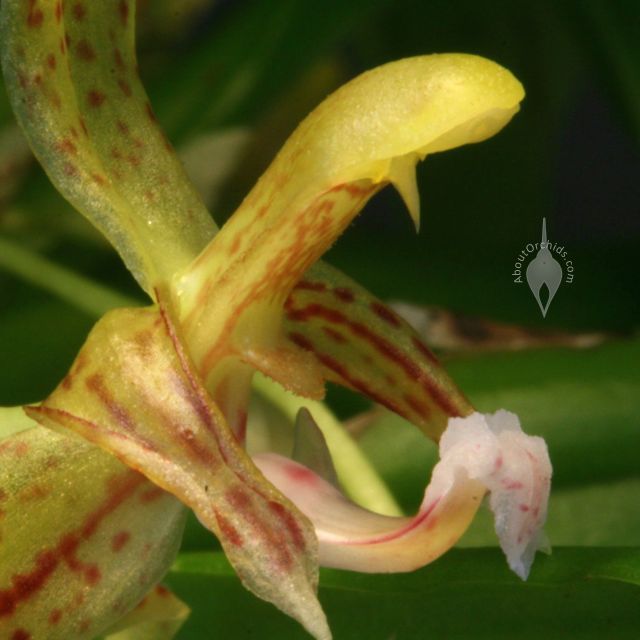
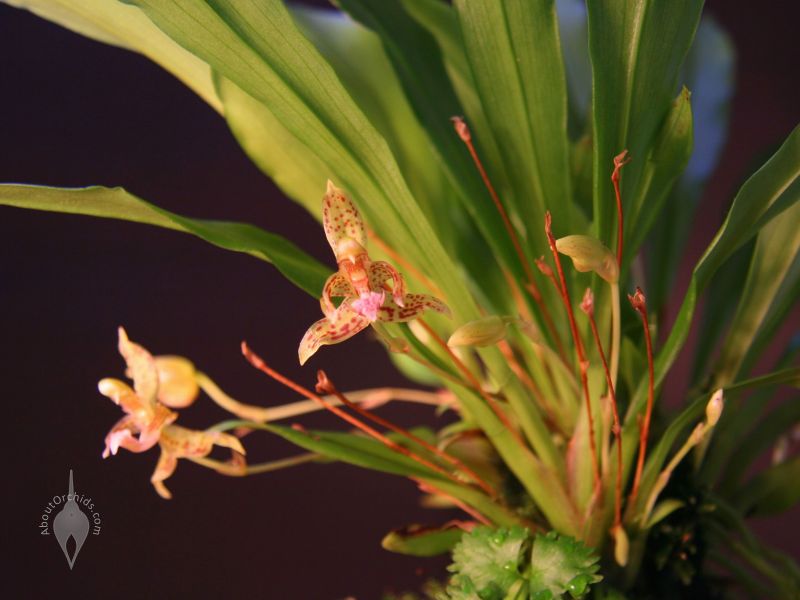
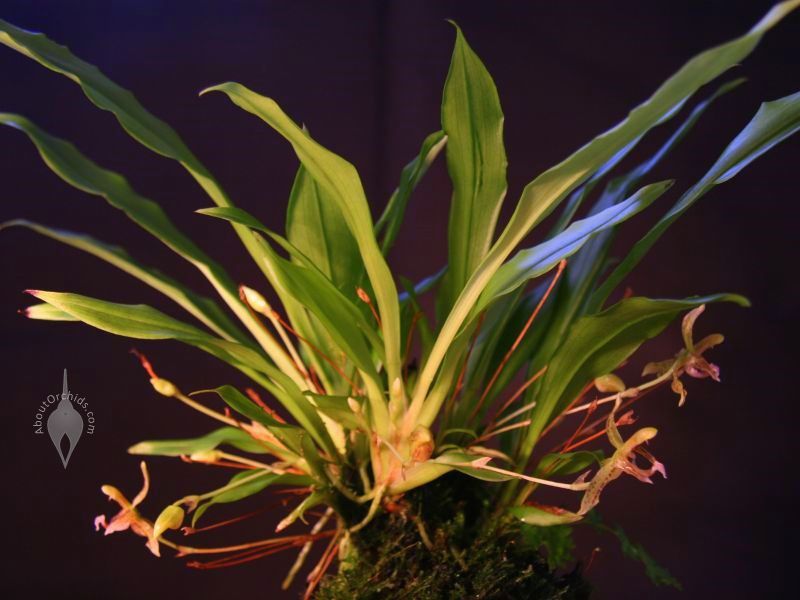
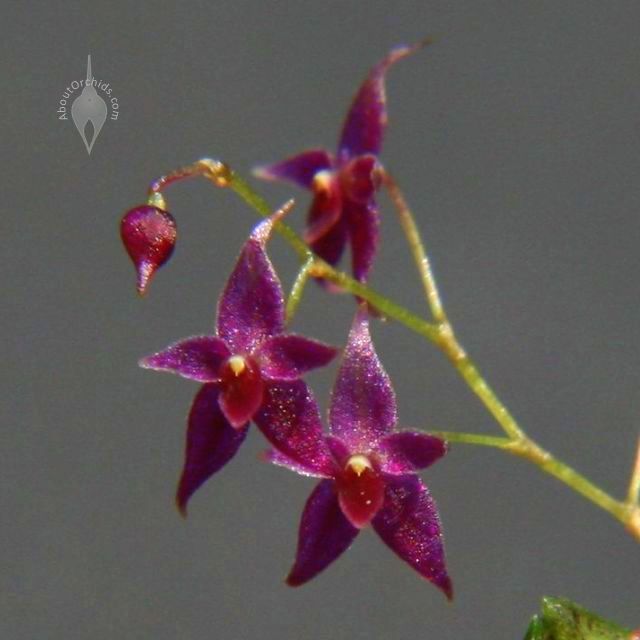
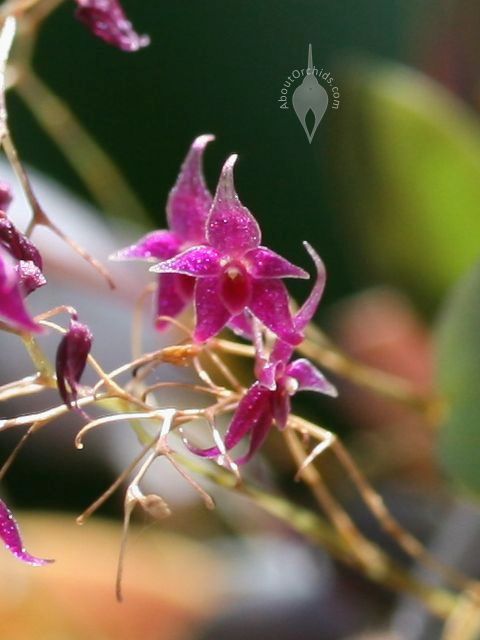
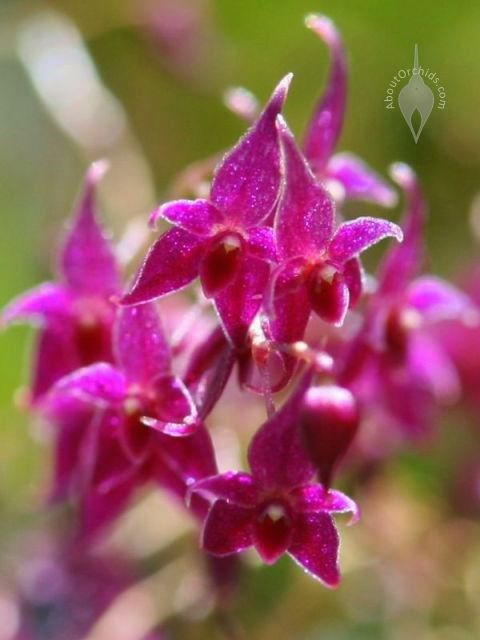
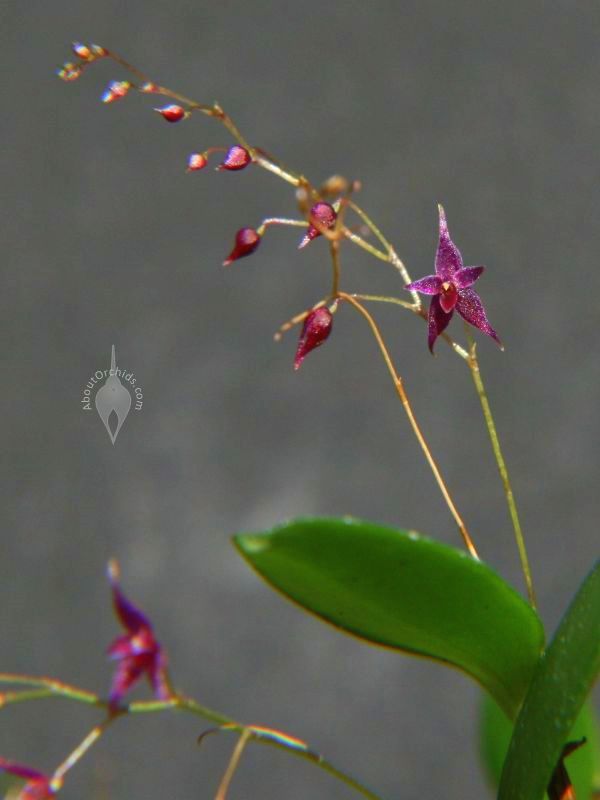
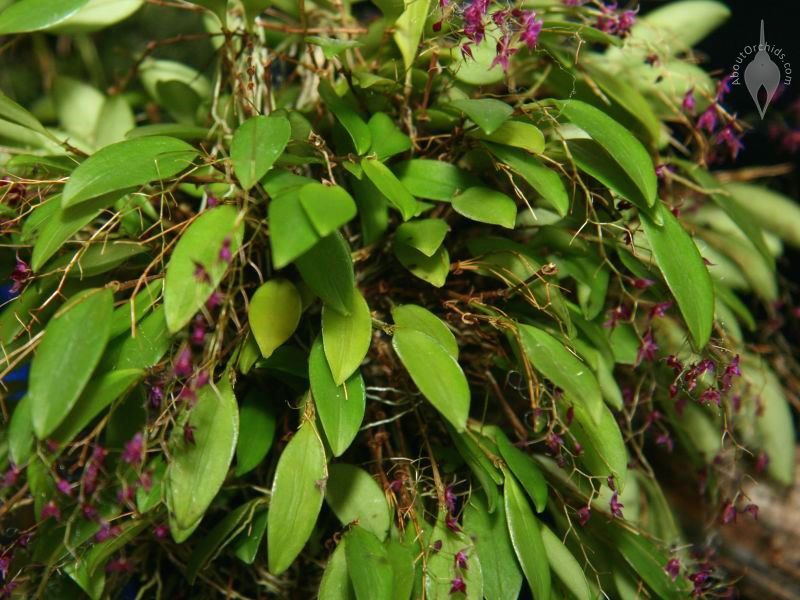
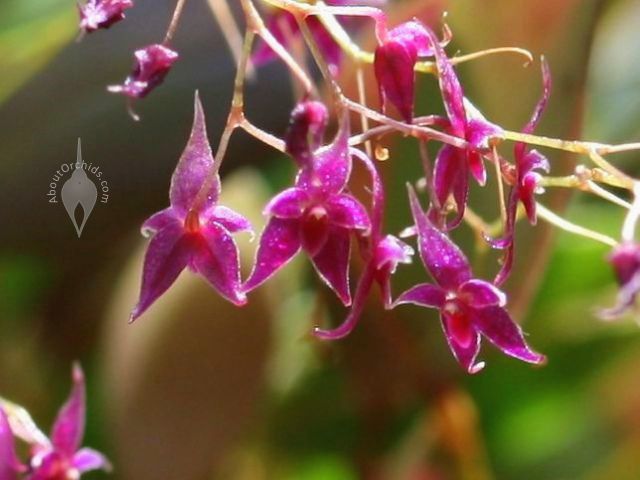
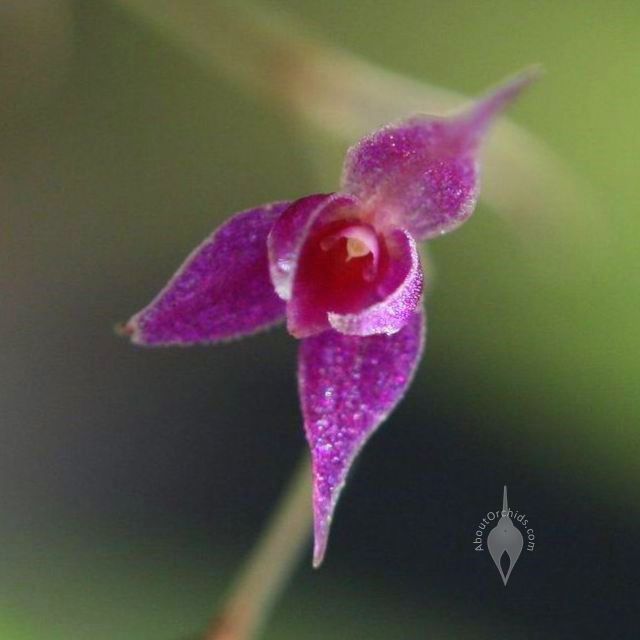
This tiny orchid’s name is bigger than the plant itself. Lepanthopsis astrophora is a Masdevallia relative, and it’s easier to grow than it is to pronounce. Its species name translates from the Latin as “producing stars,” and since this orchid can bloom for months at a time, it certainly earns the moniker.

Lepanthopsis flowersLepanthopsis flower close upLepanthopsis flowers

It helps to have Dave’s macro lens, or a magnifying glass, to really appreciate these tiny stars. Each blossom is just a speck of color, only 3/16 inch (5 mm) tall, but still a fully formed flower. This mini can produce dozens of blooms at a time, so it’s easy to enjoy the mass of purple flowers even without a lens.

Lepanthopsis flowers and budLepanthopsis flowersLepanthopsis flowers close up

Native to coastal rainforests in Venezuela and Colombia, these orchids need daily water, constant high humidity, and good air movement. Small plants can dry out quickly in high temps or high winds, and Lepanthopsis has thin roots and no pseudobulbs. It may require daily attention, but I find it’s worth the trouble to have my own collection of little purple stars.

Lepanthopsis flowers and budsLepanthopsis plant in bloomLepanthopsis flowers

Summer Watering

Posted July 18th, 2010 by Marc Cohen
Categories: Growing, Watering

Summer has been heating up the northern half of the planet, and it’s important to remember that orchid care instructions are always subject to change. If you follow a too-rigid watering schedule, then you may notice your orchid suffering about now. On hot summer days, orchids need extra water. Plants in homes and offices may respond to longer daylight hours with a growth spurt, and also need an extra drink or two during the week.

So how often do you water? Well, there’s no single answer. Instead it depends on several interrelated factors, like light, temperature, humidity, air movement, and what orchid variety you have. High light, hot temps, dry air, and strong winds each increase an orchid’s thirst. Warm growers like Phals, Paphs, Oncidiums, and Dendrobiums will flourish with additional soakings. Always check that your flower pot drains completely, and orchid roots do not sit in water.

No orchid website or book can compete with your own observations, experience, and knowledge of local growing conditions. Pay attention, be flexible, and your orchid will reward you with amazing blooms.

Summer has been heating up the Northern Hemisphere, and it’s

important to remember that orchid watering instructions are

always subject to change. On hot days, outdoor orchids need

extra water. Even the excellent instructions at

AboutOrchids.com can’t compensate for heat waves. Even if

it’s not hot, long summer days also mean that orchids have

enjoy more daylight hours of photosynthesis, and need more

water. Orchids in homes and offices may also respond to

longer sunlight hours with a growth spurt, and therefore

need more additional waterings. If you follow a too-rigid

watering formula, then you may notice your orchid suffering

about now.

So how often do you water? Well, there’s no single answer.

Instead it depends on several interrelated factors, like

light, temperature, humidity, air movement, and what orchid

variety you have. For any extra hours of light, high temps,

dry air, or high winds, orchids should receive extra water.

No orchid website or book can compete with your own

observations, experience, and knowledge of local growing

conditions. Pay attention, be flexible, and remember that

when it comes to watering instructions, your mileage will

vary.

Keiki – A Baby Orchid

Posted July 13th, 2010 by Marc Cohen
Categories: Growing, Photos, Problems

A keiki is a baby orchid that grows as an offshoot of its mother plant. Keiki is the Hawaiian word for baby or child, and it’s pronounced “kay-kee.” Besides their Hawaiian name, they’re sometimes called aerials or plantlets.

Phal keiki on mother plantPhal keiki on old flower spikeBamboo Orchid keikis on broken stem

By growing keikis, orchids can reproduce without flowering and seeding. Some orchid varieties are more likely to make keikis. Besides the Phal and Arundina above, Dendrobiums, Epidendrums, and Vandas often produce them. Keikis are exact genetic copies of their mother plants.

While a baby orchid may seem like welcome news, it often indicates a problem with growing conditions, and it appears in lieu of flowers. Common causes include overwatering, low light, prolonged hot temps, or lack of winter dormancy. In the event of a broken flower spike, some Phals and Epidendrums grow keikis from the flower spike just below the break. The keikis then grow their own flower spikes.

Bamboo Orchid keikis growing on top of mother plantEpidendrum keiki on broken flower spikeEpidendrum keikis hanging from old flower spike

Not only are keikis potential red flags, but they also have a couple of drawbacks. First, the mother orchid probably won’t bloom while nurturing the baby. If your priority is flowers, remove the keikis promptly. Second, some varieties can take as long as 7 years to mature and flower. Others may flower in just a year, even while still attached to the mother plant. If you don’t know which category your orchid falls in, you may need a lot of patience.

Dendrobium keiki growing from mother plantClose up of Dendrobium keiki showing roots atop mother plant

If you want to keep your baby orchids, leave the keikis attached until they have 2 or more leaves, and their roots are at least 1 inch (2.5 cm) long. Depending on your orchid variety and growing conditions, that may take just a few weeks or more than a year. Cut them off the mother plant with a sterile blade, and pot them separately. Congratulations, you have a baby orchid!

Super Ghost

Posted July 10th, 2010 by Marc Cohen
Categories: In the News, Orchids in the Wild

While the rare and elusive Ghost Orchid can pop up in some unusual places, the most reliable spot to see one in bloom is the Corkscrew Swamp Sanctuary in Naples, Florida. This July, one happy plant is again visible from the comfort of their boardwalk. With 14 flower buds that will open over the next month, local biologists have nicknamed this specimen the “Super Ghost.” Most Ghost Orchids have a maximum of 3 blossoms per year, but this plant reliably has at least a dozen. It already had a single out-of-season bloom in March.

This Super Ghost has inspired local businesses to offer Ghost Orchid specials. Hotels, restaurants, and even a nearby Seminole Casino give discounts to orchid tourists who show their Corkscrew Swamp Sanctuary receipt. Ghost Orchids may be rare enough, but it’s much rarer when one can help orchid lovers to save money.

Urban Jungle

Posted July 5th, 2010 by Marc Cohen
Categories: General Gardening, Photos

With a small deck and backyard garden, Dave and I have a limited amount of green space in our San Francisco apartment. We make up for lack of square footage with plant density, and in our mild climate, there’s always something growing and blooming. But our urban jungle really comes alive in summer. Among this season’s blooms, we have a rich red Abutilon, an intricate yellow St. John’s Wort flower, and colorful succulent blossoms.

Flowering MapleSt John's Wort flower close upSucculent flowers

Anna’s Hummingbirds have nested in the back garden for years. This female paused on our roof long enough for Dave to take her picture. Orange grains of pollen scattered around a purple African Daisy implicate a sloppy insect visitor. In the next photo, Dave captured an unidentified bug in the folds of a flower, possibly guilty of munching a petal.

Anna's Hummingbird perched on gutterPurple African daisy close upUnidentified bug on blue hibiscus petals

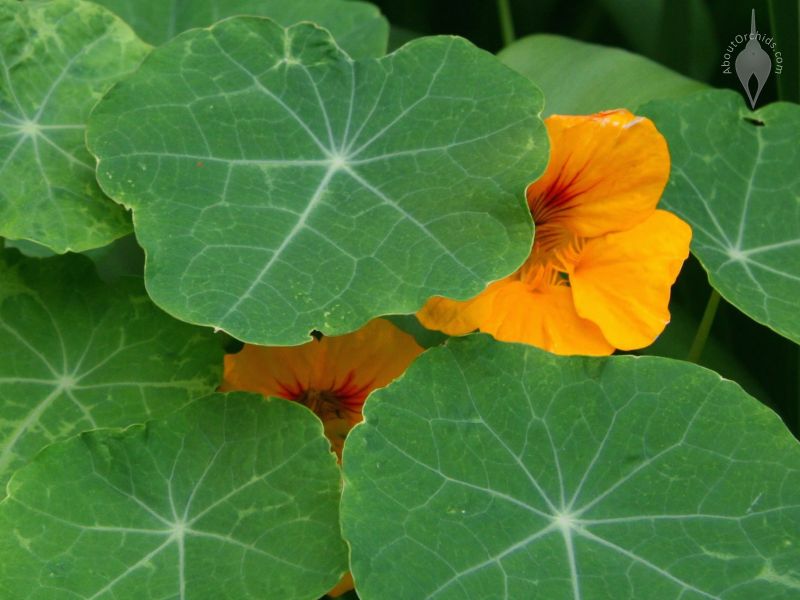
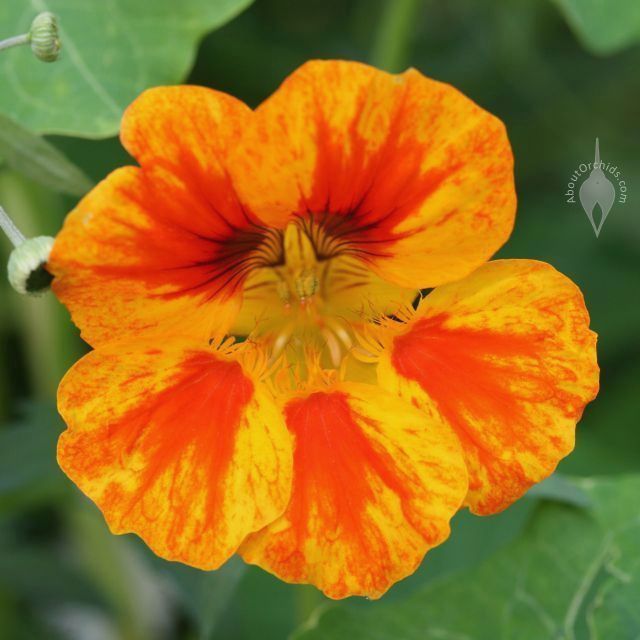
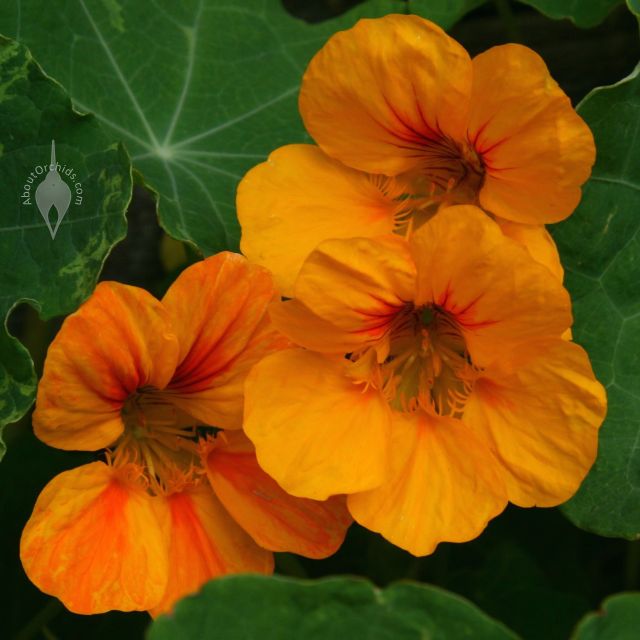
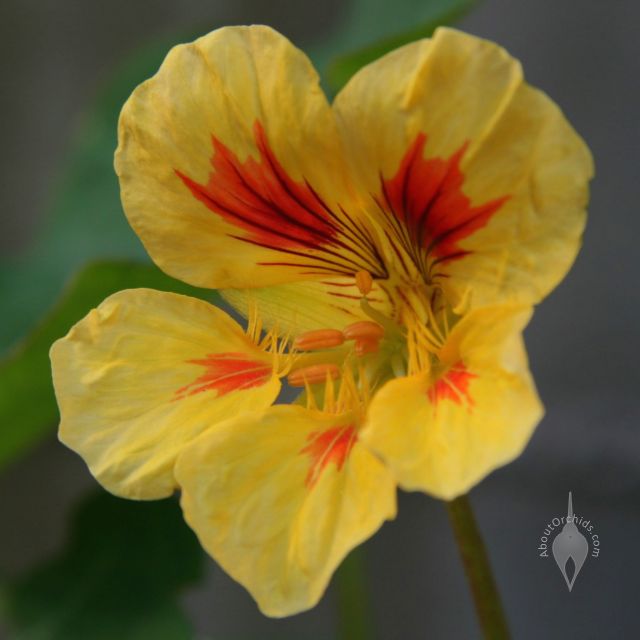
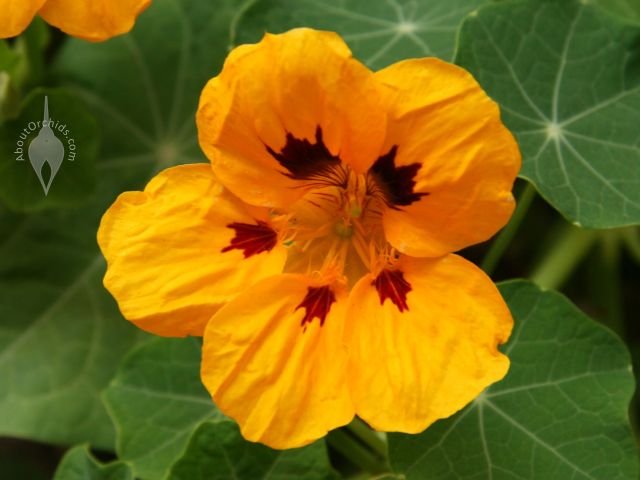
Bugs and birds aren’t the only ones who can find a meal in our jungle. Nasturtium leaves have a peppery taste, but we grow them for their flowers. Dave harvests our mint to make a heavenly mint syrup, a perfect sweetener for any summer beverage. Violet petals are delicious as a traditional French candy, and violet syrup is a tasty addition to desserts and cocktails.

Variegated Nasturtium flowerMint plantViolets and tiny Baby Tears plants

Among the orchids in our urban jungle, this Zygo flowers several times a year, and the Epipactis still has blooms holding on. Finally, this (non-orchid) variegated Hebe has colorful foliage all year. Maybe its purple flowers gild the lily, but in a dense urban jungle, it helps to stand out.

Zygo bloomsEpipactis flowers and leavesVariegated Hebe in bloom

July Orchid Shows

Posted July 1st, 2010 by Marc Cohen
Categories: Botanical Gardens, Events

Winter in the Southern Hemisphere brings lots of orchid shows in Australia, New Zealand, and South Africa. Orchid lovers in the USA and UK may need to look a little harder, but can still find some summer shows to scratch that orchid itch.

July 1 – 3
Alfred County Winter Orchid Show, Margate Methodist Church Hall, Margate, KwaZulu-Natal, South Africa
July 3
Hawke’s Bay Orchid Society Winter Show, Taradale Town Hall, Lee & Meeanee Rds, Napier, New Zealand
July 3 – 4
Orchid Society of New South Wales Show, Sydney Tropical Centre, Royal Botanical Gardens, Mrs Macquaries Rd., Sydney NSW, Australia
July 3 – 4
Shoalhaven Orchid Society Show, Berry Showground Pavilion, Victoria St., Berry NSW, Australia
July 4
Waikato Orchid Society Golden Jubilee, Hamilton Gardens, Cobham Dr., Hamilton, New Zealand
July 6 – 11
Hampton Court Palace Flower Show, Hampton Court Palace, East Molesey, Surrey, UK
July 7 – 10
Illawarra District Orchid Society Show, Illawarra Yacht Club, 1 Northcliffe Dr., Warrawong NSW, Australia
July 8 – 11
Campbelltown Orchid Society Show, Macarthur Shopping Centre, Campbelltown NSW, Australia
July 9 – 11
Santa Barbara Orchid Estate International Fair, Earl Warren Showgrounds, Santa Barbara, California
July 9 – 11
Ewa Orchid Society Show, Ewa Elementary School, 91-1280 Renton Road, Ewa, Oahu, Hawaii

Read the rest of this post »