May Orchid Events
Posted May 1st, 2023 by Marc CohenCategories: Events
From Albuquerque to Glasgow, from Auckland to Rome, orchid lovers are gathering this month. Take advantage of these events around the globe.
Victorian England was obsessed with orchids. The trend was called Orchidelirium, like Dutch Tulip mania centuries before. Fortunes were made and lost, and tropical rainforests were deliberately stripped bare to ship plants to Britain. Many orchid hunters died in the process, and most of the orchids died, too. The few surviving plants which made it to England cost extravagant amounts, but rarely lived for long, as growers struggled to understand their care in the cold English climate. Britain’s richest competed to have the best collections long before 1886, when “Orchid King” Frederick Sander was named Royal Orchid Grower by Queen Victoria. Orchids became symbols of wealth and privilege, a mythos that they retain today, even as they’re sold at supermarkets. Orchidelirium may have subsided, but it certainly hasn’t disappeared. There are plenty of stories like The Orchid Thief to prove that many still suffer from the madness.
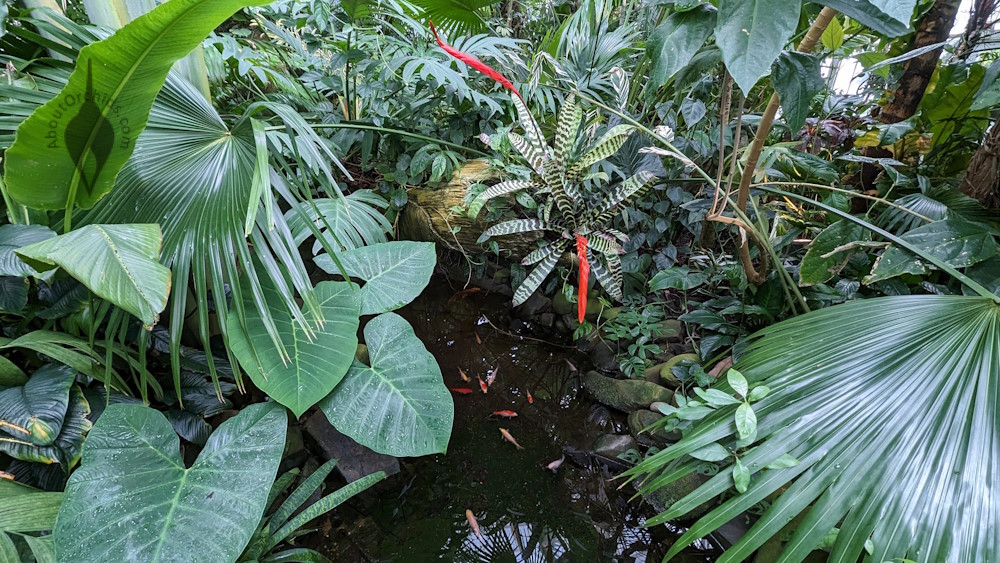
Four stories above the streets of San Francisco, a beautiful garden oasis sits among the Financial District’s skyscrapers. Salesforce Park is a living roof for the city’s new transit center. This public park covers 5.4 acres (2.2 hectares,) and features thousands of trees and plants. It also contains walking trails, seating, a children’s play area, fountains, amphitheaters, and a beer garden. During my recent visit, I enjoyed the superb plantings framed by modern skyscrapers and a blue sky.
Salesforce Park doesn’t have any orchids, but there are vibrant plantings from Australia, South Africa, Mediterranean climates, and cloud forests. Their layout makes the space feel larger than it is. Tree aloes, pincushion flowers, palm trees, redwoods, and bamboos reach to the sky. Besides the human visitors, there are hummingbirds and dragonflies. It’s a lot packed into four city blocks, but it feels calming anyway. Salesforce Park is definitely a welcome green addition to downtown San Francisco.
Click here for a park map and more info about the variety of plants in the gardens.
In this age of habitat destruction, poaching of wild plants, climate change, and pollution, extinction is tragically frequent. However, it can be difficult to know if a species has actually disappeared. For example, nobody has seen the small white flowers of the Everglades Orchid, Govenia floridana, since 1964. Vida Svahnström is an orchid scientist and a Florida native herself, and she’s trying to answer if this orchid is really gone for good.
I’ve always loved orchids, and a little unusually, I’ve always been interested in species already lost to time. As scientists, we’re always very hesitant to classify a species as extinct, just in case it isn’t, but if we can be certain (or as close to certain as possible) then we can free up limited resources for species that can still be saved, and learn lessons from what’s been lost.
Svahnström has studied plant surveys and collector notes from the 1950’s though 2022, and determined that there’s more than 90% probability that this species is extinct. All that’s left are a few photos in a textbook and a few dried specimens. The Everglades have been extensively explored, so it’s unlikely that the orchid is hiding out somewhere unnoticed.
The story of Govenia floridana is a reminder of why it is critical to assess each species before it is too late. Discovering species on the brink of extinction is inevitable, but through the work of our Conservation Assessment and Analysis team at Kew, and the possibility of targeted conservation actions based on their findings, we hope to see more stories of recovery than extinction.
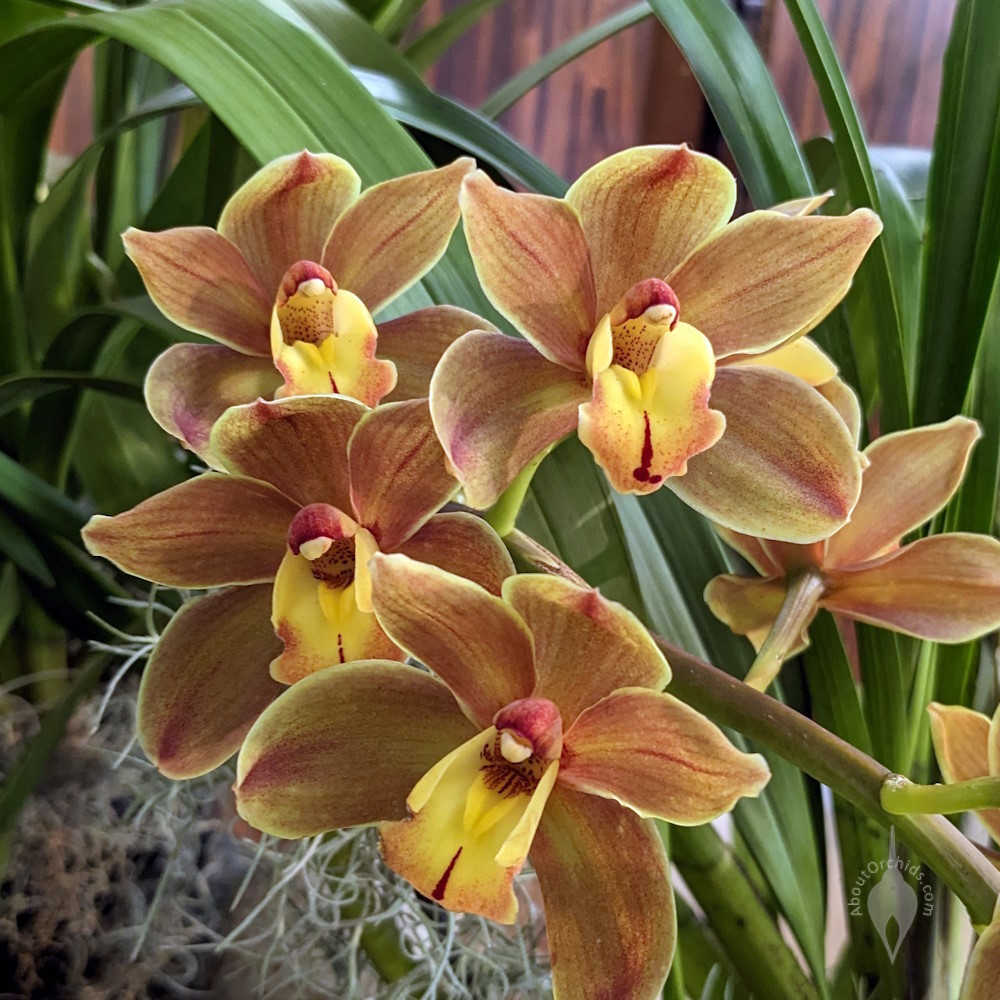
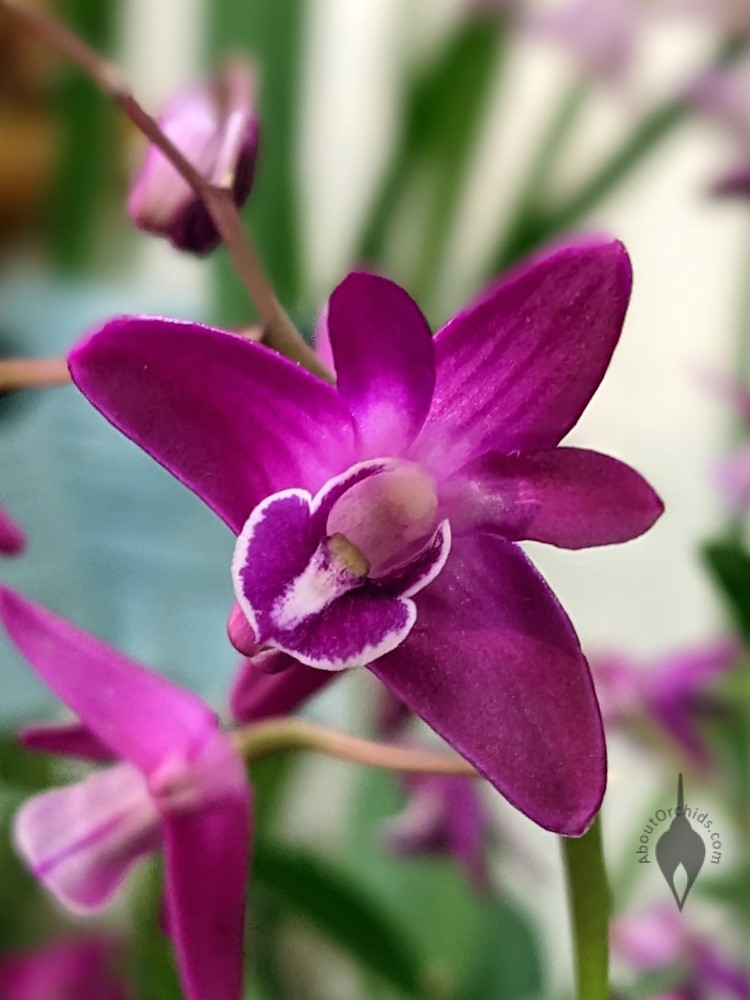
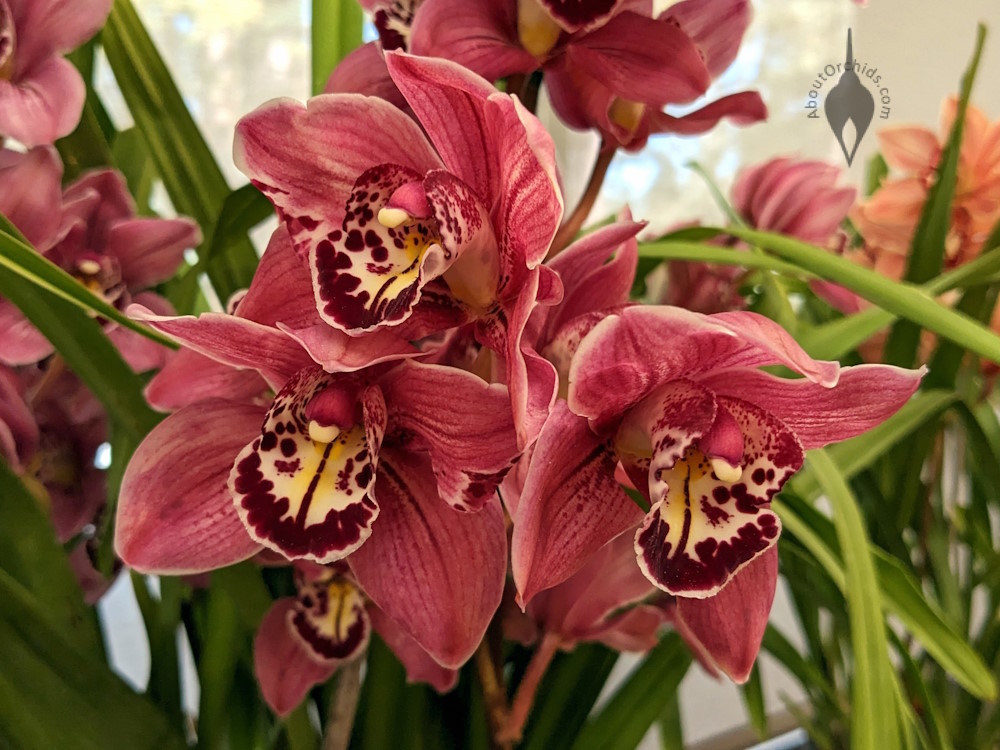
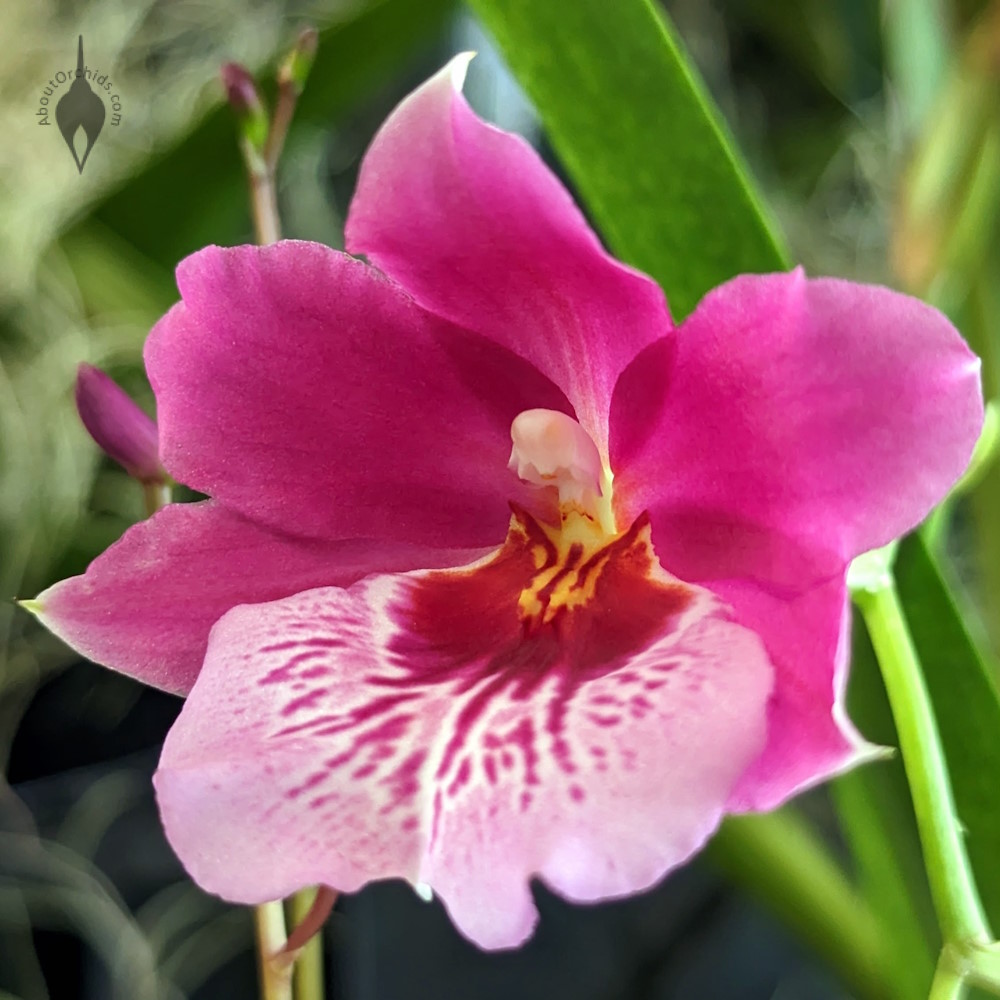
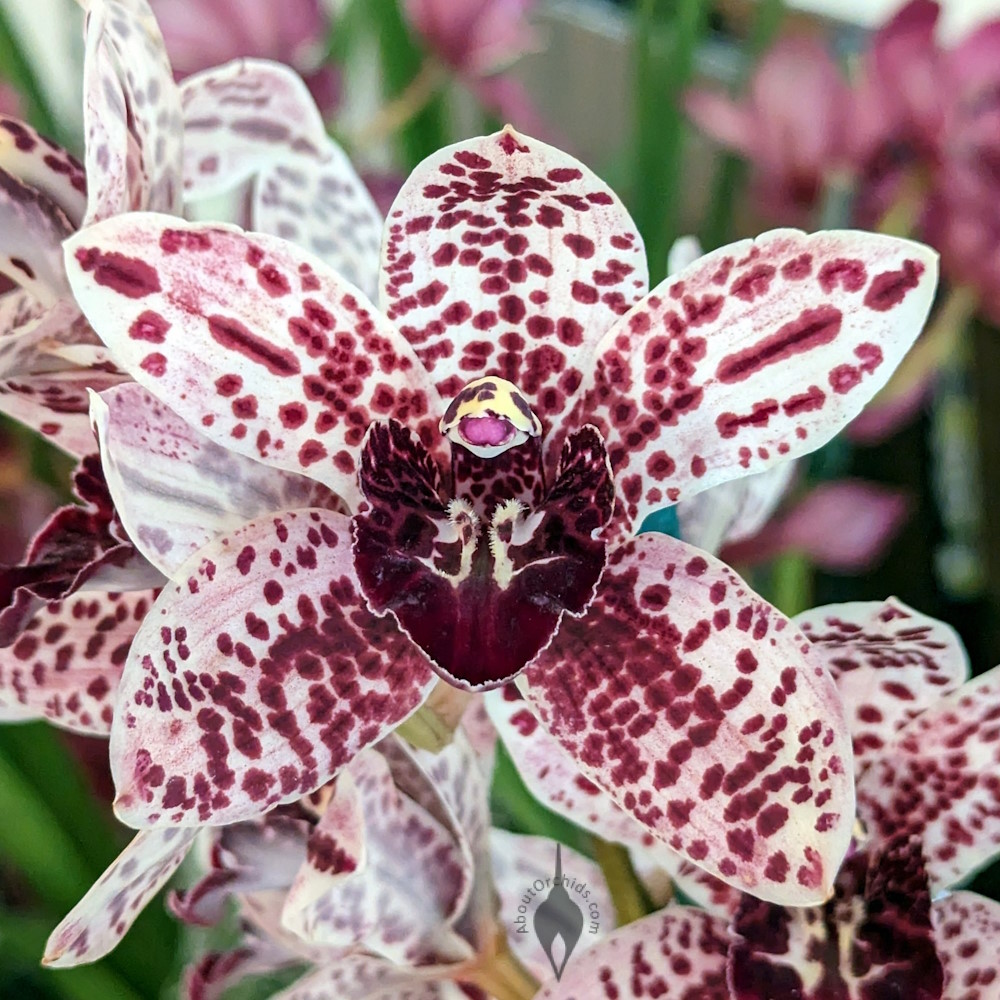
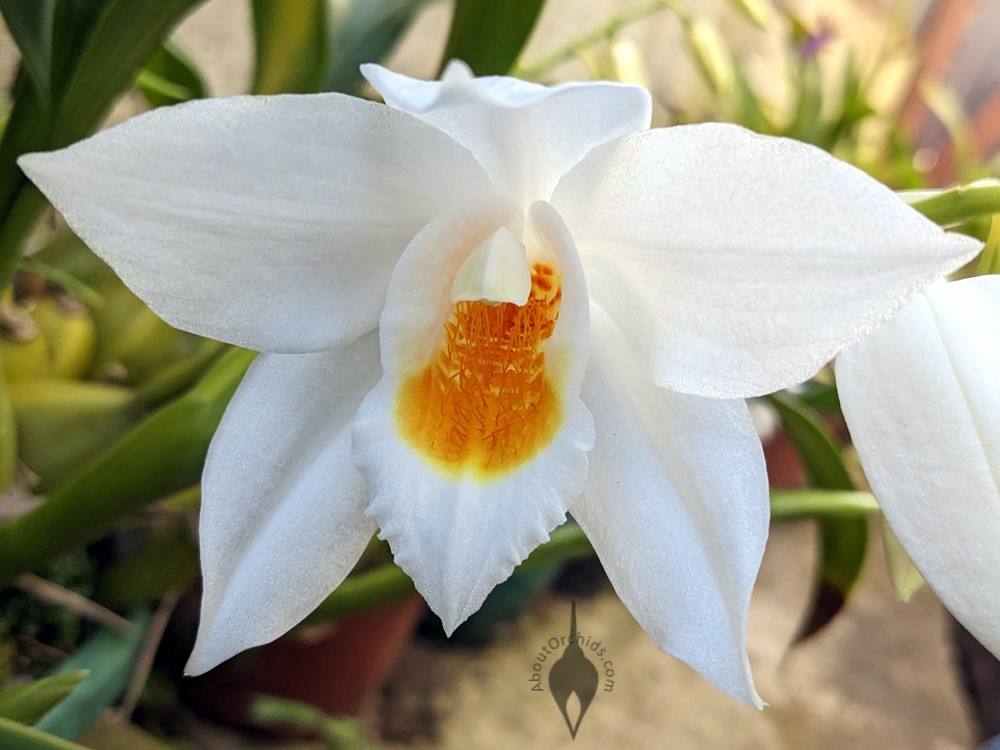
Last Saturday’s Gold Coast Cymbidium Society Show in Redwood City wasn’t all Cymbidiums, but there were plenty to be found. Arriving at the event shortly after it began, Dave and I were warned at the front door that the sales area was almost bare, having been quickly bought out by eager shoppers. I didn’t mind, since I already have more Cymbidiums that I can keep track of, and the small show was its own reward. As soon as we walked into the room, we were hit with the strong, honey-sweet scent of Australian Dendrobiums, one of my favorite fragrances. The orchids themselves were pretty spectacular, too.
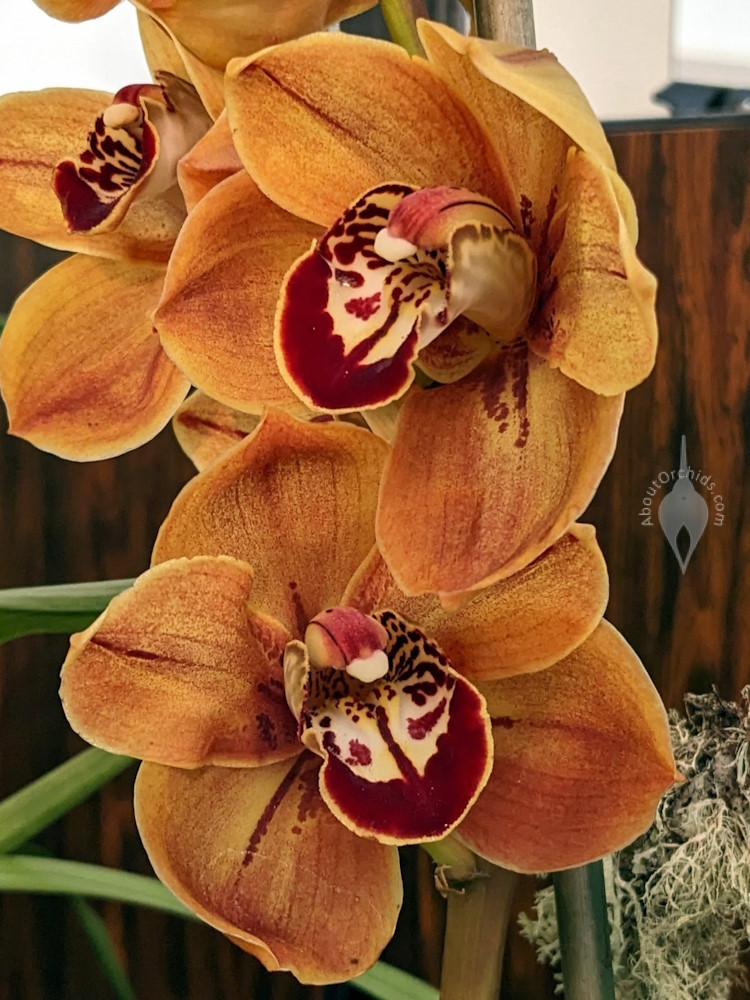
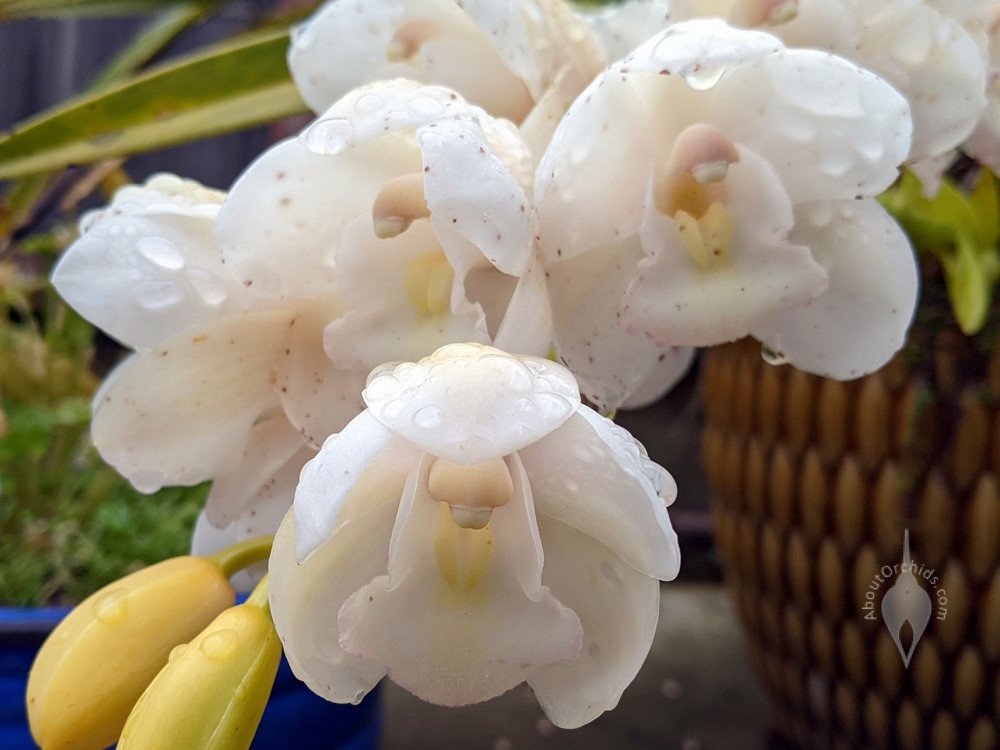
The displays were impressive, and included some great specimens. The first two photos in this post highlight one of them, an enormous, prize-winning Cymbidium canaliculatum. This unusual Australian species grows in drier areas than others in the genus, and has thick, stiff, succulent leaves. They’re very different than the typical thin, arching leaves which dance in the breeze, and which have helped inspire centuries of Cymbidium admiration in East Asian cultures.
Check back again for more pictures from this wonderful show.
April is a busy month, with big events in San Diego, London, Mexico City, Tokyo, Singapore, and many more locales. Large or small, don’t miss the shows, auctions, or seminars near you.
Vanilla is a very delicious orchid, and the most important orchid crop. The Crop Trust, a non-profit group which works to safeguard crop diversity, wants to protect vanilla. Native to Central and South America, it was cultivated for millennia by Mayans and Aztecs. Nowadays, most beans come from Madagascar, Indonesia, Papua New Guinea, India, and Uganda. Farmers create more plants by taking cuttings of vanilla vines, but that creates identical copies. This lack of genetic diversity makes the orchids susceptible to pests, diseases, and damage from climate change. To complicate matters, vanilla conservation hasn’t been a priority, and has been neglected. The Crop Trust plans to work with farmers, scientists, and industry experts in order to preserve the world’s vanilla resources. By supporting research, breeding new varieties, protecting existing plant stocks, and creating global conservation networks, they hope to guarantee that future generations can enjoy the joys of natural vanilla. Be sure to check out this great infographic accompanying the article.
Celebrate today’s equinox with more photos from the recent Pacific Orchid Expo in San Francisco. As spring arrives in the northern half of the planet, after a winter of strong storms, our drought appears to be over in California. That’s great news. I’ve lived through several droughts during my 34 years in the Bay Area, and even when there’s enough water, it’s best not to be wasteful. Clean water should always be treated as a precious resource. Like the cycling seasons, the passing moments guarantee that the situation will change again. For now, however, it’s the start of a beautiful spring.
The Guardian reports on the New York Botanical Garden’s (NYBG) latest big exhibition, and also its efforts to rescue endangered orchids. Behind the scenes, there are orchids salvaged from the illegal plant trade. When stolen species are confiscated by customs officials, they are sent to botanical gardens like NYBG to be saved. The plants are often near death. Garden staff treat their pests and diseases, and try to bring them back to life. They don’t all survive, but many do. Other illegally-traded plants like cycads and succulents regularly arrive at the garden, too. Social media has amplified the problem, making it easier for poachers and buyers to find one another. It’s hoped that the beauty and charisma of these amazing orchids encourages people to support conservation, and to never buy illegally collected plants.


“I’ve never seen an orchid like that!” “How strange!” “That can’t be a real flower!” These exclamations were all overheard at the recent Pacific Orchid Expo. Fittingly, this year’s show theme was “Celebrating Diversity.” With tens of thousand of varied species, and hundreds of thousands of varied hybrids, the orchid family is surely a diversity champion.
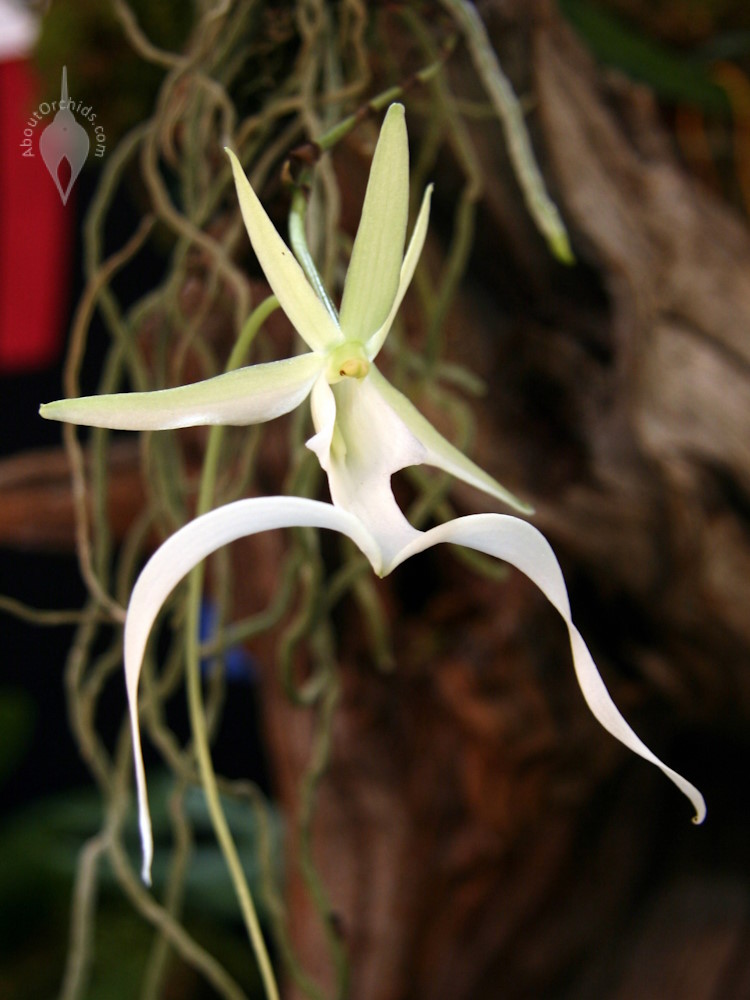
All the photos in this post clearly demonstrate that range of differences, but especially the first two. In the first picture, there’s a rare, blooming Ghost Orchid, Dendrophylax lindenii. Its elegant white blossom was displayed inside a tall glass jar, and therefore tough to photograph, but it’s still the stuff of orchid dreams, as in The Orchid Thief. The second picture features a bizarre Dracula species, Dracula chestertonii ‘Quetzalcoatl’, which defies comparison to any plant sold in a supermarket or home improvement store. Its weird lip mimics a fungus to trick small insects into pollinating it. It certainly exemplifies orchid diversity. Check back soon for more from San Francisco’s big show.