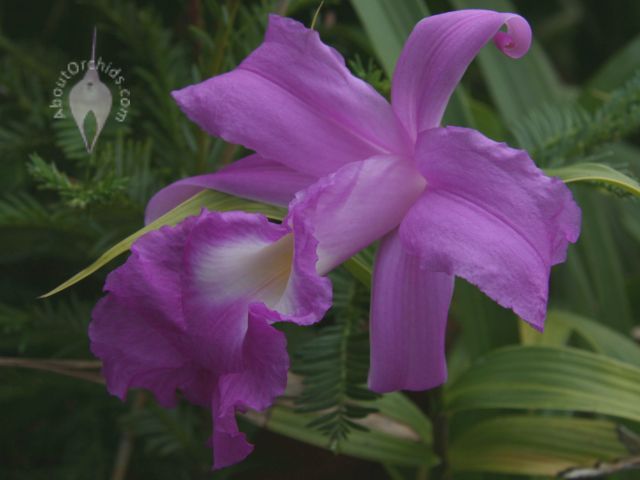
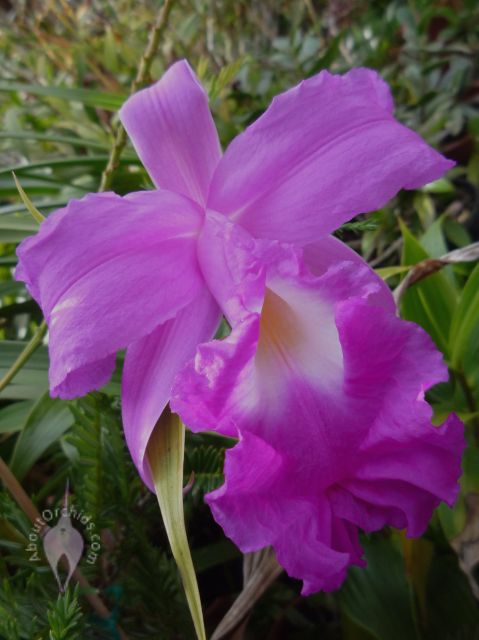
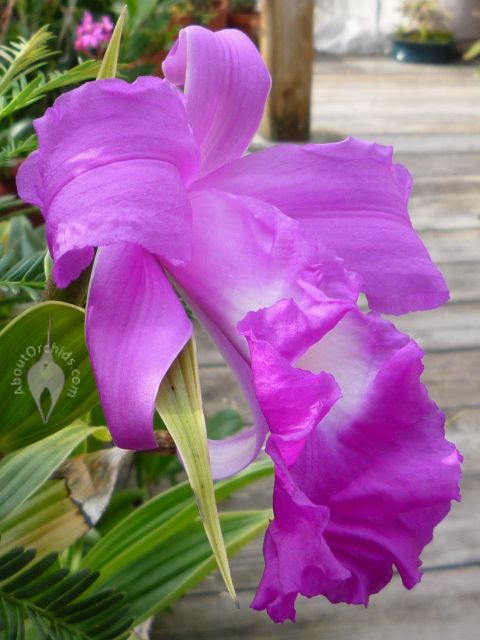
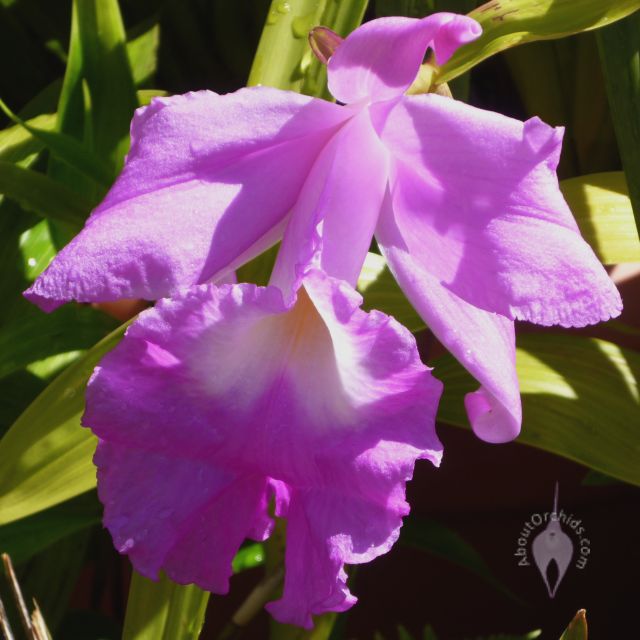
The Holiday Orchid

Posted November 29th, 2009 by Marc Cohen
Categories: Buying Tips, Misc

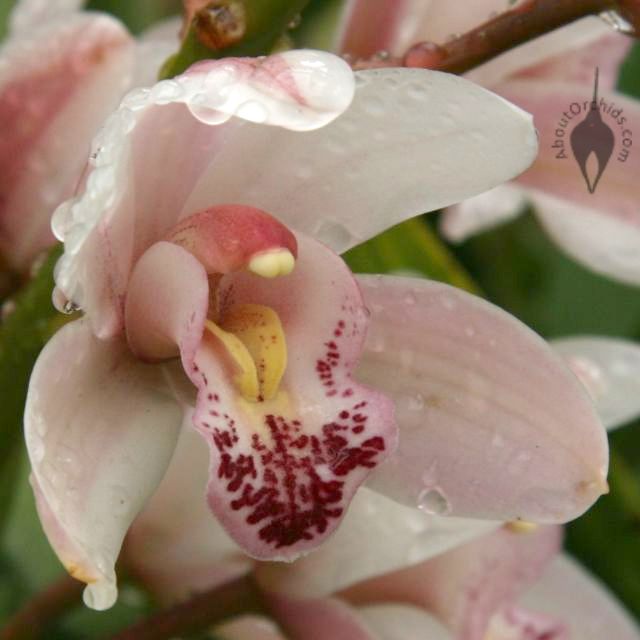
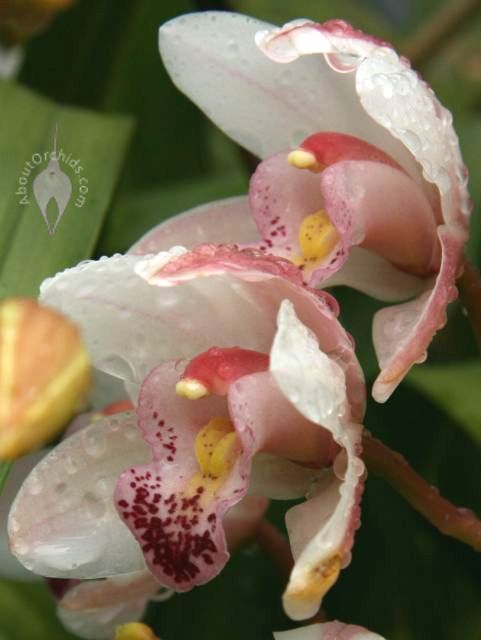
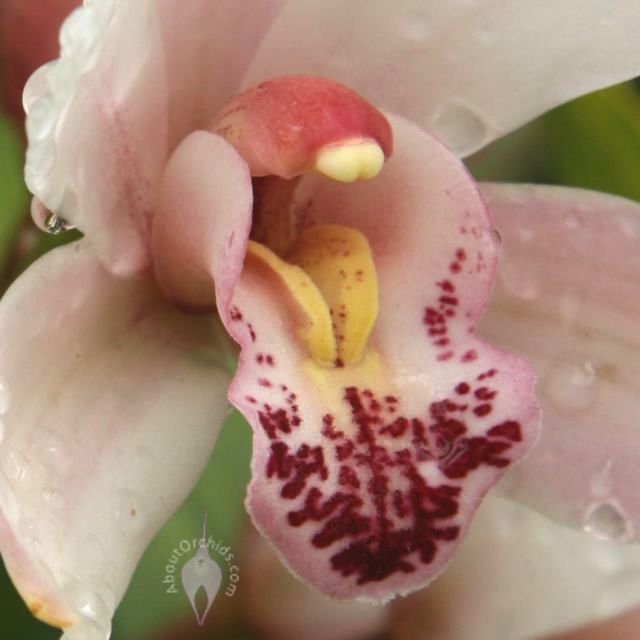
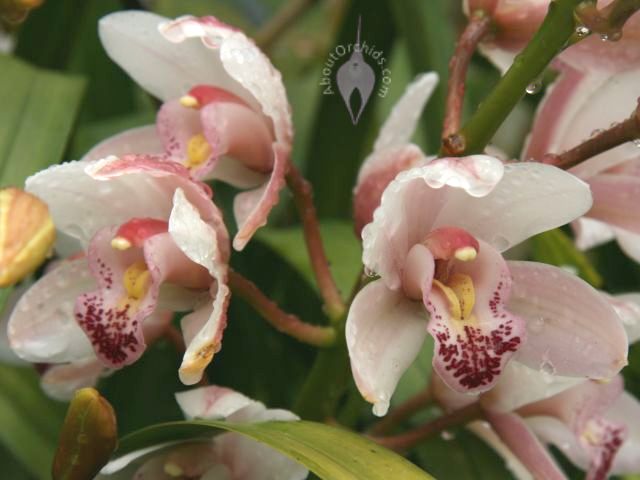
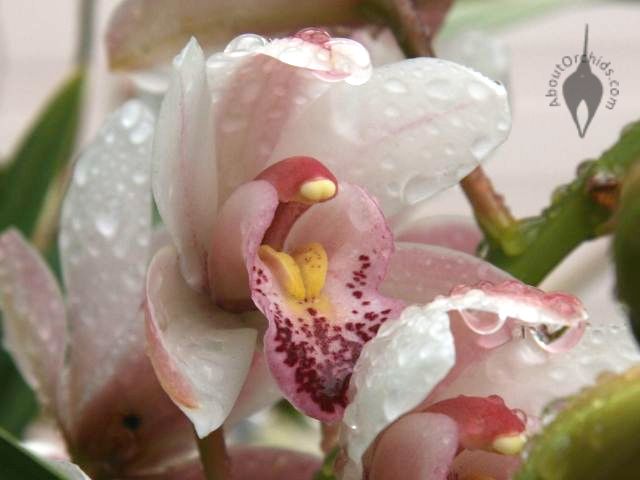
With beautiful, long-lasting blooms, orchids are overtaking traditional holiday plants like Poinsettias in popularity. Despite their reputation for being difficult, many commonly sold orchids are easy to grow, and can survive some neglect and abuse. Like Poinsettias, many people buy orchids in bloom, and throw them out when the flowers fade. But even when orchids are a disposable commodity, it helps to buy the right orchid for the conditions you can provide. With thousands of orchid varieties, there’s one to fit just about any holiday need. Here’s some orchid buying advice on top of this earlier post on orchid buying basics.
  • For low light conditions common in homes and offices, try a Phal or a Paph. Both can keep their flowers for weeks or even months. Well-tended Phals may stay in bloom through the whole winter.
  • For very bright light conditions, try a Cattleya, Dendrobium, Epidendrum, Oncidium, or Vanda.
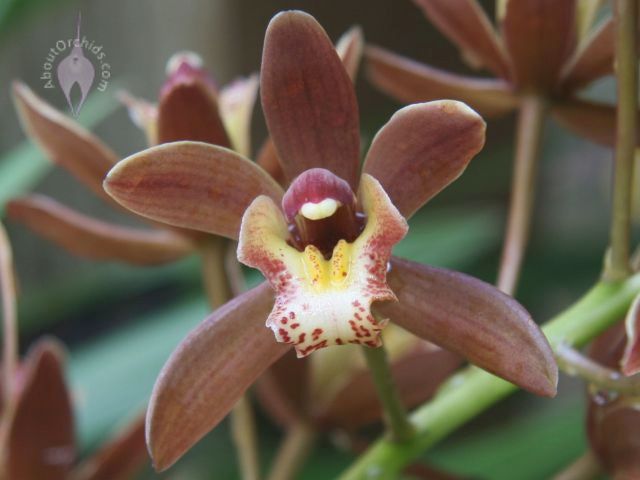
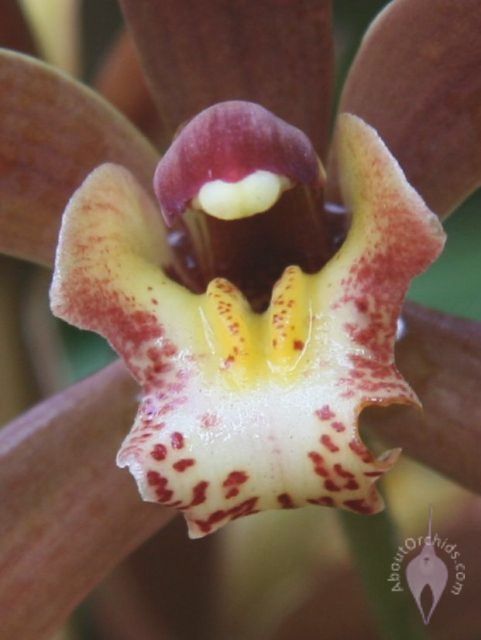
  • For cool or drafty rooms, try a Cymbidium, Masdevallia, or Odontoglossum. Some varieties of Dendrobium, Miltonia, and Paph can also grow in cool temperatures.
  • For large, showy flowers that only need occasional watering, try a Cattleya.
  • If it’s heading into winter where you live, many orchid varieties are dormant and won’t need much water. If you’re planning to keep the plant, slowly increase watering in spring.
  • Young orchid plants may take years to flower, so buy blooming size, or mature, plants. They should have flowers or buds ready to open.
  • Always provide high humidity for your orchid. Most home and office heating dries the air, which can make flowers wilt and drop quickly.

Kim’s Garden

Posted November 24th, 2009 by Marc Cohen
Categories: Cool Growers, General Gardening, Photos

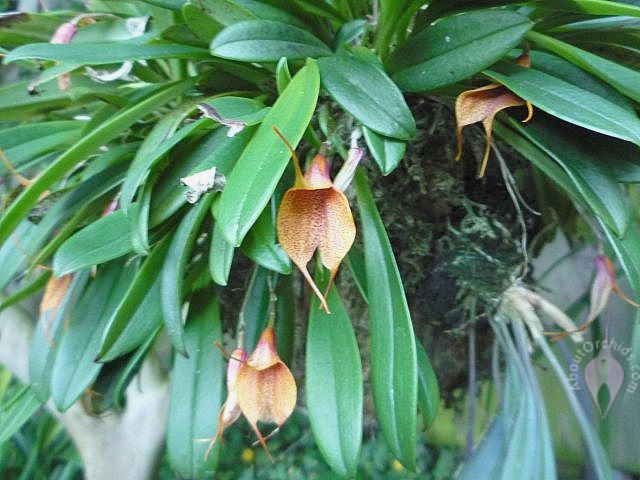
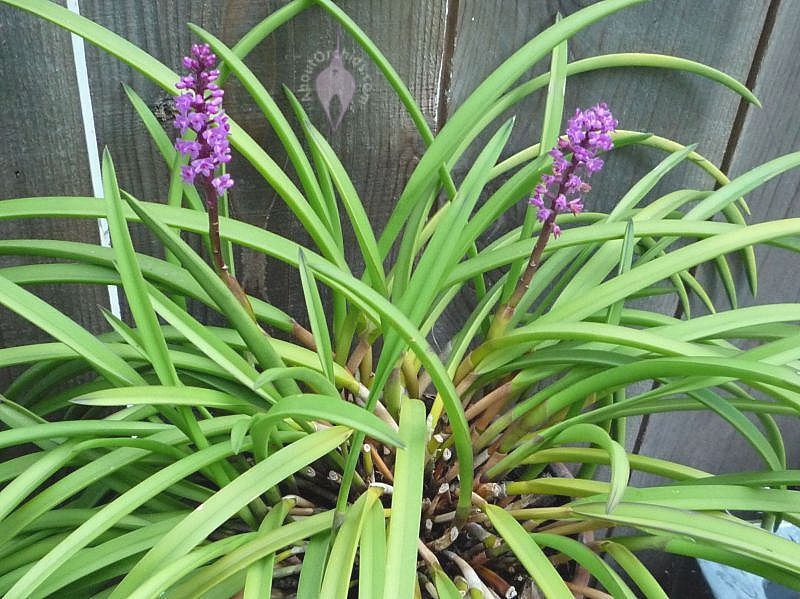
My good friend and fellow orchid nut Kim lives a few blocks away. She’s just on the other side of Dolores Park in San Francisco’s Mission District, and our microclimates are very close. Like me, she’s run out of room for orchids inside, so she enjoys cool growing varieties that can stay outside all year. For a recent visit, I actually remembered to bring my camera, and got some nice shots. The first set shows a purple Encyclia (an Epidendrum relative,) an orange Masdevallia with purple spots, and a purple Arpophyllum (with flowers similar to the related species that I keep.)
Encyclia flowersMasdevallia flowers and leavesArpophyllum flowers and leaves

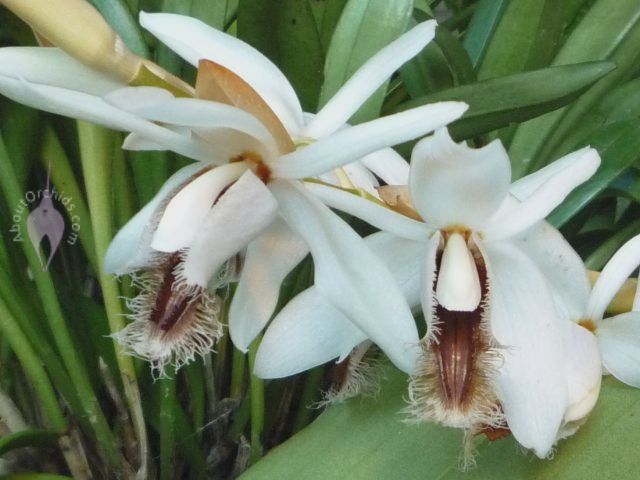
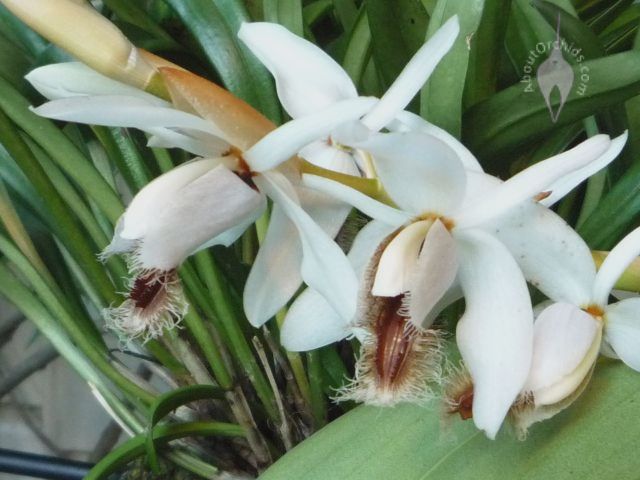
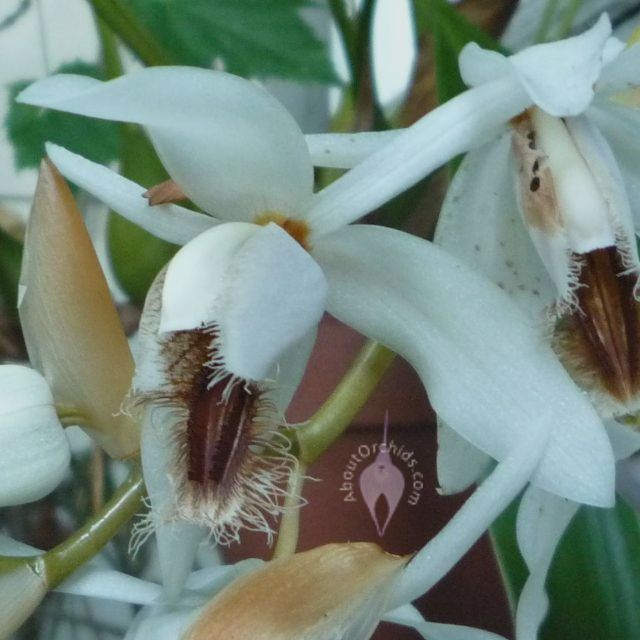
Next, this fascinating Coelogyne provides another great example that not all orchid beauty comes from warm, tropical jungles. This species is native to the foothills of the Himalayas, in a region stretching through India, Nepal, China, and Burma. The flowers have a great fringed lip, and they can last for months.

Coelogyne flowersCoelogyne flowersCoelogyne flower

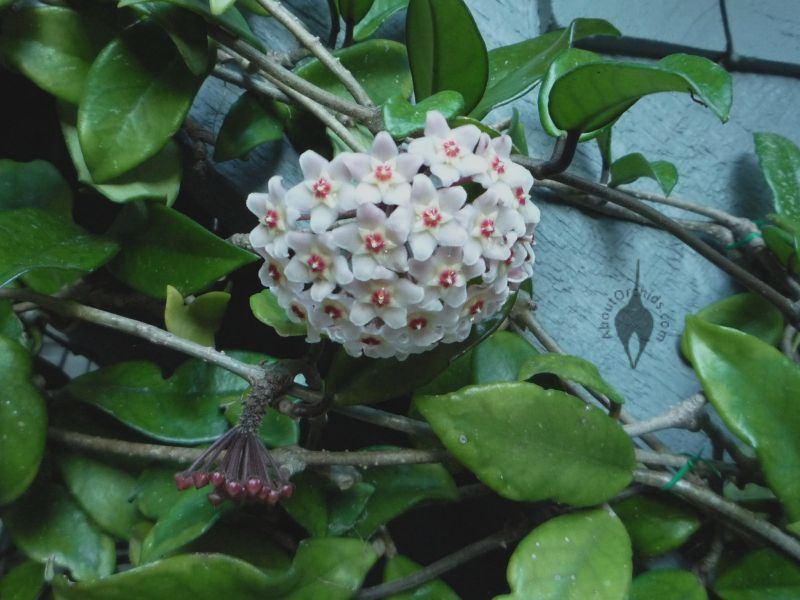
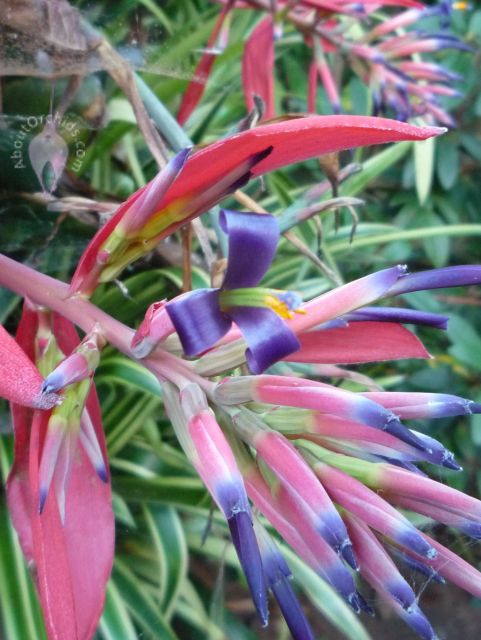
Finally, some of Kim’s non-orchid blooms include a waxplant and a bromeliad. With such wonderful flowers, it’s always a pleasure to hang out in Kim’s garden.

Waxplant flowers, buds and vineBromeliad flowers

Sobralia

Posted November 20th, 2009 by Marc Cohen
Categories: Dormancy, Fertilizing, Fragrant Orchids, Intermediate Growers, Photos, Watering

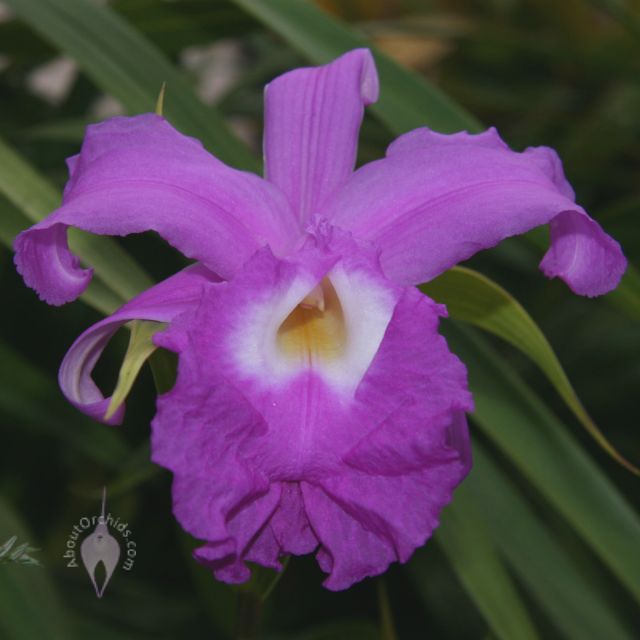
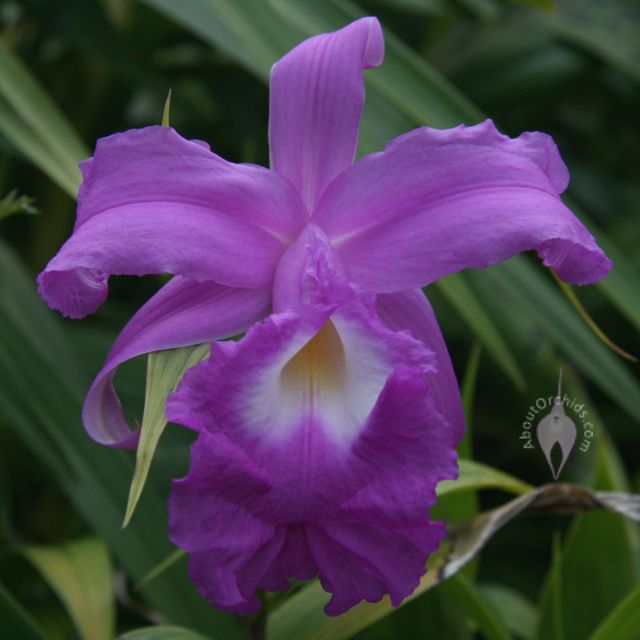
Sobralia flowers never fail to  impress. Many species in this genus have big blooms. With flowers as large as 10 inches (25 cm,) this species is one of the most remarkable in the family.

Sobralia flowerSobralia flowerSobralia flower

The flowers look like Cattleyas, but the similarities end there. Unlike Cattleyas, this Sobralia species likes heavy water and fertilizer, and doesn’t mind cool temperatures. Native to rainforests from Mexico to Costa Rica, it grows in a wide variety of conditions. It lives at elevations as high as 11,000 feet (3400 m.) That helps explain why it can tolerate a wide range of temperatures. Mine lives outdoors on the deck all year, and I try to keep it on the dry side for its winter dormancy.

Sobralia flower side viewSobralia flowerSobralia flower close up

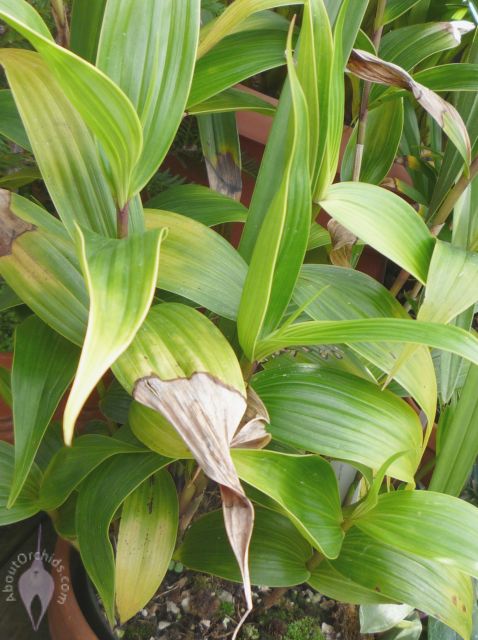
Sobralias like to be potted in small pots and dislike repotting. Their bamboo-like leaves grow on strong stems. Although this species can grow up to 7 feet (2.1 m) tall, my plant is only 1.5 feet (0.5 m.) The contrast of such a large flower on a short plant provides a striking effect.

Sobralia flower side viewSobralia flowerSobralia macrantha plant

native to a variety of habitats from Mexico to Costa Rica,

where it lives at elevations as high as 11,000 feet (3400

m.) That helps explain why it can tolerate a wide range of

temperatures.

Perfect Orchids

Posted November 15th, 2009 by Marc Cohen
Categories: Misc

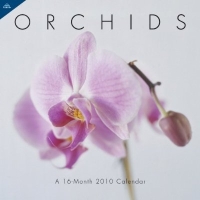
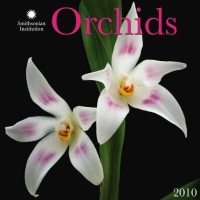
If you’re looking for dozens of orchids that stay in bloom for a whole month and require no care, these orchid calendars are guaranteed to please. Which one should I buy? The 2010 Orchids Wall Calendar has stunning photos of different flowers every month. On the other hand, the Smithsonian Institution 2010 Orchids Wall Calendar is full of beautiful photos, too, with some unusual orchid varieties. Maybe I’ll just buy them both. After all, I can’t kill paper orchids.

Orchids 2010 Wall Calendar2010 Smithsonian Institution Calendar

Pseudobulb

Posted November 12th, 2009 by Marc Cohen
Categories: Dormancy, Misc, Photos, Watering

Pseudo-what? That word is pseudobulb, pronounced “SOO-doh-bulb.” Like the bulbs of tulips and daffodils, orchid pseudobulbs store water and nutrients during the dormant season. Many popular orchids, like Cattleyas, Miltonias, and Oncidiums, have them at the bases of their leaves. Pseudobulbs come in a wide variety of forms. They can be egg-shaped, spherical, or flat. Some are smooth, while others are wrinkly. Dendrobium and Epidendrum pseudobulbs look like swollen stems.

Orchid pseudobulbOrchid pseudobulbs and leaves

No matter what they look like, pseudobulbs serve the same purpose: to provide a reserve of water and nutrients for the orchid. Some varieties can survive for months during a dry season in their native homes. To mimic this natural dormancy, growers can cut back on watering during fall and winter. Wait and watch for the pseudobulbs to shrivel slightly, and then water. Depending on other factors, such as light, temperature, humidity, and air movement, dormant orchids may only need water once or twice a month during winter.

Dendrobium stem and leavesMiltonia pseudobulb and leaves

Unlike tulip bulbs, orchid pseudobulbs need to be kept completely above the potting material. They’ll rot underneath bark or moss. The final picture shows a Cattleya with papery sheaths that are typical for some varieties. The sheaths start out green, but eventually dry and fall off.

Cattleya pseudobulbs and leavesCattleya pseudobulbs with dry sheaths

Orchid varieties without these storage devices, such as Phals, Paphs, and Masdevallias, do not go truly dormant. However, with less light and cooler temperatures in winter, growers can cut back watering slightly. Maintain high humidity for all orchids during winter, whether they have pseudobulbs or not.

Fall Color

Posted November 8th, 2009 by Marc Cohen
Categories: General Gardening, Photos

San Francisco’s mild climate has been true to form this fall, with recent warm and sunny November days. Even though we’re lacking red and yellow autumn leaves, the garden has both bright colors and muted tones. Fuchsias in the first 2 photos enjoy our cool, foggy climate. It’s no wonder we always have some in bloom. In the third photo, this succulent doesn’t have flowers at the moment, but its leaves make a great blossom substitute.

Fuchsia flowersFuchsia flowersSucculent

We have a 2-story-tall Yucca tree in the back garden that blooms reliably in the fall. Dozens of large, bell-shaped flowers emerge above its large, pointed leaves, making the Yucca even a little taller.

Yucca flowers and leavesYucca flowers and leaves

Our downstairs neighbor George has added some great color to the garden with wonderful yellow roses. Up on the deck, a light pink Mandevilla blooms with muted hues. It all goes to show that fall colors come in many forms.

Yellow roseYellow roseMandevilla flowers

Stenoglottis

Posted November 4th, 2009 by Marc Cohen
Categories: Dormancy, Growing, Intermediate Growers, Photos

These tiny, charming flowers belong to a Stenoglottis, one of the easiest African orchids to grow. With purple polka dots and fringed lips, the flowers provide an enchanting show from late summer though autumn. Dozens of blooms are crowded onto each flower spike, and open sequentially over a few months.

Stenoglottis flowersStenoglottis flowerStenoglottis flowers

This Stenoglottis is not an air plant like most commonly cultivated orchids. Instead it’s a terrestrial, and can grow in regular potting soil. In its native South African home, it also grows on rocks and rotting logs. Its blooms remain even as its leaves drop before going dormant in winter. I’ve already curtailed watering, and I’ll let it stay dry for its next few months. Eventually the final blooms will fade as well. In spring, new leaves will start to grow from the fleshy roots, and I’ll increase watering and fertilizing.

Stenoglottis flower budsStenoglottis flowersStenoglottis flowers side view

November Orchid Shows

Posted October 31st, 2009 by Marc Cohen
Categories: Botanical Gardens, Events

If you’re looking for some tropical beauty this month, I’d suggest heading to an orchid show. All over the globe, these shows are great opportunities to dive into orchids. If you’ve never been before, I can guarantee that you’ll see flowers with colors and shapes beyond your imagination.

November 5 – 8
Club Peruano de Orquideas Show, Coliseo Cerrado Ayaymama, Moyobamba, San Martin, Peru
November 6 – 8
Witwatersrand Orchid Society Spring Show, Floreum, Johannesburg Botanic Garden, Jan Van Riebeck Park, Johannesburg, Gauteng, South Africa
November 6 – 8
North Shore Orchid Society Show, St Anne’s Hall, Beach & Glencoe Rds., Browns Bay, New Zealand
November 7
Wraysbury Orchid Event, Wraysbury Village Hall, The Green, Middlesex, UK
November 7
North of England Orchid Society Show, Barton Community Hall, Barton, Lancashire, UK
November 7
Hawkes Bay Orchid Society Sarcochilus Show, Taradale Town Hall, Lee & Meeanee Rds., Napier, New Zealand
November 7 – 8
Galveston Orchid Society Show, Nessler Community Center, 2012 5th Ave. N, Texas City, Texas
November 7 – 8
Kansas Orchid Society Show, The Wichita Gardens, 701 Amidon, Wichita, Kansas
November 7 – 8
Utah Orchid Society Show, Red Butte Garden, 300 Wakara Way, Salt Lake City, Utah
November 7 – 8
Orchid Society of California Show, Lake Merritt Lakeside Park Garden Center, 666 Bellevue Ave., Oakland, California
November 7 – 8
Orchid Society of Arizona Show, Arizona State Veteran’s Home, Liberty Hall, 4141 N 3rd St., Phoenix, Arizona
November 7 – 8
12th International Slipper Orchid Symposium, Clarion Inn & Conference Center, 230 West Highway 436, Altamonte Springs, Florida
November 13 – 15
Merritt Huntington Memorial Symposium, Cavalier Oceanfront Hotel, 42nd Street & Atlantic Ave., Virginia Beach, Virginia
November 14 – 15
Niagara Region Orchid Society Show, CAW Hall, 124 Bunting Rd., St. Catharines, Ontario, Canada
November 14 – 15
Lincoln Orchid Society Fall Show, West Gate Mall, 5 Gateway Mall, 6100 O St., Lincoln, Nebraska
November 19 – 22
Asociacion Vallecaucana de Orquideologia Show, Orquideorama, Avenida 2 Norte #48-10, Cali, Colombia
November 20 – 22
Ocean State Orchid Society Show, Garden City Center, 180 Hillside Rd., Cranston, Rhode Island
November 20 – 22
American Orchid Society Show, American Orchid Society Botanical Garden, 16700 AOS Lane, Delray Beach, Florida
November 21
British Orchid Growers Association Autumn Orchid Fair, Arden School, Station Road, Knowle, Solihull, West Midlands, UK
November 25 – 29
Asociacion Altaerapacense de Orquideologia Show, Convent Santo Domingo, Main Square, Caban, Alta Verapaz, Guatemala
November 28
Central Orchid Society Autumn Show, Perton Civic Centre, Church Road, Perton, Wolverhampton, UK
November 28 – 29
Saginaw Valley Orchid Society Show, Midland Resort & Convention Center, 1500 W. Wackerly, Midland, Michigan
November 28 – 29
Orchid Society of Santa Barbara Annual Fall Show, Santa Barbara Museum of Natural History, 2559 Puesta del Sol, Santa Barbara, California
November 28 – 29
Orchid Society of Northern Transvaal Show, Brooklyn Mall, Fehrsen & Lange Sts., New Muckleneuk, Pretoria, Gauteng, South Africa

Wrong, Wrong, Wrong

Posted October 28th, 2009 by Marc Cohen
Categories: Growing, In the News, Problems

Ok, maybe that title is a little harsh, but I do get frustrated with orchid advice that misses the mark. In today’s sound-bite culture, oversimplification is a perennial problem, and this video clip produced by a local San Francisco TV show (video no longer available) is a good example. While they give generally accurate info, some of their advice could be fatal to your beloved blooms. For instance, the gardening expert in the video says to water your orchid every 7 days when in bloom, and every 10 days when out of bloom. That’s fine if you have a Cattleya, which likes to dry thoroughly, but if you try that with a Masdevallia or Miltonia, which need daily water, you might as well toss them in the trash. I don’t want to use this post to pick apart a well-intentioned news piece, but I will warn you to beware of one-size-fits-all orchid advice. Remember that there are tens of thousands of varieties of orchids, and the perfect growing conditions for a Moth Orchid will kill a Vanda. So how do you know who to believe? Well, AboutOrchids of course! Also, do some reading, check out orchid shows, and visit your local orchid society. You can still enjoy the pretty orchid pictures in the news.

Seasonal Light

Posted October 22nd, 2009 by Marc Cohen
Categories: Dormancy, Growing

If cold temperatures are confining your gardening to indoors, your orchids can still keep you busy. In addition to the autumn chores I wrote about recently, this is a good time of year to look at light conditions. Orchids that originate from the tropics do not experience very short days or weak sun in their natural habitats. The sun remains strong in the tropics all year. Farther from the equator, the sun weakens considerably in fall and winter. To compensate, growers in temperature climates can gradually move their orchids into brighter light. Cattleyas, Dendrobiums, Epidendrums, and Oncidiums can be slowly acclimated to full sun. Even shade lovers, like Phals, Paphs, and Masdevallias, can tolerate a little direct sun. No matter the variety, increase light gradually to prevent sunburn. It usually takes me 2 weeks of gradual adjustments to move them into the brightest locale. Pay special attention to maintaining high humidity with the extra light.

If the sun isn’t cooperative, you may want to add artificial lights to boost light levels for the dormant season. Fluorescent lights work well since they last a long time, use little electricity, and don’t get very hot. Light bulbs should be close to the leaves, just 6-8 inches (15-20 cm) away, but not so close that leaves can burn. Just like natural light, any increases with artificial light need to be done gradually. Burns can cause large dead spots on leaves, usually starting white and then turning black. If leaves turn reddish at the edges, then the orchid is receiving its maximum light exposure. That’s good because it’s a guarantee the orchid is getting enough light to bloom, but stay vigilant to prevent burns.

Remember that most orchids need enough light to keep their leaves a light green color. Dark green leaves may mean insufficient light, while yellow leaves may mean too much light. Most importantly, when spring arrives don’t forget to move orchids back into the shade.