

June Orchid Events
Posted May 31st, 2019 by Marc CohenCategories: Botanical Gardens, Events
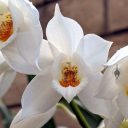
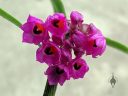
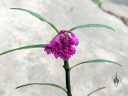
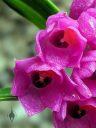
From Canada to New Zealand, orchid events abound in June. Shows, sales, auctions, and speakers’ days are all great opportunities to enjoy orchids up close.
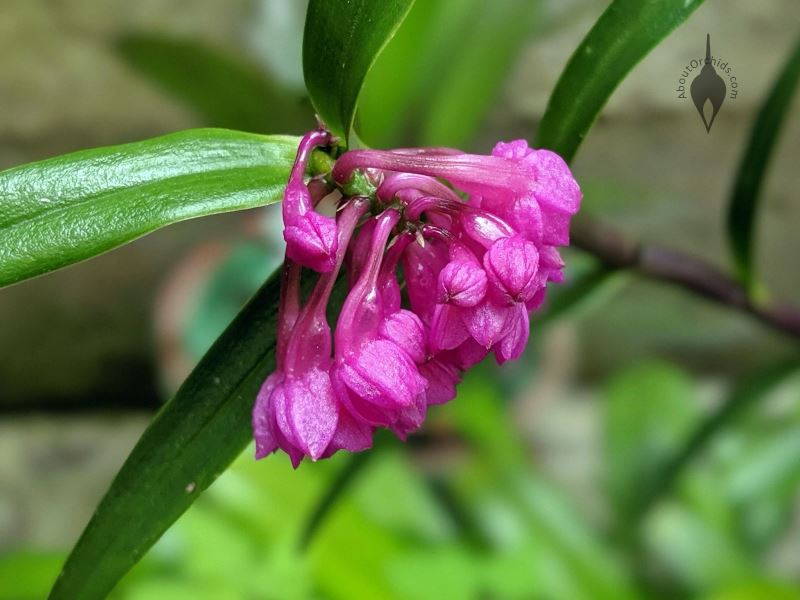
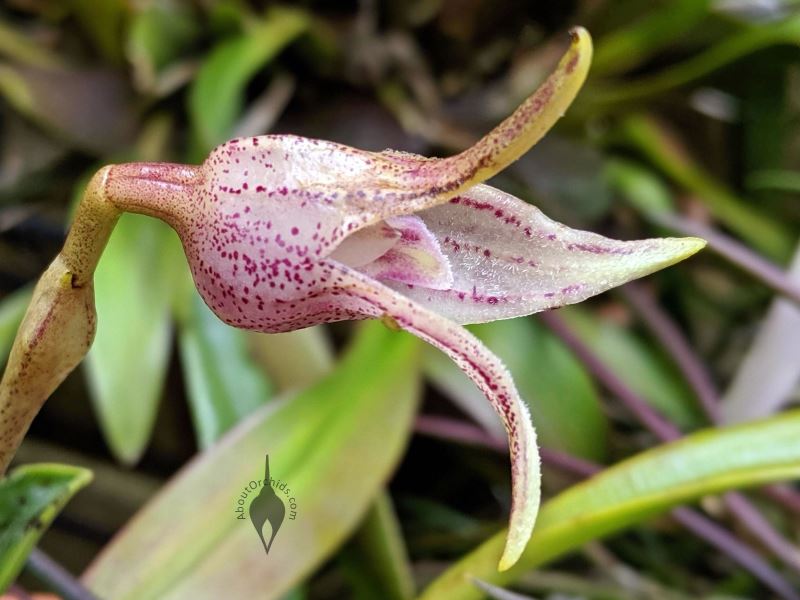
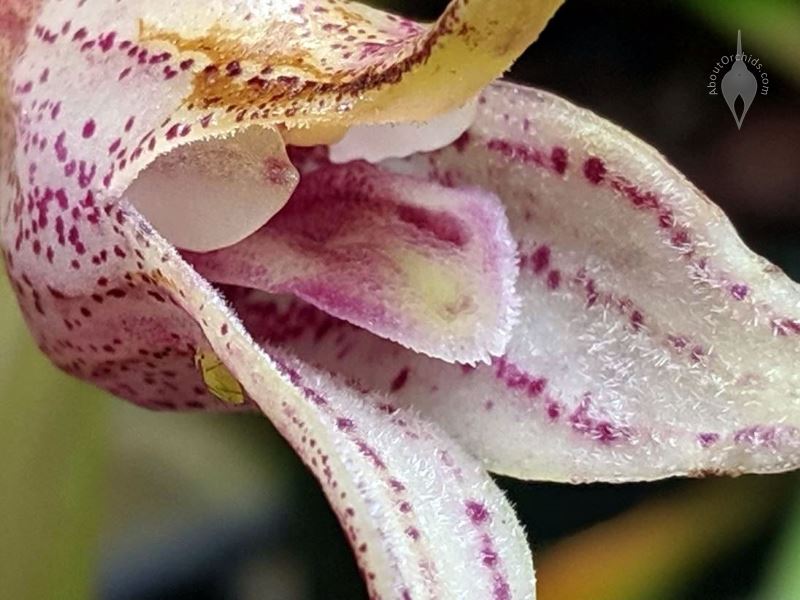
Bulbophyllums are one of the largest and strangest orchid families in the world. With over 2000 species and a growing number of hybrids, they have ridiculously diverse flower forms. Some of their blooms are large, some are tiny, and some don’t look like flowers at all. They all have fascinating, hinged floral lips which jiggle in a breeze.
Different varieties are scentless or have pleasant fragrances, but many have foul scents, reeking of putrid flesh or feces, to attract the flies which pollinate them. A few Bulbophyllums have inspired an infamous claim that they stink like “a thousand dead elephants rotting in the sun.” This malodorous reputation limits their popularity, and it is a good idea to smell one before you buy it to avoid any unpleasant surprises.
Bulbophyllums circle the globe. Many are native to New Guinea and southern Asia, while others span the tropics into Africa, Latin America, and Pacific islands. Most are warm growers which need bright light, frequent waterings, high humidity, and good air movement. Their spreading growth habits make them tough to confine to pots, but they’re suited to mounts and baskets.
For orchid growers who like the strange and fantastic, Bulbophyllums are some of the most bizarre. No collection of weird orchids would be complete without them.
The state of Assam in northeastern India is full of hundreds of orchid species. In fact, Assam’s official flower is the Foxtail Orchid, a Rhynchostylis known in Assamese as kopou phool. Sadly, native orchids have been disappearing, destroyed by deforestation, erosion, overgrazing, and the illegal plant trade. Some native orchid species cannot be found in Assam’s jungles anymore. Fortunately, a few orchid lovers are starting to take action. First, they connected on social media. Recently, they founded the Orchid Society of Assam to promote orchid conservation. By learning more about their native species and how to propagate them, they hope to protect them. In addition, Kaziranga National Orchid and Biodiversity Park was opened a few years ago. The small park has already become a tourist attraction, and boasts 500 orchid varieties.
British orchid lovers will enjoy this guide from BBC Wildlife Magazine to help identify native orchids. It shows 10 different species, ranging from Common Spotted Orchids to Lizard Orchids to Bee Orchids. There are details about where each is found, and their key distinguishing features.


If you’ve received an orchid gift for Mother’s Day, basic care info can help you enjoy your plant and keep it happy. Check the tips below these photos for helpful orchid info.


Watering – Orchids need good drainage, so remove wrapping paper or decorative containers before watering. Soak the plant with room-temperature water, and let all excess drain out. Don’t let the flowerpot sit in water for too long, or the roots may rot.
Humidity – Orchids want high humidity. Dry air wilts flowers and attracts pests. To increase humidity, group plants together, or put plants in a humid area, like a bathroom or kitchen. Use a cool mist humidifier, or a spray mister. Place flowerpots in trays of shallow water, keeping the pots raised above the water level on a layer of pebbles or an inverted saucer.
Light – Place orchids in bright light, but keep out of full sun while you’re enjoying the flowers.
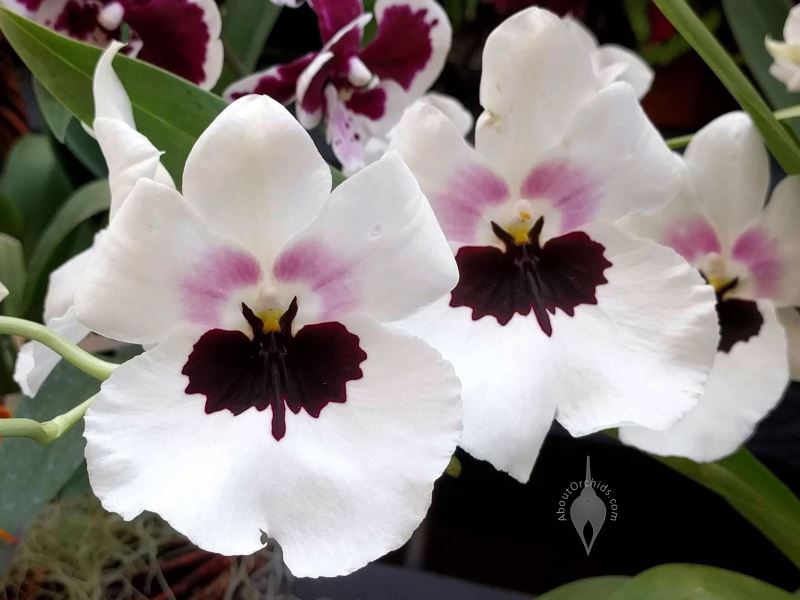
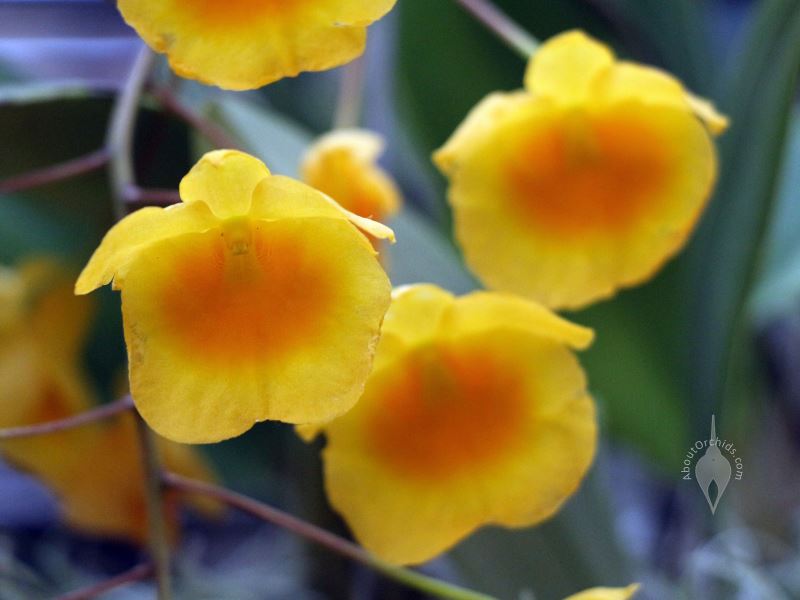
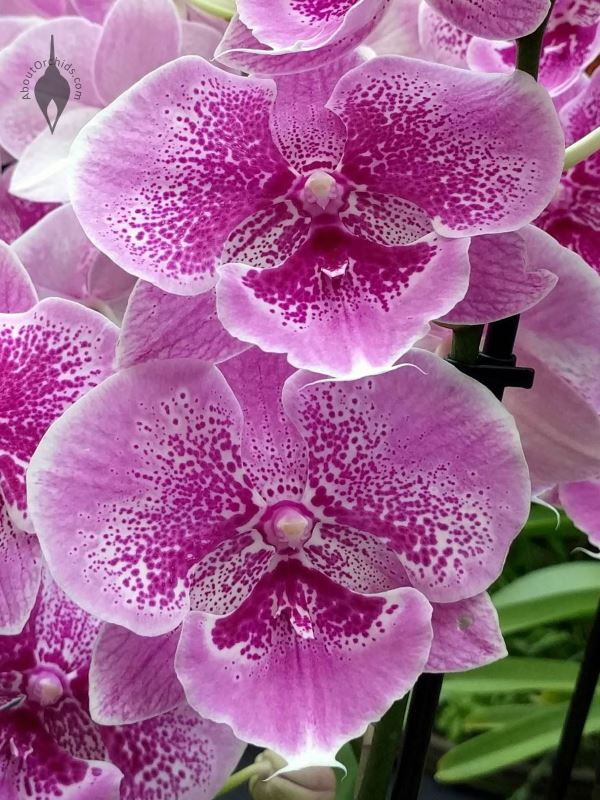
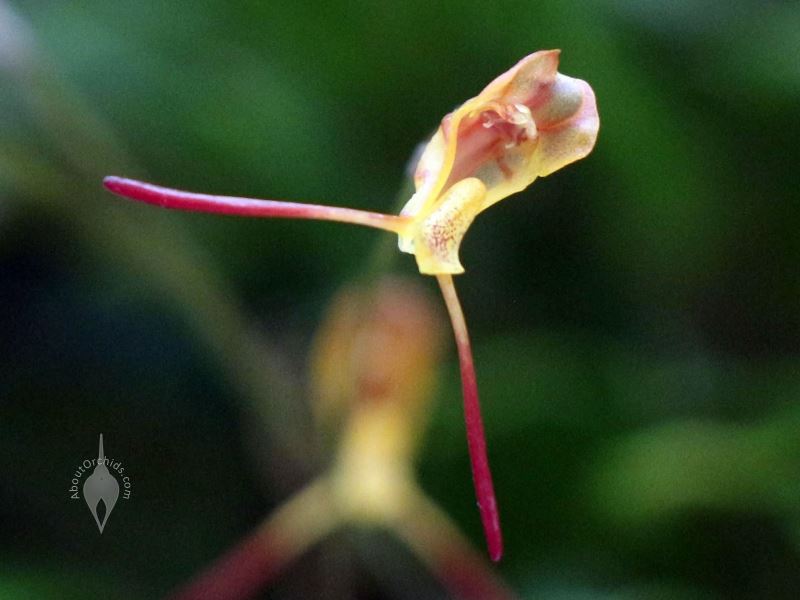
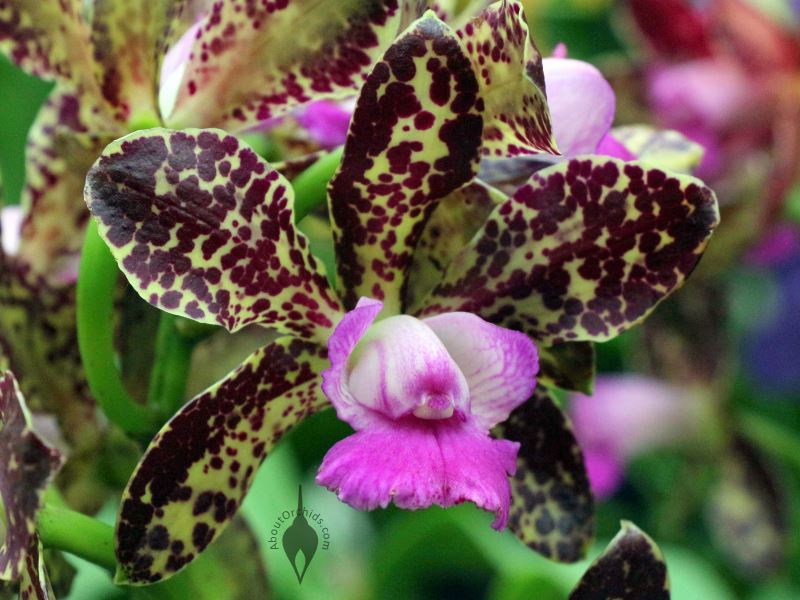
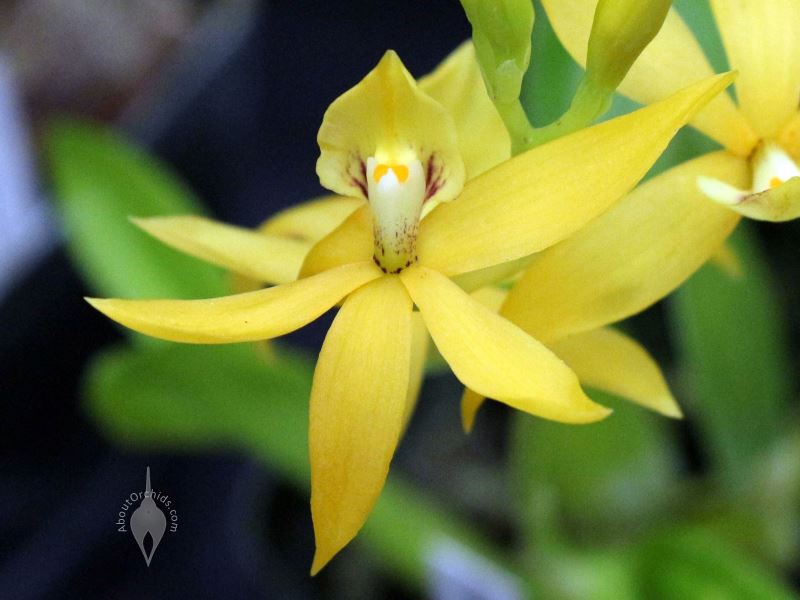
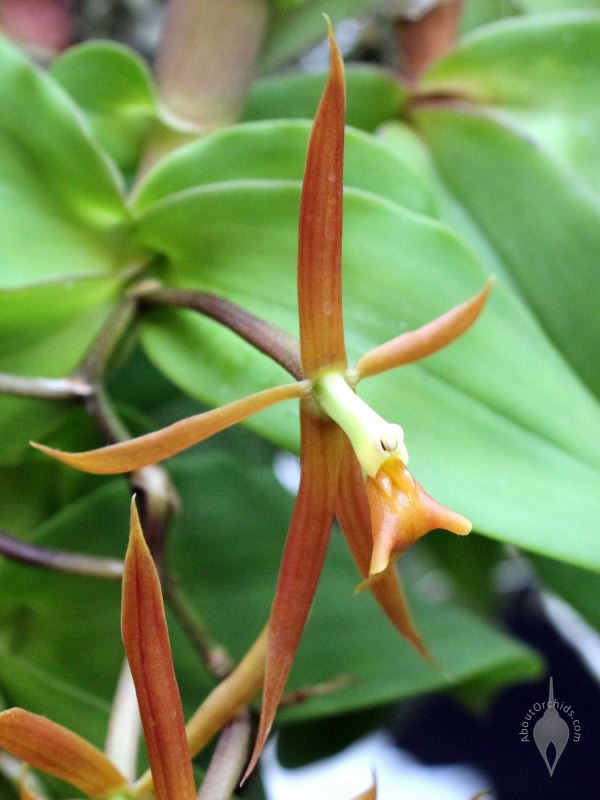
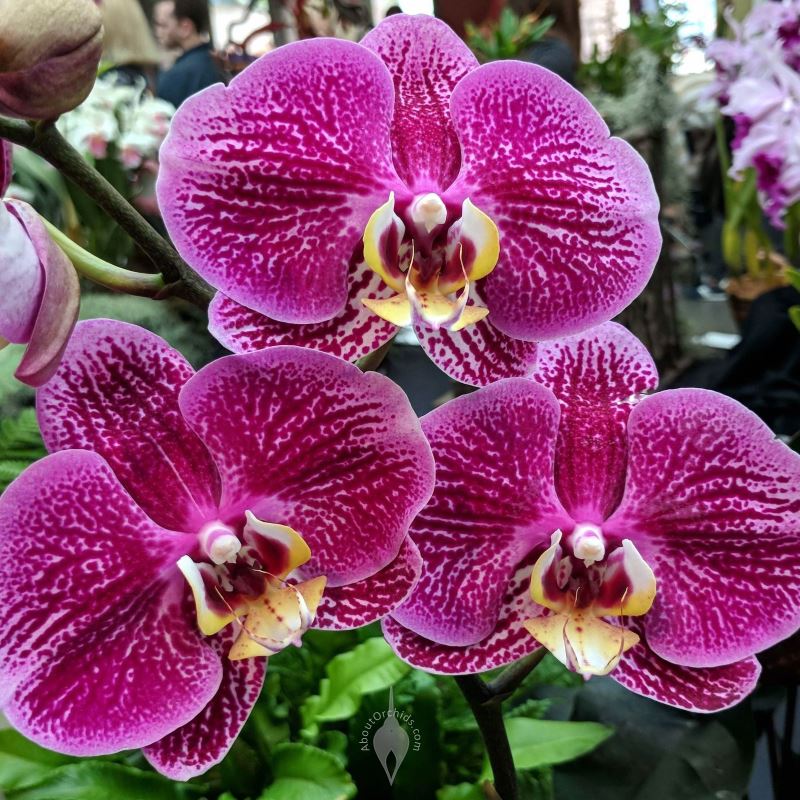
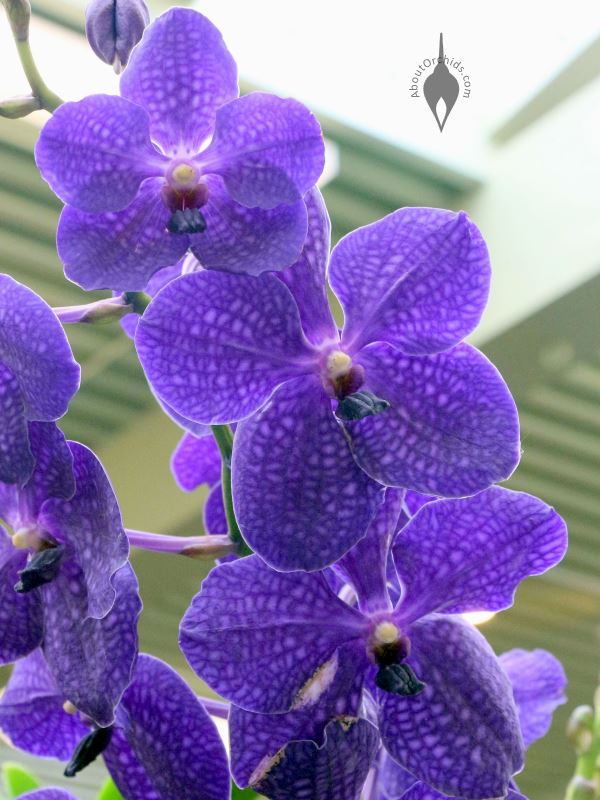
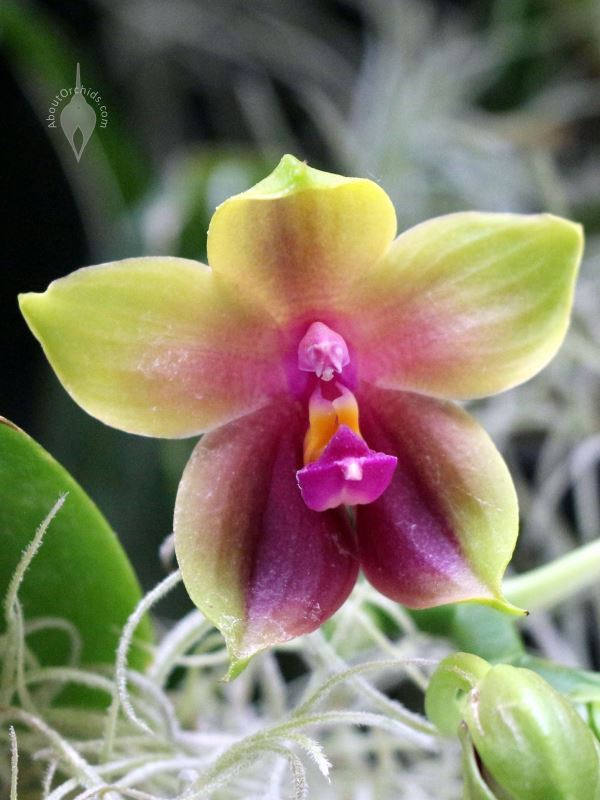
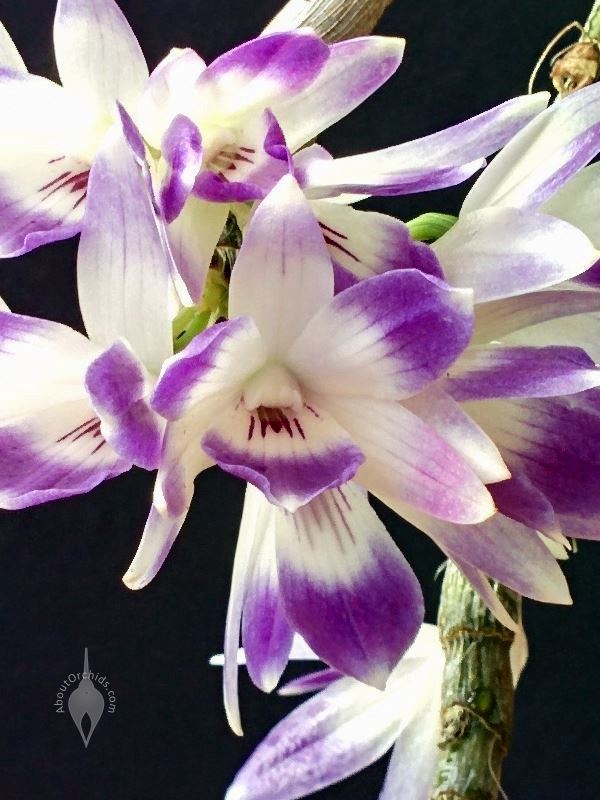
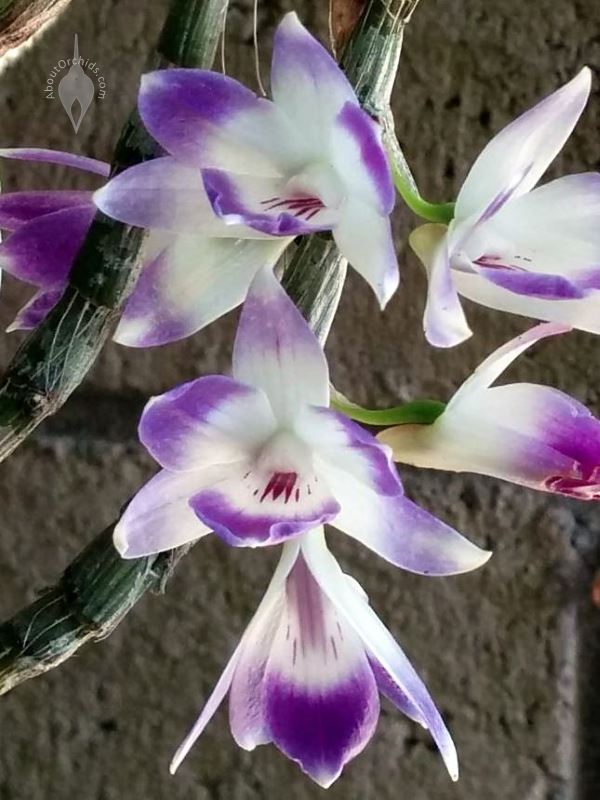
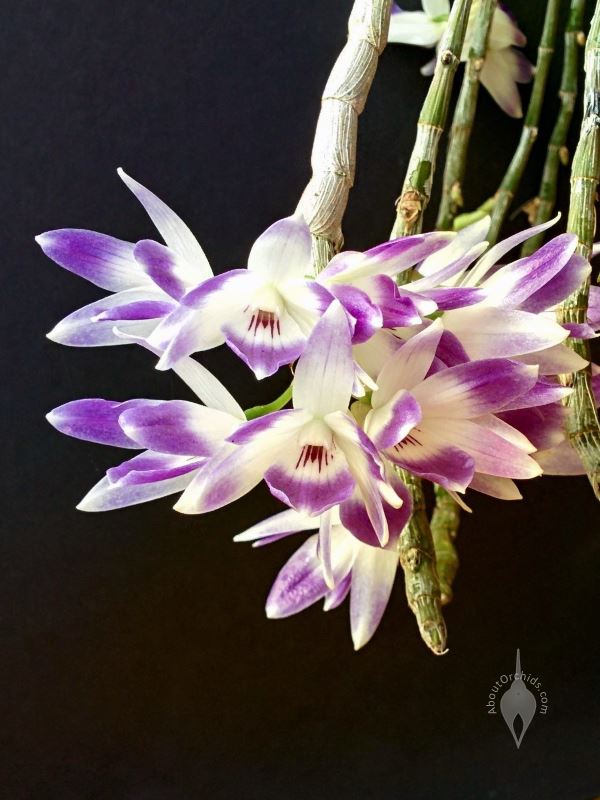
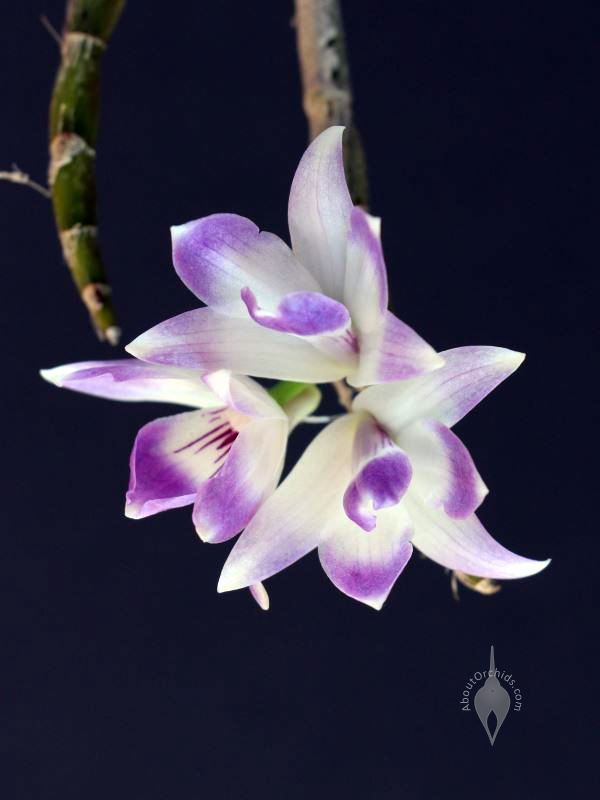
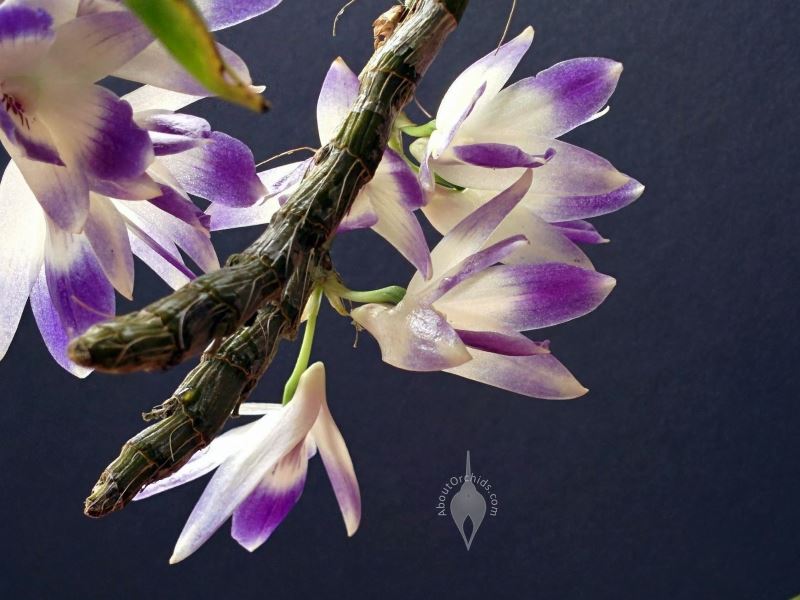
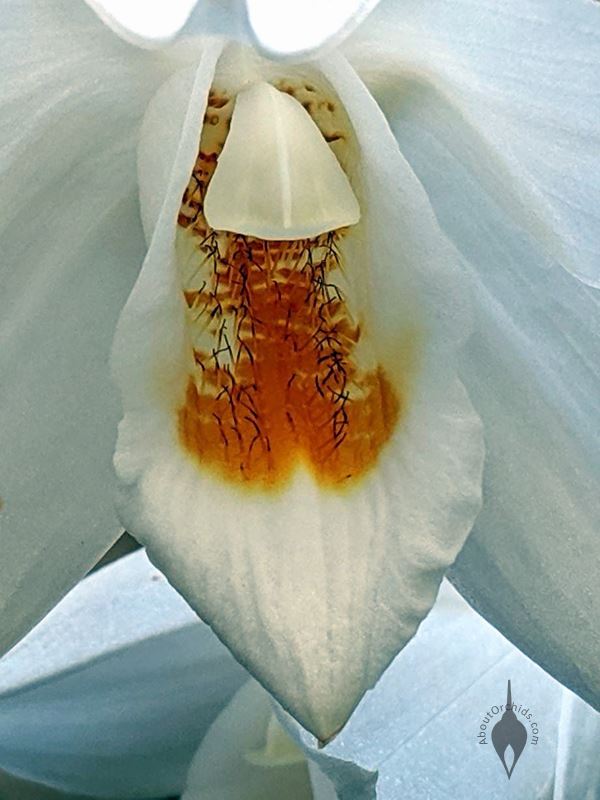
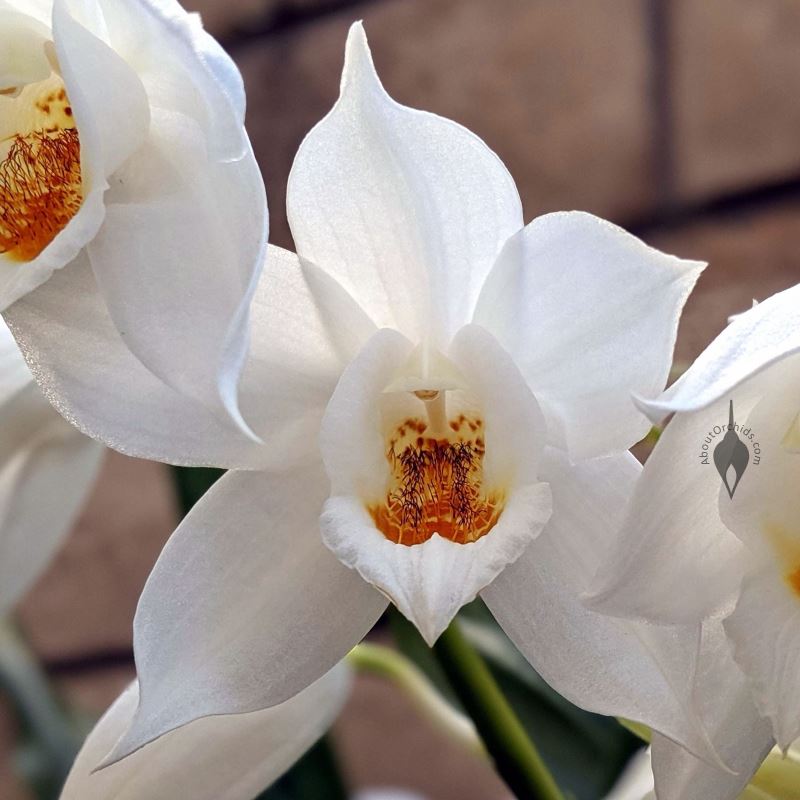
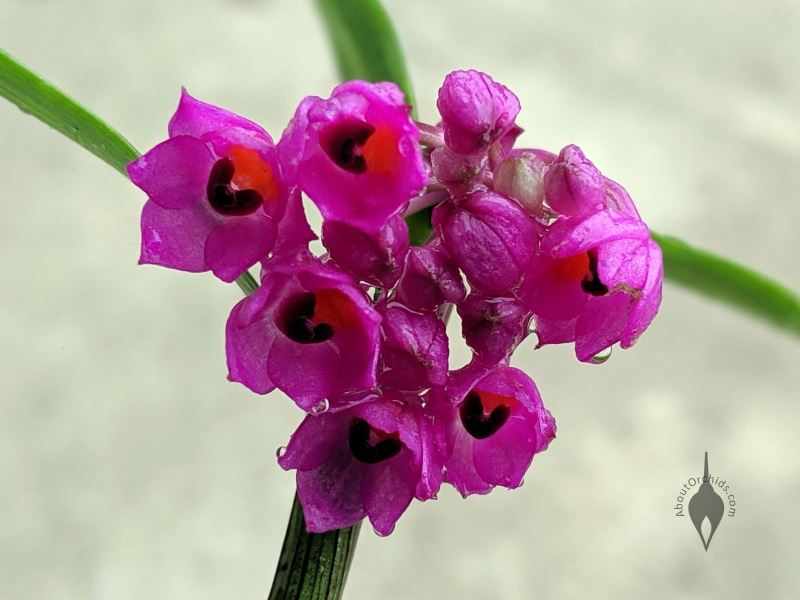
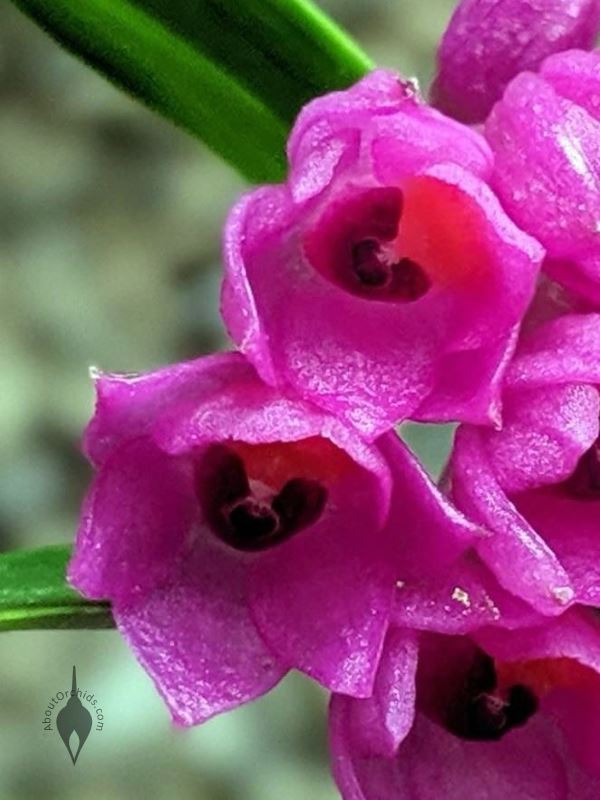
What kind is it? – Moth Orchids, in the first row of photos above, are the most popular. Cattleyas are in the second row of photos, and are longtime favorites. The third row shows Lady Slippers, and the fourth row shows Dancing Lady Orchids. All are available in different colors, patterns, and sizes, so use pictures as general guidelines, not strict standards. Find more pictures and more tips at AboutOrchids.com.
“Plant blindness” is a tendency not to notice plants. People are generally much better at noticing animals. With increased urbanization, and more time spent looking at screens, the problem has worsened. Most don’t appreciate how important plants are, and that weakens support for plant conservation. As orchids and other plants face extinction, protecting them is often an afterthought. “Plant conservation matters for environmental health. But it also matters, ultimately, for human health.” Fortunately, there are solutions. “Although our human brains may be wired for plant blindness, we can overcome it with greater awareness,” says botanist Elisabeth Schussler. It’s helpful to interact with plants every day. That includes noticing plants, and also talking about them. It benefits all of us, and the planet, too.
After a rainy winter, our spring garden has burst into bloom, with orchids and more. The first two photos are not orchids: a very tough red rose and a brilliant yellow and white Tidy Tips. We didn’t know the rose was in our backyard for a few years, since it was completely encased by a large rosemary bush. One day the rosemary bizarrely produced a big red flower, and I discovered the rose. Considering it receives no summer water at all, it’s one tenacious plant. The delightful Tidy Tips is a native California species, and grows easily from seed here on the Northern California coast.
Many of these orchids may be familiar to regular readers. They’re all growing outdoors, exposed to the elements. I’ve had these plants for years, except for the white and yellow Laelia anceps ‘Helen’ shown in the previous row. I bought that one at an orchid show last year, and it’s proving to be just as hardy as its purple cousin in the third picture in that row.
Sarcochilus, Dendrobiums, Masdevallias, and Cymbidiums have been reliable bloomers in our garden. Our mild coastal climate simulates a mountainous cloud forest environment so well that they thrive here. It ensures that we can enjoy lots of orchids in our spring garden.
Many of this month’s shows are well-timed for Mother’s Day gifts and activities. May’s schedule becomes busier in the southern hemisphere, especially South Africa. All of these events are full of incredible flowers.
This little orchid is certainly not the showiest, or the most colorful, but it’s a survivor. I blogged about this mini Cynorkis a few years ago, when I thought I might have killed it. Actually, it was fine, and grew again without problem. In the years since, whenever I’ve worried that I might have done it in, it’s always come back with fresh leaves and blooms.
This species seems to go dormant on its own schedule, dropping its old leaves and then growing new ones from tiny tubers. The small flowers open successively, extending the bloom for a couple months. It’s the perfect mini for a warm, shady spot, as long as the space can accommodate the tall flower spikes, which can reach 2 feet (0.6 m) tall or more.
Although I’ve gotten used to its seemingly random dormancy schedule, there was another time when I really thought I had killed it. It had a fresh set of leaves, and I must have accidentally overwatered it. The leaves quickly rotted, and I assumed the plant was finally lost. Instead, it started growing again after a few weeks, no worse for wear. This Cynorkis is truly the little orchid that could.
The 7th International Orchid Conservation Congress is a five day conference starting on May 28th. Scientists and conservationists will meet for this year’s event at Jodrell Laboratory in London’s Kew Gardens. Topics will include the illegal orchid trade, climate change, habitat restoration, propagation science, and much more.