Miller Nature Preserve

Posted May 12th, 2011 by Marc Cohen
Categories: Botanical Gardens, Events, In the News, Videos

Check out these two short videos to explore the brand new Miller Nature Preserve near Cleveland, Ohio. With 83 acres (34 hectares) of woodlands and a 5000 square feet (465 square meters) conservatory, it’s already a destination. Besides an extensive orchid collection, the conservatory has tropical plants, bonsai trees, carnivorous plants, fountains, and waterfalls. Enjoy its debut flower show through July 17. Conservatory admission is a mere $2. The first video below shows a beautiful white and purple Cattleya midway through. The second video includes a brilliant yellow Dendrobium toward the end. Read more about Miller Nature Preserve at Cleveland.com.

Mother’s Day Orchids

Posted May 8th, 2011 by Marc Cohen
Categories: Growing, Photos, Watering

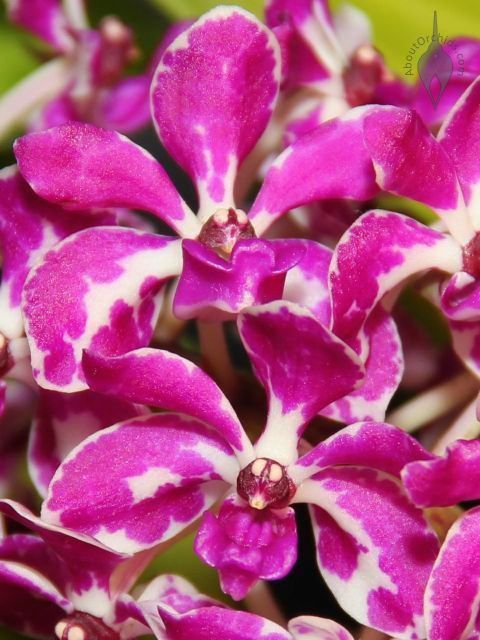
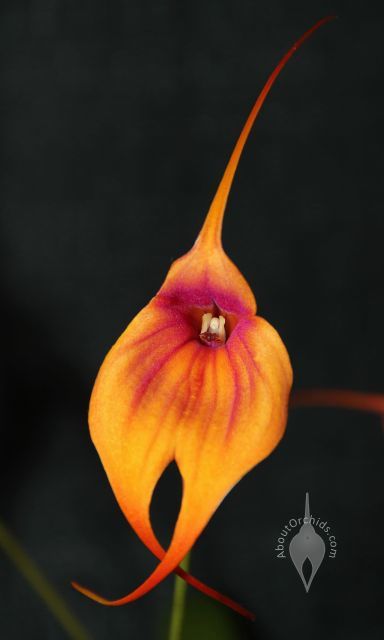
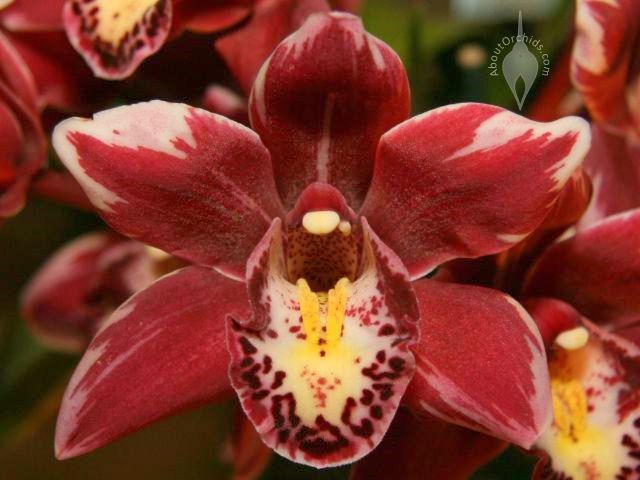
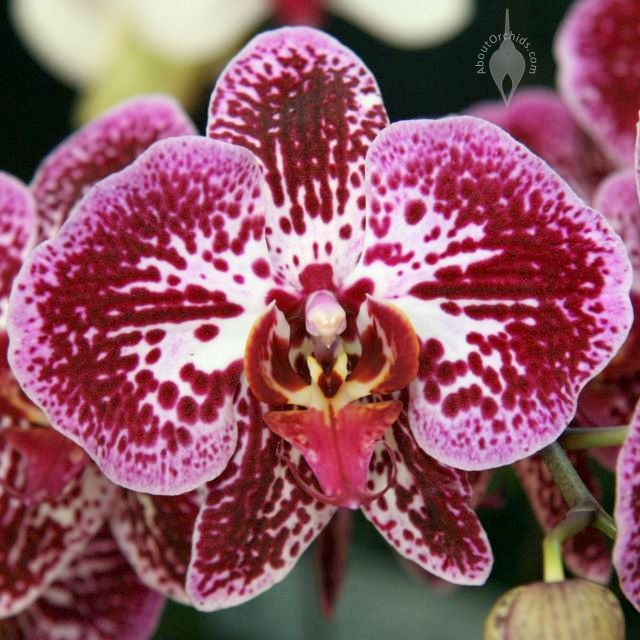
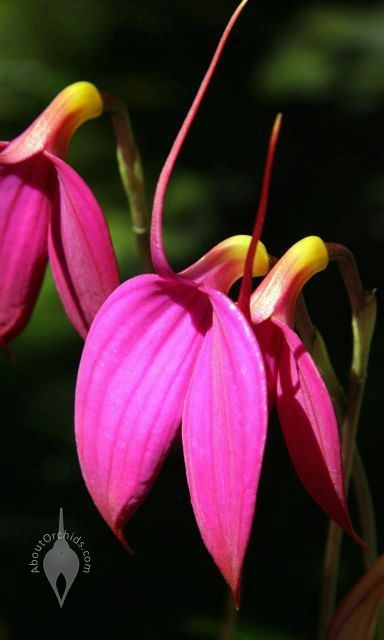
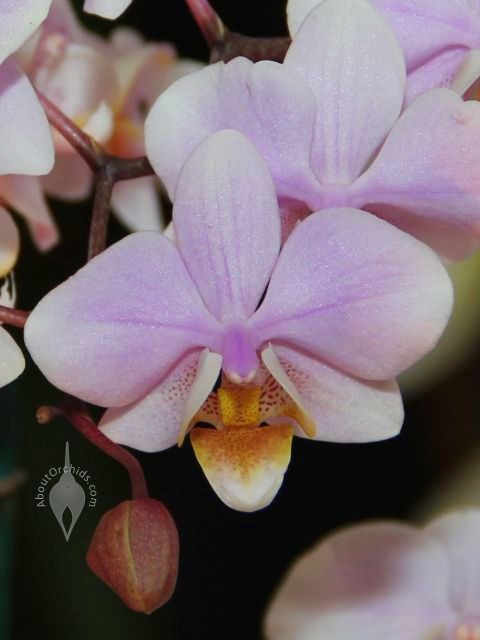
Cymbidium hybridMoth Orchid hybridMasdevallia species

If you’re admiring a beautiful orchid gift, and you’re worried about killing it, take a deep breath and relax. Common orchid varieties don’t deserve their finicky reputations, and don’t require a green thumb. With a few care basics, they can keep their exotic tropical flowers for weeks or months. Most orchids sold today are sturdy hybrids, and you can care for them with a few tips:

  • When you water, water thoroughly, and then let the water drain completely from the pot. Never allow the pot to sit in water for an extended time, or the roots will rot.
  • You’ll eventually have to remove ribbons, wrapping paper, or decorative containers if they block the holes in the bottom of the flower pot. Orchids need good air flow and water drainage around their roots.
  • All orchids need high humidity. Dry air can lead to wilting flowers, drying leaves, and pests.
  • It will help to identify your orchid so you can learn its specific light, temperature, and water needs. You don’t need to figure out its exact name, only the family of orchids where it belongs.
  • Phals, or Moth Orchids, are the most common varieties sold. Other common types include Cattleyas, Epidendrums, Oncidiums, and Paphs.
  • If you can’t identify your orchid, use these basic care tips.
  • Check AboutOrchids for more helpful info, growing tips, FAQ, and great photos.

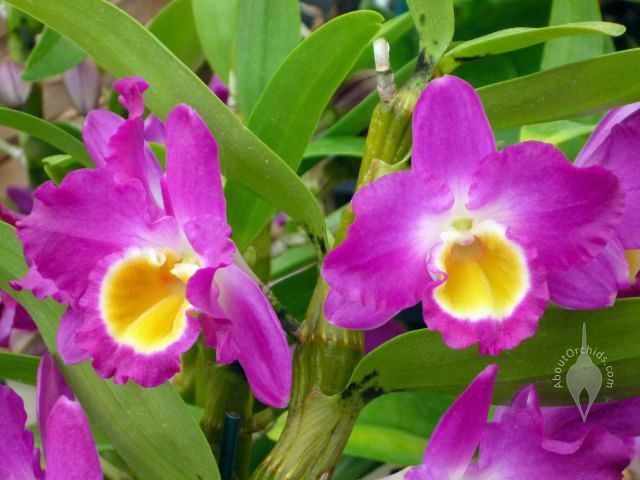
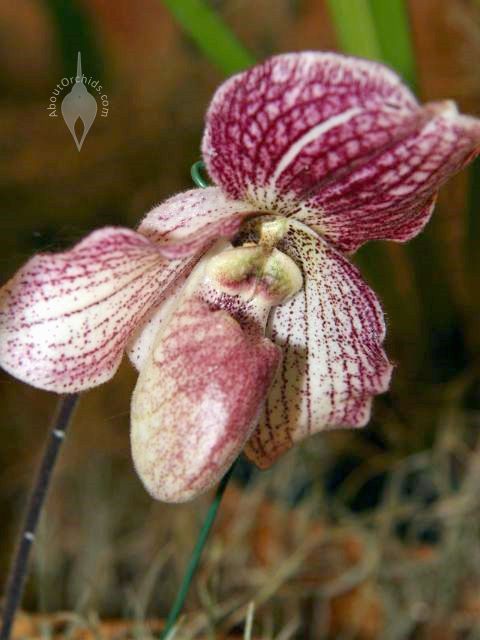
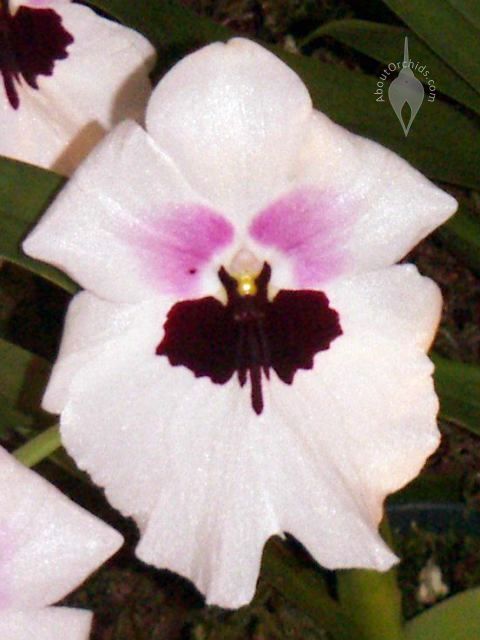
Dendrobium hybridPaph hybridMiltonia flower

Hybrid Vigor

Posted May 4th, 2011 by Marc Cohen
Categories: Buying Tips, Photos

Ever since orchids exploded in popularity in Europe in the 1850’s, orchid lovers have crossbred them. By blending genes of different species, and then choosing the best and sturdiest offspring, breeders have developed combinations with hybrid vigor. Complementary traits from both parents produce tougher plants. Hybrids are easy to grow and flower, and hardy enough to survive a little neglect. They often have larger, more frequent, and longer-lasting blooms. With basic orchid instructions, they’re as easy as any houseplant. These 6 examples are a drop in the bucket of countless orchid crosses.

Fragrant Phal hybridOncidium hybridDendrobium hybrid

Lady slipper hybridPhal hybridCattleya hybrid

Hybrid vigor makes these excellent choices for orchid beginners. If you’re buying from a supermarket or department store, you’re probably buying a hybrid. If you’re buying from a florist or garden center, it’s likely to be a hybrid, but ask if you’re not sure. Orchid species have more finicky care needs, and are better suited for experienced growers. If it’s a gift for Mother’s Day, a birthday, or to cheer somebody up, the superior qualities of a hybrid will brighten the day.

May Orchid Shows

Posted May 1st, 2011 by Marc Cohen
Categories: Botanical Gardens, Events

Orchid show across 6 continents are ready to dazzle and amaze. Many are perfectly timed for Mother’s Day. Later in the month, the Chelsea Flower Show in London will strut its stuff as the most famous garden show in the world. Expect plenty of orchids among its many extraordinary exhibits.

May 1
Fenland Orchid Society Annual Show, Village Hall, Terrington St. Clement, Kings Lynn, Norfolk, UK
May 1
Taiping Orchid Show, Taiping Lake Garden (Taman Tasik Taiping,) Taiping, Perak, Malaysia
May 3 – 7
National Orchid Festival, Heritage Society, Quinta de los Molinos Garden and Benito Juarez House, Havana, Cuba
May 4 – 5
Brooklyn Botanic Garden’s Annual Plant Sale, Cherry Esplanade, 900 Washington Ave., Brooklyn, New York
May 4 – 8
Dorado Orchid Show, Parque El Dorado, Dorado, Puerto Rico
May 5 – 7
Western Suburbs Orchid Society Autumn Show, Strathfield Plaza, 11 The Boulevarde, Strathfield, NSW, Australia
May 5 – 8
Five Dock RSL Orchid Society Show, Leichhardt Market Town, Flood St., Leichhardt, NSW, Australia
May 6 – 7
Kauai Orchid Society Mother’s Day Show and Sale, Kukui Grove Shopping Center, 3-2600 Kanualii Hwy., Lihue, Kauai, Hawaii
May 6 – 8
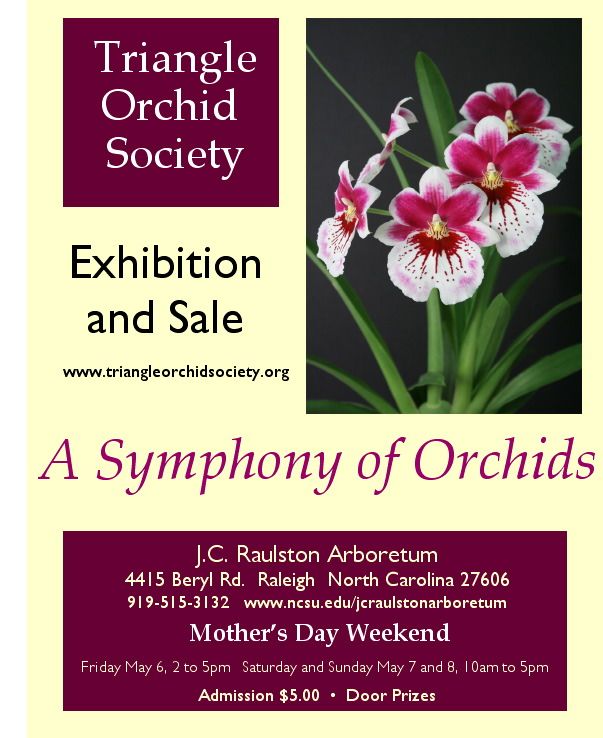
Triangle Orchid Society Exhibition and Sale, Raulston Arboretum, 4415 Beryl Rd., Raleigh, North Carolina
May 6 – 8
Tampa Bay Orchid Society Show, Egypt Shrine Center, 4050 Dana Shores Dr., Tampa, Florida

Read the rest of this post »

A Fungus Among Us

Posted April 29th, 2011 by Marc Cohen
Categories: Cool Growers, Fragrant Orchids, In the News

Scientists studying the large and diverse orchid family continue to find bizarre pollination tricks. An endangered orchid species from southern China is the first orchid known to use both flowers and leaves as part of its deception. This rare lady slipper looks and smells like it has a fungal infection. Cypripedium fargesii lives as high as 10,500 ft. (3200m) in the mountains of Sichuan and Hubei. Along with moldy smelling flowers, its leaves have reddish-brown splotches that make it look sick. To complete the illusion, the splotches even have microscopic hairs which resemble fungal spores. It’s a convincing deception for fungus-eating, flat-footed flies. They think they’ve found a feast, but instead leave with orchid pollen on their backs. Scientists from St. Louis University and the Chinese Academy of Sciences hope to learn how the orchid can mimic the fungus so well without becoming infected itself.

Orchids for Mother’s Day

Posted April 26th, 2011 by Marc Cohen
Categories: Buying Tips, Fragrant Orchids, Photos

Orchids are top picks for Mother’s Day gifts. Whether you’re buying an orchid for mom to keep short-term or long-term, there’s no lack of choices. Those sold in supermarkets and department stores are hybrids, bred to be tough. Phals are the most common variety. Their blooms can last for months with good basic orchid care. Mini Phals can fit into tight spots; larger varieties can make big splashes.

Harlequin Phal hybridMoth OrchidMoth Orchid hybrid

Phals are just the tip of the iceberg for orchid gift choices. Cattleyas, like those in the next two photos, also make elegant presents. They’re the classic corsage orchid, and many have wonderful fragrances. Paphs, or lady slippers, present a whole new catalog of possibilities. They don’t have scents, but offer a wide range of dramatic shapes and colors.

Cattleya flowerCattleya flowerDark red Paph flower

Another lady slipper and two very different Epidendrums show a small sample of the orchid family’s incredible diversity. Check out how to choose the right orchid variety, how to pick a healthy plant, and more orchid buying tips to help you find the best gift. Tropical blossoms like these are a sure way to inspire lots of Mother’s Day smiles.

Ladyslipper flowerEpidendrum flowerEpidendrum flowers

Watering

Posted April 23rd, 2011 by Marc Cohen
Categories: Watering

Good watering practices are essential for healthy orchids. Unfortunately, there’s no single formula for how often to water. Instead, growers must account for many interrelated factors. Knowing what kind of orchid you have provides a basic schedule. Then, consider growing conditions which demand additional water:

  • When orchids are actively growing, emerging leaves, roots, and flowers need regular hydration.
  • High temps, above 85°F (29°C,) dry plants faster. For cool growers, days above 75°F (24°C) demand more water.
  • Plants in full sun or exposed conditions can lose moisture rapidly.
  • Longer days of spring and summer mean that plants are working longer hours to photosynthesize.
  • Extra water helps orchids to cope with low humidity. In hot, arid weather, it’s good to splash water on leaves and roots.
  • Orchids need moving air, but strong air movement dries plants quickly. Windy days or powerful fans can desiccate orchids.
  • Plants in small pots dry out faster, and may wither on warm or windy days.
  • Plants in clay pots dry faster than those in plastic or ceramic. Clay is porous, and water quickly evaporates through the sides of the pot.

Wild Orchid Summer

Posted April 20th, 2011 by Marc Cohen
Categories: Conservation, Cool Growers, In the News

The UK is anticipating a wild orchid summer. With 50 fascinating British species, The Independent has blooming schedules and helpful info for finding orchids in the wild. The article has good photos, including shots of some European relations to the Epipactis and Orchis that I grow. The Wildlife Trusts, a conservation group, has more info online. Go to their Orchid Sites page to download “40 Places to See Orchids.” This colorful guide highlights nature reserves all over the UK.

Enjoy wild orchids if you find them, but take away only memories and photos. Never remove orchid species from the wild, or damage them in any way. It’s illegal, and it endangers the plants.

Conservatory of Flowers redux

Posted April 17th, 2011 by Marc Cohen
Categories: Botanical Gardens, Growing Orchids in San Francisco, Photos

You didn’t think I could fit all our great photos from the Conservatory of Flowers into one post, did you? Even with another post, it just scratches the surface. There’s so much to inspire and admire; it’s a spoil of photographic riches.
In front of the Conservatory of FlowersPalm leaf at the Conservatory of FlowersBromeliad flower

Botanical beauty takes many forms, especially in the orchid world. I don’t know what Dracula variety is in the next photo, but it’s easy to see why some kinds have the Spanish nickname “monkey face” (“cara de mono.”) A hairy Bulbophyllum bloom in the middle photo also seems more like a mammal than a plant. The maidenhair fern in the last shot imparts a leafier impression.

Dracula flowerClose up of Bulbophyllum flower lipMaidenhair fern

The spoils for our cameras also include more common orchid varieties, like a Miltonia, a Cymbidium, and a Masdevallia. They’re just a sampling of the wonders at the Conservatory of Flowers.

Miltonia flowers at the Conservatory of FlowersCymbidium flowersMasdevallia at the Conservatory of Flowers

Center for Conservation of Amazonian Flora

Posted April 13th, 2011 by Marc Cohen
Categories: Botanical Gardens, Conservation

The Center for Conservation of Amazonian Flora began 3 decades ago with one man’s dream and a little patch of land. In 1980, an Ecuadoran accountant named Omar Tello bought 15 acres (6 hectares) of pasture, and began to restore it to tropical rainforest. He had no formal schooling in horticulture or biology, but that little patch is now a thriving botanical garden. It has over 1200 native plant species, including 200 orchid species, like Cattleyas, Masdevallias, and Vanillas. Check out an incredible slideshow of some of these orchids. The garden also has become a vital home for Amazon birds, insects, and animals. Known by its Spanish acronym CERFA (Centro de Rescate de la Flora Amazónica,) it’s attracting support from volunteers and international conservation groups.

Tello is working with these groups to expand his little patch by the foothills of the Andes. CERFA is trying to buy a 62 acre (25 hectare) parcel next door, before a growing nearby town swallows it up. With the additional land, the garden would be big enough for larger animals like monkeys, sloths, and anteaters to move in. You can help by supporting the garden directly, or by donating to EcoMinga or other CERFA friends. Dollars, Pounds, and Euros go far in Ecuador, so even a small contribution can make a big difference to save Amazonian flora.