Oakland Orchid Show

Posted November 10th, 2010 by Marc Cohen
Categories: Events, Fragrant Orchids, Growing Orchids in San Francisco, Misc, Photos

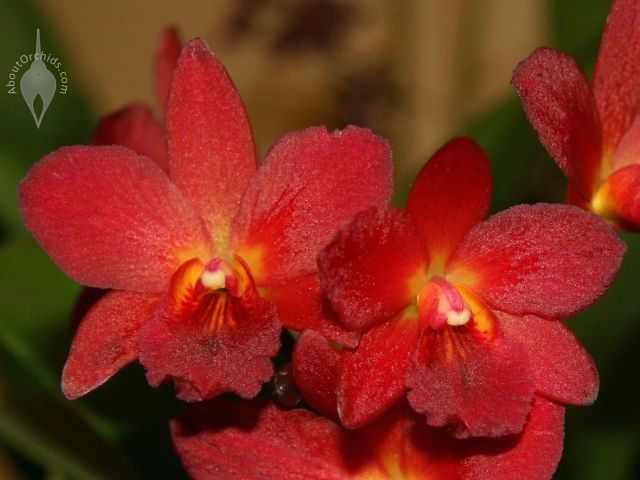
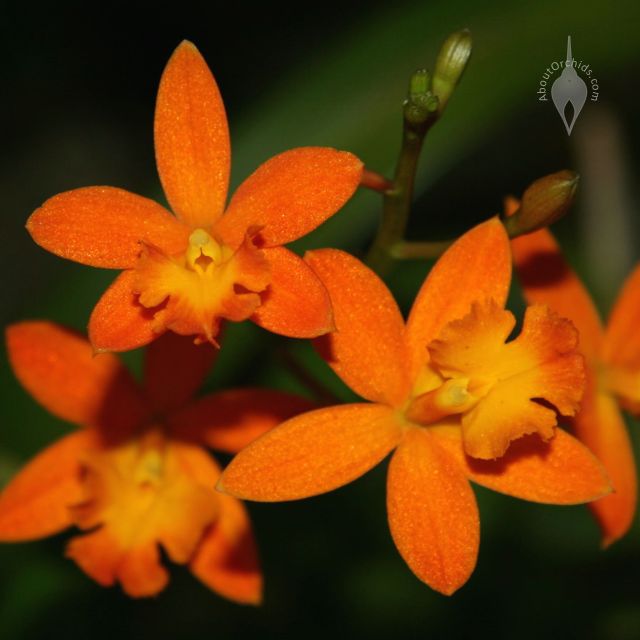
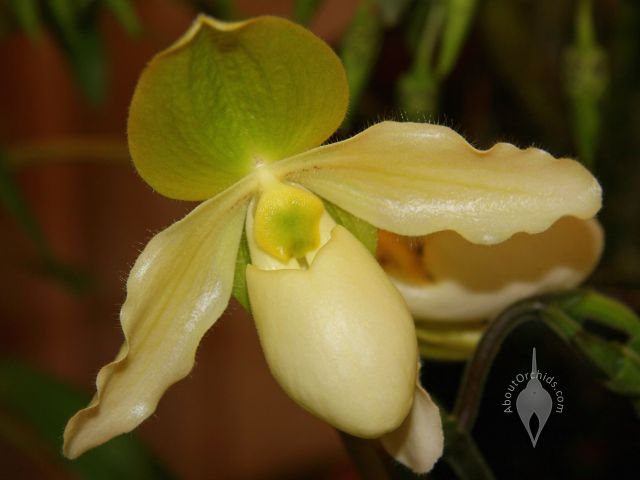
Dave and I enjoyed some wonderful blooms and delicious scents in Oakland last weekend. The Orchid Society of California has been around since 1937, and they know how to put on a show. Just to start, here’s a brilliant orange Epidendrum, a fuzzy yellow Paph, and a sweet smelling Cattleya.

Epidendrum flowersPaphiopedilum flowerCattleya flowers

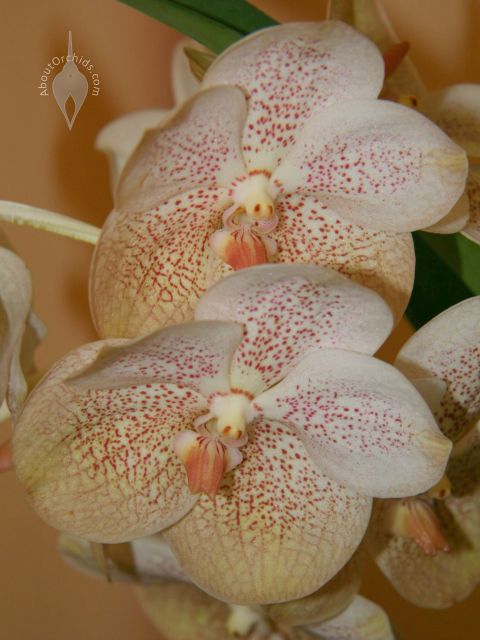
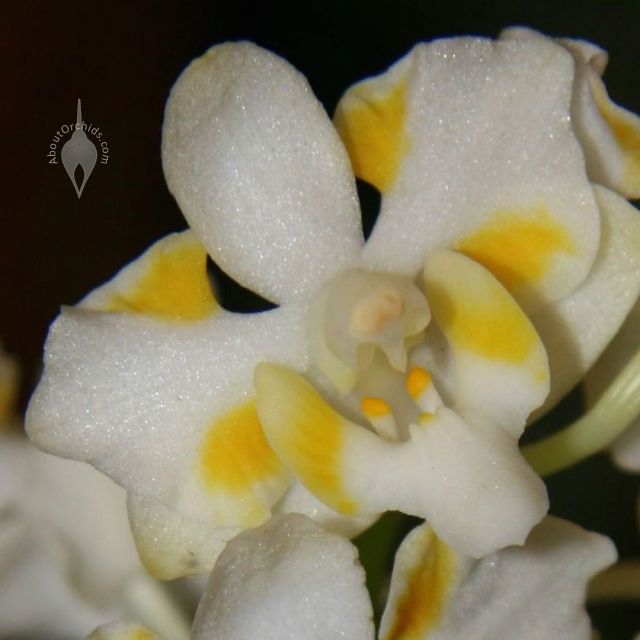
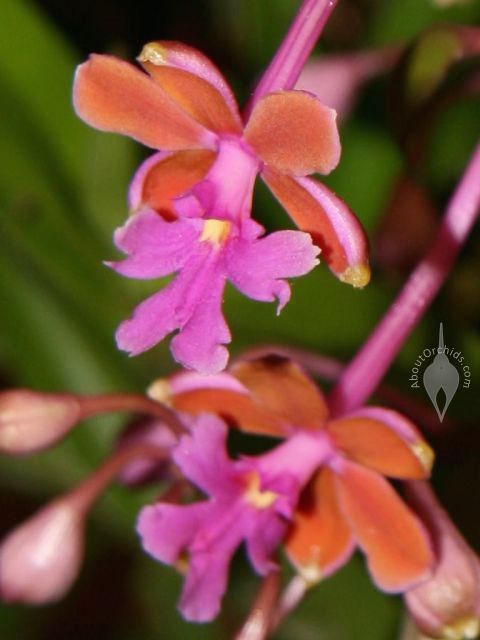
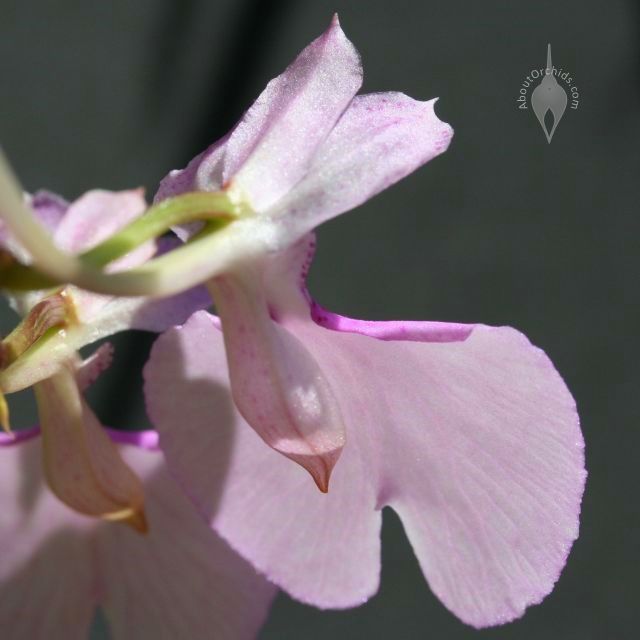
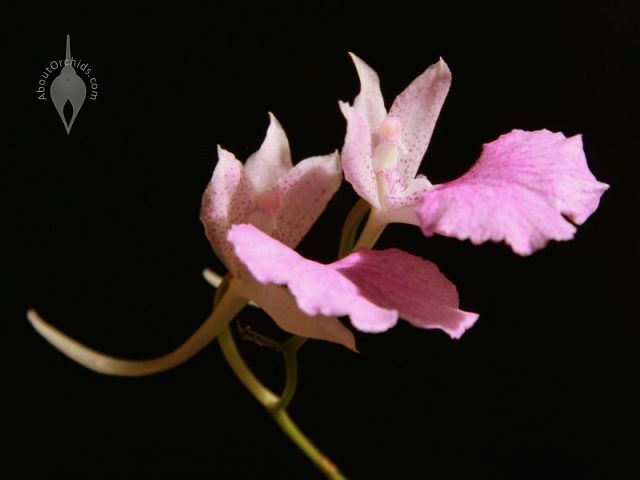
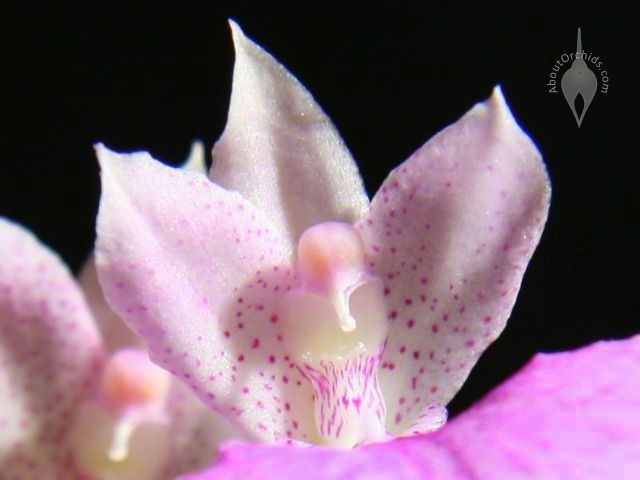
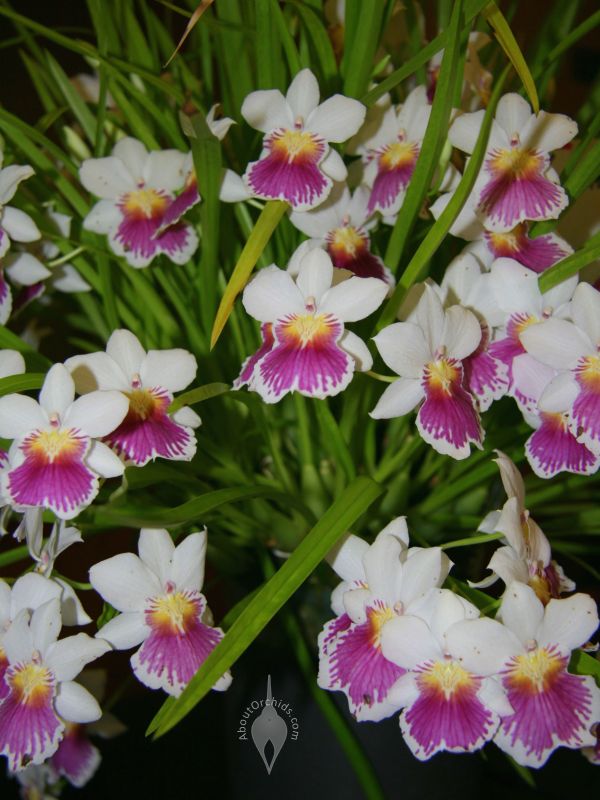
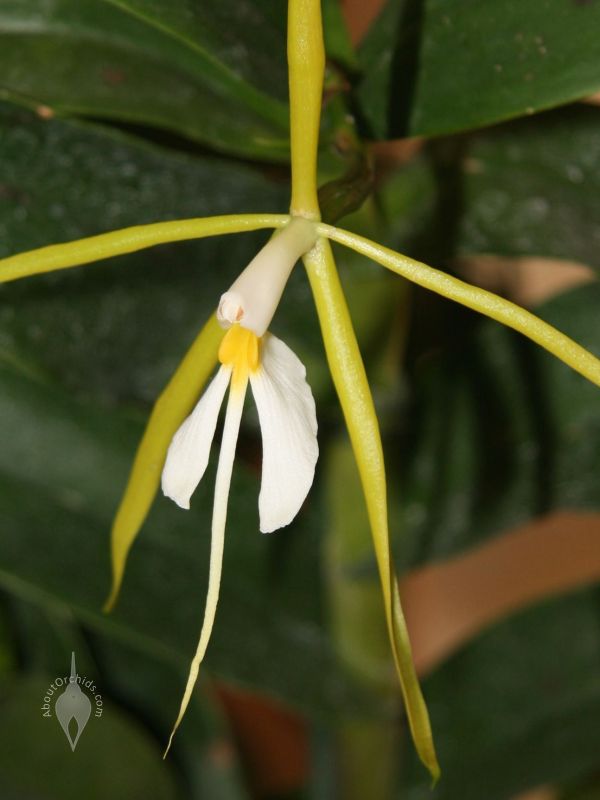
Even though it’s nearby, just across the bay, Oakland has a warmer climate than San Francisco. Warm growing Miltoniopsis, Trichoglottis, and Epidendrum would have a tougher time in our cool coastal breezes. They certainly seem happy here.

Miltoniopsis flowersTrichoglottis flowerEpidendrum flower

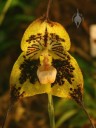
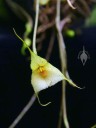
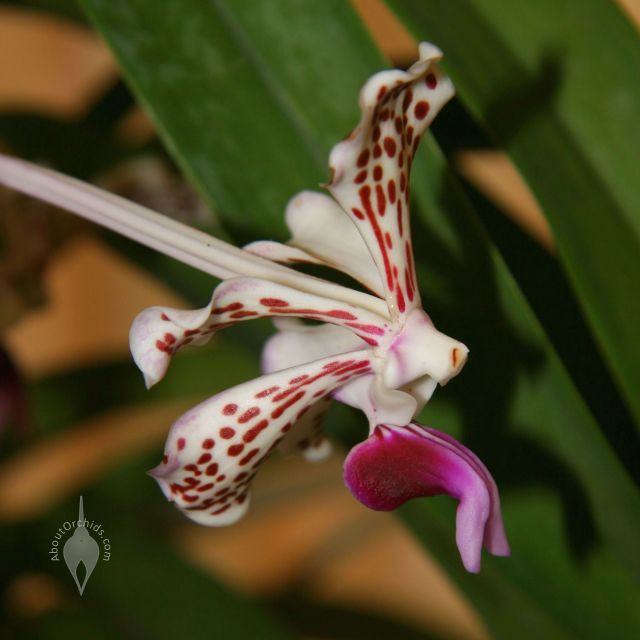
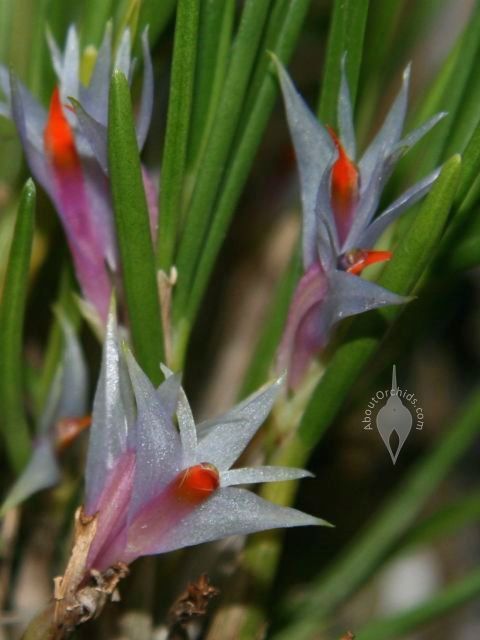
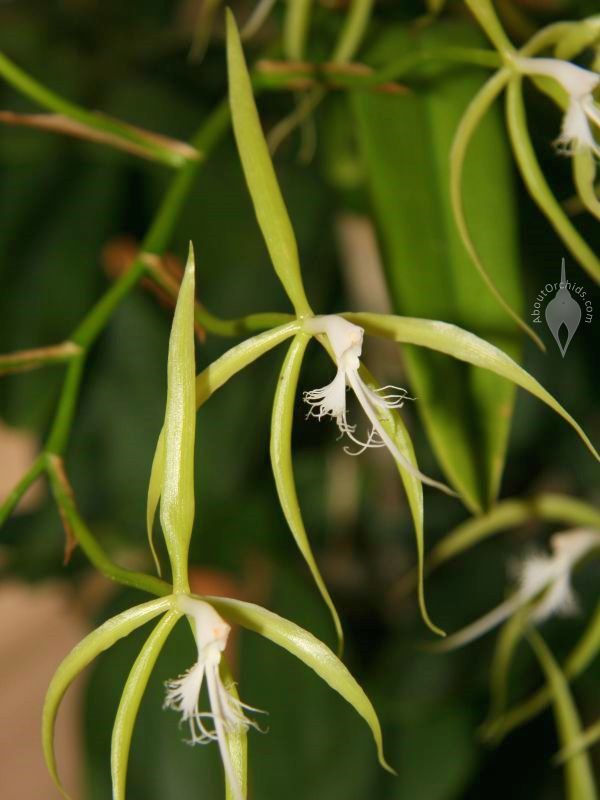
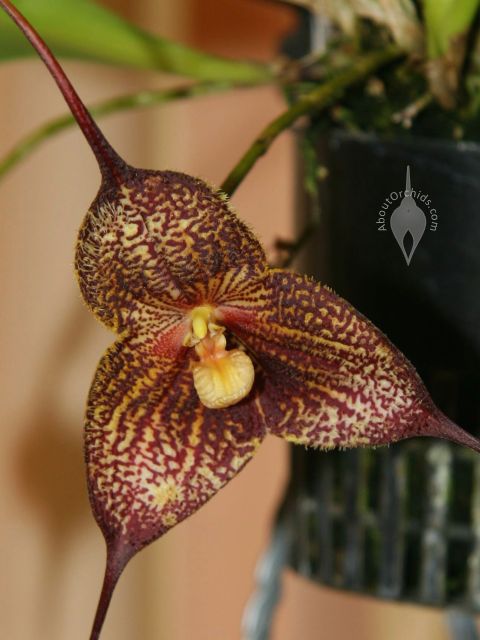
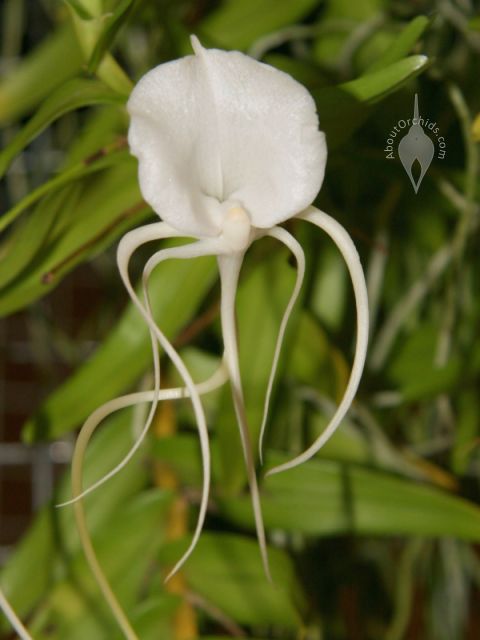
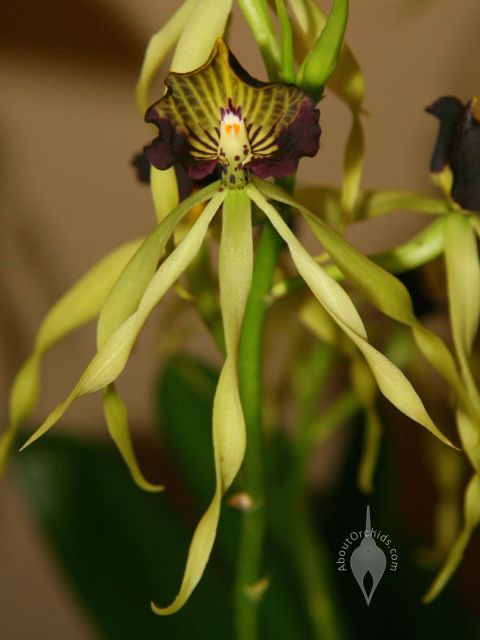
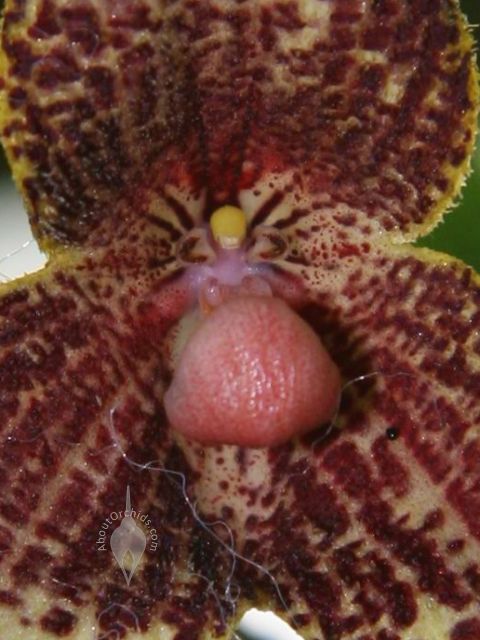
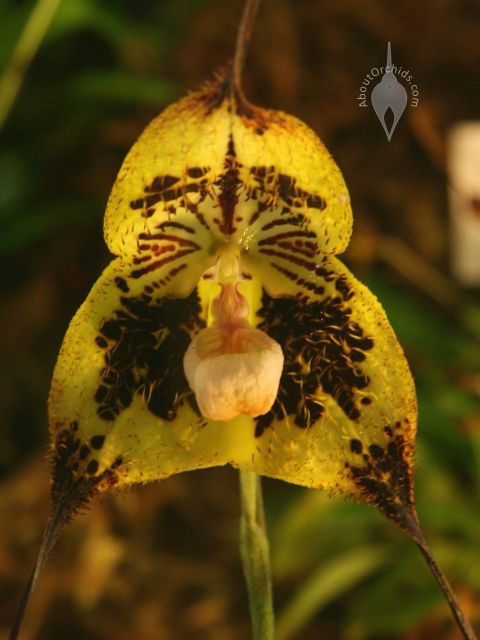
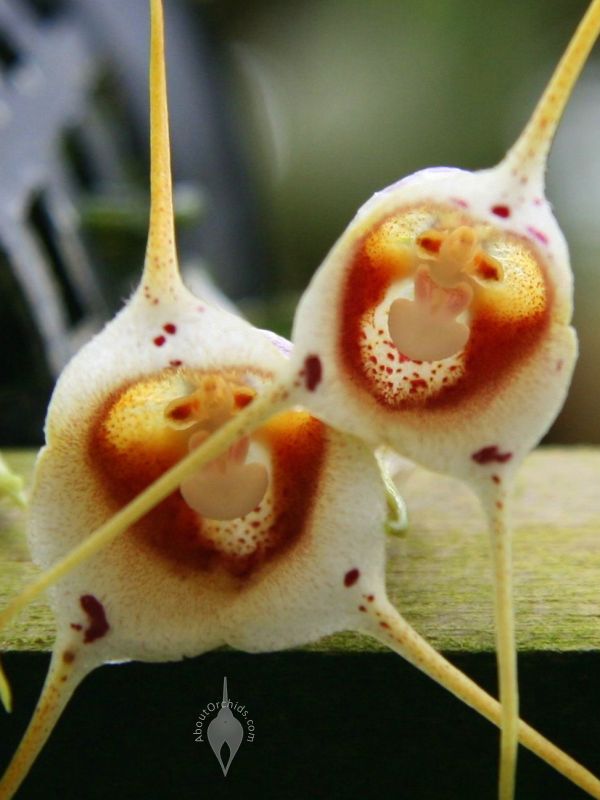
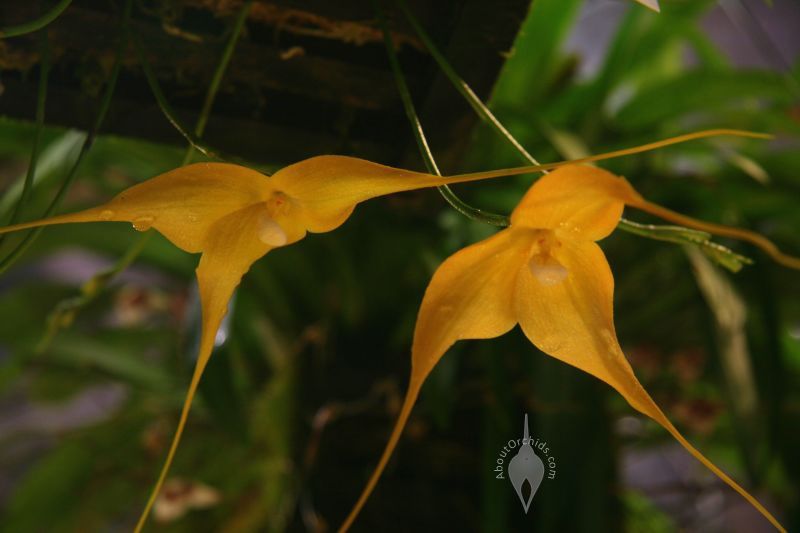
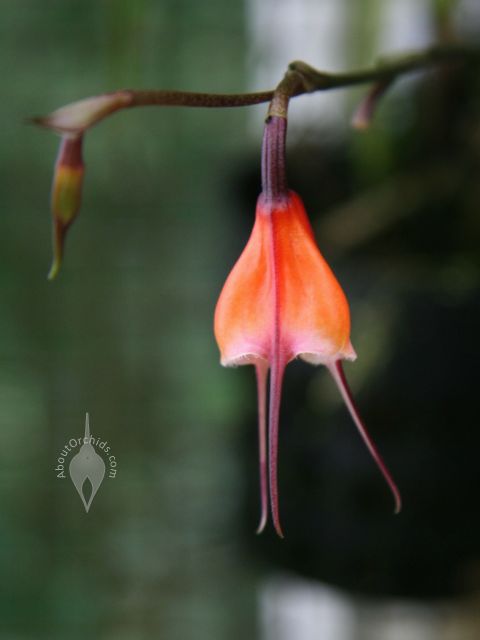
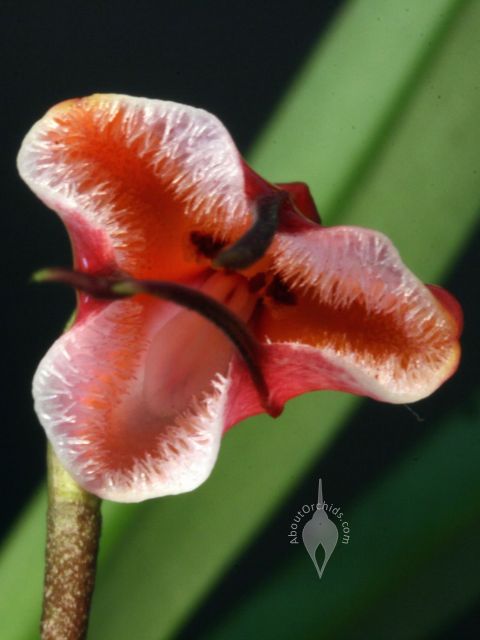
We also found a fascinating Dracula, and a few unusual specimens which resemble strange sea creatures more than orchids.

Dracula flowerAngraecum flowerEncyclia flower

Besides the gorgeous orchids, we also took pictures of some historic Oakland architecture. The Paramount Theater and I. Magnin Building have wonderful Art Deco designs. From the final photo, it’s easy to see why the Cathedral Building was once called the Wedding Cake Building.

Paramount Theater OaklandI. Magnin building OaklandCathedral Building Oakland

Rare Australian Orchid Blooms in Cultivation

Posted November 5th, 2010 by Marc Cohen
Categories: Conservation, In the News, Videos

Australian scientists have successfully cultivated the bizarre Eastern Underground Orchid for the first time. Australia is known for its fascinating flora and fauna, but this endangered orchid may be the one of the most bizarre plant species in the world. Rhizanthella lives almost entirely underground, and only emerges above ground when it flowers. Without leaves, it grows as an underground rhizome, drawing nutrients from decaying leaves on the Eucalyptus forest floor. They’re usually found by accident during digging or construction.  Scientists are excited by these first Rhizanthella blooms in cultivation, as you can see in this Newcastle, Australia news story (update: video has been removed)

November Orchid Shows

Posted November 1st, 2010 by Marc Cohen
Categories: Botanical Gardens, Events

Your orchid show travel agent here, and we’ve got a busy month ahead. Shows on 6 continents offer great opportunities to enjoy incredible flowers, meet local growers and experts, and add an orchid or two to your collection. Don’t forget your camera!

November 3
Orchid Society of West Pasco Show, Buena Vista Manor Clubhouse, 5112 Rosada Ave., Holiday, Florida
November 3 – 7
Perak Orchid Society Show, Dataran Ipoh, opposite Parkson Ipoh Parade, Perak, Malaysia
November 5 – 7
Massachusetts Orchid Society Show, Tower Hill Botanic Garden, 11 French Dr., Boylston, Massachusetts
November 5 – 7
Witwatersrand Orchid Society Spring Show, Floreum, Johannesburg Botanic Garden, Olifants Rd., Emmarentia, South Africa
November 6
Hawke’s Bay Orchid Society Sarcochilus Show, Taradale Town Hall, Lee & Meeanee Rds., Napier, New Zealand
November 6
Orchid Society of Great Britain Autumn Show, Wraysbury Village Hall, The Green, Middlesex, UK
November 6 – 7
Utah Orchid Society Show, Red Butte Garden, 300 Wakara Way, Salt Lake City, Utah
November 6 – 7
Portland Orchid Society Show, Doubletree Lloyd Center, Exhibit Hall, 1000 NE Multnomak St., Portland, Oregon
November 6 – 7
Kansas Orchid Society Show, Botanica, Wichita Gardens, 701 N. Amidon, Wichita, Kansas
November 6 – 7
Orchid Society of California Show, Lakeside Park Garden Center, 666 Bellevue Ave., Oakland, California

Read the rest of this post »

Growing Orchids Under Lights

Posted October 29th, 2010 by Marc Cohen
Categories: Books, Growing

Some orchid growers rely entirely on artificial light, while others, like me, use it to supplement lower sunlight levels in autumn and winter. No matter which category you’re in, you’ll find essential lighting info in Growing Orchids Under Lights. This American Orchid Society book focuses on practical light solutions for your home, office, or greenhouse. From fluorescents to high intensity mobile lamps, there are plenty of options to turn a basement or dark corner into an orchid oasis. This quick read also includes care basics and a chapter about orchid varieties that do well in artificial light.

Growing Orchids Under Lights by Charles Marden Fitch

Sinister Draculas

Posted October 24th, 2010 by Marc Cohen
Categories: Cool Growers, Growing, Photos, Watering

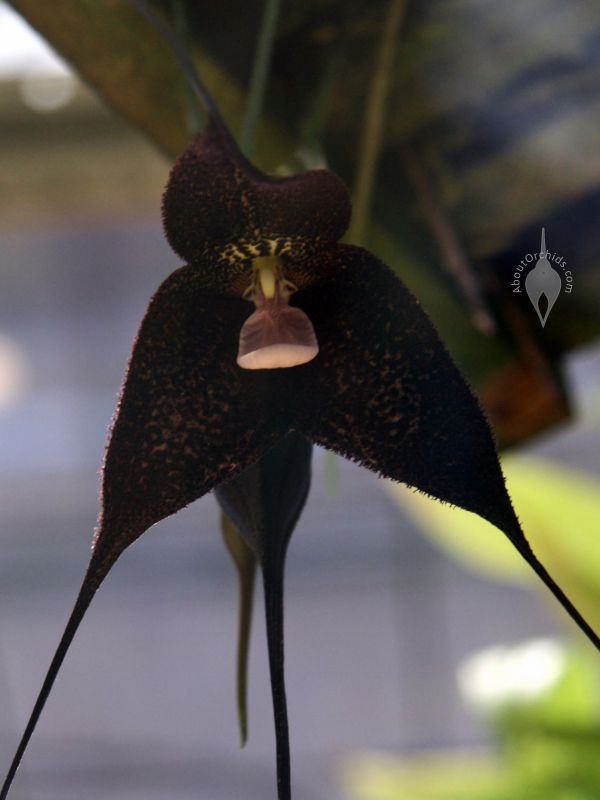
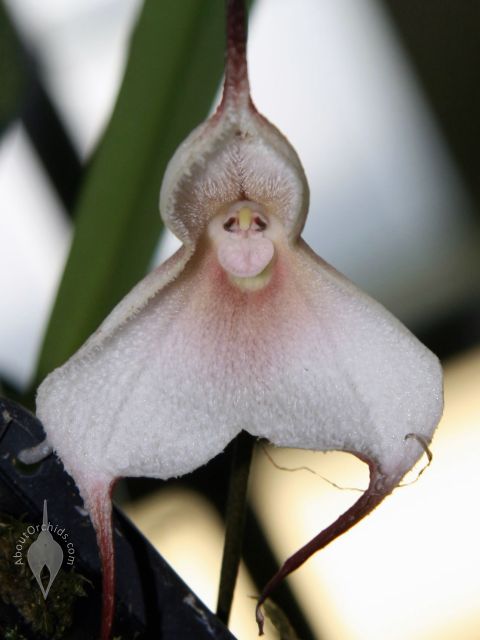
How can an orchid be sinister? Orchid descriptions usually include words like beautiful and elegant, hardly the stuff of Halloween. Ghost Orchids, dead orchids, and weird orchids can spook you, but it’s the creepy Draculas that can scare you. Some Dracula varieties have a strange flower lip which looks, well, fleshy. You almost expect it to start breathing. It lends these orchids a sinister air.


Dracula flowerDracula flower close up of lipDracula flower

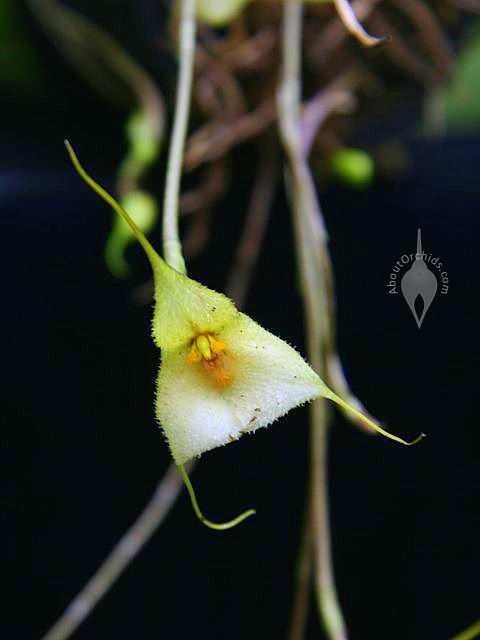
These creepy flower lips look and smell like mushrooms, and attract flies as pollinators. (Sorry, link no longer works.) Many Dracula varieties have hairy or warty flowers, adding to their creepiness. Some appear to have triangular faces, with tiny petals inside the blossom which look like eyes. There’s even a species with nearly black flowers, appropriately named Dracula vampira.
Dracula flowerDracula flowerDracula flower

These Draculas aren’t from old castles in Transylvania, but from cloud forests in the Andes. Most come from Ecuador and Colombia, with some species ranging to southern Mexico. Like bats, Dracula flowers enjoy hanging upside down. Although this makes perfect sense for epiphytes in the wild, it presents a challenge for cultivation. Orchid growers usually keep them in hanging baskets or mesh flowerpots to allow flowers to descend from base of the plant. Upside down flowers also present a challenge when taking photos. I know Dave’s superb skill at photography is matched by his dedication when I see him laying on the floor at an orchid show to capture the best shot.

Dracula flowers hanging below potDracula flowers, view from underneathDracula flowers

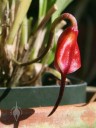
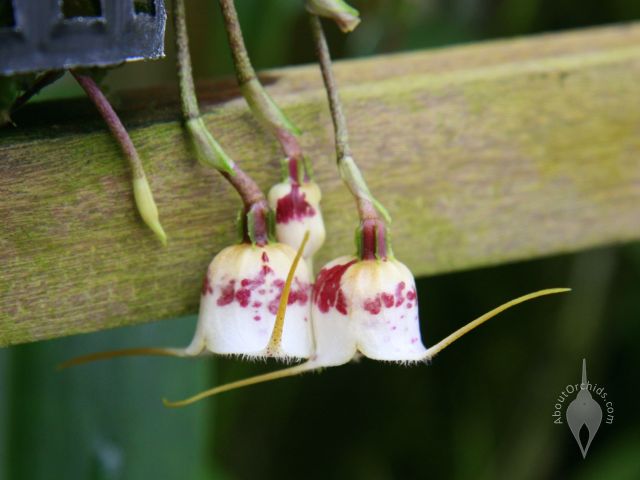
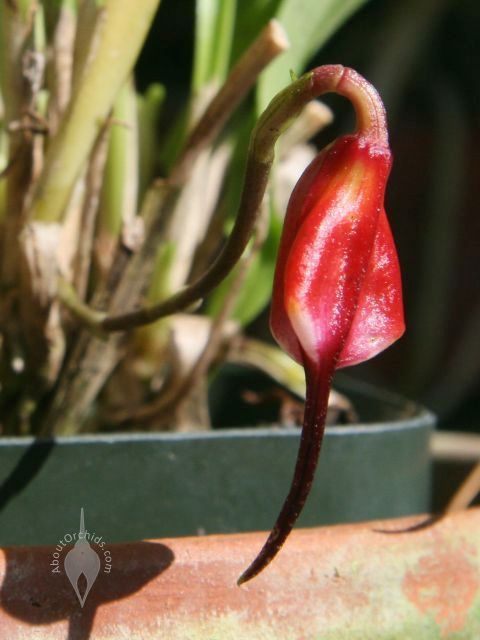
It’s no surprise that Draculas hate direct sun. They like shade, and can grow under fluorescent lights like their Masdevallia relatives. They need constant high humidity, good air movement, and cool temps. Many varieties cannot tolerate the chemicals in tap-water, and need purified water or rain for daily waterings. That’s why my Red Bell Dracula is enjoying today’s rain. Hey, those flowers are looking more blood-red than before…


Dracula flower and budDracula flower viewed from underneathDracula flower bud

OCA Calendar

Posted October 20th, 2010 by Marc Cohen
Categories: Buying Tips, Conservation, Misc

Check out the cover of this great 2011 wall calendar from the Orchid Conservation Alliance (OCA.) I’ve blogged about the OCA’s great work to conserve orchids and their habitats. Now you can support them by buying this beautiful monthly calendar. It’s full of hundreds of photos of incredible scenery from Ecuador’s cloud forests, including lots of orchids.

Orchid Conservation Alliance 2011 calendar cover

The calendar is priced for the recession:  just $8 (USA) covers the calendar, taxes, and shipping. To order, make out a check to OCA and mail to:

Orchid Conservation Alliance
564 Arden Dr.
Encinitas, CA 92024

Discounts apply if you buy more than 10 copies of the calendar. You can email the OCA, donate, join, or buy more merchandise including t-shirts and posters by visiting OCA’s website, or calling 760-753-3173.

Panthers and Orchids

Posted October 15th, 2010 by Marc Cohen
Categories: Conservation, In the News, Orchids in the Wild

Why would a Florida biologist grow orchids when he’s trying to rescue panthers? Larry Richardson, chief biologist at the Florida Panther National Wildlife Refuge, explains that South Florida’s orchids love wetlands like panthers do. When the wetlands thrive, so do their plants and animals. Richardson says “it’s not much of a stretch likening panthers to orchids. Both are profoundly affected by the supply, quality and distribution of water. Both thrive in woodlands with minimal human disruption. And both have seen their habitat of hardwood swamps, oak hammocks and pine flatwoods shrink as a result of human encroachment.”

Richardson, the University of Florida, and Illinois College have worked together to collect native orchid seeds. They germinate and raise the plants in greenhouses, and then transplant them into the wild. Besides the Florida Panther Refuge, native orchids have also been returned to nearby Big Cypress National Preserve, Fakahatchee Strand, Picayune Strand, and Everglades National Park.

“There’s only one endangered species list,” Richardson said. “Those most endangered are at the top of the list. As those animals become extinct, everything below them on the list moves up a notch. Man’s move to the top is going to be accelerated over time.”

Samurai Orchid

Posted October 10th, 2010 by Marc Cohen
Categories: Dormancy, Fragrant Orchids, Intermediate Growers, Mini Orchids, Photos, Watering

Centuries before the western world became fascinated with orchids, some eastern cultures were cultivating and revering them. For over 400 years, Japanese have grown fuu ran, the “wind orchid.” It’s known in English as Neofinetia, or the Samurai Orchid. This mini species is native to mountainside forests in southern Japan, southern Korea, and eastern China. Japanese nobles and samurai admired its beauty, elegance, and serenity. Over time, its admirers also lent this species the Japanese name fuuki ran, “rich and noble orchid.”

Neofinetia flower close upNeofinetia flowersNeofinetia flowers

The Samurai Orchid has charming, bird-like flowers, and a rich, sweet vanilla scent in the evening. Its small size, tolerance for cold, and close relation to the Phal and Vanda families make it a popular choice as an orchid hybrid parent. Ascofinetia, Neostylis, and Darwinara are just a few of the hybrids with Neofinetia roots.

Neofinetia flowers side view, showing nectar spursNeofinetia flower close upNeofinetia flowers and plant in moss

Japanese growers have been especially fascinated by the Samurai Orchid’s natural variations in flower colors, leaf colors, and leaf shapes. Typically, the flowers are pure white, but rare color mutations have been discovered and cultivated. Flower forms now come in yellow, green, pink, and magenta. Diminutive green leaves in a fan pattern are most common, but some varieties have leaves with stripes or splotches of color. Others have twisted leaves and even misshapen flowers. The rarest forms can sell for thousands of dollars.

Neofinetia flower side view, showing nectar spurPurple Neofinetia flowers and plant in mossNeofinetia flowers with purple stems

Nowadays in Japan, Samurai Orchids are beloved as cultural treasures, and often grown in moss in traditional bonsai pots. They require shade, frequent water, and warm temps in the summer. During winter dormancy, they need full sun, less water, and cool temps.

Variegated Neofinetia plant, potted traditionally in mossPurple Neofinetia flowersYellow Neofinetia flower

Many people are surprised that samurai cared so much for these tiny plants. Best known, of course, for their warrior skills, they also cultivated artistic talents, such as calligraphy, painting, music, or raising wind orchids. My friends and family know that orchids aren’t my only obsession — I’ve been studying Aikido, a Japanese martial art, for over 2 decades. I’m not a samurai, but I am happy to honor this artistic tradition in my training.  I’m especially proud when my Neofinetia blooms, and I can enjoy an emblem of samurai history.

How to Kill An Orchid

Posted October 6th, 2010 by Marc Cohen
Categories: Fertilizing, Growing, Problems, Watering

Most people prefer to keep their orchids alive, but some people are dead-set on killing them. If that’s you, then you’ll enjoy this handy list of tried-and-true orchid destruction tips. If you prefer to keep your orchids alive, avoid these common mistakes:

  • Overwatering — This is a quick, easy, and common assassination method. Excess water rots the potting media, and eventually suffocates the roots. To speed things up, allow the flower pot to sit in a tray of water. This will quickly cause the orchid roots and potting media to rot. Death within a week. The tray of water and rotting roots may stink and attract flies, so you get a bonus.
  • Underwatering — Just forget to water. This method is very effective, however, during winter dormancy it may take months for orchids with pseudobulbs to die. If you’re trying to escape suspicion, you may want to dribble a few drops on the plant. Whatever you do, do not give the plant and potting media a thorough soaking, even if water runs out of the holes at the bottom of the pot. This will greatly delay death by underwatering.
  • Temperature extremes — It’ll help to identify your orchid so you know its proper temperature range. Armed with that knowledge, you can be creative. Open a window next to a Phal when it’s near freezing outside. Keep a Masdevallia in a warm kitchen (closer to the stove is better.) Place an orchid next to a heating vent which is blasting hot air. Take a warm grower, like a Vanda, and stick it outdoors in Calgary in February.
  • Strong sunlight — While this may have no effect on some varieties like Vandas or Cymbidiums, except to make them bloom, direct sun will burn Phals, Paphs, Masdevallias, and Miltonias. It works best in summer, but may not work at all in winter. Modern car windows filter some sunlight, but the added bonus of the car heating up in the sun can kill an orchid during the time it takes to do a little shopping, or eat lunch. It’s multitasking.
  • Low light — This is your best option if you want a very slow death for Phals and Paphs, since they tolerate some degree of low light. For Cymbidiums, Dendrobiums, Oncidiums, and Vandas, it will be quicker, since they need bright light or full sun to thrive. When you want to kill by low light, find a dark corner, and place the orchid victim in it. Keep it away from any windows. Do not supplement its light in winter. Some orchid varieties may surprise you by lasting for months or even years in low light. Don’t worry; they won’t bloom before they finally perish.
  • Stale or dry air — Stale, stuffy air can cause health problems for both people and orchids, so if you choose this method, you probably shouldn’t spend too much time with your victim. Stale air encourages nasty microorganisms and pests, and they’ll overwhelm your orchid eventually. To cut off air movement, lock the plant in an unused room, or overcrowd it with other plants. Keep it away from fans or windows. Dry air will quickly make flowers drop, and wilting leaves will soon follow. Dry air also invites pests, especially spider mites. Do not provide humidity or good air movement, or you’ll drive the pests away. If you don’t have dry air already, heating and air-conditioning systems usually dry the air efficiently.
  • Too much fertilizer — A single excessive fertilizer dose can burn an orchid’s roots and leaves, but probably won’t kill it. Rather than the orchid maxim “weakly, weekly,” which teaches that orchids prefer a weak nutrient solution, try “fertilize forcefully.” Heavy doses of fertilizer given at frequent intervals will stop that orchid from ever bothering you again.

October Orchid Shows

Posted October 1st, 2010 by Marc Cohen
Categories: Botanical Gardens, Events

This month, every corner of the planet has orchid shows.  Schedules are especially busy across North America, the UK, South Africa, Australia, and New Zealand. Even if your wallet is thin, you can bring your camera, and take home all the orchids at the show.

October 1 – 2
Whangarei Orchid Society Show, Forum North, Rust Ave., Whangarei, New Zealand
October 1 – 3
Florida West Coast Orchid Society Show, Minnreg Hall, 6340 126th Ave., Largo, Florida
October 1 – 3
Central Louisiana Orchid Society Show, Best Western Inn & Suites, 2720 North MacArthur Dr., Alexandria, Louisana
October 1 – 3
San Diego International Orchid Fair, San Diego Botanic Garden, Ecke Building, 230 Quail Gardens Dr., Encinitas, California
October 1 – 3
Bendigo Orchid Club Show, YMCA Leisure Centre, Browning St., Kangaroo Flat, Victoria, Australia
October 1 – 3
Devonport Orchid Society Show, Spreyton Memorial Hall, Maidstone Pk., Spreyton, Tasmania, Australia
October 1 – 3
Townsville Orchid Society Show, Townsville Orchid Society Hall, Kirwan, Queensland, Australia
October 1 – 5
Borneo Orchid Show, Suria Sabah Exhibition Hall, Kota Kinabalu, Sabah, Malaysia
October 2 – 3
Gainesville Orchid Society Show, Kanapaha Botanical Gardens, 4700 SW 58th Dr., Gainesville, Florida
October 2 – 3
Central New York Orchid Society Show, Beaver Lake Nature Center, 847 East Mud Lake Rd., Baldwinsville, New York

Read the rest of this post »