The best methods to fertilize orchids are constant subjects of debate. Many orchid experts subscribe to the maxim “weakly, weekly,” meaning that a weak mixture of fertilizer given on a regular basis can go a long way to improving orchid growth and blooms. With my own orchids, I’ve used specialized orchid fertilizer, diluted regular plant fertilizer, and time release fertilizer (not at the same time, of course!) They’ve all worked fine for me over the years, so when I tried using homemade compost, it felt like a radical experiment.
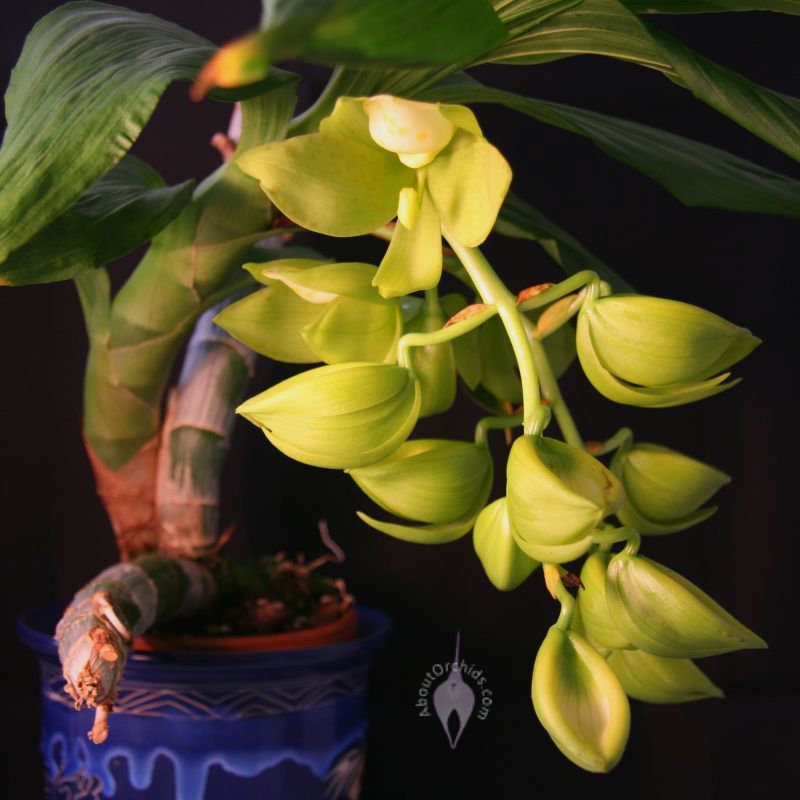
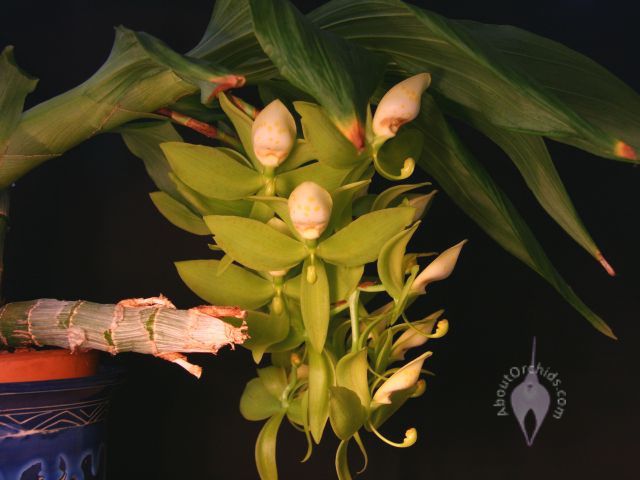
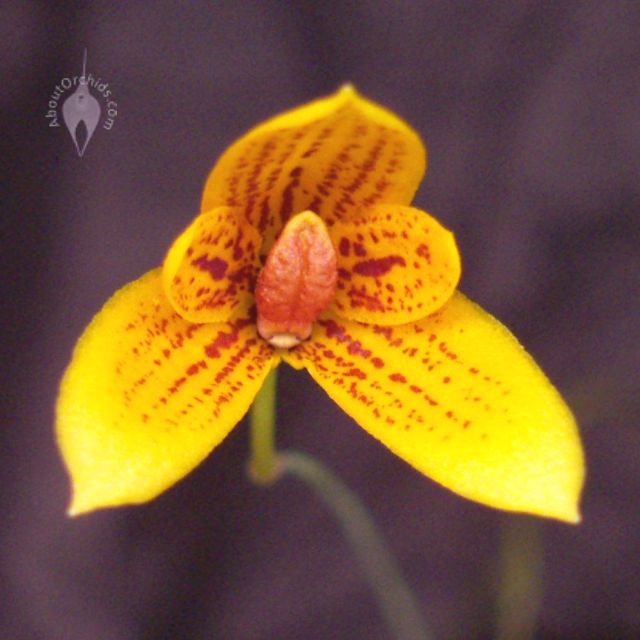
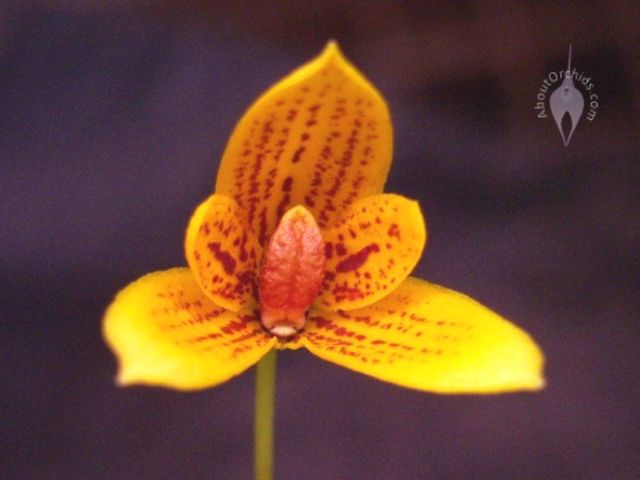
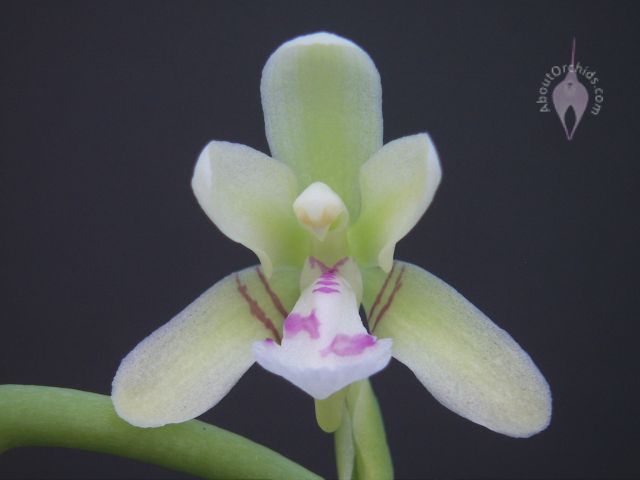
Compost is, after all, rotting stuff. Orchids are sensitive to rot because they live in high humidity, where rot flourishes, and also because rotting stuff can block essential air flow to orchid roots. Even though I have a few books that mention the use of compost for orchid fertilizer, when I first tried it, I was worried that the plants would simply turn to mush. I started with a weak solution of compost tea, and when I saw the good results, I cautiously tried straight compost. Despite my fears of exposing my orchids to rotting material, homemade compost has worked better than I ever expected. After a good shot of compost, some of my orchids, like this Laelia and Zygo, will quickly put up a new flower spike and bloom within a few weeks. My Cymbidiums, Sobralia, and Vanilla quickly start growing new leaves. My Phals and Epidendrums also love the nutrient boost.
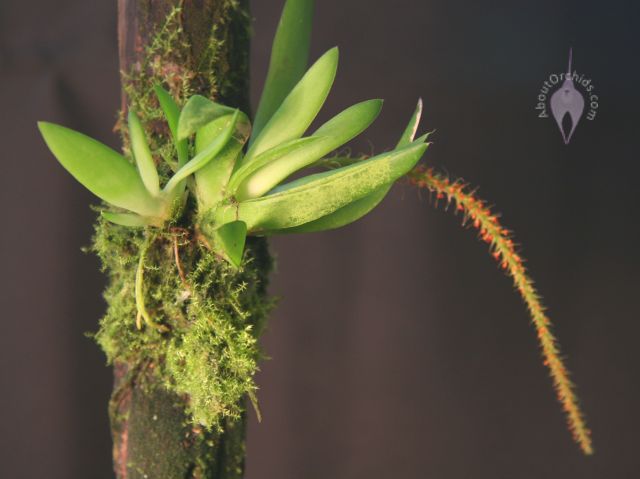
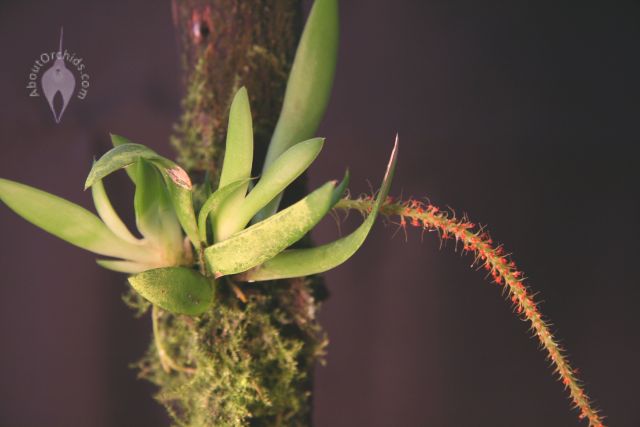
I haven’t yet had any problems with orchids rotting, and excess compost doesn’t cause problems like excess artificial fertilizers. Too much artificial fertilizer can burn roots and leaves, and while overdoing the compost won’t damage the plant, there is a downside. With excessive compost, some orchids put out new growth that remains weak and soft, and ultimately dies back. For instance, after a dose of compost, my Dendrochilum starts with new growth, but then some new leaves fall off. The rest of plant isn’t hurt, but nothing’s gained either.
If I’ve inspired you to try using compost on your orchids, I suggest you test with a small amount or weak compost tea first, and wait a few weeks before trying any more. Making your own compost is really very easy; as the saying goes, compost happens. Whether you live in a small apartment or a large farm, you can find great info about how to make your own compost here. Orchids can bloom wonderfully with many fertilizers, and compost is not at all a requirement for growing orchids. But if you have the opportunity to try it, I recommend that you add some compost and stand back!