Singapore Botanic Gardens

Posted May 17th, 2009 by Marc Cohen
Categories: Botanical Gardens, Photos, Warm Growers

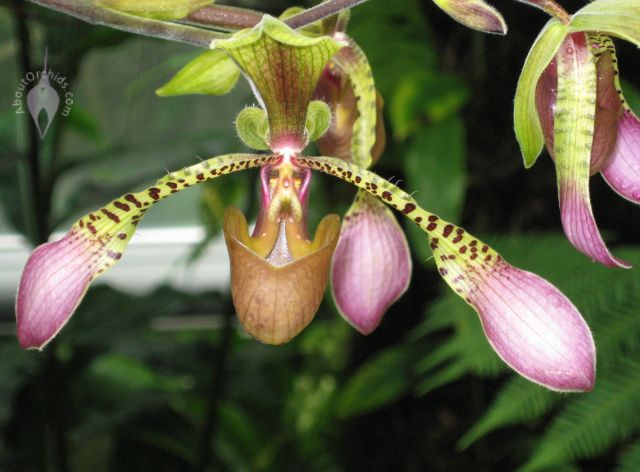
Our good friend and cat-sitter extraordinaire, Jan-Marie, recently enjoyed a trip to Malaysia and Singapore, where she visited Singapore Botanic Gardens. The Republic of Singapore is a small island nation located very close to the equator, so naturally this former British colony is home to many tropical orchids.  Singapore is also one of the world’s largest commercial orchid growers, specializing in warm growers like Phals, Vandas, Paphs, and Dendrobiums.

Garden gatePurple Vanda flowersLady Slipper flower

The National Orchid Garden is part of the Singapore Botanic Gardens, and contains over 3,000 orchid species and hybrids. The pictures below show Vanda Miss Joaquim, the national flower of Singapore. This hybrid orchid blooms almost continuously when given full sun, heavy water, regular fertilizer, and warm temperatures. It has unusual, thin, pencil-shaped leaves that look more like stems than foliage.
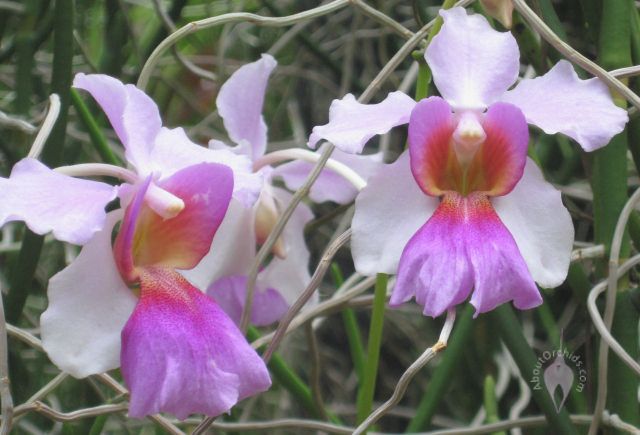
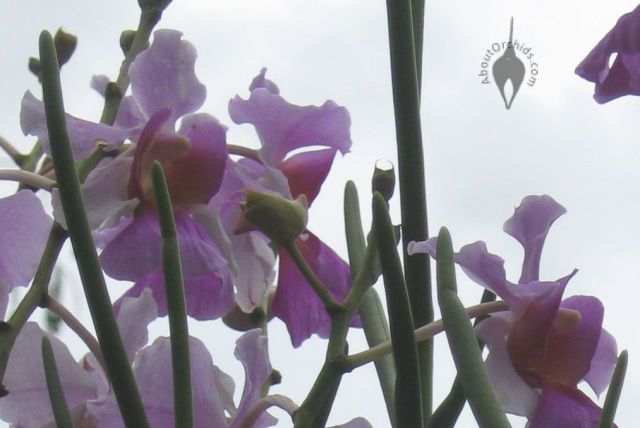
Vanda Miss Joaquim flowersVanda Miss Joaquim flowers and leavesYoung Vanda Miss Joaquim plants showing leaves and roots

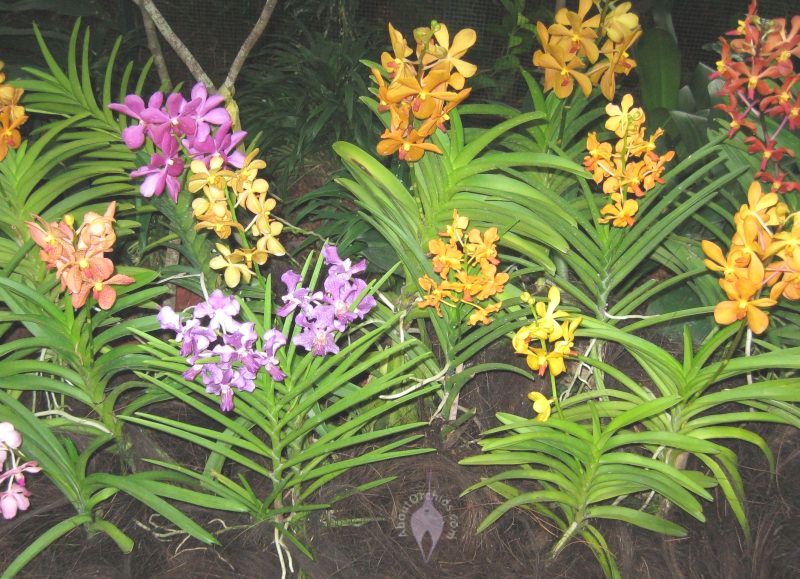
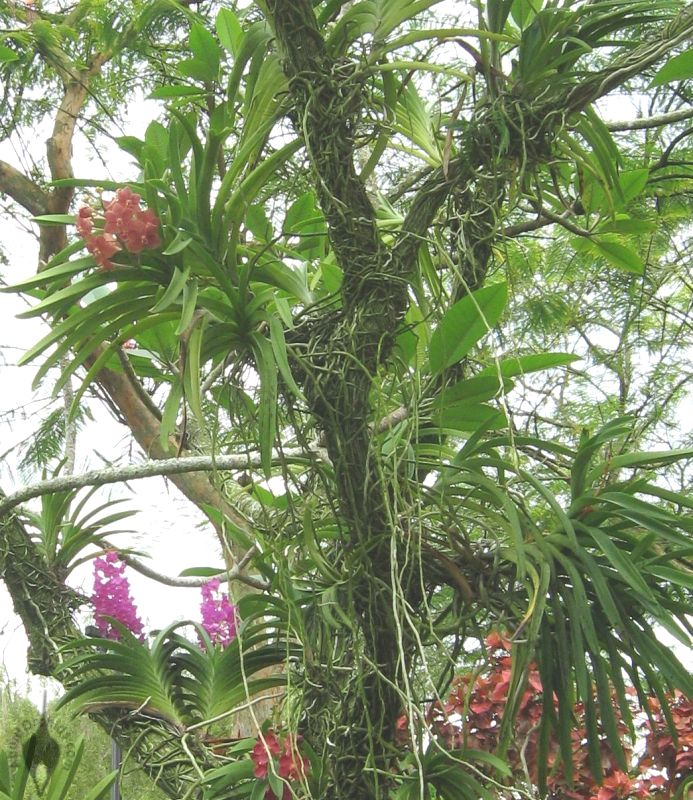
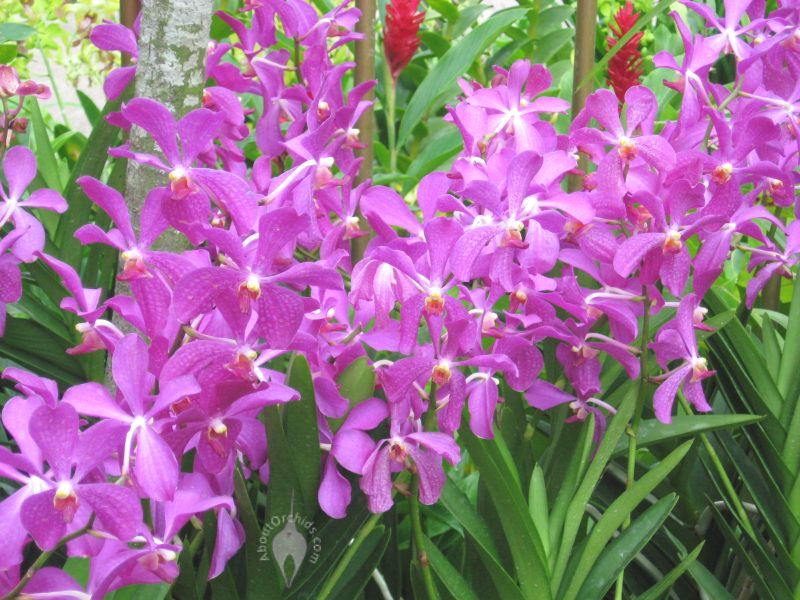
More pictures below show a Spathoglottis flower, lots of Phals, a rainbow of Vanda flowers, and Vanda plants attached to a tree. Thanks so much, Jan-Marie, for sharing your marvelous pictures!
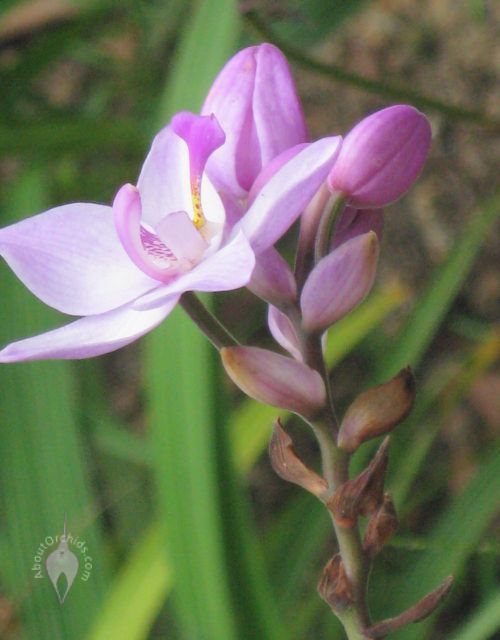
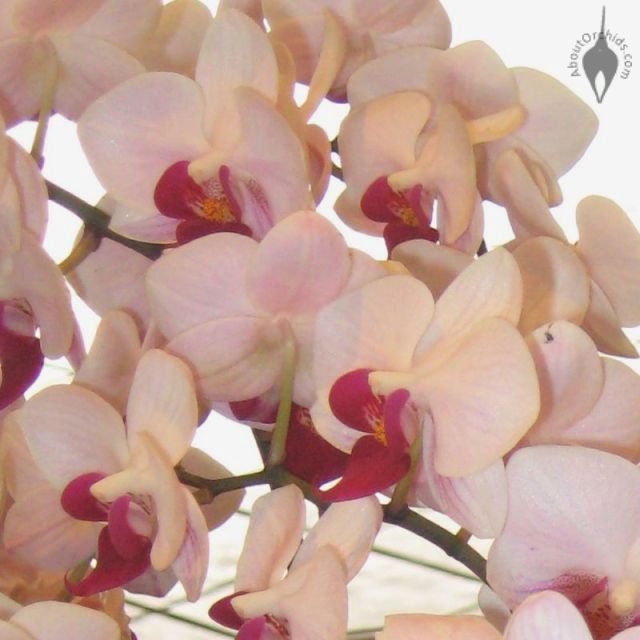
Spathoglottis flower and budsPhalaenopsis flowers

Vanda flowers and plantsVanda orchids growing in a tree

Laelia anceps

Posted May 12th, 2009 by Marc Cohen
Categories: Dormancy, Growing, Intermediate Growers, Orchids in the Wild, Photos

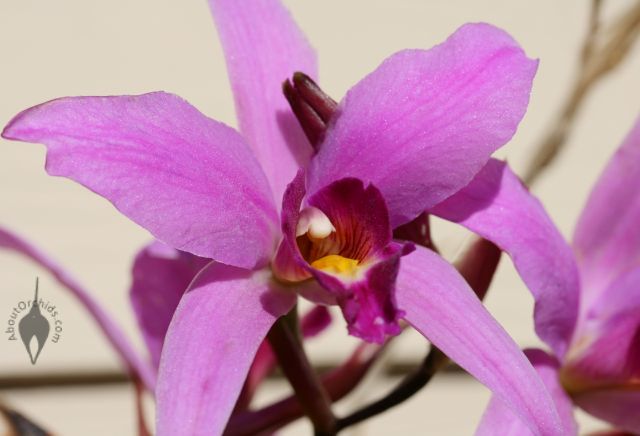
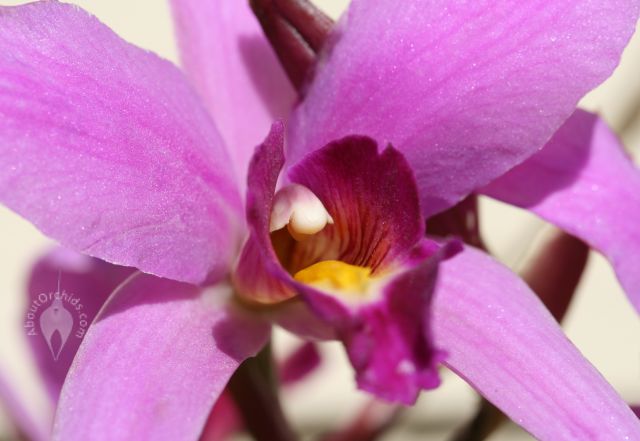
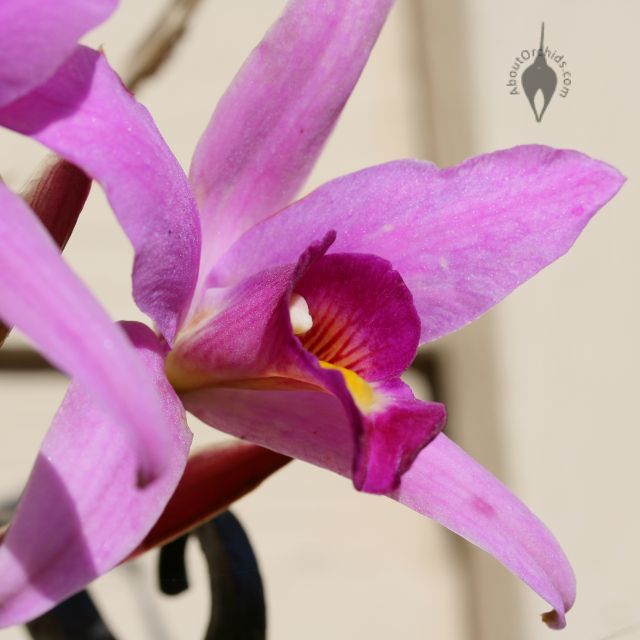
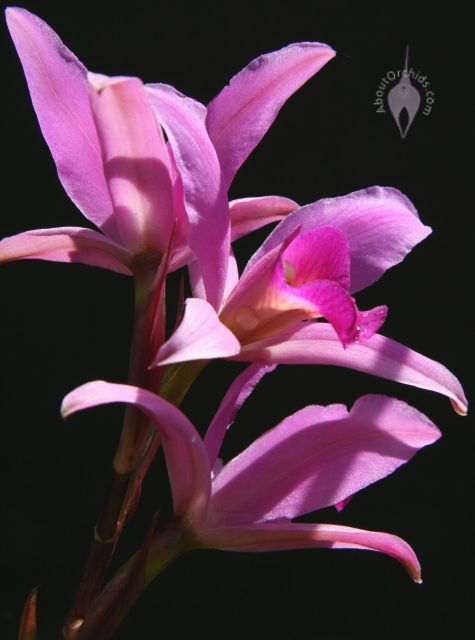
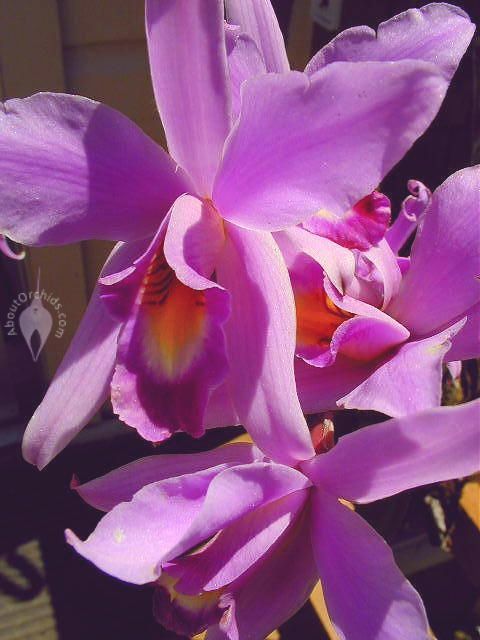
I’m a week late to celebrate the Mexican holiday of Cinco de Mayo, but this Mexican native shows no signs of finishing its fiesta of color. Laelia anceps is a Cattleya relative that’s easy to grow, and one of the toughest orchids around. It holds its large, star-shaped flowers high up on flower spikes that can reach over 39 inches (1 m) tall. Although my plant has purple flowers, this orchid species has numerous color varieties, including shades of white, pink, and lavender. Since it’s such an easy and attractive orchid, it’s no surprise that Laelia anceps is often used as a parent plant in hybrid creation.

Laelia anceps flowerLaelia anceps flowerLaelia anceps flower

Within its native range in Mexico, this Laelia lives in varied environments. Unlike other orchid species that require exacting conditions, this orchid grows in both hot, dry climates and cool, wet environments. It can also survive in a range of light levels from shady to sunny. In the wild, it often grows as a lithophyte, with roots attached to rocks and cliff faces. Here in San Francisco, I keep mine outdoors all year, where it receives full afternoon sun. It does require a drier winter dormancy to bloom well.

Laelia anceps flowersLaelia anceps flowers side view

Besides being able to tolerate a wide range of conditions, this tough orchid can handle dry air better than most, so high humidity is not essential. Mine usually blooms twice a year, so it almost always sports open flowers or emerging flower spikes, adding a perennial touch of Mexican beauty. I guess it’s always ready for a fiesta.

Laelia anceps flower close upLaelia anceps flowers

A Springtime Pennsylvania Garden

Posted May 10th, 2009 by Marc Cohen
Categories: General Gardening, Misc, Photos

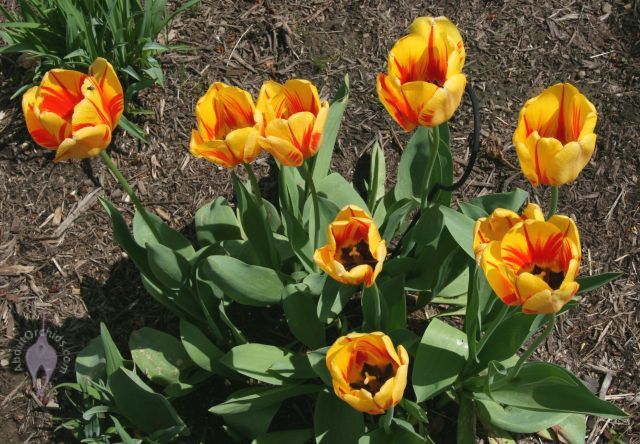
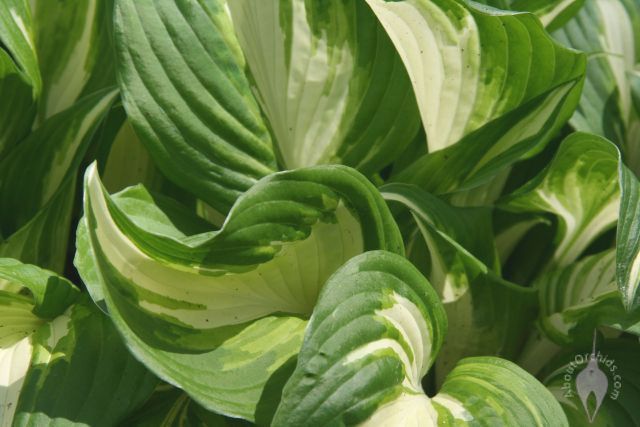
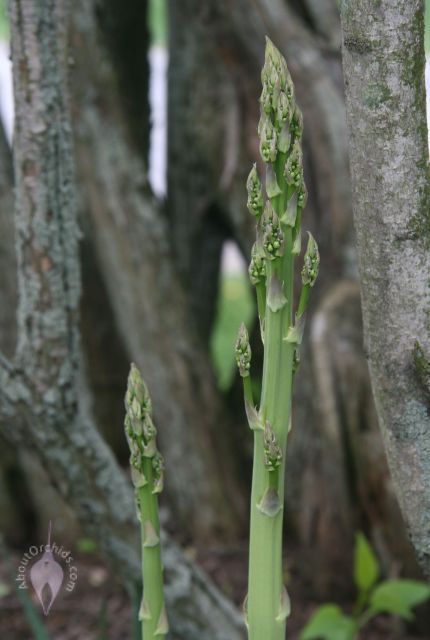
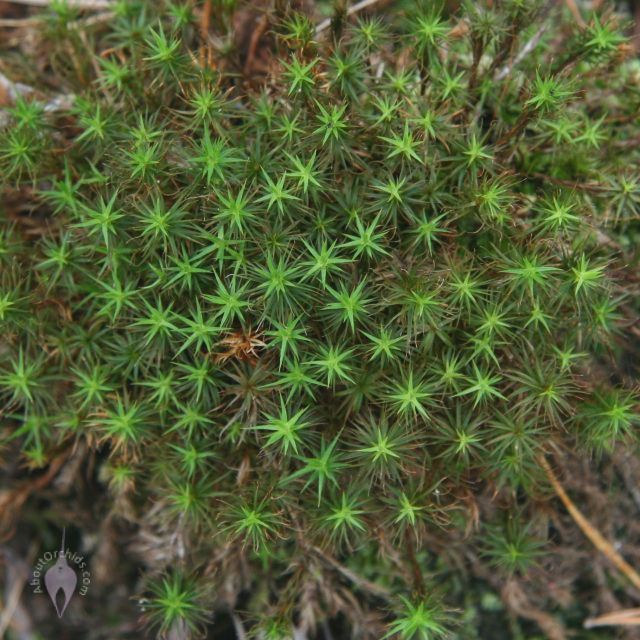
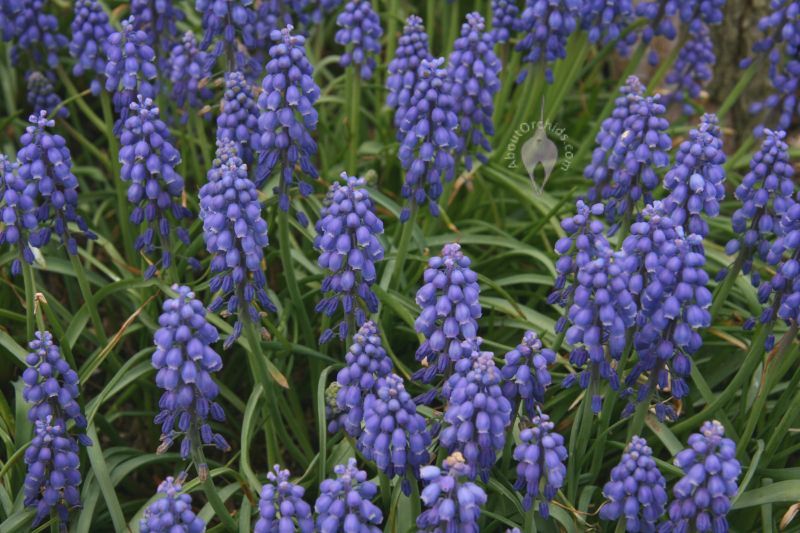
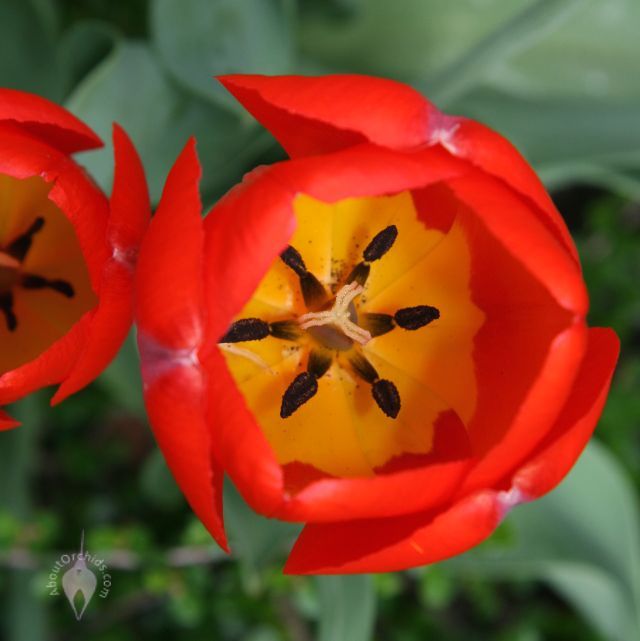
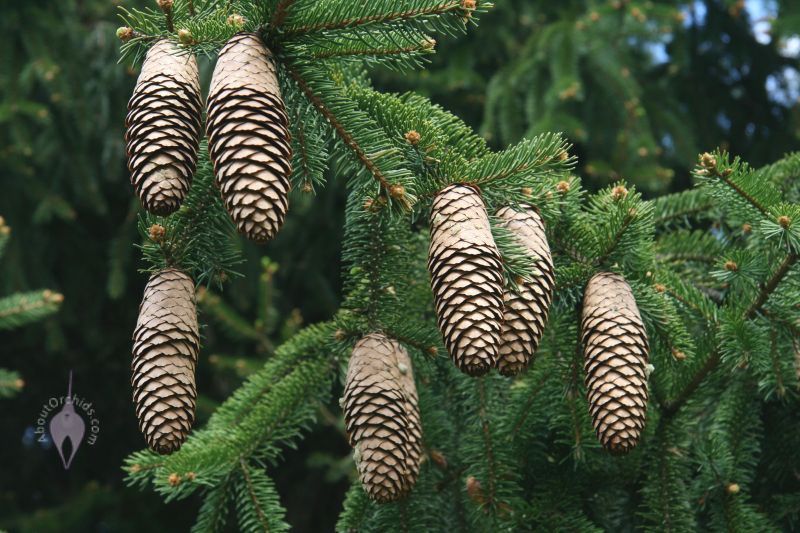
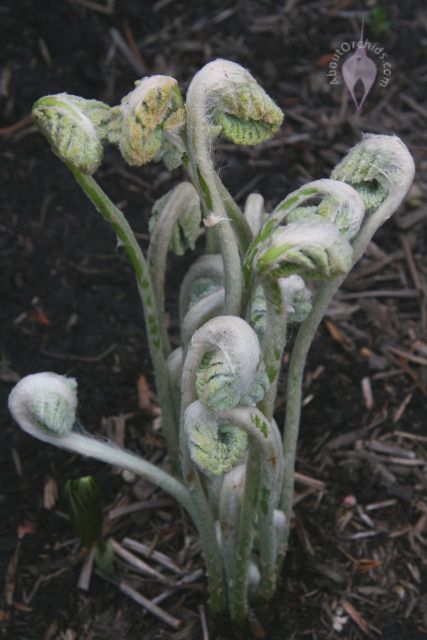
We recently enjoyed a visit to Mercer, Pennsylvania, where Dave’s parents live. Dave’s Mom (and my Mother-in-Law) Brenda has a beautiful garden, so we’re sending a virtual Mother’s Day card with some pictures we took during our trip. Happy Mother’s Day, Brenda!
TulipsPrimula flowers

Hosta leavesYoung asparagus shoots

Mercer is in an area of western Pennsylvania that has a typical climate for the Northeastern USA. Short, warm summers are followed by cold, snowy winters, with an average January temperature of 17 F (-8 C.) Of course, it’s a tougher climate for orchids than the mild weather of the California coast. Nonetheless, you can see a large variety of beautiful plants and flowers that make the most of the short growing season.

TulipsMoss close upGrape Hyacinth flowers

Besides being a talented gardener in her own right, Brenda is a member of Master Gardeners. Master Gardeners programs in the USA and Canada were created to offer reliable home gardening information. Through extensive training, Master Gardeners are certified to provide gardening help to their communities. They volunteer to give educational lectures, demonstrations, help with community gardening projects, and offer phone support services. Pennsylvania’s program is run by Penn State, which is also Dave’s alma mater.

TulipsPine cones

Ferns starting to emergeCorky

The final picture shows Corky, an Australian Shepherd who is Brenda’s constant garden companion. She is 15 years old, and was rescued from the middle of the road in the middle of the winter when she was a puppy. If Brenda is working in the garden, whether planting, weeding, pruning, or watering, Corky is there to help (or get in the way.)

How to Buy Orchids

Posted May 6th, 2009 by Marc Cohen
Categories: Buying Tips, Misc

Did you know that Mother’s Day was not started by a greeting card company, but by Julia Ward Howe in 1870 as an anti-war holiday? And speaking of Mother’s Day, there’s no better gift for mom than an orchid. Whatever the occasion for an orchid purchase, here are some tips on getting the most for your money:

  • Look for freshly opened flowers, with no shriveled buds. If the orchid has multiple blooms and they’re all already open, it can be tough to tell how long they’ll last. If there are a few unopened buds, chances are that the flowers are fresh, and you’ll have the bonus of watching the buds unfurl over time.
  • Leaves should appear healthy-looking and firm, not floppy or too soft. A few small blemishes may not indicate any problem, so if the plant seems to be in good shape, don’t make that an automatic disqualifier. Some varieties of orchids can have darker or lighter green leaf coloration, but yellow or black leaves are bad.
  • If you find insect pests on any flowers or leaves, find another vendor.
  • It’s ok if a few roots are sticking out of the pot. These should be firm and white or silvery in color. Green tips mean the roots are actively growing.
  • Phals and Paphs are great choices since their blooms can last for months, and they can survive in lower light levels often found in homes and offices.
  • If you’re looking for an orchid with scented flowers, remember that some varieties may only have a scent at certain times of the day. Smell the flowers to determine if it’s a scent that you like.
  • For care purposes, it will really help to identify your orchid. Look for a plant with a name tag, or ask the vendor. It’s not always necessary to know the exact name, just the family of orchids to which it belongs.

May Orchid Shows

Posted April 30th, 2009 by Marc Cohen
Categories: Botanical Gardens, Events

If you think that orchid shows are just excuses to buy more orchids, then you’re overlooking the fact that shows provide invaluable opportunities to see breathtaking flowers, to learn about orchids from the experts, and to meet other local orchid enthusiasts. And if you come home with some great new orchids in hand, just consider that a bonus. That’s my excuse and I’m sticking with it.

 
May 1 – 3
Terrebonne Orchid Society Show, Southland Mall, 5953 Main Ave., Houma, Louisiana
May 1 – 3
Platinum Coast Society Show and Sale, Cocoa Expo Sports Center, 500 Friday Rd., Cocoa, Florida
May 1 – 3
Orchids Out West, Hawkesbury Race Club, Corporate Building, Racecourse Road, Clarendon, South Australia, Australia
May 2
Delaware Valley Orchid Council Speakers’ Forum, Wyndham Hotel, Mt. Laurel, New Jersey
May 2 – 3
South Central Washington Orchid Society Show, The Manor at Canyon Lakes, 2802 W. 35th Ave., Kennewick, Washington
May 2 – 3
Central Pennsylvania Orchid Society Show, Ag Arena, Penn State Campus, State College, Pennsylvania
May 2 – 3
Orchid Society of Manoa Show, Noelani Elementary School Cafeteria, 2655 Woodlawn Dr., Honolulu, Oahu, Hawaii
May 2 – 3
Staten Island Orchid Society Show, Sailor’s Snug Harbor Botanical Garden, 1000 Richmond Terrace, Staten Island, New York
May 7 – 9
Western Suburbs Orchid Society Autumn Show, Strathfield Plaza, 11 The Boulevard, Strathfield, New South Wales, Australia
May 8 – 9
Kona Orchid Society Show, Hale Halawai Pavilion, Alii Drive, Kailua-Kona, Big Island, Hawaii
May 8 – 9
Kauai Orchid Society Show, Kukui Grove Shopping Center, 3-2600 Kamualii Hwy., Lihue, Kauai, Hawaii
May 8 – 10
Port Macquarie Orchid and Bromeliad Society Autumn Orchid Show, Port Macquarie Panthers, 1 Bay Street. Port Macquarie, New South Wales, Australia
May 8 – 10
Bundaberg Orchid Society Autumn Show, Civic Centre, Bourbong St, Bundaberg, Queensland, Australia
May 9
Mililani Orchid Club Show, Mililani Uka Elementary School, 94-380 Kuahelani Avenue, Mililani, Oahu, Hawaii
May 9 – 10
Volusia County Orchid Society Show, Volusia County Fairgrounds, 3100 East New York Ave., DeLand, Florida
May 9 – 10
Orchid Society of Northwestern Pennsylvania Show, JMC Arena, 423 W. 38th St., Erie, Pennsylvania
May 15 – 17
Vancouver Orchid Society Show, Richmond Curling Club, 5540 Hollybridge Way, Richmond, British Columbia, Canada
May 15 – 17
Memphis Orchid Society Show, Memphis Botanic Garden, 750 Cherry Rd., Memphis, Tennessee
May 15 – 17
Redlands International Orchid Festival, Redland Fruit and Spice Park, Homestead, Florida
May 16
North of England Orchid Society Show, Barton-Lancashire, Barton Village Hall, Barton, UK
May 17
Carmel Orchid Society’s Annual MayFaire, Hidden Valley Institute for the Arts, Carmel, California
May 23 – 24
Northwesten Michigan Orchid Society Show, Grand Traverse County Civic Center, 1213 W. Civic Center Dr., Traverse City, Michigan
May 23 – 24
Trinidad and Tobago Orchid Society Spring Orchid Show, San Fernando Technical Institute, San Fernando, Trinidad and Tobago
May 29 – 31
New Orleans Orchid Society Show, Lakeside Mall, 3301 Veterans Memorial Blvd., Metairie, Louisiana
May 29 – 31
Holiday Inn Express Orchid Exhibition, San Jose Airport Holiday Inn Express, 1350 N. Fourth St., San Jose, California
May 29 – 31
Greater Orlando Orchid Society Show, Polasek Museum and Sculpture Gardens, 633 Osceola Ave., Winter Park, Florida

A Walk in the Park

Posted April 28th, 2009 by Marc Cohen
Categories: General Gardening, Misc, Photos

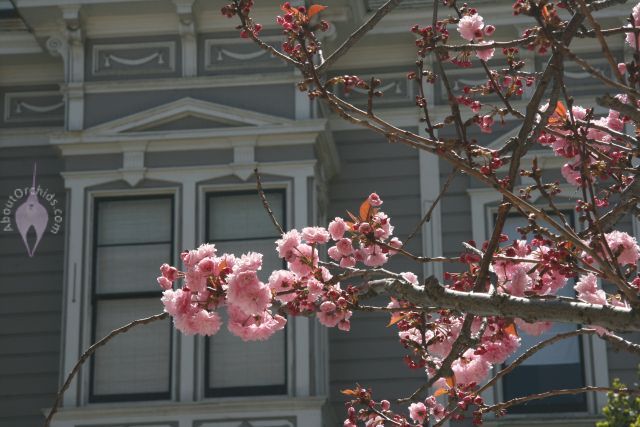
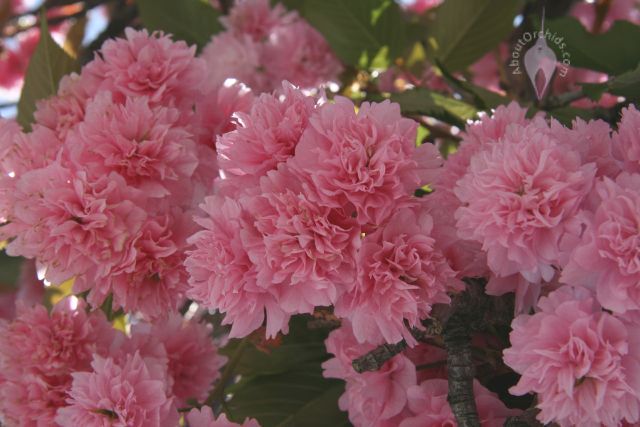
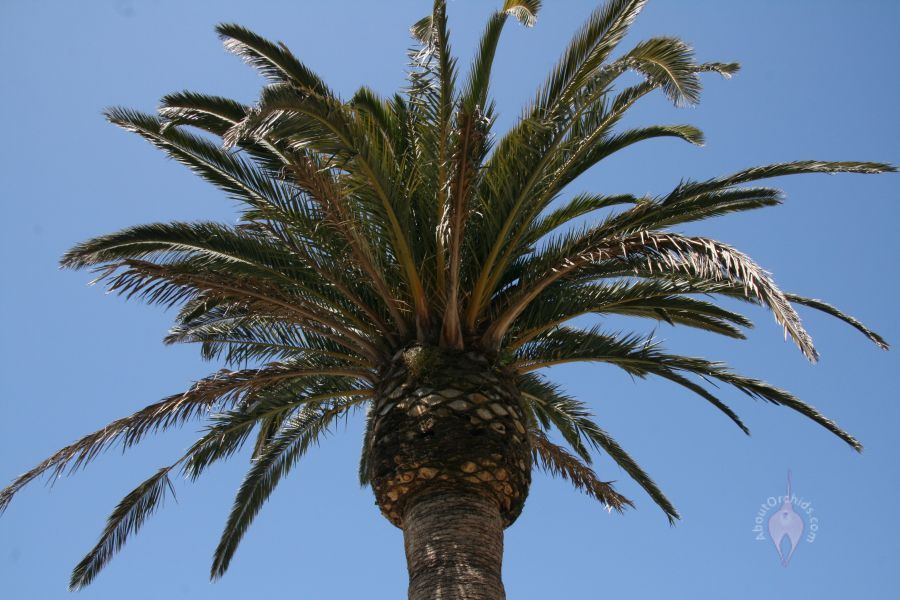
Dave and I took advantage of a nice spring day to enjoy nearby Mission Dolores Park, a green island between the Mission and Castro neighborhoods. We didn’t find any orchids, but there was so much in bloom that we barely noticed. These delightful cherry blossoms had us pulling out our cameras before we even got to the park. Along the way we also looked up at a majestic Canary Island Date Palm, which can grow taller than 60 ft. (18 m.) This one was a baby by comparison at about 40 ft. (12 m.)

Cherry blossoms with Victorian architecture in backgroundCherry blossoms close upCanary Island Date Palm

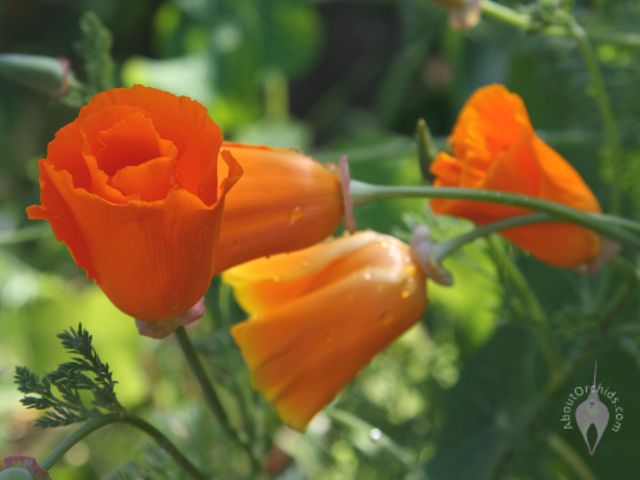
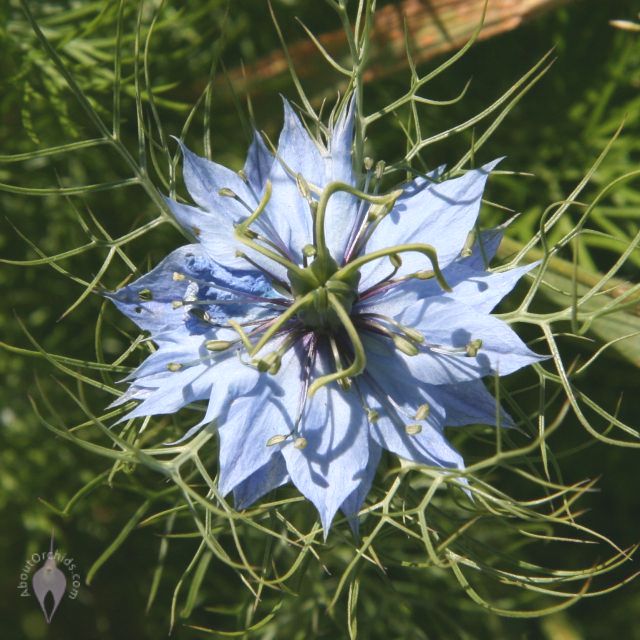
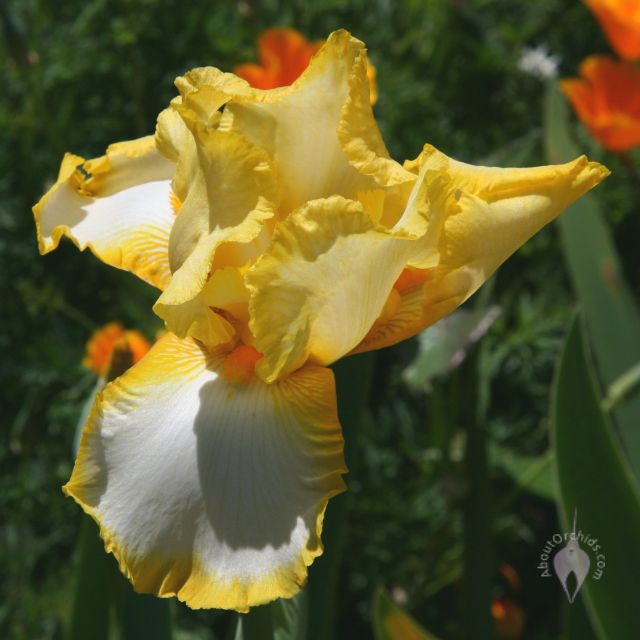
Eventually we made it to the park, and the flower beds were bursting with new growth. Of course, spring in California means poppies, which are the official state flower. The blue Love-in-the-mist and yellow iris need no official recognition to proclaim their beauty.

PoppiesNigella flowerIris flower

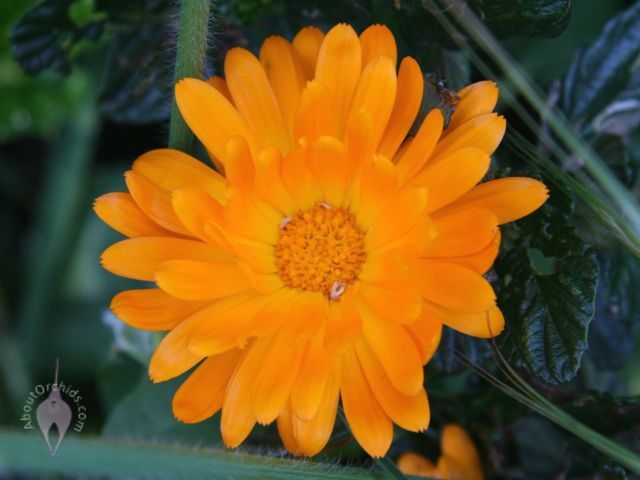
The gorgeous orange flower below looks like a type of daisy. It was partially hidden by the dense growth around it, easily missed by those rushing by. Next, there’s a park view of  nearby Mission High School. The building in the distance on the right with a gilded dome is San Francisco City Hall. Finally, a view of downtown from the park shows overhead trolley wires in the foreground, and the famous Transamerica Pyramid in the distance.

Orange flowerView of Mission High from Dolores ParkView of downtown San Francisco from Dolores Park

Pterostylis

Posted April 25th, 2009 by Marc Cohen
Categories: Cool Growers, Dormancy, Growing, Mini Orchids, Photos

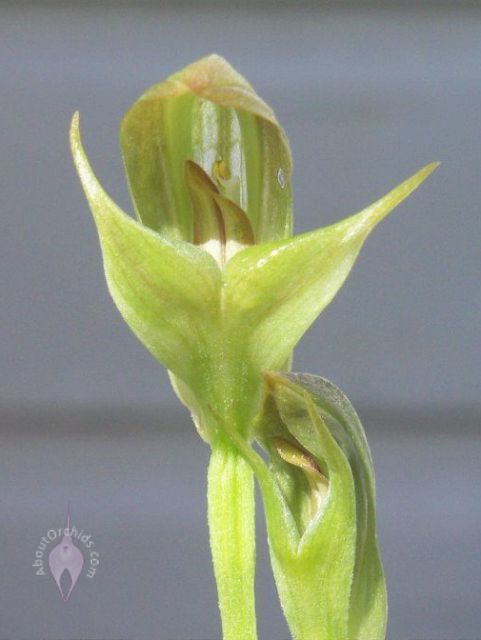
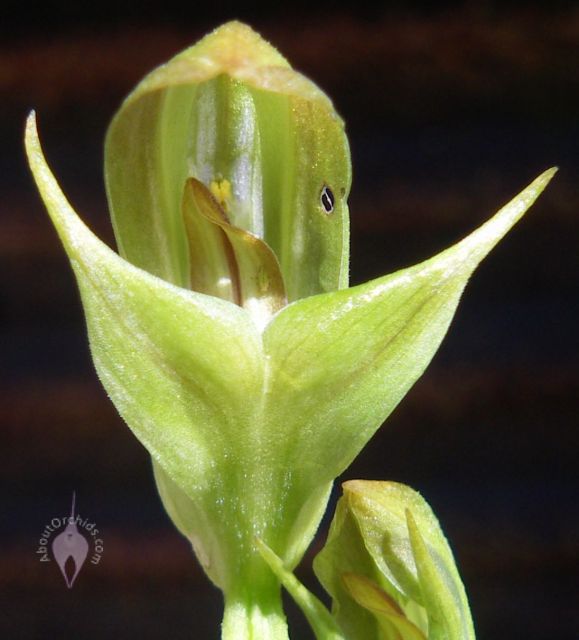
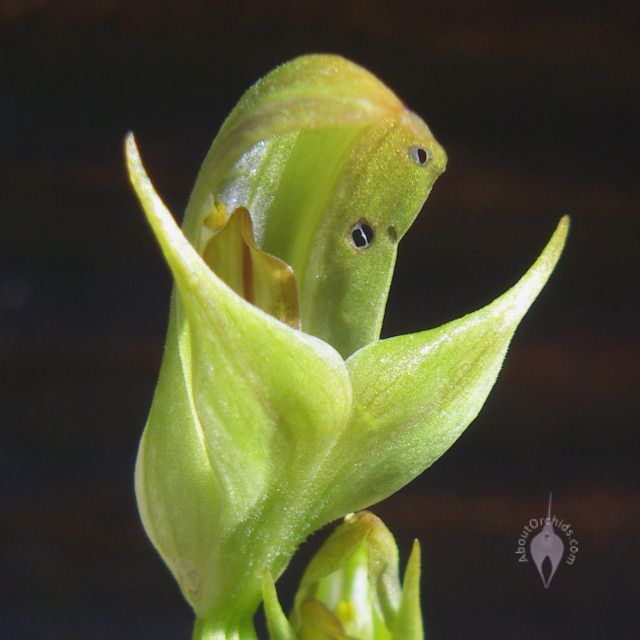
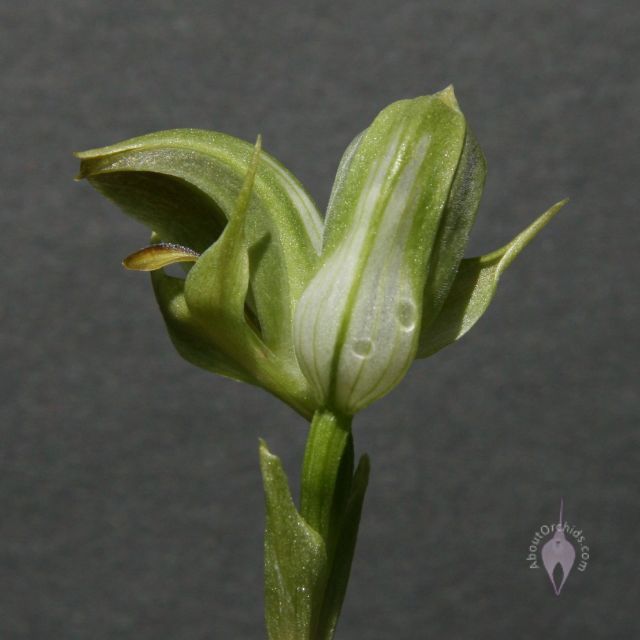
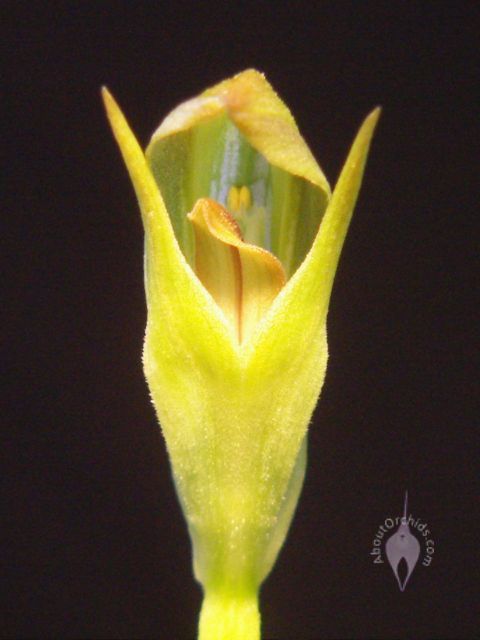
This unusual orchid is a Pterostylis. If you don’t enjoy trying to pronounce Greek scientific names, you’ll be happy to know that Pterostylis are nicknamed “greenhoods” in their native Australia and New Zealand. The bug-eaten pair of flowers in the first set of photos shows the unusual flower shape, including a slightly twisted flower lip in the center. The flower’s twisted lip is on a hinge, and snaps shut when touched by an insect. This traps the insect inside the flower, and the only escape route is past the orchid’s pollen.

Pterostylis flowersPterostylis flowersPterostylis flower

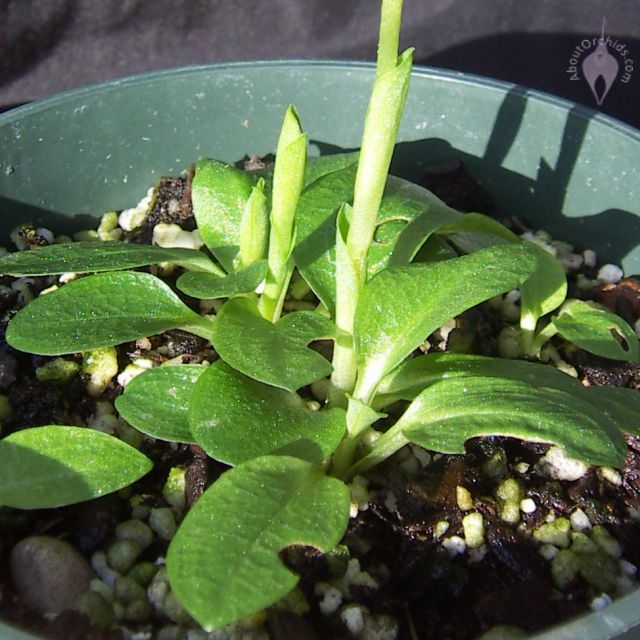
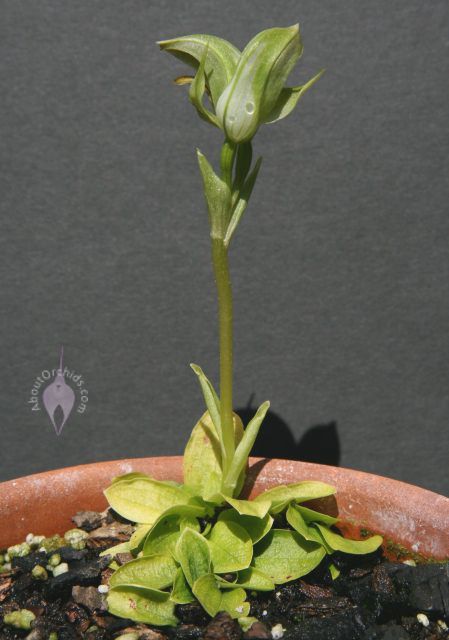
Unlike the photos above, which show 2 separate flowers, the next photos show a rare double-headed flower. They also show the plants’ small leaves and flower spikes. Dormant in summer, new leaves emerge with winter rains, and the orchid blooms in spring. As the hot, dry summer begins, leaves die back to underground tubers, which are similar to bulbs and capable of surviving until the next rainy season.

Pterostylis leaves and flower spikesRare double flower on Pterostylis plantRare double Pterostylis flower

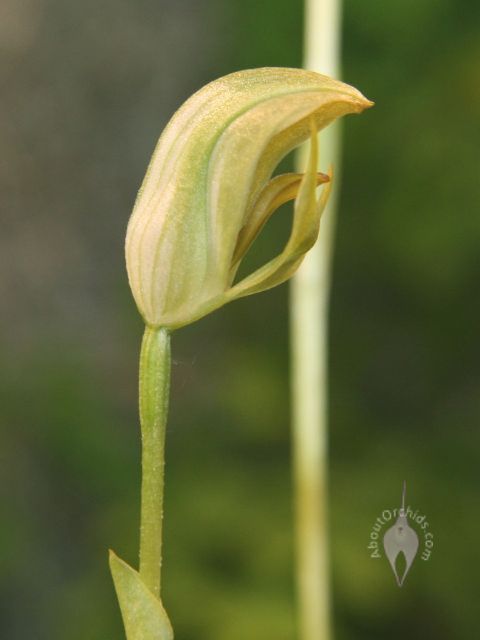
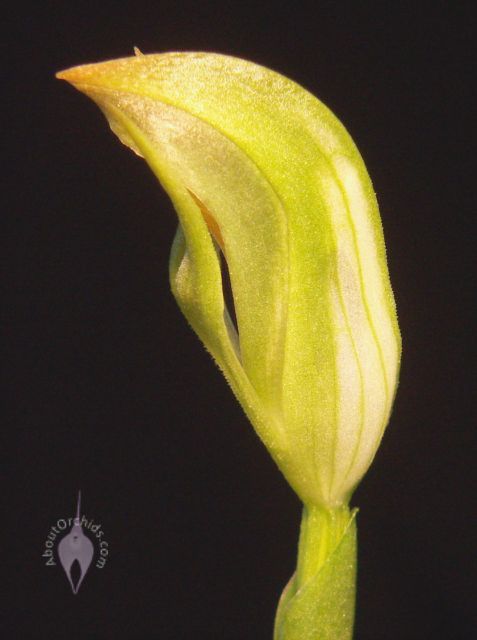
Many greenhoods like to grow in sandy soil with light shade and regular water. Although they can handle a light freeze, they prefer mild winter temperatures typical of a Mediterranean climate. This particular species, Pterostylis curta, is common along Australia’s southeastern coast and Tasmania, where its tubers can multiply into large colonies of plants.

Pterostylis flower side viewPterostylis flowerPterostylis flower bud side view

Stinking Hot

Posted April 21st, 2009 by Marc Cohen
Categories: Cool Growers, Misc, Problems, Warm Growers

Spring is in full swing with a heat wave here in San Francisco, setting record highs yesterday and today. While yesterday we reached 93F (34C,) today there are some high clouds than are keeping it down to a more manageable 87F (31C.) Since most people here, including me, don’t have air conditioning, stinking hot is an unfortunately accurate description  That’s my cue to remind you to increase your watering schedule and pay extra attention to humidity during heat waves. Even if the thermostat says it’s comfortable inside, a plant close to a window receives more heat and light, and needs more water.  Many varieties of orchids are coming out of dormancy anyway, so watering more and fertilizing lightly are in order.

Warm growers, like Phals, Vandas, and Cattleyas, can easily handle increased heat as long as it is matched by increased humidity. You may wish to move them into shade to protect them from the strengthening spring sun. For cool growing orchids, like Masdevallias, Miltonias, and Odontoglossums, constant high humidity is essential. I give them repeated mistings throughout the day, and they can survive short term exposure to excessive heat. While these cool growers should not be allowed to dry out during high heat, maintaining high humidity works better than repeated waterings. For myself, in lieu of a personal misting system, I think it’s time for a nice cool shower.

Zygopetalum

Posted April 18th, 2009 by Marc Cohen
Categories: Cool Growers, Fragrant Orchids, Growing, Photos, Problems

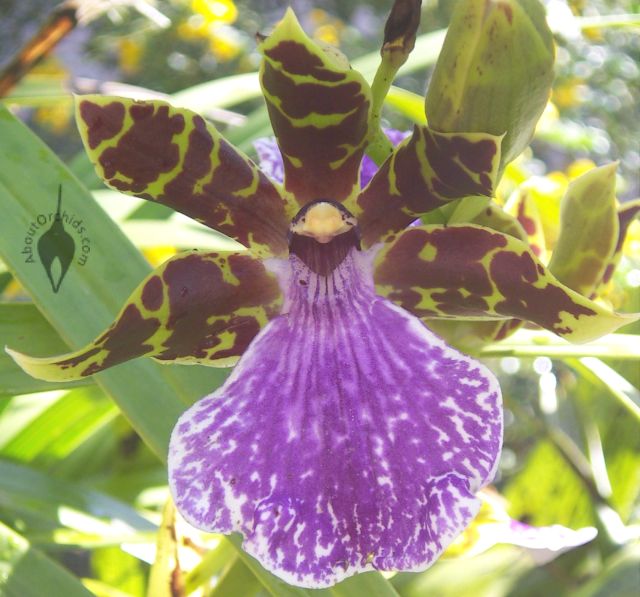
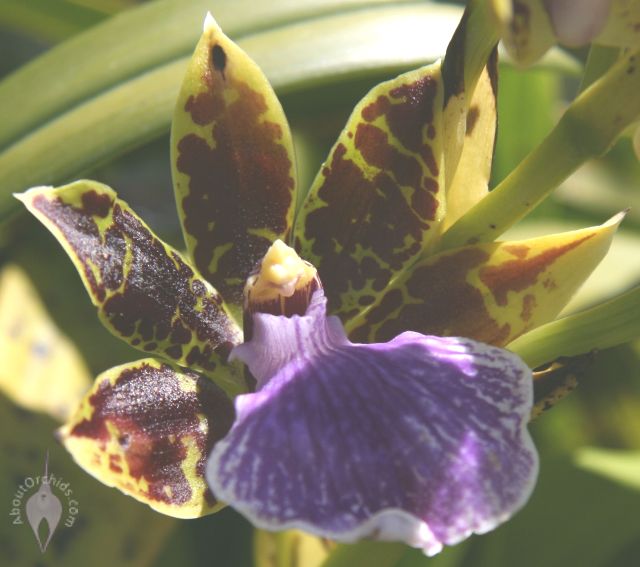
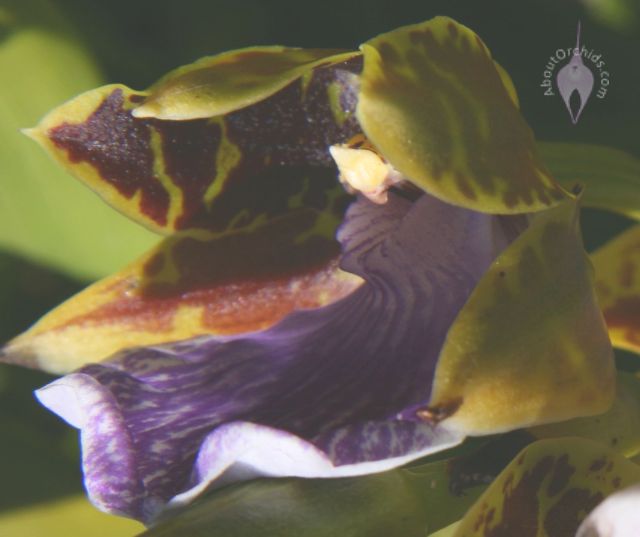
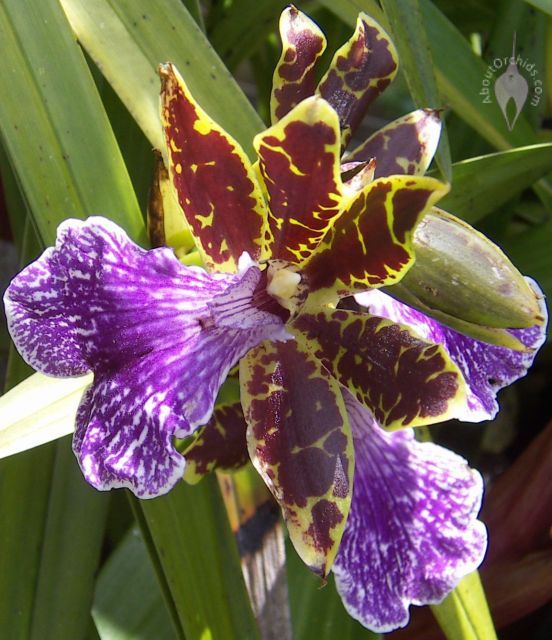
When you think Zygopetalum, think purple. There are dozens of Zygo species and hybrids, and every one I’ve seen has great purple color. The hybrid Zygo in these pictures has a spectacular purple lip, but that’s not its only distinction. The 3 inch (8 cm) flowers can last for months, and  have a strong fragrance. As an added bonus, this variety can bloom repeatedly during the year.

Zygopetalum flowerZygopetalum flowerZygopetalum flower

Zygos originate in the rainforests of Brazil, Argentina, and neighboring countries. In cultivation, they grow in similar conditions to Cymbidiums, enjoying cool temperatures, regular water during spring and summer, and regular fertilizer. The two make great companion plants since the larger Cymbidiums shade the Zygos, which need less light anyway. They like to be potted in deep pots to permit their large root systems to expand.

Zygopetalum flowerZygopetalum flower bud openingZygopetalum flowers and buds

Zygo leaves are often susceptible to botrytis, which is a type of fungal infection. In other orchids, this fungus can destroy the plant, but Zygos seem to tolerate it and thrive despite it. It can cause black spots on the leaves, but high humidity and good air flow help minimize its damage.

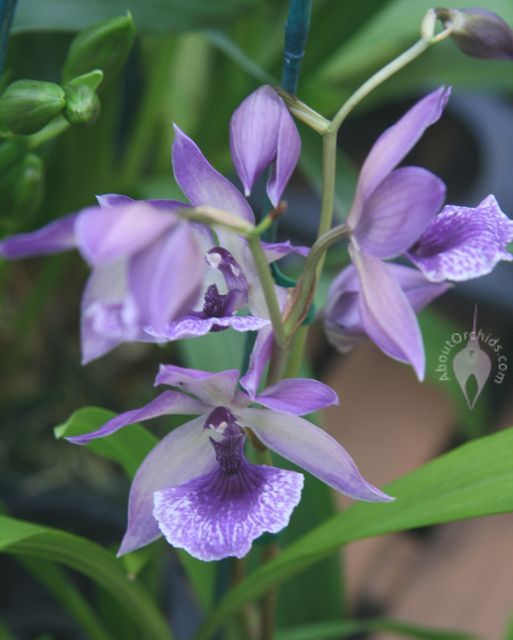
While my hybrid is a cool grower, some other Zygos like warmer temperatures. The Zygonisia hybrid in the last photo is a warm growing variety with beautiful purple flowers that advertise its membership in the Zygo family tree.

Zygopetalum flowersZygonisia flowers

Spring Garden

Posted April 13th, 2009 by Marc Cohen
Categories: General Gardening, Photos

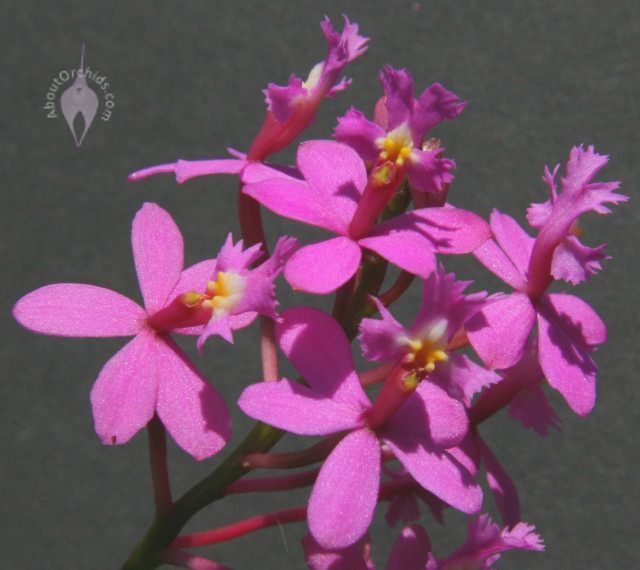
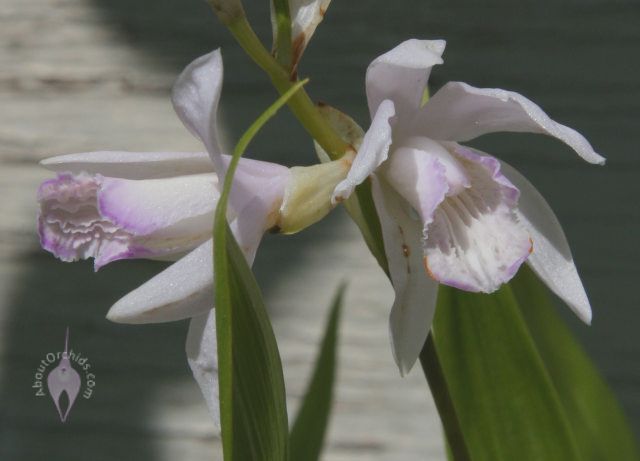
A few faithful readers have reminded me that I’m overdue for a garden update. Since the backyard has burst into bloom with spring, I have to agree that it’s definitely past time. I’ll start with some orchids that are right on their spring schedules: a great purple Epidendrum and a pink & purple Bletilla.

Epidendrum flowersBletilla flowers

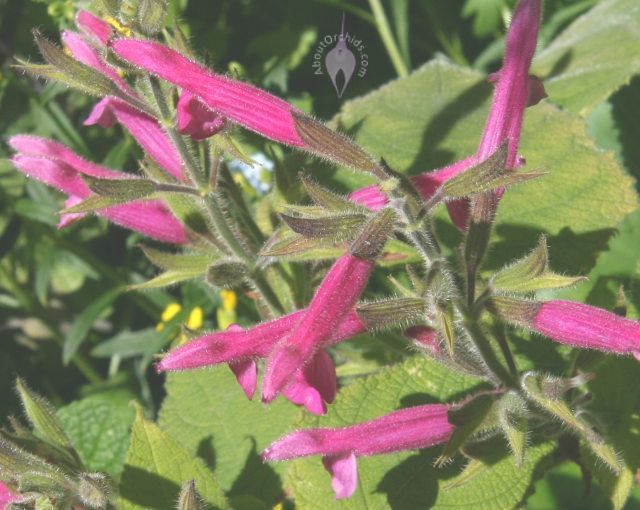
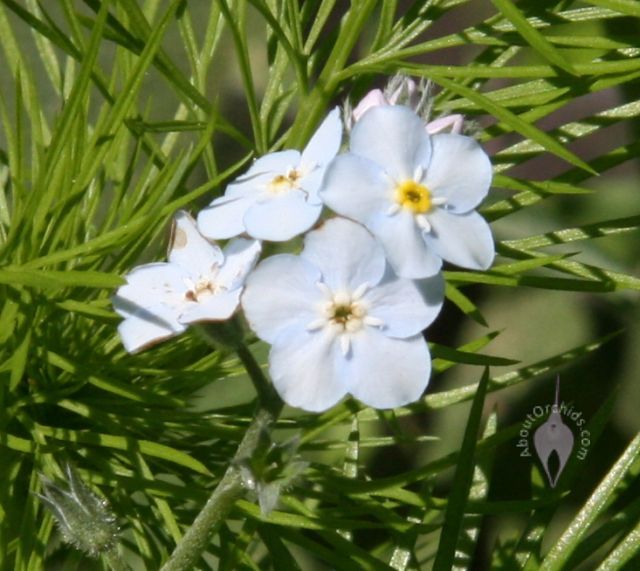
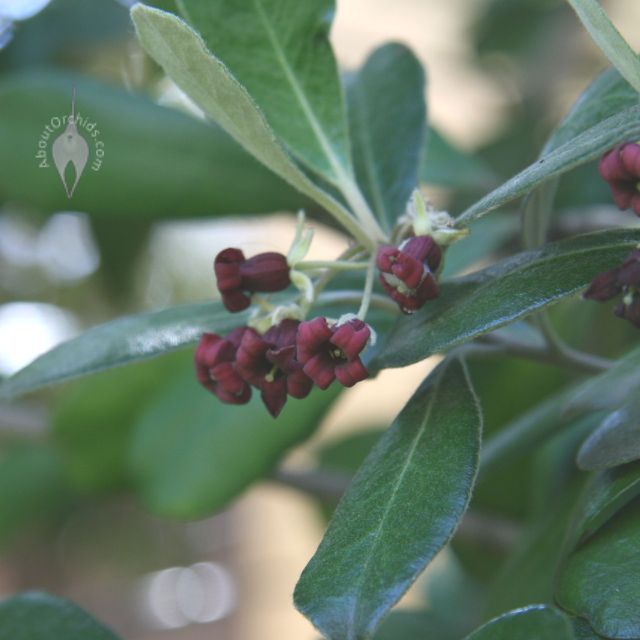
As for non-orchid blooms, this Sage offers a multi-sensory experience — soft, furry, pineapple-scented leaves and fuzzy, hot-pink flowers. It grows more than 5 ft tall (1.5 m) and puts on a big spring show with dozens of blooms. Little blue Forget-me-not’s return every year to the garden. The tiny flowers are great, but the seeds that follow are encased in small burrs that stubbornly attach to clothing. The small, dark red flowers belong to Pittosporum trees that line our back fence.

Salvia flowers and leavesForget-me-not flowersPittosporum flowers

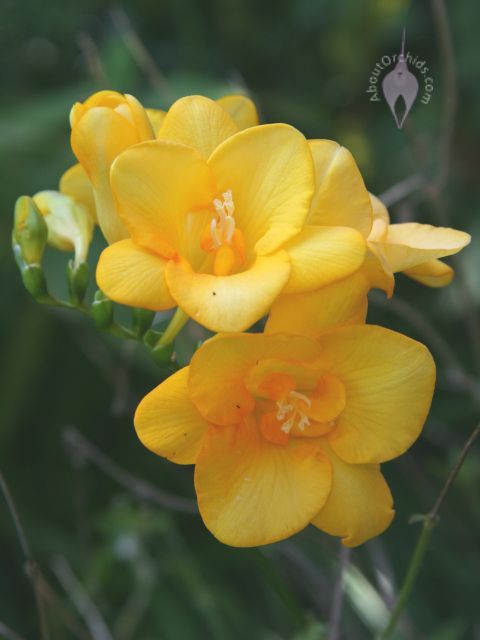
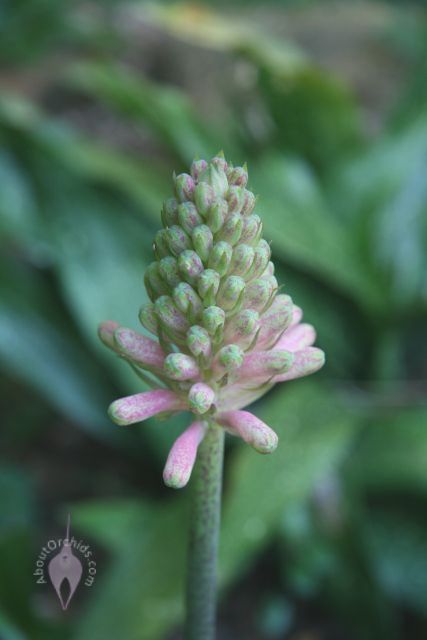
In the final set of photos, the eye-catching yellow flowers are strongly scented Freesias, and the pink tubular flowers are Veltheimias. They don’t have a scent, but are definitely charming in their own right. Both Freesias and Veltheimias are corms (similar to bulbs) that are native to South Africa. They grow with winter rains, bloom in the spring, and then go dormant during the dry summer. This schedule makes them perfect for San Francisco’s Mediterranean-type climate, since the showers we had this past week will probably be the last until next winter’s rainy season. Meanwhile, it’s time for me to water the other parts of the garden that can’t wait 8 months for rain.

Freesia flowersVeltheimia flowers