A Very Different Orchid Subspecies

Posted October 27th, 2020 by Marc Cohen
Categories: Cool Growers, Photos

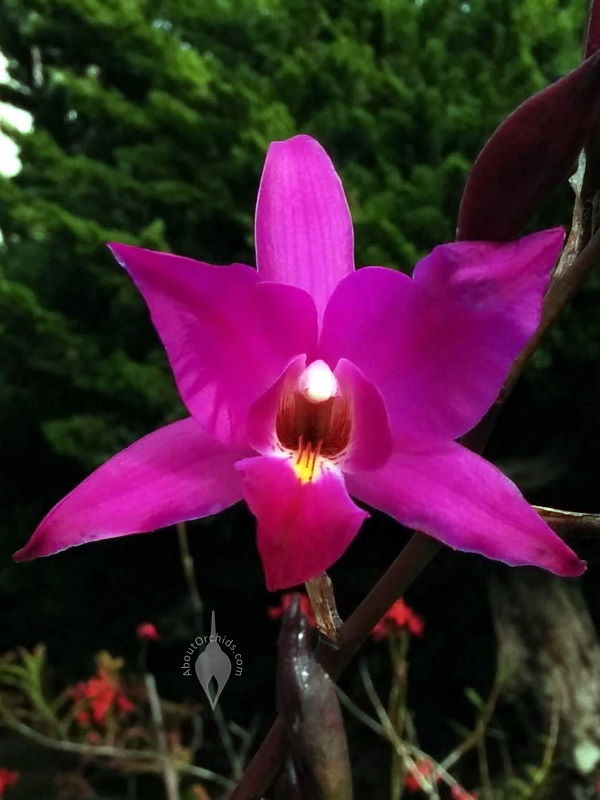
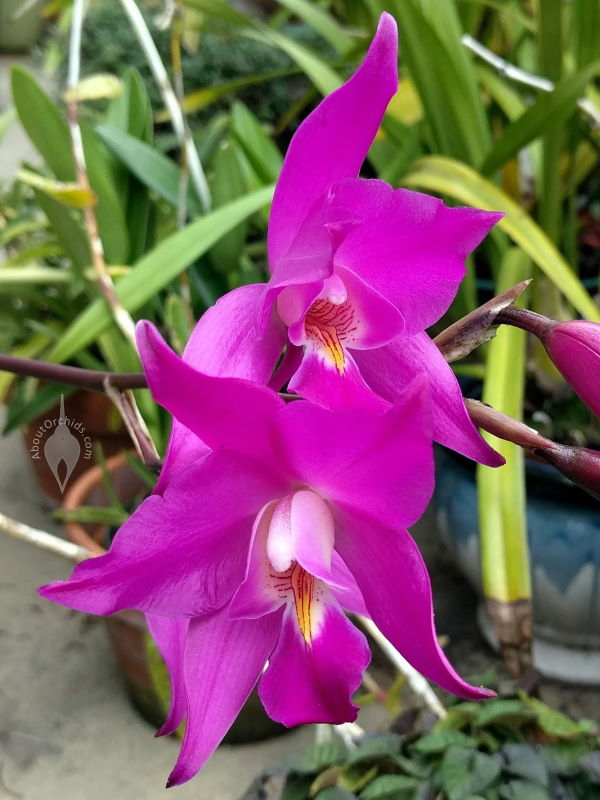
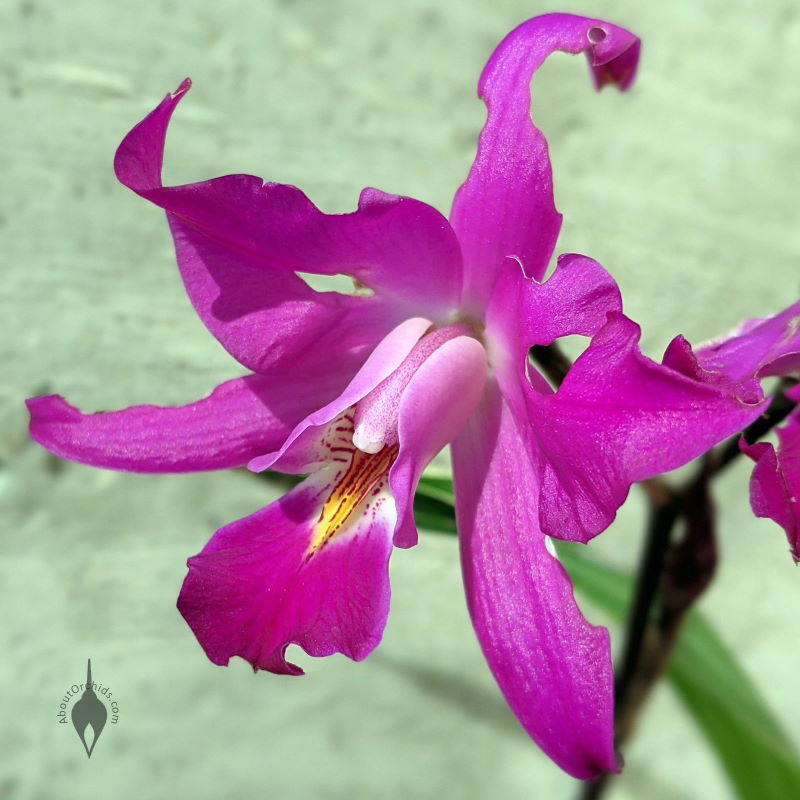
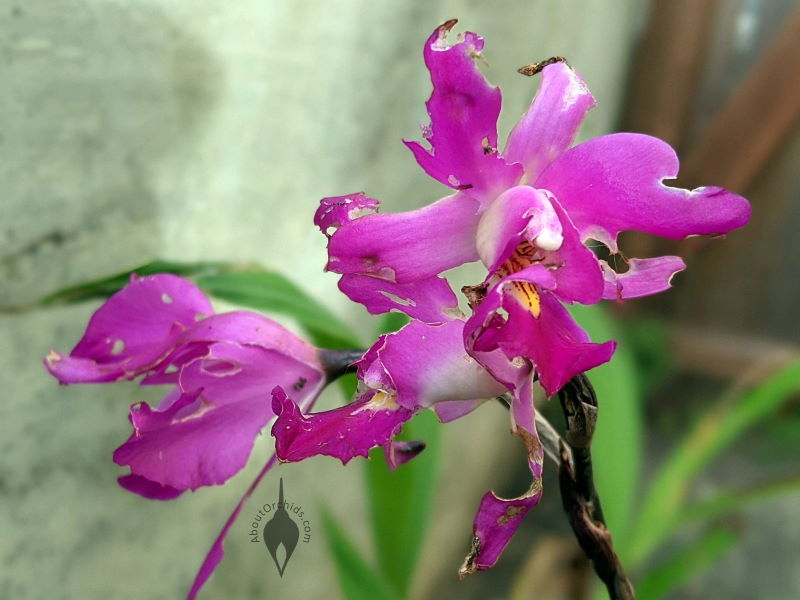
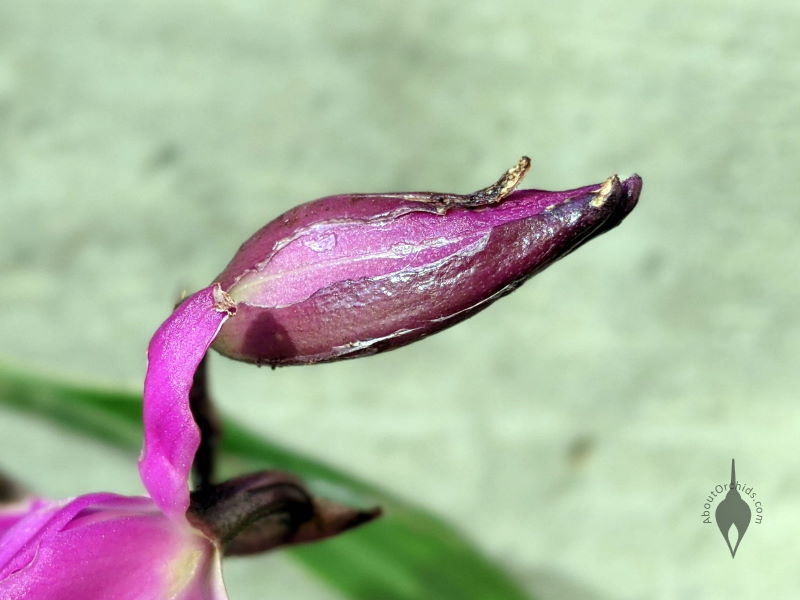
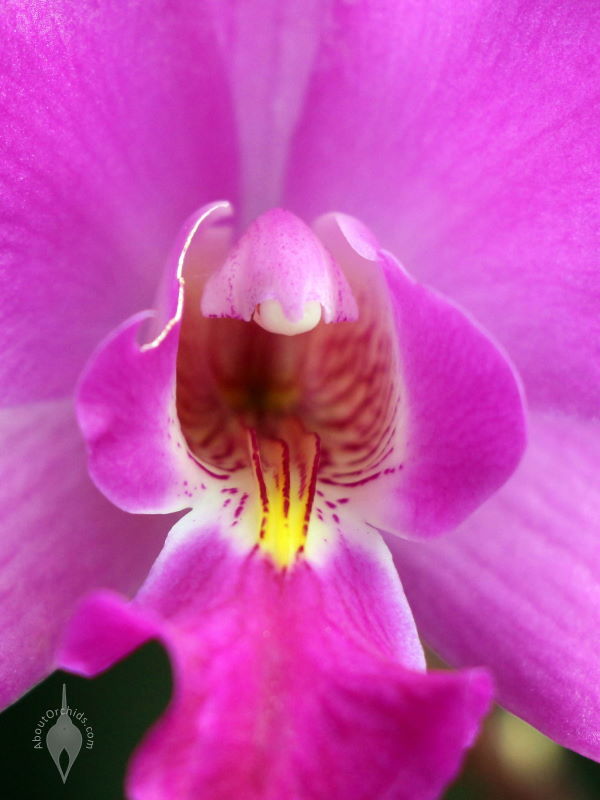
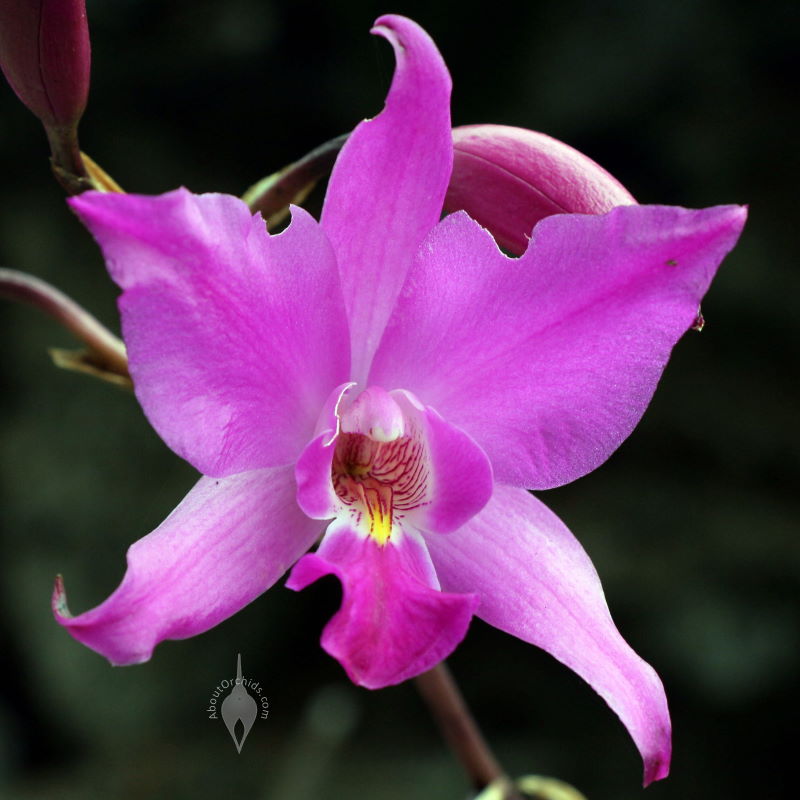
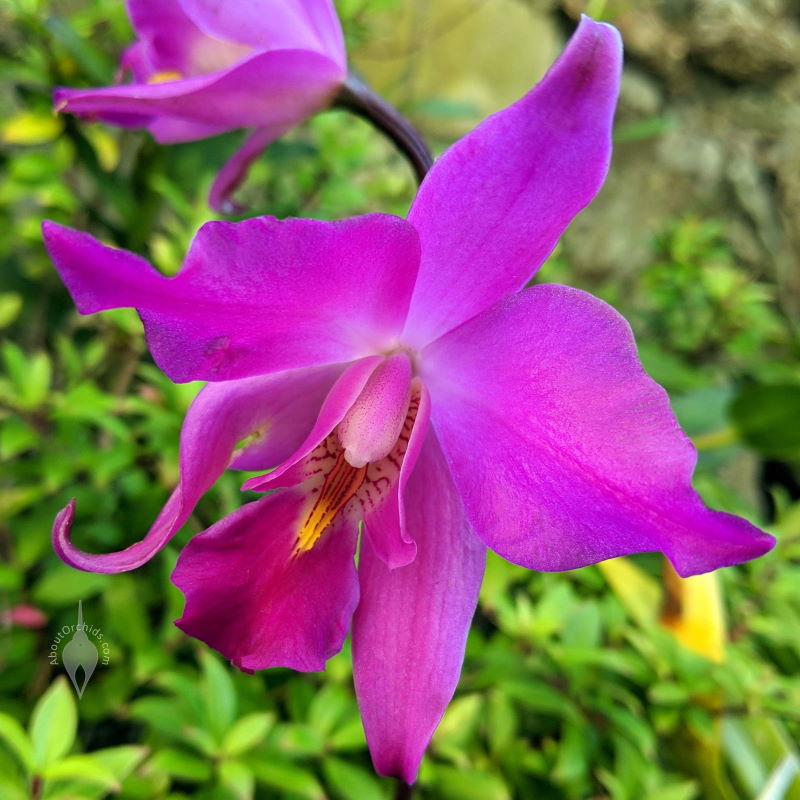
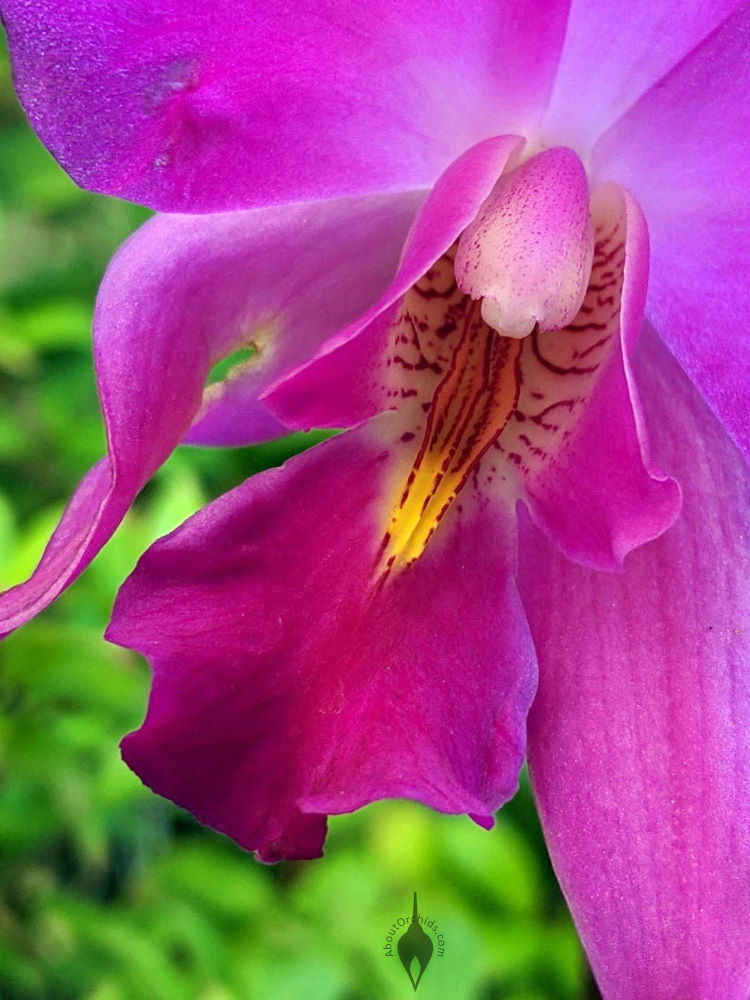
Arpophyllum giganteum subspecies alpinum, orchid species flowers, miniature orchid, cluster of magenta flowers and buds, grown outdoors in Pacifica, CaliforniaArpophyllum giganteum subspecies alpinum, orchid species flowers, miniature orchid, cluster of magenta flowers and buds, grown outdoors in Pacifica, CaliforniaArpophyllum giganteum subspecies alpinum, orchid species flowers and leaves, miniature orchid, cluster of magenta flowers and buds, grown outdoors in Pacifica, California

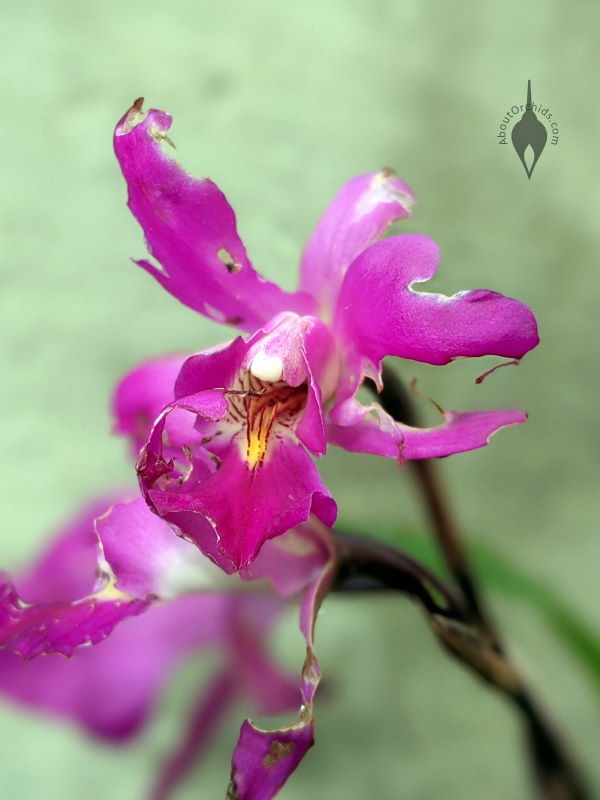
Arpophyllum giganteum subspecies alpinum, orchid species flowers, miniature orchid, cluster of magenta flowers, grown outdoors in Pacifica, CaliforniaArpophyllum giganteum subspecies alpinum, orchid species flowers, miniature orchid, cluster of magenta flowers, grown outdoors in Pacifica, CaliforniaArpophyllum giganteum subspecies alpinum, orchid species flowers, miniature orchid, cluster of magenta flowers, grown outdoors in Pacifica, California

These brilliant magenta flowers belong to an unusual orchid subspecies. It’s a little orchid with a big name, Arpophyllum giganteum subspecies alpinum. It bears many similarities to its close relation, Arpophyllum giganteum, whose purple flowers are shown in the final photo below. Both are cool growers. They’ve been reliable bloomers for years, putting up clusters of small, colorful flowers. But the alpinum subspecies is dwarfed by its relative: a single leaf of the main species is larger than the entire subspecies plant. My alpinum plant is about one foot (30 cm) wide by 8 inches (20 cm) tall, with 6 inch (15 cm) leaves. Each leaf of the larger plant can reach 2 feet (61 cm) long or more! My entire plant is about 4 feet (122 cm) wide by 3 feet (91 cm) tall.

Arpophyllum giganteum subspecies alpinum, orchid species flowers, miniature orchid, cluster of magenta flowers, grown outdoors in Pacifica, CaliforniaArpophyllum giganteum subspecies alpinum, orchid species flowers, miniature orchid, cluster of magenta flowers, grown outdoors in Pacifica, CaliforniaArpophyllum giganteum subspecies alpinum, orchid species flowers, miniature orchid, cluster of magenta flowers, grown outdoors in Pacifica, California

Arpophyllum giganteum subspecies alpinum, orchid species flowers and leaves, miniature orchid with clusters of magenta flowers and buds, plant grown outdoors in Pacifica, CaliforniaArpophyllum giganteum subspecies alpinum, orchid species flowers and leaves, miniature orchid with clusters of magenta flowers and buds, plant grown outdoors in Pacifica, CaliforniaArpophyllum giganteum, orchid species flowers and leaves, large orchid with clusters of purple flowers, long strap-like leaves, plant grown outdoors in Pacifica, California

The two varieties have different color blooms, but their flower shapes and sizes are very close. As its name suggests, the alpinum subspecies comes from high elevations. It can grow above 10,000 feet (3048 m) in the high mountains of Mexico and Central America. Alpine plants stay small in their harsh, windy environments, resulting in compact versions of plants compared to lower elevations. That explains how two very different plants can be the same species.

Orchids for Biden

Posted October 20th, 2020 by Marc Cohen
Categories: Conservation, Misc, Problems

Four years ago, many, including me, predicted that Trump would be a catastrophe for the USA. Certainly, he has been. He has failed to face a worsening pandemic, an economic collapse, and climate change disasters. His blatant corruption, incompetence, nepotism, and immorality are on display every day. His poisonous bigotry will continue to do damage to our country long after he is gone. He’s given a green light to bullies and tyrants alike, and the world is much worse off for his example. If you think he’s done a good job, then you have terrible news sources, and they have deceived you.

Specific to this website, the election matters to orchid lovers because this president has dismantled dozens of environmental protections. His actions will result in many extinctions, likely including orchids. If you’re a nature lover, this alone is a deal-breaker for supporting the incumbent. Joe Biden has an extensive, proven record, as a senator and a vice president, of supporting essential environmental laws.

For another opinion, here’s the admiral who oversaw the bin Laden raid, a lifelong Republican, on why he’s voting for Biden.

I’m afraid that 2020 will be the most dangerous election in this country since 1860 because of right wing extremists, abetted by this president. We may have violence during and after election day as a result. If the president wins reelection, he will continue to damage our democracy, this country, and the rest of the world. Please vote for Joe Biden for president.

Make Your Own Orchids with Orchid-gami

Posted October 14th, 2020 by Marc Cohen
Categories: Conservation, Misc

Orchid-gami lets everyone to create great orchid art. It’s an educational project from the North American Orchid Conservation Center and the United States Botanic Garden. They’re created templates for 3D models of native North American orchids. Download the files for free, then print, cut, fold, and glue. Teachers, parents, and kids will love assembling orchids. In the process, they learn about fascinating native plants and their conservation issues. Put a Ghost Orchid in your window, or a Spotted Lady’s Slipper on your table. There are different difficulty levels indicated in the instructions, so start with easier ones. Many models are available as punch-outs, ready to assemble, so that you don’t need to print them yourself. Happy folding!

Our Early Autumn Garden

Posted October 8th, 2020 by Marc Cohen
Categories: Cool Growers, Mini Orchids, Photos

Epidendrum orchid flowers, possibly Epidendrium x obrienianum, Crucifix Orchid, reed-stem Epidendrum, red and yellow flowers, grown outdoors in Pacifica, CaliforniaEpidendrum orchid flowers, possibly Epidendrium x obrienianum, Crucifix Orchid, reed-stem Epidendrum, red and yellow flowers, grown outdoors in Pacifica, CaliforniaEpidendrum orchid flower and buds, possibly Epidendrium x obrienianum, Crucifix Orchid, reed-stem Epidendrum, red and yellow flower, grown outdoors in Pacifica, California

Epidendrum orchid flowers, possibly Epidendrium x obrienianum, Crucifix Orchid, reed-stem Epidendrum, red and yellow flowers, grown outdoors in San Francisco, CaliforniaEpidendrum orchid flowers and buds, possibly Epidendrium x obrienianum, Crucifix Orchid, reed-stem Epidendrum, red and yellow flowers, grown outdoors in Pacifica, CaliforniaEpidendrum orchid flowers, possibly Epidendrium x obrienianum, Crucifix Orchid, reed-stem Epidendrum, red and yellow flowers, grown outdoors in Pacifica, California

I’ve got garden pictures to share, but mostly this post is a chance to brag about my Epidendrum, which has been in constant bloom for over 17 years. It began flowering in early 2003, and has never stopped. Through heat waves, driving rains, light frosts, strong winds, pounding hailstorms, pest attacks, and smoky conditions, it persists. Each red and yellow blossom lasts a week or more. A constant resupply of buds crowns the flower spikes, which grow taller until they exhaust themselves. Then they’re replaced by new growth and fresh spikes. The plant itself is about 4 feet (1.2 m) tall by 3 feet (0.9 m) wide, and it lives outdoors all year. It’s a keiki factory, and for years, I’ve given babies to friends and neighbors.

Epidendrum orchid flowers with water drops, possibly Epidendrium x obrienianum, Crucifix Orchid, reed-stem Epidendrum, red and yellow flowers, grown outdoors in Pacifica, CaliforniaEpidendrum orchid flowers with water drops, possibly Epidendrium x obrienianum, Crucifix Orchid, reed-stem Epidendrum, red and yellow flowers, grown outdoors in Pacifica, CaliforniaEschscholzia californica, California poppy, orange flower, grown outdoors in Pacifica, California

Cochlioda vulcanica, orchid species flowers and buds, bright pink flowers, grown outdoors in Pacifica, CaliforniaPraying Mantis, possibly Mantis religiosa, tan and brown insect, large insect, in Cymbidium orchid leaves in Pacifica, CaliforniaPraying Mantis, possibly Mantis religiosa, tan and brown insect, large insect, in Cymbidium orchid leaves in Pacifica, California

The other garden pictures begin with a brilliant orange California Poppy. There’s also a bright pink Cochlioda vulcanica. It’s a very reliable miniature cool grower, now known as Oncidium vulcanicum. The last two photos show a praying mantis that’s been happily living in one of my Cymbidiums. No matter its alien appearance, I’m happy to have this predator making its home in our garden. It can help itself to all the pests it wants. Whenever I water, it runs up the leaves like it’s greeting me. Really, it’s just trying to escape the cool shower from the hose.

October Orchid Events

Posted October 1st, 2020 by Marc Cohen
Categories: Botanical Gardens, Events

This is the first events post since March. These are virtual except for the Singapore show, which promises to follow COVID19 safety guidelines. Check with your local orchid society for more shows, meetings, talks, and sales which have gone online.

October 1 – 15
San Francisco Orchid Society October Sale – Order plants online. You must pick up your purchase on Sunday, October 18th at Shelldance Orchid Gardens, 2000 California Highway 1, Pacifica, California.
October 16 – 22
American Orchid Society’s Virtual Silent Auction – Auction open to all.
October 17 – 24
Peninsula Orchid Society Online Orchid Auction – You must pick up your purchase on Sunday, October 25th at the San Mateo Garden Center, 605 Parkside Way, San Mateo, California.
October 24 – November 1
Orchid Society of Southeast Asia Mini Show, Burkhill Hall, National Orchid Garden in Singapore Botanic Gardens, 1 Cluny Rd., Singapore
October 31
Orchid Digest International Speakers Day: A Virtual Experience – Expert speakers from around the world will be live online. All attendees will be eligible for raffle prizes and 10% discount from Orchid Inn. Non-members who attend will receive a free one-year subscription to the beautiful quarterly Orchid Digest magazine!

Is That Rare Plant Illegal?

Posted September 28th, 2020 by Marc Cohen
Categories: Conservation, General Gardening, In the News

In The Guardian, British botanist James Wong offers tips on figuring out if that rare plant you’re buying is illegal. Rare plants, including endangered orchids, are taken from the wild by unscrupulous sellers. It’s illegal, and contributes to extinctions. In addition, wild plants are unlikely to survive in cultivation. So how can responsible gardeners know if a purchase is legal? Wong’s advice includes buying plants with mass-produced perfection, with all leaves and flowers in great shape.

Plants grown in nursery “captivity” will be cosseted, meaning perfectly symmetrical growth, an upright habit, and zero damage from pests or diseases; in other words, an incredibly standardised, “showroom-new” look. But wild-collected plants have a contorted, asymmetrical character that being grown in a harsher environment gives – which is precisely why they are considered so valuable; and this is a sign that you may be viewing something illegal.

Be especially wary of online purchases from unknown vendors and social media sites. Illegal plants may be included among listings of legitimate plants. Some sellers are blatant enough to show photos of the plants they’ve removed from the wild. If the seller is in another country but doesn’t mention plant import or export certificates, that could be a red flag that the sale is illicit. Additionally, it’s important to hold tech companies responsible for illegal plants listed on their sites. Demand that they responsibly police their sellers to root out illegal plant sales.

The Equinox Blues

Posted September 22nd, 2020 by Marc Cohen
Categories: Photos

Bardendrum orchid hybrid flowers, Epidendrum calanthum x Barkeria whartoniana, pink white and yellow flowers, Pacific Orchid Expo 2012, San Francisco, CaliforniaPabstia jugosa x Zygopetalum BG White 4N, orchid hybrid flower, Zygo, Pacific Orchid Expo 2012, San Francisco, CaliforniaDendrobium lasianthera hybrid, Antelope Dendrobium Orchid flower, flower with twisted petals, Pacific Orchid Expo 2012, San Francisco, California

Brassocattleya Roman Holiday flowers, Cattleya hybrid flowers, Pacific Orchid Expo 2012, San Francisco, CaliforniaCymbidium orchid flower, Chinese type Cymbidium flower and leaves, green flower, Pacific Orchid Expo 2012, San Francisco, CaliforniaMormolyca gracilipes, orchid species flower, Pacific Orchid Expo 2012, San Francisco, California

We’ve got the equinox blues. No, no, there aren’t any blue flowers here. These blues are the sadness kind, arising from a pandemic, climate change catastrophes, and a fascist government in this country that’s already cheating in the next election. Fortunately, pretty flowers are a great distraction. Celebrate today’s equinox, and enjoy these stunning blooms from an old orchid show. They’re a momentary respite from all the bad things that are happening. Draw strength from them. We all need it.

Dendrobium smilliae 'Lea' x sib, orchid species flowers, white pink and green flowers, Pacific Orchid Expo 2012, San Francisco, CaliforniaBulbophyllum gracillimum flowers, orchid species flowers, Cirrhopetalum, Pacific Orchid Expo 2012, San Francisco, CaliforniaEpidendrum Green Hornet, orchid hybrid flowers, Encyclia, squid orchid, octopus orchid, clamshell orchid, Pacific Orchid Expo 2012, San Francisco, California

Epidendrum radioferens, orchid species flowers, Pacific Orchid Expo 2012, San Francisco, CaliforniaOdontioda Haniespin, orchid hybrid flowers, Pacific Orchid Expo 2012, San Francisco, CaliforniaCattleya orchid hybrid flowers, frilled flower lips, Pacific Orchid Expo 2012, San Francisco, California

Fuchsia Flower Power

Posted September 18th, 2020 by Marc Cohen
Categories: General Gardening, Photos

Fuchsia hybrid flower, white and bright pink flower, grown outdoors in Pacifica, CaliforniaFuchsia flower, close up of small pink and purple flower, grown outdoors in Pacifica, CaliforniaFuchsia hybrid flower, pink and purple flower, Strybing Arboretum, Golden Park Park, San Francisco, California

Fuchsia hybrid flowers, Flower Dome Conservatory, Gardens by the Bay nature park, SingaporeFuchsia hybrid flowers, Flower Dome Conservatory, Gardens by the Bay nature park, SingaporeFuchsia flowers, tubular red flowers, grown outdoors in Pacifica, California

Fuchsias have lots of flower power, and are perennial garden favorites for humans and hummingbirds. They feature charming blooms which dangle like bells in soft pastel colors, or bright reds, pinks, or purples. They’re great companion plants for orchids, too. Our fuchsias, shown in the first two photos above, grow happily in the sun alongside the cool-growing Cymbidiums, Epidendrums, and Dendrobiums that live on our back patio all year.

Fuchsia hybrid flowers, pink flowers, grown outdoors in Pacifica, CaliforniaFuchsia hybrid flowers, red and white flowers, Flower Dome Conservatory, Gardens by the Bay nature park, SingaporeFuchsia flower buds opening, pink and purple flower buds, grown outdoors in San Francisco, California

Fuchsia hybrid flowers, purple and white flowers, Flower Dome Conservatory, Gardens by the Bay nature park, SingaporeFuchsia hybrid flowers, pink flowers, Flower Dome Conservatory, Gardens by the Bay nature park, SingaporeFuchsia hybrid flowers, dozens of red and white flowers, Flower Dome Conservatory, Gardens by the Bay nature park, Singapore

Fuchsias are native to mountains from South America into Mexico, with a few varieties from New Zealand and South Pacific islands. They need cool summers, high humidity, and regular waterings, which is why they do well in the San Francisco Bay Area, Pacific Northwest, and other locales with mild temperatures and cooling fog. In warmer climates, give these plants more shade, with little or no full sun. In colder climates, they should be brought indoors over winter, or treated as annuals. They’re fairly easy to start from cuttings, making them ideal for sharing with fellow gardeners.

Fuchsia gall mites can be a big problem, causing deformed and stunted leaves and flowers. These pests are difficult to control, but fortunately some varieties are resistant. I find that it’s easier to grow resistant ones than it is to constantly spray insecticides.

Fuchsia procumbens, fuchsia species flower with blue pollen, creeping fuchsia, climbing fuchsia, trailing fuchsia, New Zealand native species, growing outdoors in San Francisco, CaliforniaFuchsia procumbens, fuchsia species flower with blue pollen, creeping fuchsia, climbing fuchsia, trailing fuchsia, New Zealand native species, growing outdoors in San Francisco, CaliforniaPossibly Fuchsia paniculata, Tree Fuchsia, fuchsia species flowers, growing outdoors in Pacifica, California

Beyond the colorful hybrids grown by most gardeners, there are some fascinating species. The first two photos in the row above show Fuchsia procubens, a marvelous New Zealand native that I’ve kept for many years. Its petite blossoms are bright green, yellow, and red, capped off with blue pollen. The final photo shows another remarkable variety, Fuchsia paniculata, also known as the Fuchsia Tree. When we lived in San Francisco, our garden had a vigorous Fuchsia Tree which was two stories tall. Its clusters of small flowers were much beloved by butterflies, birds, and bees. Both of these species are resistant to mites.

Orchid Species New to Science

Posted September 13th, 2020 by Marc Cohen
Categories: In the News

Orchids are one of the largest plant families in existence, and that family is still growing. There’s always a steady stream of orchids which are new to science. Recent discoveries include a Vanilla species from Vietnam, a Palmorchis from the Amazon, and a bright orange Dendrochilum from the Philippines. There’s also a fascinating little Corybas, or Helmut Orchid, with bright pink stripes on its leaves.

Most scientists are clearer nowadays about saying that these species are “new to science,” not “new discoveries.” This is, of course, because many of these plants have long been known to indigenous peoples. Indeed, botanical papers describing new finds often talk about traditional uses of those plants by native peoples, for food, medicine, or cultural purposes. That’s proof that many “undiscovered” species were well known by locals long before they were found by botanists. Catch up on more orchids new to science at Novataxa.com.

Enduring Beauty – Orchid Portraits of the RHS

Posted September 7th, 2020 by Marc Cohen
Categories: Books, In the News, Misc

For over 120 years, the UK’s Royal Horticultural Society (RHS) has employed an official artist to render portraits of award-winning orchids. This stunning art is not only beautiful, but also precise in its botanical elements, making it better than photographs for discerning floral details. Since 1897, there have been nine official artists who have painted over 7,000 plants. The first was Nellie Roberts, whose superb watercolors left a high standard for those who followed her. The current artist, Deborah Lambkin, began the job in 2005. She creates art that captures the flowers’ award-winning qualities in perfect detail. Paintings show the exact size of the original blooms. Lambkin says “My aim is to achieve the highest level of scientific accuracy and the closest colour match possible.” To enjoy your own collection of these botanical masterpieces, check out The Orchid: From the Archives of the Royal Horticultural Society.