Historic Lady Slipper Hybrids

Posted October 24th, 2015 by Marc Cohen
Categories: Botanical Gardens, Conservation

For over a century, orchid growers have hybridized Lady Slippers to create countless new varieties. Now, the most important Paph hybrids have been identified by orchid experts. Each of these historic crosses has its own legacy, and many contribute their prized genes to modern hybrids sold today. This decade-by-decade list was assembled as part of the Phipps-Orchid Society Initiative (P-OSI.) It’s a joint project between Phipps Conservatory and Botanical Gardens in Pittsburgh and the Orchid Society of Western Pennsylvania. P-OSI’s goals are to improve Phipps’ current orchid holdings, and to create a world-class Lady Slipper collection. Phipps is now beginning to acquire these important plants. They are starting with Paphs, and will include other Lady Slippers like Phrags and Cyps in the future. Check the progress of the project in a recent Orchid Digest article (learn more about Orchid Digest magazine here.)

The Blue Orchid: Queen Victoria’s Dendrobium

Posted October 18th, 2015 by Marc Cohen
Categories: Cool Growers, Growing, Photos, Watering

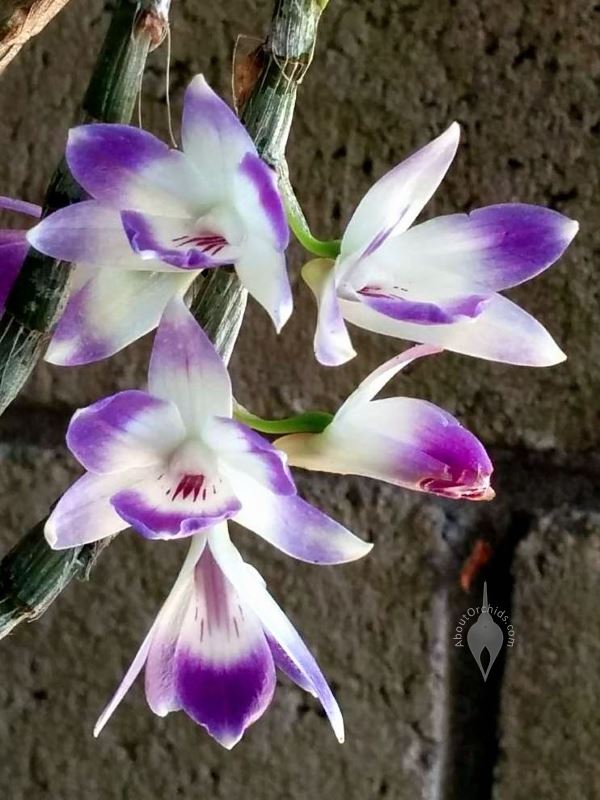
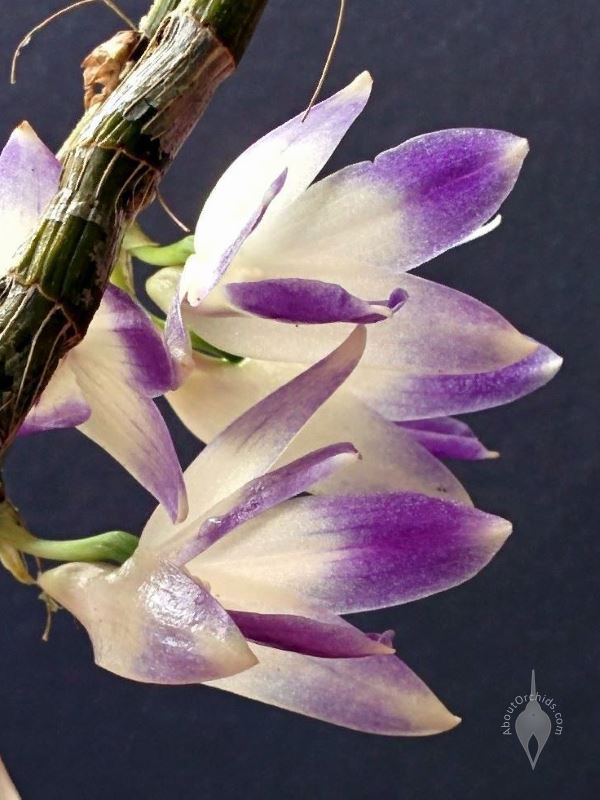
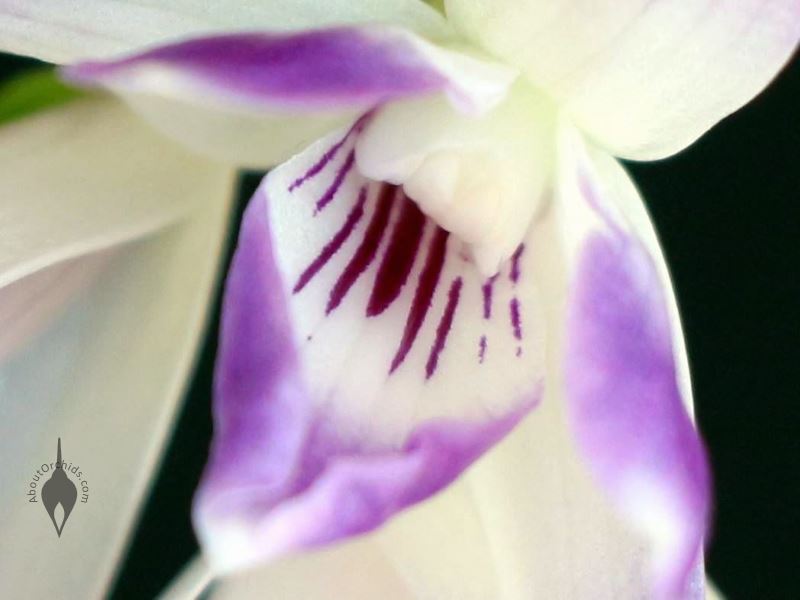
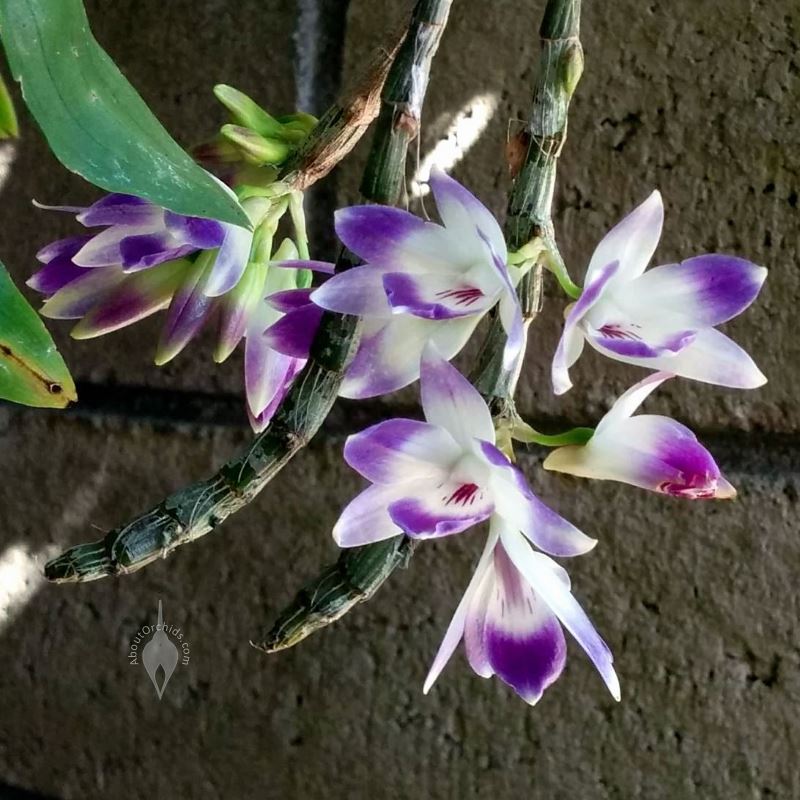
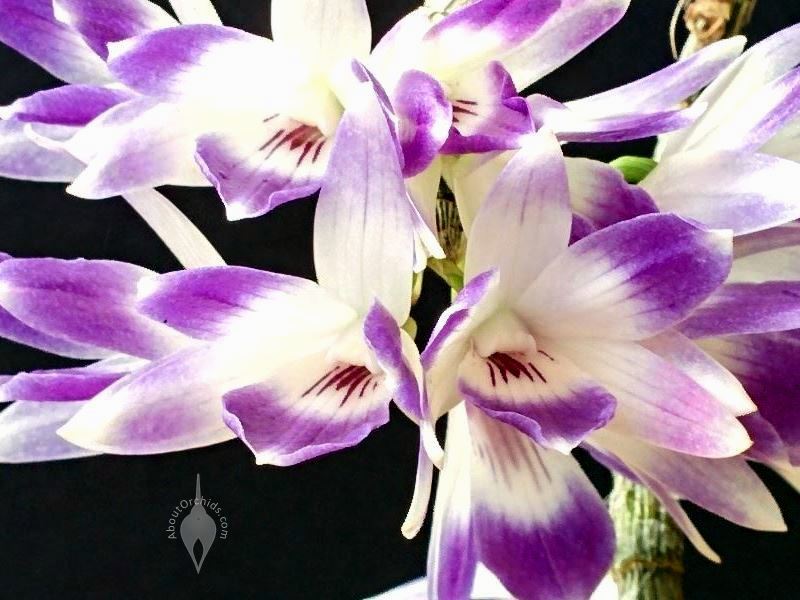
This fragile-looking Dendrobium species is tougher than it looks. Queen Victoria’s Dendrobium was named to celebrate the British monarch. It’s nicknamed the Blue Orchid, since some specimens have a blue hue, but my plant is decidedly purple.

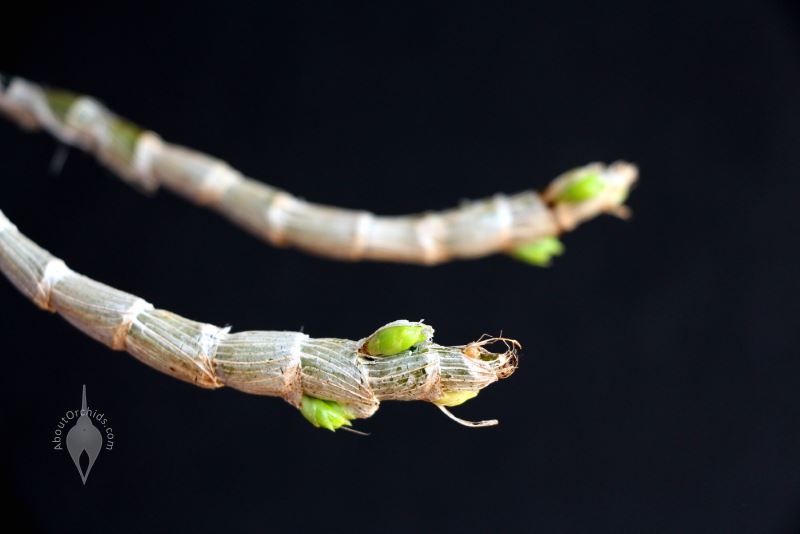
Dendrobium victoriae-reginae, orchid species from the Philippines, grown outdoors in San Francisco, California, white and purple flowers hanging down from pseudobulbsDendrobium victoriae-reginae, orchid species from the Philippines, grown outdoors in Pacifica, California, white and purple flowers hanging down from pseudobulbsDendrobium victoriae-reginae, orchid species from the Philippines, grown outdoors in Pacifica, California, white and purple flowers hanging down from pseudobulbs

In four years since I bought this orchid, it’s been through the mill, but somehow survived and flowered. As a cool grower, this species lives outdoors. It’s been sunburned, almost frozen, and become a favorite target for raccoons. On several occasions, it’s been reduced to a single cane (or pseudobulb,) but managed to grow back. The plant adapted well last year after we moved from San Francisco to Pacifica, and has been happily blooming despite all the damage.

Dendrobium victoriae-reginae, orchid species from the Philippines, grown outdoors in Pacifica, California, side view of white and purple flowersDendrobium victoriae-reginae, orchid species from the Philippines, grown outdoors in San Francisco, California, flower buds starting to emerge from pseudobulbsDendrobium victoriae-reginae, orchid species from the Philippines, grown outdoors in Pacifica, California, white and purple flowers hanging down from pseudobulbs

Native to high elevations in the Philippines, Queen Victoria’s Dendrobium likes cool, moist, shady conditions. It needs constant high humidity and good air movement. This species can handle warm days, but needs cool nights down to 50°F (10°C.) Don’t let it go below 41°F (5°C.) Since the canes tend to droop, it grows best mounted, not in a pot. This variety can flower repeatedly throughout the year, always on older canes which have lost their leaves. The Blue Orchid is both beautiful and tough, perfect for cool, breezy conditions.

Dendrobium victoriae-reginae, orchid species from the Philippines, grown outdoors in San Francisco, California, flower buds starting to emerge from pseudobulbsDendrobium victoriae-reginae, orchid species from the Philippines, grown outdoors in Pacifica, California, white and purple flowersDendrobium victoriae-reginae, orchid species from the Philippines, grown outdoors in Pacifica, California, white and purple flowers hanging down from pseudobulbs

Wildlife Officials Fight To Protect Rare Orchid

Posted October 13th, 2015 by Marc Cohen
Categories: Conservation, Cool Growers, In the News

Tennessee officials are trying to save a rare, indigenous orchid species. The White Fringeless Orchid is hanging in the balance as government officials weigh its fate. Native to the Southeastern USA, this species is endangered by habitat loss and illegal poaching of wild plants. Its scientific name is Platanthera integrilabia, and it grows in wooded areas around streams, marshes, and bogs. The White Fringeless Orchid hasn’t been seen for years in South Carolina, where a sad spike in poaching has probably doomed it. Meanwhile, it has waited 40 years since the first request to classify it as an endangered species. It’s finally due for a decision in the next year, but will that already be too late? If it does receive federal protection, it may yet be possible to save this American native.

Orchid Post Mortem: Oncidium

Posted October 6th, 2015 by Marc Cohen
Categories: Cool Growers, Mini Orchids, Photos, Problems

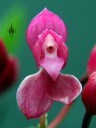
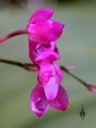
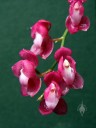
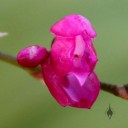
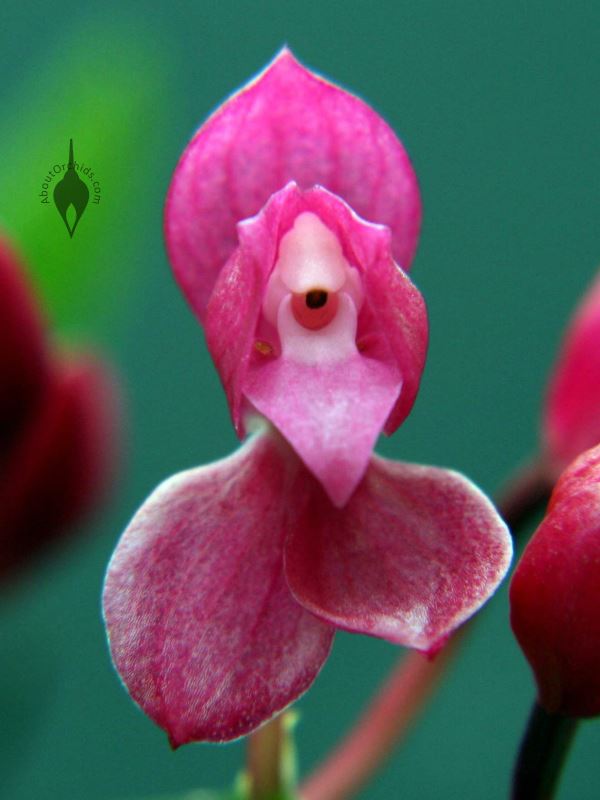
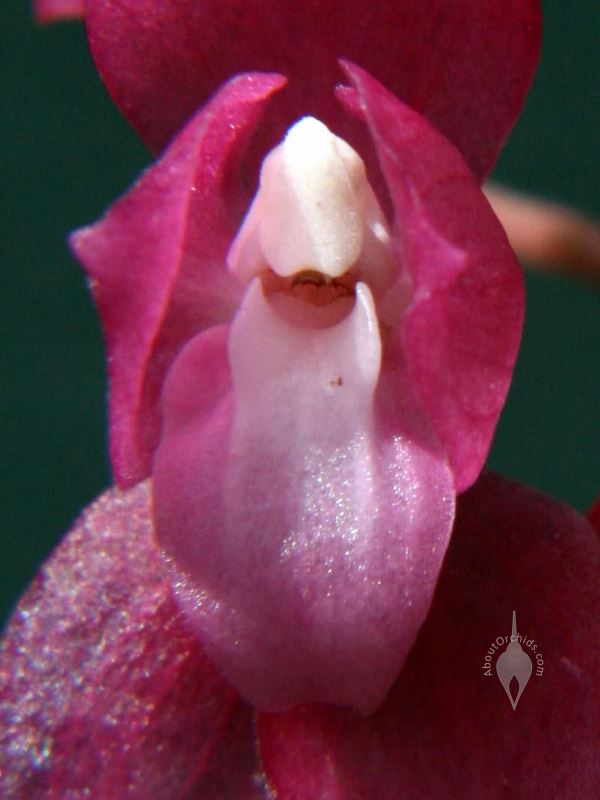
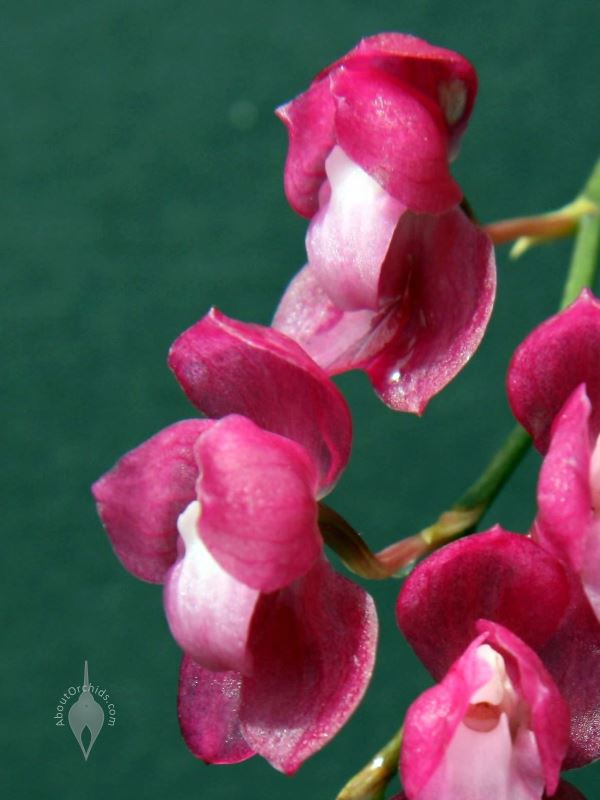
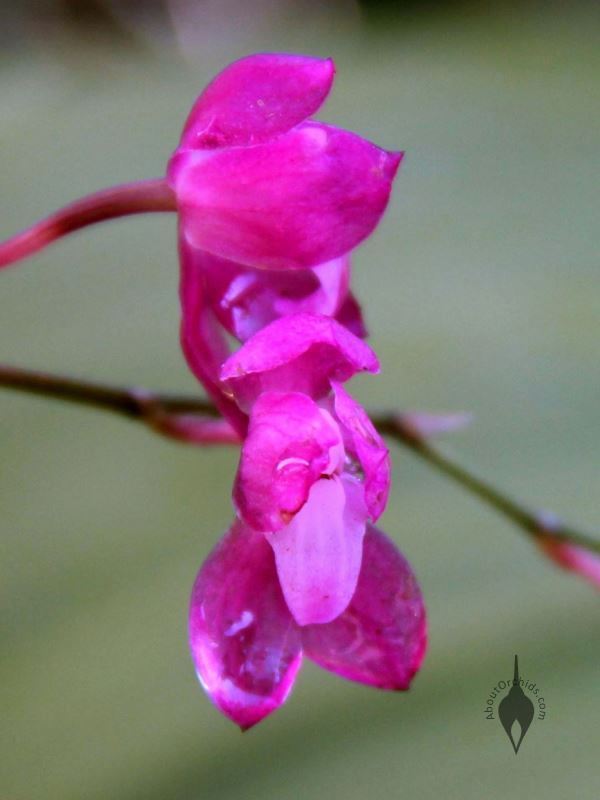
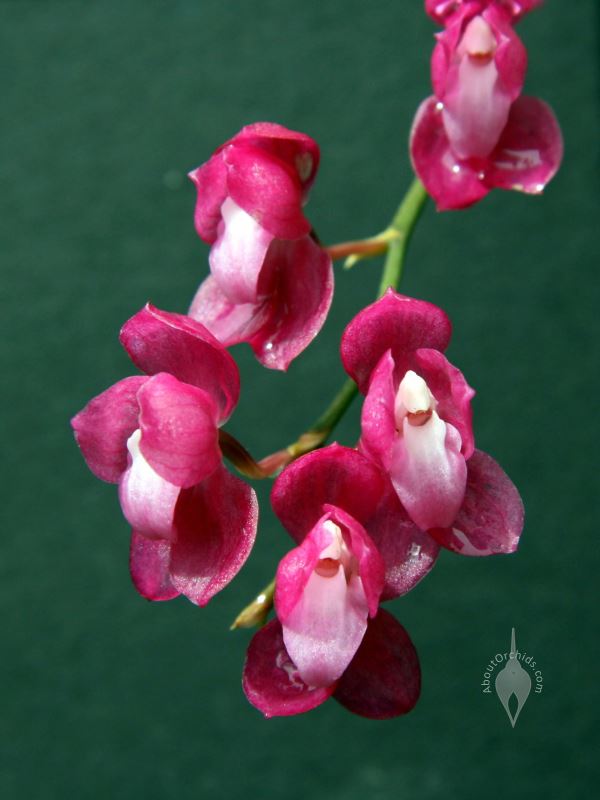
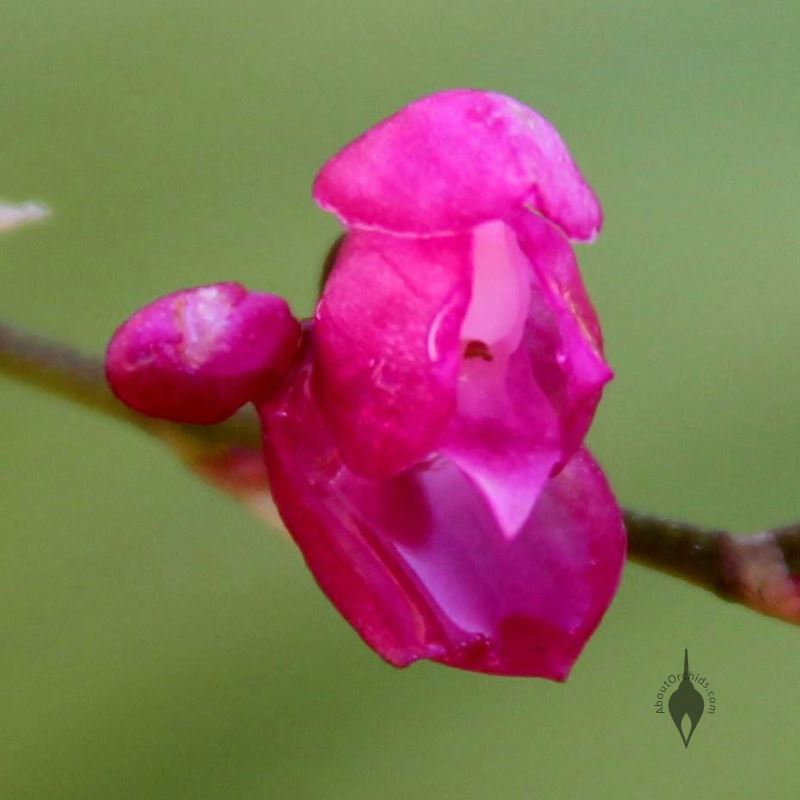
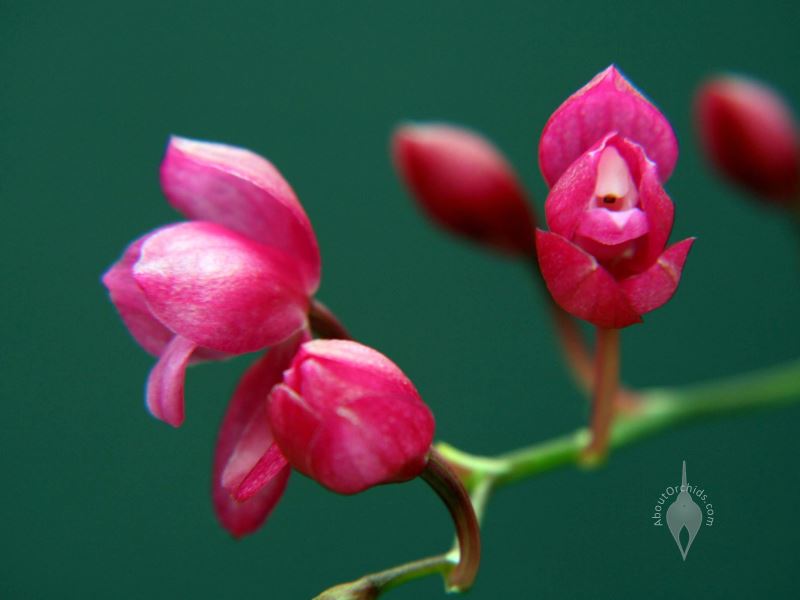
Orchid casualties are inevitable in any collection, even for experienced growers. My latest loss was this adorable mini Oncidium species, a victim of some devilish raccoons.
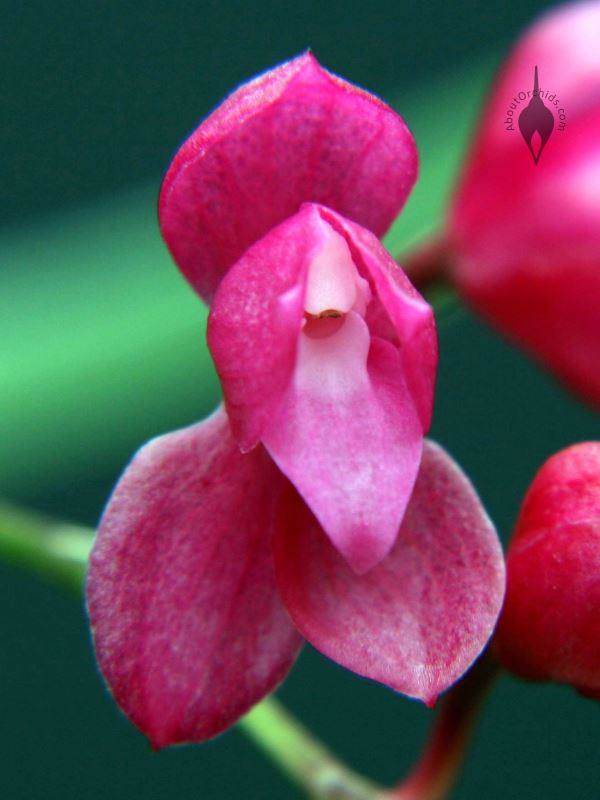
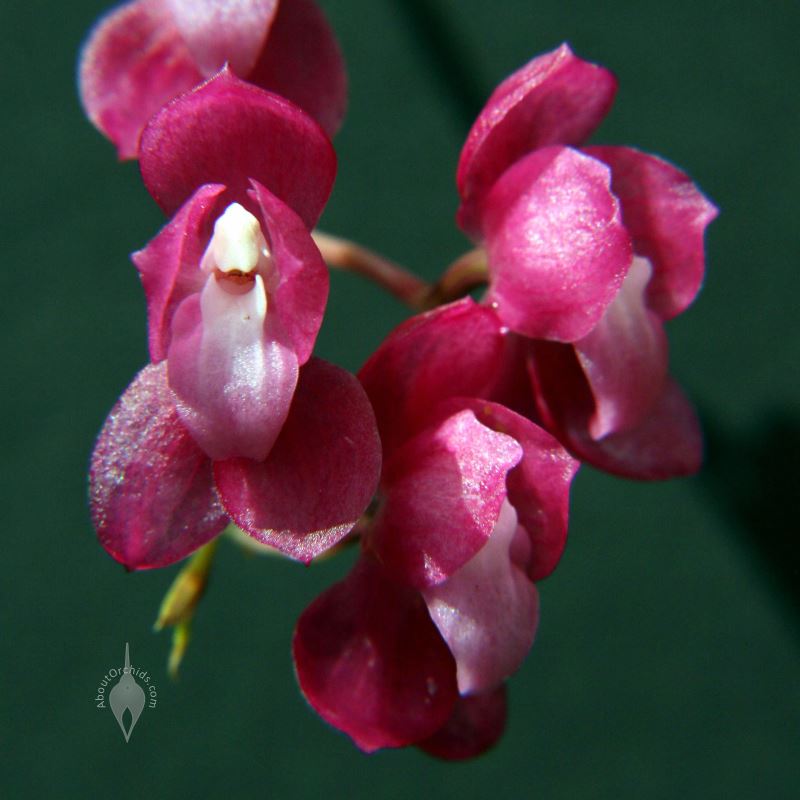
Oncidium strictum, orchid species with bright pink flower, aka Symphyglossum sanguineum, grown outdoors in San Francisco, CaliforniaOncidium strictum, orchid species with bright pink flowers, aka Symphyglossum sanguineum, grown outdoors in San Francisco, CaliforniaOncidium strictum, orchid species with bright pink flower, aka Symphyglossum sanguineum, grown outdoors in San Francisco, California

I bought this plant many years ago, and always grew it outdoors. It’s been a stubborn species, and only bloomed for me twice. A couple weeks ago, I found the plant torn out of its flowerpot and destroyed. It may have been a bird or a squirrel, but raccoons are the most likely culprits. They regularly visit our backyard after dark, sometimes in groups, sometimes alone. They usually leave my plants in peace, but occasionally knock over flowerpots or dig in the bark. It’s helped to give them a clear route to climb and walk through my flowerpots, which has lessened their damage. Their dexterous hands, however, can make quick work of any plant they wish to destroy. I don’t know why they picked on this one, but fortunately, I have a few photos as mementos.
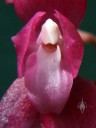
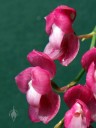
Oncidium strictum, close up of flower lip, orchid species with bright pink flower, aka Symphyglossum sanguineum, grown outdoors in San Francisco, CaliforniaOncidium strictum, orchid species with bright pink flowers, aka Symphyglossum sanguineum, grown outdoors in San Francisco, CaliforniaOncidium strictum, orchid species with bright pink flowers, aka Symphyglossum sanguineum, grown outdoors in San Francisco, California

Oncidium strictum, orchid species with bright pink flowers, aka Symphyglossum sanguineum, grown outdoors in San Francisco, CaliforniaOncidium strictum, orchid species with bright pink, partially open flower and flower bud, aka Symphyglossum sanguineum, grown outdoors in San Francisco, CaliforniaOncidium strictum, orchid species with bright pink flowers, aka Symphyglossum sanguineum, grown outdoors in San Francisco, California

This Andes native has had many names. I bought it as Symphyglossum sanguineum, but it’s also been known as Cochlioda stricta, Cochlioda sanguinea, Symphyglossum ecuadorense, and Odontoglossum sanguineum. It’s currently called Oncidium scriptum. No matter the name, keep it away from raccoons.
October Orchid Shows

Posted September 30th, 2015 by Marc Cohen
Categories: Botanical Gardens, Events

Whether you’re in Miami or Honolulu, Lisbon or Tasmania, the Western Cape or Western Australia, there’s an orchid show nearby. It’s guaranteed to have lots of incredible flowers and lots of people who love orchids. Check out this month’s shows to find one near you.

October 1 – 4
Portland Orchid Society Show & Sale, Expo Center, 2060 N. Marine Dr., Portland, Oregon
October 1 – 4
Exposicion Nacional de Orquideas y Flores de mi Vereda, Centro Cultural Metropolitano de Convenciones, Calle 26 N #11-21, Armenia, Quindio, Colombia
October 2 – 3
Central Louisiana Orchid Society Show, Kent House Plantation, 3601 Bayou Rapides Rd., Alexandria, Louisiana
October 2 – 3
Vlakte Orchid Society Show, NG Church Hall, Naboomspruit, Limpopo, South Africa
October 2 – 3
Walker Bay Orchid Society Show, St. Peter’s Church Hall, Main Rd., Hermanus, Western Cape, South Africa
October 2 – 3
Exposicao Nacional de Orquideas de Bambui, Lions Clube de Bambui, Bambui, Minas Gerais, Brazil
October 2 – 4
Susquehanna Orchid Society Show, Ware Center of Millersville Univ., 42 N. Prince St., Lancaster, Pennsylvania
October 2 – 4
Coastal Carolina Orchid Society Show & Sale, Hope’s Treasure Chest, 1528 Folly Rd., Charleston, South Carolina
October 2 – 4
Central Vancouver Island Orchid Society Show & Sale, Nanaimo North Town Centre, 4750 Rutherford Rd., Nanaimo, British Columbia, Canada
October 2 – 4
Mayaguez Orchid Society Show, Mayaguez Mall, 975 Hostos Ave., Mayaguez, Puerto Rico

Read the rest of this post »

Autumn Color

Posted September 23rd, 2015 by Marc Cohen
Categories: Photos

Zygopetalum flowers, purple white and green flowers, Pacific Orchid Expo 2015, San Francisco, CaliforniaLaelia flower close up, pink red and yellow flower, Pacific Orchid Expo 2015, San Francisco, CaliforniaMasdevallia macrura, orchid species, Pacific Orchid Expo 2015, San Francisco, California

There’s more to autumn color than red and yellow leaves. Mark today’s change of season with vibrant orchid hues. These tropical blooms are my idea of a happy equinox.

Paphiopedilum Petula's Glory, orchid hybrid, dark reddish purple Lady Slipper flower, Pacific Orchid Expo 2015, San Francisco, CaliforniaPhragmipedium, pink white and green flower, Lady Slipper orchid, Princess of Wales Conservatory, Kew Gardens, London, UKDendrobium orchid, yellow white and purple flowers, Pacific Orchid Expo 2015, San Francisco, California

For orchids, autumn is just another season of flowers. Many varieties take their blooming cues from shorter days and cooler nights. The fall equinox is one of only two days per year when the whole world, from the equator to the poles, shares 12 hours of daylight and 12 hours of nighttime. As nights grow longer, and we move into the next season, orchids are great additions to a colorful autumn.

Lycaste Abou Sunset 'Heruka' FCC/AOS, orchid hybrid, red and white flower close-up, Pacific Orchid Expo 2015, San Francisco, CaliforniaDendrobium bellatulum, orchid species, white and orange flower, Pacific Orchid Expo 2015, San Francisco, CaliforniaPaphiopedilum rothschildianum, orchid species, red purple and white Lady Slipper flowers, Pacific Orchid Expo 2015, San Francisco, California

The Latest Orchid Awards

Posted September 21st, 2015 by Marc Cohen
Categories: Misc

Want to see the best of the best? Check out photos of 60 exceptional plants recently given awards by the American Orchid Society (AOS.) The AOS is showcasing these expertly-grown flowers, including many rare and unusual varieties. With superb photography, and constant updates, you’ll want to bookmark the page. You don’t need to be an AOS member to enjoy the site, but it is a great group to support, with lots of information and resources for orchid lovers. Members also receive the beautiful monthly Orchids magazine, with lots more photos like those online.

Learn more about orchid awards from my blog post about orchid names.

Native Colorado Orchids

Posted September 16th, 2015 by Marc Cohen
Categories: Cool Growers, Mini Orchids, Orchids in the Wild, Photos

Orchids grow all over the world, not just in the tropics. High in the mountains, canyons, and plateaus of Southwest Colorado, many remarkable native orchid species thrive, despite the harsh conditions. Dave’s mother lives in the Four Corners area of Colorado, and, like her son, has a great photographic eye. She and her hiking pals have been kind enough to share their wildflower pictures. First, here’s the charming miniature Calypso orchid, also known as the Fairy Slipper. It’s native to much of the northern USA, Canada, northern Europe, and northern Asia.
Calypso bulbosa, Fairy Slipper, miniature orchid species, growing wild in Southwestern ColoradoCalypso bulbosa, Fairy Slipper, miniature orchid species, growing wild in Southwestern ColoradoCalypso bulbosa, Fairy Slipper, miniature orchid species, growing wild in Southwestern Colorado

The next six photos show some fascinating Corallorhizas. These strange orchid species don’t have chlorophyll, but take all their nutrients from fungi which feed on decaying plant debris. Growing near Ponderosa Pines, at elevations above 7000 feet (2134 m,) their colorful flower stalks sprout from the forest floor.

Corallorhiza maculata, Summer coralroot, saprophytic orchid species, growing wild in Southwestern ColoradoCorallorhiza maculata, Summer coralroot, saprophytic orchid species, growing wild in Southwestern ColoradoCorallorhiza maculata, Summer coralroot, saprophytic orchid species, flower buds, growing wild in Southwestern Colorado

Corallorhiza maculata, Summer coralroot, saprophytic orchid species, flower buds, growing wild in Southwestern ColoradoCorallorhiza trifida, Yellow Coralroot, saprophytic orchid species with yellow flowers, growing wild in Southwestern ColoradoCorallorhiza trifida, Yellow Coralroot, saprophytic orchid species with flower buds, growing wild in Southwestern Colorado

In the last row of photos, there are two more Colorado natives: the Rattlesnake Orchid and the Stream Orchid.  The Rattlesnake Orchid, or Goodyera, is a jewel orchid with variegated leaves. The Stream Orchid in the last shot is the same Epipactis species that I’ve grown in California. It’s native to a wide range of western North America, from Canada through Mexico. What a joy to see the Steam Orchid and other natives thriving in their mountain homes! Stream Orchid photo courtesy of Bill Lemons. All other photos courtesy of Brenda Hogue.

Goodyera, Rattlesnake Orchid, orchid species with variegated leaves, growing wild in Southwestern ColoradoGoodyera, Rattlesnake Orchid, orchid species with variegated leaves and tall flower spikes, growing wild in Southwestern ColoradoEpipactis gigantea, Steam Orchid, orchid species flower, growing wild in Southwestern Colorado

Learn more about native Colorado orchids at swcoloradowildflowers.com.

Unusual Orchids At Kew Gardens

Posted September 10th, 2015 by Marc Cohen
Categories: Botanical Gardens, Photos

These photos from our recent trip to Kew Gardens highlight the depth of their esteemed orchid collection. Many of these are less well-known orchids. Some have tiny flowers or muted colors, and many are rare. They’re still just as fascinating as their showier orchid cousins in cultivation.

Purple and white orchid flower, Princess of Wales Conservatory, Kew Gardens, London, UKScaphosepalum verrucosum, small yellow and purple flowers, orchid species, Princess of Wales Conservatory, Kew Gardens, London, UKEpidendrum orchid, yellow and white flower, Princess of Wales Conservatory, Kew Gardens, London, UK

These unusual, uncommon species include the tiny yellow Scaphosepalum flowers in the middle photo above, looking somewhat like a three-headed snake. In the middle photo below, the climbing vine belongs to an endangered vanilla species (it’s not one that we eat.)

Paphiopedilum druryi, Lady Slipper, orchid species, Princess of Wales Conservatory, Kew Gardens, London, UKVanilla polylepis, orchid species, vine with roots growing up branch, Princess of Wales Conservatory, Kew Gardens, London, UKPurple pink and white orchid flowers, Princess of Wales Conservatory, Kew Gardens, London, UK

It was tough to take good photos of some of the miniature blooms. My camera just wasn’t able to focus on such small objects. There were a few without nametags, but I’ve done my best guesses on the ones I recognize. All of these were on display in the orchid zones of the Princess of Wales Conservatory. It’s always worth a visit.

Bulbophyllum lobbii, orchid species, yellow and reddish purple flower, Princess of Wales Conservatory, Kew Gardens, London, UKDendrochilum pangasinanense, orchid species, small yellow flowers, Princess of Wales Conservatory, Kew Gardens, London, UKPlatystele misera, miniature orchid species with tiny flowers, Princess of Wales Conservatory, Kew Gardens, London, UK

Dracula Reserve Success

Posted September 4th, 2015 by Marc Cohen
Categories: Conservation, In the News

Great news! The Orchid Conservation Alliance (OCA) has exceeded its fundraising goal to create a new nature reserve in Ecuador. On the slopes of the Andes, the Chocó rainforest is a biological hotspot. It’s home to 5% of all orchid species on earth, including many rare and fascinating Draculas. Together with the Rainforest Trust and Fundación EcoMinga, the OCA is working to conserve this exceptional region. The OCA announced its fundraising success in an email to members and donors.

Thanks to everyone who helped the OCA reach its goal. If you haven’t donated yet, the campaign for this new Dracula Reserve can still use your help. The OCA is a non-profit organization, and donations are tax-deductible as allowed by law. Scroll to the bottom of the donation page to see photos of the amazing Draculas you’ll be helping.