Why You Need to Repot Your Orchid

Posted April 4th, 2012 by Marc Cohen
Categories: Botanical Gardens, Growing, Orchids in the Wild, Photos

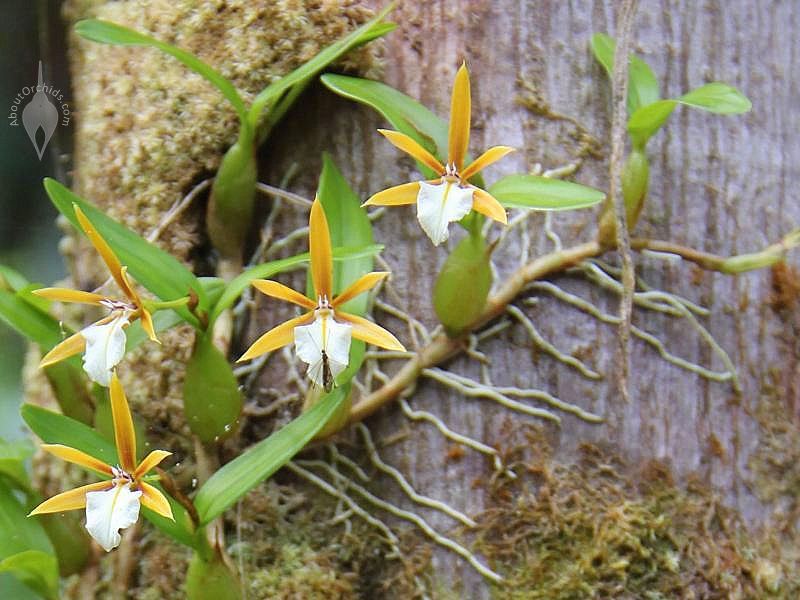
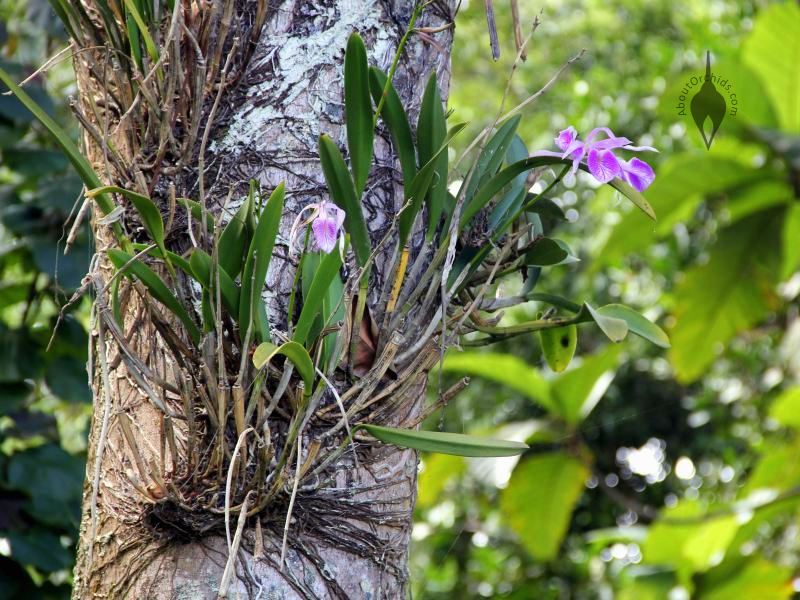
It would be nice if you never had to repot your orchid, but you do. To understand why, consider how these orchids grow high in the trees at Hawaii Tropical Botanical Garden. This is how many orchids live in the wild. Their roots may grow in moss or rainforest debris, but mostly they’re exposed to the open air. In contrast, when old potting material breaks down in a container, air cannot circulate around orchid roots.
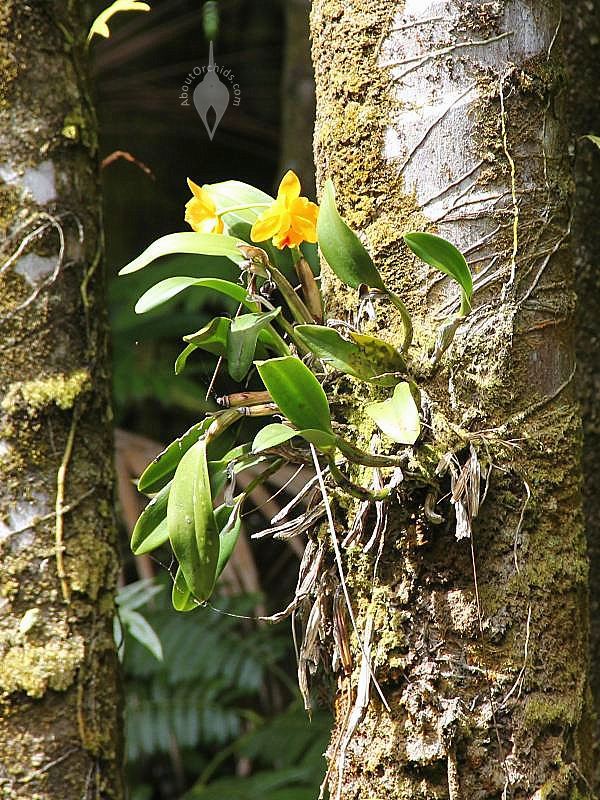
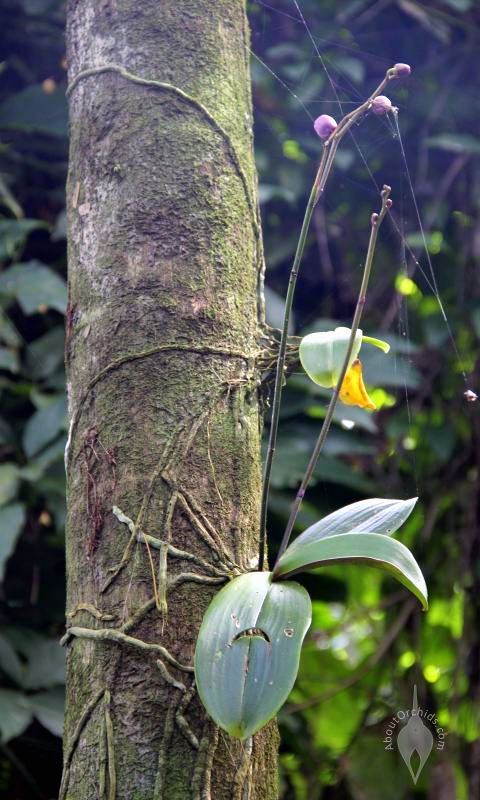
Cattleya orchid attached to tree at Hawaii Tropical Botanical GardenPhal orchid with flower buds attached to tree at Hawaii Tropical Botanical GardenMini Dinema orchid species growing on tree at Hawaii Tropical Botanical Garden

Without good air flow, roots cannot breathe, and the plant quickly dies. That’s why orchids need repotting, usually once every 2 – 3 years. Spring is the ideal time, since new roots will be happiest growing into new bark or moss. So don’t dread those repotting chores. Think of them as giving a breath of fresh air to your orchids. Check these helpful repotting tips, including how to know if your orchid needs repotting.

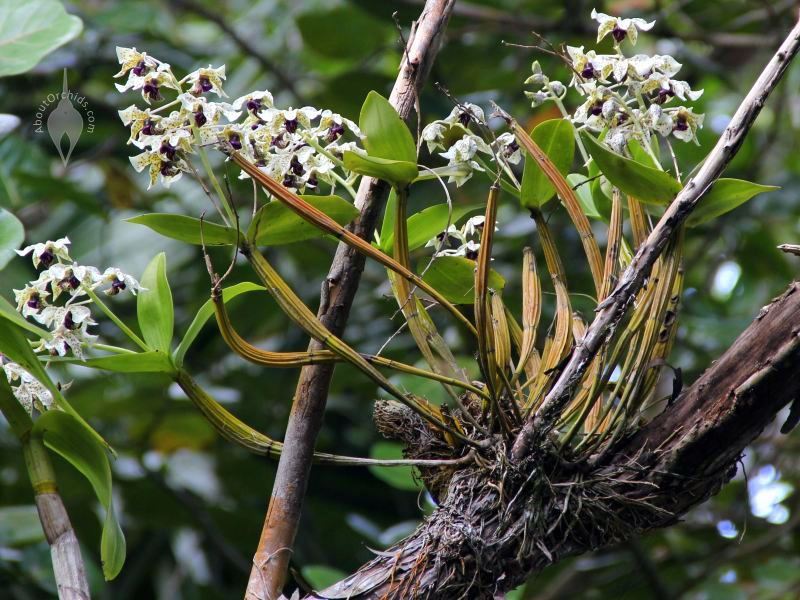
Cattleya orchid growing on tree at Hawaii Tropical Botanical GardenDendrobium orchid growing on tree at Hawaii Tropical Botanical GardenCattleya orchid growing on tree at Hawaii Tropical Botanical Garden

April Orchid Shows

Posted March 31st, 2012 by Marc Cohen
Categories: Botanical Gardens, Events

April brings orchid shows in every hemisphere. Sydney, Budapest, Chicago, and Houston are hosting big events. The Toronto Artistic Orchid Society emphasizes traditional Chinese orchids, but grows many modern varieties, too. All are welcome to their show.

April 1
North East of England Orchid Society Annual Show, Bowburn Community Centre, Bowburn, County Durham, UK
April 1
West Cornwall Orchid Society Spring Show, Blaythorne Holman Sports Club, Pendarves Rd, Camborne, Cornwall, UK
April 6 – 7
Charlottesville Orchid Society Show & Sale, Fashion Square Mall, Rt. 29 N., Charlottesville, Virginia
April 6 – 7
Bribie Island Orchid Society Show, Student Centre, Bribie Island State High School, First Ave., Bribie Island, Queensland, Australia
April 6 – 8
Gladstone Orchid & Foliage Society Show, Bill Robertson Toyota, Hanson Rd., Gladstone, South Australia, Australia
April 6 – 9
Orchilim 2012, Landcommandery Alden Biesen, Kasteelstraat 6, 3740 Rijkhoven, Belgium
April 7
Perlis Monthly Orchid Show, Taman Rimba Herba, Batu Pahat, Perlis, Malaysia
April 7
Solihull and District Orchid Society Spring Show, Arden School, Station Rd., Knowle, West Midlands, UK
April 7 – 8
Flamingo Gardens Orchid Society Show, Flamingo Gardens, 3750 S. Flamingo Rd., Davie, Florida
April 7 – 8
Utah Orchid Society Show, Red Butte Gardens, 303 Wakara Way, Salt Lake City, Utah
April 8
Penang Monthly Orchid Show, Penang Botanic Garden, Georgetown, Penang, Malaysia

Read the rest of this post »

Orchid Post Mortem: Orchis

Posted March 27th, 2012 by Marc Cohen
Categories: Cool Growers, Mini Orchids, Photos, Problems

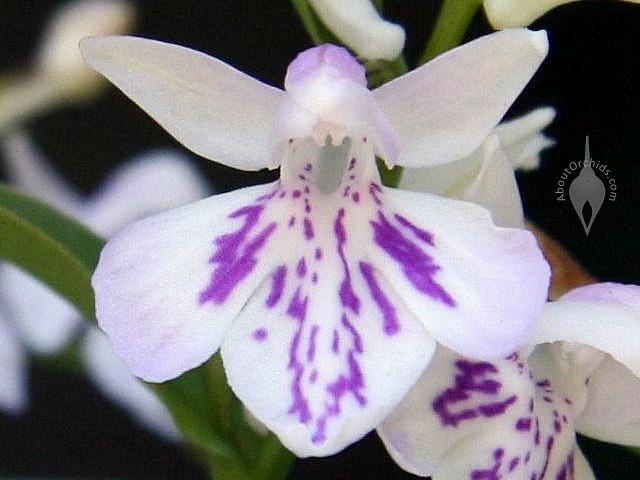
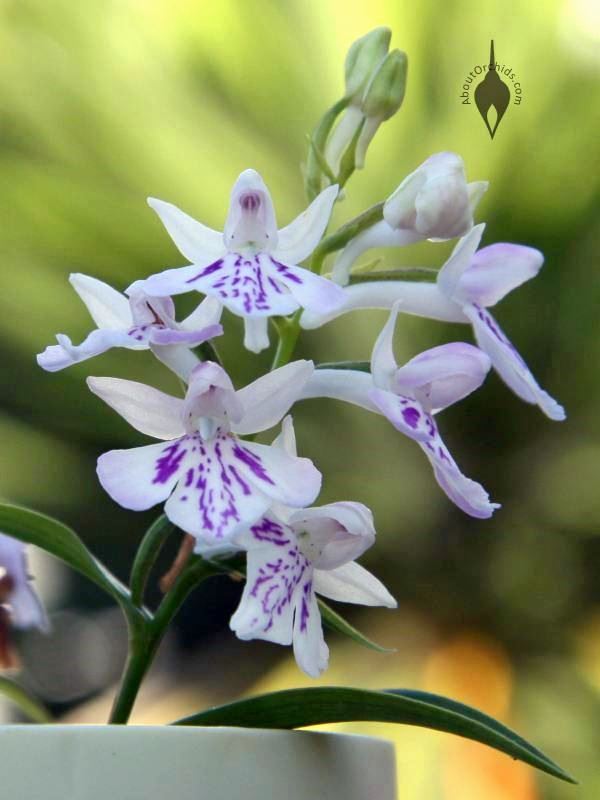
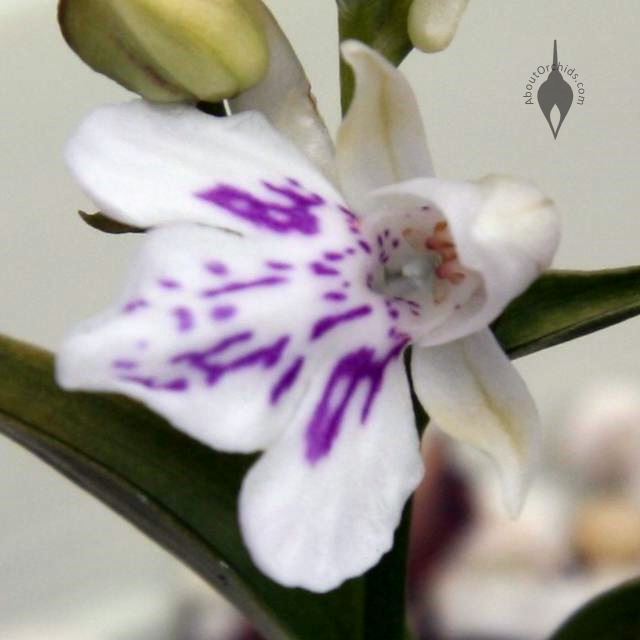
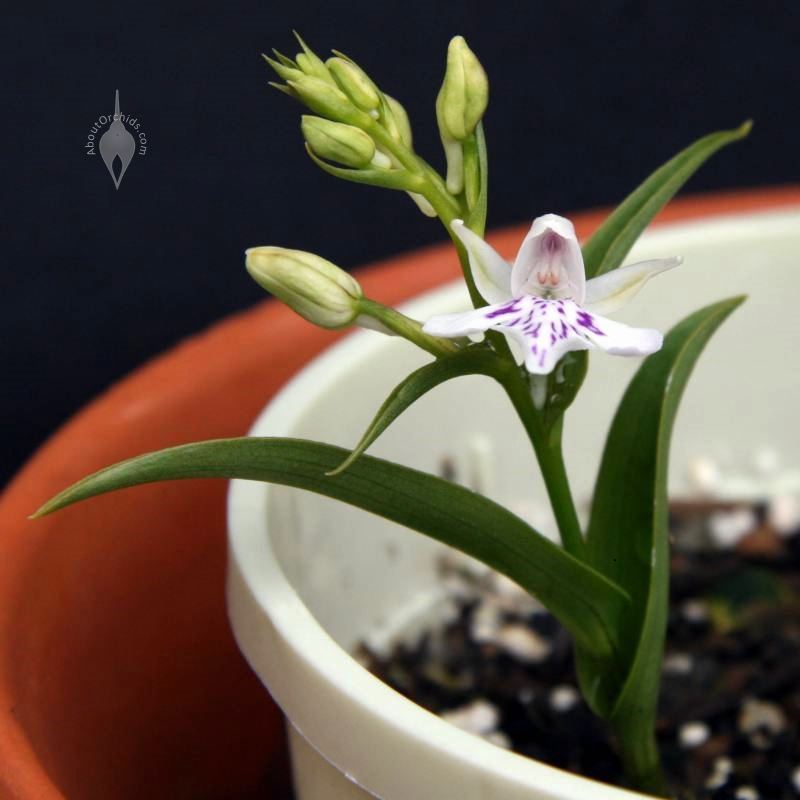
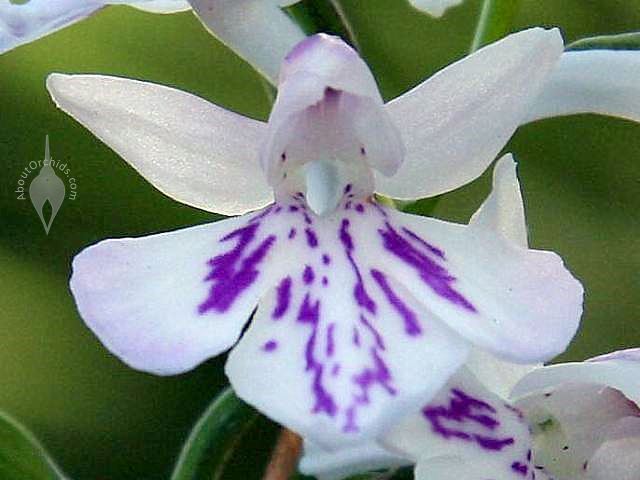
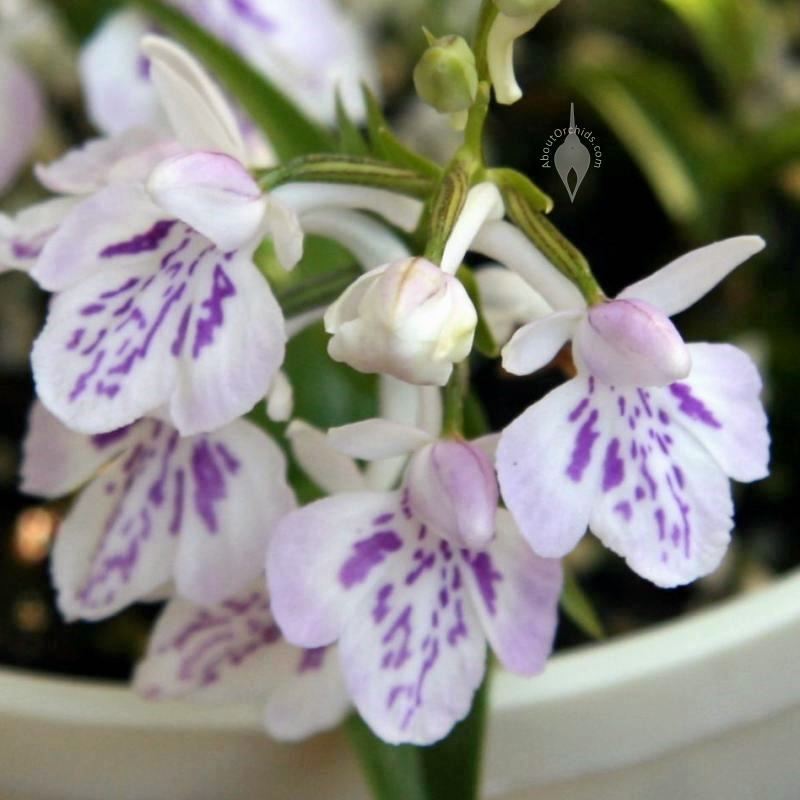
When I first bought this unusual Japanese species at Pacific Orchid Expo 2009, I didn’t know if I could grow it. My purchase consisted of 3 tiny Orchis tubers, each smaller than a pea. Along with planting instructions for this mini terrestrial, the vendor included its Japanese name, uchouran, meaning “butterfly wing orchid.”

Orchis flowerOrchis flowers and budsOrchis flower

I planted the tubers, and 2 of them grew and bloomed well for a couple years. Then I lost one when it turned to mush in a heavy winter rain. The sole remaining plant grew, but had only a single feeble flower last summer, so I wasn’t surprised when it didn’t live through the winter. Happily, the flowers survive in photos.

Orchis flower, buds and leavesOrchis flowerOrchis flowers and bud

At this year’s Pacific Orchid Expo, I had an opportunity to talk to the vendor again, and explained how the Orchis had done well for a couple years, but then died off. He answered that they’re difficult to cultivate, often short-lived, and most of his were gone now, too. I felt a bit redeemed that I’d learned how to grow this uncommon species, if only briefly. Then I asked if he had any more for sale. They’d be worth another attempt, not just for the blooms, but to try to keep them alive longer. He didn’t have any, but I’m keeping my eyes open.

Spring Shade

Posted March 24th, 2012 by Marc Cohen
Categories: Growing

As we enjoy the sun’s ascent and longer daylight hours with spring, it’s time to move orchids from their brighter winter homes into shadier areas. Don’t wait until leaves turn yellow or sunburn. Since different orchid varieties need different light levels, consider what each requires for their spring and summer home. Many types, like Cattleyas, Cymbidiums, Dendrobiums, Epidendrums, Oncidiums, and Vandas, will enjoy morning sun. Phals, Paphs, and Masdevallias may tolerate some morning sun, but are best in shadier locales. Give orchids enough light to keep their leaves a light green color. Dark green leaves may mean there’s too little light for blooms.

This year, unusually warm temps in much of North America and Western Europe even have experienced growers keeping an eye on leaf color. Relying on spring moving dates from past years may not work, since the warmth can contribute to earlier sunburns. At the first sign of leaf yellowing, find some shade.

Springtime

Posted March 20th, 2012 by Marc Cohen
Categories: Botanical Gardens, Misc, Photos

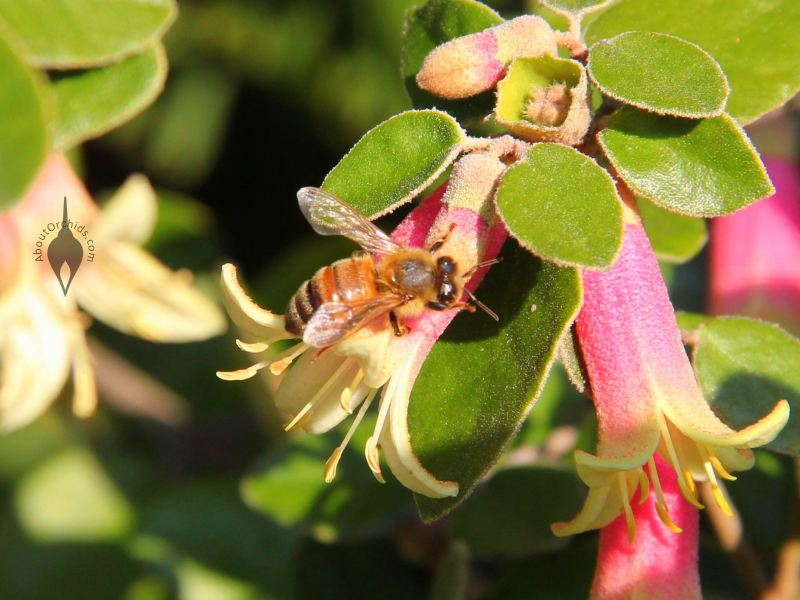
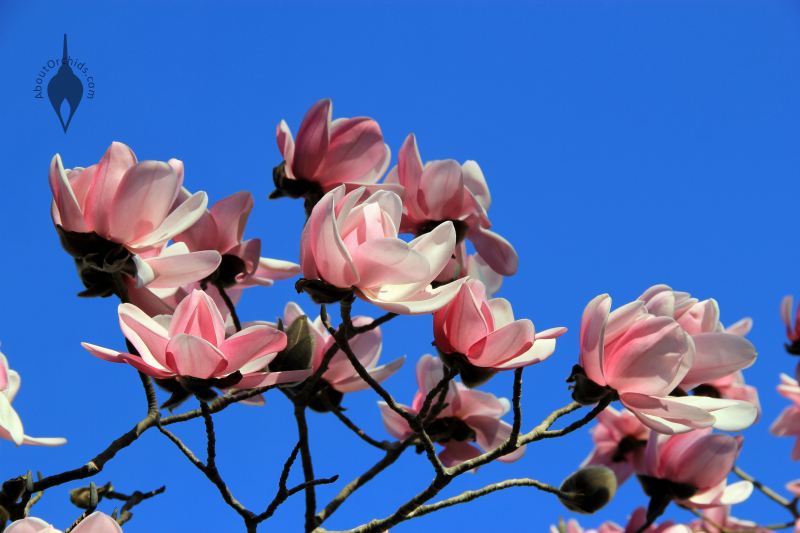
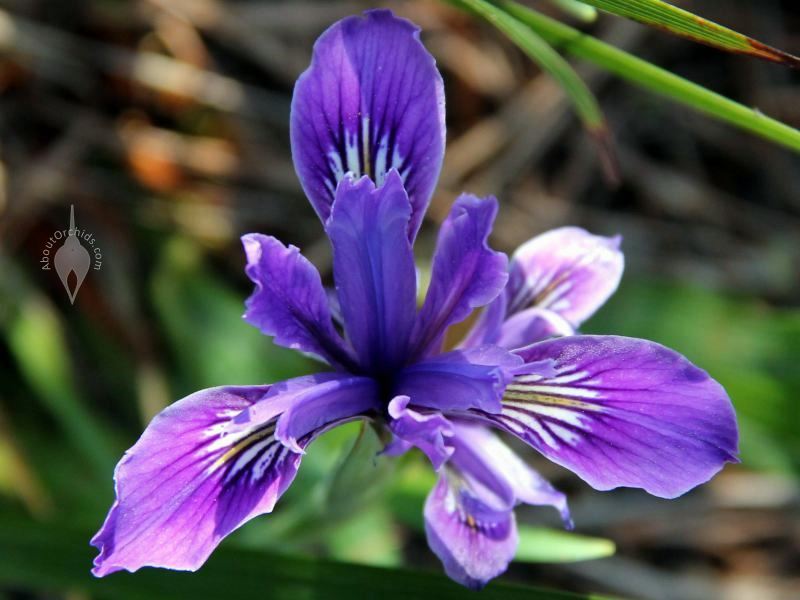
To celebrate spring’s arrival, here are some flora and fauna pictures from our recent visit to Strybing Arboretum in Golden Gate Park. We didn’t see any orchids, but we did find a few of the garden’s other natural wonders.

Bloom in Golden Gate Park, San FranciscoHawk perched above the California Native Garden at Strybing ArborteumSucculent flower

For much of the country, winter has hardly made an appearance. San Francisco’s weather has been milder and drier than usual. Fortunately, much-needed winter rains have finally made an appearance this month. A hard-working honeybee can look forward to many more flowers, and the blooms and the warmth of the season are just beginning.

Honeybee in Golden Gate ParkMagnolia flowers at Strybing ArborteumIris bloom in Golden Gate Park

Weakly, Weekly

Posted March 17th, 2012 by Marc Cohen
Categories: Dormancy, Fertilizing, Growing

When it comes to fertilizing, a good rule of thumb is to feed orchids “weakly, weekly.” Orchids do best with a weak fertilizer solution given weekly during spring and summer. It’s common to use ¼ – ½ the strength recommended on the package label. A dilute fertilizer solution mimics how orchids obtain nutrients in the wild, usually in small doses. It also avoids problems caused by too much artificial fertilizer. Blackened roots or black leaf tips are typical signs of overfeeding. When orchids are emerging from dormancy, new growth is especially susceptible to fertilizer burns.

Be sure to flush all orchids with clean water occasionally, at least once a month. This removes fertilizer residues which can build up and cause damage.

Project BudBurst

Posted March 14th, 2012 by Marc Cohen
Categories: Conservation, General Gardening, Misc

Project BudBurst invites you to give science a hand. Since 2007, volunteers have been helping to monitor the climate by recording the first leaves, flowers, and fruits of plant species across the USA. This includes native North American orchids. Scientists use Project BudBurst’s data to understand how climate change affects plant growth, and they make the data public for anyone to use. Volunteering is free, and it’s easy to get started on the Project BudBurst website. Create an account, register your location, and pick a plant to follow. You can contribute a one-time observation for a single plant, or follow lots of plants for several seasons. There are programs for kids and schools to take part as well. Join Project BudBurst to become a citizen scientist, share your garden observations, and contribute to important research.

Late Winter Orchid Care

Posted March 10th, 2012 by Marc Cohen
Categories: Dormancy, Fertilizing, Growing, Photos, Watering

As winter winds down, it’s still the dry season in the native homes of many orchids. They often take the opportunity to flower before the wet season begins. Cattleyas, Dendrobiums, Oncidiums, and others need this dormant period to bloom.

Even when dormant orchids spring into bloom, resist the urge to water more. Many dormant types, like the examples below from the recent Pacific Orchid Expo, only need occasional drinks. High humidity will keep the flowers and plants happy.

When spring arrives in your neck of the woods, increase watering and fertilizing gradually. After flowers finish, it’s time to think about repotting. Check here to see if your orchid will need repotting.

Cattleya hybridOncidium hybridDendrobium species

Philadelphia Flower Show

Posted March 7th, 2012 by Marc Cohen
Categories: Events, General Gardening, In the News

The Philadelphia Flower Show is the largest indoor flower show in the country, and orchids are always a big part of the event. This year’s tropical theme, “Hawaii: Islands of Aloha,” showcases plenty of Phals, Cattleyas, Epidendrums, and Miltonias. The show is earning rave reviews in the local press and beyond. It’s even making a splash in Hawaiian news sources like the Honolulu Star Advertiser. Big Island Video News has an article and video of greenhouse workers in Hawaii preparing flowers for shipment to Philly. The venerable Inquirer has the real story on native Hawaiian plants. Philly’s floral extravaganza runs until Sunday, March 11.

More from the Pacific Orchid Expo

Posted March 3rd, 2012 by Marc Cohen
Categories: Events, Growing Orchids in San Francisco, Photos

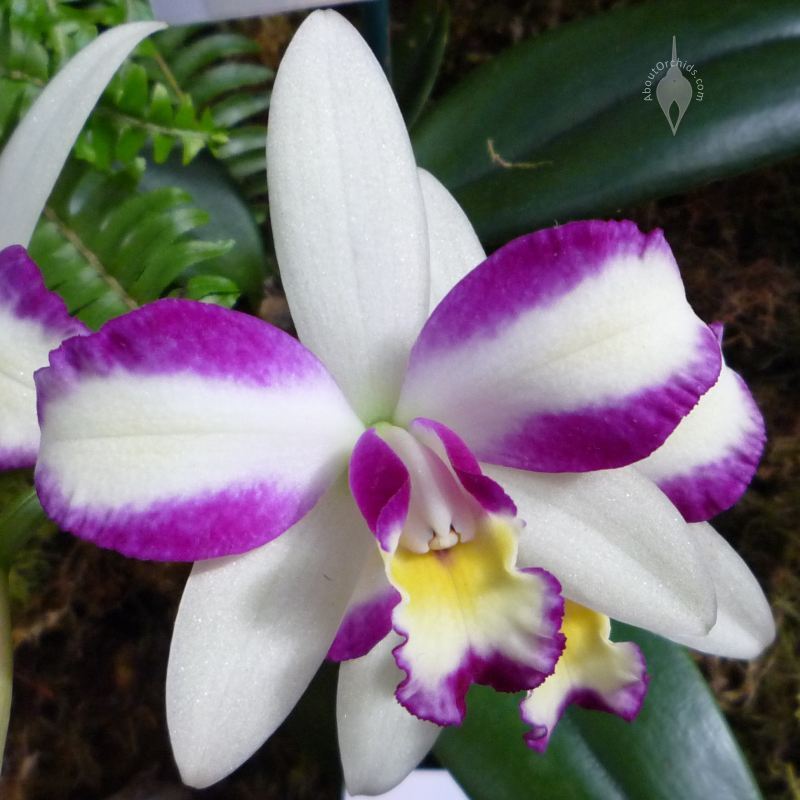
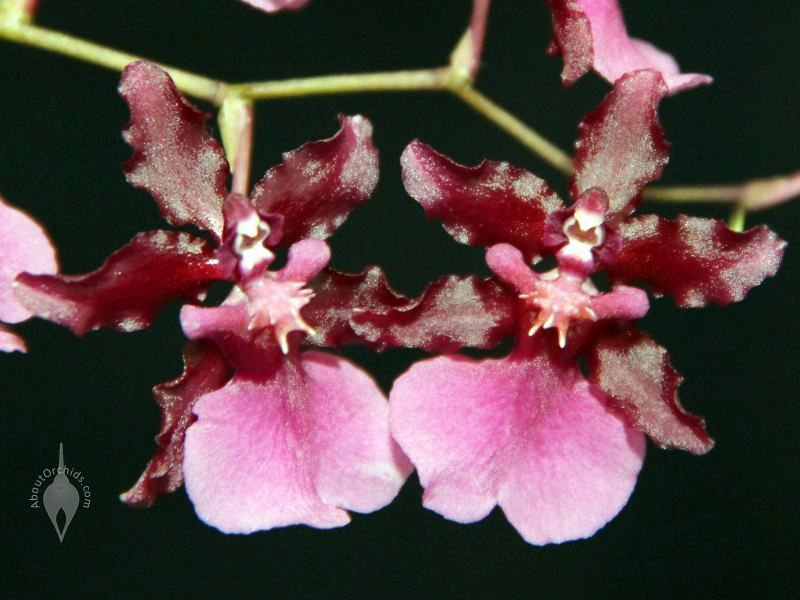
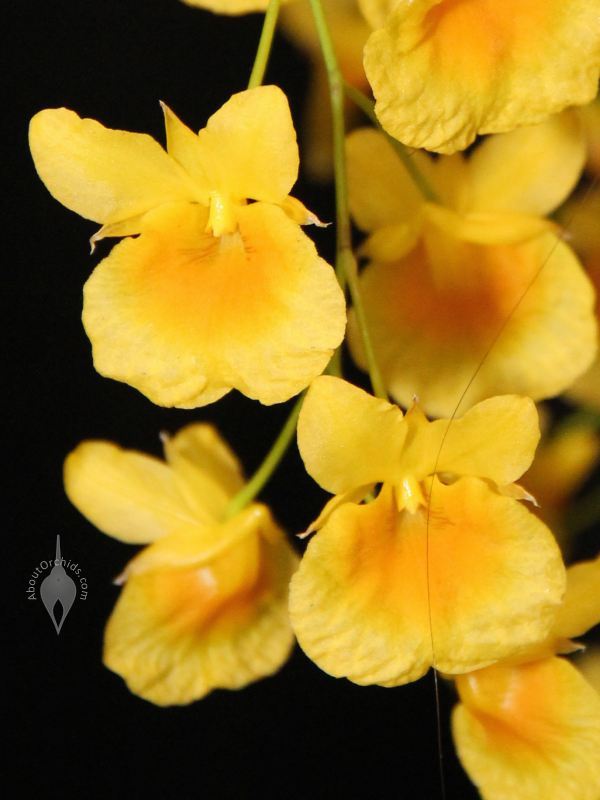
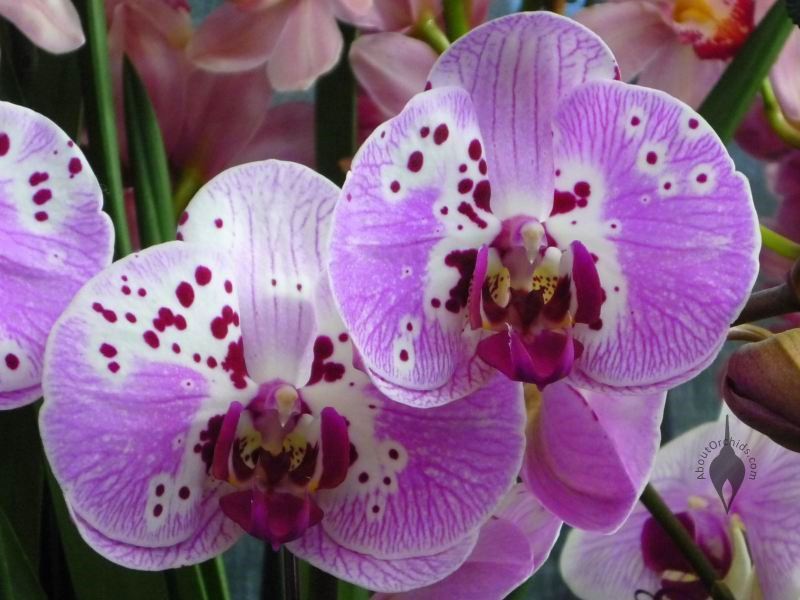
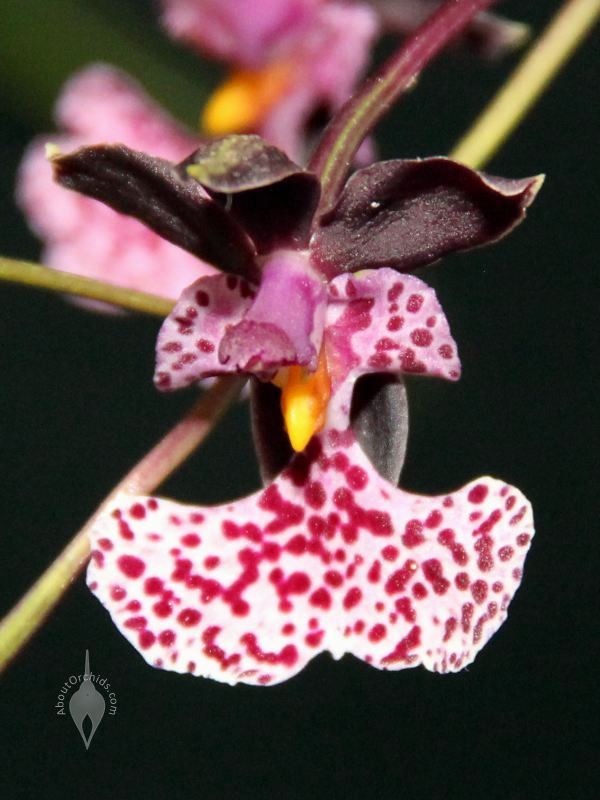
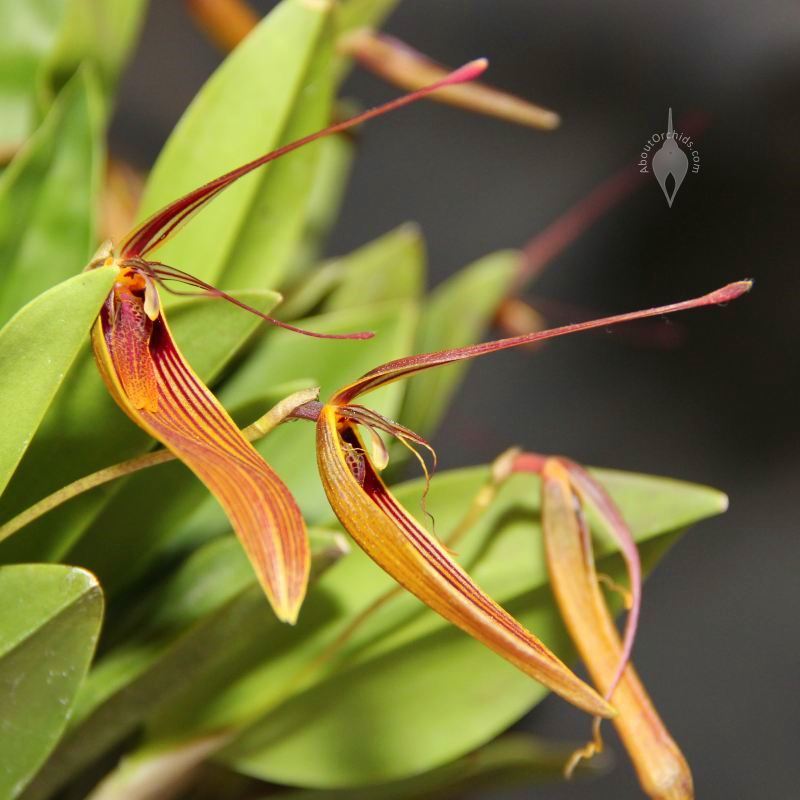
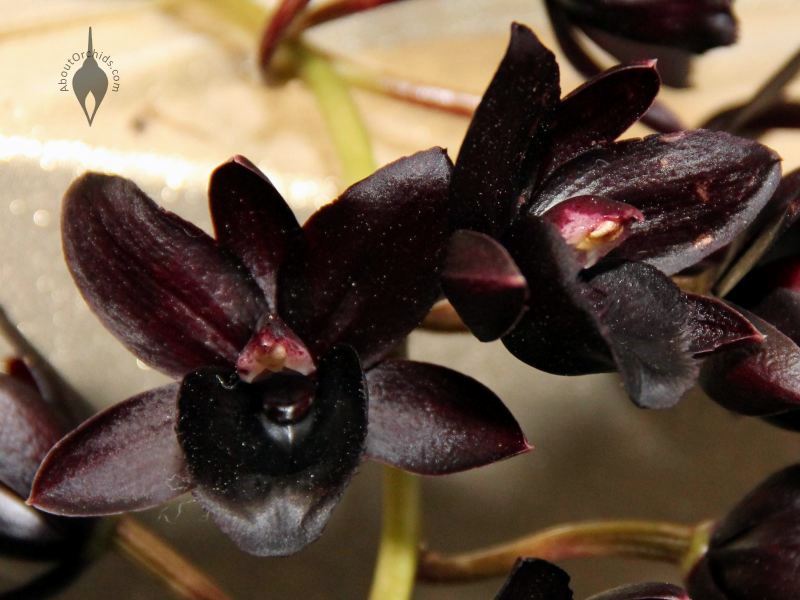
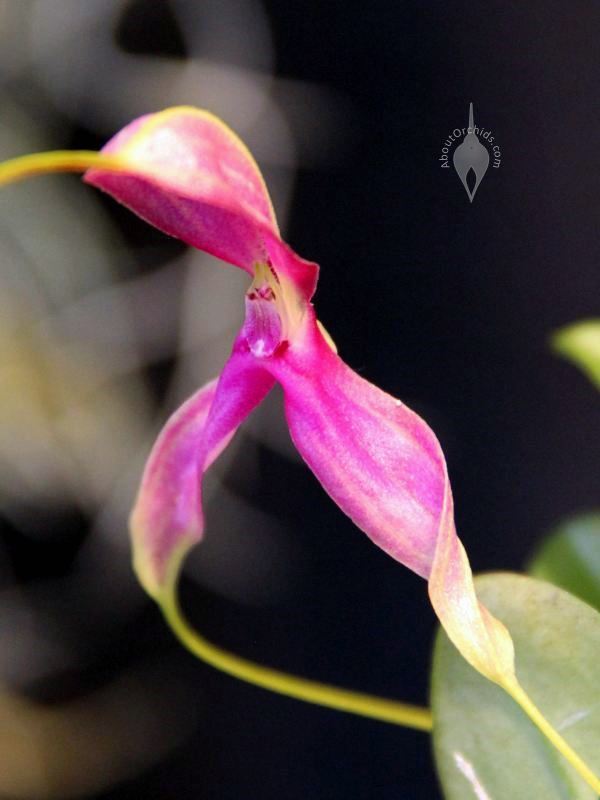
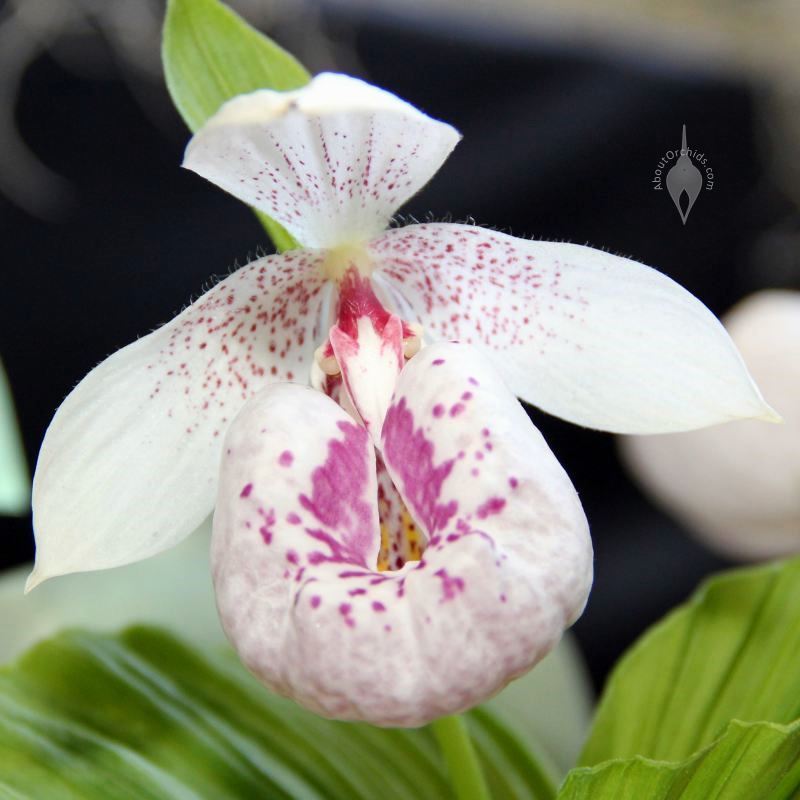
When it’s easy to find Phals, Oncidiums, and Epidendrums in any supermarket, it is possible to become jaded by orchids. Fortunately, the vast orchid family is always full of surprises, and these photos from Pacific Orchid Expo 2012 certainly prove my point. Whether it’s an eye-catching hybrid, an unusual species, or a fresh color combination, orchids always offer more.

Phalaenopsis hybrid flowersOncidium speciesEpidendrum hybrid

Anyone feeling uninspired by common supermarket orchids can always find more varieties which are uncommon, or downright weird. Flowers can look like colorful bugs, or may be almost black. Shapes and patterns defy the imagination. As always, the Pacific Orchid Expo had an abundance of great examples. If it ever seems that you’re about to become bored by orchids, look again.

Restrepia speciesFredclarkeara hybrid with flowers that are almost blackMasdevallia species

Cypripedium speciesDracula hybridMiltonia hybrid