Conservatory of Flowers

Posted April 8th, 2011 by Marc Cohen
Categories: Botanical Gardens, Growing Orchids in San Francisco, Photos

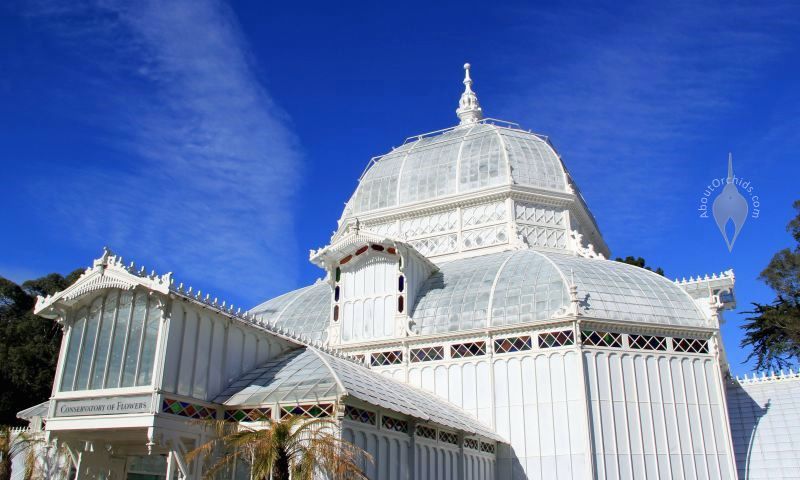
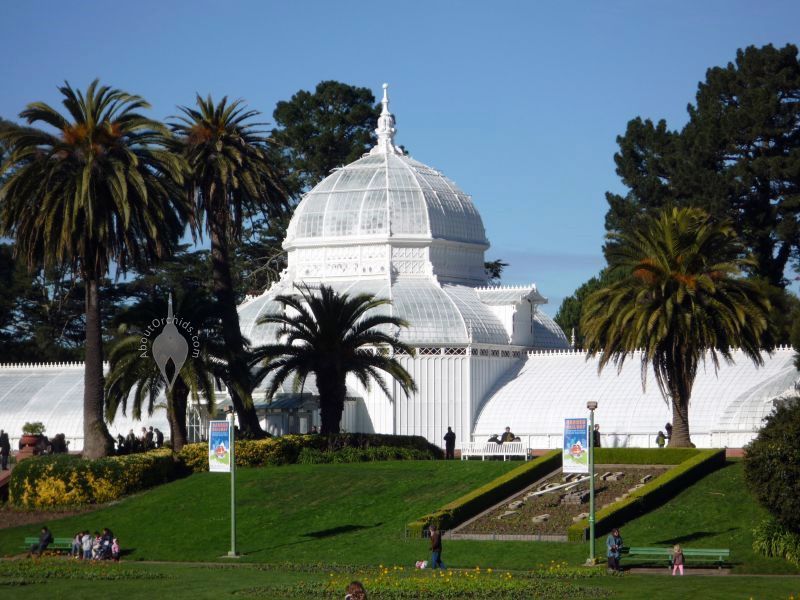
From the outside, San Francisco’s Conservatory of Flowers is a fascinating building. Completed in 1878, it’s the oldest building in Golden Gate Park, and it’s on the National Register of Historic Places. It was one of the first municipal conservatories in the USA, and has a central dome that’s almost 60 ft. (18m) high. However, I’m more interested in the inside, where details of history and architecture give way to tropical flowers. Of course, there are plenty of orchid blooms on display.

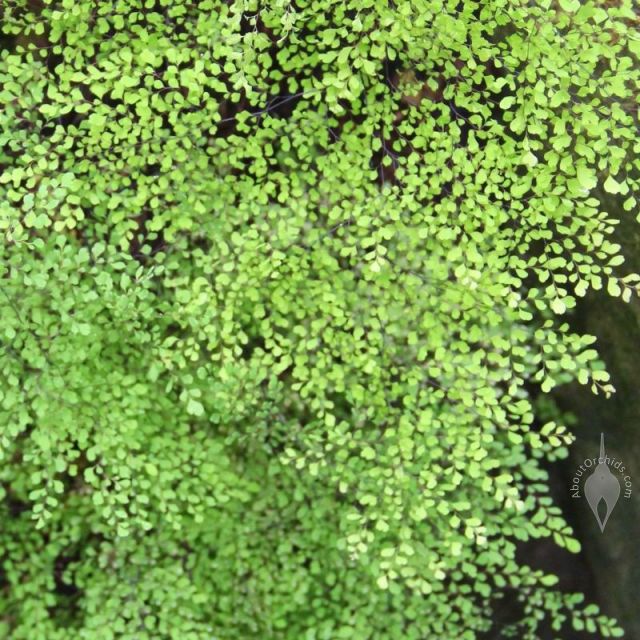
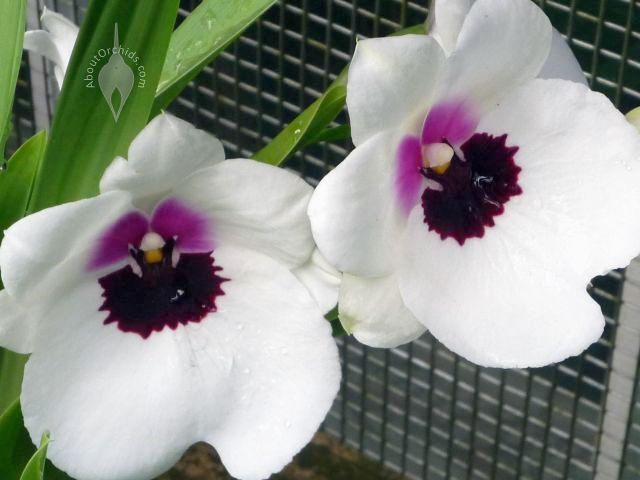
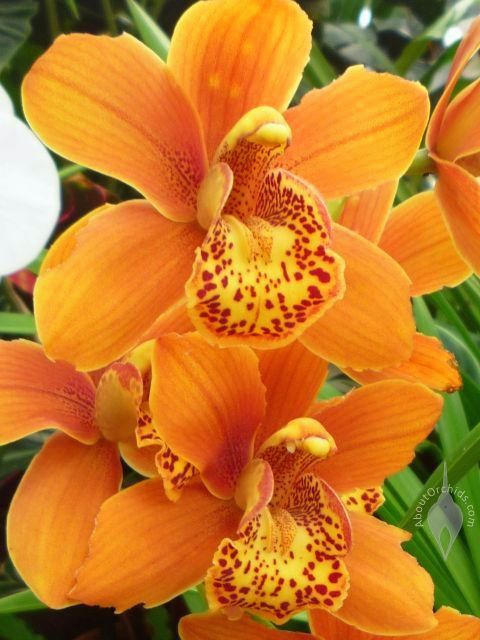
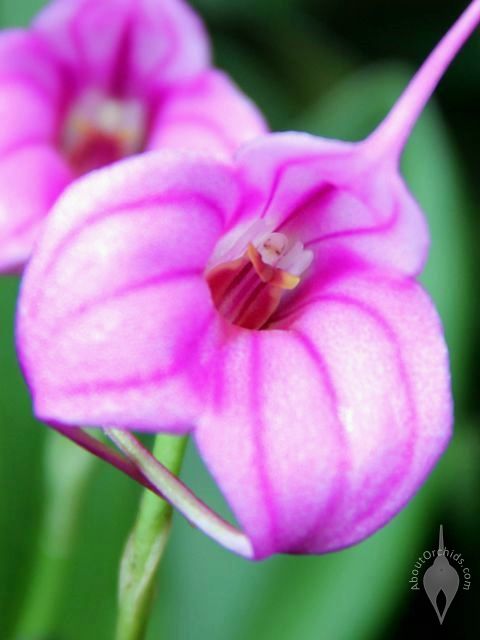
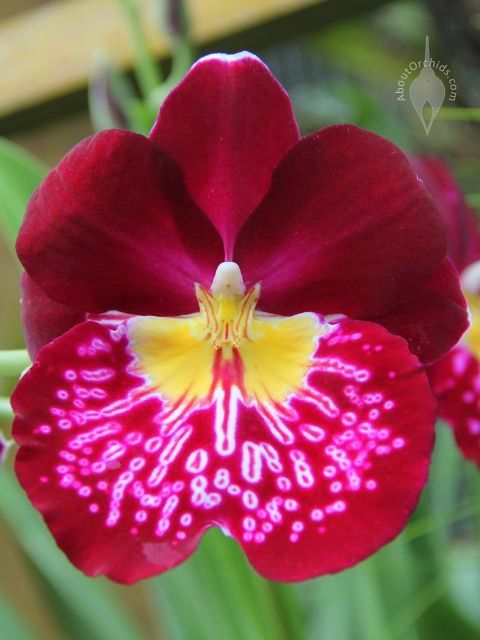
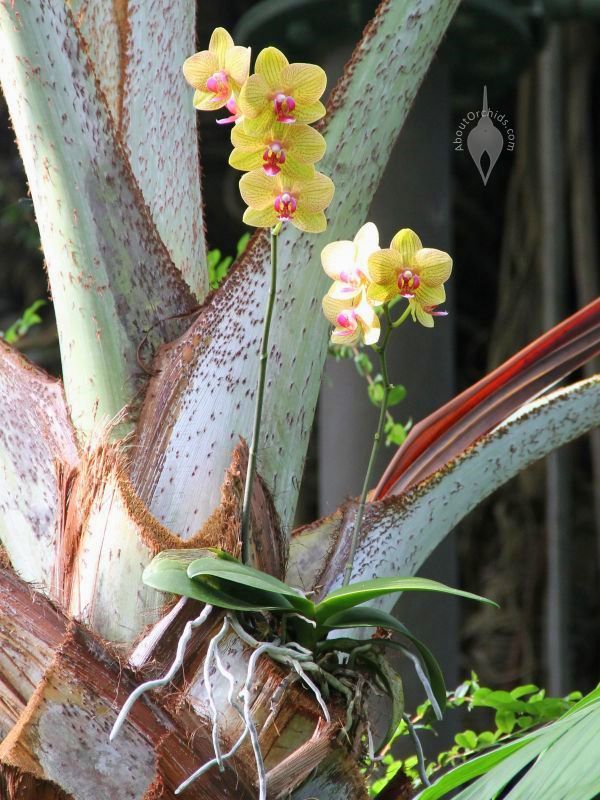
San Francisco Conservatory of Flowers in Golden Gate ParkMiltonia flowerPhalaenopsis growing in silvery-green palm tree

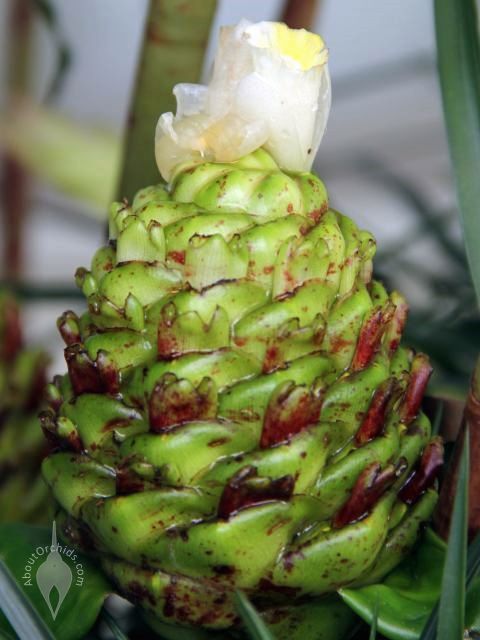
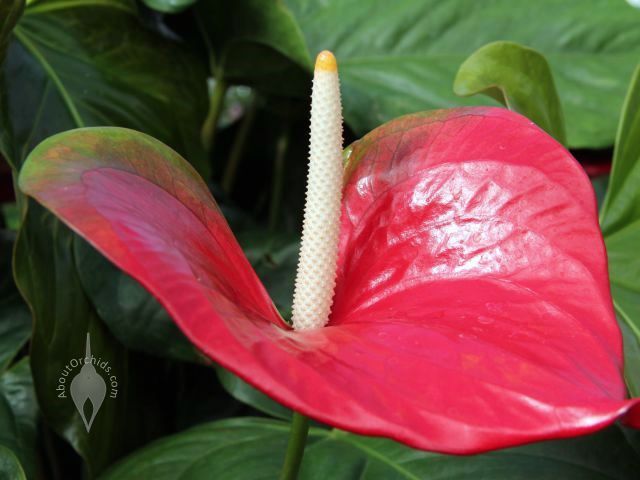
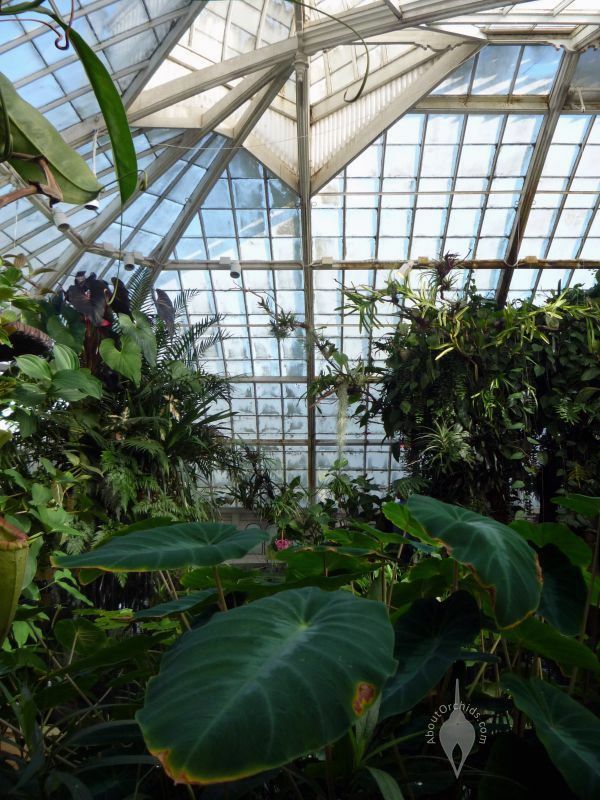
The Conservatory is an elegant Victorian glasshouse, but inside it feels like a huge terrarium. Incredible, exotic flowers fill the plant galleries. Colorful bromeliads, strange gingers, and bright anthuriums give the orchids plenty of competition.

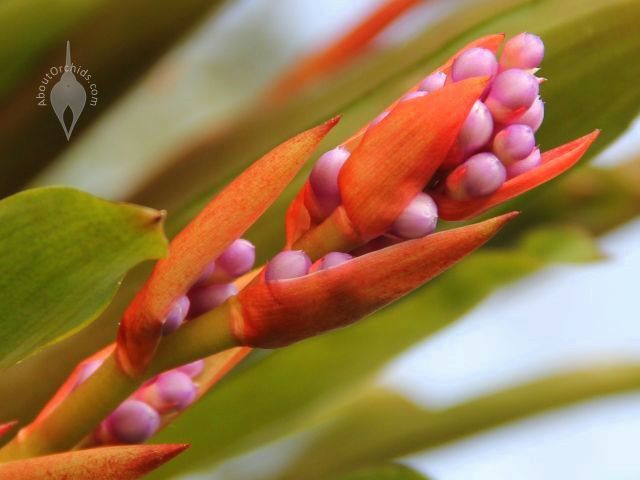
Bromeliad flowersSpiral Ginger flowerAnthurium in the Conservatory of Flowers

For years, there have been myths and debates about the Conservatory’s origins. I’d often heard that its pieces were manufactured in England, and then it was imported and put together here. It turns out that there’s no proof of this. In fact, it was built from California’s Coast Redwoods, which suggests local construction.  The Conservatory’s mysteries complement its great botanical collection. However it was built, it’s the perfect home for lots of fascinating tropical beauty.

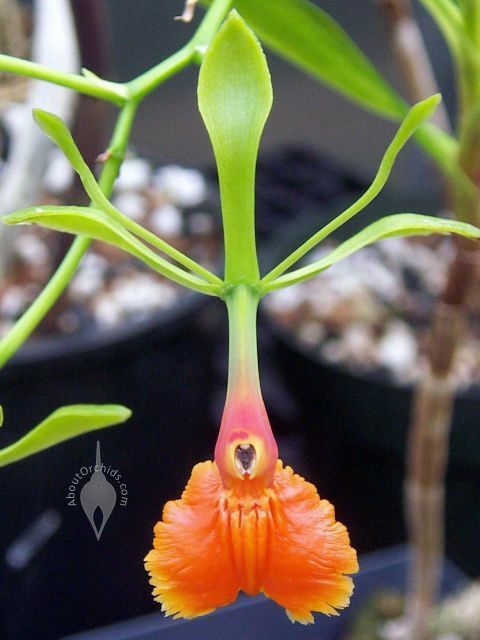
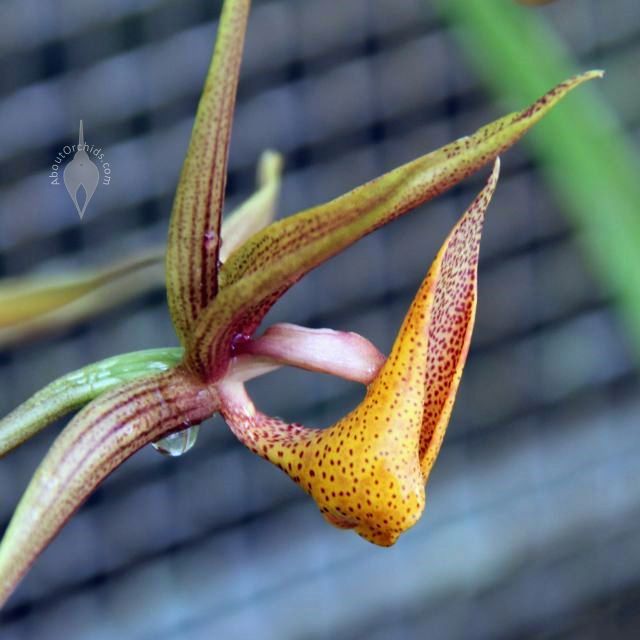
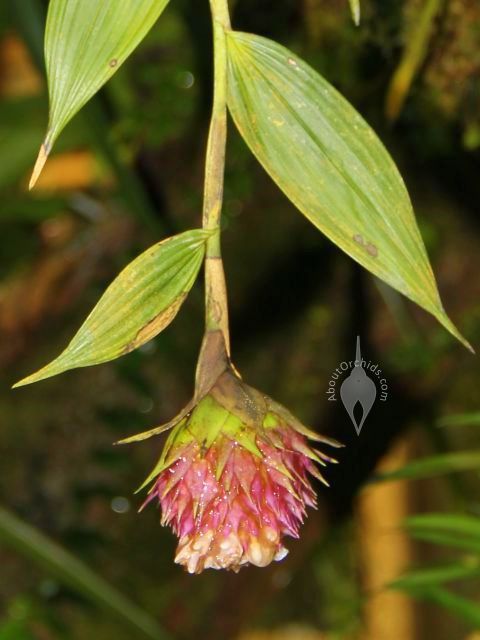
Inside the Conservatory of Flowers in Golden Gate ParkMormodes speciesElleanthus flowers hanging in the Conservatory of Flowers

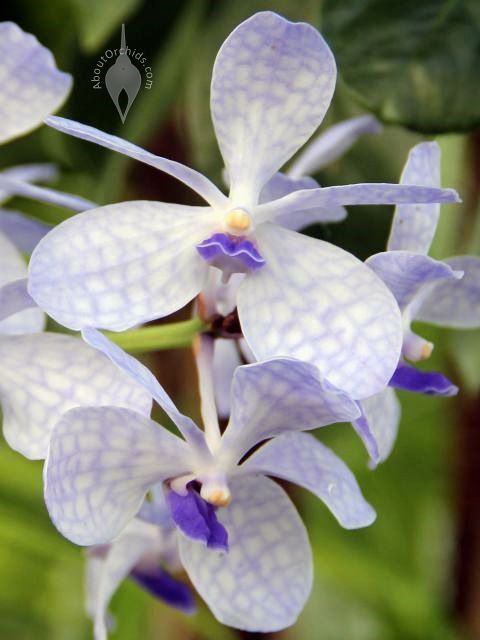
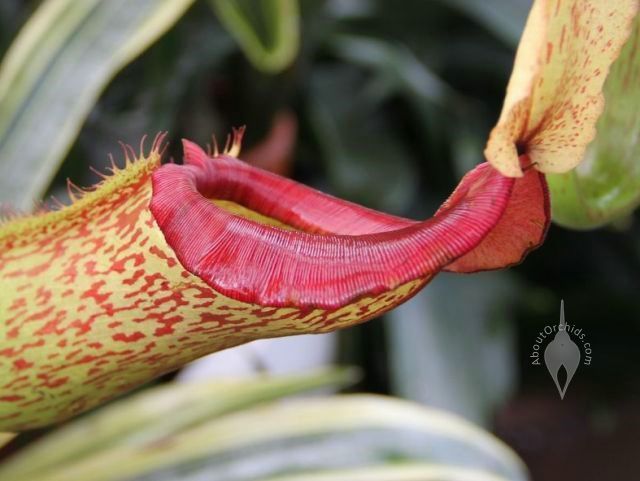
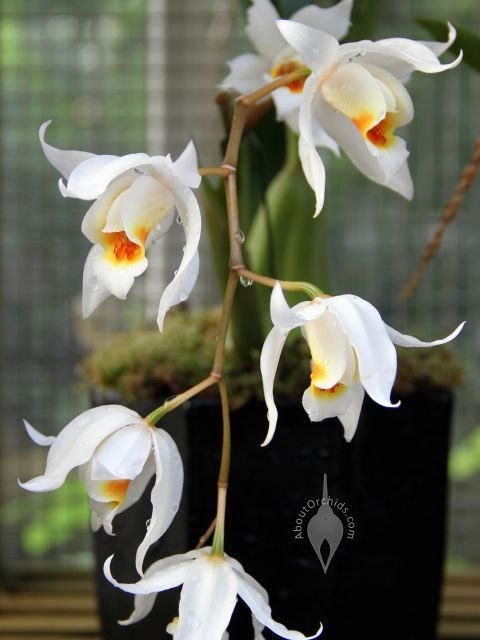
Vanda speciesCarnivorous pitcher plantCoelogyne flowers

New Hope for the Brilliant Sun Orchid

Posted April 4th, 2011 by Marc Cohen
Categories: Conservation, Cool Growers, In the News

A small Australian lab is offering new hope for the Brilliant Sun Orchid. This endangered species is one of 15 rare Aussie natives that the lab is trying to grow from seed to bolster wild populations. Thelymitra mackibbinii, a.k.a. the Brilliant Sun Orchid, has suffered from habitat destruction, competition from alien plants, and damage from introduced animals. “The total number of wild plants is less than 30 and the future for this plant was thought to be bleak,” says Dr. Noushka Reiter. The Australian government, volunteer groups, and the Australian Native Orchid Society are sponsoring her lab in the state of Victoria. “Some of the species that we’re growing here, it’s the first time that they’ve ever been germinated and grown so it’s an exciting process with lots of firsts.” The news article includes great photos of the orchids in the wild and in the lab.

April Orchid Shows

Posted April 1st, 2011 by Marc Cohen
Categories: Botanical Gardens, Events

It’s no surprise to find major orchid shows in Sydney, Houston, Montreal, and Dresden. But there are orchid lovers, too, in Slovenia, Trinidad & Tobago, and Haiti. No matter where on the globe, orchid shows are a great way to enjoy amazing flowers, meet locals growers and experts, and feed your orchid addiction.

April 1 – 2
Die Vlakte Orchid Society Show, NG Church Hall, Naboomspruit, Limpopo, South Africa
April 1 – 3
Witwatersrand Orchid Society Autumn Show, the Floreum, Emmarentia Dam, Johannesburg, South Africa
April 1 – 3
Danish Orchid Club Show, Pejsegarden, Sondergade, Braedstrup, Denmark
April 1 – 3
Baton Rouge Orchid Society Show, Holiday Inn, 9941 Airline Hwy., Baton Rouge, Louisiana
April 1 – 3
San Joaquin Orchid Society Show, Sherwood Mall, 5308 Pacific Ave., Stockton, California
April 1 – 3
6eme expositon internationale Orchidees, Observatoire du Monde des Plantes, Liege, Belgium
April 1 – 3
Orchidees & Papillons En Liberte, Espace Culturel du Parc, Drancy, France
April 1 – 3
Townsville Orchid Society Autumn Show, Townsville Orchid Society Hall, Charles St., Kirwan, Queensland, Australia
April 2
Eastern Maine Orchid Society Plant Sale, Clapp Greenhouses, Univ. of Maine, Orono, Maine
April 2
Suffolk Orchid Society Spring Show, St. Michaels Church Centre, The Drift, Martlesham nr Ipswich, Suffolk, UK

Read the rest of this post »

Let the Sunshine In

Posted March 29th, 2011 by Marc Cohen
Categories: Growing, Orchids in the Wild, Photos

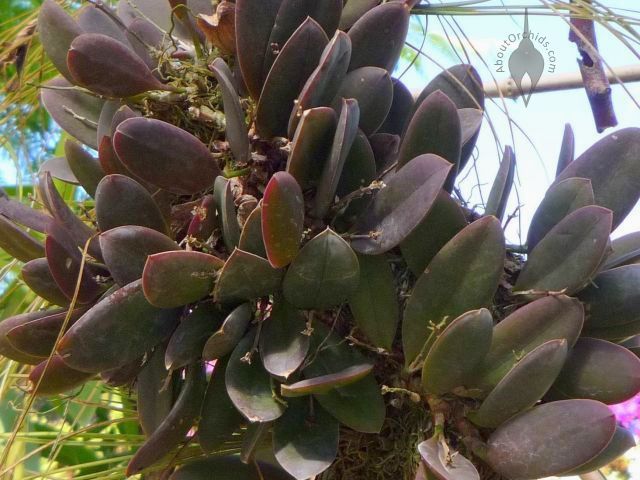
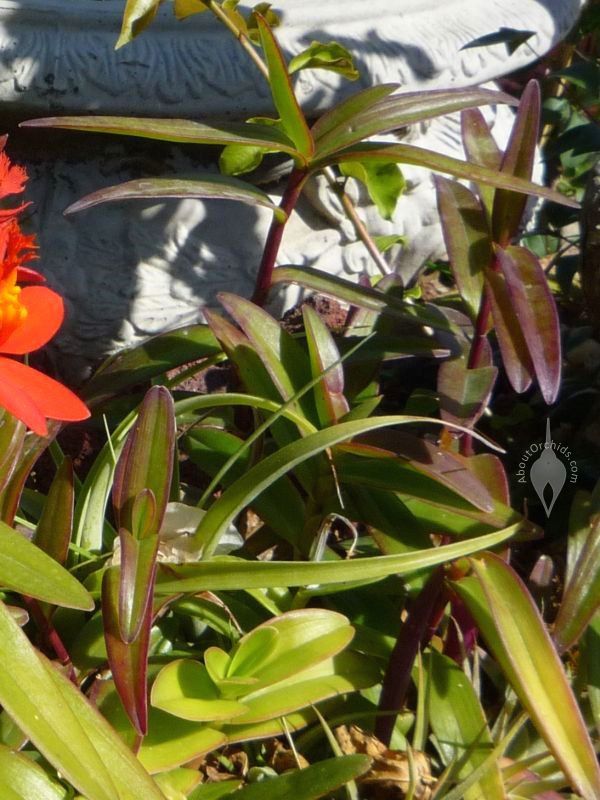
Moving orchids into shadier areas is standard spring care, but don’t put them in the dark! Seeing orchids growing wild in the tropics, I’ve been amazed how many grow in full sun. Sure, Vandas and Epidendrums love sun, but even lower light varieties, like Phals and Paphs, can handle direct sun for part of the day. Sometimes, their leaves turn red from the strong light. Depending on the variety and growing conditions, leaves may be completely purple-red, have red on the edges, or have a subtle reddish tint.

Unidentified orchid with red leaves at Vallarta Botanical GardensEpidendrums with red leaves at Vallarta Botanical GardensDendrobium hybrid with slightly reddened lights from sun exposure

While some orchid varieties will sunburn and fry in these bright conditions, a surprising number can manage if they have regular water and good humidity. Red leaves are a defense from burning, but also a guarantee that the orchid is receiving sufficient light to thrive. Contrast these high light levels with those found in many homes and offices. In dim conditions, most orchids won’t flower. If yours won’t bloom, consider letting the sunshine in. Morning sun is best, since it’s less likely to burn the leaves. Move the plant into brighter light gradually, over 2 weeks or more. Always maintain good humidity and air movement, and provide extra shade on hot days. Cattleyas, Cymbidiums, Dendrobiums, and Oncidiums are a few kinds that like some sunshine. Their leaves don’t need to turn red; a light green color usually indicates that the plant is receiving enough light.

Paph growing in full sun at Kula Gardens, MauiBrassavola species with red leaves, growing wild near Quepos, Costa RicaUnidentified orchid with red leaves in Jalisco, Mexico

Spring Orchid Chores

Posted March 24th, 2011 by Marc Cohen
Categories: Growing, Problems, Watering

Spring is on the calendar. Even if your part of the world hasn’t completely shed winter, the sun is stronger, the days are longer, and it’s time for some seasonal orchid chores:

Spring!

Posted March 20th, 2011 by Marc Cohen
Categories: Events, Photos

While San Francisco’s winter hasn’t been as bad as other parts of the country, spring is always a welcome arrival. It’s easy to celebrate with more beautiful flowers from this year’s Pacific Orchid Expo.

Lady Slipper flowerCymbidium hybridCattleya hybrid, close up of flower lip

Cymbidium hybridLycaste hybrid at the Pacific Orchid Expo 2011Laelia hybrid

Winter is the rainy season here, and we’re still in the midst of a chilly series of storms. Today, at least, the clouds have cleared, and the sun and blue sky have made an appearance for a little while. It’s enough time for me to greet the season outside in the garden, before the next dark clouds arrive. If your first day of spring is lacking in warmth, enjoy these blooms as a reminder of colors besides brown, white, and gray. Spring’s renewal is on the way.

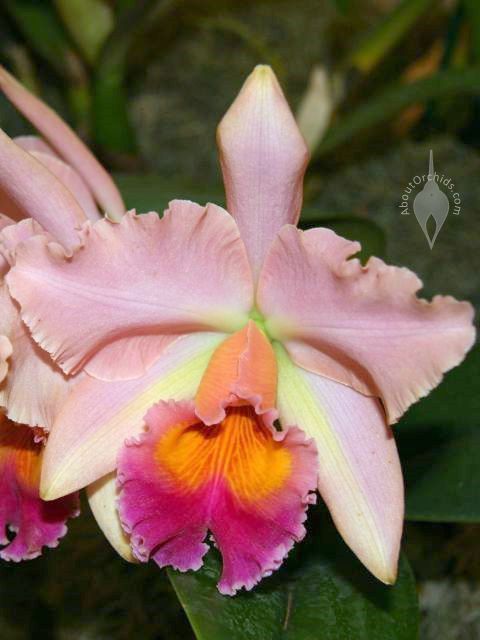
Catasetum hybrid flowers at the Pacific Orchid Expo 2011Dendrobium species flowers at the Pacific Orchid Expo 2011Cattleya hybrid

Harlequin Phalaenopsis hybridEpidendrum flowerPaphiopedilum at the Pacific Orchid Expo 2011

An Orchid Explosion

Posted March 19th, 2011 by Marc Cohen
Categories: Fragrant Orchids, In the News, Videos

The orchid family is full of strange pollination mechanisms. Catasetums have sweet scents, but it’s their incredible trick for gluing pollen to bees which has intrigued scientists from Darwin until now. When a bee touches a hair trigger, the orchid ejects glue and pollen to land on a precise spot on the bee’s back. I’ve read descriptions and seen pictures, but nothing captures it like video. Check out “An Orchid Explosion” below, courtesy of NPR’s ScienceFriday:

Unlike most orchids, Catasetums have separate male and female flowers. This video only shows the pollen process for the male flowers. We can hope for a future NPR video to show the female side of things. Also check out the podcast “The Secret Life Of Orchids,” which has a discussion about this story, the recent Roadkill Orchid story, and an interview with the same South African scientist quoted there.

The Roadkill Orchid

Posted March 16th, 2011 by Marc Cohen
Categories: Cool Growers, Fragrant Orchids, In the News, Mini Orchids

You can catch more flies with honey than with vinegar, but rotting meat works even better. A strange little South African orchid has figured this out, and attracts pollinating flies with a deathly odor. Satyrium pumilum grows as a terrestrial in wet, sandy soil. During the day, its flowers emit a weak scent of decaying flesh. Scientists have been comparing flies on the orchids with flies on nearby roadkill. They’ve found that the orchids lure a single fly species, and use different scents to steer the flies into position for pollen contact. “We know it’s common for orchids to deceive insects into pollinating them. We also know that some plant species can mimic carrion to attract flies. What we didn’t know was how successful this was,” said Timotheus van der Niet of the University of KwaZulu-Natal. The article includes a great photo of yellow orchid pollen stuck to the back of a fly. Obviously, this orchid stinks.

Pacific Orchid Expo 2011

Posted March 13th, 2011 by Marc Cohen
Categories: Events, Growing Orchids in San Francisco, Photos

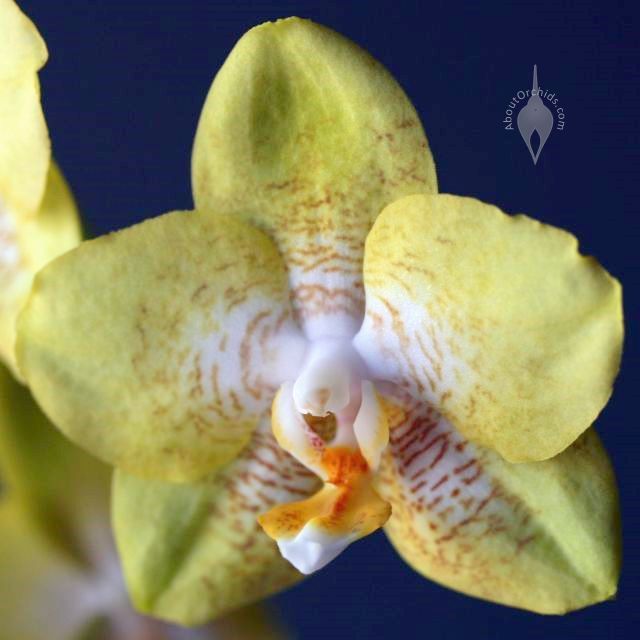
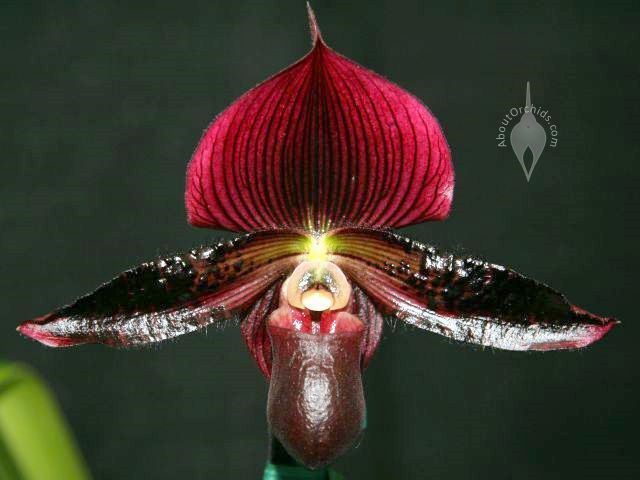
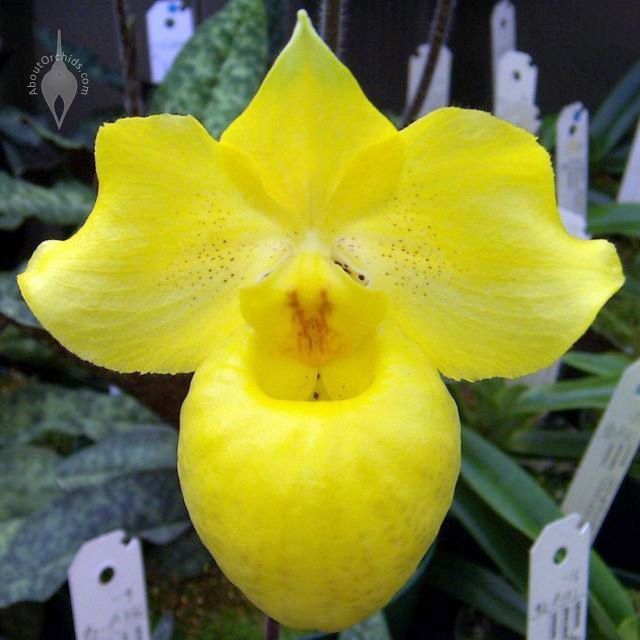
Orchid overload is a common side effect of the Pacific Orchid Expo. Surrounded by so many floral gems, it can be tough to figure out where to point the camera. Sure, there are standouts like this incredible lady slipper, but with 150,000 orchids to choose from, a bit of vertigo sets in. Fortunately, Dave is a level-headed guy, so you can enjoy photos of a harlequin Phal, a sunny Miltonia, and an award-winning black Dracula.

Harlequin Phal hybridMiltonia hybrid at the 2011 Pacific Orchid ExpoDracula flower - Best Plant in Show at Pacific Orchid Expo 2011

I look one way, and there’s a colorful Epidendrum hybrid. In another direction, there’s a related species with a striking flower lip. One more turn leaves me gasping at the impossible shape of a Bulbophyllum bloom.

Epidendrum hybrid flowersEpidendrum species at Pacific Orchid Expo 2011Bizarre Bulbophyllum flower

No sooner do I regain my senses than I’m struck by some unusual Masdevallias. Whether human-made hybrid or naturally-occurring species, each offers a distinct beauty and charm.

Masdevallia hybrid at the Pacific Orchid Expo 2011Masdevallia species flowerMasdevallia species flower at the Pacific Orchid Expo 2011

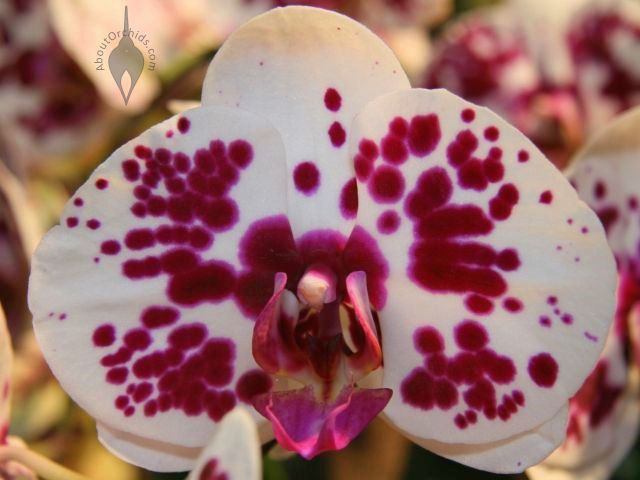
Dendrobiums offer even more variety, making it difficult to see the similarities between related plants. In the next 2 photos, they share some colors, but their shapes seem irreconcilable. Lastly, the dizzying pattern on a Phal hybrid falls into focus for the camera lens. It’s enough to make my head spin.

Dendrobium hybrid flowerDendrobium species flowerPhal hybrid close up at the Pacific Orchid Expo 2011

Phragmipedium kovachii, aka PK

Posted March 8th, 2011 by Marc Cohen
Categories: Events, Intermediate Growers, Photos

Can you believe that scientists didn’t discover this large purple flower until the 21st century? Phragmipedium kovachii, conveniently abbreviated as PK, hid in the Peruvian Amazon until 2001. After their discovery, it took several years for plants to legally enter cultivation, and now they’re starting to appear at orchid shows. Dave and I found this gorgeous lady slipper making its debut at last weekend’s Pacific Orchid Expo. This remarkable flower was almost 6 inches (15 cm) wide; some PK blooms can be as large as 9 inches (23 cm.)

Phrag kovachii flowerPhragmipedium kovachii flower at the Pacific Orchid ExpoClose up of Phragmipedium kovachii lip

Orchid pros consider PK the most exciting discovery of the past hundred years. The brilliant, oversize blossoms on these Paph relatives can make any flower lover swoon. However, the species requires precise watering and potting conditions, and it’s difficult to grow. Fortunately, hybrids are easier to grow, and some crosses are already entering the market. They’ll bring traits of this magnificent flower into more common cultivation. Hybrids will also lower prices. At the show, some of these seedlings cost $150 each. In coming years, hardier and more affordable varieties will reveal some of PK’s mysteries from deep in the Amazon.

Water drops on Phragmipedium kovachii flowerClose up of flower pouch on Phragmipedium kovachiiFlower bud on a Phragmipedium kovachii