A Very Tropical Solstice

Posted December 21st, 2015 by Marc Cohen
Categories: General Gardening, Photos

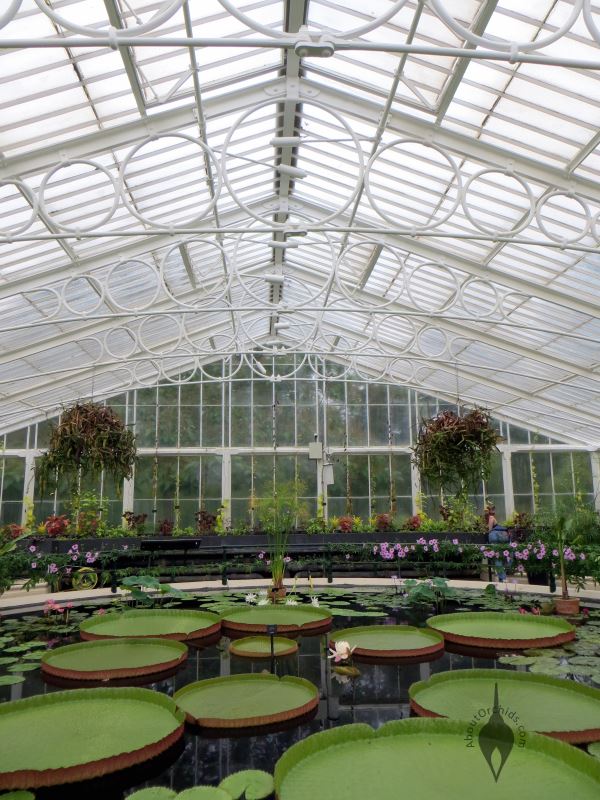
With the severe drought in California, I can’t complain about today’s chilly solstice rain in the SF Bay Area. However, I can find warm, tropical inspiration in these photos from our summer trip to London. No orchids this time — instead these feature the Waterlily House at Kew Gardens.
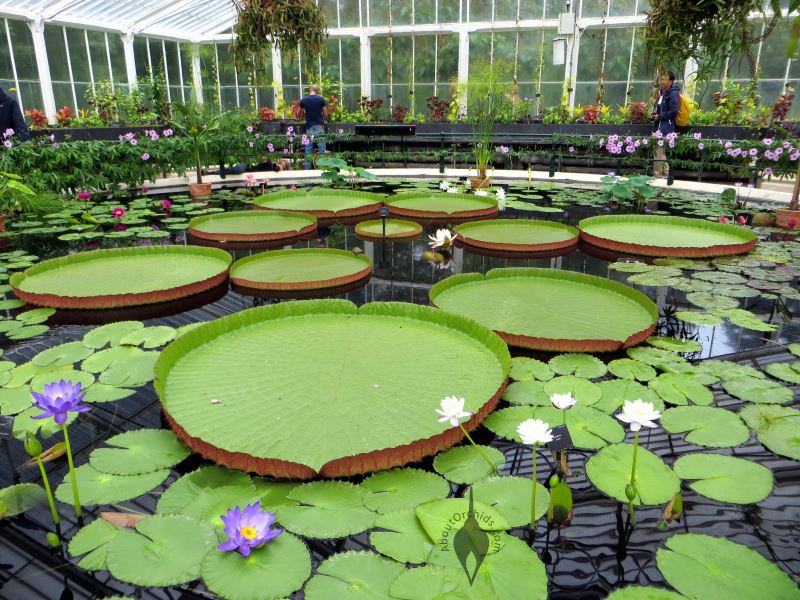
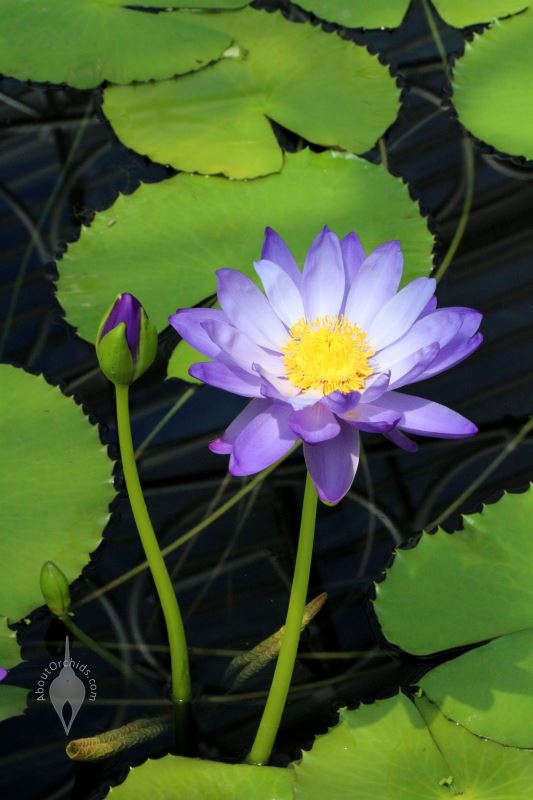
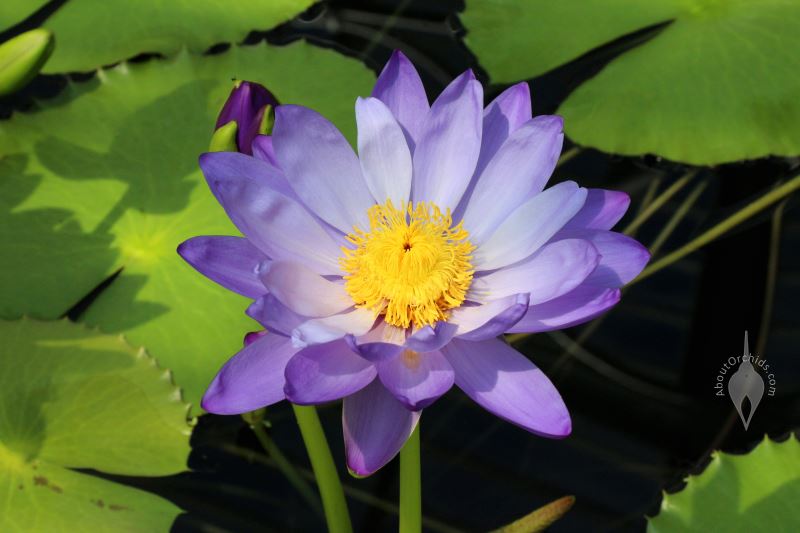
Waterlily House, Kew Gardens, London, UKNymphaea 'Kew's Stowaway Blues', Waterlily House, Kew Gardens, London, UKWaterlily House, Kew Gardens, London, UK

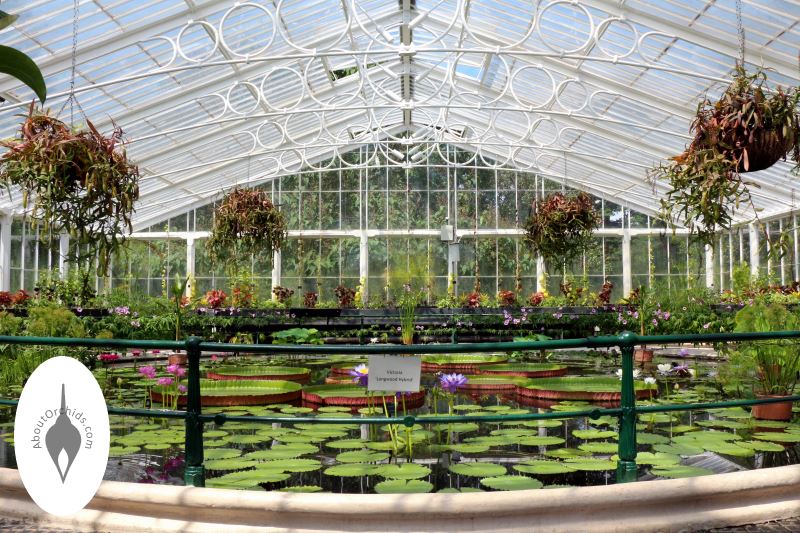
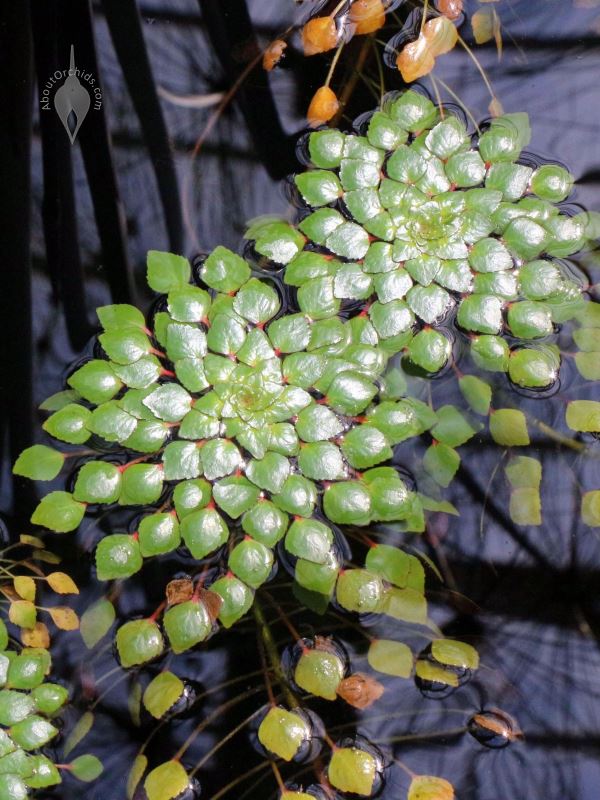
It’s tough to take a bad picture in the Waterlily House. This small, enchanting glasshouse feels warm and humid inside. It’s just a few steps from the much larger Palm House, and a short walk from the Princess of Wales Conservatory, where most of Kew’s orchids can be found. The Waterlily House centers around a large, shallow pool, full of lily pads and flowers. Algae-eating fish and a harmless black dye in the water stop algae problems. The black dye also creates beautiful glasshouse reflections on the water’s surface.

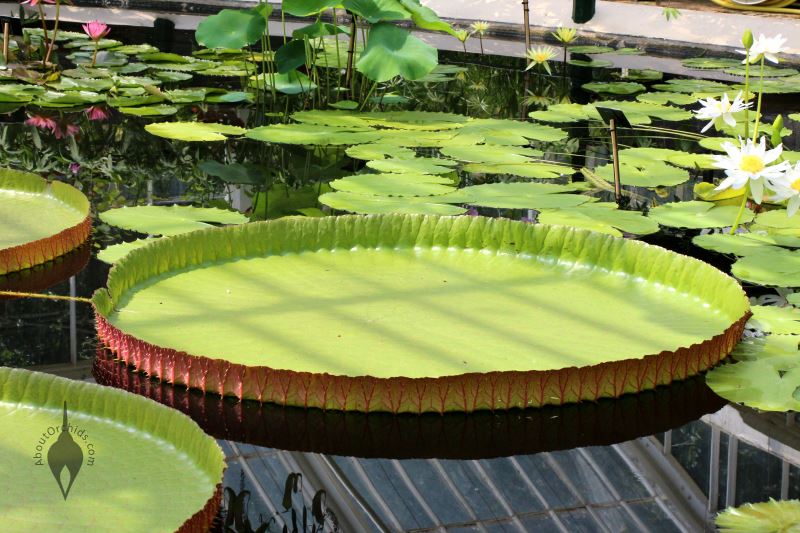
Nymphaea carpentariae 'Andre Leu', Waterlily House, Kew Gardens, London, UKWaterlily House, Kew Gardens, London, UKNymphaea 'Kew's Stowaway Blues', Waterlily House, Kew Gardens, London, UK

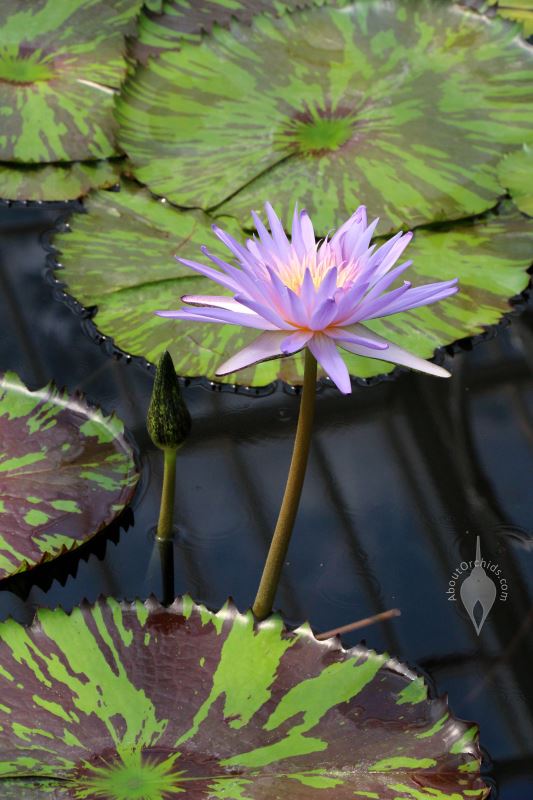
Water lily with variegated leaves, Waterlily House, Kew Gardens, London, UKWaterlily House, Kew Gardens, London, UKLudwigia sedoides, Mosaic Plant, Waterlily House, Kew Gardens, London, UK

These brilliantly-hued flowers and fascinating aquatic plants are the epitome of tropical. There are also blooming plants around the perimeter of the pool, and enormous carnivorous pitcher plants hanging above. I’m sure that most of the flying insects which sneak through the doors on a warm summer day don’t get back out. Enjoy this tropical water lily paradise. I can still remember its warmth and sunshine.
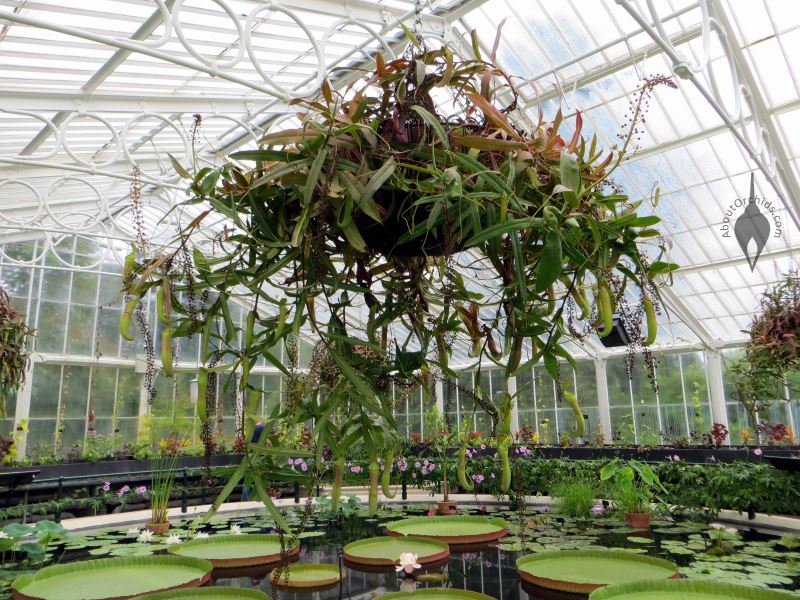
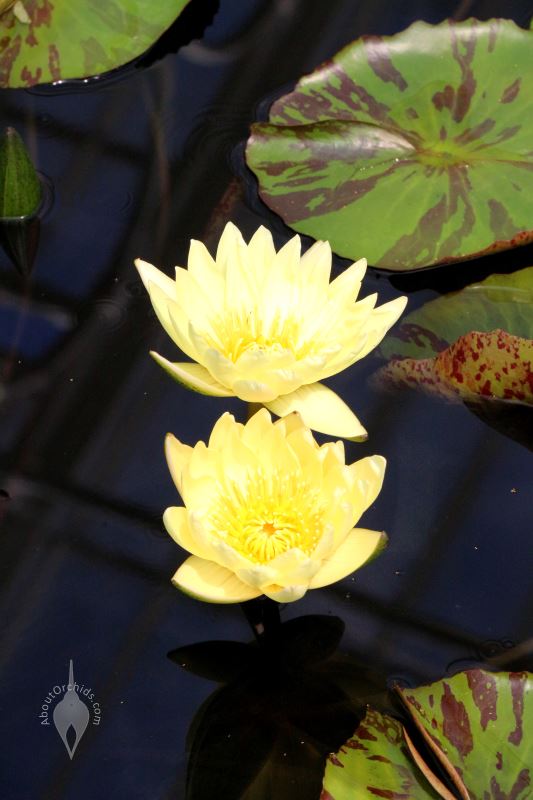
Large nepenthes carnivourous pitcher plant hanging above water lilies, Waterlily House, Kew Gardens, London, UKNymphaea 'Carla's Sonshine', Waterlily House, Kew Gardens, London, UKWaterlily House, Kew Gardens, London, UK

Key to Native Orchids of New Zealand

Posted December 17th, 2015 by Marc Cohen
Categories: In the News, Orchids in the Wild, QuickPost

Kiwi orchid lovers have a great new app to help them identify native New Zealand species. With over 1500 images, users can identify over 120 varieties. The app is available for both Android and Apple devices.

An Orchid Paradise in India

Posted December 13th, 2015 by Marc Cohen
Categories: In the News, QuickPost

In the Indian state of Odisha, a new orchid project is starting. India is jumping into the commercial orchid market. Those are Den Phals in the article’s photos.

Blue Moth Orchids

Posted December 11th, 2015 by Marc Cohen
Categories: Misc, Photos, Warm Growers

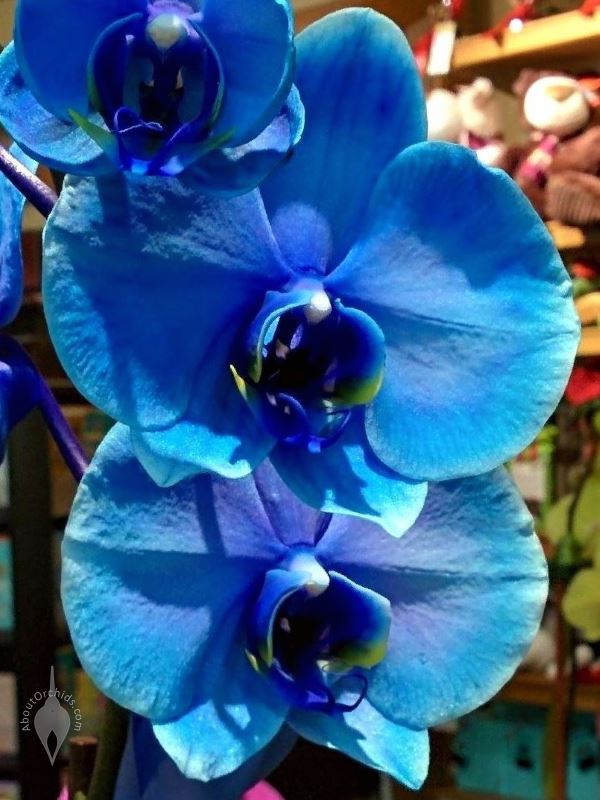
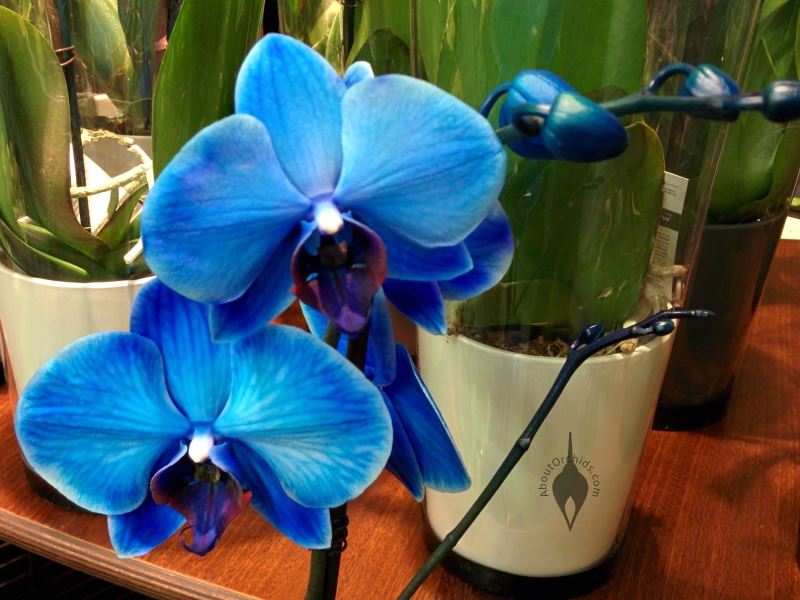
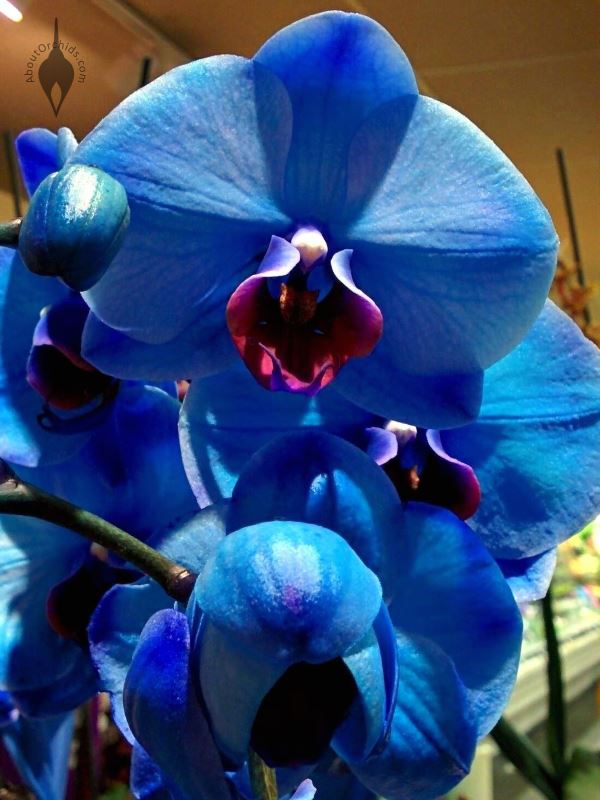
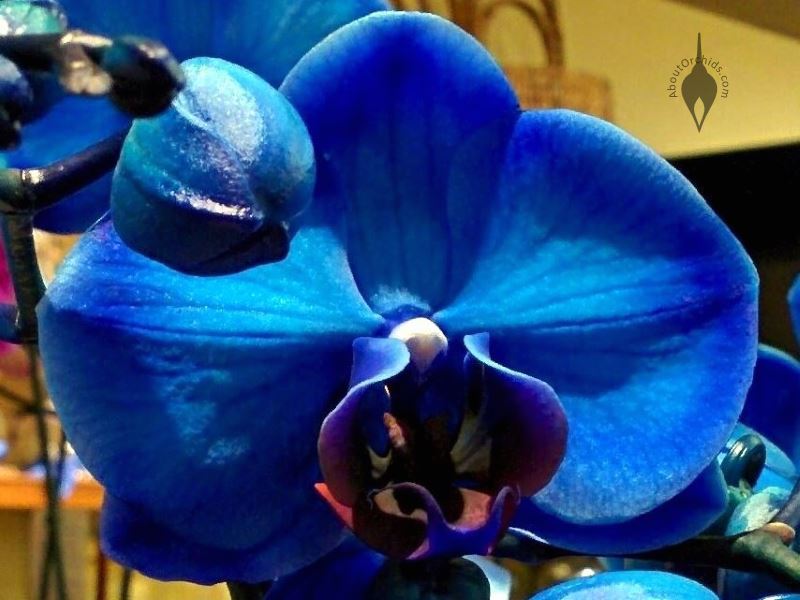
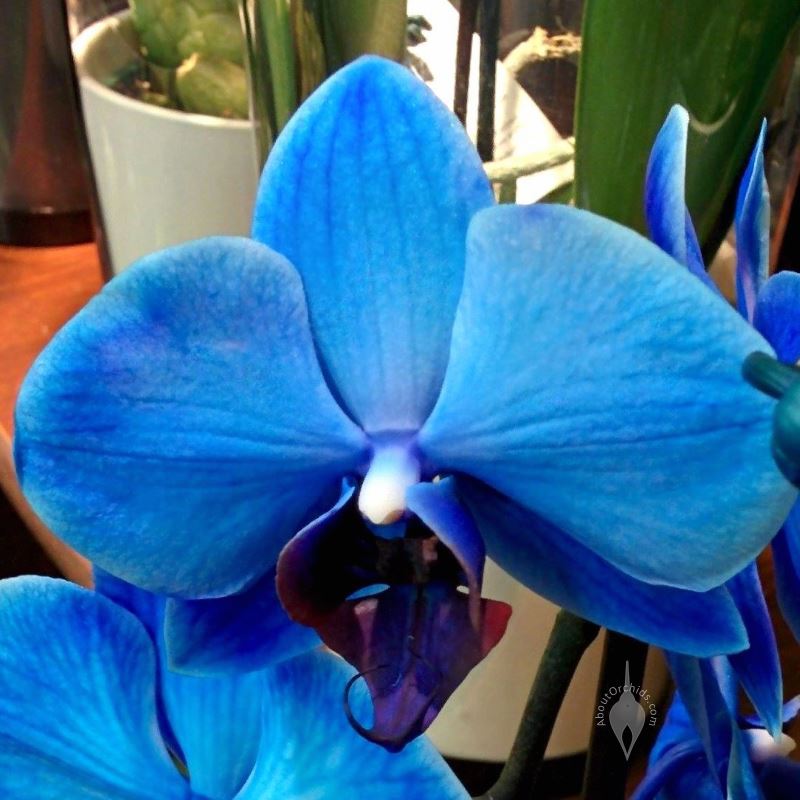
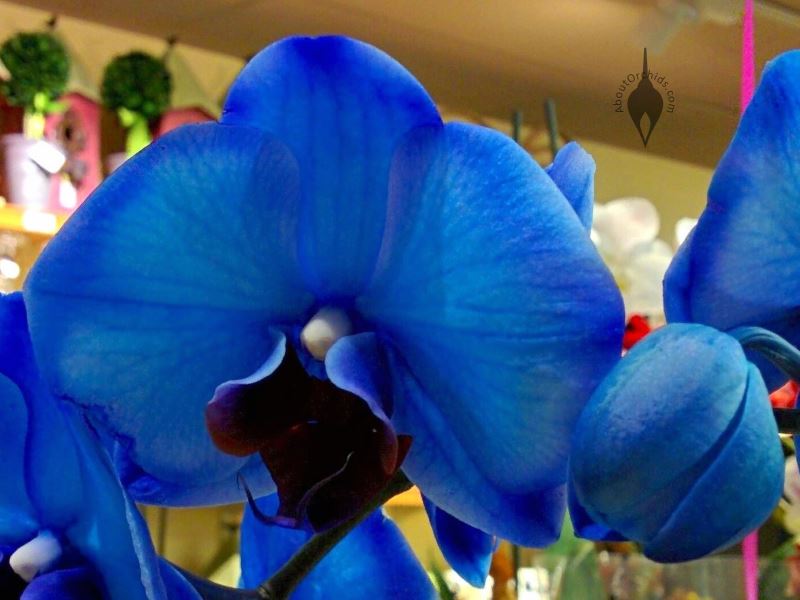
Are these blue Moth Orchids too good to be true? Well, yes, they are. There are no true blue Moth Orchids. Instead, these plants have white flowers which have been injected with dye. That info is contained somewhere on the label, but many people don’t spot it, and don’t realize that these aren’t what they seem. Some customers have felt cheated when the color fades on subsequent blooms, and eventually dims to white.

Moth Orchid hybrids, Phalaenopsis flowers dyed blue, on sale in a supermarketMoth Orchid hybrids, Phalaenopsis flowers dyed blue, on sale in a supermarketMoth Orchid hybrids, Phalaenopsis flowers dyed blue, on sale in a supermarket

Dyed flowers are nothing new. Florists have long sold dyed cut flowers (I’ve even seen green roses and mums for St. Patrick’s Day!) The technology to inject dye into living orchid plants, however, has only been around for a few years. Other colors are used, too, but blue seems to be the most popular.

Moth Orchid hybrids, Phalaenopsis flowers dyed blue, on sale in a supermarketMoth Orchid hybrid, Phalaenopsis flower dyed blue, on sale in a supermarketMoth Orchid hybrid, Phalaenopsis flower and bud dyed blue, on sale in a supermarket

Many orchid lovers despise these artificial color flowers. Certainly, the criticism that this is “gilding the lily” seems fitting. Personally, I prefer more natural beauty, and less chemical tricks. But, to each their own. Meanwhile, orchid hybridizers and geneticists are racing to make true blue Moth Orchids. For now, these dye jobs are the only way to own one.

Easy Cool Growing Orchid Species

Posted December 6th, 2015 by Marc Cohen
Categories: Cool Growers, Growing, Growing Orchids in San Francisco, Photos

Following up on my earlier post about easy orchid species, here’s my list of easy cool growers. Unlike most orchid species, those listed below are as easy to grow as hybrids. Once again, this is not any sort of complete list, just a few that I know best. I’ve grown all of these varieties outdoors in the San Francisco Bay Area (although not all the plants in these photos are mine. A few are photos we took at orchid shows and botanical gardens.)

  • Bletilla striata – Often sold in bulb catalogs alongside tulips and daffodils, the Chinese Ground Orchid (first photo below) usually has purple flowers. The pink bloom in the photo below is one of many pastel color forms.
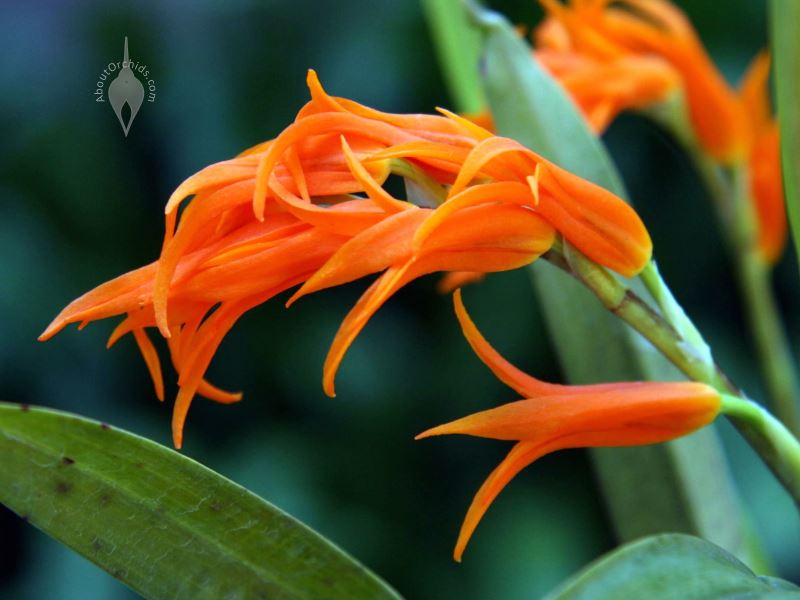
  • Brassia aurantiaca – Also known as Ada aurantiaca (second photo below,) this bright orange species from the Andes blooms reliably every winter.
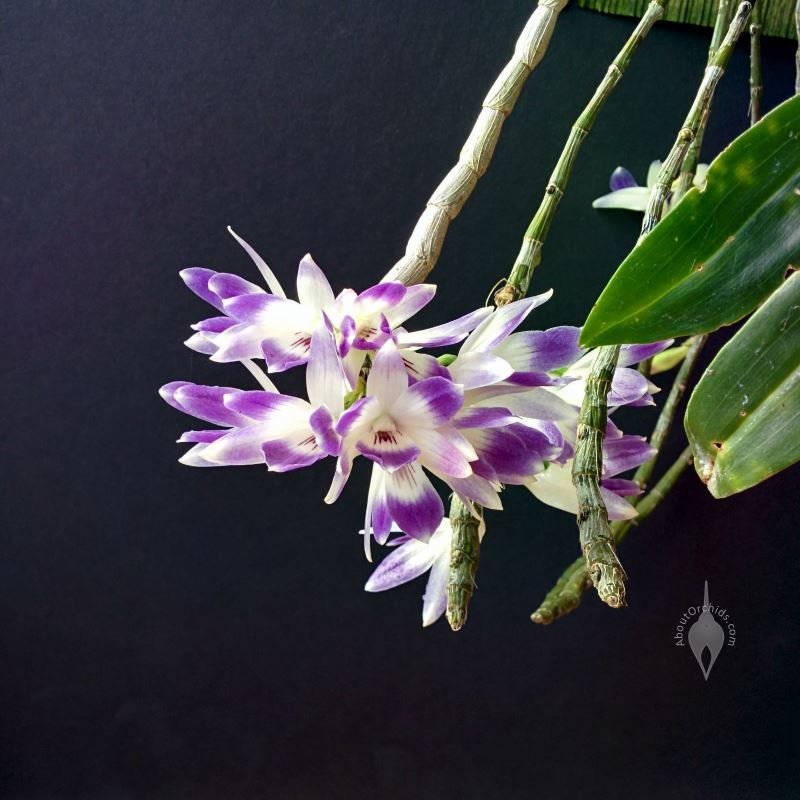
  • Dendrobium kingianum – This tough Australian native (third photo below) flowers with a honey fragrance, as long as it has sun and a dry winter dormancy.

Bletilla striata, orchid species, Chinese Ground Orchid, grown outdoors in San Francisco, CaliforniaBrassia aurantiaca, aka Ada aurantiaca, orchid species, orange flowers, grown outdoors in San Francisco, CaliforniaDendrobium kingianum, orchid species with fragrant flowers, Orchid Society of California Show 2010, Oakland, California

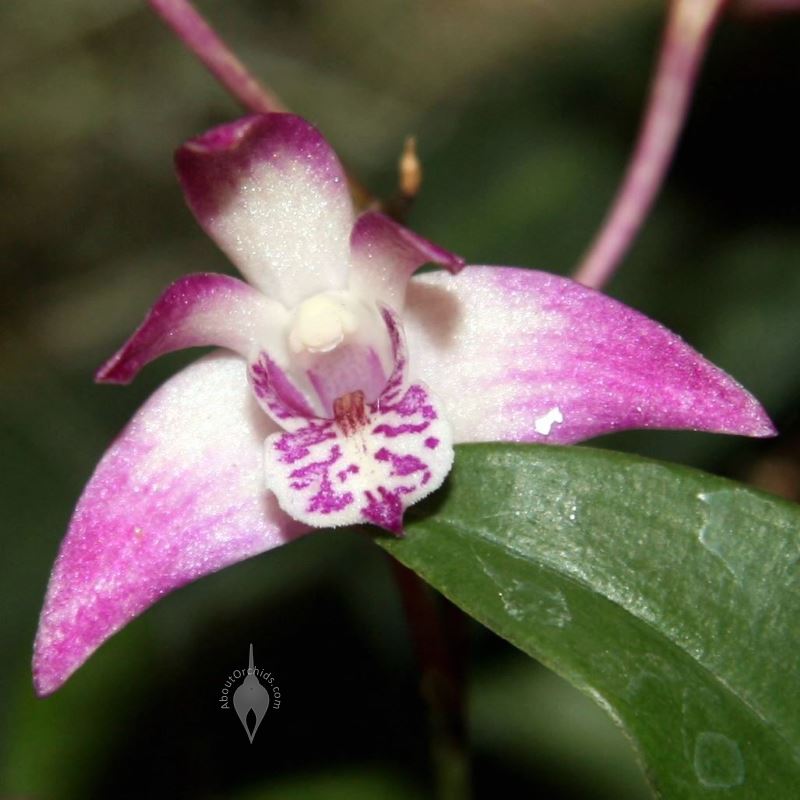
  • Dendrobium victoriae-reginae – This species (first photo below) is native to mountain jungles in the Philippines. Some varieties have a more blue hue.
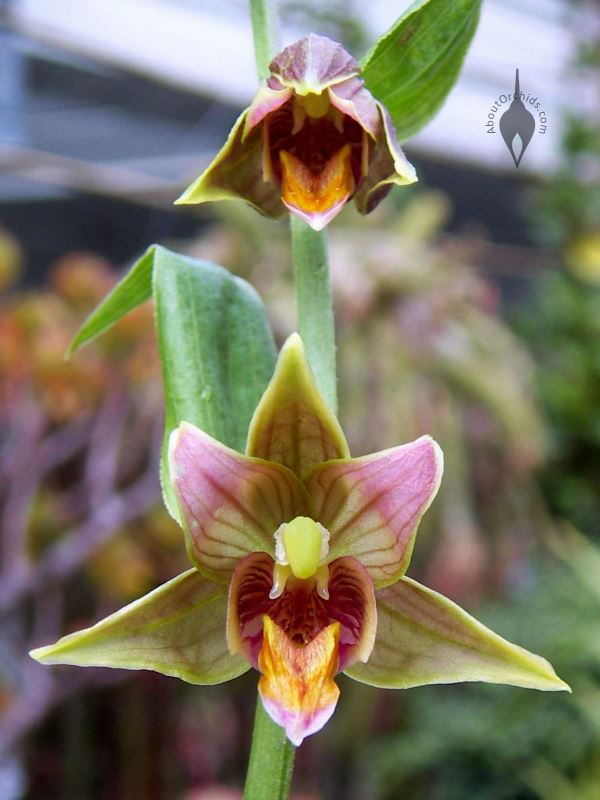
  • Epipactis gigantea – The Stream Orchid (second photo below) has the distinction of being an easy-to-grow orchid species which is native to western North America, from Canada south through the USA to Mexico.
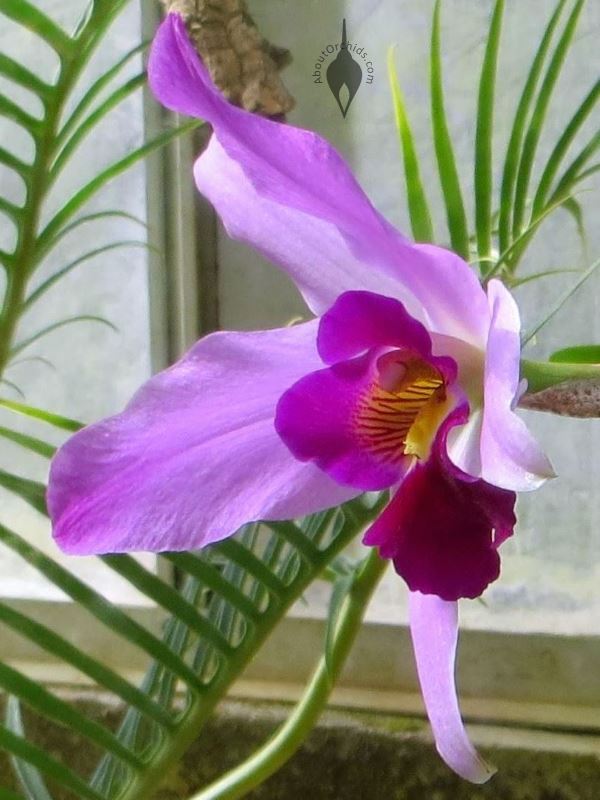
  • Laelia anceps – This sturdy Mexican native (third photo below) can handle hot temps as well as cool ones. Happy plants can bloom repeatedly during the year.

Dendrobium victoriae-reginae, orchid species, grown outdoors in Pacifica, CaliforniaEpipactis gigantea, orchid species native to western North America, Stream Orchid, grown outdoors in San Francisco, CaliforniaLaelia anceps, orchid species, UC Botanical Garden at Berkeley, California

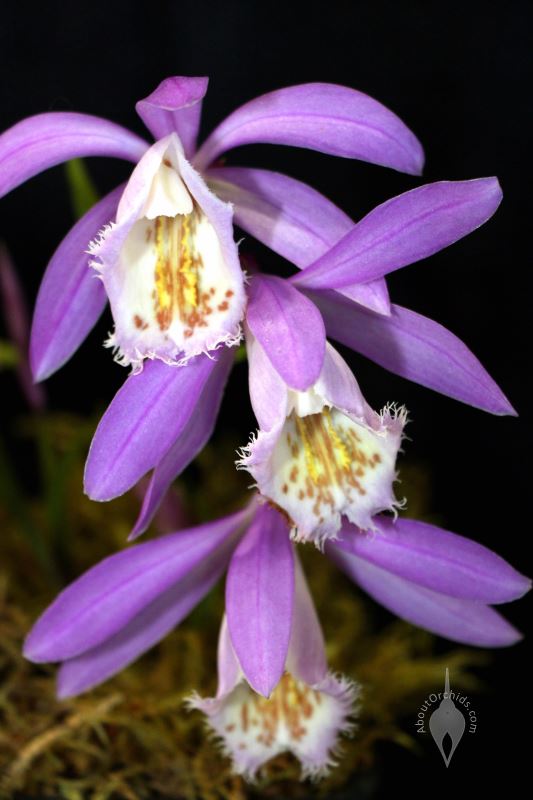
  • Pleione formosana – Commonly called the Windowsill Orchid, this Chinese species (first photo below) needs a winter dormancy before it flowers. It can grow in rock gardens, alpine gardens, and seaside gardens.
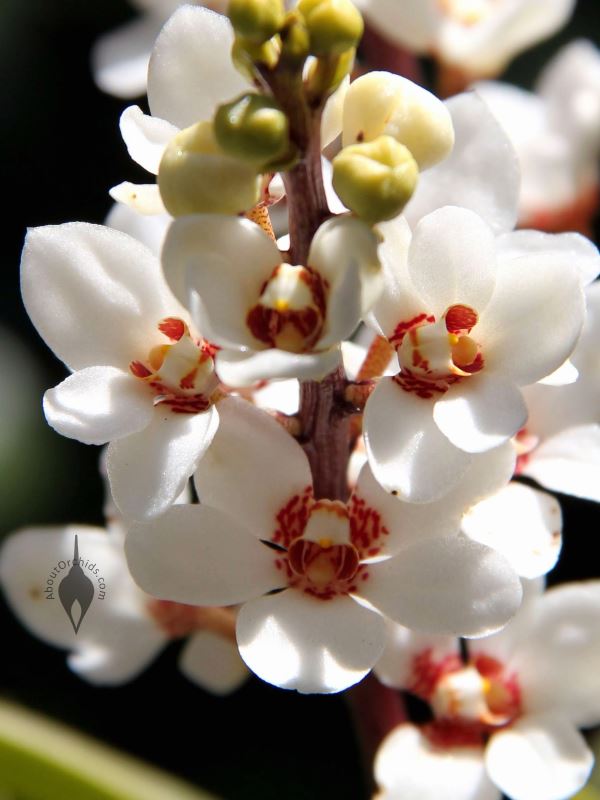
  • Sarcochilus hartmannii – This tough Australian species (second photo below) is a reliable bloomer. Each flower spike can boast dozens of sparkly white blossoms.
  • Scaphosepalum verrucosum – This mini (third photo below) is one of the easiest Pleurothallids to grow. These small, yellow flowers can continue to open for months on end.

Pleione formosana, orchid species, Pacific Orchid Expo 2013, San Francisco, CaliforniaSarcochilus hartmannii, orchid species, grown outdoors in San Francisco, CaliforniaScaphosepalum verrucosum, miniature orchid species, Princess of Wales Conservatory, Kew Gardens, London, UK

December Orchid Shows

Posted December 1st, 2015 by Marc Cohen
Categories: Events

Even during a slow month for orchid shows, the events still span the globe. Many orchid societies also have holiday sales and auctions, so check with your local group for more orchid happenings.

December 3 – 6
Exposición Internacional de Orquídeas, Convento Santo Domingo de Guzman, Cobán, Alta Verapaz, Guatemala
December 4 – 6
Orchid and Exotic Plant Fair, Stephward Estate, 17 Peter Rd., Uvongo, KwaZulu Natal, South Africa
December 4 – 6
Iwitahi Weekend, Sika Lodge, Iwitahi Native Orchid Reserve, Clements Mill Rd., Waikato, New Zealand
December 4 – 6
Exposição Nacional de Orquídeas de Londrina, Salão da Sociedade São Vicente de Paulo, Av. Madre Leonia Milito, 499 – Centro, Londrina, Paraná, Brazil
December 4 – 6
Exposição Nacional de Orquídeas de Itu, Espaço Fabrica São Luiz, Rua Paula Souza, 492 – Centro, Itu, São Paulo, Brazil
December 4 – 6
Exposição Nacional de Orquídeas de Ribeirão Preto, Ipanema Clube, Rua Fernão Sales, 46, Campos Elísios, Ribeirão Preto, São Paulo, Brazil
December 5
Acadian Orchid Society Annual Short Course, Hotel Acadiana, 1801 Pinhook Rd, Lafayette, Louisiana
December 5 – 6
Orchid, Garden & Gourmet Food Festival, Bonnet House, 900 N. Birch Rd., Fort Lauderdale, Florida
December 5 – 6
Exposición Internacional de Orquídeas ExpOrquídea, Rosaleda Ramón Ortiz, Parque del Oeste, Calle Rosaleda, 2, Madrid, Spain
December 5 – 7
Exposició d’Orquídies Exòtiques de Barcelona, Palau Robert, Sala Coixeres, Passeig De Gracia 107, Barcelona, Spain

Read the rest of this post »

Possible Orchid Extinctions

Posted November 28th, 2015 by Marc Cohen
Categories: Conservation, In the News, QuickPost

Sad news from Scientific American and the IUCN Red List of Threatened Species: their update of 25 possibly extinct species includes a dozen orchids from Madagascar. Many of these species have not been seen for decades, and their native habitats have been destroyed.

Bromeliad in Bloom

Posted November 25th, 2015 by Marc Cohen
Categories: General Gardening, Photos

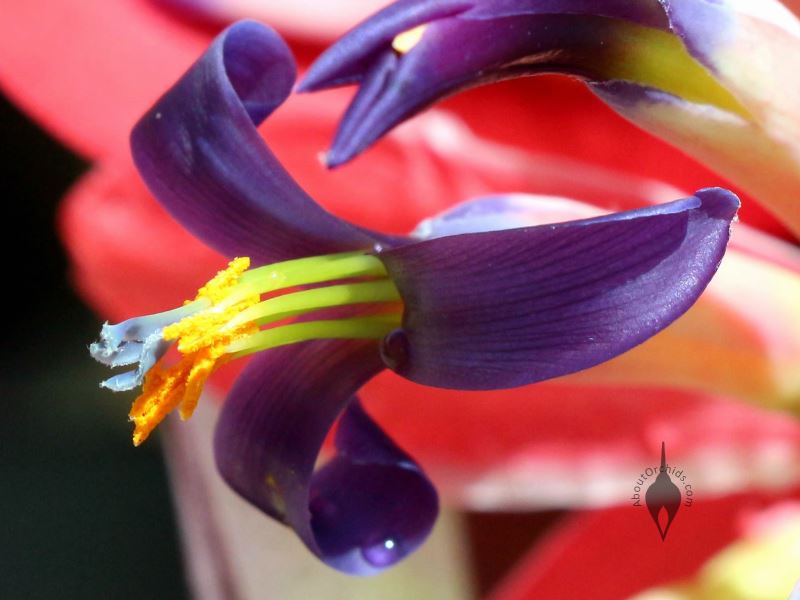
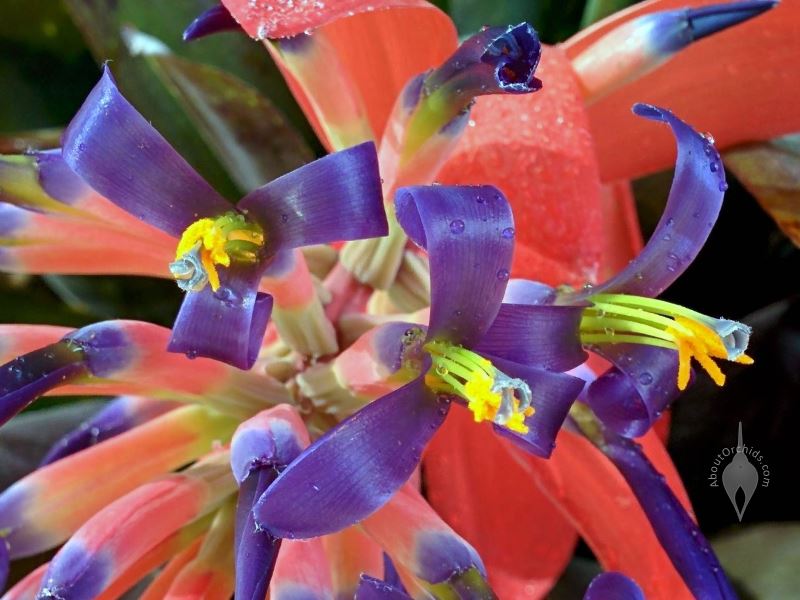
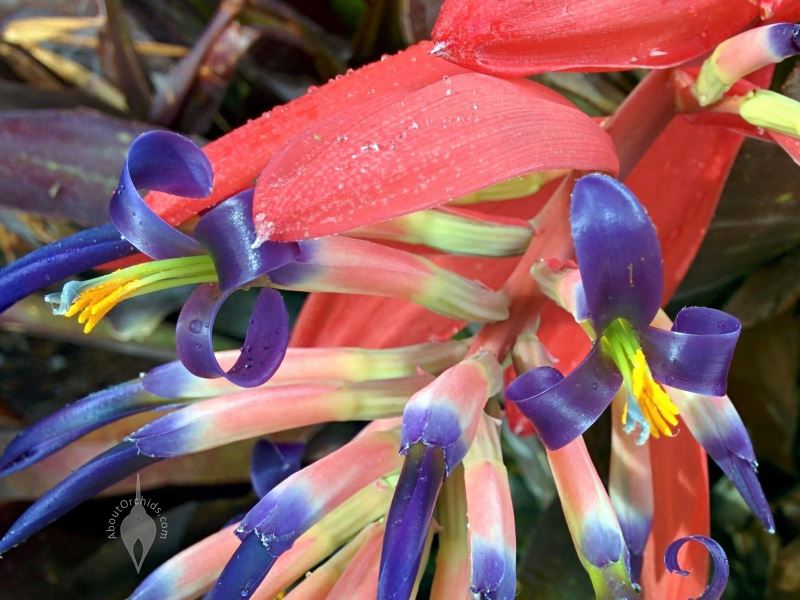
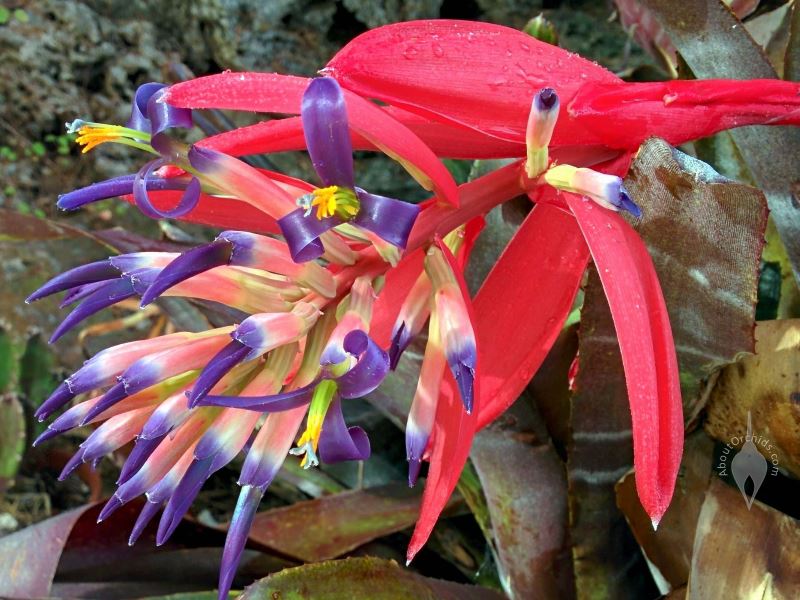
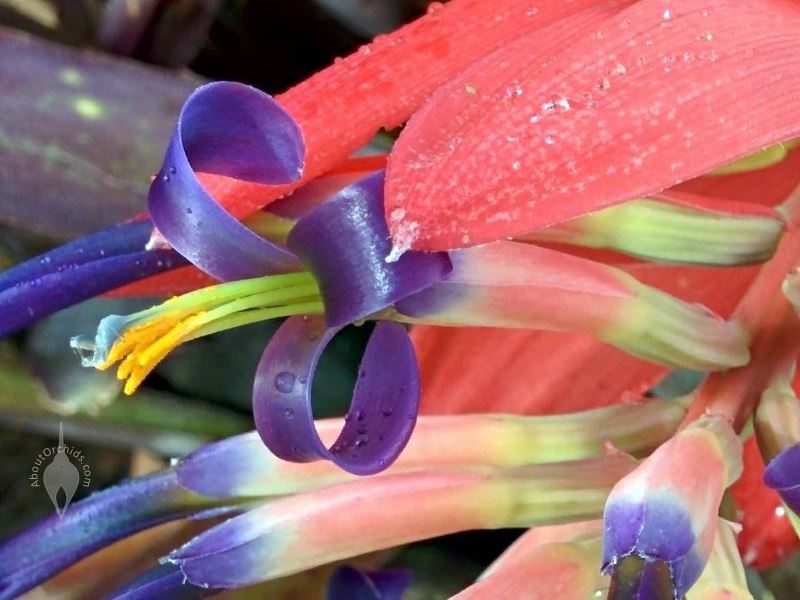
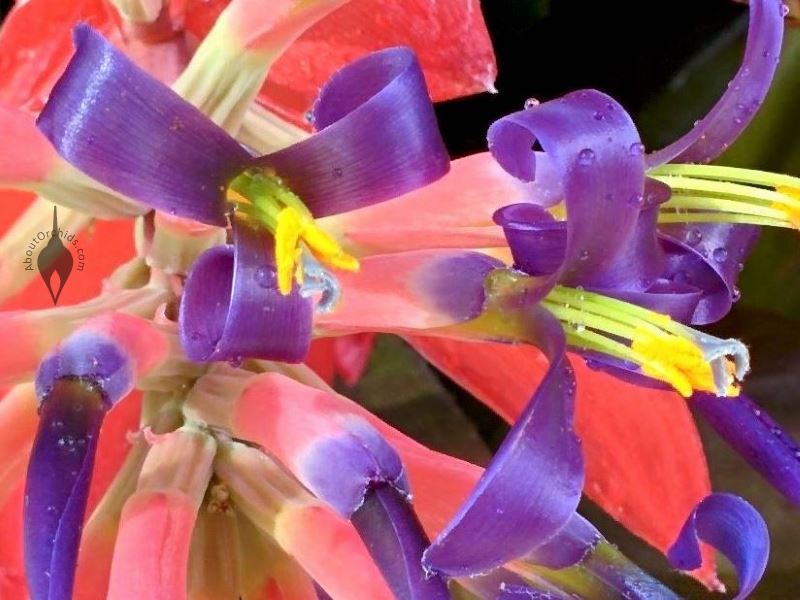
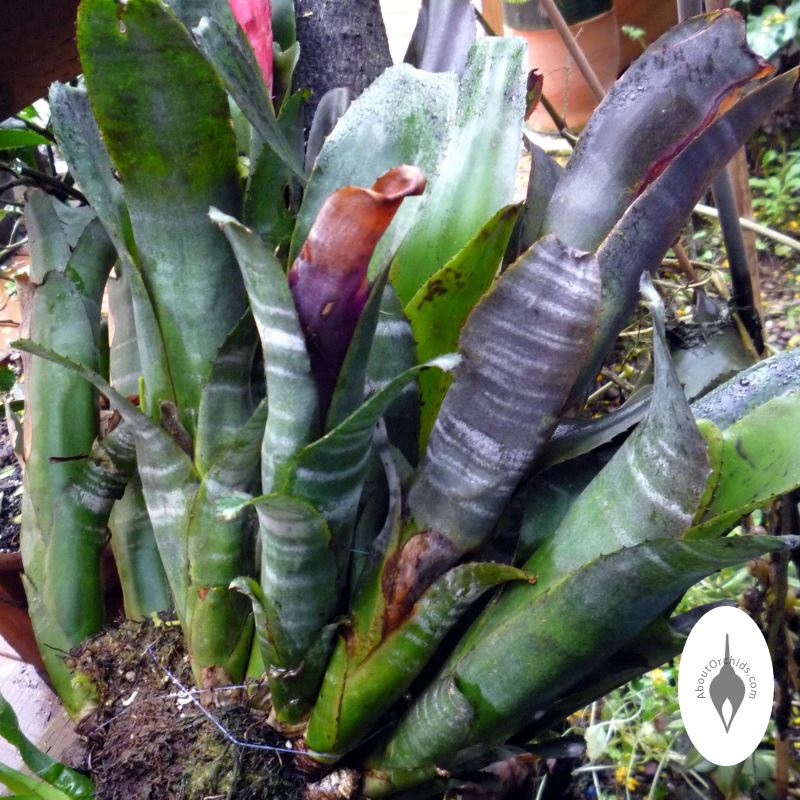
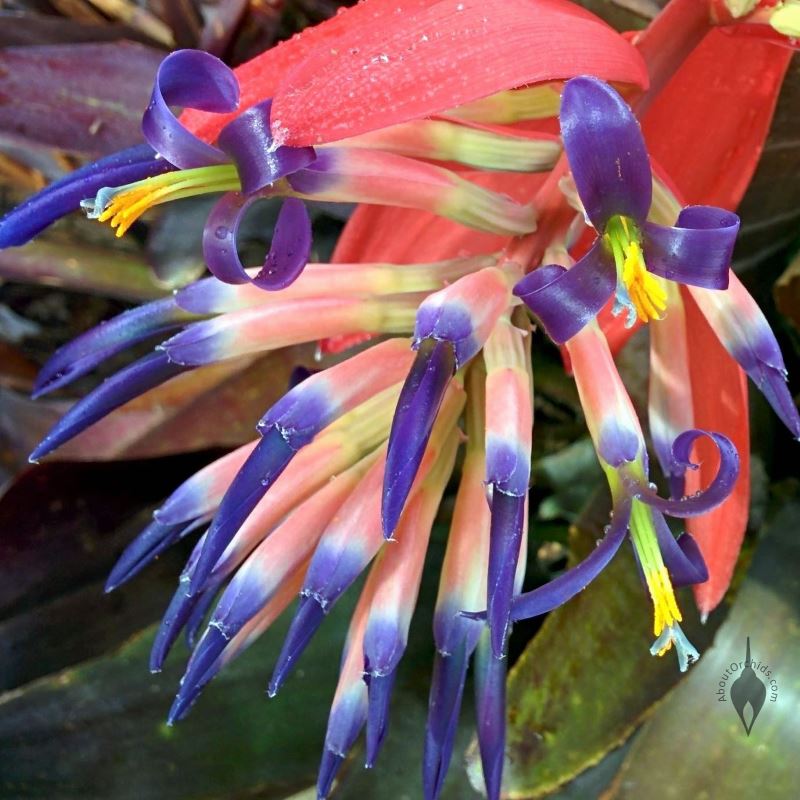
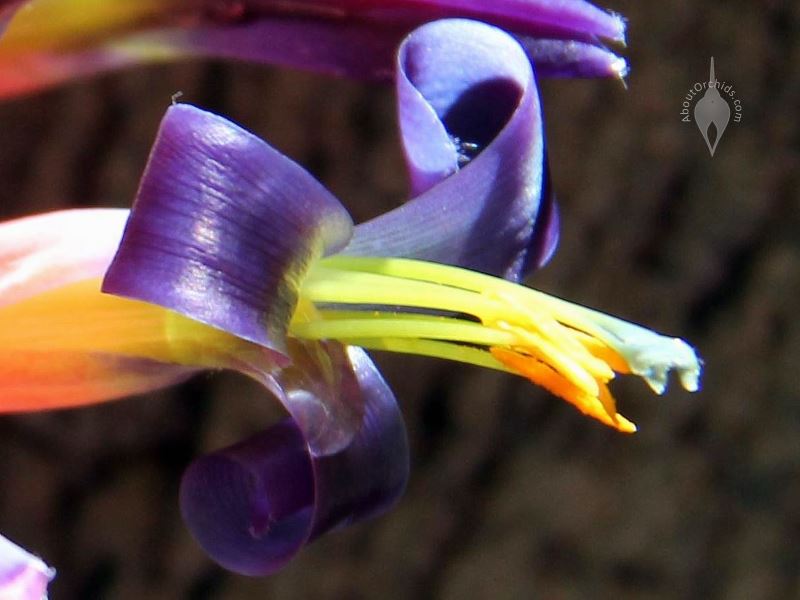
As fellow air plants, bromeliads are natural orchid companions in the garden. Many tank bromeliads have fascinating blooms. They earn their nickname by holding water in their leaves, which helps them survive dry periods. This one grows in our garden, and its brilliant, hot pink flower spikes reveal small blooms that look like shiny, purple ribbons.

Close up of tank bromeliad flower, grown outdoors in San Francisco, CaliforniaTank bromeliad flowers, grown outdoors in Pacifica, CaliforniaTank bromeliad flowers, grown outdoors in Pacifica, California

This tank bromeliad was a gift from our friend Kim many years ago. It’s been very happy in its new coastal home. We used to have it tied into the forked branches of a small tree, but it’s become much too big for that. Now it lives in a very wide flower pot, without any soil, fully exposed to the sun, wind, and salt spray. And it’s been blooming like crazy. We’ll separate it into smaller plants if it ever stops flowering.

Tank bromeliad flowers and unopened buds with bright pink flower bracts, grown outdoors in Pacifica, CaliforniaTank bromeliad flower close up, grown outdoors in Pacifica, CaliforniaTank bromeliad flowers, grown outdoors in Pacifica, California

The next photo below shows a smaller, younger version of this plant. The stiff, curved leaves are joined at the base and hold water. For that reason, if you’re in a mosquito-prone area, be cautious with tank bromeliads. With our cool climate, we don’t have much of a mosquito problem. Still, I check mine regularly by slowly filling a few tanks with water while I watch to see what floats to the top. I’ve never found any baby mosquito wrigglers yet. But the little purple and yellow flowers seem endless.

Tank bromeliad plant mounted on tree, grown outdoors in San Francisco, CaliforniaTank bromeliad flowers and unopened buds, grown outdoors in Pacifica, CaliforniaClose up of tank bromeliad flower, grown outdoors in San Francisco, California

To learn more about bromeliads, check with Bromeliad Society International.

A Surprising Method of Orchid Pollination

Posted November 21st, 2015 by Marc Cohen
Categories: In the News, QuickPost

In the 1930s, amateur naturalist Edith Coleman solved an orchid puzzle that had perplexed Charles Darwin. Why are some orchids pollinated by only male insects?

Easy Orchid Species

Posted November 18th, 2015 by Marc Cohen
Categories: Growing, Intermediate Growers, Photos, Warm Growers

Unlike tough orchid hybrids, many orchid species deserve their finicky reputations. They have exacting care needs, requiring precise temperatures, special potting, or purified water. Fortunately, there are some exceptions to the finicky orchid species rule. These easy warm growers and intermediate growers are great choices for orchid beginners. (I’ll highlight easy cool growers in a future post.)

Although these are known to be tough species, there are never any guarantees. They all need good humidity, and also light, water, fertilizer, temps, and repotting as appropriate for each variety.

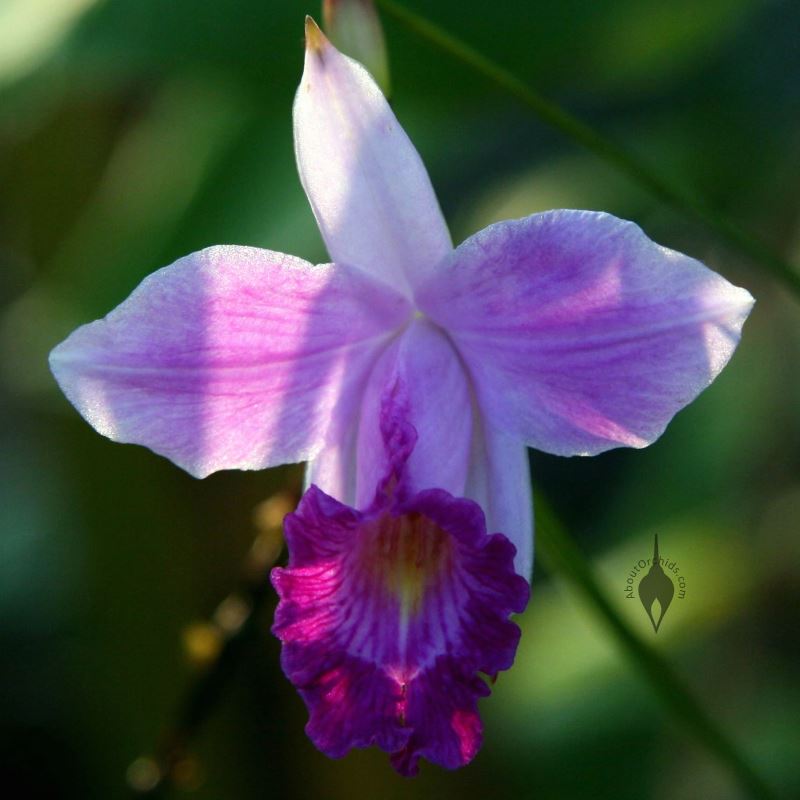
  • Arundina graminifolia – The Bamboo Orchid (first photo below) is so tough that it can be a weed in the tropics. It can grow large, but if you can provide warm, sunny conditions, it’s easy to bloom.
  • Brassavola nodosa – This Cattleya relative (second photo below) has white flowers with a sweet scent. It grows best in sun and warmth, and needs winter dormancy.
  • Cochleanthes amazonica – Warm, shady conditions and regular water will keep this Amazonian species happy (third photo below.)

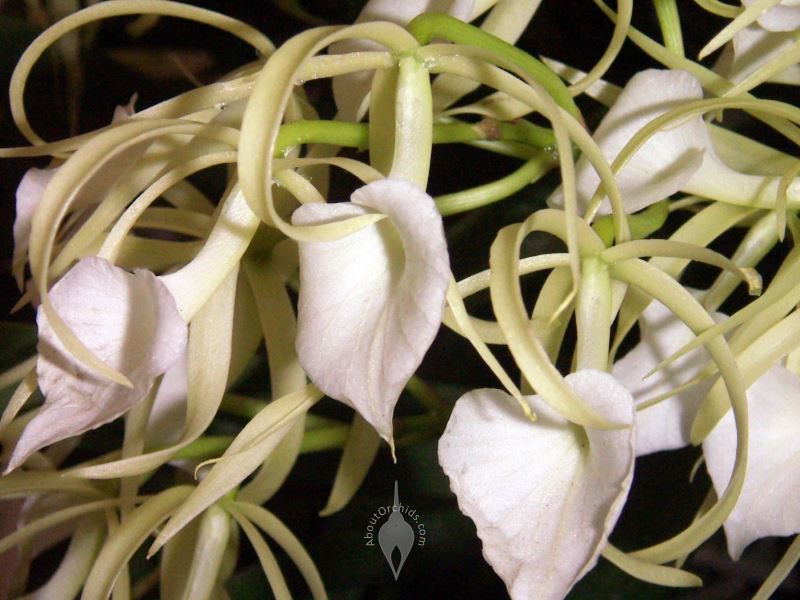
Arundina graminifolia, orchid species, Bamboo Orchid, growing outdoors in Quepos, Costa RicaBrassavola nodosa, orchid species with fragrant white flowers, La dama de la noche, Pacific Orchid Expo 2006, San Francisco, CaliforniaCochleanthes amazonica, orchid species with white and purple flowers, grown in San Francisco, California

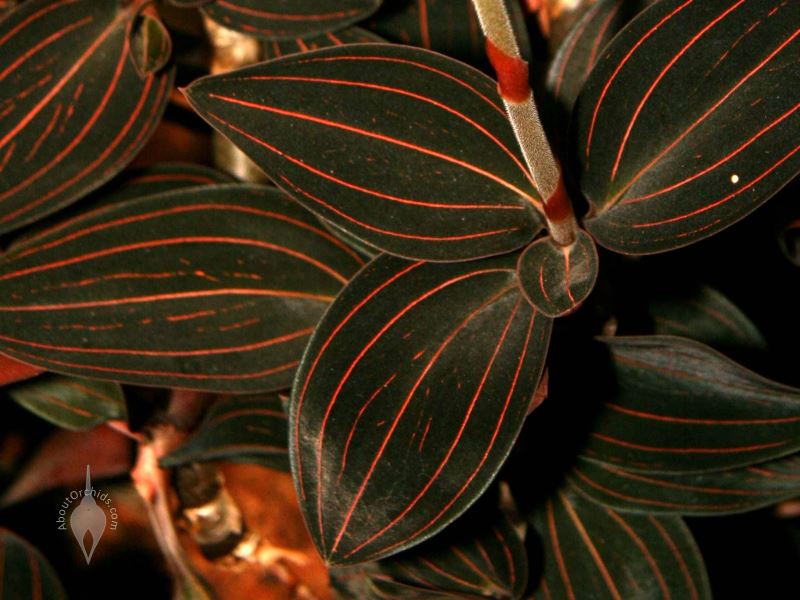
  • Ludisia discolor – Grown for its pink-striped leaves rather than its flowers, this jewel orchid likes warm, shady, humid conditions (first photo below.)
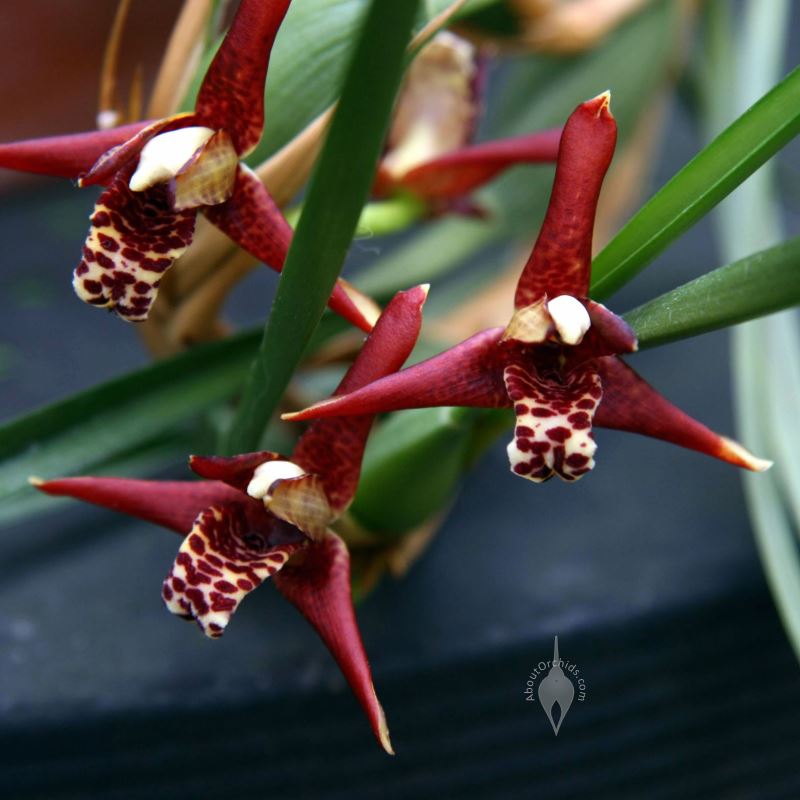
  • Maxillariella tenuifolia – The Coconut Orchid (second photo below) earns its name from its sweet fragrance. Give it morning sun, regular water, and winter dormancy, and this intermediate grower will put out a burst of flowers annually.
  • Spathoglottis plicata – The Philippine Ground Orchid (third photo below) is a popular landscape plant in the tropics, and it’s a reliable bloomer. It needs sun, warmth, fertilizer, and regular water.

Ludisia discolor, orchid species with pink and green variegated leaves, Jewel Orchid, Pacific Orchid Expo 2010, San Francisco, CaliforniaMaxillariella tenuifolia, aka Maxillaria tenuifolia, Coconut Orchid, orchid species with red and white fragrant flowers, grown in San Francisco, CaliforniaSpathoglottis plicata, Philippine Ground Orchid, orchid species, growing wild in Kea'au, Hawaii

This is definitely not a complete list, just a sampling of the ones I know best. There are many more easy species which are good for beginners. Ask local experts at a nearby orchid society meeting or show to find what grows best in your area.

Researching an orchid species’ native environment provides a better understanding of its care needs. Two of my favorite resources for that are the Internet Orchid Species Photo Encyclopedia and Orchid Species Culture. There’s lots of helpful info at both sites.

When buying orchid species, it’s very important to buy only from reputable vendors. NEVER buy plants taken from the wild. If you’re not sure, ask. One of my favorite vendors for orchid species is Andy’s Orchids, which is based in Encinitas, California.

As I mentioned, I’ll do a future post for easy cool growing species soon. Stay tuned!