Waiting for the Sun

Posted December 21st, 2010 by Marc Cohen
Categories: Photos

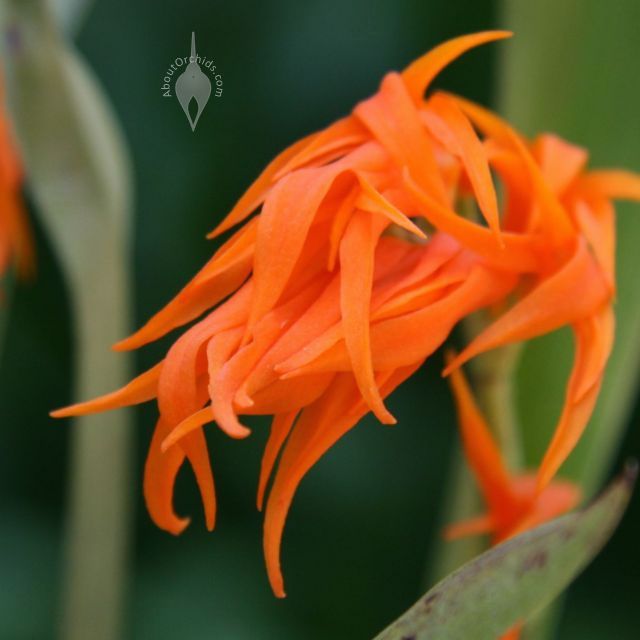
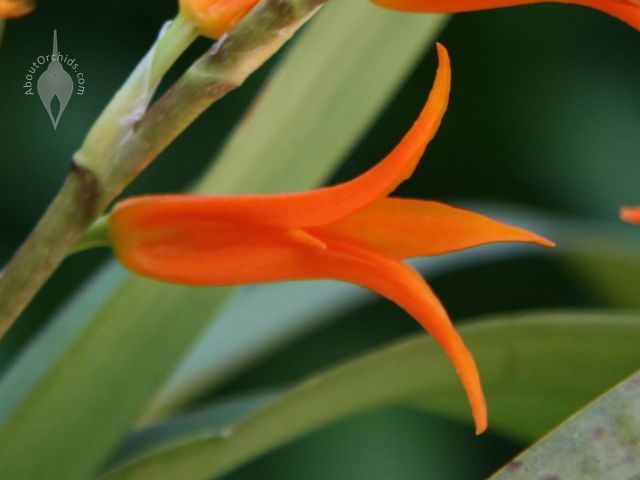
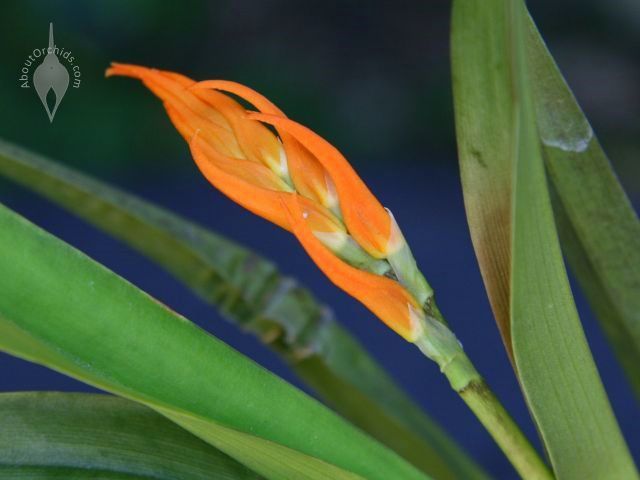
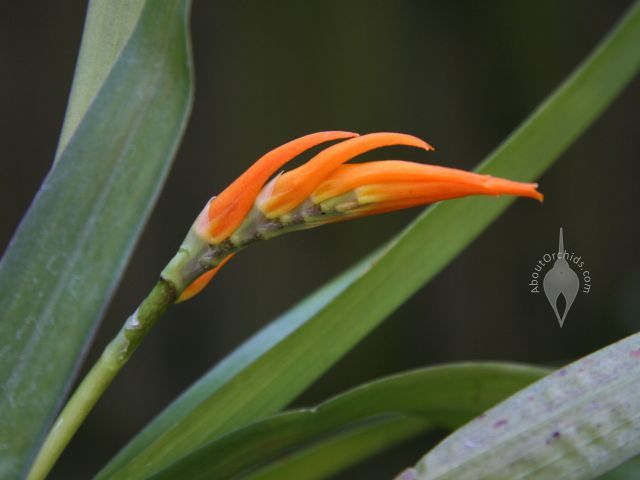
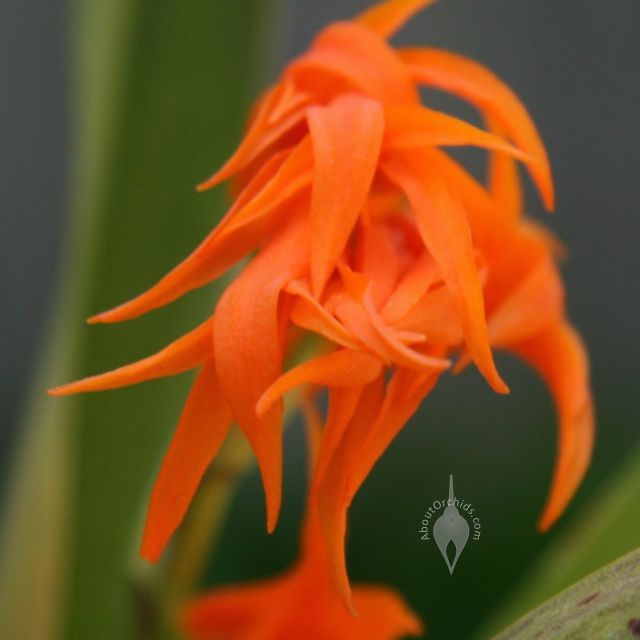
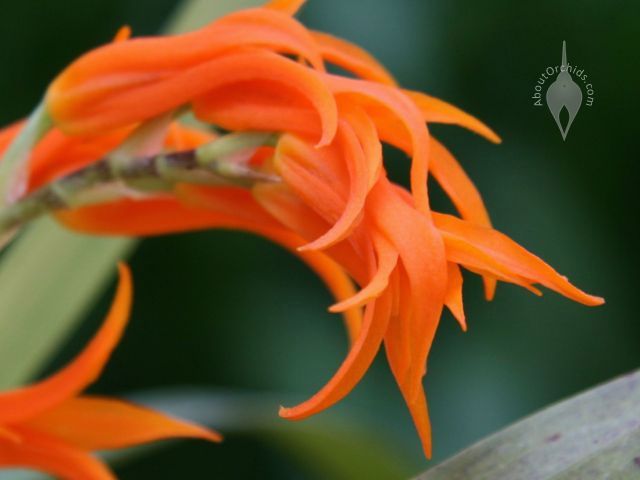
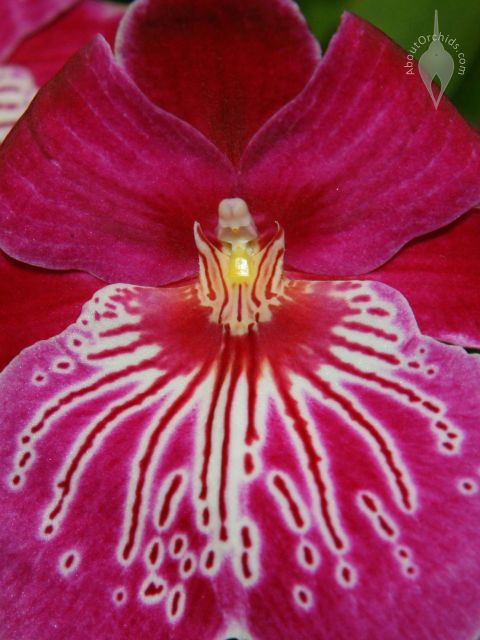
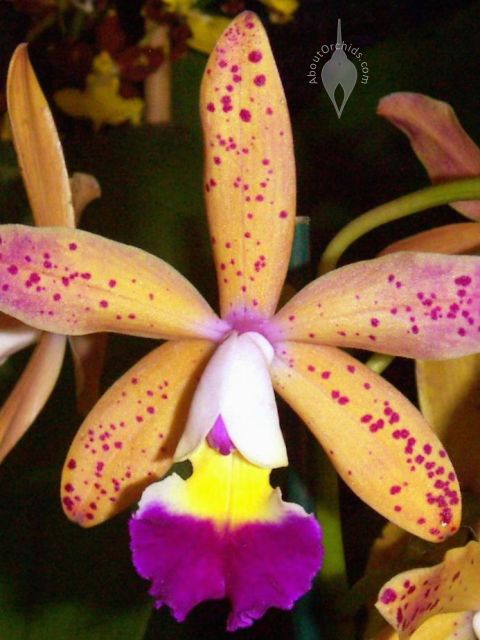
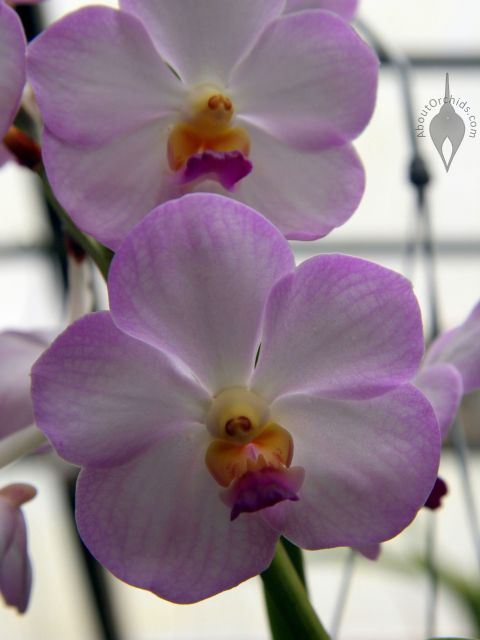
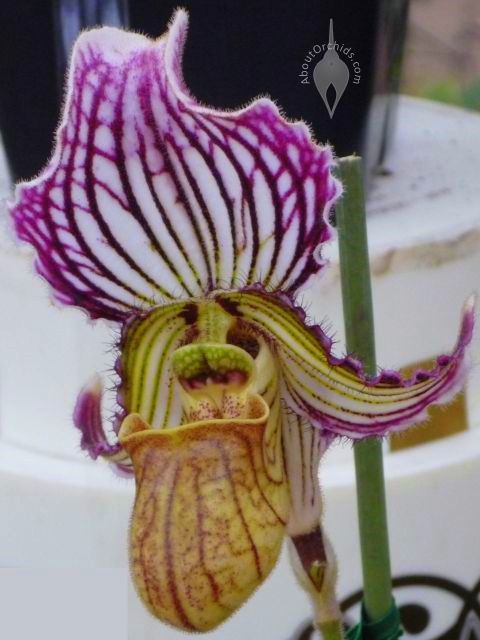
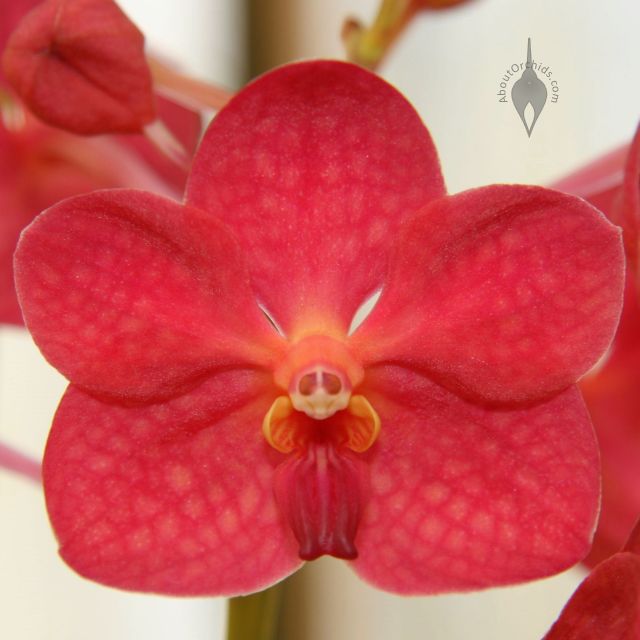
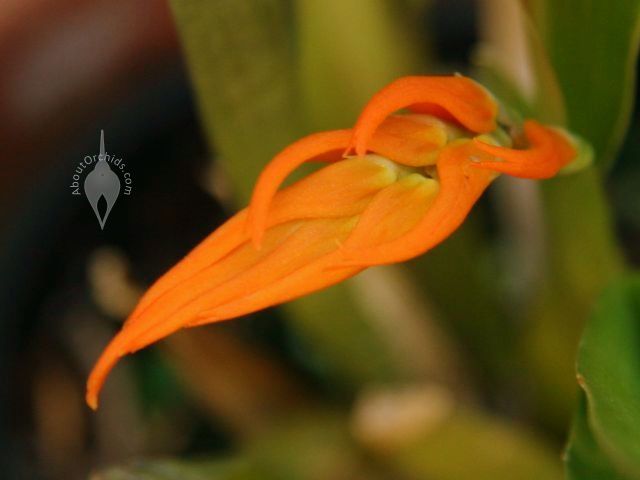
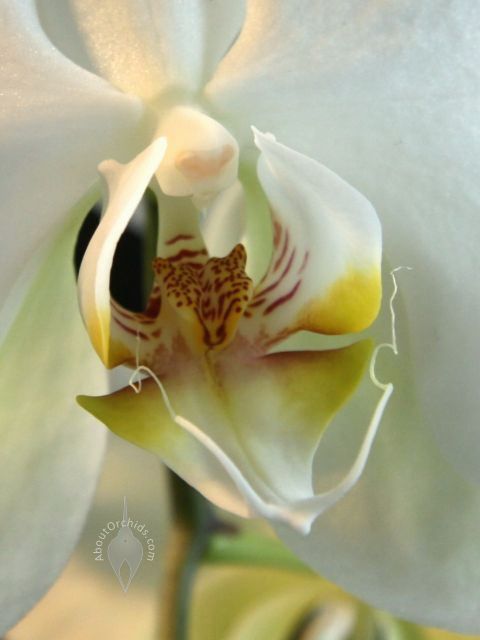
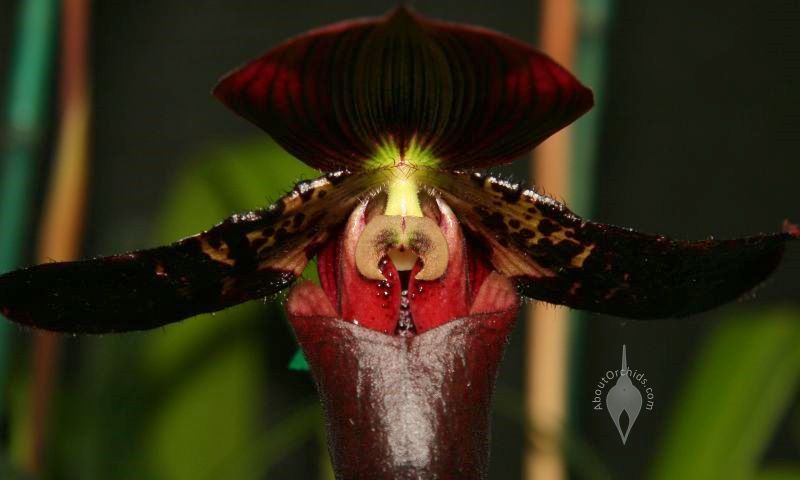
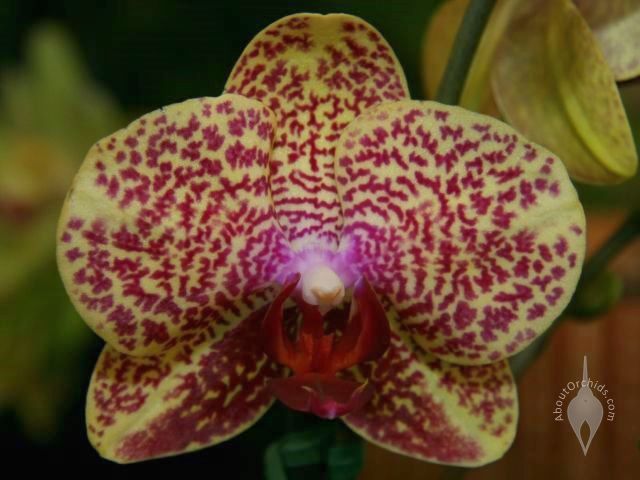
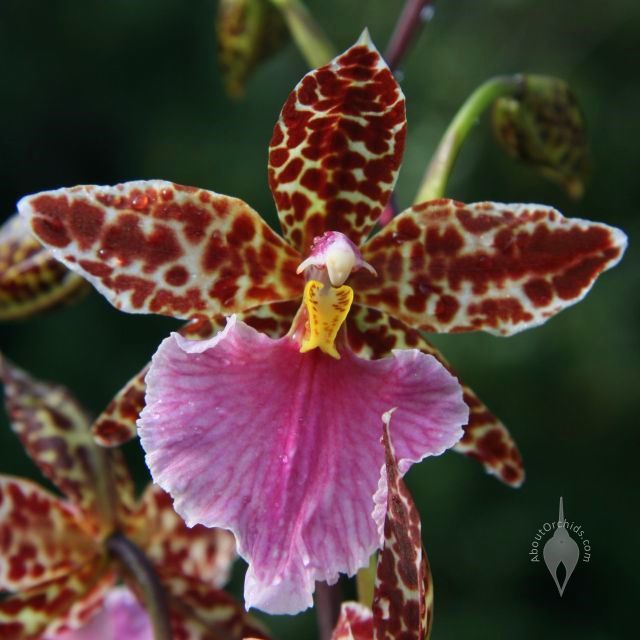
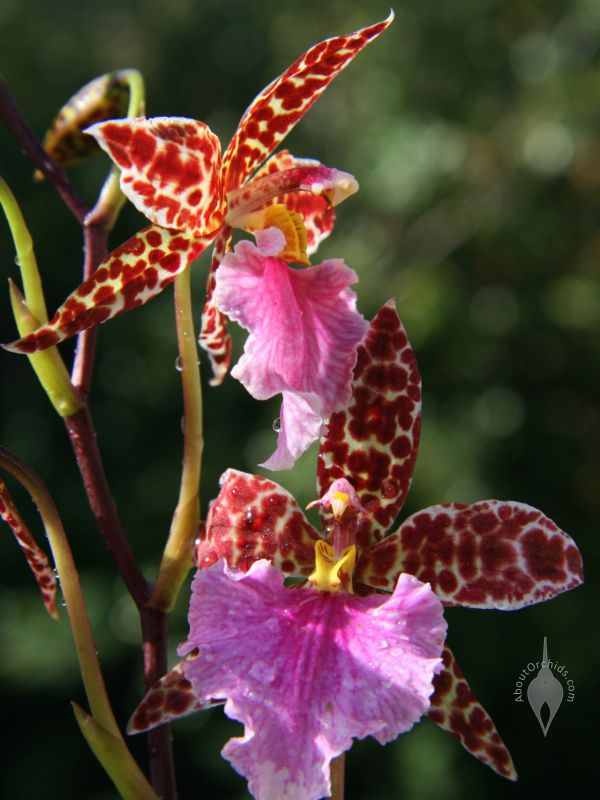
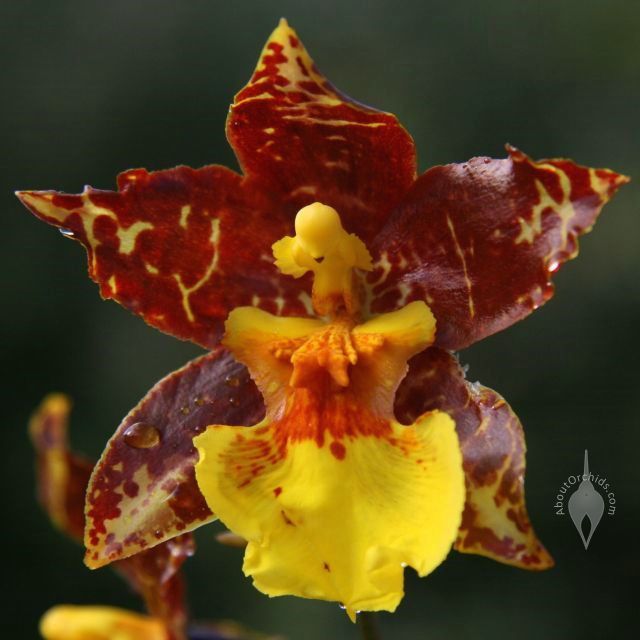
The solstice seems a little like an afterthought this year. Winter’s early arrival across the northern half of the planet has kept record cold temps and snowfalls in the news. Here in SF, our winter rainy season started in earnest last month. Although the Phals and Cymbidiums are starting to grow flower spikes, not much is in bloom. But the change of season always merits acknowledgment, so I’m happy to share a few photos from past orchid shows. A Miltonia, a Cattleya, two Vandas, and a Paph should inspire warm thoughts. The last of these photos is not from a show, but from the back garden. Bright orange flower buds emerging from an Ada orchid serve as a promise for the return of the sun.

Miltonia flowerCattleya flowerVanda flowers

Paph flowerVanda flowerAda flower buds

Gift Plants

Posted December 17th, 2010 by Marc Cohen
Categories: Buying Tips, Growing, Photos

Blooming orchids make wonderful holiday gifts, and smart shoppers start by checking out these buying tips. Even after you’ve picked the right orchid, however, you may have a problem. Some people are terrified of orchids. I’ve seen an orchid gift provoke such fear in a friend’s eyes that it made me wonder if he would have preferred a poisonous snake instead. I told him to relax; orchids aren’t so scary. Most orchids sold today are tough, modern hybrids, and you just need to know a few basics:

Phal close upLady SlipperPhal flower

How to Grow Fresh Air

Posted December 14th, 2010 by Marc Cohen
Categories: Books

I’ve always known that orchids are good for me, and now I have proof in How to Grow Fresh Air: 50 House Plants that Purify Your Home or Office by Dr. B.C. Wolverton. Common orchid varieties like Phals and Dendrobiums are among the top houseplants to filter airborne toxins. Wolverton details the best plants to clean dangerous pollutants such as formaldehyde, benzene, and chloroform. The author includes helpful ratings for each plant, showing ease of care, resistance to pests, and efficiency at removing chemical vapors. Better than any electronic air cleaners, these plants don’t run up your electric bill or require expensive filters. The author also points out, contrary to popular myth, that indoor plants suppress mold spores, bacteria, and harmful microbes in the air. They’re the perfect solution, whether you’re fighting sick building syndrome, or just looking for a little extra oxygen and humidity. Give the gift of clean air by giving an orchid, or by giving this helpful, practical book.

How to Grow Fresh Air by Dr. B.C. Wolverton

Australian Orchid Returns

Posted December 10th, 2010 by Marc Cohen
Categories: Conservation, In the News

Australian conservationists have had notable success lately, and now they’ve rediscovered an extinct orchid species. The Robust Greenhood Orchid, Pterostylis valida, is a long-lost cousin of the Greenhood that I grow. Believed extinct since 1941, it’s been rediscovered in an area outside of Melbourne. It’s no coincidence that the new-found plants are growing on land owned by the conservation group Bush Heritage Australia. They’ve gone to great lengths to purchase important ecological sites, and remove invasive, nonnative species doing damage to Aussie natives. Rather than becoming rabbit food or overshadowed by fast growing weeds, the species has been able to bloom again. It’s a rare pleasure to find that something has come back from extinction. With only 8 plants known, the work is now starting to keep it from going extinct again.

Odonts

Posted December 6th, 2010 by Marc Cohen
Categories: Cool Growers, Growing, Photos, Watering

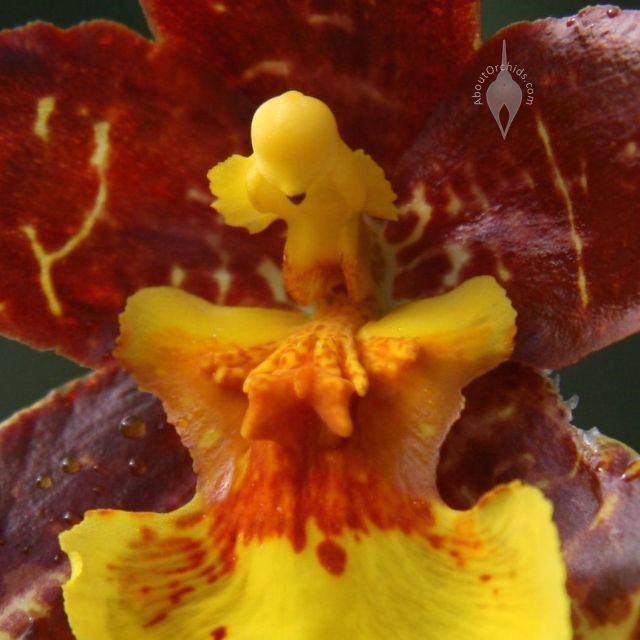
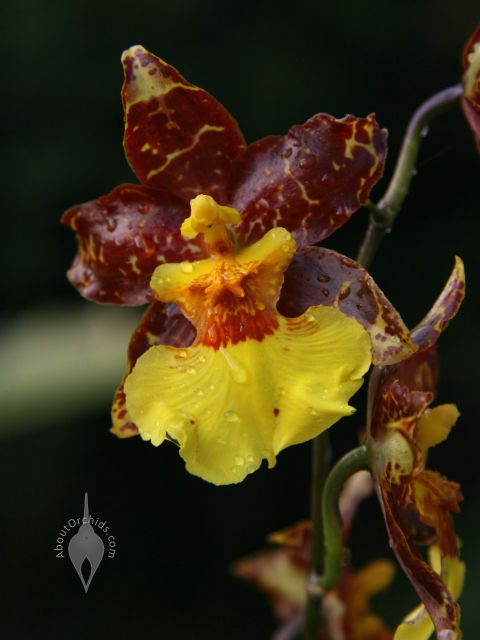
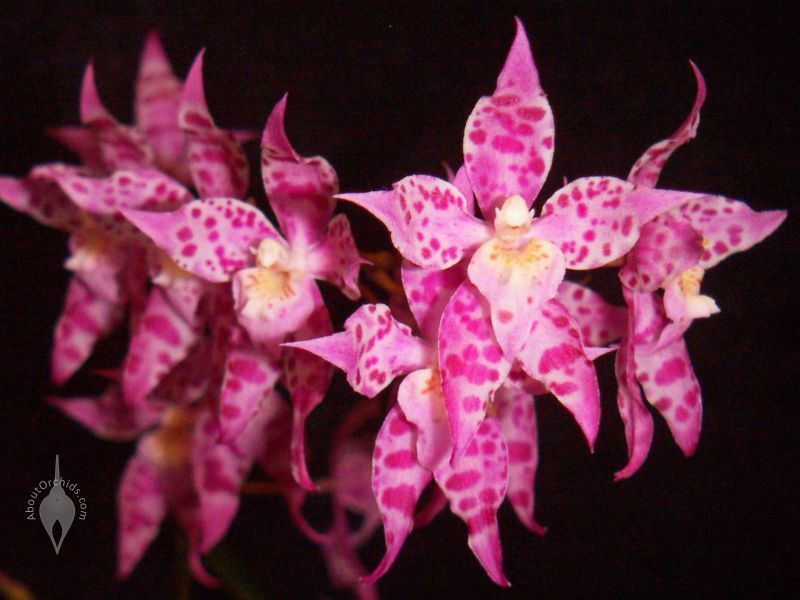
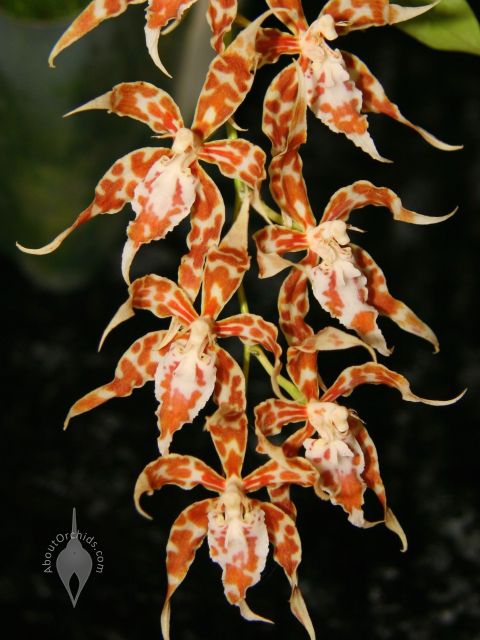
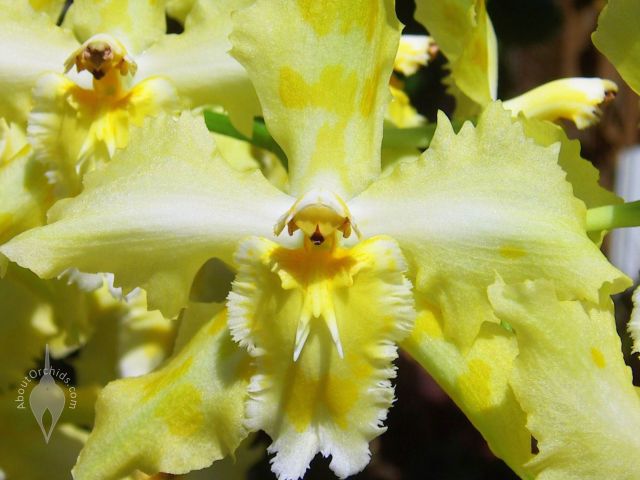
If long Latin orchid names aren’t your thing, you’ll be happy to know that Odontoglossums are nicknamed Odonts (which rhymes with “no fonts.”) The Odont family includes over 100 species and countless human-made hybrids. Many varieties have long-lasting flowers. I’ve had this first one for years, and its brilliants pinks and yellows always take my breath away.

Odont hybrid flowerOdontoglossum flowersOdontoglossum flower lip close up

Native to high elevations in the Andes and the mountaintops of Central America, Odonts topple the myth that orchids only grow in warm greenhouses. These are cool growers, and mine are happy outdoors all year on the California coast, unless it stays above 80°F (27°C) for too long. Both the pink hybrid pictured above and the yellow one below survived our recent hailstorm completely intact, with barely a scratch on their leaves or flowers.

Odontoglossum hybrid flowerOdontoglossum flower close upOdontoglossum flower

Odonts require frequent waterings and bright light, and enjoy direct morning sun. They always need high humidity and good air movement, even during winter dormancy. Many hybrid crosses have also been made with members of the large Oncidium family. These hybrids, including Colmanara, Odontocidium, and Maclellanara, are better choices if you don’t have consistent cool temps. They’re all great proof that you don’t need to live in the tropics to grow orchids.

Odontioda flowersOdontoglossum speciesOdontioda flower

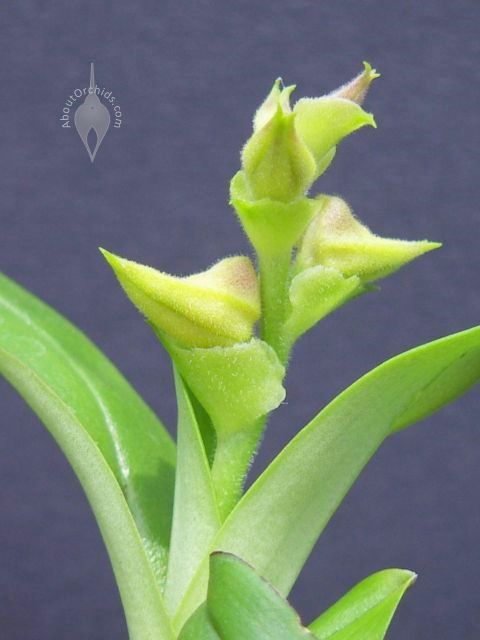
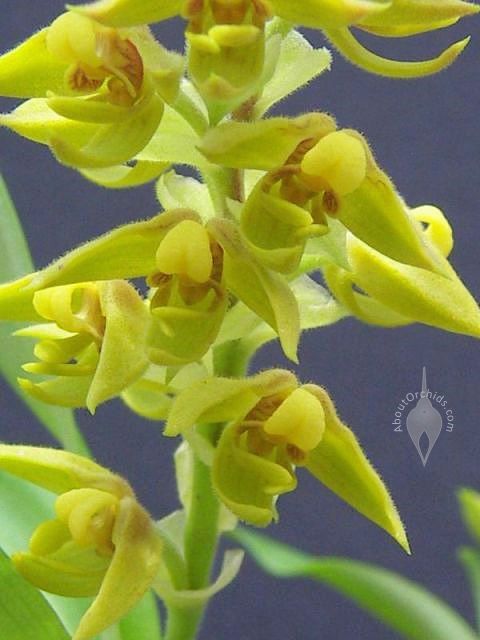
Rhynchostele

December Orchid Events

Posted December 1st, 2010 by Marc Cohen
Categories: Botanical Gardens, Events

Orchid life continues in December, even though there are only a few shows. I’ve listed some orchid society holiday celebrations for those who really need a fix. Many include orchid sales or auctions to help with your holiday gift needs.

December 4
Acadian Orchid Society Workshop, Crowne Plaza Hotel, 1801 W. Pinhook Rd., Lafayette, Louisiana
December 5
Hills District Orchids Summer Open Day, 183 Windsor Rd., Northmead, NSW, Australia
December 5
Manly Warringah Orchid Society Christmas Party, Cromer Community Centre, Fisher Rd. North, Cromer, NSW, Australia
December 5
Windward Orchid Society Christmas Banquet, Pali Lanes Machado Ohana Hale, 120 Hekili St., Kailua, Oahu, Hawaii
December 5
Southern Ontario Orchid Society Annual Auction and Christmas Potluck, Toronto Botanical Garden, 777 Lawrence Ave. East, Toronto, Ontario, Canada
December 6
Genesee Region Orchid Society Auction, JCC, 1200 Edgewood Ave., Rochester, New York
December 7
Portland Orchid Society Annual Potluck and Auction, St. Luke Lutheran Church, 6835 SW 46th Ave., Portland, Oregon
December 11
North of England Orchid Society Monthly Meeting & Show, Barton Village Hall, Barton, Lancashire, UK
December 11
St. Augustine Orchid Society Christmas Auction, Moultrie Trails Clubhouse, 121 Crooked Tree Trail, St. Augustine, Florida
December 12
Cape and Islands Orchid Society Annual Solstice Party & Mini Auction, Administration Bldg., Barnstable County Fairgrounds, 1220 Nathan Ellis Hwy., Rt. 151, Falmouth, Massachusetts
December 12
Trinidad and Tobago Orchid Society Christmas Lunch, Caroni Bird Sanctuary Wildlife Centre, Butler Hwy., Trinidad
December 16 – 19
Naguabo Orchid Show, Coliseo Municipal, Benigno Ramos, Naguabo, Puerto Rico
December 21
Oregon Orchid Society Holiday Potluck & Auction, Multnomah Arts Center, 7688 Southwest Capitol Hwy., Portland, Oregon

Hail No!

Posted November 27th, 2010 by Marc Cohen
Categories: Cool Growers, Growing, Growing Orchids in San Francisco, Photos, Problems

Last week’s wacky weather wasn’t limited to a mini heatwave; we also had a hailstorm. San Francisco’s mild weather seldom falls below freezing, but winter storms occasionally bring hail. It rarely does damage in our garden. After a powerful storm was punctuated by noisy hailstones, I saw that the leaves of the Brugmansia had been torn. I knew from past experience that orchid leaves can take a couple days to show hail damage. Sure enough, dead spots have been appearing on some of the outdoor orchids, showing where the hard impacts of the hailstones killed plant tissue.

Hail damage on orchid leafSarcochilus leaf hail damageEpidendrum leaves hail damage

Of course, outdoor orchids are always vulnerable to the elements. By November, only the hardy cool growers remain outside. Some originate from the cold highlands of the Andes or Himalayas, and endure hail in the wild. Cymbidiums, Masdevallias, an Arpophyllum, and a Sobralia were among those showing little or no bruising. Unfortunately, the Epidendrums, Sarcochilus, and some others got nailed. (It bears mentioning that although the Epidendrums’ leaves are pockmarked, the plants continue to bloom as they have for years.) The dead spots will eventually turn black, and some leaves may die completely. However, the plants should survive, and most of the leaves will remain as battered reminders of the storm. Hopefully, in a few months fresh spring growth will provide un-dented replacements.

Oakland Orchid Show, part 2

Posted November 23rd, 2010 by Marc Cohen
Categories: Events, Growing Orchids in San Francisco, Mini Orchids, Photos

Looking back over photos from the Oakland Orchid Show, I realized that one post didn’t do it justice. With so many beautiful blooms, Dave and I had more pictures to share. Just to start, here are rich colors from a Vanda, a Cattleya, and an Ascocenda.

Vanda flowerCattleya flowersAscocenda flowers

Remarkable colors are only part of the show. Large Cirrhopetalum buds arranged in a circle haven’t opened yet, but their unusual shapes and patterns create an impressive display. Tiny blue and orange flowers light up a mini Dendrobium species. Sunny yellow splashes brighten a mini Doritis, a Phal relative.

Cirrhopetalum flower budsDendrobium flowers and leavesDoritis species flower

Finally, some orchids don’t even look real, as if they were Dr. Seuss creations. However, it’s Mother Nature who deserves credit for these pastel colors and unusual textures. The next 2 photos show members of the Epidendrum family, and the last one shows a furry Masdevallia.

Oerstedella flowersEpidendrum flowersMasdevallia species flowers and leaves

Wacky Weather

Posted November 20th, 2010 by Marc Cohen
Categories: Dormancy, Growing, Growing Orchids in San Francisco, Watering

Last week, before Dave and I went to Philly to visit family, I’m glad I gave my neighbor George last minute instructions to “water everything!” We’ve had November warm spells before, but when I heard Bay Area forecasters using the words “offshore flow,” I knew it was going to be a mini heatwave. Most of the outdoor orchids would be fine, and I’d already reduced watering for dormant varieties. However, some of my cool growing orchids could have baked in the heat. Fortunately, George’s excellent care averted any problems. Even though a few dry days went over 8o°F (27°C,) the Masdevallias, Odonts, and Samurai Orchids were fine.

Last week’s mini heatwave has given way to a more seasonal chill and rain, with a forecast low of 45°F (7°C) tonight. We had a heavy rain, and earlier a noisy thunderstorm put on a big show. Unless we have more wacky weather, it should be a while before a heatwave threatens to fry anything.

Comparettia

Posted November 15th, 2010 by Marc Cohen
Categories: Intermediate Growers, Mini Orchids, Photos, Problems

Often I like to point out that many orchids are easy to grow, but some varieties deserve their difficult reputations. For example, this purple and white Comparettia ranks as one of the fussier members of the orchid family. It may resemble a simple Oncidium, but don’t be fooled. Cultivating these blooms takes some work.

Comparettia flowersComparettia flowerComparettia flowers side view

This Comparettia species is native to Colombia, where it usually grows as an air plant on the branches of guava trees. They’re tough to keep in cultivation, demanding constant high humidity and good air movement. When I first bought this plant, it started to shrink rather than grow. I experimented by varying light and temperature conditions, but its new leaves and roots kept dying.

Comparettia flower close upComparettia flowers side viewComparettia flower lip close up

Finally, I placed the plant in very high humidity, up to 90%. Many orchid varieties would rot from the excessive moisture, but this Comparettia began to grow and thrive. With some patience, I was rewarded with these colorful blooms. As an interesting contrast to the purple polka dots on front, the flowers are white on back. They’re a reward that’s worth the effort.

Comparettia flower back viewComparettia flowers side view, showing nectar spurComparettia flower close up

Water plants marked by the post-its in front & back rooms.