Easy Breezy Orchids

Posted June 25th, 2013 by Marc Cohen
Categories: Growing

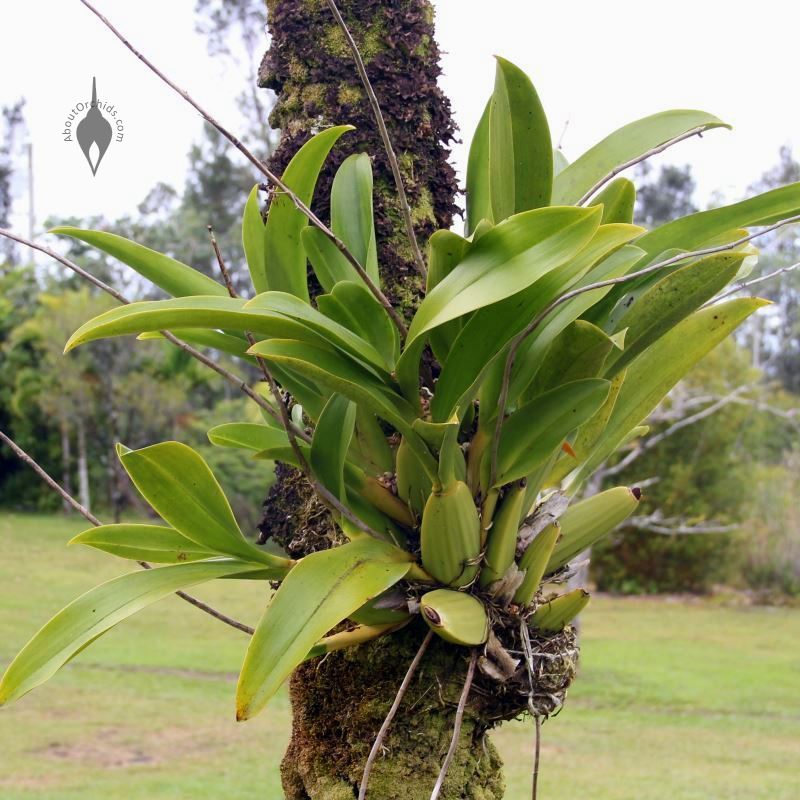
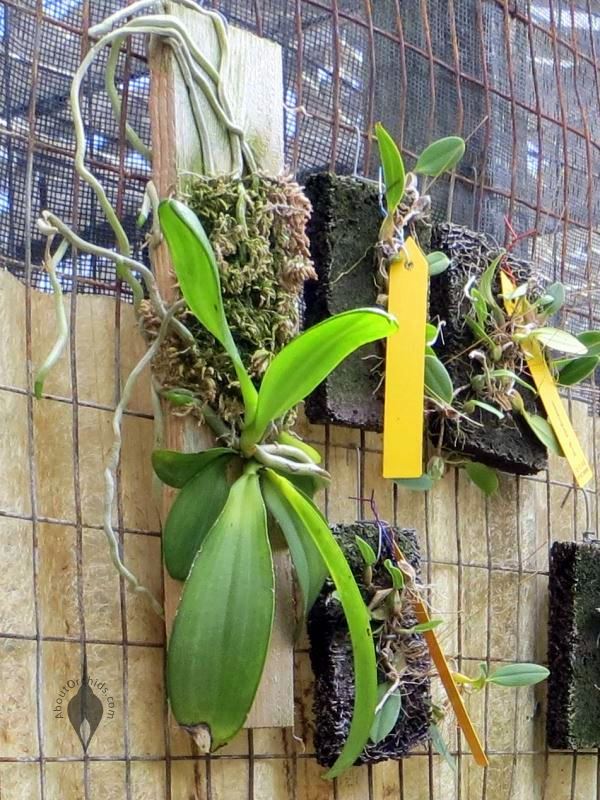
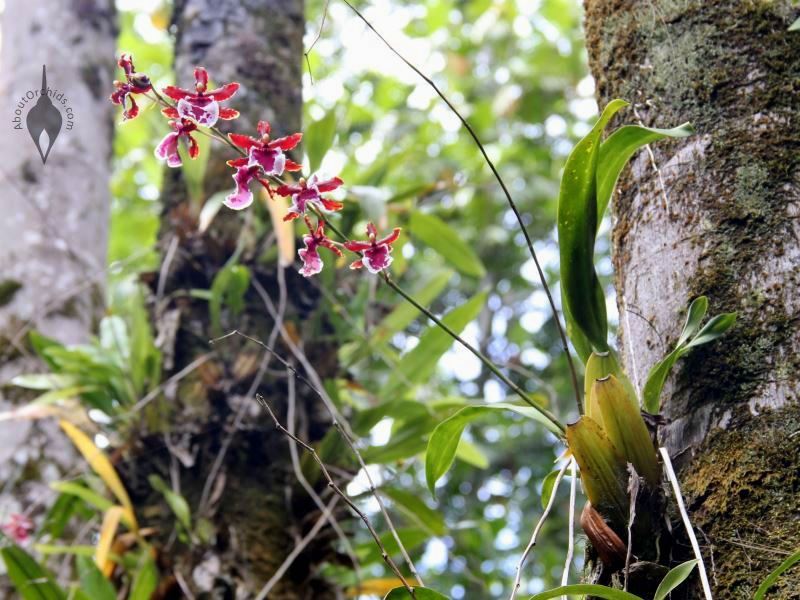
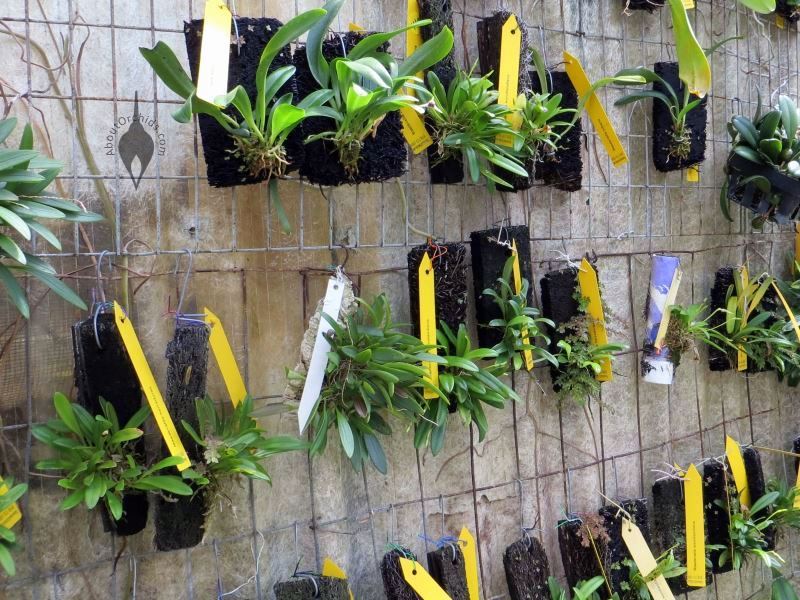
Like people, orchids need to breathe fresh air. A stale or stagnant environment leads to pests and diseases. Moving air evaporates excess water, and cools leaves and roots.

In their wild homes, orchids live in gentle breezes and strong winds. As air plants, their leaves and roots blow in the rainforest canopy. In homes and offices, orchids need good ventilation.

To improve circulation, keep plants near an open window, or turn a fan on slow speed. When it’s warm enough, move plants outdoors.

Growers in homes and offices often rely on heaters and air conditioners for air movement. Be sure to keep humidity high; orchids want moist breezes. Providing fresh air is an easy way to help your orchid breathe.

Summer Warmth

Posted June 21st, 2013 by Marc Cohen
Categories: Fertilizing, Growing, Photos, Watering

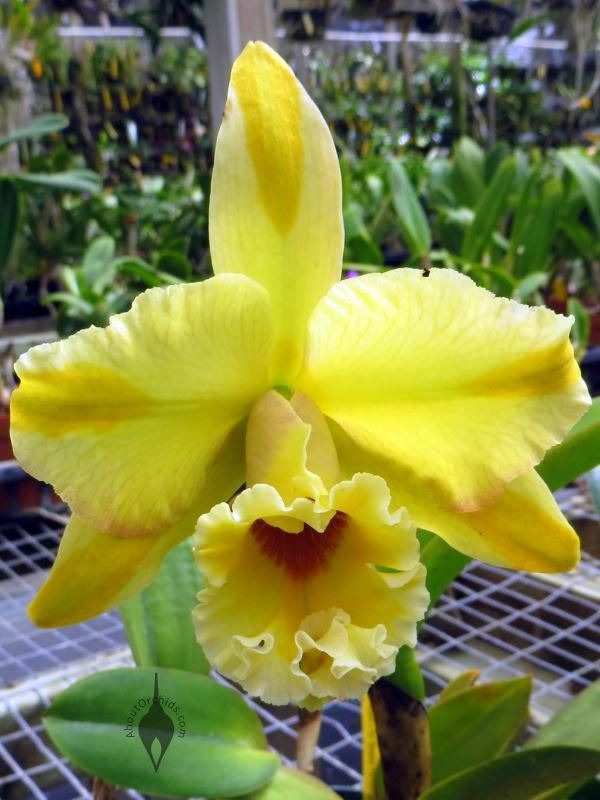
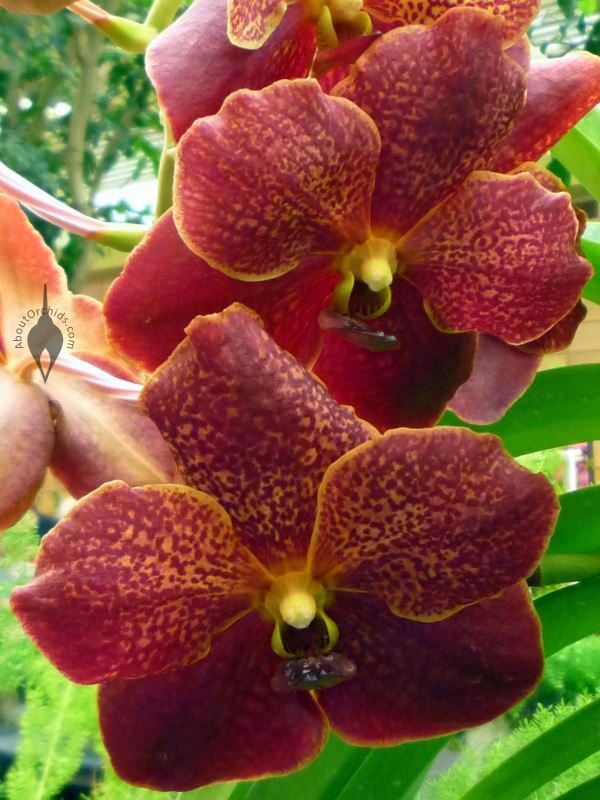
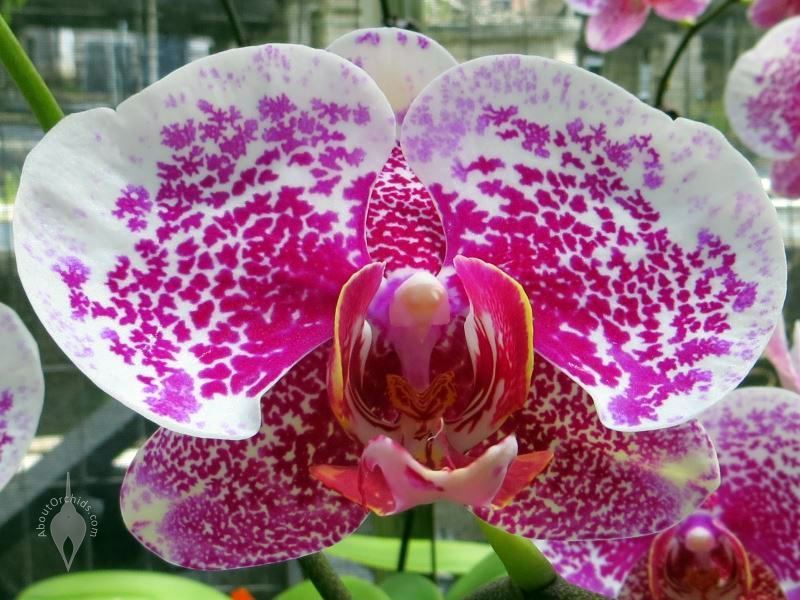
With today’s solstice, summer arrives in the northern half of the globe. Celebrate the arrival of the season with these orchid beauties:

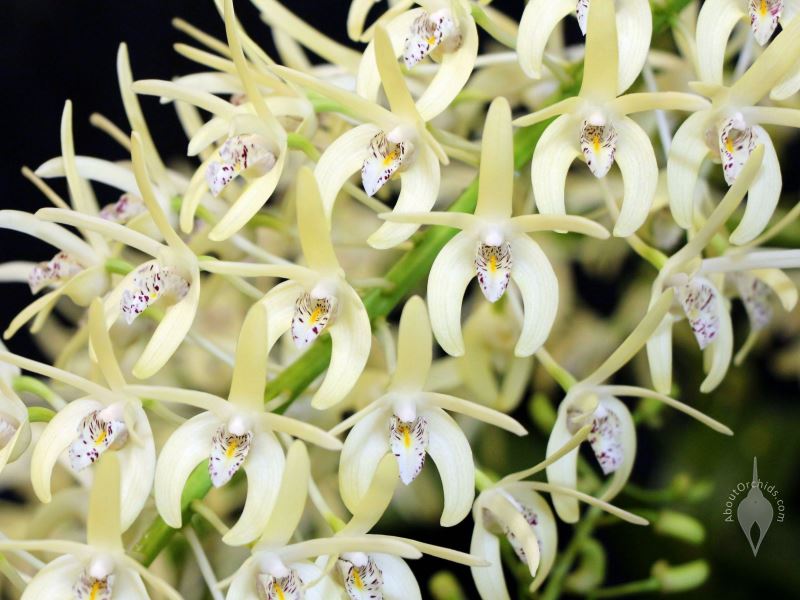
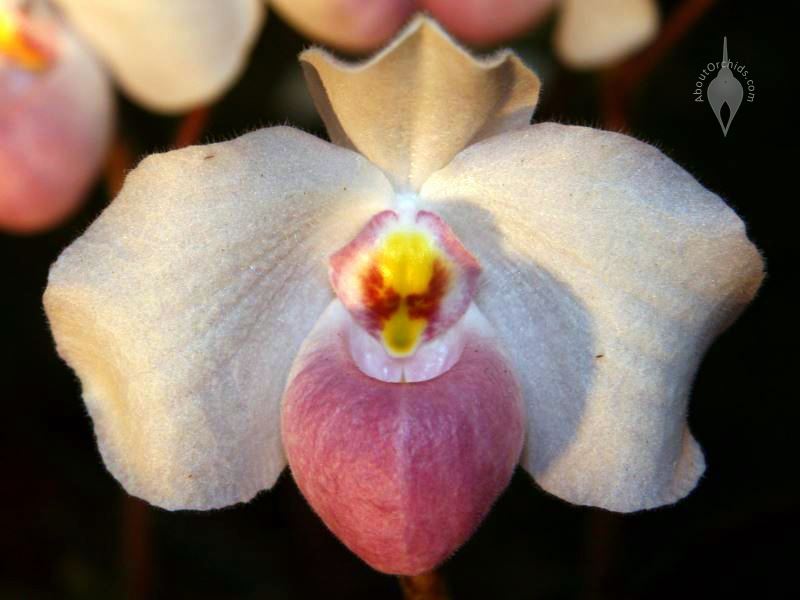
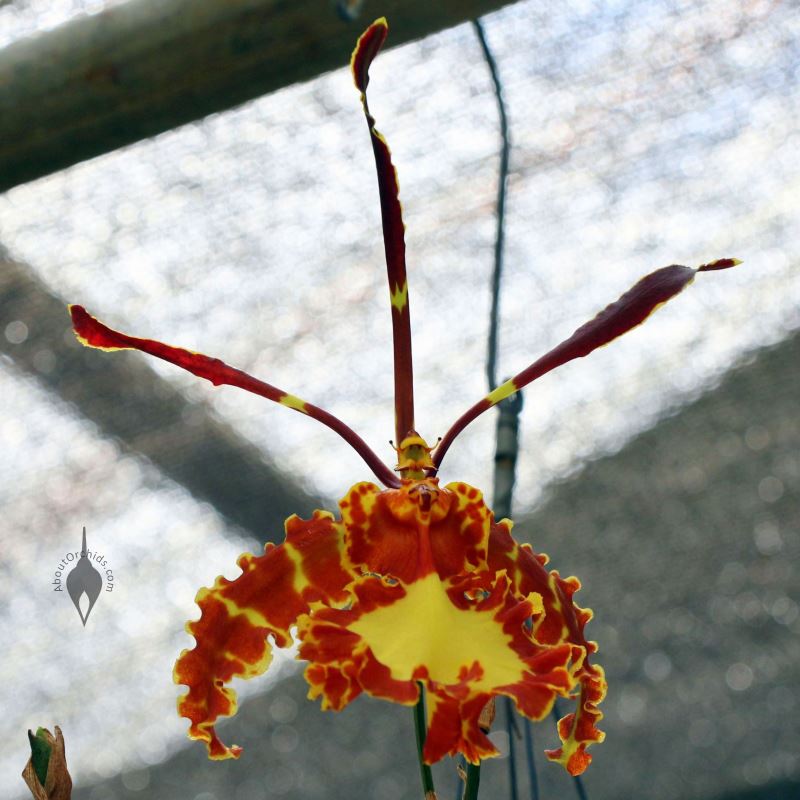
Paphiopedilum speciesPsychopsis hybridDendrobium flowers

Potinara flowerVanda hybridMoth Orchid hybrid

Summer’s warmth and long hours of daylight kick orchid growth into high gear. Check out these care tips so your plants can thrive:

Lady’s Slipper Construction Alert

Posted June 18th, 2013 by Marc Cohen
Categories: Conservation, Cool Growers, In the News

Minnesota’s Bemidji Pioneer reports on efforts to save native Lady’s Slippers from destruction. It’s a lot of work on behalf of a beautiful pink, white, and yellow orchid. Cypripedium reginae, or the Showy Lady’s Slipper, has been Minnesota’s state flower for over a century. Construction on Beltrami County Highway 39 could destroy the rare orchids growing near the road. The plants flourish along a stretch known as the Lady Slipper Scenic Byway. To save them, experts are digging up the plants, and keeping them in a temporary nursery. When construction is done, they replant them alongside the roadway. One section of highway has already been completed, and the orchids restored. Construction is expected to continue through 2016. This rescue effort is being coordinated by several state agencies, conservationists, and the Chippewa National Forest. To help, local residents can volunteer, and anyone can Adopt a Lady’s Slipper.

For more detailed info on the Showy Lady’s Slipper, check out BotanyBoy.org.

Thunia

Posted June 14th, 2013 by Marc Cohen
Categories: Dormancy, Fertilizing, Fragrant Orchids, Growing, Intermediate Growers, Photos, Watering

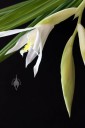
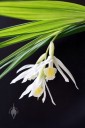
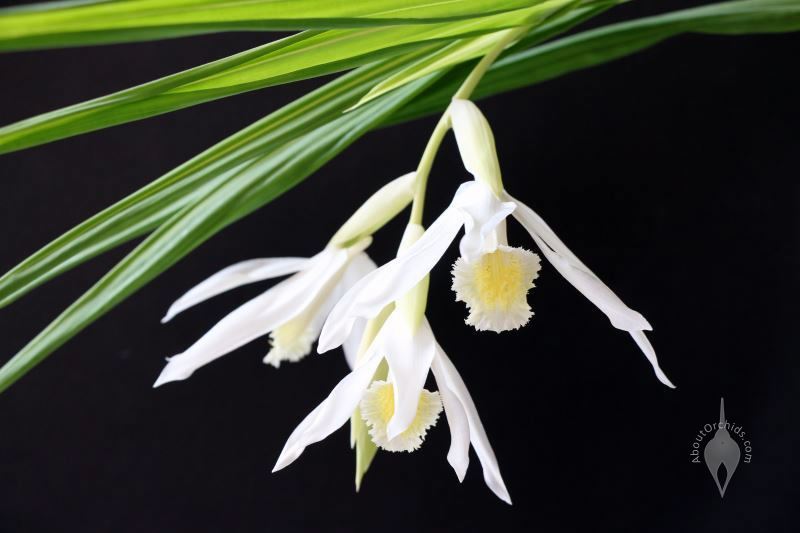
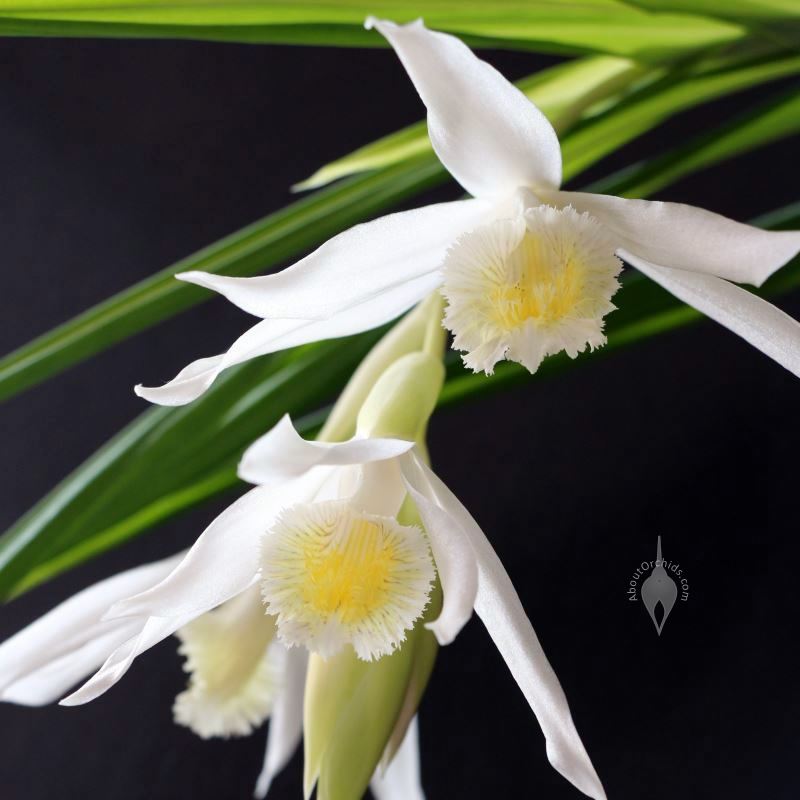
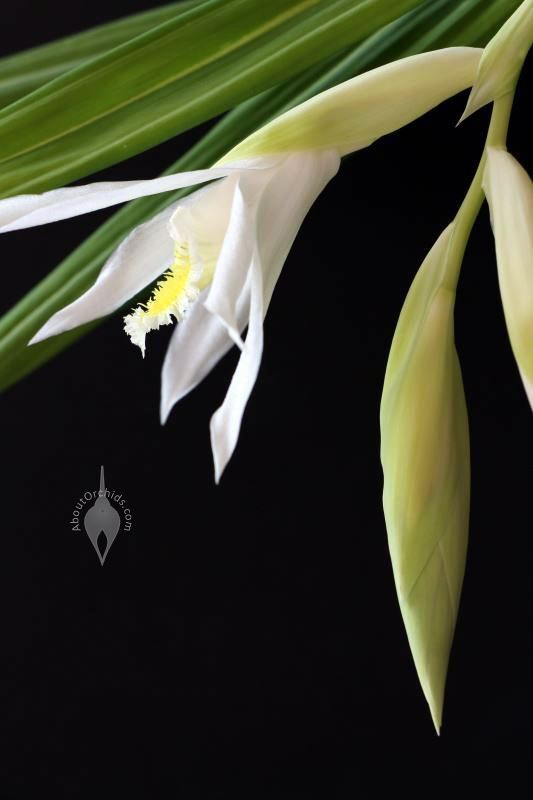
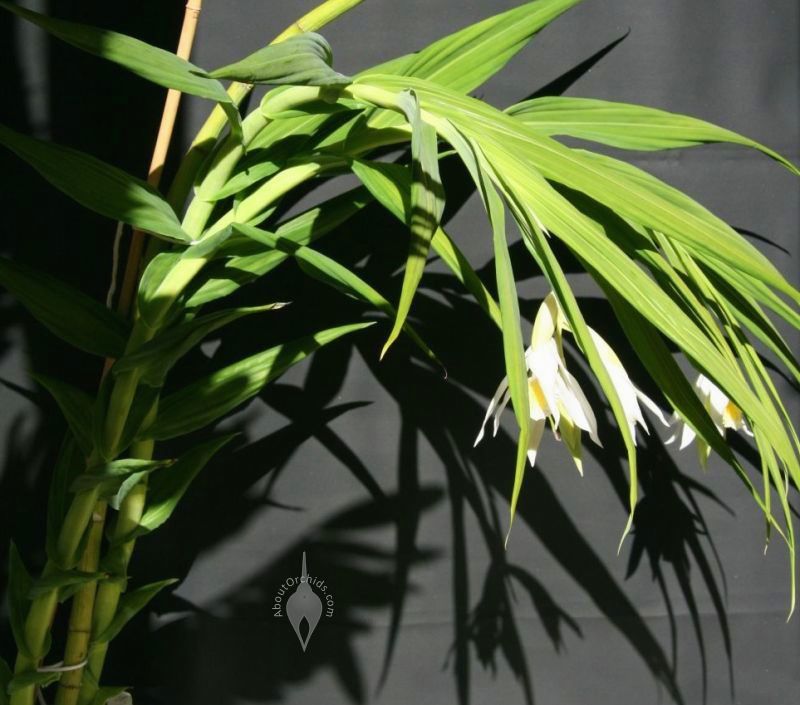
With their incredible diversity, orchids take many forms. These Thunia flowers may resemble Cattleyas, but this large Thunia plant looks more like a cornstalk than an orchid. Possibly the fastest growing orchid, new Thunia stalks grow 3 feet (0.9 m) or more during spring. This fascinating species has lived in a west-facing room of our apartment for 8 years. It puts on its big annual display in June, and Dave took some great shots.
Thunia flowers and leavesThunia flowersThunia flower side view

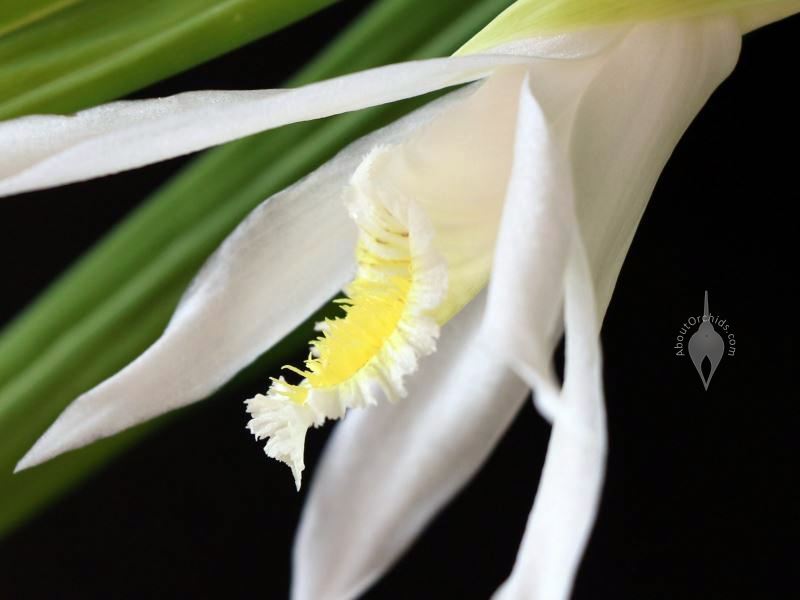
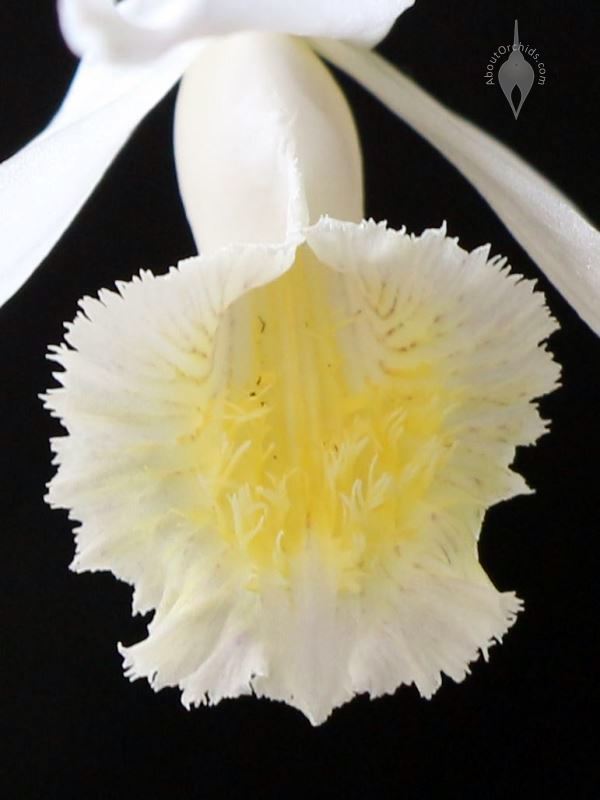
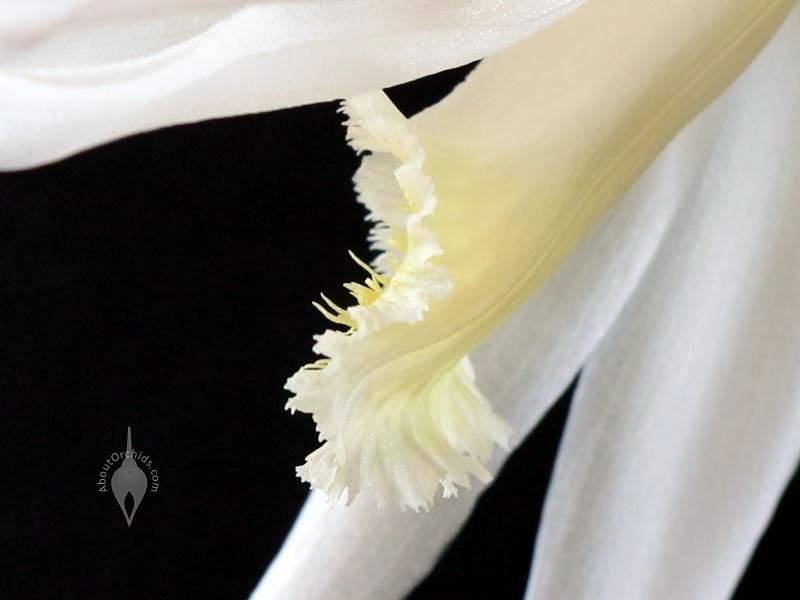
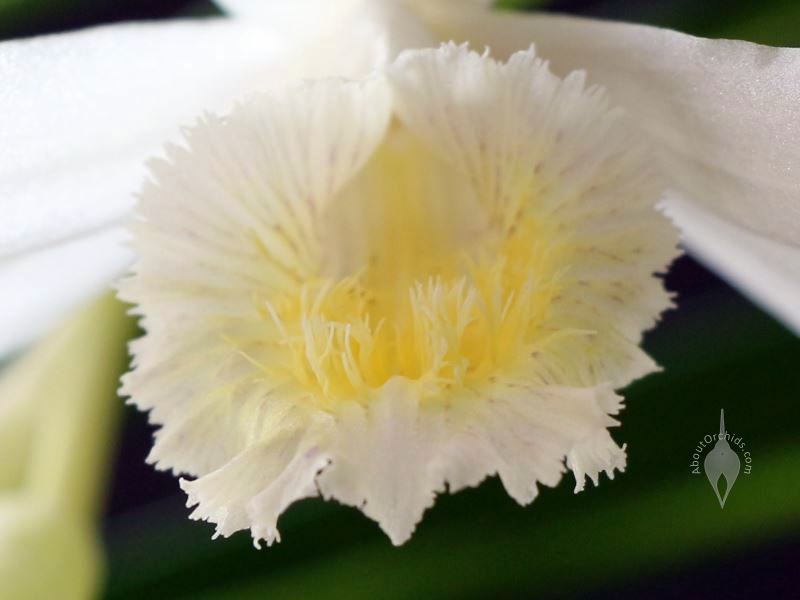
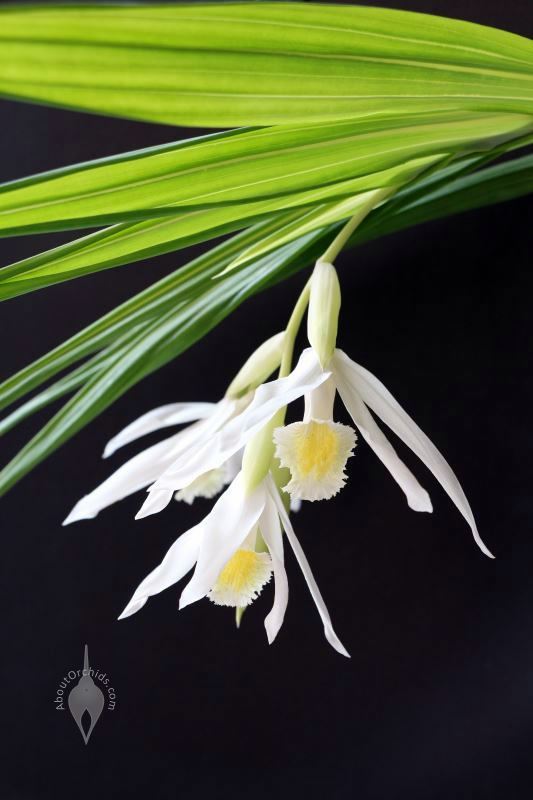
These 5 inch (13 cm) blooms hang in clusters, pulling down the tops of their tall stalks, also called canes. Flowers emerge over the course of a month. New buds develop inside rounded bracts which come to a point, like crystals dangling on a chandelier. The fascinating flower lips have yellow whiskers and frilly edges.
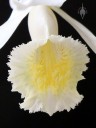
Close up of Thunia flower lipSide view of Thunia flower lipThunia flower and buds hanging from plant

This terrestrial is native to the Himalayas and Southeast Asia, where it grows along streams or in rocky areas as high as 7550 ft. (2300 m.) Each winter, Thunias drop their leaves and go dormant. In spring, new canes emerge from the bases of old ones. New growth needs full sun. Keep humidity high, but only water lightly. Too much water can rot young growth. Plants should be moved into shade when they’ve reached 6 inches (15 cm) tall. By late spring, Thunias need regular water and fertilizer. When leaves yellow and drop in autumn, reduce water and fertilizer to a minimum. I keep this specimen cool and dry in winter, watering as seldom as once a month to keep the stalks from shriveling.
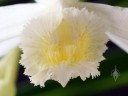
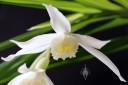
Close up view of Thunia flower lipThunia flowerThunia flowers and leaves

Incredibly, this tall plant grows in a small 6 inch (15 cm) pot. I repot it every other winter into new, rich potting soil. To keep it stable, I tie the canes to the shelving unit where it lives. Despite its large size and care demands, it’s worth it to enjoy these gorgeous flowers hanging from a cornstalk.
The Nature Conservancy

Posted June 10th, 2013 by Marc Cohen
Categories: Conservation

The Nature Conservancy protects many vital orchid habitats. This nonprofit group began in 1951, and now works in all 50 US states and more than 35 countries. With over one million members, it’s one of the largest environmental groups in the world. By purchasing threatened lands, restoring native habitats, and fighting invasive species, the Nature Conservancy effectively protects biodiversity. Projects around the world, from China to the Yucatan, offer hope that some orchid habitats can resist growing human pressures. Important orchid ecosystems like Brazil’s Atlantic Rainforest are being restored by the group’s Plant a Billion Trees campaign. These massive tree plantings are also designed to combat climate change. By protecting lands and waters, the Nature Conservancy saves plants and animals in their wild habitats.

You can support the Nature Conservancy’s work by donating, becoming a member, joining on social media, or adopting an acre.

North American orchid projects include:

Phal Species

Posted June 4th, 2013 by Marc Cohen
Categories: Fragrant Orchids, Growing, Photos, Warm Growers

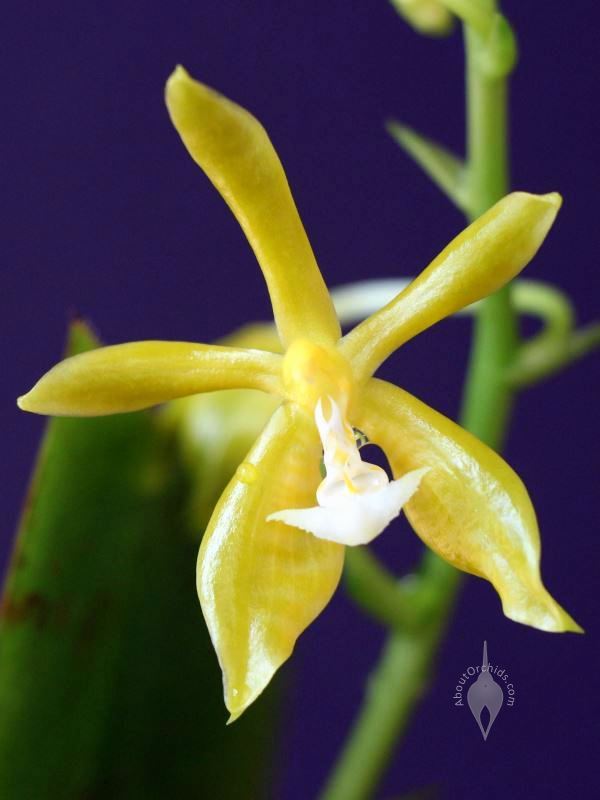
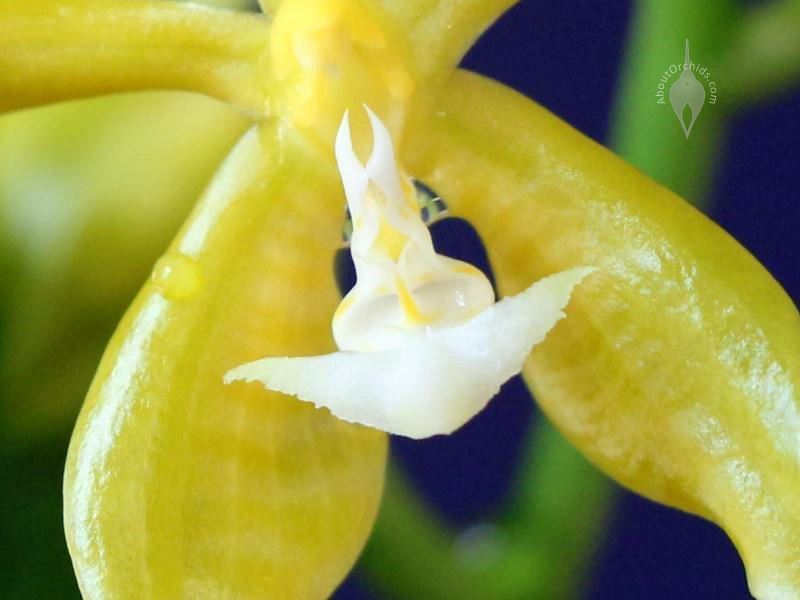
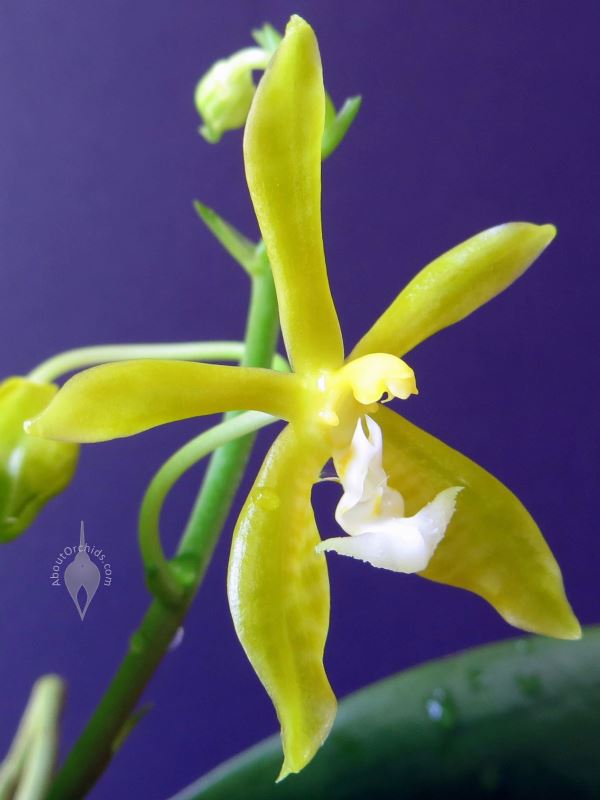
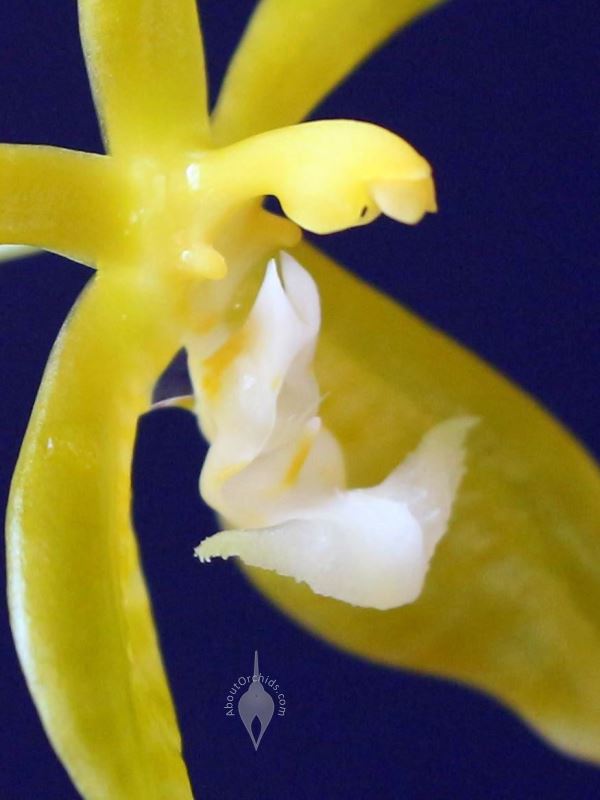
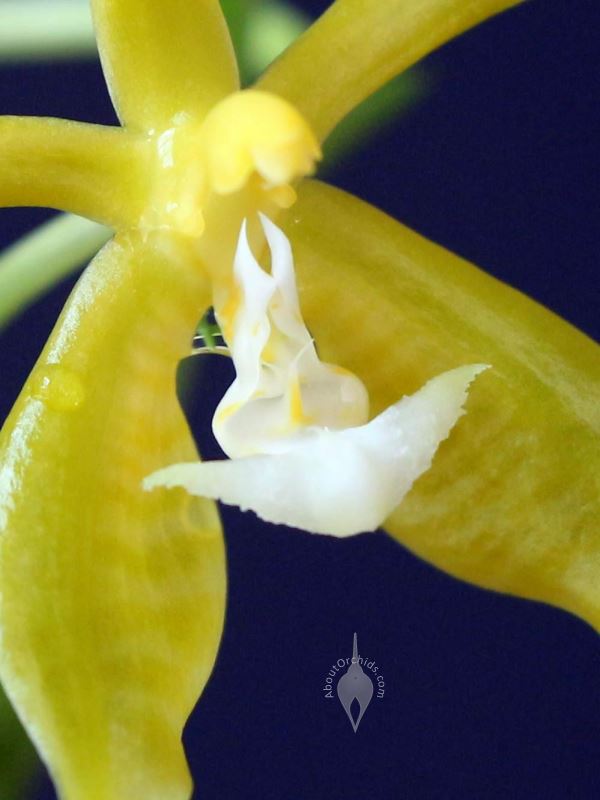
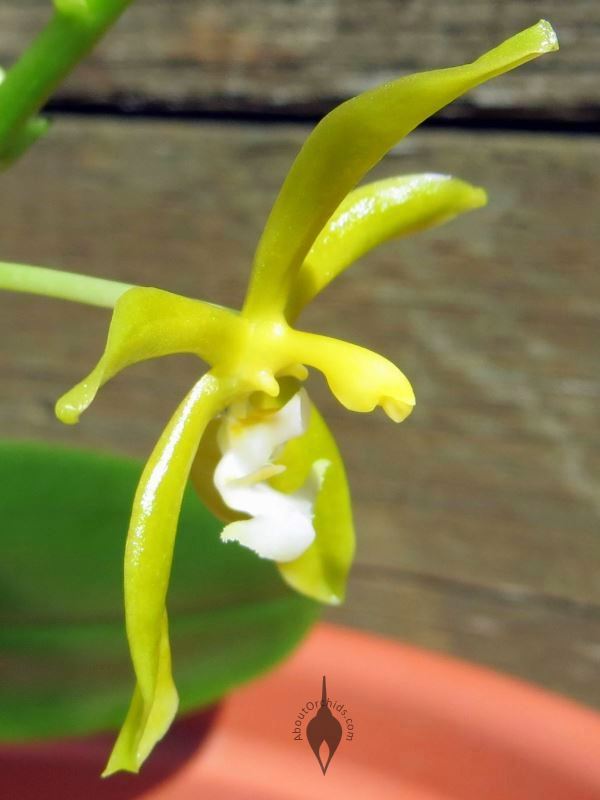
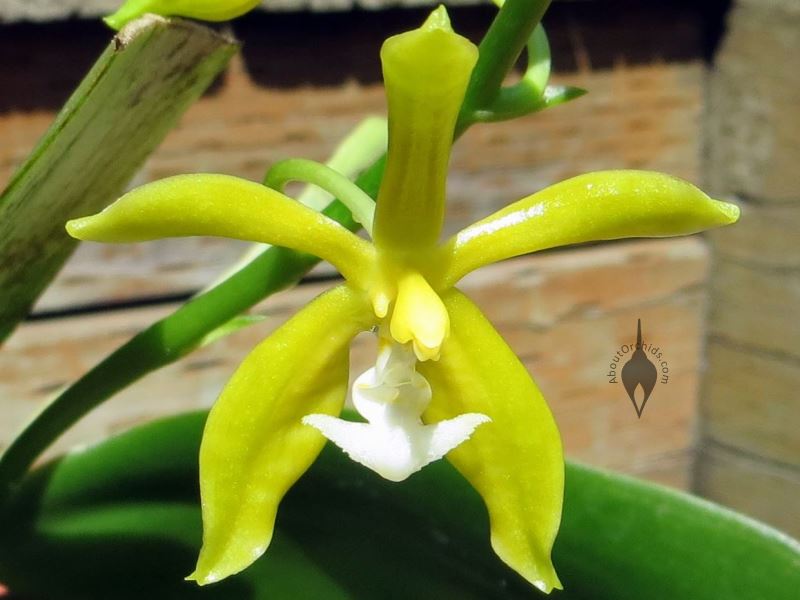
In a world full of hybrid Moth Orchids, it’s always a pleasant surprise to find a species. Typically seen with dark red spots and stripes, this species, Phalaenopsis mannii, also occurs with yellow flowers. This variation is known as Phalaenopsis mannii var. aurea. Its golden color, strange flower lip, and orange fragrance make it as interesting as any human-made hybrid.

Phalaenopsis mannii var. aureaClose up of flower lip of Phalaenopsis mannii var. aurea Phal species

Like other Phals, this species is native to Southeast Asia. It grows in a wide range stretching from the eastern Indian Himalayas through Nepal, Bhutan, southern China, Myanmar (Burma,) and Vietnam. There are several natural color varieties like those shown on this page of Phals.net. Look closely to see the subtle white stripes on the lower sepals of these yellow blooms.

Flower close up of Phalaenopsis mannii var. aurea Close up of flower lip of Phalaenopsis mannii var. aurea Moth Orchid species

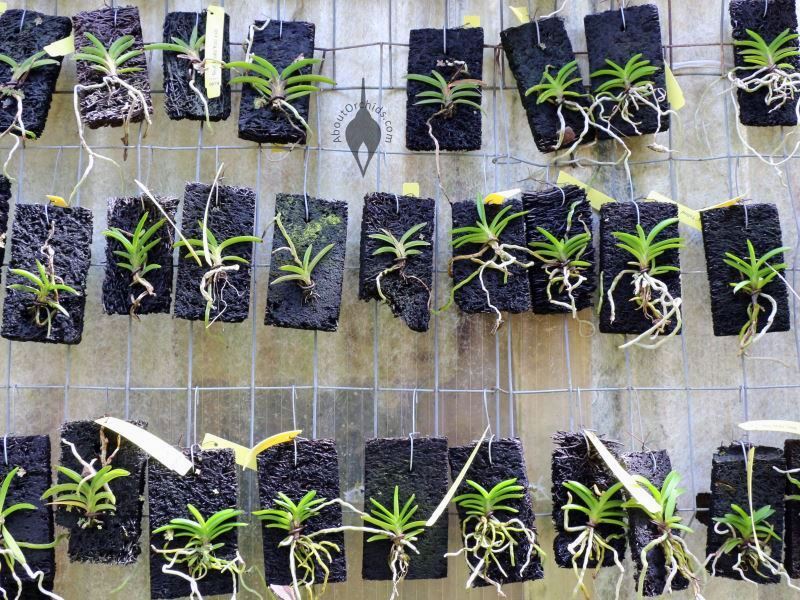
These elegant, star-shaped flowers can last 3 months. As a species whose leaves like to hang down, it grows best when mounted. The roots can grow as long as 12 feet (4 meters). I bought this plant 3 years ago at a local orchid show, and it’s happy mounted on treefern in high humidity. The golden blossoms appear in spring among its long, straggly roots.

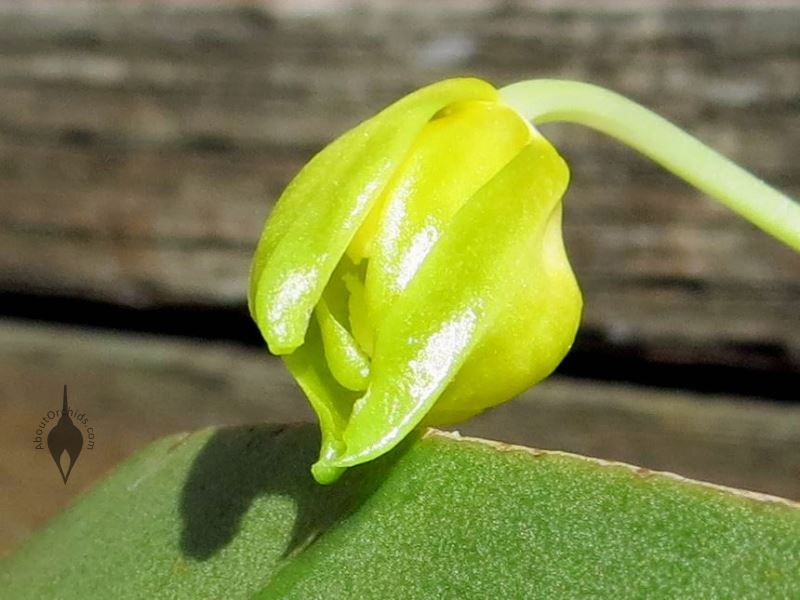
Flower of Phalaenopsis mannii var. aurea White color bands on petal and flower lip of Phalaenopsis mannii var. aurea Flower bud

June Orchid Shows

Posted May 31st, 2013 by Marc Cohen
Categories: Botanical Gardens, Events

Orchid shows slow down in the northern half of the globe as summer approaches. However, in the southern half of the planet, events ramp up in Australia and Brazil. No matter where they happen, orchid shows are great places to enjoy beautiful blooms, meet local experts, and find plants for your collection.

June 1 – 2
Southport & Districts Orchid Society Show & Trade Fair, Albert Waterways Community Centre, 91 Sunshine Blvd., Broadbeach, Queensland, Australia
June 1 – 2
Festival Arts d’Orchidees, l’Eglise Notre-Dame d’Urcel, Urcel, Aisne, France
June 1 – 9
Penang Floral Festival, Penang Botanic Garden, Georgetown, Penang, Malaysia
June 7 – 9
Aiea Orchid Show, Aiea Elementary School Cafetorium, 99-370 Moanalua Rd., Aiea, Oahu, Hawaii
June 7 – 9
Shore Orchid Festival, Silva Orchids, 635 Wayside Rd., Neptune, New Jersey
June 7 – 9
Exposicao Regional de Orquideas de Piracicaba, Estacao da Paulista, Centro Cultural Antonio Pacheco Ferrar, Av. Dr. Paulo de Moraes, Piracicaba, Sao Paulo, Brazil
June 7 – 9
Exposicao Nacional de Orquideas de Ribeirao Preto, Associacao dos Aposentado e Pencionista, Rua Capitao Salomao, 324 Campos Eliseos, Ribeirao Preto, Sao Paulo, Brazil
June 7 – 9
Saint-Hip’aux Cactus, Site du Gymnase, Rue Bourlier, 25250 L’Isle sur le Doubs, France
June 8
Orchid Digest Speakers’ Day, Huntington Library and Botanical Gardens, San Marino, California
June 8 – 9
Gympie Golden Orchid Spectacular, Gympie Showgrounds, Gympie, Queensland, Australia

Read the rest of this post »

Orchids in Southeast Alaska

Posted May 28th, 2013 by Marc Cohen
Categories: Cool Growers, In the News

From the capital of our 49th state, Juneau Empire has a guide to Orchids in Southeast Alaska. With more than two dozen native species, Alaska offers a great reminder that orchids can appear in unexpected places. Many Alaskan varieties are known by their colorful common names, like Frog Orchid, Bog Orchid, Adder’s Tongue, and Rattlesnake Plantain. The Calypso, or Fairyslipper, and the Mountain Lady Slipper are as stunning as any of their exotic tropical cousins. Species with smaller flowers, like Coral Root Orchids, Ladies Tresses, and Twayblades, have plenty of their own charms. Be sure to click through the article’s photo gallery to see Southeast Alaska’s floral best.

No matter where you live, if you find orchids in the wild, enjoy them in their natural state. It’s important never to pick wild orchid flowers or dig up plants. Native orchid species are endangered, and protected by laws and treaties.

Chelsea Flower Show Turns 100

Posted May 25th, 2013 by Marc Cohen
Categories: Events, General Gardening, In the News, Videos

The Chelsea Flower Show has celebrated its 100th birthday. London’s biggest gardening event welcomed its next century with typical pomp and floral beauty, and an added element: gnomes. As always, orchids were a big part of the show. Word spread early that one of Britain’s rarest orchids had its own team of bodyguards. The extraordinary Lady Slipper on display, Cypripedium calceolus, almost became extinct in Britain, and sadly, some orchid lovers just can’t be trusted. The plant is small enough for a thief to pocket, unlike a large, bronze Moth Orchid statue.

Orchid award winners included this gold-winning exhibit from the Eric Young Orchid Foundation, featuring orchids varieties from 100 years ago. More impressive exhibits from McBean’s Orchids and Akerne Orchids come courtesy of these two short videos from Jose Santos:

While you’d be forgiven for thinking the show is more about celebrity and fashion than plants, controversy has long been part of the event. News coverage from the past century shows plenty of thorny commentary among the praise. No matter your stand, any orchid lover can enjoy the video below showing the Queen admiring an orchid display. She even smiles a few times at the end. That’s Chelsea Flower Show gold.


Mounted Orchid Care

Posted May 21st, 2013 by Marc Cohen
Categories: Fertilizing, Growing, Photos, Watering

Who needs flowerpots? Orchids can grow attached to wooden mounts or trees, mimicking how they live in the wild as air plants. Despite this more natural look, mounted orchids aren’t as common as potted ones, since mounted orchids need extra care. Potted plants are usually better choices for orchid beginners.

Moth Orchid mounted in palm treeSamurai Orchids mounted on treefern barkOrchid mounted on tree trunk

For gardeners in tropical and subtropical areas, people with greenhouses, and experienced growers, mounted orchids can fill vertical gardens. Many types of orchids prefer to grow on mounts. For example, Vandas like to have their roots in the open air. Cattleyas need to dry thoroughly between waterings. Angraecums don’t like repotting.

To grow mounted orchids, consider how their care differs from potted orchids:

  • Extra water – Mounted orchids need more frequent waterings, especially on warm or windy days. Exposed roots dry much faster than roots in a pot. That’s good, because it limits problems with bacterial or fungal infections.
  • Constant high humidity – All orchids need high humidity. However, without moist potting material around their roots, mounted orchids are very susceptible to dry air. Maintain at least 50% humidity at all times. Heaters and air conditioners can dry the air, leading to problems when growing mounted orchids indoors.
  • Consistent fertilizer – Mounted orchids need regular fertilizer. Without decomposing potting material as nutrients, their roots have no food reserves. Fertilize weakly, weekly.
  • On trees or in trees? – Rather than attaching plants directly onto trees, many growers hang mounted orchids on branches. On its own mount, the plant is not permanently attached to the tree. Growers can bring orchids indoors for harsh weather, or to better enjoy the blooms.
  • Remounting – If an orchid outgrows its mount, it may be best to attach the entire plant, with its old mount, to a new mount. Removing an orchid from its old mount can severely damage the roots. If an old mount breaks or falls apart, remove all rotten material, and attach the orchid to a new mount.

Mounted orchids including Moth Orchid on leftOncidium hybrid mounted in treeBrassavola mounted on slanted branch

Small mounted orchidsOrchid mounted on cork with fishing lineOrchid mounted on two branches

Check back soon to explore further. I’ll cover how to mount an orchid.