13 Must-See Botanical Gardens

Posted September 10th, 2012 by Marc Cohen
Categories: Botanical Gardens, In the News, Photos

At MNN.com, the Mother Nature Network takes a tour of the world’s best botanical gardens, and finds plenty of orchids among them. To compile their list, MNN asked plant experts to consider their favorites, and also included gardens with rarities and historical importance. Not all of the listed gardens have orchids, but some house the world’s best orchid collections, like Singapore Botanic Gardens, New York, Atlanta, Kew in London, Longwood near Philadelphia, and Fairchild in Florida (home of the American Orchid Society.) The article includes info for each locale, with links, highlights, and the best times of year to visit.

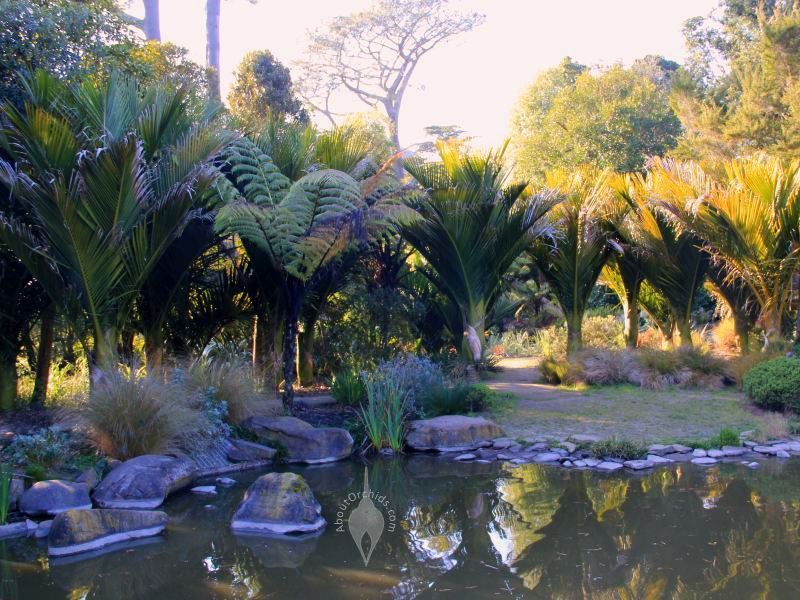
San Francisco’s magnificent Strybing Arboretum didn’t make the list, so I’ve added a few photos from a recent visit to plead its case. I can’t guarantee that you’ll see a hawk taking a bath, but I can promise that you’ll enjoy remarkable sights in all of these gardens.

Hawk bathing in pond at Strybing ArborteumProtea flowerStrybing Arborteum in Golden Gate Park

Cattleya Care

Posted September 5th, 2012 by Marc Cohen
Categories: Dormancy, Fragrant Orchids, Growing, Intermediate Growers, Photos, Watering

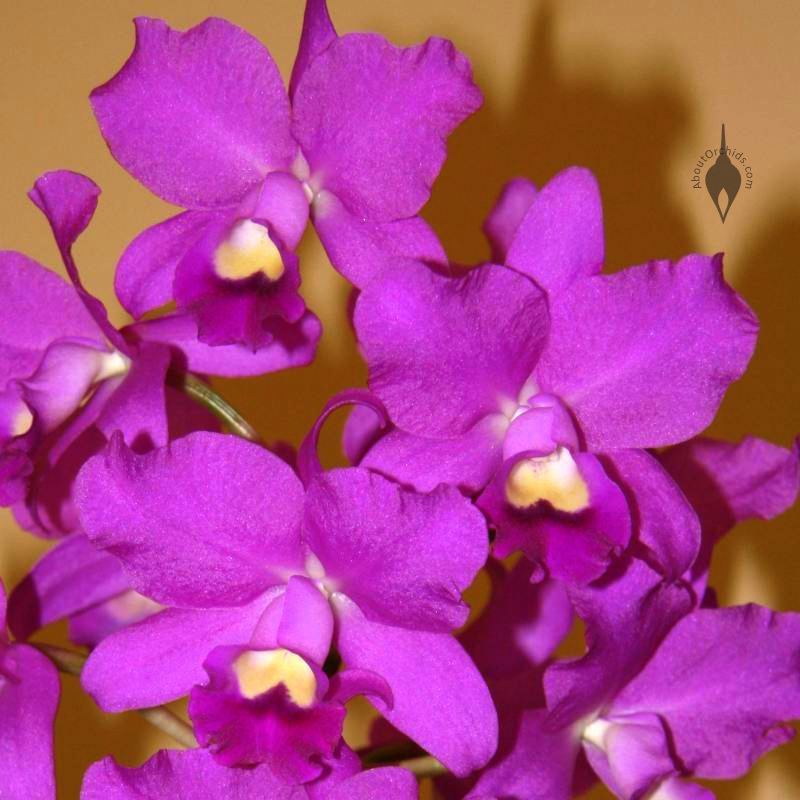
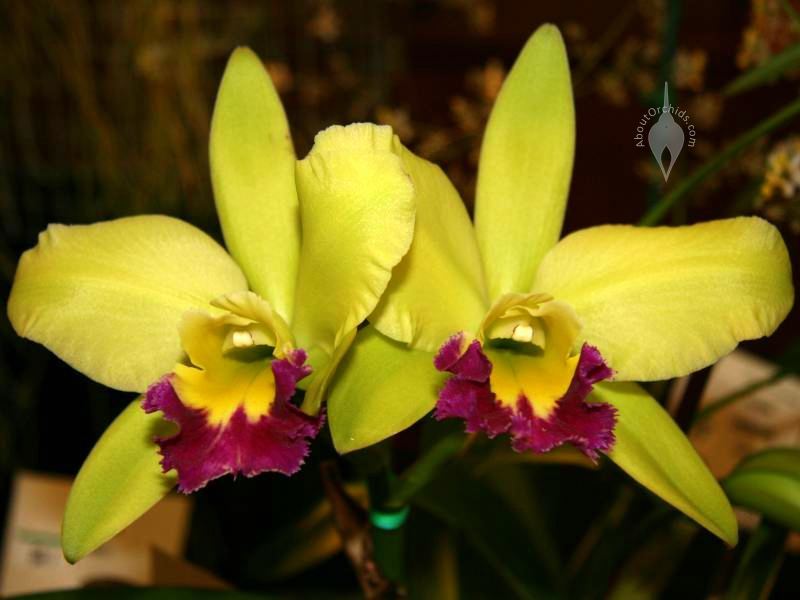
Cattleyas are orchid royalty. For generations, their brilliant colors, exotic shapes, and rich perfumes have made them prime choices as elegant corsages. These photos of Cattleya species and hybrids illustrate only a few from thousands of varieties. Orchid growers often refer to them as “Catts,” and say “Cattleya care” to encapsulate their growing needs:  bright light, daytime warmth, and water once a week.

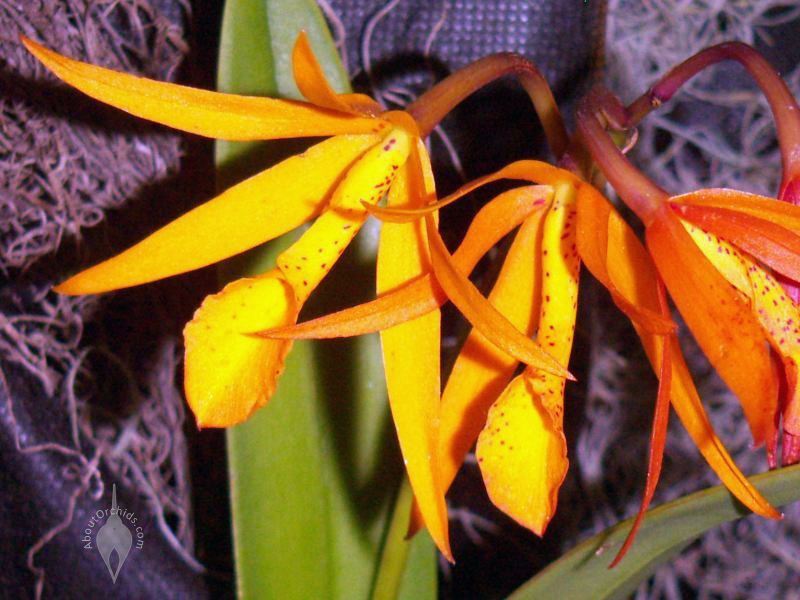
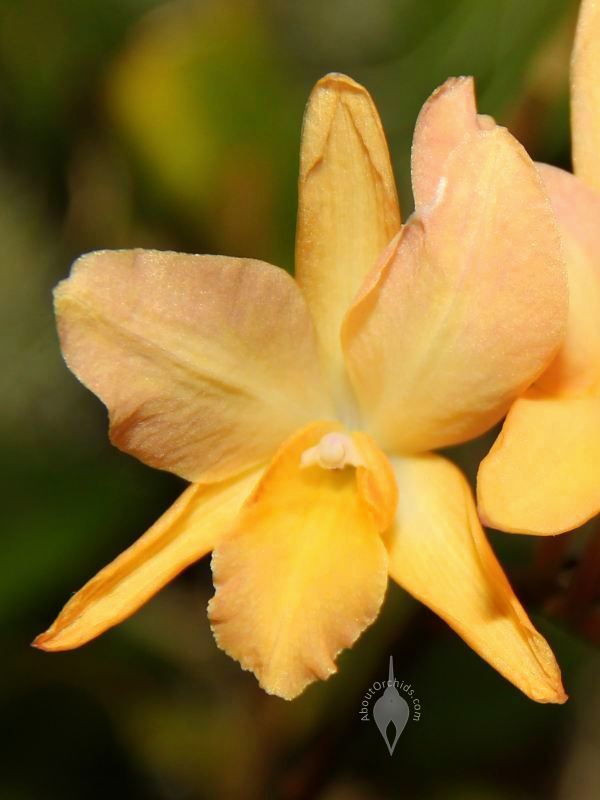
Cattleya hybridCattleya hybridPotinara flower

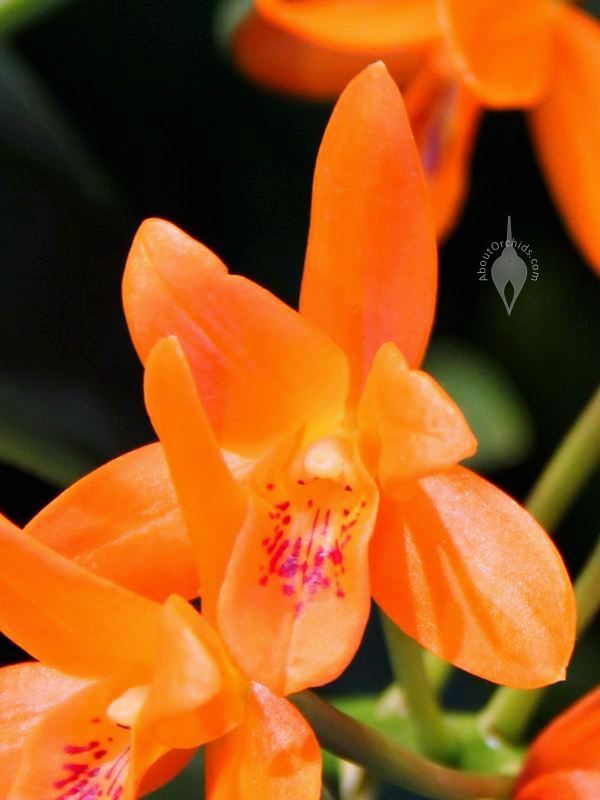
Native to Central and South America, members of the Cattleya family live in full sun on treetops and forest borders. Exposed to strong light and winds, they dry quickly after rains. Cattleyas in cultivation need to dry out between waterings. During spring and summer, they enjoy a thorough soaking once a week, but during winter dormancy, they may only want water once or twice a month. Even these low water orchids need good humidity at all times. Most types prefer temps of 70° – 85°F (21° – 29°C) during the day, dropping down to 60° – 65°F (16° – 18°C) at night. Other kinds prefer cooler temps, like this related Laelia species. For all types, fertilize weakly, weekly.

One of the toughest challenges for Cattleya growers is providing enough light for blooms. Leaves should be a medium green color; if they’re dark green or seem floppy, they are probably not receiving enough light. Artificial light at night can disrupt Cattleya flowering schedules, so keep them away from lamps after sunset. Ethylene gas from ripening fruit or smoke can stop Cattleyas from blooming, so keep their air moving. Repot every 2 – 3 years using coarse bark.

Blc flowersLaelia speciesCattleya hybrid

Many Cattleyas are large plants, but there are lots of mini varieties, too. Cattleya relatives, like Brassavolas and Laelias, share similar growing conditions, and have been crossbred with Cattleyas for over a century. Complex hybrids like Potinara and Iwanagara add more variety to the growing family. New crosses constantly extend this regal orchid line.

Sophrolaelia flowerBrassavola speciesCattleya species

September Orchid Shows

Posted August 31st, 2012 by Marc Cohen
Categories: Botanical Gardens, Events

If you could swing a kangaroo by the tail in Australia this September, I’m pretty sure you’d hit an orchid show. Aussies certainly love their orchids, but for those of us far from Oz, there are plenty of other events around the world. Orchid shows also abound in North America, Europe, South America, South Africa, and New Zealand this month. Here in San Francisco, Orchids in the Park Show & Sale is well worth a trip to Golden Gate Park.

September 1 – 2
Welsh Orchid Festival, National Botanic Garden of Wales, Llanarthne, Carmarthenshire, UK
September 1 – 2
West Brisbane Orchid Society Show, Brisbane Botanic Gardens Auditorium, Mt. Coot-tha, Queensland, Australia
September 1 – 2
Kempsey Speciosum Spectacular and Native Orchid Show, 57 Spooners Ave., Greenhills via Kempsey, NSW, Australia
September 1 – 2
Capricorn Orchid & Foliage Club Show, Bauhinia House, Berserker & High Sts, North Rockhampton, Queensland, Australia
September 1 – 2
Sale & District Orchid Club Show, St. Mary’s Hall, Pearson & Macalister Sts., Sale, Victoria, Australia
September 2
Revesby Workers’ Australian Native Orchid Club Show, Revesby Worker’s Club, 2b Brett St., Revesby, NSW, Australia
September 3 – 8
Eastwood & District Orchid Circle Show, Eastwood Shopping Centre, Eastwood, NSW, Australia
September 4 – 8
City of Lismore Orchid Society Show, Lismore Central Shopping Centre, Carrington St., Lismore, NSW, Australia
September 5
Santa Clara Valley Orchid Society Fall Auction, 11540 Minnesota Ave., San Jose, California
September 5
Hinckley & District Orchid Society Cattleya Plant Sale, Barwell Constitutional Club, Chapel St., Barwell, Leicestershire, UK

Read the rest of this post »

Dahlias

Posted August 26th, 2012 by Marc Cohen
Categories: General Gardening, Photos

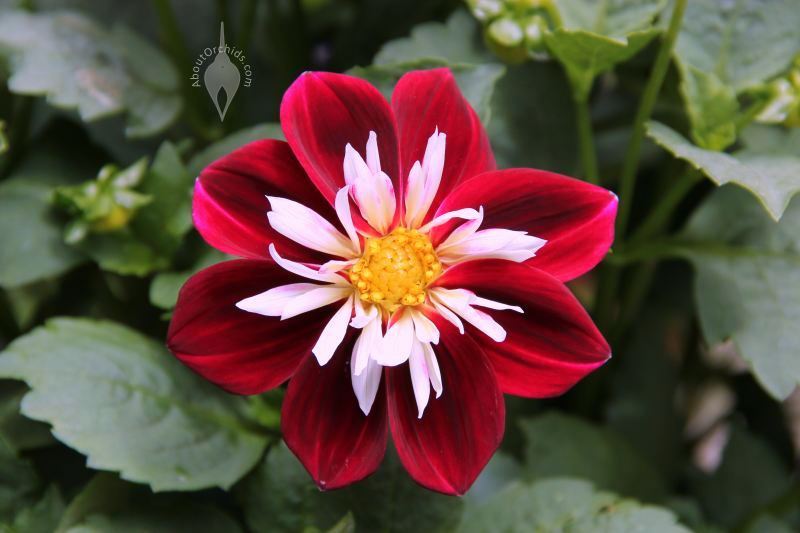
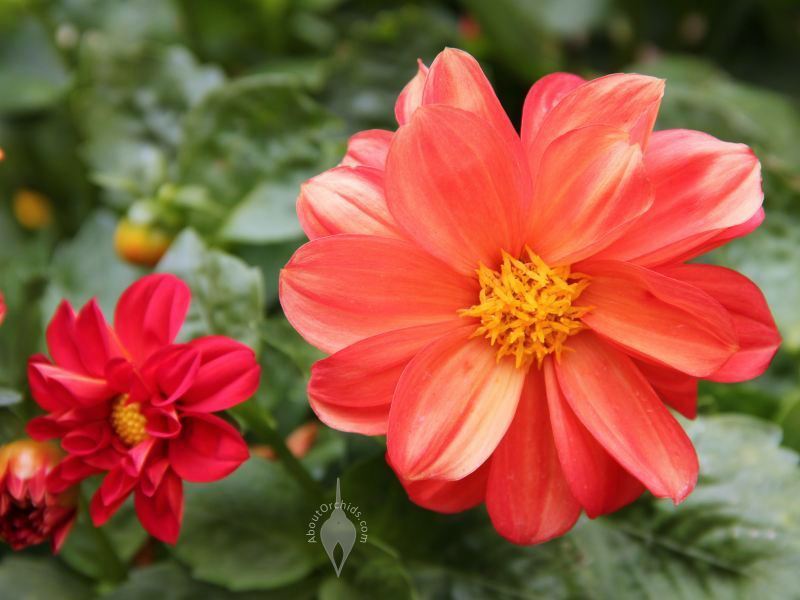
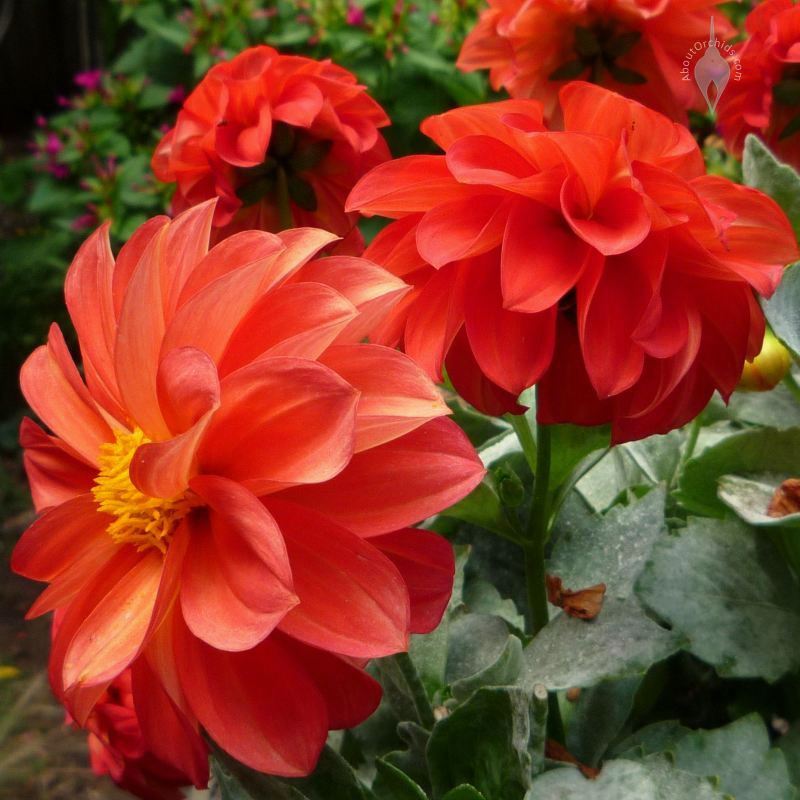
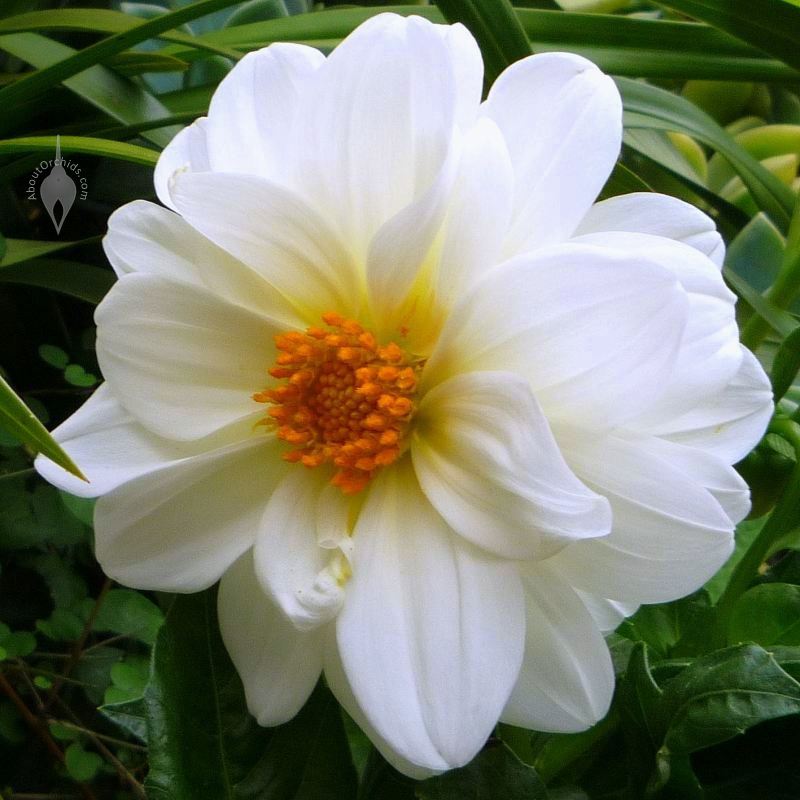
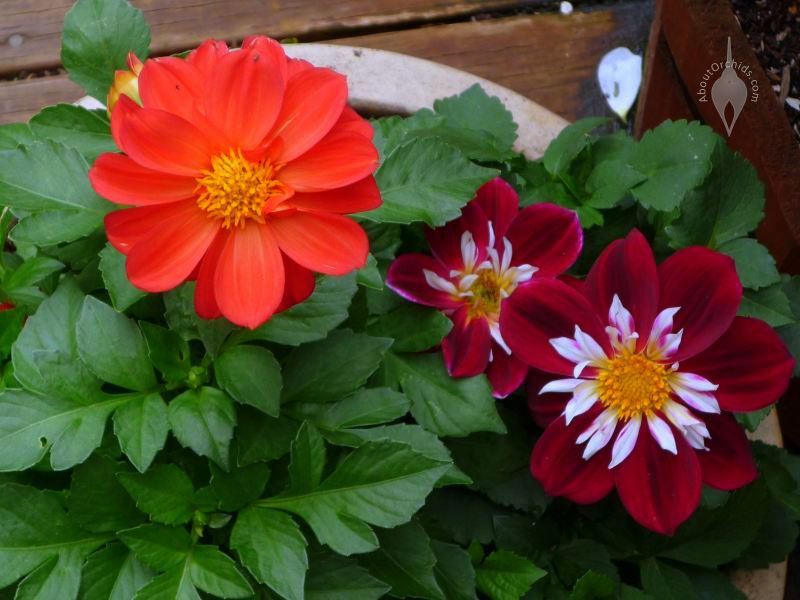
If our sunny deck weren’t covered with orchids, it might be covered with dahlias instead. These flashy perennials come in many different colors and shapes, and they are San Francisco’s official flower. We’ve made room for a few varieties in the back garden.

Dahlia flower and leavesDahlia flowersDahlia flower and buds

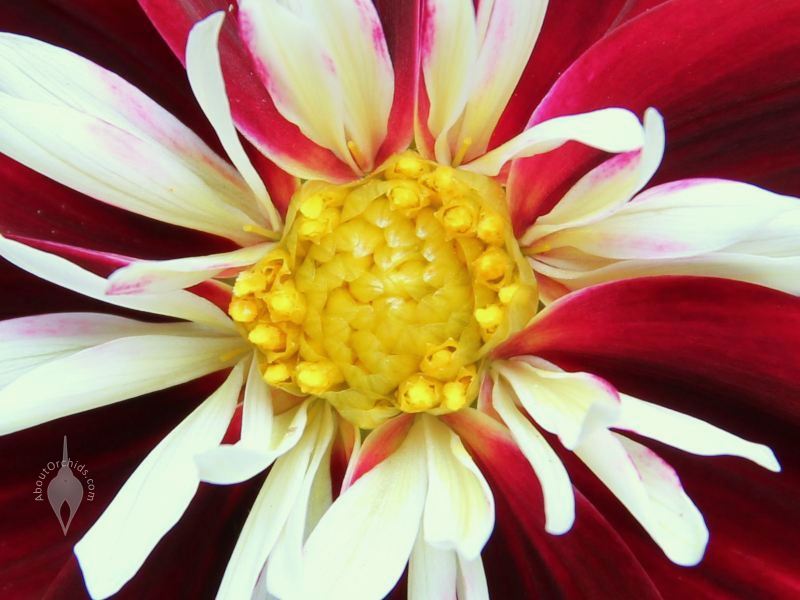
These are just a drop in the bucket of dahlia shapes and colors. With a multitude of forms ranging from flat, daisy-like petals to spiky pompoms, and just about every color but blue, it can be surprising that these flowers are related. Near the Conservatory of Flowers in Golden Gate Park, the Dahlia Dell has many kinds on display. Depending on the variety, blooms can range from a petite 2 inches (5 cm) to giants over 10 inches (25 cm.)

Dahlia flower close upDahlia flowers side viewDahlia

Besides being San Francisco’s official flower, dahlias are also the national flower of Mexico. In fact, they’re native to Mexico and Central America. Three dozen naturally occurring dahlia species readily crossbreed to create thousands of hybrids. To grow dahlias, provide rich soil, full sun, and regular water. Deadhead old flowers to keep new ones coming. In cold areas, tuberous dahlia roots need protection from winter freezes. We only rarely go below freezing in San Francisco, one of the reasons they do well here.

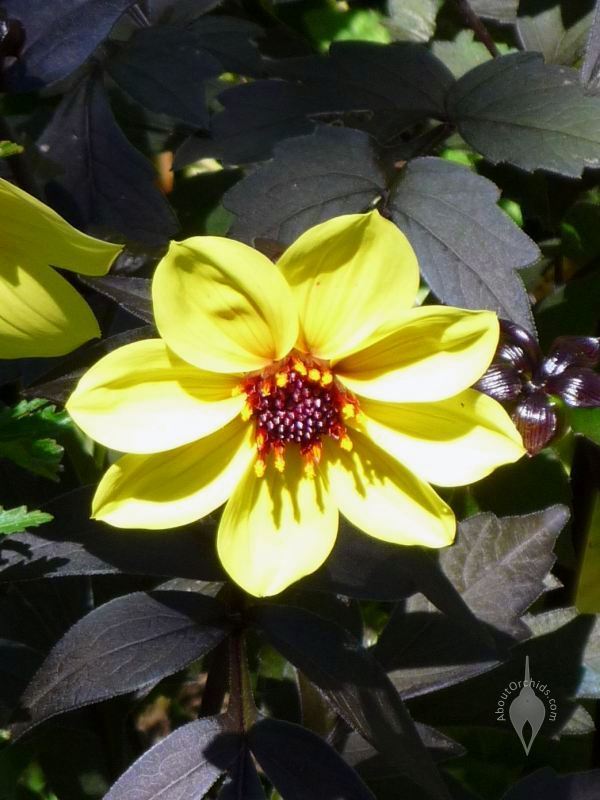
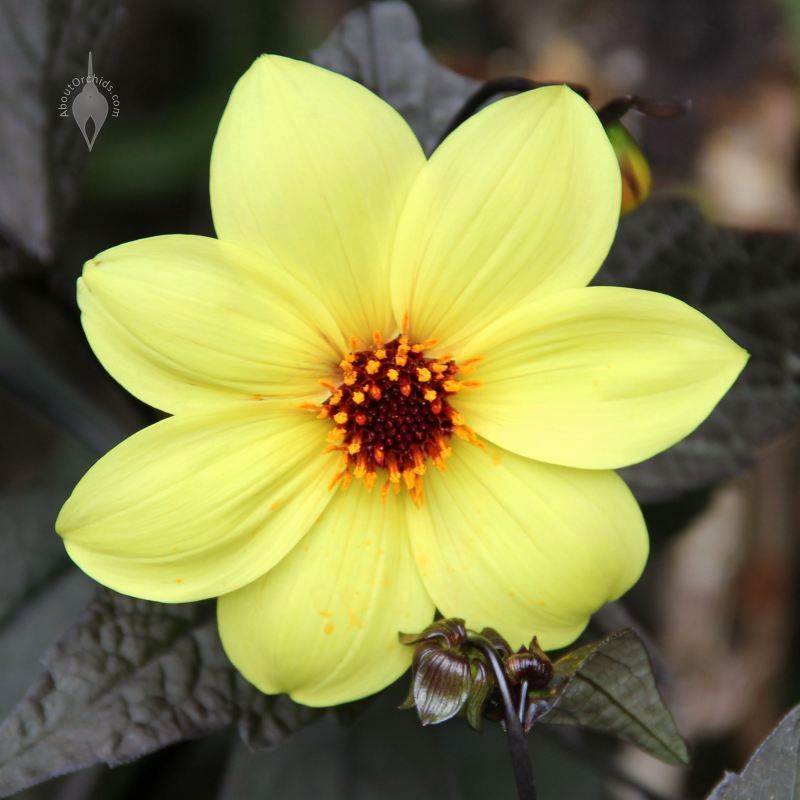
Dahlia flowers and leavesDahlia with black leavesDahlia with black leaves

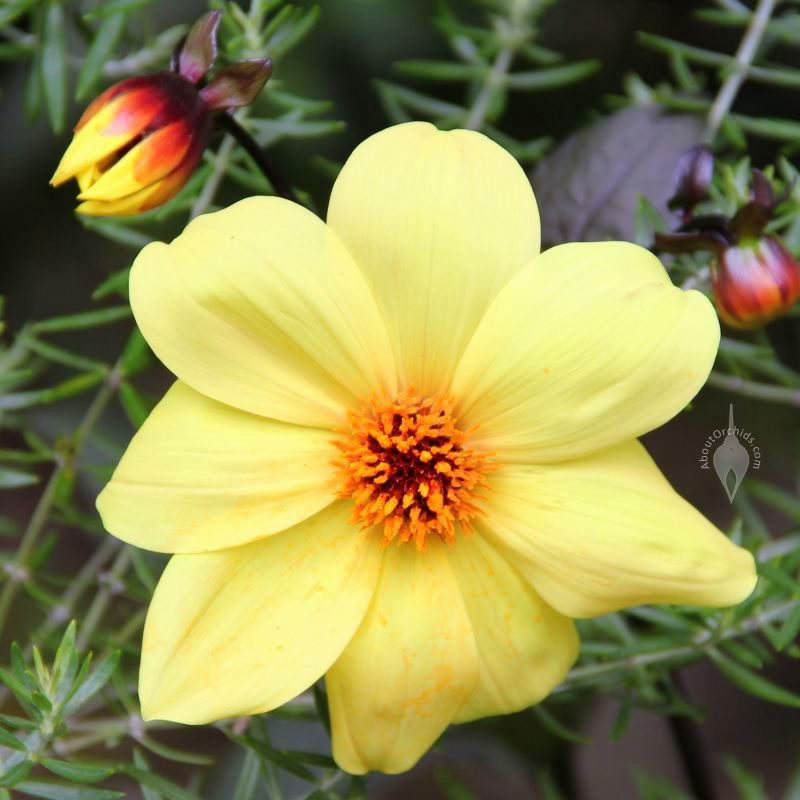
My favorite dahlia in our garden is the yellow one in the last two pictures. Its sunny flowers provide spectacular contrast to its black foliage. This plant can grow 5 feet (1.5 m) tall, and it flowers through the summer and fall as long as it receives regular water.

For more info on dahlias, check out the American Dahlia Society and Dahlia.com.

Orchid Care During Heat Waves

Posted August 20th, 2012 by Marc Cohen
Categories: Fertilizing, Growing, Problems, Watering

With record-breaking heat waves and droughts the new normal, orchid growers need to adapt. High temperatures can damage or kill plants, and prevent most types from blooming. Adjust orchid care during excessive heat to keep them healthy and growing.

  • Most importantly in high temps, maintain good humidity and air movement. Warm growers, like Phals, Vandas, Cattleyas, and some Oncidiums, can manage increased heat as long as it is matched by increased humidity. For cool growing and intermediate growing orchids, constant high humidity is essential. Spray orchids with a mister, and group plants together. Keep pots atop pebbles in trays of water, always keeping the pots completely above the water level. Place plants near sources of water and water features.
  • Move plants into shade. If orchids are taking a summer vacation outdoors, bring them back inside to lower light and reasonable, climate-controlled temps. For orchids staying outdoors, move them under trees, which provide natural shade and add humidity from leaf transpiration.
  • In the heat, plants dry faster and need more frequent waterings, but be careful not to drown them. Maintaining high humidity works better than repeated waterings. As always, use enough water to run out the bottom, and let pots drain completely. Never allow orchid pots to sit in water for any extended period.
  • Even if the air conditioning is keeping up indoors, plants near windows feel more heat and dry faster. They should have extra water and humidity in a heat wave.
  • For many orchid varieties, excessive heat pushes plant metabolism to survival mode, and they cease using fertilizer. Stop fertilizing cool and intermediate growers in hot weather. Cut back fertilizer for warm growers, too.
  • Droughts and water restrictions spell trouble for moisture loving orchids. Even low-water Cattleyas don’t need frequent soakings, but still require moisture in the form of humidity. Water is a valuable resource, and water conservation should be an important consideration for all orchid growers.

Arctic Orchids

Posted August 15th, 2012 by Marc Cohen
Categories: Cool Growers, In the News, Orchids in the Wild, Photos

From Canada, the Ottawa Citizen tells of Arctic Orchids and Other Delights. If the phrase “Arctic orchids” sounds like a joke, keep in mind that orchids are the world’s largest flower family, and live on every continent but Antarctica. We know tropical orchids best, but Canada is home to dozens of species, like those celebrated at the annual Bruce Peninsula Orchid Festival. Further north, the Northern Bog Orchid doesn’t have the prettiest flowers, but it does have the ability to survive on the tundra of Baffin Island, which is better known for polar bears and glaciers. Scientists have just discovered it there on a recent expedition during this summer’s short growing season. It joins the Northern Coralroot Orchid which was already known from Baffin Island. “When people think of the Arctic they think of ice,” says Jeff Saarela, a botanist on the trek. “They don’t even think that there’s much life up there. But the Arctic is incredibly diverse. There are hundreds of species of plants and other organisms.”

Orchid aficionado

Mini Stenoglottis

Posted August 10th, 2012 by Marc Cohen
Categories: Dormancy, Growing, Intermediate Growers, Mini Orchids, Photos

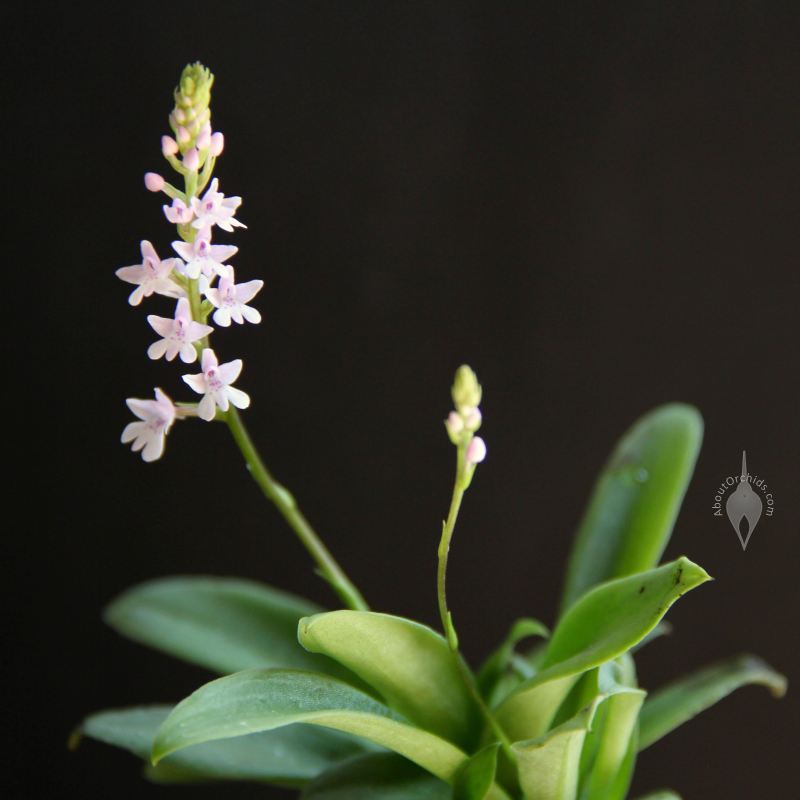
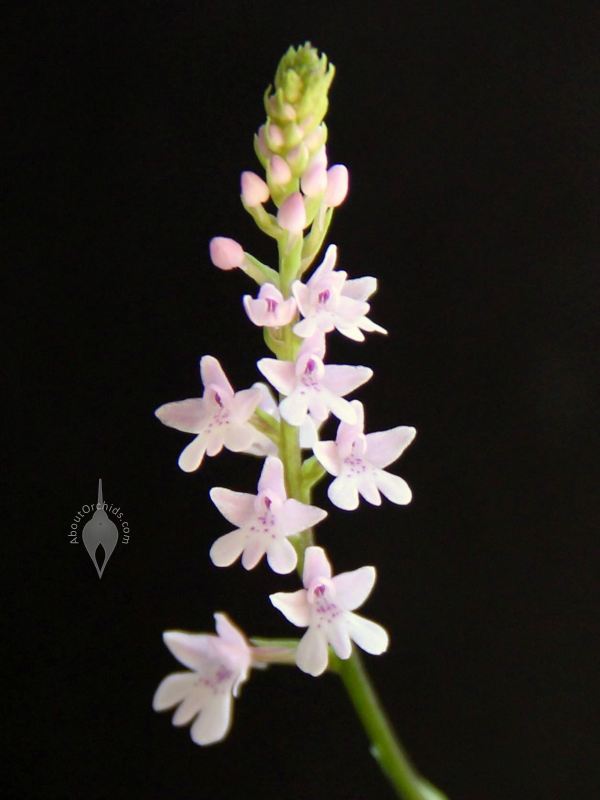
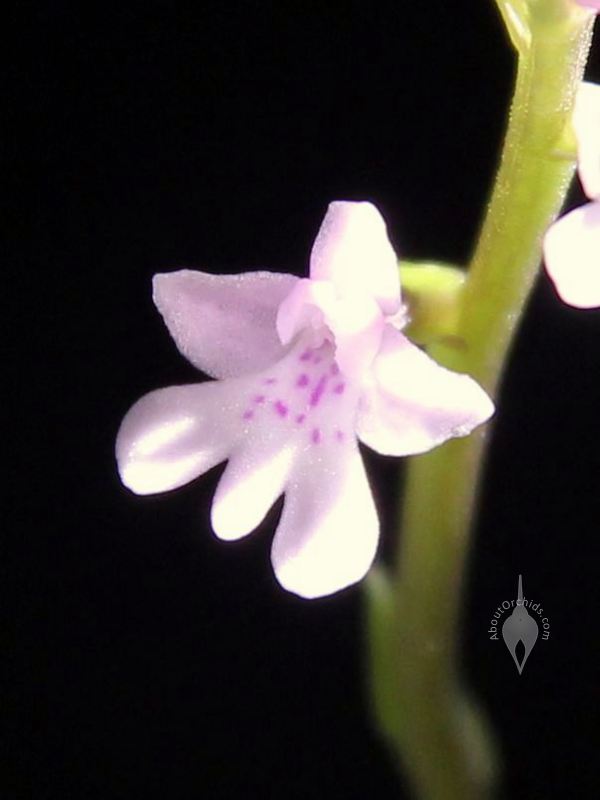
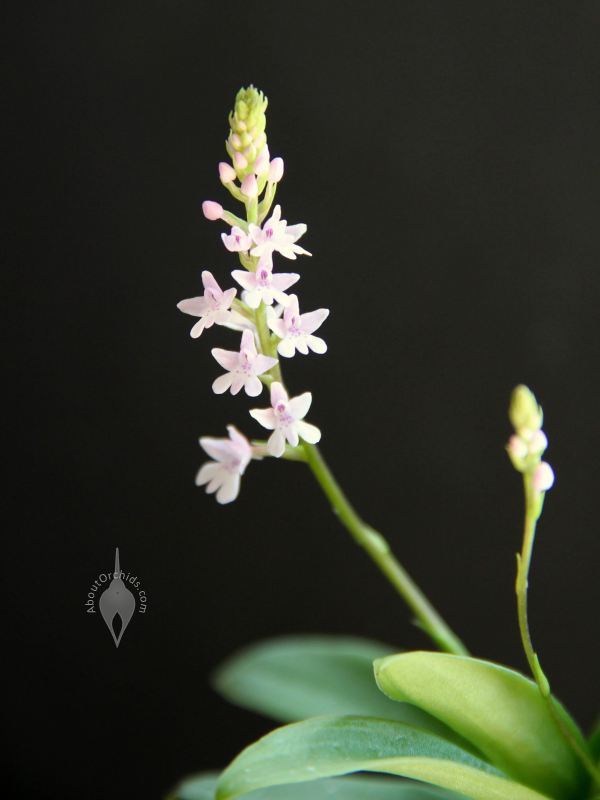
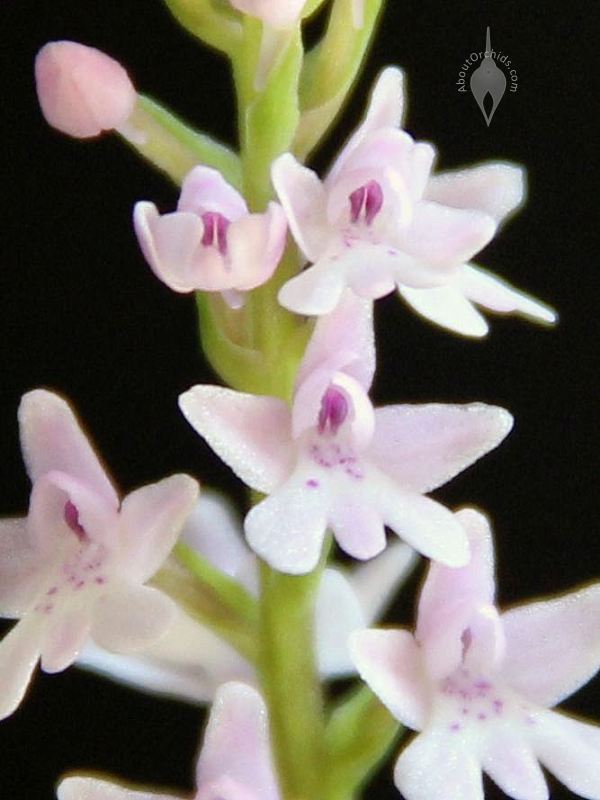
As a city dweller with limited growing space, I can always appreciate a mini orchid. I was immediately intrigued by this charmer in a 2-inch (5-cm) flowerpot for sale at last winter’s Pacific Orchid Expo. My reward came a few months later with these tiny, light pink blooms. While this species’ flower spike can reach 7 inches (18 cm) or more, mine topped out around 5 inches (13 cm) tall.

Mini Stenoglottis species showing leaves and flowersStenoglottis flowersMini Stenoglottis flower close up

Rare in its native range, this terrestrial species is known from just a few places in South Africa and Zimbabwe. In cultivation, it doesn’t want much water. Most days I spray it with the mister, and only give it a thorough watering when the soil looks dry. Its thin leaves can burn in direct sun, so I keep it in bright light and good humidity with minimal morning sun.

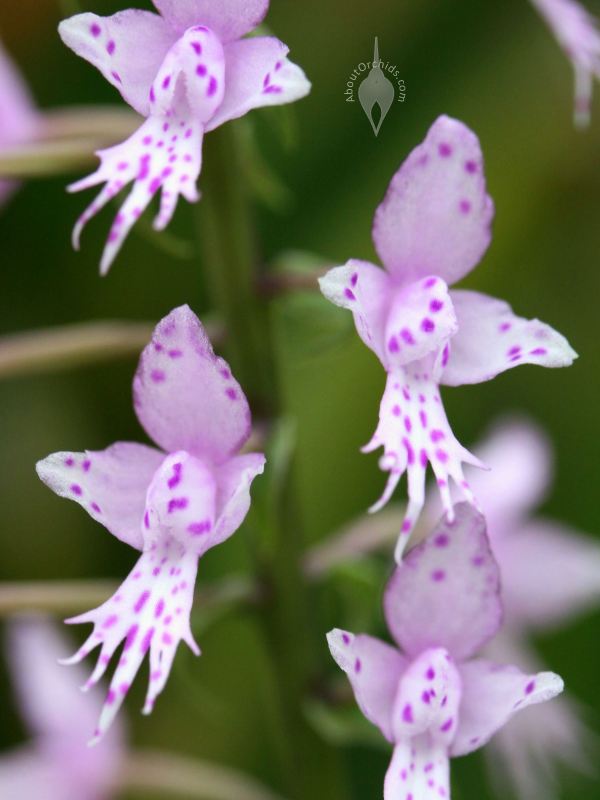
Stenoglottis flowers and leavesStenoglottis flowersLarger flowers of a larger, related Stenoglottis species

A larger Stenoglottis relative shows off bigger flowers with more purple spots in the final photo. Both the larger species and the mini are deciduous. After dropping their leaves, they need to stay cool and dry over winter dormancy. Water once or twice per month to keep underground tubers from drying. New leaves emerge in spring.

Ghost Orchid Alert!

Posted August 7th, 2012 by Marc Cohen
Categories: Fragrant Orchids, In the News, Orchids in the Wild, Photos, Warm Growers

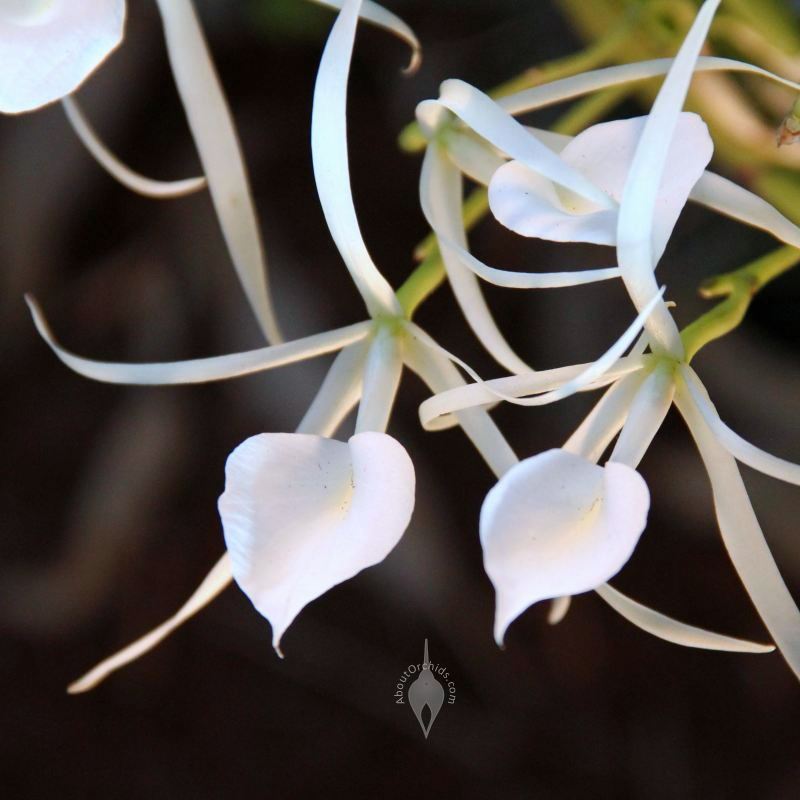
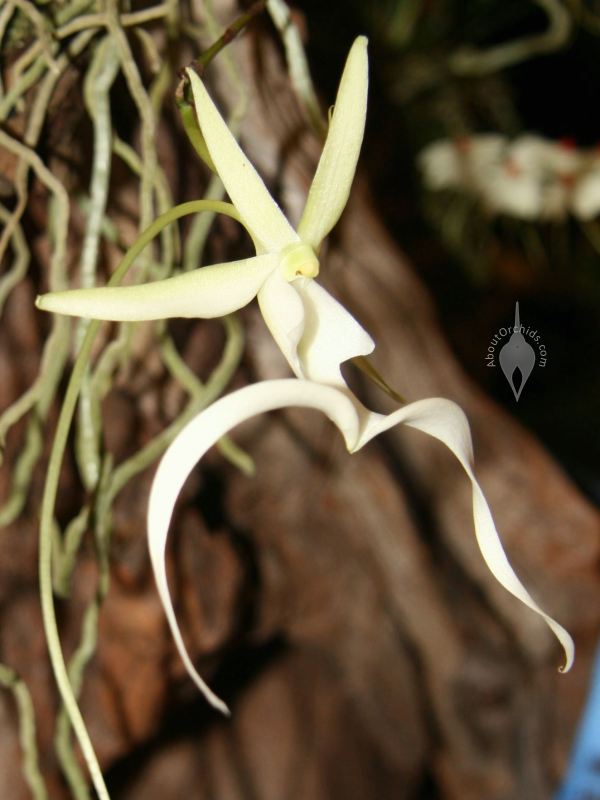
The Miami Herald has a Ghost Orchid alert! In Florida, the Audubon Corkscrew Swamp Sanctuary has a Ghost Orchid blooming within sight of its visitor boardwalk. Earlier in the summer, this plant’s first flower buds became grasshopper snacks, but 5 new buds have survived and opened. Besides the name Ghost Orchid, this species also goes by the name White Frog Orchid, since the curves of the flower lip resemble frog legs. Corkscrew Sanctuary preserves 13,000 acres (5261 hectares) of the Everglades, including North America’s largest remaining stand of old-growth Bald Cypress. Over the summer, the sanctuary is open to visitors from 7 a.m.- 7:30 p.m.

Ghost Orchid in bloom at an orchid show

Britain’s Bumper Crop of Orchids

Posted August 3rd, 2012 by Marc Cohen
Categories: Cool Growers, In the News, Orchids in the Wild

With the ongoing London Olympics and the Queen’s Diamond Jubilee, it would be easy to think that the UK is too busy to notice wildflowers right now. But the Brits have long been avid gardeners, and they certainly have noticed this year’s bumper crop of native orchids. A mild winter followed by a warm spring and copious rains have helped produce record numbers of Bee Orchids, Common Spotted Orchids, and Southern Marsh Orchids, among others. The Guardian even offers details on how to grow beautiful Bee Orchids in British lawns (hint: don’t use any fertilizers, herbicides, or moss killers.) The Irish Times describes a similar bumper orchid crop nearby in Ireland.

Most of these native terrestrial varieties, like Bee Orchids, have been more common in Mediterranean countries. Climate change has encouraged their northward spread, and now they are even appearing in southern Scotland where they were once rare. While the strange weather has benefited a few plants, many others, including farmers’ crops, have struggled. Despite this year’s orchid abundance, it’s worth remembering that these orchid species need very specialized growing conditions, and will die if they are dug up or transplanted. All are protected by conservation laws, so don’t harvest these crops.

August Orchid Shows

Posted August 1st, 2012 by Marc Cohen
Categories: Botanical Gardens, Events

Every month, as shows happen around the planet, the global appeal of orchids is obvious. Houston, Toronto, Rio de Janeiro, London, Brisbane, and Johannesburg are only a few of the locales with events in August.

August 2 – 7
Orquideas, Pajaros y Flores, Orquideorama del Jardin Botanico de Medellin, Medellin, Antioquia, Colombia
August 3 – 4
Houston Orchid Society Summer Workshop, St. Thomas Univ., Jerabeck Center, 3900 Graustark St., Houston, Texas
August 3 – 4
Second Annual Cattleya Symposium, Indian River Research and Education Center, 2199 South Rock Rd., Ft. Pierce, Florida
August 3 – 5
Hilo Orchid Society Show & Sale, Edith Kanakaole Stadium, Hilo, Hawaii
August 3 – 5
Orchids by the Sea Show, Dee Why RSL Club, Pittwater Rd., Dee Why, NSW, Australia
August 3 – 5
Exposicao de Orquideas, Anashopping, Anapolis, Goias, Brazil
August 3 – 5
Exposicao de Orquideas, Praca Sao Sebastiao, Tres Rios, Rio de Janeiro, Brazil
August 3 – 5
Exposicao Nacional de Orquideas, CTG, Sidrolandia, Mato Grosso do Sul, Brazil
August 3 – 5
D.O.G. Bewertungssitzung, Sommerfest bei der Gartnerei Gerhard Kronlein, Obereisenheim, Eisenheim, Germany
August 4
California Sierra Nevada Speaker’s Day, Odd Fellows Building, 1831 Howe Ave. at Alta Arden, Sacramento, California
August 4 – 5
Scone Palace Orchid Festival, Scone Palace, Perth, Scotland, UK
August 5
Southern Ontario Orchid Society Summerfest, Toronto Botanical Gardens, Lawrence Ave. E., Toronto, Ontario, Canada

Read the rest of this post »