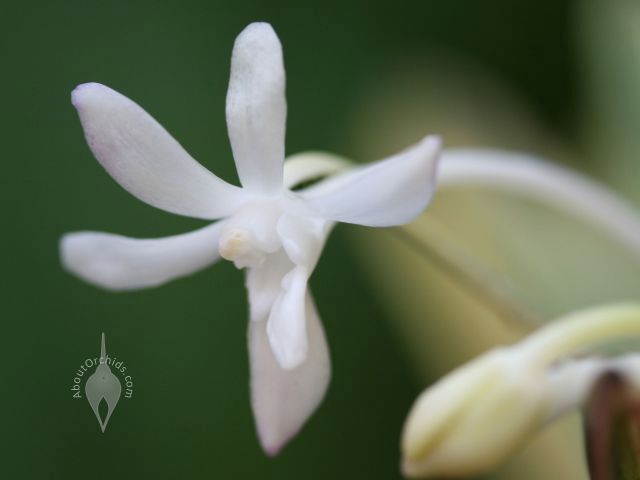
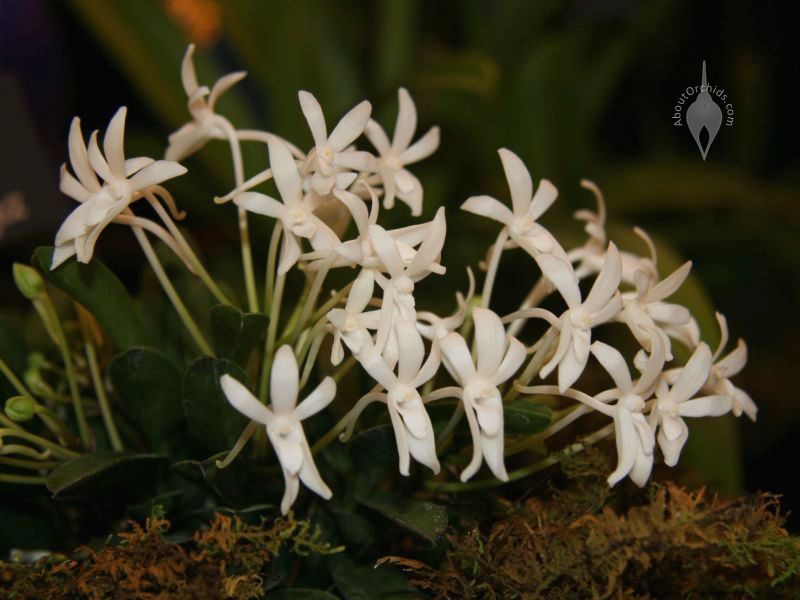
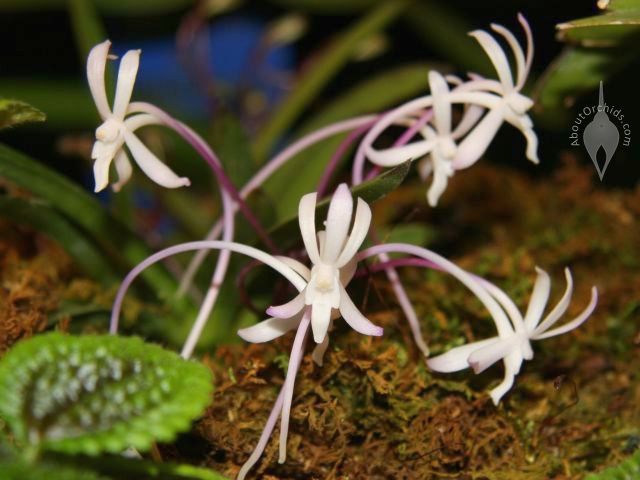
Centuries before the western world became fascinated with orchids, some eastern cultures were cultivating and revering them. For over 400 years, Japanese have grown fuu ran, the “wind orchid.” It’s known in English as Neofinetia, or the Samurai Orchid. This mini species is native to mountainside forests in southern Japan, southern Korea, and eastern China. Japanese nobles and samurai admired its beauty, elegance, and serenity. Over time, its admirers also lent this species the Japanese name fuuki ran, “rich and noble orchid.”
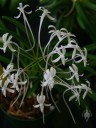
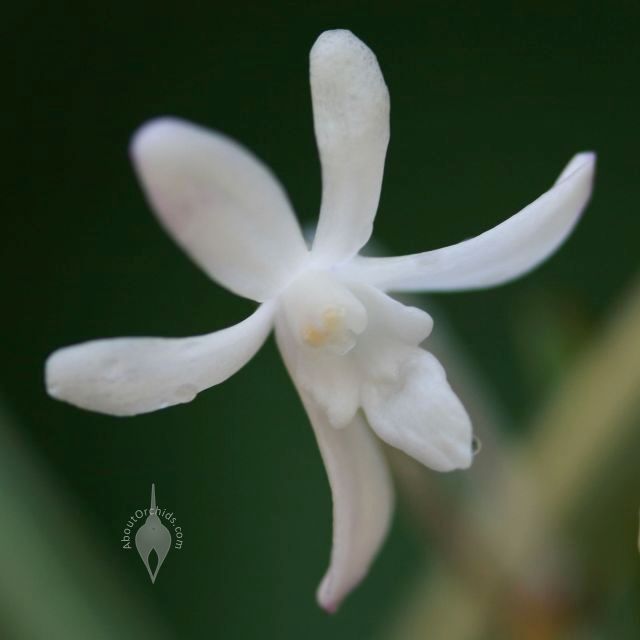
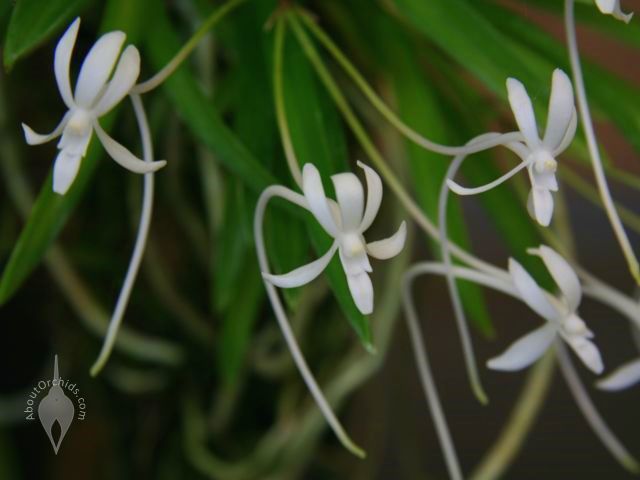
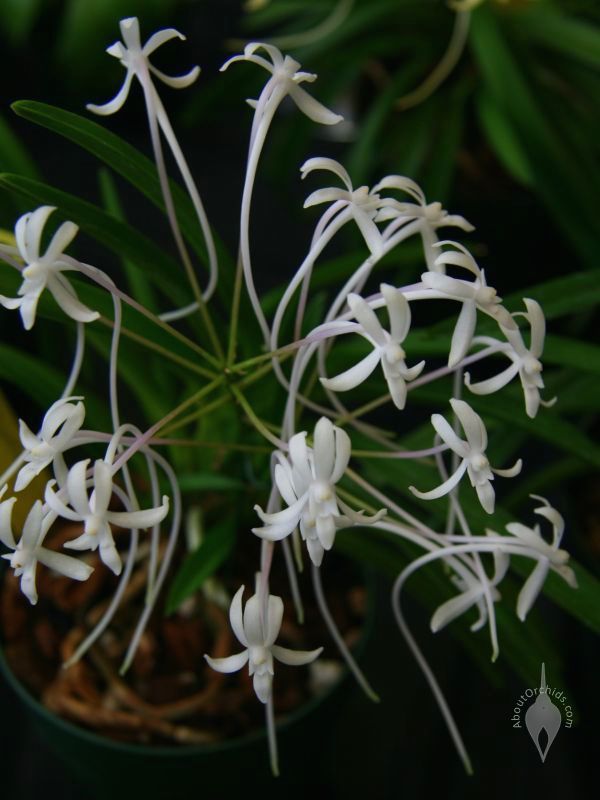
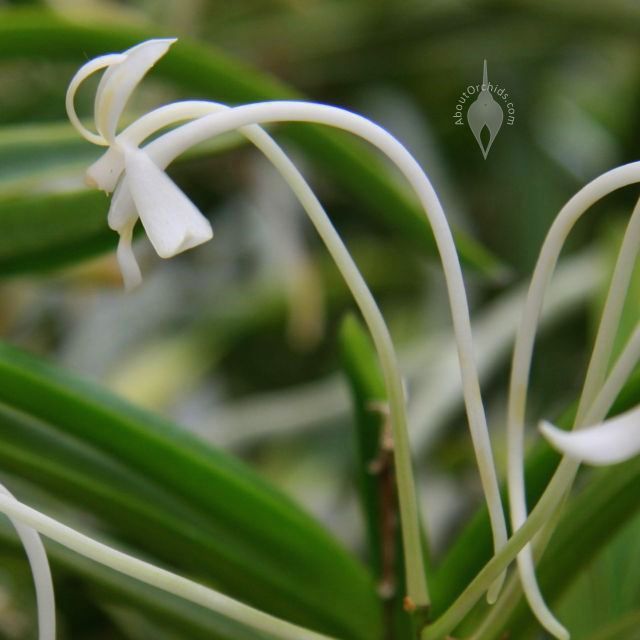
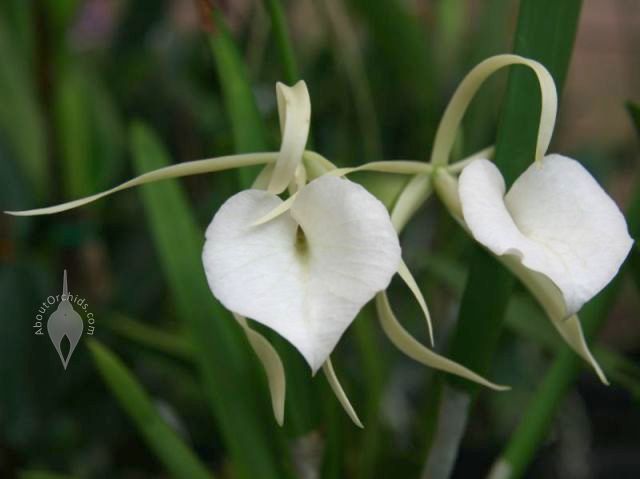
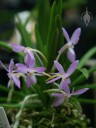
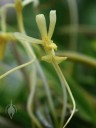
The Samurai Orchid has charming, bird-like flowers, and a rich, sweet vanilla scent in the evening. Its small size, tolerance for cold, and close relation to the Phal and Vanda families make it a popular choice as an orchid hybrid parent. Ascofinetia, Neostylis, and Darwinara are just a few of the hybrids with Neofinetia roots.
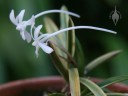
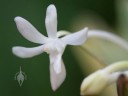
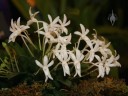
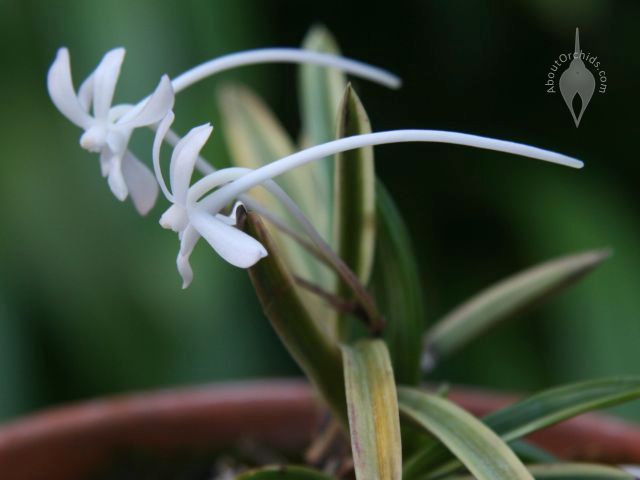
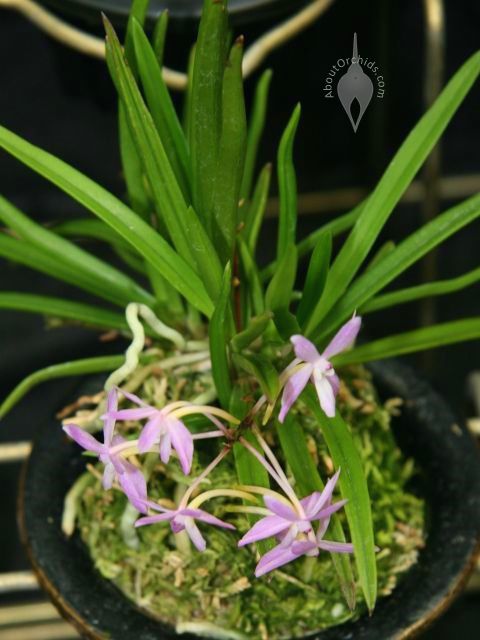
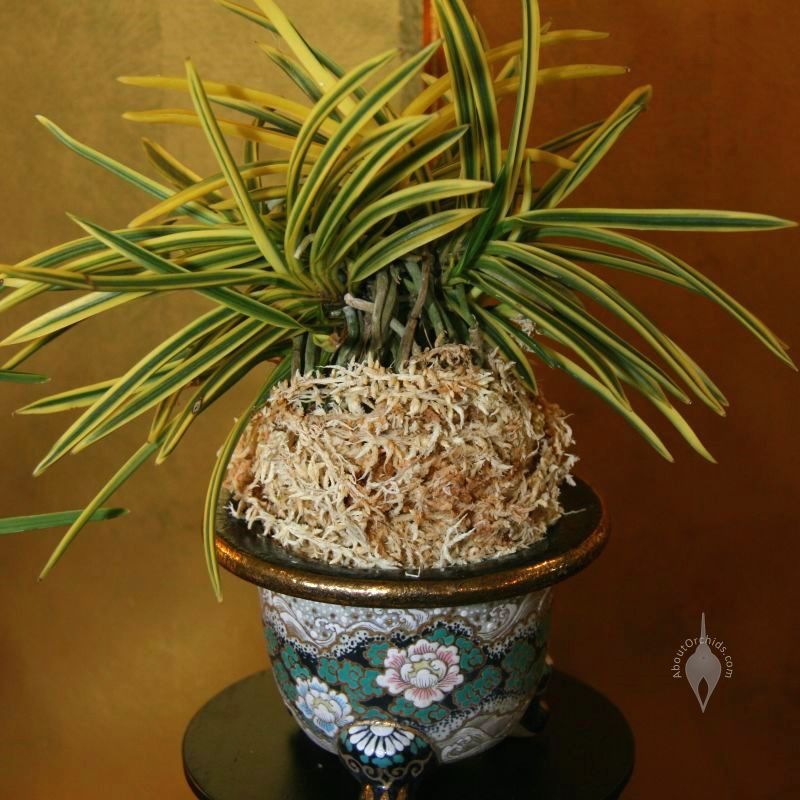
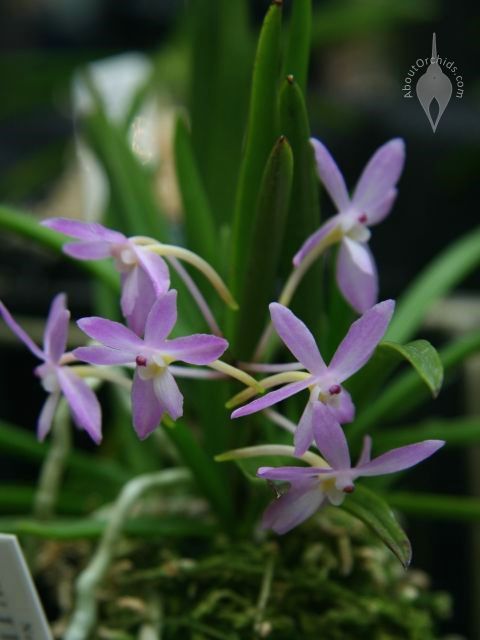
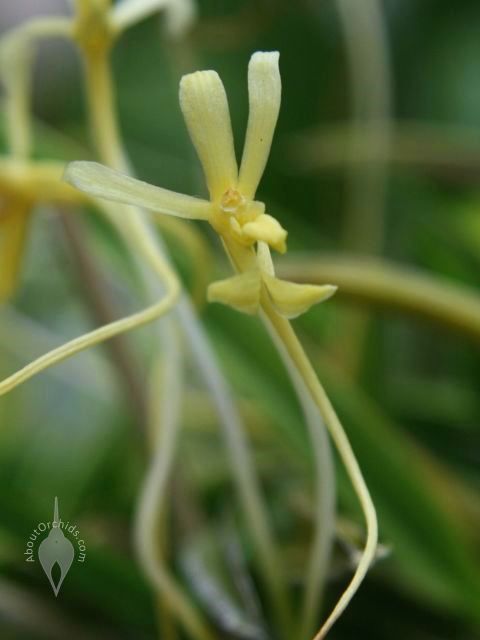
Japanese growers have been especially fascinated by the Samurai Orchid’s natural variations in flower colors, leaf colors, and leaf shapes. Typically, the flowers are pure white, but rare color mutations have been discovered and cultivated. Flower forms now come in yellow, green, pink, and magenta. Diminutive green leaves in a fan pattern are most common, but some varieties have leaves with stripes or splotches of color. Others have twisted leaves and even misshapen flowers. The rarest forms can sell for thousands of dollars.
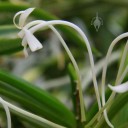
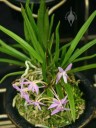
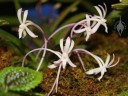
Nowadays in Japan, Samurai Orchids are beloved as cultural treasures, and often grown in moss in traditional bonsai pots. They require shade, frequent water, and warm temps in the summer. During winter dormancy, they need full sun, less water, and cool temps.
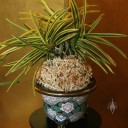
Many people are surprised that samurai cared so much for these tiny plants. Best known, of course, for their warrior skills, they also cultivated artistic talents, such as calligraphy, painting, music, or raising wind orchids. My friends and family know that orchids aren’t my only obsession — I’ve been studying Aikido, a Japanese martial art, for over 2 decades. I’m not a samurai, but I am happy to honor this artistic tradition in my training. I’m especially proud when my Neofinetia blooms, and I can enjoy an emblem of samurai history.